1 C
New York
Home Blog Page 612

The Royal Navy tests AI against supersonic missiles for the first time at sea

0

Involving more than 3,000 military personnel, Formidable Shield tests the ability of NATO warships to detect, track and defeat incoming missiles, from sea-skimming weapons travelling at twice the speed of sound just above the waterline, to ballistic missiles.

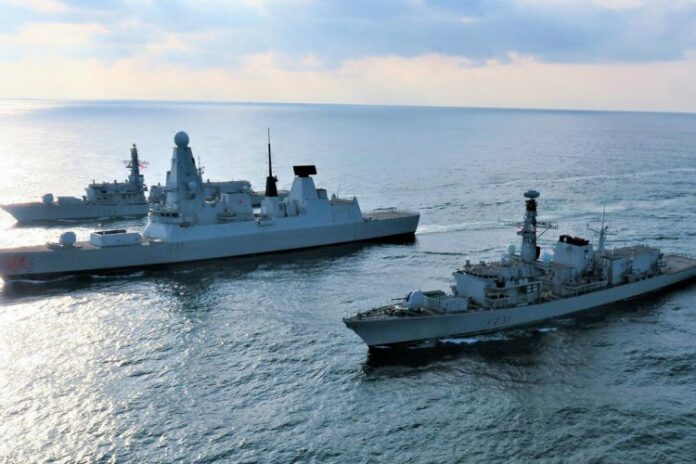
Three Royal Navy warships are taking part in the exercise, which runs until early June: destroyer HMS Dragon and two frigates, Lancaster and Argyll.

HMS Lancaster and Dragon are trialing artificial intelligence and machine learning applications which offer a glimpse of the future of air defence at sea.

Experts from the Government’s defence laboratory Dstl and industry partners from Roke, CGI and BAE Systems are using the three-week exercise to test their ‘Startle’ and ‘Sycoiea’ systems.

Startle is designed to help ease the load on sailors monitoring the ‘air picture’ in the operations room by providing real-time recommendations and alerts.

Sycoiea builds upon this and is at the forefront of automated Platform and Force Threat Evaluation Weapon assignment, effectively allowing operations room teams to identify incoming missiles and advise on the best weapon to deal with them more quickly than even the most experienced operator.

Although experiments with AI have been conducted before, this is the first time it’s been tested against live missiles, said Lancaster’s Weapon Engineer Officer Lieutenant Commander Adam Leveridge:

“Observing Startle and Sycoiea augment the human warfighter in real time against a live supersonic missile threat was truly impressive – a glimpse into our highly-autonomous future.”

NKT celebrates the completion of the NordLink interconnector power cable project

0

The project is a milestone for NKT and for the interconnection of the European power grids essential to the green transformation.

NKT has finalized the German sector of the NordLink power cable system connecting the German and Norwegian power grids. The 525 kV MI HVDC power cable system from NKT has now been put into operation by the owners TenneT, Statnett and KfW. For NKT, the turnkey project comprised design, manufacture and installation of 154 km submarine plus 54 km underground power cable systems for the German sector of the power link. With a 1,400 MW power rating, the NordLink interconnector is a cornerstone project for an interconnected and green Europe and can meet the power needs of 3.6 million German households.

Alexander Kara, President and CEO of NKT, says:

“The continued interconnection of power grids is crucial to efficiently ensure and green power supply needed for a low carbon future and interconnectors like NordLink are key to a greener future. We are proud to continue to take centre stage in the European transition to renewable energy with our strong turnkey project execution and leading technology.”

Interconnectors such as Viking Link, NordLink and the German Corridor Projects are fundamental to prepare the European power infrastructure for the increased integration of renewable energy. NordLink enables Norway to export its stable hydro power to help Germany meet its daily power demand by balancing out the natural fluctuations from the German wind power production. For Norway, the NordLink connection enables the integration of surplus from the German wind and solar power, which needs to be used instantly.

Tim Meyerjürgens, Chief Operational Officer at TenneT, says:

“With NordLink, we have successfully commissioned a major international flagship project of the European energy transition and reliably integrated it into the electricity market. Building on a trusted partnership we delivered the “green cable” within the specified expectations in time, budget and quality. As the world’s leading operator of high-voltage direct current connections, we will continue to contribute this know-how to the planning and construction of further grid expansion to drive the energy transition.”

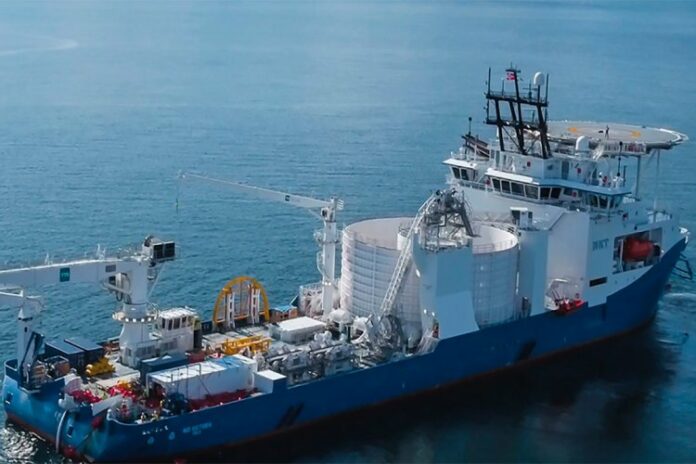
The NordLink power cables were manufactured at the NKT factory in Karlskrona, Sweden, which run on 100% green electricity minimizing the carbon footprint of the cable system. As part of the environmental focus of the operation, the installation of the submarine power cable systems was completed by NKT Victoria, the most energy efficient cable-laying vessel in the industry.

In early 2021, the NordLink project was completed according to the project plan and within the total budget. NordLink was officially inaugurated on 27 May 2021 by TenneT, Statnett and KfW.

Mammoet launches two floating drydocks via float-off operation in Saudi Arabia

0

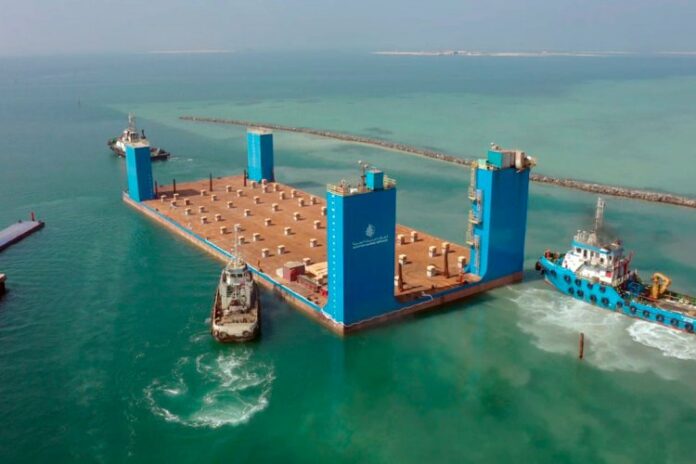
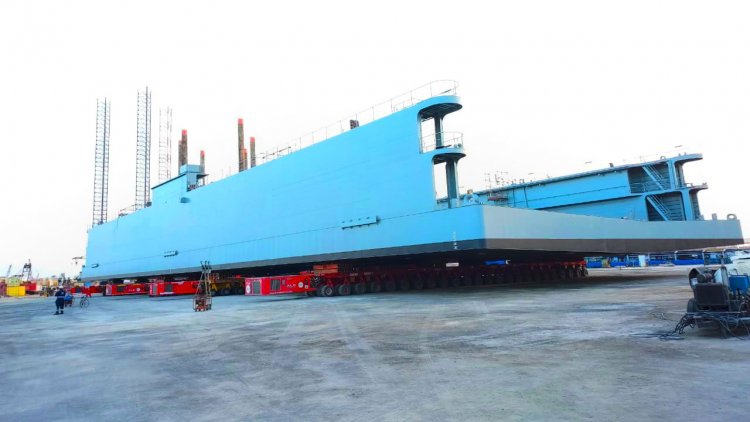
Built at Zamil Shipyard in the port of Dammam, two floating drydocks, intended for maintenance and repair works of naval crafts in Saudi Arabia, are being commissioned by Constructions Mécaniques de Normandie (CMN), a French naval ship design and construction company.

Mammoet’s Saudi Arabia branch was contracted by CMN to launch the drydocks via float-off operation. Using its vast expertise in marine load-out and float-off operations, Mammoet undertook all engineering, procurement, logistics and execution for the successful float-off of the drydocks.

In the concept stage, the team proposed a solution for the float-off that has never been performed in the Kingdom before. The solution entailed the use of a large floating dock with the capability to perform float-off directly at the jetty. The use of the proposed dock eliminated the traditional offshore float-off and related logistics. This gave the client a commercial advantage that in addition to the costs, saved a significant amount of time.

A thorough transport and marine engineering, multiple risk assessments and warranty surveys were performed to ensure safe and efficient execution. The floating dock, mooring and ballasting equipment were mobilized from UAE along with a specialized team to execute the operation. It was performed in accordance with the requirements of the client, warranty surveyors, shipyard and port authorities and environmental regulations.

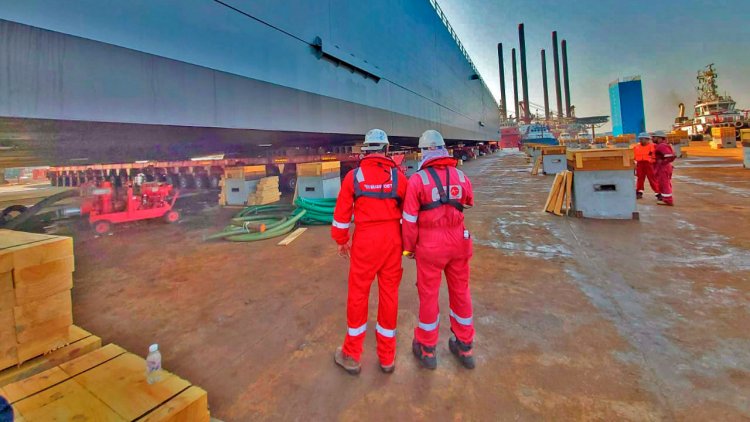
Each drydock, weighing 1,450t and measuring 85m long, 34m wide and 11m high, was safely transported from the fabrication facility to the quayside, then loaded out onto the floating dock using 96 axle lines of Self-Propelled Modular Transporter (SPMT), before being floated off successfully at the right time and tide.

Commenting on the operation, CMN’s Transfer of Technology Manager said:

“Congratulations to the entire Mammoet team and its subcontractors that have worked so hard during these days. The temperatures were high and some were fasting during Ramadan – yet, the float-off operation has been accomplished with great professionalism. We have been planning this operation together for some time but due to the COVID19 pandemic we had to be inventive and find solutions and avoid delays. The job was well done. Pleasure to have been working with such a great partner as Mammoet.”

Sustaining the Arctic Data Center enables research advances by using open data

0

This partnership, led by NCEAS at UC Santa Barbara, preserves and curates Arctic research data as well as other related research products such as media, documents, software and metadata.

Climate change is happening two to three times faster in the Arctic than in other regions, with profound implications for the planet as a whole, so data from the Arctic region are fundamental to addressing both social and natural science questions. Multidisciplinary, integrative and synthetic research is critical to tackling problems of this scale, and requires reuse of open data from the Arctic Data Center and other international Arctic data facilities.

In the first five years of operations, the Arctic Data Center worked with over 2,500 researchers to archive almost 6,000 individual datasets totaling 56 terabytes, engaged with researchers at national and international Arctic and domain-focused events, and trained researchers in reproducible research techniques. Additionally, they became one of only 27 repositories in the United States to be CoreTrustSeal certified.

Matthew Jones, principal investigator for the award and director of informatics research at NCEAS said:

“Our next phase of operations will be exciting as we engage with researchers earlier in their research cycle. Through training, direct support and a variety of new data management services such as tools for assessing data quality and sharing interactive data visualizations within research groups before the data are published, the Arctic Data Center will facilitate collaboration for lab and field groups, while also improving reproducibility across Arctic research.”

In the next five years, the center will increase capacity to support big data from satellites, remotely operated aircraft and sensor networks. Providing first-class support for challenges that face the Arctic research community remains a focus, and future work includes increased emphasis on social science data, efficient lab-centric data management and streamlining data integration and reuse. The Arctic Data Center broadly engages the Arctic research community, and will contribute to the important dialogue surrounding Indigenous data sovereignty, increasing appropriate adoption of open research and data archiving in various social science disciplines, and maintaining and promoting the FAIR (Findable, Accessible, Interoperable, and Reusable) and CARE (Collective Benefit, Authority to Control, Responsibility, and Ethics) principles. In collaboration with DataONE, the Arctic Data Center team will contribute to the conversation happening in the larger polar data community, including issues such as interoperability, supporting science on schema.org and harmonizing with various other repositories that hold Arctic data.
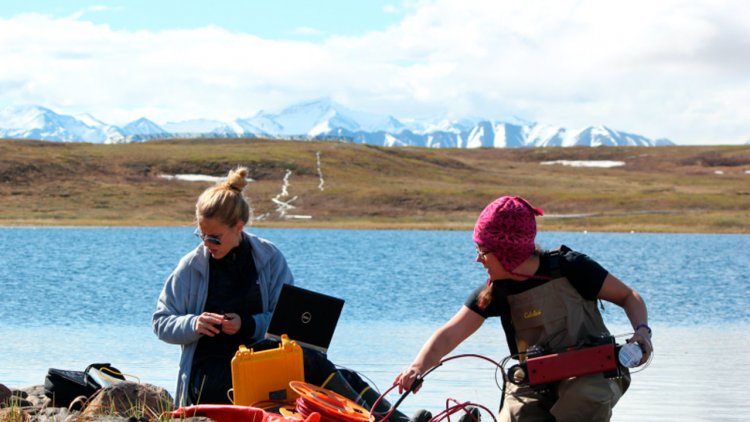
Photo: NSF

Users can continue to search for data from the extensive Arctic data collection and new features and services, such as visualization support and customizable data portals, will augment the existing data discovery interface. John Steinberg, an archaeologist at the University of Massachusetts, Boston and creator of one of those custom portals, said:

“[The Arctic Data Center] solves a huge problem for me. I work with foreign governments and when they know the data is being archived in a way that anyone can access it, it puts them at ease that they’ll be able to access it anytime. This is a modern and consistent way to share data.”

The NSF Arctic Data Center team will continue to provide user support services and will support data management planning, provide increased training opportunities (virtual and in person), and will facilitate access to publications using data archived in the center. 

Amber Budden, co-PI and director for learning and outreach at NCEAS, commented:

“We’re excited to build on the success of our Arctic data training activities, increasing both the breadth and capacity of the program. In collaboration with the community we’ve identified a need for additional curricula around subjects including sensitive data, Indigenous knowledge, CARE principles and qualitative data. These topics are particularly relevant to social science researchers and we will include social science research specific training events as part of our doubling of in-person training, in addition to delivery of a distributed remote curricula.”

Allen Pope, program director for polar cyberinfrastructure in the NSF’s Office of Polar Programs, added:

“NSF is excited to support five more years of open, collaborative, and transformative Arctic research facilitated by the Arctic Data Center. Arctic data are fundamental to Arctic research. In addition to data management training and community-building, the Arctic Data Center provides a secure and reliable service for NSF-funded researchers to archive their data and code, and it also makes all that Arctic data freely available to anybody in the U.S. and the world.”

Ørsted and HOFOR enters into agreement on green power for groundbreaking hydrogen project

0

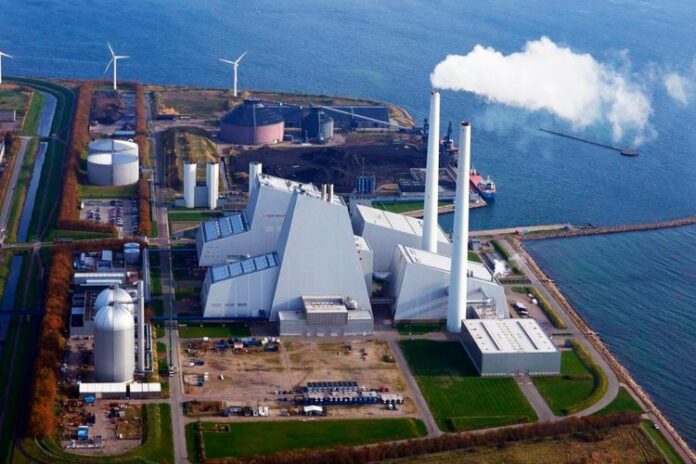
Today, Ørsted and HOFOR (Greater Copenhagen Utility) entered into an agreement that will secure green power for part of the potential 1.3 GW Green Fuels for Denmark project to produce sustainable fuels in the Greater Copenhagen area.

As part of the agreement, Ørsted and HOFOR will work towards enabling Ørsted to offtake the power produced at Aflandshage, which is HOFOR’s 250 MW offshore wind farm project in the Oresund Strait. At the same time, it has been agreed that HOFOR may place the offshore wind farm’s substation at the premises of Avedøre Power Station. Together, Ørsted and HOFOR will seek to realise both technical and trading-related synergies between the two projects. The future cooperation and the concrete design of the link between the wind farm and the PtX plant is subject to all regulatory as well as grid connection matters falling into place.

Provided that a framework is established in Denmark promoting the development of sustainable fuels, the power from Aflandshage could enable parts of Green Fuels for Denmark’s second phase of 250 MW and meet the power demand for the project’s first phase.

In addition to Green Fuels for Denmark, the agreement on Aflandshage could potentially also cover the power demand of the electrolysis plant that will supply hydrogen to DFDS’s proposed hydrogen-powered ferry between Copenhagen and Oslo, if this project is realised.

Aflandshage is being developed, and subject to regulatory approvals, HOFOR expects the project to deliver first power in 2024/2025. The power can be brought onshore at Avedøre Power Station, which is owned by Ørsted, and where Green Fuels for Denmark could be located.

Anders Nordstrøm, Head of Ørsted’s hydrogen activities, says:

“The European ambitions for renewable hydrogen and sustainable fuels have increased dramatically over the past year, mainly outside of Denmark, but as a country, we can still play a significant role in this part of the global green transformation. Green Fuels for Denmark is a large-scale flagship project ideally suited to realising Denmark’s great potential as a producer of sustainable fuels for heavy transport. The agreement with HOFOR underlines the partnership’s firm belief that Green Fuels for Denmark can contribute significantly to reducing greenhouse gas emissions and create a new industrial stronghold for Denmark.”

Jan Kauffmann, CFO of HOFOR, agrees. He emphasises that the determining factors for HOFOR have been the broad collaboration on the green energy of the future and the visionary coupling of sectors.

Jan Kauffmann says:

“If we’re to succeed with the green transformation of our combined energy supply, it’s important that major Danish players work together on shared solutions. Not least when it makes a lot of sense for both parties. That’s why we also see great potential in this long-term agreement.

“In my view, the next step will be to investigate how the excess heat generated by Power-to-X production can be incorporated into the heating system in the Greater Copenhagen area. At HOFOR, we see a strong possibility for creating a stable supply of district heating at a competitive price. Our district heating system needs this, and at the same time, we enter into a cooperation with the largest possible impact on our climate targets.”

The production of renewable hydrogen and sustainable fuels has enormous potential and can reduce carbon emissions from the heavy transport sector significantly. Sustainable fuels are more expensive to produce than fossil-based fuels. To reduce the price, the production of sustainable fuels must be matured and build-out at industrial scale, and the costs must be reduced – just as we have seen with renewable energy technologies, such as offshore wind, onshore wind, and solar PV over the past decade. For this to be feasible, the industry must join forces with governments to create a framework that provides incentives for private investments in large-scale sustainable fuel production.

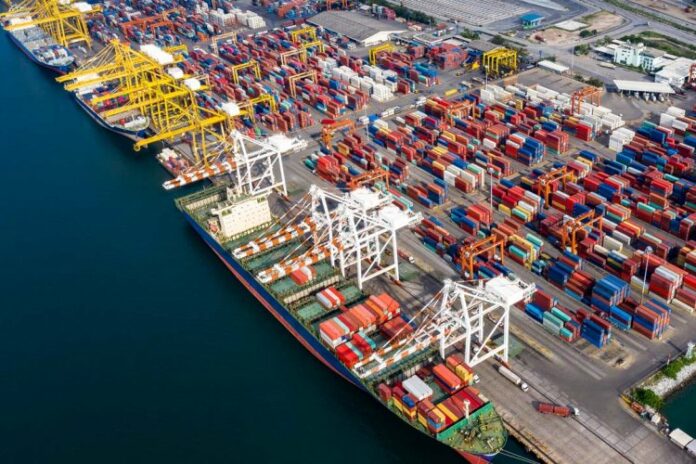
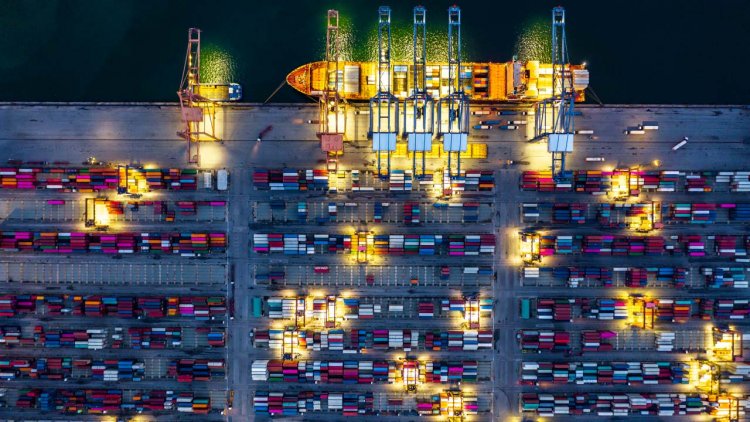
Container prices surge in Europe as carriers favour loading empties

0

For European exporters looking to source shipping containers, existing shortages could deteriorate significantly in the coming weeks, according to the latest data from Container xChange, the world’s leading online platform for the leasing and trading of shipping containers.

Most pricing and availability indicators now suggest carriers are continuing to favour shipping empties back to Asia as fast as possible to maximise yields on front-haul services rather than wait for less lucrative backhaul loads.

The upshot for shippers is rapidly rising prices in Europe for containers even though CAx availability readings point to higher availability of boxes in European hubs – Container xChange figures do not track empty moves.

Dr Johannes Schlingmeier said:

“The confluence of theoretical high availability and soaring prices for boxes strongly indicates that container lines are prioritizing empty containers over export cargo from Europe.”

“There were signs of this even before the Suez Canal closure in late March. The latest figures suggest the additional disruption this caused has exacerbated the situation and made it even harder for exporters to find empties.”

The latest container trading data reveals that between January and April average prices for used 20 ft. containers across Europe rose 57% from $1348 to $2119.

In April, price increases for 20 ft. containers were especially severe. In Antwerp prices jumped by 30% compared to March.

In Hamburg they rose by 16% over the same period while in Rotterdam they increased 12%. Since the beginning of May, average prices for 20 ft. dry containers in Europe softened slightly to $2249 from $2110 in April.

However, prices for 40 ft. dry containers have again increased this month, up 13% to $3112 from $2750 in April.

In Container xChange’s Container Availability Index (CAx) an index reading of below 0.5 means more containers leave a port compared to the number which enter. Above 0.5 means more containers are entering the port.

At the port of Genoa, the average CAx reading for a 20 ft. box in 2021 is 0.71, up from 0.26 through the first half of 2020. At Hamburg, in 2021 the average CAx reading has so far this year is 0.75, compared to 0.39 in 1H 2020, while at Rotterdam the reading is 0.71 so far this year, versus 0.46 a year earlier.

After a short dip in incoming containers to Europe due to the Suez Canal closure as measured by Container xChange’s Container Availability Index (CAx), inbound volumes are expected to increase again.

CAx readings for week 19 decreased by on average 4.5% to values of 0.85 across dry-container sizes in Hamburg, 0.79 in Rotterdam, and 83.5 in Antwerp, indicating an ongoing surplus of incoming boxes.

Dr Schlingmeier said:

“According to Container xChange forecasts, an increase in incoming shipping containers by 4-5% over the next weeks is likely to not only increase CAx readings but also contribute to slowly decreasing container prices again.”

“These are good times for equipment owners across Europe as indications are that even if container prices dip slightly, scarcity will remain until carriers change tack and start looking for more backloads. As a result, container prices are likely to remain at elevated levels for some time, although we do think availability for exporters will improve in the coming months.”

Damen signs with Groote Eylandt mining company for ASD TUG 2312

0

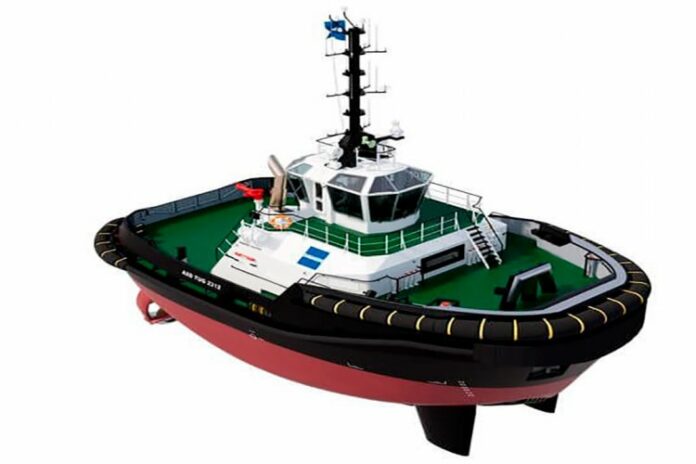
Damen Shipyards Group has signed a contract with Australia-based South32 GEMCO to supply an ASD Tug 2312 – the first such vessel to operate in the country.

Due to Damen’s series production of vessels for stock, the tug had already been built at Damen Song Cam Shipyard in Vietnam. As a result, Damen will deliver the vessel to the Port of Darwin, Australia by October of this year.

South32 GEMCO will operate the new vessel as an escort tug in support of its manganese mining operation on Groote Eylandt in the Northern Territory, approximately 650km south-east of Darwin. GEMCO is majority owned and operated by South32, a globally diversified mining and metals company.

Though a standard Damen design, the ASD Tug 2312 is being fitted out with a number of options to meet South32 GEMCO’s specifications. This includes installation of a push bow, CCTV, a crane and a second towing line and anchor.

The ASD Tug 2312 is one of Damen’s Next Generation Tugs. It builds on the success of the ASD Tug 2310 to deliver a vessel with even more safety and efficiency than its renowned predecessor. This capable escort tug offers 70 tonnes bollard pull and, with its twin fin skeg and dual azimuth thrusters, optimal manoeuvrability.

Plastic waste from MV X-Press Pearl threatens to devastate Sri Lanka’s environment

0

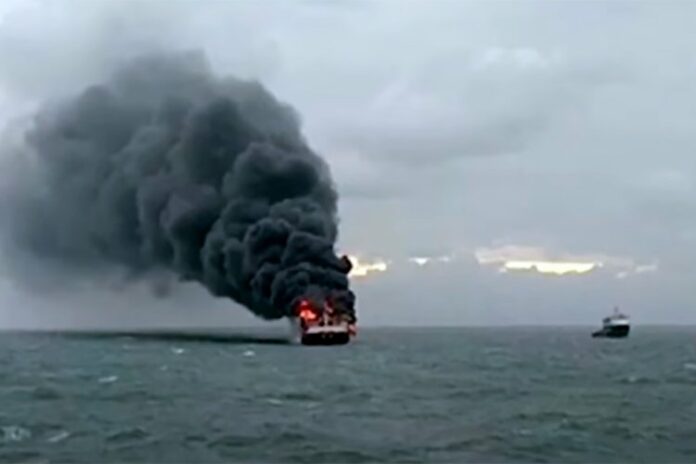
Sri Lanka faces an unprecedented pollution crisis as waves of plastic waste from a burning container ship hit the coast and threaten to devastate the local environment, a top environment official warns.

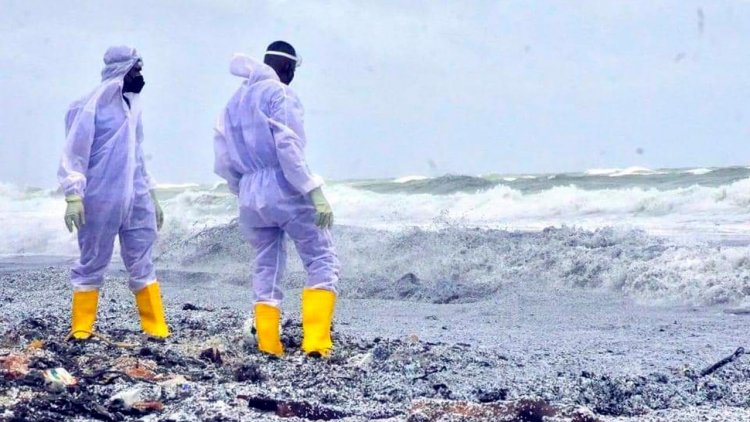
Thousands of navy sailors have been using mechanical diggers at beaches to scoop up tonnes of tiny plastic granules that have come from the Singapore-registered MV X-Press Pearl, which has been smouldering on the horizon for 10 days.

Photo: @premjourn

Sri Lanka’s Marine Protection Authority (MEPA) said the microplastic pollution could cause years of ecological damage to the Indian Ocean island.

The tiny polyethylene pellets threaten beaches popular with tourists as well as shallow waters used by fish to breed.

Fishing has been banned along an 80-kilometre stretch of coast near the ship that has been burning for 10 days despite an international firefighting operation.

Photo: @premjourn

Orange-coloured plastic booms were set up in case oil leaks from the crippled ship reached Negombo Lagoon, which is famed for its crabs and jumbo prawns.

Navy sailor Manjula Dulanjala said his team had almost cleared the beach on Friday evening, but was shocked to find it covered again the following morning.

The pellets and waste were packed into green and white polythene sacks and taken away by trucks.

Photo: @premjourn

An officer leading another team that on certain parts of the beach the microplastics and charred debris were 60 centimetres deep.

An oil leak from the vessel, said to be carrying 278 tonnes of bunker oil and 50 tonnes of diesel, would increase the risk of devastation.

The X-Press Pearl caught fire as it waited to enter Colombo Harbour. It remains anchored just outside the port.

Source: ABC

Wärtsilä to supply IGG systems and Navigation Systems for six Arctic class LNG Carriers

0

The technology group Wärtsilä will supply the Inert Gas Generator (IGG) systems, as well as the latest technology in radio and integrated navigation systems for six new LNG Carrier vessels being built to serve the Arctic LNG 2 project in Russia’s Arctic waters. The orders were placed with Wärtsilä by Daewoo Shipbuilding Marine Engineering (DSME) in April. There are options for an additional two plus two vessels.

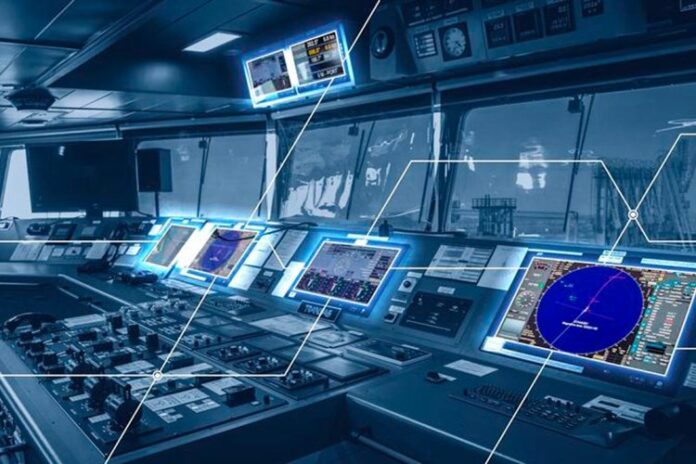
Wärtsilä Gas Solutions will deliver the Inert Gas Systems, which are vitally important to the safe operation of liquefied gas and oil tankers. The contract with Wärtsilä Voyage includes the installation of a multifunction display system consisting of workstations with a full set of applications, including the Wärtsilä Navi-Sailor Electronic Chart Display and Information System (ECDIS), Navi-Radar, the Navi-Conning navigation information display system, a Bridge Alert Management System (BAMS), and the Wärtsilä Navi-Planner for advanced route planning. The scope also includes IRIDIUM satellite communication systems. The workstations are fully integrated into a unified system, which allows the main operational functions to be duplicated, thereby improving the safety of ice navigation. 

Jaechul Ha, Sales Manager, IGS, Gas Solutions commented:

“These vessels will operate in severe climatic conditions, and it is essential that all onboard systems are capable of safe and reliable performance under all conditions. We have worked closely with both DSME and SCF in the past, and are pleased to continue these relationships.”

Alex Van Knotsenborg, Director Global Sales, Wärtsilä Voyage, said:

“All the navigational systems to be installed come integration-ready with Wärtsilä Voyage’s flagship Fleet Operations Solution — an industry-first cutting-edge technology that improves ship-to-shore synergies and operational efficiencies by integrating previously fragmented navigational services under one platform.”

The 172,500 cbm capacity vessels will have a high ice-class rating for year-round operations along the challenging northern sea route.

The Wärtsilä equipment is scheduled for delivery to the yard commencing in September of this year. Wärtsilä has earlier delivered both IGG and combined IGG / Gas Combustion Units to DSME, and has supplied SCF with Inert Gas Systems for their crude oil tanker fleet and Arctic LNG Carrier series. In January 2021, Wärtsilä Marine Power announced a significant order for 46 dual-fuel engines for the same six LNG carrier vessels being built to serve the Arctic LNG 2 project.

WSM appointed ship manager for the first Turkish-flagged FSRU

0

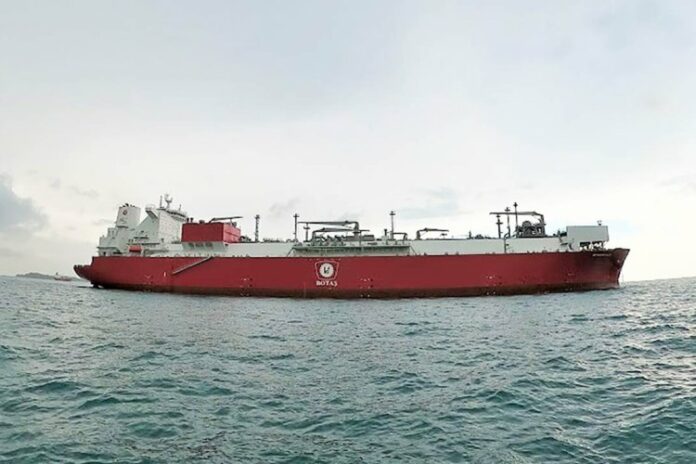
Wilhelmsen Ship Management (WSM) has announced the smooth and successful takeover of Ertuğrul Gazi, the first Turkish-flagged floating storage and regasification unit (FSRU). The new-build, built at Hyundai Heavy Industries, South Korea, is owned by the Turkish state-owned crude oil and natural gas pipeline company, BOTAŞ.

The newly built FSRU completed its sea trials in March 2021 and will operate in the İskenderun Bay, Hatay Dörtyol, in the southeast of Turkey. 

Carl Schou, CEO and President of Wilhelmsen Ship Management, says:

“It is an honour for us to be entrusted for the management of Turkey’s first Turkish-flagged FSRU. We would like to thank BOTAŞ for giving us this opportunity, we will strive to deliver the best ship management experience to our new client.”

Ertuğrul Gazi will be connected to the LNG terminal at Hatay, Turkey. The FSRU has an LNG storage capacity of 170 thousand cubic meters, which equals to 102 million cubic meters in gas form. It has a regasification capacity of 28 million cubic meters per day.