0.8 C
New York
Home Blog Page 610

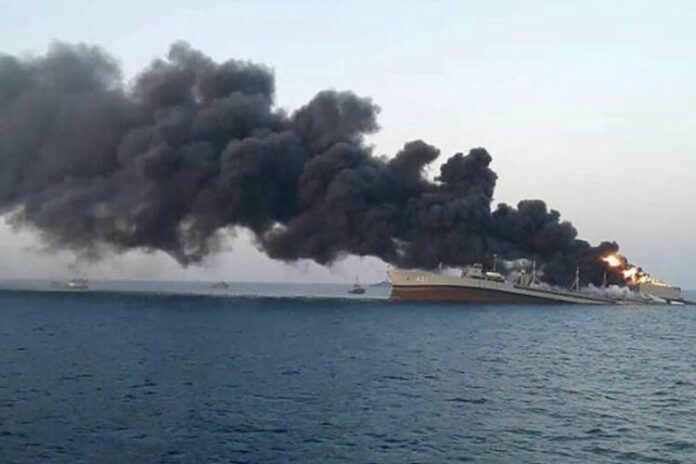
Iranian naval vessel sinks in Gulf of Oman after fire

0

The public relations department of the Navy’s second maritime zone in Jask said in a statement that all crew on board the vessel have been disembarked and transferred to the coast after the fire broke out in Khark.

The military vessel was being deployed to international waters for a training naval operation when one of its systems caught fire near the port of Jask.

Twenty hours of efforts by military and civilian organizations to extinguish the fire were futile as the fire spread to different parts of the naval ship, which finally sank, the statement added.

Khark had been in service for more than four decades and had taken part in many training operations.

Source: Tashnim News Agency

Creation ‘HyXchange’ hydrogen exchange a step closer

0

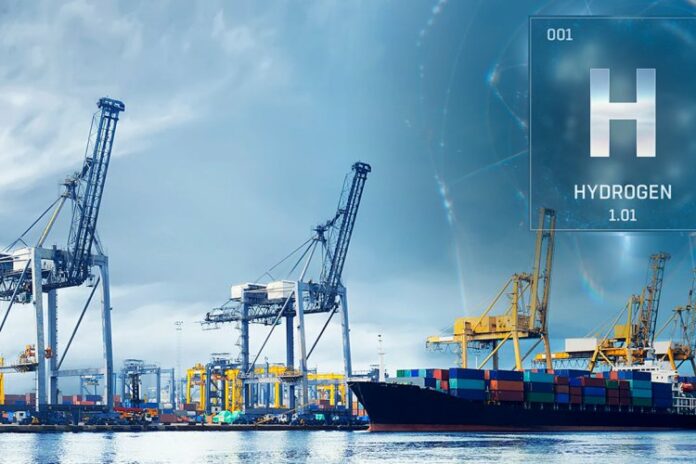
Research into the practical setup of a hydrogen exchange in the Netherlands has clarified the products and conditions that will be required to create trade for hydrogen. 

They include hydrogen certification, an index that would make prices transparent, a spot market and the development of trading instruments to balance the physical hydrogen network and to store the gas. All this was revealed by research conducted by Bert den Ouden on behalf of Gasunie and the port authorities of Rotterdam, Amsterdam, Groningen and North Sea Port, in consultation with market players and governments.

The growing demand for climate-neutral hydrogen creates the necessity for the market to work properly and for transparent, efficient pricing. A hydrogen exchange will be able to facilitate both. The new hydrogen exchange will be called HyXchange. In a follow-up project, HyXchange plans to test the first trading products in pilots and simulations which will further involve the market.

The initial exploratory study into setting up a hydrogen exchange was presented in September 2020. This report provided a vision of a gradual formation of a hydrogen exchange that would grow along with the hydrogen market and the development of hydrogen networks. In response, the parties mentioned above commissioned a follow-up study to be conducted by Bert den Ouden, former CEO of the Dutch Energy Exchange.
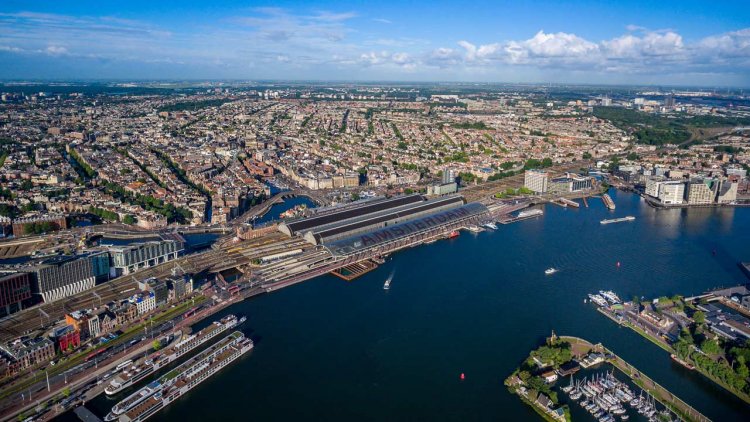
The port authorities of Rotterdam, Amsterdam, Groningen and North Sea Port (Vlissingen, Terneuzen and Ghent) are all engaged in hydrogen infrastructure plans for their industries and other new initiatives in their respective areas. For some time, Gasunie has been working on plans for a national infrastructure to connect all these locations as well as hydrogen storage, and particularly to facilitate the import and transit to Germany and Belgium, whilst making hydrogen accessible to even more parties. A hydrogen exchange, along the lines of the electricity and gas exchanges, could serve to catalyse a market for climate-neutral hydrogen. It could also help the economic growth of a hydrogen market.

The follow-up project involved a much deeper analysis and examined the possibilities in greater detail. Furthermore, a large group of market parties was briefed and then consulted in the form of product groups. This yielded some valuable suggestions. The result is as follows:

Certification of green, low-carbon and imported hydrogen is needed to pipe a greater volume of hydrogen from a wide range of sources through a single grid, whilst still allowing users to choose which type of hydrogen they wish to purchase. This is like an electricity and gas system where the same grid is used whatever the origin, but where green electricity and gas are certified, thus adding value for the client. In anticipation of the regulations, the hydrogen exchange initiative intends to organise a pilot scheme to gain experience in this area.

A second point needed to develop a hydrogen exchange is an index that provides transparency with respect to the price at which hydrogen can be traded. The study produced an index reflecting the price of the hydrogen, as well as the certificates, according to the generation method and the extent to which it manages to cut carbon emissions.
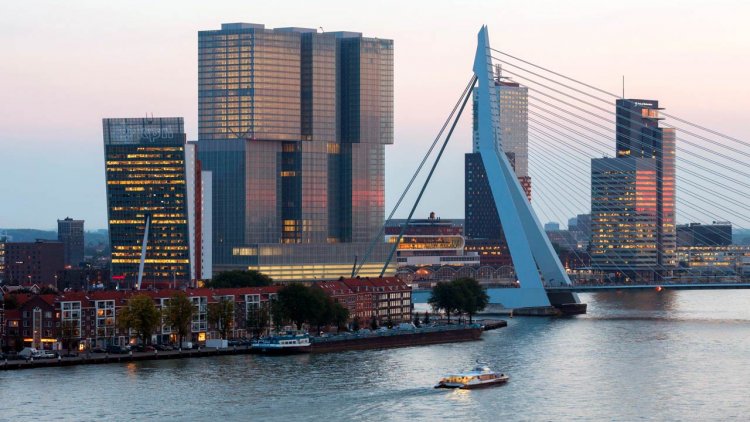
Thirdly, a spot market is important in the development of a hydrogen exchange. This will at first be set up as a market simulation, and when the infrastructure in one of the ports is ready and there are several providers and customers, a real local spot market will be launched. This would be expanded as Gasunie connects the hydrogen grids in the various port and industrial areas to its national hydrogen grid (HyWay27 project). This type of spot market would present an opportunity for international hydrogen trading links.

Finally, trading instruments are needed to balance the network and store hydrogen. These mechanisms must be explored in further detail and they could also form part of a proposed market simulation.

The initiators want to flesh out the results of the study through pilots and simulations and, by doing so, gradually create the HyXchange trading platform. There will also be a European dimension to this market. Using the project results, Bert den Ouden recently presented some outlines of this in the European (“Madrid”) policy forum on gas regulation.

In this respect, the government will have an important role to play in creating the right conditions. For a start, there is the certification of green and low-carbon hydrogen, and hydrogen imports. In addition, it is noted that although the government has big ambitions in the area of hydrogen, more specific instruments are needed if they are to be fully realised. It is about an environment in which market parties are encouraged to get involved in and trade in hydrogen for a speedy and efficient energy transition and to achieve climate neutrality.

VIDEO: Chemical cargo ship sinks in one of Sri Lanka’s worst-ever marine disasters

0

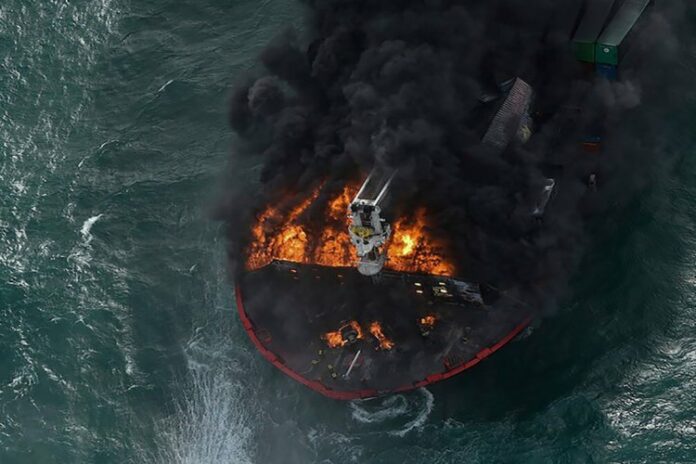
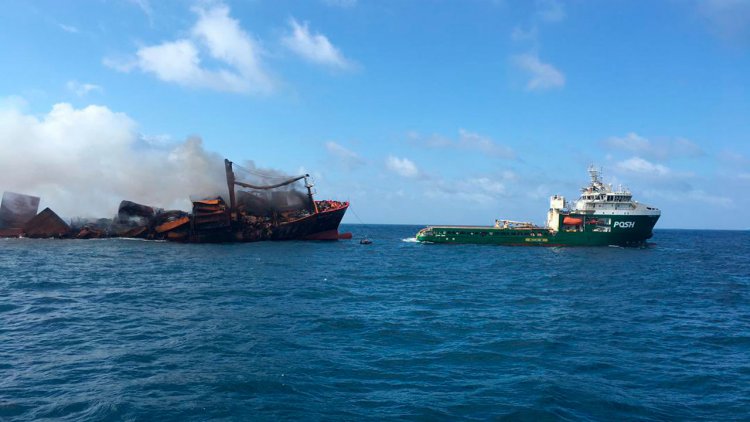
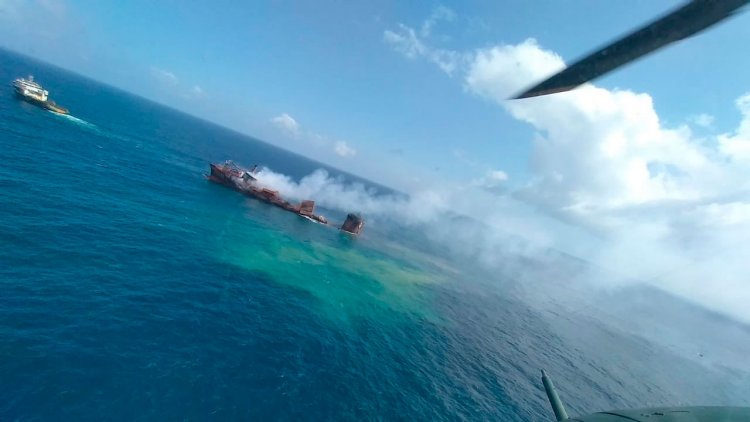
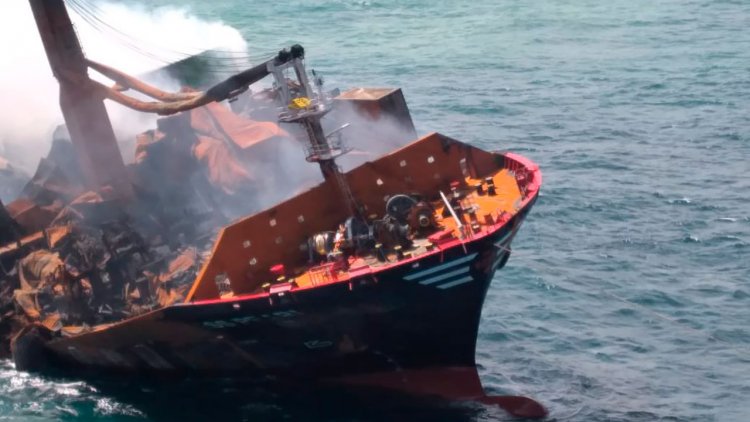
A cargo ship carrying tonnes of chemicals is sinking off Sri Lanka’s west coast, the country’s government and navy said on Wednesday, in one of Sri Lanka’s worst-ever marine disasters.

VIDEO: Sri Lanka Air Force – SLAF Media

The Singapore-registered MV X-Press Pearl, carrying 1,486 containers, including 25 tonnes of nitric acid, along with other chemicals and cosmetics, was anchored off the island’s west coast when a fire erupted on May 20.

Photo: Sri Lankan Air Force Media Handout/EPA

Authorities have been battling the blaze since then, as flaming containers laden with chemicals have fallen from the ship’s deck, the navy said last month.

Tonnes of plastic pellets have swamped the island’s coastline and rich fishing grounds, creating one of the biggest environmental crises in decades, experts say.

Photo: Kanchana Wijesekera @kanchana_wij

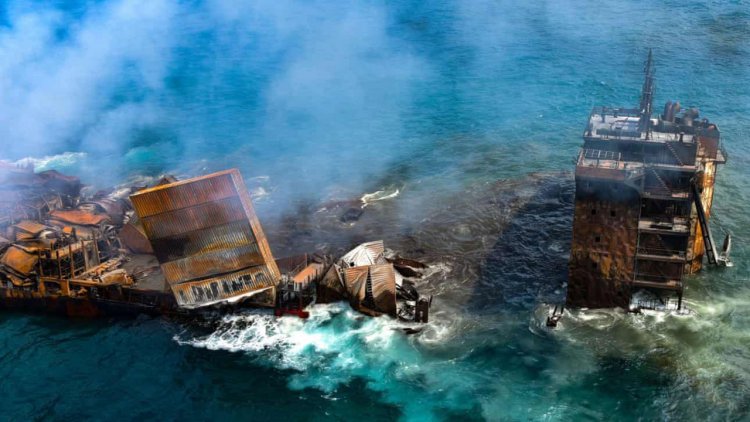
Photos taken by the country’s air force showed the charred wreck of the ship spewing white smoke as it listed to the right and began sinking, and part of it soon touched the seabed, 22 metres (73ft) deep in the immediate area.

The navy was preparing to deal with an oil spill as the ship sank, Silva added.

The MV X-Press Pearl had left the port of Hazira in India on 15 May and was on its way to Singapore via Colombo.

Sources: Reuters, The Guardian

VIDEO: The Guardian

Cutter Suction Dredger Willem van Rubroeck embarks on its career in Mauritania

0

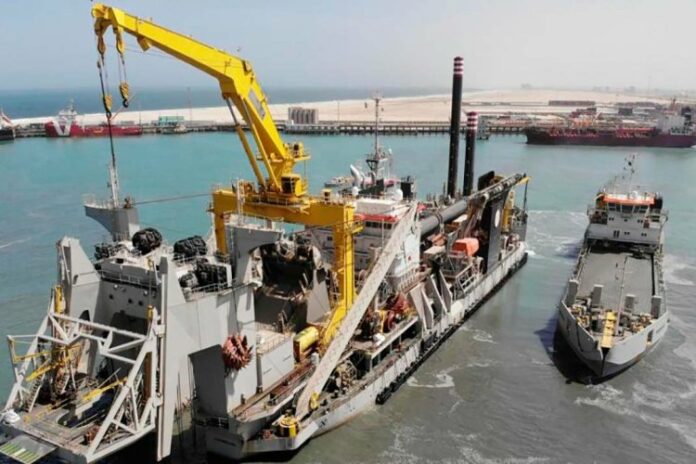
The brand-new Cutter Suction Dredger Willem van Rubroeck, which has a total installed cutter power of 41,346 kW, started its very first assignment in Mauritania.

In the port of the capital Nouakchott, the vessel is working for developer ARISE Mauritania, on the deepening of the access channel, the port basin and the new berth alongside the new ARISE port terminal.

Willem van Rubroeck pre-cuts the hard seabed, after which the trailing suction hopper dredger James Cook can dredge up the cut material. The duo, assisted by the barges Pinta, Boussole, L’Aigle and Le Guerrier, will remove a total of 3 million m³ of hard soil.

During the summer months of July and August, Willem van Rubroeck and James Cook will briefly move to the more northerly port city of Nouadhibou to dredge rock banks in the 3-kilometre-long outer channel for the mining company Société Nationale Industrielle et Minière (SNIM).

In September and October, both vessels will return to Nouakchott to complete the works for ARISE.

Both projects are largely carried out in the open sea, and that is exactly why the Willem van Rubroeck is the best option.

This powerful cutter suction dredger is the largest in the Jan De Nul cutter fleet with a total installed power of 41,346 kW, three 8,500 kW dredge pumps, 8,500 kW of cutter power and a cutter reach up to 45 metres water depth.

Willem van Rubroeck was built to dredge very hard rocky soil, and thanks to its size, this vessel can also withstand more difficult conditions, such as higher waves and more challenging weather conditions.

Yara and Japanese companies will study the practical application of AFAGC

0

On May 31st, NYK Line, Nihon Shipyard Co. Ltd. (Nihon Shipyard), and Nippon Kaiji Kyokai (ClassNK) signed an MOU with Yara International  (Yara) to jointly study the practical application of an ammonia-fueled ammonia gas carrier (AFAGC) that uses ammonia as its main fuel.

Since carbon dioxide (CO2) is not emitted when ammonia is burned, it is viewed to have promise as a next-generation fuel that could mitigate shipping’s impact on global warming. In addition, it is said that zero emissions can be realized by utilizing CO2-free hydrogen as a raw material for ammonia. In particular, the use of ammonia as a fuel for power generation is expected to significantly reduce CO2 emissions, and development is underway for ammonia co-firing power generation at coal-fired power stations.

The reduction of greenhouse gas (GHG) emissions is a significant issue in the marine transportation sector. In 2018, the International Maritime Organization (IMO) set the goal of halving GHG emissions from the international maritime sector by 2050 and reaching a target of zero as early as the end of this century. Ammonia is attracting attention from various quarters as an alternative fuel that can contribute to achieving these goals.

This project is part of joint R&D for the practical application of the world’s first AFAGC, which NYK Line, Nihon Shipyard, and ClassNK have been operating since August 2020.

AFAGC contributes to the reduction of CO2 emissions from ships by using ammonia as the main fuel, and is expected to achieve zero emissions from ocean-going ships at an early stage by using ammonia as a marine fuel. It will also contribute to the establishment of a stable and economical supply chain for ammonia, for which demand is expected to grow in the future.

With the signing of this MOU with Yara, we will now proceed with studies based on more specific operational requirements, including ship design and development, by studying operational methods and regulatory compliance, and evaluating economic efficiency.

McDermott completes KG-D6 Satellite Cluster Project

0

McDermott International, Ltd has announced it has completed work on Reliance Industries Limited KG-D6 Satellite Cluster Project, off the east coast of India.

Mahesh Swaminathan, Senior Vice President, Asia Pacific, said:

“McDermott’s work on the KG-D6 R and Satellite Cluster Projects included many firsts, including the deepest pipelay in India at 6,069 feet (1,850 meters) and the first piggy-back pipelay by our Derrick Lay Vessel 2000. Completing these scopes despite some of the obstacles we faced, including cyclones and COVID-19, is testament to our project execution expertise in complex subsea environments and demonstrates our dedication to delivering our customer’s projects safely.”

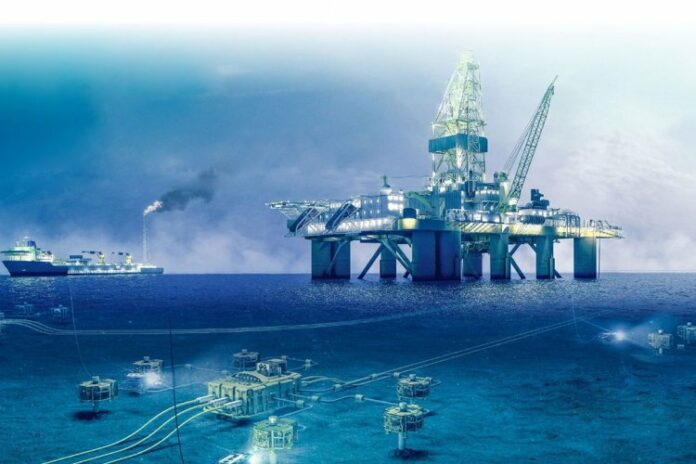
The Satellite Cluster Project scope included subsea pipelines and the installation of jumpers, umbilicals, in-line structures, pipelines, subsea manifolds and associated structures and pre-commissioning of pipelines and umbilicals. McDermott’s Derrick Lay Vessel 2000 and North Ocean 102 were used on the scope. At its peak, there were approximately 500 personnel working offshore supporting installation and pre-commissioning activities.

GEV signs MoU with ILF for hydrogen projects in Europe and Australia

0

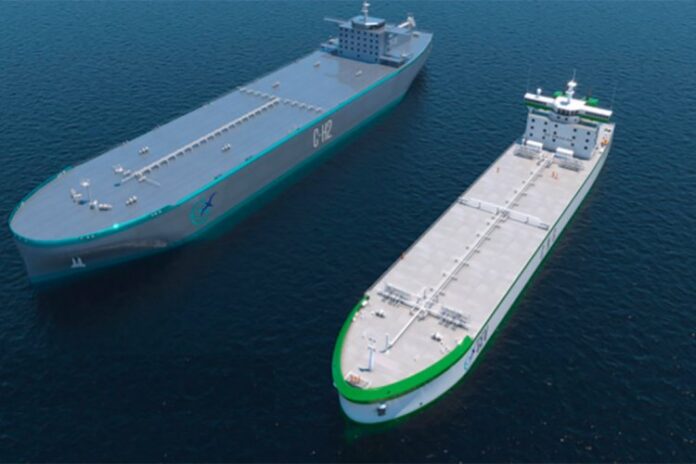
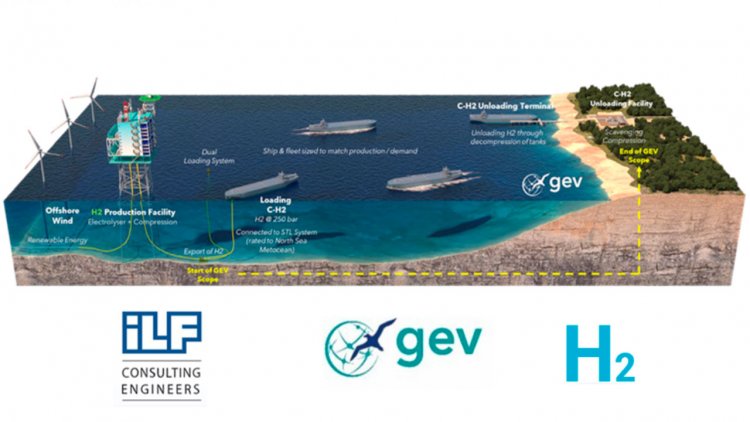
Australia-based Global Energy Ventures (GEV) has entered a Memorandum of Understanding (MoU) with Germany based ILF Beratend Ingenieure (ILF Consulting Engineers) to identify and develop green hydrogen projects in Europe and Australia wich will include GEV’s C-H2 shipping solution.

ILF’s engineering expertise covers the hydrogen value chain from renewables, water supply down to hydrogen production, transportation and storage and offers solutions for a large spectrum of hydrogen-related projects. 

The MOU provides GEV with access to the fast-developing hydrogen economy in Europe, leading the world with clean energy policy, incentive schemes, deep pools of ESG financing, production and centres of hydrogen demand.

GEV managing director Martin Carolan said:

“GEV has identified Europe as a key market for the company’s C-H2 shipping and supply chain with the renewable energy sector growing at a rapid rate for some years and the transport of green hydrogen using compression highly suitable given the short to medium distances to future demand centres such as Germany.

“The MOU with ILF will establish GEV’s launch into Europe with one of the world’s leading engineering firms with expertise in the design and implementation of green hydrogen projects. ILF’s experience in hydrogen, strong reputation in project delivery and long-standing relationships will be beneficial to GEV in Europe while we will also look to ILF’s expertise across the value chain for hydrogen projects in Australia.”

ILF business development manager Jens Kottsieper said:

“ILF sees Australia as an important supplier of green hydrogen, and we look forward to applying our expertise across the value chain. We also recognise the need for shipping of hydrogen into Europe given the need for large quantities. Transporting large quantities of gases has been a topic that has kept us busy for over 50 years. We are glad to be able to complement our pipeline and hydrogen expertise with GEV’s expertise in low-cost transport by ship.

“The cooperation with GEV allows us to advise our customers even more comprehensively on their transport issues in order to develop a solution that fits their specific requirements. ILF is competent in consulting, engineering and project management; GEV is competent in project implementation. With our joint support, gas really does flow.” 

Subsea Integration Alliance awarded EPCI contract offshore Brazil

0

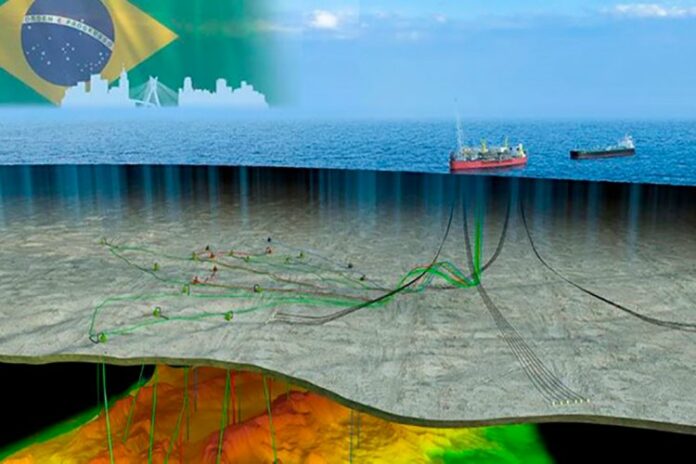
Subsea 7 announced today the award of a major contract by Equinor to Subsea Integration Alliance(2) for the Bacalhau field development located 185 kilometres from the coast of the state of São Paulo, Brazil.

The project work scope covers the engineering, procurement, construction and installation (EPCI) of the subsea pipelines (SURF) and production systems (SPS). The development will include 140 kilometres of rigid risers and flowlines, 40 kilometres of umbilicals and 19 trees, as well as associated subsea equipment, in water depths of approximately 2050 metres.

The Subsea Integration Alliance team established during the initial front-end engineering design phase, awarded in January 2020, will now transition into the full EPCI phase. Project management and detailed engineering will take place in Rio de Janeiro, Brazil, with support from Subsea 7’s Global Project Centre in UK and France and various OneSubsea® offices. Offshore activities will take place from 2022 to 2023 using Subsea 7’s reel-lay, flex-lay and light construction vessels.

Bacalhau is Brazil’s first integrated SURF and SPS project. The award today is a significant endorsement of Subsea Integration Alliance’s strong position within the integrated market, Subsea 7’s long-established local presence in Brazil and the Group’s commitment to support Equinor’s strategy of long-term growth in the region.

Stuart Fitzgerald, CEO Subsea Integration Alliance said:

“The award to Subsea Integration Alliance of the EPCI contract is a result of our strategy for early engagement and track record of major integrated projects. It underlines the strength and breadth of our global project management capabilities which underpin our delivery of large and complex integrated projects.”

Marcelo Xavier, Subsea 7 Vice-President Brazil, said:

“This contract award extends our track record of delivering optimised solutions for deepwater developments in Brazil. We look forward to strengthening our relationship with Equinor during this and future developments.”

Nordic consortium reveals promising outlook for a green ammonia-powered vessel

0

The Nordic Green Ammonia-Powered Ship concept study brings together key players in the entire value chain for a green ammonia-powered gas carrier. A major conclusion is that green ammonia holds potential to play a significant role in decarbonizing maritime transport if investors and operators are presented with a credible business model.

Momentum is building behind the urgent need for a transition to zero-emission shipping. Recent research estimates that zero-emission fuels need to make up 5% of the international fuel mix by 2030 if the industry is to meet decarbonization targets by mid-century. Among other zero-emission fuels, green ammonia is seen as central to deliver on these objectives due to its potential scalability and application on long-distance routes. The Nordic Green Ammonia-Powered Ship (NoGAPS) consortium has elaborated a concept for a green ammonia-powered gas carrier, transporting ammonia as a cargo in Northern Europe and using zero-emission ammonia as a fuel.

Jesse Fahnestock, Project Director at the Global Maritime Forum says:

“Understanding the technologies and business models needed to deliver zero-emission shipping is key. The NoGAPS concept study examines the full value chain viability of powering ships with green ammonia. It finds that using green ammonia as a fuel is both practical and feasible. Focus should now be on measures that can strengthen the business case for zero-emission ammonia.”

Sofia Fürstenberg Stott, Partner at Fürstenberg Maritime Advisory, says:

“The NoGAPS study has helped to identify the most pressing problems and possible solutions for ammonia-powered, zero-emission shipping, from the perspective of the entire maritime value chain. The Nordic region is home to plentiful renewable energy, large-scale ammonia production, and some of the world’s leading shipping companies and engine manufacturers and has an opportunity to build the full value chain for green ammonia-powered shipping on an accelerated timetable.”

The NoGAPS project report has been developed by the Global Maritime Forum and Fürstenberg Maritime Advisory and made possible through collaboration with consortium project partners; BW Epic Kosan, Danish Ship Finance, DNB, DNV, MAN Energy Solutions, Wärtsilä, Yara International, and Ørsted with co-funding from Nordic Innovation.

The consortium investigated the vessel, the fuel and the fueling options, as well as the business, financing and policy considerations. The major NoGAPS conclusions are:

  1. The potential of green ammonia-powered shipping to contribute to the decarbonization of the maritime sector is significant, and ammonia carriers present a logical starting point for demonstrating this potential.
  2. Neither the technical considerations nor the associated regulatory approval for a green ammonia-powered vessel present major obstacles to putting the M/S NoGAPS on the water.
  3. Ammonia synthesized from green hydrogen represents a credible long-term, zero-emission fuel.
  4. The most important challenge to be overcome is to develop and demonstrate a business model that is credible in the eyes of investors and operators. Both the vessel design and the fuel sourcing strategy offer opportunities to reduce risks and costs in meaningful ways.
  5. Government support and public finance can both accelerate the short-term timetable for investment in demonstration and improve the outlook for long-term deployment of green ammonia as a shipping fuel.

Due to the currently higher costs of green ammonia relative to conventional shipping fuels, the NoGAPS project reports also outlines a number of measures and complimentary measures from governments that can strengthen the business case for green ammonia-powered shipping.

On the launch of the Nordic Green Ammonia-Powered Ship project report, members of the consortium comment:

Magnus Ankarstrand, President, Yara Clean Ammonia, says:

“There are no significant technical barriers towards large-scale green zero-carbon ammonia production and ammonia can be delivered at scale reliably and safely to the shipping industry. Yara as a leading ammonia player is planning to set-up large scale green ammonia production in Norway  and other regions. All stakeholders including the regulators, governments and environmental agencies should act now to enable the shipping industry to transition towards green ammonia as a fuel. The NoGAPS concept study has proven the viability and credibility of green ammonia as a shipping fuel and Yara believes that collaboration across industries will remove barriers to making this a reality.”

Hans-Henrik Ahrenst, Performance Manager, Naval Architect, BW Epic Kosan, says:

“We have found the NoGAPS study to be an interesting and valuable process, as it has brought together the entire value chain – for example, ammonia producers, energy providers, ship designers, rule makers and engine manufacturers alongside financial institutions – to explore the possibilities of ammonia-powered vessels. One key finding of the study is that it is possible to use green ammonia as a natural choice of fuel for an LPG carrier. There are still areas to be explored, but NoGAPS has taken some big steps along the path to ammonia-powered shipping.”

Bureau Veritas classes new urban electric ferries in Portugal

0

Bureau Veritas (BV), a world leader in testing, inspection, and certification (TIC), has won a contract for the classification of 10 electric ferries on behalf of the Portuguese river passenger operator, Transtejo. The vessels are currently under construction by Gondán Shipyard (Spain) and will come into service between 2022 and 2024.

The 10 new sister vessels, which will be 100% electrical and have a capacity of 540 passengers each, will provide a public transport service on the Tagus River, between Lisbon city center and three different cities on the southern shore of the river. Passengers will have access to two saloons. The main saloon will have four side doors and will be equipped with four rotating ramps (two on each side). The bridge will provide a 360º view.

The 40m-long GRP ferries will be powered by an all-electric system and will be based on a catamaran-type hull optimized to make the most of the 2MWh batteries. ABB’s Onboard DC Grid™ power distribution system will ensure an optimal delivery of the battery output to the ferry’s subsystems. The charging system will be centrally located on the vessels, allowing charging on both port and starboard from towers located on the terminal’s floating pontoons. The vessels’ energy storage systems (ESS) are designed for a complete round trip on the longest planned route (using between 20-90% of maximum capacity). In daytime, the vessels will use fast charging (3-4 MW), while slow charging (0.15-0.2 MW) will be used dur will be used during the night.

In addition, the ferries will receive BV Comf-Noise 3 and Comf-Vib 3 notations, reflecting minimised levels of noise and vibration for passenger comfort. The vessels will also receive the following Bureau Veritas notations: Passenger Vessel, Battery System, C (composites) and AUT-UMS (automated vessel), which provide a tailor-made framework addressing the requirements of these passenger ferries.

Mathieu Philippe, Commercial Director, Bureau Veritas Marine & Offshore, said:

“These ferries are the perfect illustration of demand for new urban transportation. Zero-emission propulsion is available today for sustainable and fast passenger ferry transport. We are proud to support this “business to business to society” project, which demonstrates our technical expertise as well as our commitment to shaping a better world.”