0.8 C
New York
Home Blog Page 608

Abu Dhabi Terminals unveils innovative AI-focused partnership

0

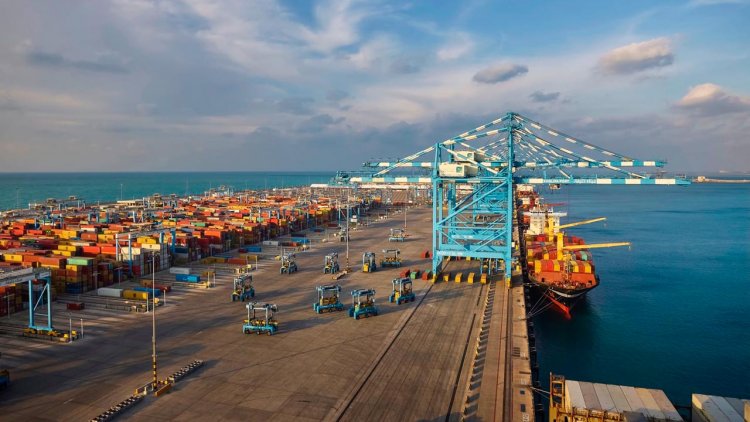
Abu Dhabi Terminals, in the presence of His Excellency Omar bin Sultan Al Olama, UAE Ministry of Artificial Intelligence (AI), has announced a partnership agreement with Microsoft that heralds the next phase in the digital transformation of Abu Dhabi’s flagship maritime asset, Khalifa Port.

The landmark partnership will enable enhanced container tracking and autonomous shuttle capabilities across Abu Dhabi Terminal’s Khalifa Port terminal through the deployment of Artificial Intelligence Services of Azure, Microsoft’s Cloud.

Abu Dhabi Terminals is the management company and operator of Khalifa Port Container Terminal (KPCT), the region’s first, and one of the world’s largest semi-automated deep-water container terminals. KPCT is also one of the most technically advanced facilities of its kind.

The technology, deployed in partnership with Microsoft Consulting Services, will fuel the introduction of AI-based container smart tracking solutions that will ensure 100 percent traceability of all handled containers, as well as the potential to launch an autonomous vehicle system.

Ralph Haupter, President, Microsoft EMEA said:

“With its ongoing commitment to the adoption of new technologies, the UAE is reimagining the world of global shipping and logistics to ensure it is robust, resilient and future-ready. This collaboration ushers in a new era for autonomous vehicles in a terminal environment, and I’m excited to see Microsoft’s cloud, artificial intelligence and Internet of Things technologies contribute to its success.

I applaud the UAE’s bold and ambitious investments in digital infrastructure and technology, which is creating an excellent launchpad for this new, autonomous generation of vehicles. The local Microsoft Cloud Regions are ready to provide all of the computing power necessary to handle the complex data processing required and also scale these new technologies.”
Ahmed Al Mutawa, CEO, Abu Dhabi Terminals, said:

“By driving innovation through the implementation of Artificial Intelligence and automation, Abu Dhabi Terminals is committed to modernising our port environment, while also dramatically reducing our carbon footprint, and costs, as well as turnaround times for those accessing Khalifa Port.

“We are confident that by improving operational efficiencies, we are encouraging economic growth and bolstering business continuity, while also providing UAE Nationals with new opportunities to pursue careers in the ever-growing field of Artificial Intelligence.

“The support of the UAE Ministry of AI and our partnerships with world-leading technology providers such as Microsoft Corporation, not only future proofs our nation’s maritime assets and infrastructure, but enables Abu Dhabi Terminals, and our shareholders at Abu Dhabi Ports, to reap tremendous long-term benefits as we continue this exciting digital transformation journey.”

Arturo Garcia, Chief Automation Officer, Abu Dhabi Terminals, said:

“Abu Dhabi Terminals has constantly worked to improve operational efficiency in a manner not controlled by industry norms and conventions thanks to our firm commitment toward introducing and developing ground-breaking top-tier technologies. AI and Automation Technology are not widely used in the port industry, but we firmly believe in its potential and are convinced that our approach will not only benefit Abu Dhabi Terminals and the UAE, but will extend to the entire shipping industry, transforming the way business is done.”
Study: Arctic sea ice thinning faster than expected

0

Sea ice thickness is inferred by measuring the height of the ice above the water, and this measurement is distorted by snow weighing the ice floe down. Scientists adjust for this using a map of snow depth in the Arctic that is decades out of date and does not account for climate change. 

In the new study, published in the journal The Cryosphere, researchers swapped this map for the results of a new computer model designed to estimate snow depth as it varies year to year, and concluded that sea ice in key coastal regions was thinning at a rate that was 70% to 100% faster than previously thought.

Robbie Mallett (UCL Earth Sciences), the PhD student who led the study, said:

“The thickness of sea ice is a sensitive indicator of the health of the Arctic. It is important as thicker ice acts as an insulating blanket, stopping the ocean from warming up the atmosphere in winter, and protecting the ocean from the sunshine in summer. Thinner ice is also less likely to survive during the Arctic summer melt.”

“Previous calculations of sea ice thickness are based on a snow map last updated 20 years ago. Because sea ice has begun forming later and later in the year, the snow on top has less time to accumulate. Our calculations account for this declining snow depth for the first time, and suggest the sea ice is thinning faster than we thought.”

Co-author Professor Julienne Stroeve (UCL Earth Sciences) said:

“There are a number of uncertainties in measuring sea ice thickness but we believe our new calculations are a major step forward in terms of more accurately interpreting the data we have from satellites.

“We hope this work can be used to better assess the performance of climate models that forecast the effects of long-term climate change in the Arctic – a region that is warming at three times the global rate, and whose millions of square kilometres of ice are essential for keeping the planet cool.”

To calculate sea ice thickness researchers used radar from the European Space Agency’s CryoSat-2 satellite. By timing how long it takes for radar waves to bounce back from the ice, they can calculate the height of the ice above the water, from which they can infer the ice’s total thickness.  


In the new study, researchers used a novel snow model previously developed by researchers at UCL and Colorado State University, SnowModel-LG, which calculates snow depth and density using inputs such as air temperature, snowfall and ice motion data to track how much snow accumulates on sea ice as it moves around the Arctic Ocean. By combining the results of the snow model with satellite radar observations, they then estimated the overall rate of decline of sea ice thickness in the Arctic, as well as the variability of sea ice thickness from year to year.

They found that the rate of decline in the three coastal seas of Laptev, Kara and Chukchi seas increased by 70%, 98% and 110% respectively, when compared to earlier calculations. They also found that, across all seven coastal seas, the variability in sea ice thickness from year to year increased by 58%.

Sea ice in the coastal seas typically varies from half a metre to two metres thick. Increasingly, the ice in this region is not surviving the summer melt. The faster thinning of sea ice in the coastal Arctic seas has implications for human activity in the region, both in terms of shipping along the Northern Sea Route for a larger part of the year, as well as the extraction of resources from the sea floor such as oil, gas and minerals.

Mallett said:

“More ships following the route around Siberia would reduce the fuel and carbon emissions necessary to move goods around the world, particularly between China and Europe. However, it also raises the risk of fuel spillages in the Arctic, the consequences of which could be dire. The thinning of coastal sea ice is also worrying for indigenous communities, as it leaves settlements on the coast increasingly exposed to strong weather and wave action from the emerging ocean.”

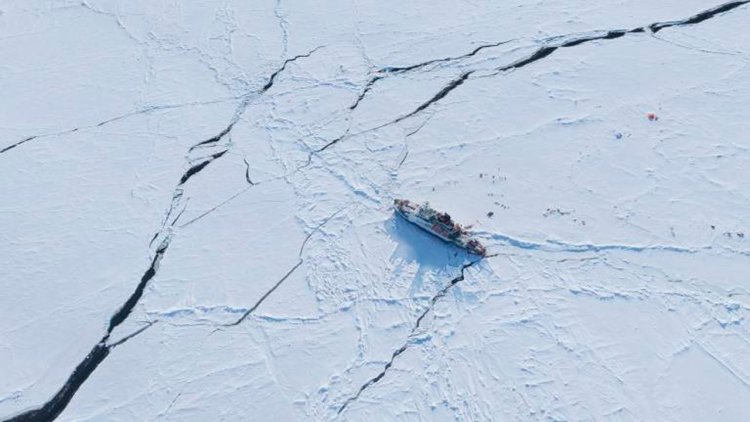
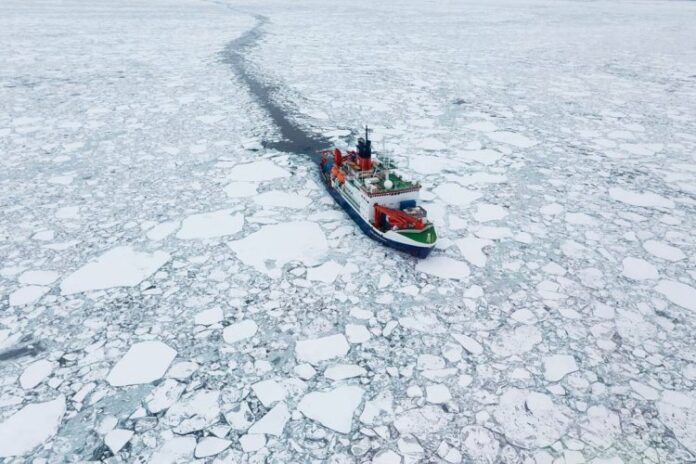
Mallett, Professor Stroeve and co-author Dr Michel Tsamados (UCL Earth Sciences) spent several weeks investigating snow and ice in the Arctic onboard the German research vessel Polarstern, which explored the central Arctic Ocean in 2019 and 2020.

The study was funded by the UK’s Natural Environment Research Council, the European Space Agency (ESA), and the US National Aeronautics and Space Administration (NASA).

All turbines installed at Kriegers Flak Offshore Wind Farm

0

Next steps will be to finalise testing and certification of the farm so that it can be inaugurated after summer.

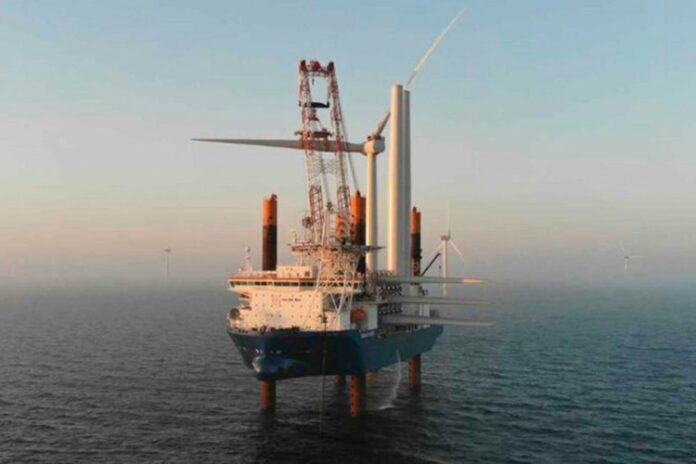
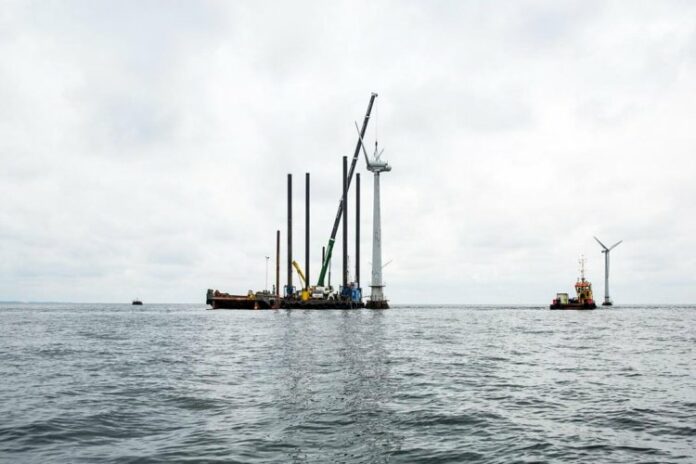
Despite the logistical challenges that the Covid pandemic has brought, the schedule for the construction of Vattenfall’s Kriegers Flak offshore wind farm has been kept. The 72 offshore wind turbines are now all installed 15-40 kilometres off the east coast of Denmark. 
  
Catrin Jung, Head of Offshore Wind in Vattenfall, says:

“We are pleased to see that the installation of the turbines has been successfully completed. Despite Covid, we have been able to deliver according to plan – actually a little ahead of schedule – which shows that our general strategy to prepare for the unforeseen has proved to be robust. We are very satisfied with the cooperation with our partners and proud of the contribution that the farm will make to enabling a fossil-free future.”

When the farm is operating at its full capacity, it will have an annual production capacity of 604 MW, covering the annual electricity consumption of approximately 600,000 Danish households. Kriegers Flak will be Denmark’s largest offshore wind farm to date and will increase Danish wind production by approximately 16 per cent.

The first turbine was installed in February 2021 and, since then, installation of the remaining Siemens Gamesa offshore wind turbines, has continued smoothly.

Marc Becker, CEO of Offshore at Siemens Gamesa, says:

“It’s extremely rewarding that we – in the middle of these challenging Covid times – have safely installed all 72 wind turbines ahead of schedule. The close collaboration between Siemens Gamesa employees, Vattenfall, and the Port of Roenne has been outstanding. We look forward to continuing the great joint efforts on the Danish Kriegers Flak project with all.”

During the installation phase the turbines have been preassembled and shipped out of the Port of Roenne situated on the Baltic Sea island of Bornholm. It will be serviced out of Vattenfall’s new service facility at the Port of Klintholm approximately 100 kilometres south of the Danish capital Copenhagen.

Facts about Kriegers Flak

  • Kriegers Flak will have a production capacity of 604 MW.
  • It can cover the annual electricity consumption of approx. 600,000 Danish households.
  • The 72 wind turbines each have a total height of 188 metres, and each foundation weighs up to 800 tonnes.
  • The wind farm is located in the Baltic Sea, 15-40 kilometres off the Danish coast.
  • The farm covers an area of 132 km2, and about 170 kilometres of underwater cables have been laid. 

Consortium wants to decarbonise the Port of Immingham with hydrogen

0

Uniper, Siemens Energy, Toyota Tsusho and Associated British Ports have submitted a joint bid into the Clean Maritime Fund for matched funding to develop their vision for a low carbon hydrogen supply to the Port of Immingham.

A joint study completed by the four companies shows that the availability of low carbon fuels in ports, such as green hydrogen, can provide a viable opportunity to decarbonise ‘hard to reach sectors’, such as maritime and cargo handling.

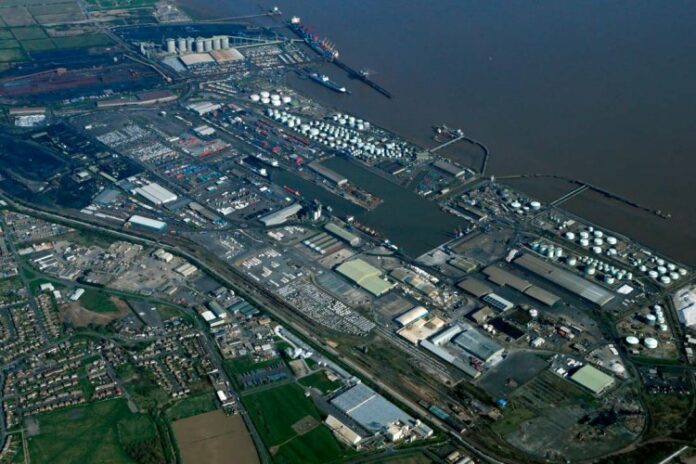
ABP’s Port of Immingham, located within the Humber industrial cluster, is the UK’s largest port by tonnage, handling over 54Mt of cargo annually. The port is ideally placed to take advantage of the existing infrastructure in the region, combined with technical expertise brought by the four partners. There is the potential for green hydrogen to be produced by electrolysis, using a renewable energy supply such as offshore wind. The hydrogen could then be used as a direct replacement to diesel and heavy fuel oil, or for the production of clean shipping fuels.

The funding bid has been submitted so that the companies can undertake a full feasibility study for this exciting project. The study would review the technical and economic feasibility of reducing port greenhouse gas emissions with hydrogen, and develop a clear plan for future development. A successful funding bid could allow this work to begin as early as September 2021.

The project aims to develop a scalable decarbonisation solution within the Port of Immingham, which, if successful, would be replicable in other ports. Ultimately this could be the first step in the uptake of hydrogen as an alternative to fossil fuels across the whole maritime sector.

The project could lead to an initial c.20MW supply of green hydrogen to the Port of Immingham by 2025.

Uniper brings its existing expertise in the field of hydrogen production to the project and will lead the feasibility study. Uniper owns the nearby Killingholme power station, which if the bid is successful, could be one of the locations for an electrolyser, powered by renewable energy, to produce hydrogen for the port.

Siemens Energy currently produces some of the worlds most advanced PEM electrolysis units and has an aspiration to be a key player in the UK market, complementing its current products in the renewable sector. Siemens Energy has identified the Humber as a key area to decarbonise in the UK.

ABP’s Port of Immingham is a major trading gateway and intermodal hub for road, rail and sea transport, making it the ideal location for hydrogen production and distribution. The project demonstrates the critical role ports can play in building sustainable supply chains and accelerating the decarbonisation of the UK’s economy.

Toyota Tsusho UK will carry out an assessment of the conversion, replacement or retrofitting of port equipment, as well as hydrogen refuelling infrastructure and potential achievable GHG reductions.

Steve Scrimshaw, Vice President UK&I, Siemens Energy Ltd, said:

“Reaching net zero is going to require a fundamental change to our day-to-day lives, and the energy industry will play a vital role in innovating to find cleaner alternatives to decarbonise industry and transport. It is projects and partnerships like this which will help bring those innovations to life and show the art of the possible.”

Mike Lockett, Uniper UK Country Chairman and Group Chief Commercial Officer Power, commented:

“This first of its kind concept, has the potential to become a decarbonisation solution not just for the Port of Immingham, but for other ports, and the maritime sector as a whole.”

Henrik Pedersen, Chief Executive Officer, Associated British Ports, said:

“This exciting project offers the Port of Immingham the opportunity to create a model for ports across the UK- and the world – to replicate, making the most of the decarbonisation potential of hydrogen.”

Tsuyoshi Iwata, Deputy Managing Director, Toyota Tsusho U.K. Limited, said:

“We believe Hydrogen has an important role in the UK’s target to be carbon neutral by 2050. Together with our partners, Toyota Tsusho is committed to this project with our experience and expertise in the use of hydrogen fuel cells to power port machinery as well as other mobility fields.”

BMT reveales new designs for Steamship Company’s passenger vessels

0

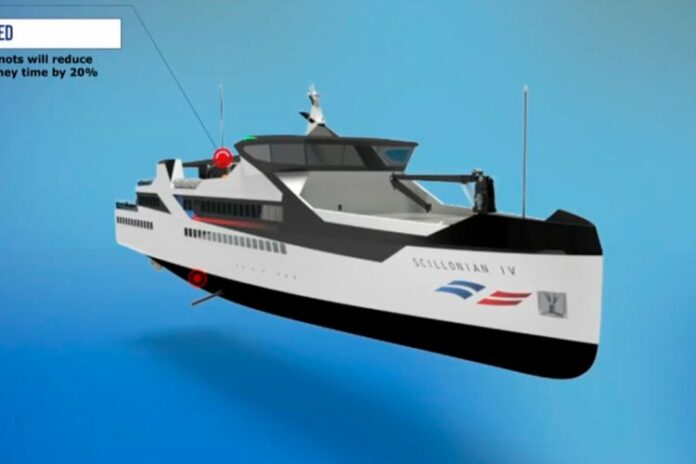
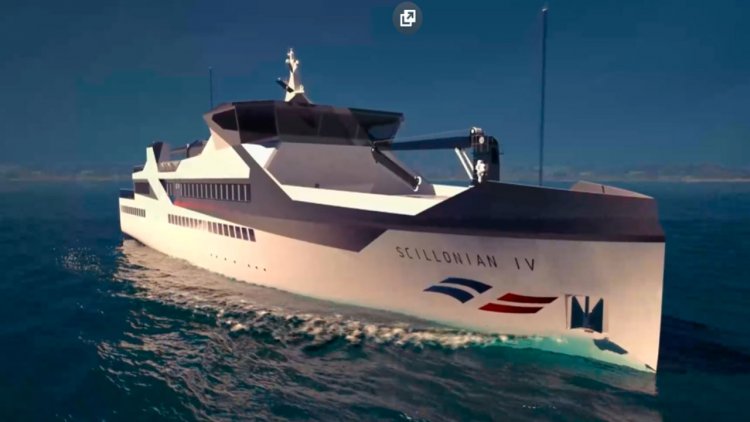
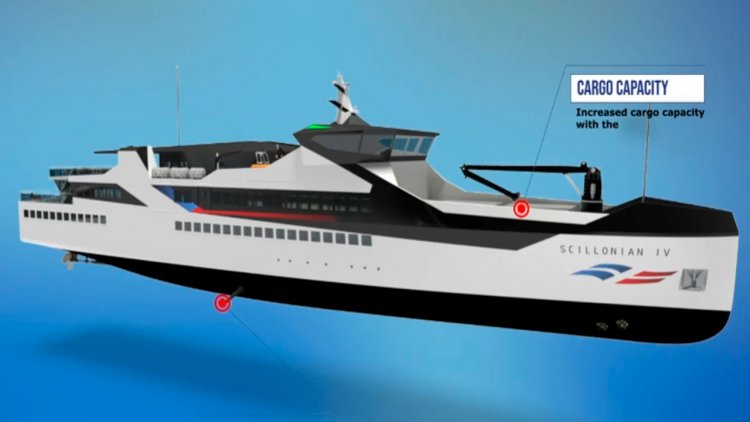
The striking new 72m passenger ferry will carry 600 passengers over three decks with a contemporary, comfortable seating arrangement, onboard coffee shop and retail area. 

It will be capable of a speed of 18 knots, reducing journey time by 20%; anti-roll fins to improve the stability of the crossing; increased cargo capacity with the ability to carry chilled and frozen goods; improved access for passengers with reduced mobility, and a hybrid propulsion system to reduce emissions.

The 45m dedicated cargo ship to replace the Gry Maritha will have an increased cargo capacity, including more space for chilled and frozen goods; a crane which can lift eight tonnes and a comfortable lounge for up to 12 passengers.

The new inter-island launch will be capable of 12 knots, allowing for significantly faster journey times between St Mary’s and the off-islands; a 50% increase in cargo capacity and will have a reduced fuel consumption of 55%.

The next step will be entering discussions with shipyards on potential build programmes. The company has partnered with international shipbroker Blair Reid, which specialises in the sale and procurement of new ferries.

Blair Reid is currently in contact with 32 shipyards across the UK, Europe and the Far East to acquire Expressions of Interest and to identify potential build slots and build cost.

Stuart Reid, Chief Executive said:

“We have carried out an extensive consultation process and we have listened to what the Isles of Scilly community have identified as priorities in improving the service. Their needs have been at the forefront of the design process.”

“We are proud of the proposals, which will ultimately enhance the excellent cargo and passenger services we operate today and serve generations of travellers for years to come.”

The design, in partnership with naval architects BMT, involved consultation with islanders and stakeholders last summer. It found resilience, reliability, journey time and affordability to be the most important factors for future services.

Ian Howard, Chairman said:

“We have taken a major step towards the future with the finalisation of these designs. Now we must select the right yard(s) to build these vessels and secure finance for them.”

Kevin George, Director said:

“Green technology is at the heart of the new designs; we aspire to minimise environmental impact at the earliest opportunity whilst ensuring the reliability and resilience of this vital lifeline service.”

“In future, we want to have the ability to adapt and modify the chosen propulsion system to ensure we meet the Government’s target of decarbonisation of the marine sector by 2050 and to keep the vessels aligned with evolving environmentally friendly technology.”

thyssenkrupp Marine Systems hands over “INS Oz” to the Israeli Navy

0

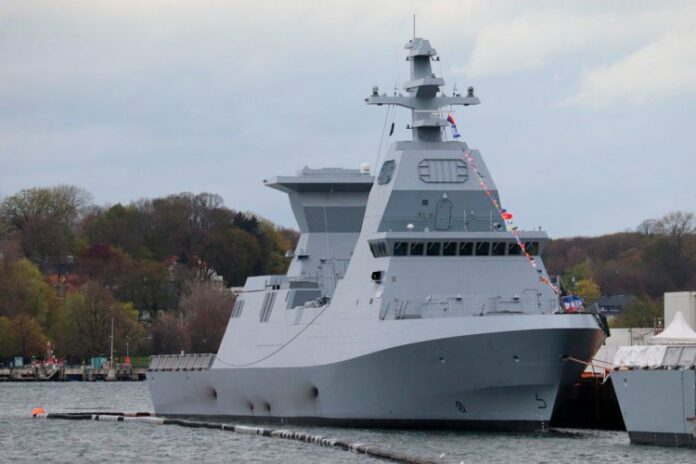
In the presence of Jeremy Issacharoff, the Israeli ambassador to Germany, his wife, Laura Kam Issacharoff, first named the ship “INS Oz”. 

Subsequently, thyssenkrupp Marine Systems Managing Director Dr. Rolf Wirtz officially handed over the ship to the Israeli Navy in a ceremony that was kept small due to the pandemic. In the world of shipping, it is a favoured tradition to pass on the names of good ships. With the Israeli Navy, however, the “INS Oz” is the first vessel to receive this name.

Dr. Rolf Wirtz, CEO of thyssenkrupp Marine Systems:

“As the first ship in the history of the Israeli Navy with this name, the “INS Oz” will establish a new tradition. We are convinced of this here at thyssenkrupp Marine Systems, because she has everything it takes. We are very proud that, after the first-of-class, this is now the second vessel to receive this honour.”

The SA’AR 6-class corvettes will form the backbone of the Israeli Navy for the next 30 years. thyssenkrupp Marine Systems is building the ships in a joint venture with German Naval Yards Kiel. Rear Admiral Ariel Shir had arrived in Kiel for the occasion of the naming and handover:

“Today is a great and historic day for the State of Israel, the Israel Defense Forces and of course the Israeli Navy. This is a day when a vision becomes reality. A day when we can see this vision in all its grandeur, thanks to the hard work tirelessly contributed by so many.”

The contract for the delivery of four SA’AR 6-corvettes was signed in May 2015. After the design phase, the construction phase began with the type ship’s first cut ceremony in February 2018. Only 15 months after the first steel was cut, the ship was undocked. In May 2019, the “INS Magen” received its name in Kiel and was handed over in November 2020. The following two units of the series are also scheduled for delivery in 2021.

The Israeli Navy is itself equipping the corvettes with radar and weapon systems.

Principal dimensions of the SA’AR 6 corvettes:

  • Length: approx. 90 metres
  • Beam: approx. 13 metres
  • Displacement (full load): approx. 1,900 tonnes

Ashtead Technology invests over £1m in new EdgeTech sonar technology

0

The systems, which will be available for rent throughout the company’s international technology and service hubs, include the 4205-Tri-Frequency Side Scan Sonar System, the 4200-Side Scan Sonar System, the 2205-ROV Side Scan and Sub Bottom System, and the 2050-DSS Side Scan and Sub Bottom System.

The EdgeTech 2050-DSS is the latest product to combine EdgeTech’s highly successful line of side scan sonars and sub-bottom profilers into one fully integrated system. The 2050-DSS comes complete with a combined towfish, digital telemetry that runs over a single coaxial cable, a 19-inch rack mount topside interface, and EdgeTech’s DISCOVER acquisition software. The 2050-DSS can be integrated with several auxiliary sensors such as magnetometers and USBL responders. Additionally, an interface is fitted to the electronics so that the electronics and sensors can be mounted onto an ROV.

The 2050-DSS is ideal for applications such as cable and pipeline surveys, marine construction surveys and pre and post dredging surveys.

Allan Pirie, Ashtead Technology CEO, said:

“We have a long-established partnership with EdgeTech spanning in excess of 25 years. This investment demonstrates our ongoing commitment to the global offshore energy market by offering the latest, highly efficient technologies to support our customers’ projects worldwide.”

Doug McGowen, EdgeTech’s Director of Sales & Marketing, added:

“EdgeTech has enjoyed a strong relationship with Ashtead Technology for many years, and we are delighted to be able to support their mission to incorporate market-leading sonar technology into their business.”

Kongsberg Digital launches new K-Sim ECDIS cloud-based training solution

0

K-Sim ECDIS has been designed to provide generic ECDIS (Electronic Chart Display & Information System) training in compliance with the requirements laid out in the IMO/STCW Model Course 1.27. Accessible as an online training solution via the company’s digital platform K-Sim Connect, it enables schools and training centers to efficiently provide their students with high quality ECDIS training anytime and anywhere, without the need for major hardware investment.

Based upon several key elements from Kongsberg Maritime’s real-life K-Nav ECDIS, K-Sim ECDIS accommodates all the relevant and necessary functionality for instructing students in the key operations of electronic charts, route planning and navigation. The system will be delivered as a complete training package and include ready-made simulation exercises. Seamless integration with school-based simulators such as K-Sim Navigation and K-Sim Radar will allow for highly effective blended learning, combining cloud-based and classroom instruction with the benefits of full flexibility and availability for the instructors and students.

K-Sim ECDIS’ route planning application supports import and export of the commonly-used RTZ route format. This enables exchange of routes to any ECDIS system, whether installed at the school for type-approved ECDIS training or installed onboard a ship. This means that in addition to its training benefits, the route planning solution can be used to relay voyage plans from ships to management teams on land, who can then recommend and optimize main and alternative routes.

Andreas Jagtøyen, EVP Digital Ocean, Kongsberg Digital, says:

“Having blazed a trail for high-quality, cloud-based simulation applications in the maritime training sector, we’re delighted to add K-Sim ECDIS to our portfolio of solutions. This is a vital supplement to KDI’s ever-expanding catalog of products and services, at a time when flexibility and accessibility are more important than ever to instructors and trainees alike. It will be an invaluable asset, not just for training purposes, but also in decision-support contexts in the future.”

Gullik Jensen, Product Director Digital Services, Kongsberg Digital, comments:

“Our first cloud-based training solutions provided via K-Sim Connect have indeed been received with great success, and the new model will for surely accelerate the value of cloud-based training for our customers.”

Denmark, Norway, and the United States to lead Zero-Emission Shipping Mission

0

The governments of Denmark, Norway, and the United States, along with the Global Maritime Forum and the Mærsk Mc-Kinney Møller Center for Zero Carbon Shipping, have announced that they will lead a new Zero-Emission Shipping Mission as part of Mission Innovation. 

The Mission aims to accelerate international public-private collaboration to scale and deploy new green maritime solutions, setting international shipping on an ambitious zero-emission course. The Mission will also be supported by the governments of India, Morocco, the U.K., Singapore, France, Ghana, and South Korea.

Jennifer Granholm, U.S. Secretary of Energy, said:

“Through fearless technological innovation, ambitious clean energy deployment, and constructive international collaboration, we can build a net-zero carbon economy that creates millions of jobs and lifts our citizens into greater prosperity.”

Carrying 80-90% of global trade in a less carbon-intensive manner than other freight transport modes, international maritime shipping nonetheless represents about 2–3% of the world’s total annual greenhouse gas emissions. Without immediate and concerted efforts, emissions from the sector could increase between 50% and 250% by 2050.

The three main goals of the Zero-Emission Shipping Mission are:

  • Develop, demonstrate, and deploy zero-emission fuels, ships, and fuel infrastructure in a coordinated fashion along the full value chain.
  • By 2030, ships capable of running on hydrogen-based zero-emission fuels—such as green hydrogen, green ammonia, green methanol, and biofuels—make up at least 5% of the global deep-sea fleet measured by fuel consumption.
  • By 2030, at least 200 of these well-to-wake zero-emission fueled ships are in service and utilizing these fuels across their main deep sea shipping routes.

The Zero-Emission Shipping Mission is part of Mission Innovation, a global initiative of 24 countries and the European Commission working to accelerate clean energy innovation. The objective is to help move clean energy solutions from lab to market. Mission Innovation was announced at COP21 on November 30, 2015, as world leaders came together in Paris to commit to ambitious efforts to combat climate change.

Ørsted commits to sustainable recycling of wind turbine blades

0

On Ørsted’s Capital Markets Day, the company announced its new commitment to either reuse, recycle, or recover all of the wind turbine blades in Ørsted’s global portfolio of onshore and offshore wind farms upon decommissioning. The commitment comes as a part of Ørsted’s new company strategy which includes an ambition to expand its leading sustainability position and as part of the work towards achieving a carbon-neutral footprint by 2040.

Mads Nipper, CEO of Ørsted, says:

“We want to help create a world that runs entirely on green energy, and we want to do it in a sustainable way. That includes moving towards more circular models where we reuse resources and save energy, thereby reducing carbon emissions. That is a big challenge, but we look forward to working on this challenge together with our supply chain.”

Today, between 85 % and 95 % of a wind turbine can be recycled, but recycling of wind turbine blades remains a challenge, as the blades are designed to be lightweight, yet durable, making them challenging to break apart. Consequently, most decommissioned blades are landfilled today. Should the challenge with recycling blades take longer to solve than anticipated, Ørsted will not use landfilling for decommissioned wind turbine blades, but will instead temporarily store the blades.

In the coming decade, wind turbines will be deployed at an unprecedented pace, delivering clean renewable energy to industries and to several hundreds of million people, making it even more important to decommission the blades in a sustainable way.

Ørsted has so far constructed 7.5 GW of offshore wind and 1.7 GW of onshore wind. Up until now, Ørsted has only decommissioned the offshore wind farm Vindeby in Denmark where the blades from the 11 wind turbines were all reused. With Ørsted’s new strategic ambition of installing 30 GW of offshore wind and 17.5 GW of onshore energy production, including onshore wind, by 2030, Ørsted has a clear responsibility to help find solutions to the challenge of recycling blades.

Mads Nipper says:

“Already today, power produced from offshore wind has 99 % lower life cycle emissions than coal-fired power. Our ambition is to offer our customers carbon-neutral renewable energy solutions with responsible use of resources, seen from a life cycle perspective. This requires decarbonising our supply chain, and it involves moving to more circular models of resource use in the wind turbine supply chain.

“I hope that our commitment will inspire others which will help to bring scale to the market for recycling solutions of wind turbine blades, thereby accelerating the cost-out journey of the alternatives to landfilling, and help boost the already ongoing innovation in the wind energy supply chain on how to design to avoid waste.”

Ørsted is already contributing to advance the technologies that can recycle wind turbine blades in a sustainable way as a founding partner of the cross-sector DecomBlades consortium consisting of wind industry companies and research institutions. The consortium seeks to investigate and develop solutions to recycle the composite material in wind turbine blades. The consortium recently received a three-year funding from Innovation Fund Denmark for its work.

Mads Nipper says:

“No one has all the solutions to how to move towards more circular models. We need collaboration across companies and research institutions to find the answers which the DecomBlades project is an important example of.”