8.5 C
New York
Home Blog Page 6

Discovery of ‘muddy squid’ highlights deep-sea knowledge gaps

0

Deep-sea scientists who have recorded ‘unusual’ behaviour from what they believe is a new species of squid say the discovery highlights the lack of understanding in such ocean environments.

Caught on camera by a remotely operated vehicle (ROV) 4,000 metres below the surface of the Pacific Ocean, the squid – nicknamed by the researchers as the ‘muddy squid’ – buried its head in the sediment, leaving its tentacles exposed in an effort to seemingly mimic the stalk of a deep-sea sponge.

This is the first time that a cephalopod, including octopus and squid, has been seen in an upside-down, rigid position. While burying behaviour has been seen in some species of octopus, it has never before been observed in squid and, say the scientists, suggests current estimates of biodiversity in the deep ocean may have been underestimated.

The finding has been published in the journal Ecology.

The report’s lead author Alejandra Mejia-Saenz, a PhD student at the Scottish Association for Marine Science (SAMS) in Oban, said: “This was an example of the weird things you see in the abyss and also highlighted how little we know about that world.

“This is only the second time that a squid has been spotted here in more than 40 years of research. We think this squid could belong to the family Mastigotheuthidae, which includes the whiplash squid, but the behaviour we saw was very strange. Before it got spooked by the ROV, the squid may have been concealing itself from potential predators, or this may be a way of catching prey, which settle on the tenacles that, to us, look like the stalks of a sponge.

“Many people tend to think of abyssal plains as deserts in the deep sea, but there’s probably a higher level of diversity than we think, given the elusive behaviour of these creatures.”
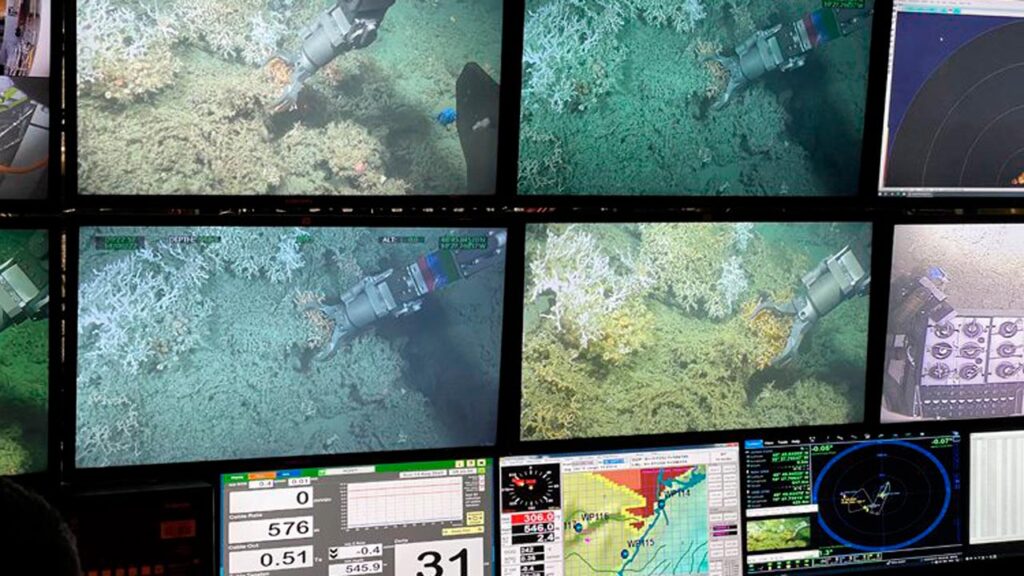
The observation was made in the Clarion-Clipperton Zone of the Pacific, between Mexico and Hawaii, during a research cruise led by the National Oceanography Centre (NOC).

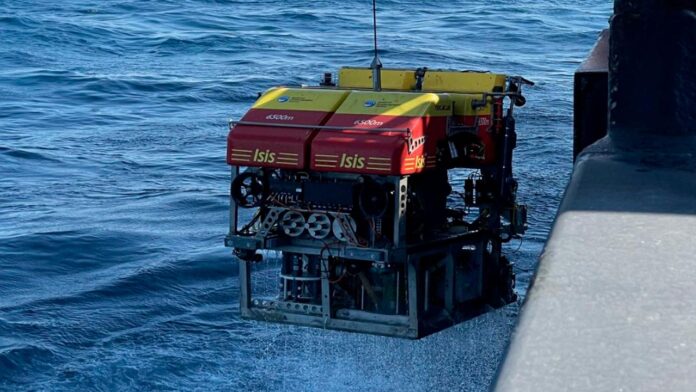
The ROV, known as ROV Isis, was launched from the RRS James Cook and operated by NOC. It was running transects of the seabed as part of the SMARTEX project, a Natural Environment Research Council (NERC) funded investigation into the potential impacts of deep-sea mining in the region.

The ROV had three cameras set at different angles. One was facing forward, parallel to the seabed, another forward-facing camera was angled downwards, and the other one sat underneath the ROV, perpendicular to the seafloor.

Dr Bethany Fleming at NOC was the first to examine ROV footage. She said: “I was scrolling through the videos leading up to the moment where a squid seemed to appear out of nowhere and spotted two long white tentacles emerging from the sediment.

“It was so exciting and unexpected to observe burying behaviour in a deep-sea squid, something that has never been seen before! More discoveries await us in the deep-sea.”
Egypt, Djibouti sign key agreements on ports, energy, and logistics

0

Djibouti and Egypt have signed three cooperation agreements covering solar energy, port infrastructure, and logistics services, following an official visit to Djibouti by Egyptian Deputy Prime Minister for Industrial Development and Minister of Industry and Transport Kamel Al-Wazir.

The Egyptian delegation held talks with Djibouti’s Minister of Infrastructure and Transport Hassan Houmed Ibrahim, as well as the Chairman of the Djibouti Ports and Free Zones Authority Aboubaker Omar Hadi.

Among the signed deals, the two sides inked an agreement pinpointing the terms for a new port terminal project — a multi-purpose terminal — between an Egyptian-led consortium headed by the Holding Company for Maritime and Land Transport and Green Horn Investment Holding.

The project establishes an Egyptian-Djiboutian partnership to develop and operate a new multi-purpose terminal intended to serve as a cornerstone for joint cooperation in international trade.

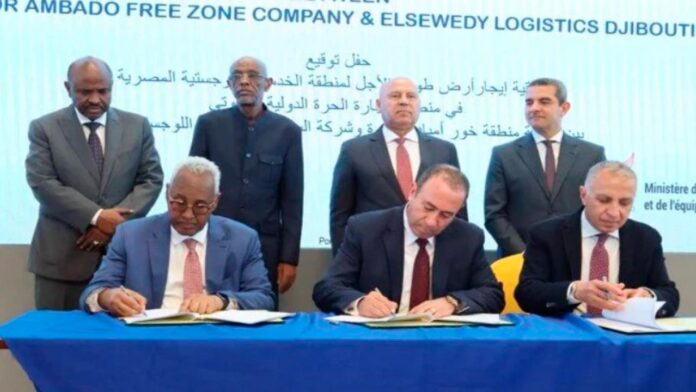
An additional agreement was signed between Elsewedy Electric, the Djibouti Ports and Free Zones Authority (DPFZA), and Khore Ambado Free Zone (KAF) in Djibouti to launch a regional logistics hub.

The project will be implemented by a consortium of the Holding Company for Maritime and Land Transport and Elsewedy Electric within Djibouti’s free zone, aiming to boost trade exchange and serve as a gateway to neighboring regional markets.

A terms and conditions agreement was also signed for the Green Port Solar Project between Elsewedy Electric and Doraleh Container Terminal Management (SGTG). The project is considered a cornerstone for ensuring the sustainability of operations at Doraleh Port, seeking to decouple energy costs from fluctuations in global fuel prices and provide a clean and stable power source for cranes and heavy equipment.

Speaking at the signing ceremony, Al-Wazir said: “Djibouti and Egypt are two brotherly countries. These agreements reflect the strengthening of our fraternal ties and the shared desire to deepen cooperation between our two nations.”

For his part, Aboubaker Omar Hadi emphasized Djibouti’s strategic location at the gateway to the Red Sea, noting that the country will continue to reinforce its role in promoting regional economic growth through port infrastructure development and strategic partnerships.

CMA CGM takes delivery of methanol dual-fueled container ship from Chinese shipyard

0

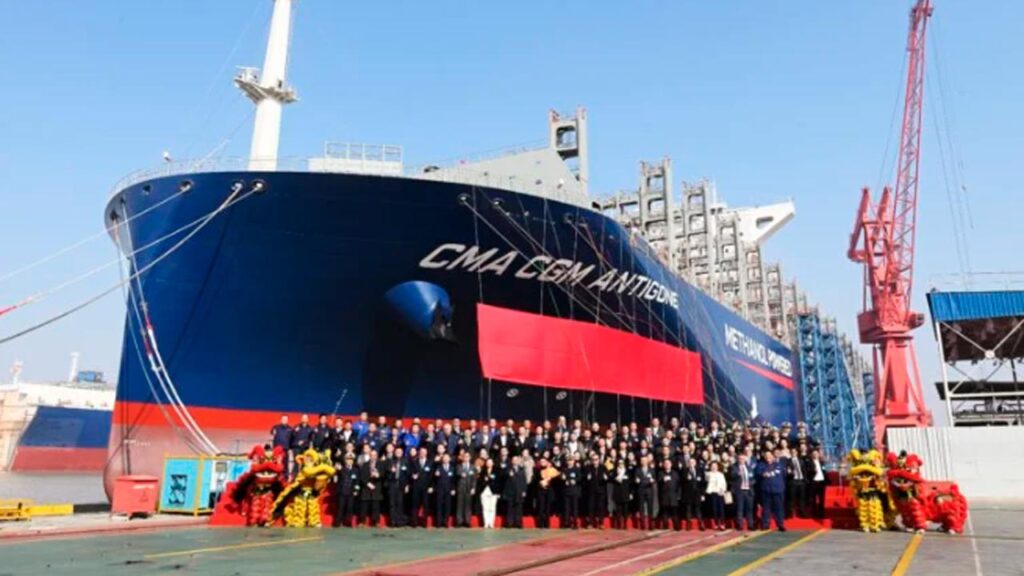
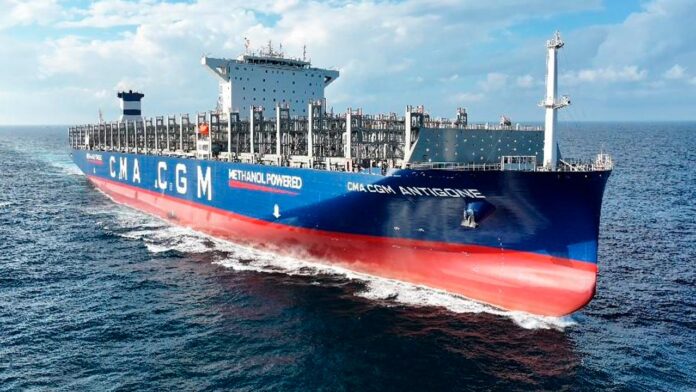
Bureau Veritas Marine & Offshore (BV) has classed its first methanol dual-fuel container ship, the CMA CGM ANTIGONE, a 15,000 TEU vessel built for the French shipping and logistics company CMA CGM Group.

The ship was constructed at China’s CSSC Jiangnan Shipyard. It was officially named on December 11 and delivered the following day on December 12.

CMA CGM ANTIGONE measures 366 meters in length and serves as the lead vessel in Jiangnan Shipyard’s independently designed Kun series of 15,000 TEU-class methanol dual-fuel container ships.

The vessel features methanol dual-fuel propulsion, which achieves significant reductions in nitrogen oxide (NOx) emissions and near elimination of sulfur oxide (SOx) emissions. This design supports early compliance with the International Maritime Organization’s 2030 emissions reduction targets.

Prior to the project, BV formed a dedicated team of experts in gas carriers and alternative fuels. The team delivered specialized training to BV surveyors and the client’s project group, while reviewing upcoming international regulations to ensure compliance.

In line with its Rules for Methanol & Ethanol Fueled Ships, BV conducted technical reviews and risk assessments for critical elements, including ship design and fuel system safety. During construction, surveyors implemented enhanced process controls, data-driven monitoring, and focused inspections on fire safety, ventilation, and explosion-proof systems to strengthen overall safety.

Matthieu de Tugny, Executive Vice President, Industrials and Commodities at Bureau Veritas, said: “The delivery of CMA CGM ANTIGONE represents a major step forward in the adoption of methanol as an alternative marine fuel for large container vessels. By classing our first methanol-fueled container ship, Bureau Veritas reaffirms its commitment to supporting shipowners and shipbuilders in the safe, reliable, and future-ready deployment of low-carbon solutions across the global fleet.”

“This ship is the first methanol dual-fuel container ship received by CMA CGM in China. Its successful construction and delivery are the result of the hard work and close cooperation of all project partners: Jiangnan Shipyard, China Shipbuilding Trading Co., Ltd., CMA CGM Group, Bureau Veritas, and all other relevant parties,” said Xavier Leclercq, Vice President of New Building at CMA Ships.

“We extend our sincere gratitude to Jiangnan Shipyard and China State Shipbuilding Corporation for their excellent collaboration and strong support throughout the entire construction process of the ship. We look forward to continuing to work hand in hand for a bright future.”

This delivery highlights successful international collaboration in advancing sustainable shipping technologies. The vessel contributes to reduced environmental impact in global container transport while maintaining high operational efficiency.

Russian drones attack two Panamanian-flagged civilian vessels in Ukraine

0

On December 30, Russian forces attacked two Panamanian-flagged civilian vessels in Ukraine’s Odesa region using drones.

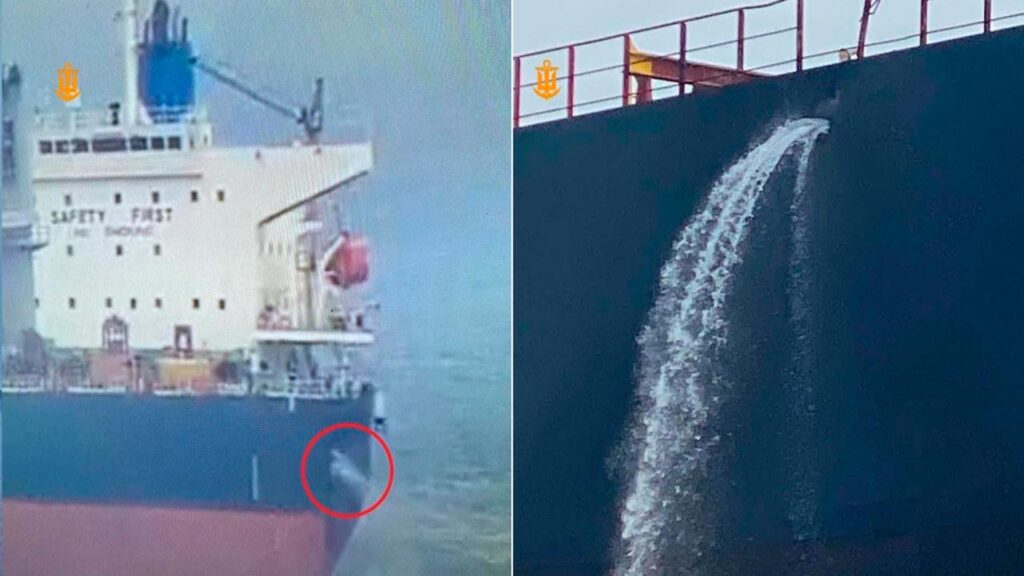
The Ukrainian Navy’s press service reported the attack and released photos showing the damage caused by the strikes.

Civilians were injured, and the ships sustained damage.

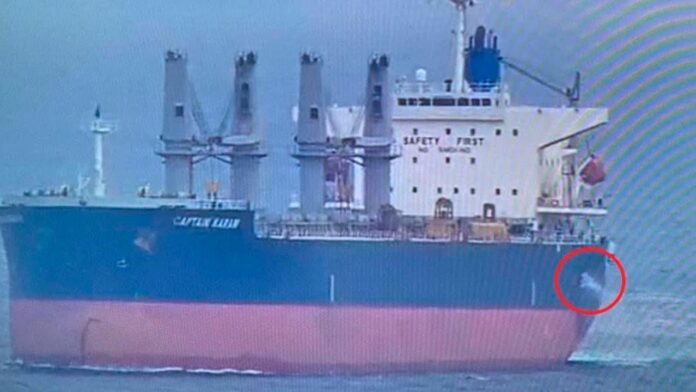
According to the military, the drones hit the bulk carriers Emmakris III and Captain Karam. At the time of the attack, Captain Karam was entering a Ukrainian port to load wheat.

According to the photos, the strikes hit the sides of the vessels. The type of aerial attack drone used by the Russians is currently unknown.

It is likely that the drones used were Shahed-type UAVs, which Russian forces regularly employ to attack Ukraine’s port infrastructure in the south.

On December 13, Russian forces attacked the vessel VIVA. The ship belongs to a company based in the United Arab Emirates and was traveling from Ukraine to Egypt carrying a cargo of sunflower oil.

The Ukrainian Navy noted that ports and civilian shipping are civilian infrastructure. Attacks on them pose a threat to the lives of civilians and undermine global food security.

Therefore, deliberate strikes on civilian objects constitute a conscious war crime by the aggressor state.

Source: Militarnyi

Amon Bulk plans three new Kamsarmax vessels with NOK 298 million investment grants

0

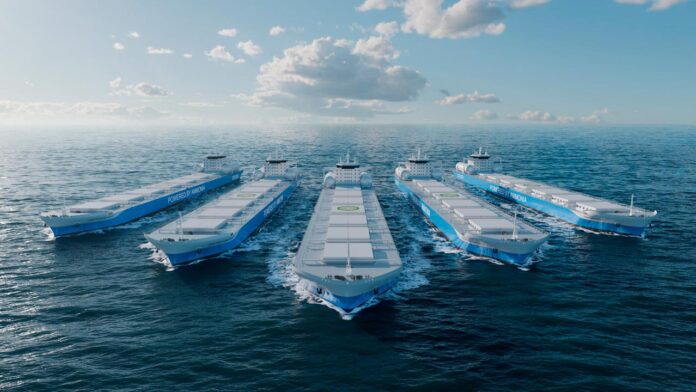
Amon Maritime has been awarded investment grants of NOK 298 million from Enova to support the construction of three new ammonia-fueled bulk carriers.

The vessels, each in the Kamsarmax segment with a capacity of approximately 80,000–85,000 DWT, are designed to combine high energy efficiency with carbon free fuel.

The new vessels are tailored to meet the needs of European steel industries, which face increasing demands for low-carbon logistics solutions. Fully aligned with the requirements of the EU Emissions Trading System (EU ETS) and the FuelEU Maritime regulation, they are designed for the future, delivering strong economics under the evolving regulatory regime while ensuring compliance with ambitious climate targets.

André Risholm, CEO of Amon Maritime, comments: “This grant provides the foundation to move forward with three additional Kamsarmax vessels. It marks a significant milestone for Amon Bulk and for the shipping industry’s green transition.”

In total, Amon Bulk has now secured more than NOK 552 million from Enova to build five ammonia-powered bulk carriers. The first two were announced earlier this year, with three more now added to the program.

All five ships are scheduled for delivery between 2029 and 2030, forming part of a new generation of zero-emission bulk carriers that will help transform global shipping.

Saipem awarded two offshore contracts in Saudi Arabia

0

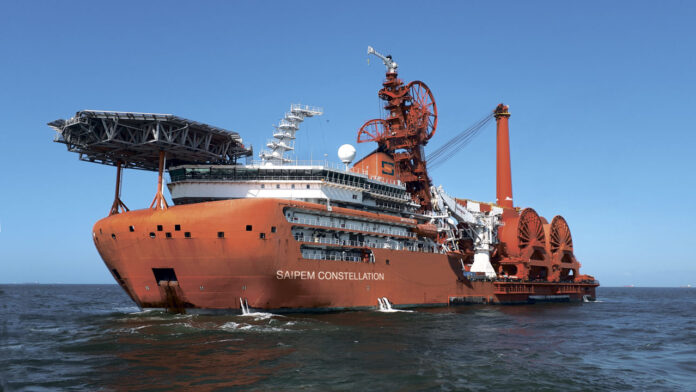
Saipem has been awarded two offshore contracts in Saudi Arabia, known as Contract Release Purchase Orders (CRPO), under its existing Long-Term Agreement with Aramco.

The first contract (CRPO 162), with a duration of 32 months, encompasses the Engineering, Procurement, Construction, and Installation (EPCI) of approximately 34 km of pipeline, with diameters of 20” and 30″, and related works on topside structures at the Berri and Abu Safah oil fields.

The second contract (CRPO 165), lasting 12 months, includes subsea interventions at Marjan field and the EPC of 300 m of onshore pipeline and associated tie-ins.

For the offshore operations Saipem will employ its construction vessels that are currently deployed in the region.

The fabrication activities related to the projects will be executed at Saipem’s Saudi fabrication yard, Saipem Taqa Al-Rushaid Fabricators Co. Ltd., in Dammam, aiming to increase and develop the capabilities of local industry.

The award of these new contracts strengthens Saipem’s presence in Saudi Arabia and further consolidates its longstanding relationship with Aramco.

BV and C-Torq sign MoU for development of W-VOLT120 hydrogen energy system

0

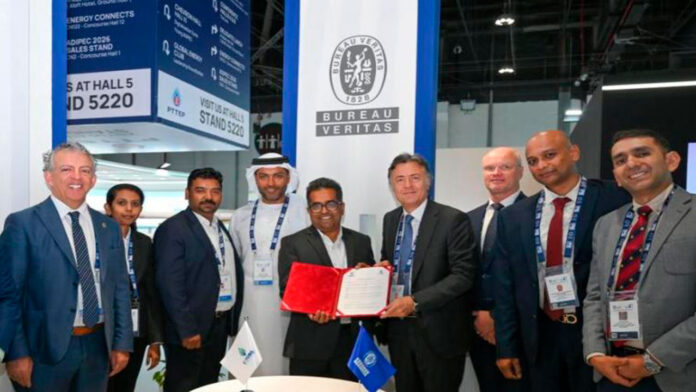
Bureau Veritas Marine & Offshore (BV) and C-Torq Marine Services LLC have signed a Memorandum of Understanding (MoU) in Abu Dhabi to collaborate on the development and Approval in Principle (AIP) of W-VOLT120, a hydrogen-based energy system intended to support clean, safe, and efficient power generation for maritime and industrial applications.

W-VOLT120 is an engineered hydrogen energy system designed with an emphasis on safety, compliance, and operational performance. The project seeks to evaluate the integration of hydrogen energy technologies within class-compliant frameworks and to contribute to the broader objective of reducing emissions in propulsion and power generation. Through this initiative, C-Torq and BV aim to assess the system’s design concept, establish a clear safety framework, and determine its technological readiness for use in real-world applications.

The MoU outlines the intention of both organizations to cooperate toward achieving the AIP for W-VOLT120, which represents an essential step in validating the system concept and confirming compliance with BV’s classification standards. The collaboration will involve structured technical discussions, data evaluation, and a formal assessment process designed to ensure the system meets the necessary safety and performance criteria. The AIP process is expected to serve as the foundation for subsequent phases of validation, prototype testing, and certification.

As C-Torq commented, the partnership accelerates validation and certification for a clean, safe and intelligent power solution for maritime decarbonization. Together they are bridging innovation and rigorous class standards, paving the way for scalable, zero-emission propulsion.

Matthieu de Tugny, Executive Vice President, Industrials and Commodities at Bureau Veritas, said:

“This collaboration between BV and C-Torq on the W-VOLT120 project reflects our shared commitment to advancing the safe and responsible application of hydrogen technologies in the maritime and industrial sectors. By combining technical innovation with rigorous classification expertise, we aim to support the development of compliant, efficient, and sustainable energy solutions that contribute to the industry’s transition toward lower emissions.”

Ursa Major, North Korea, and nuclear reactors: new details on Russian vessel sinking

0

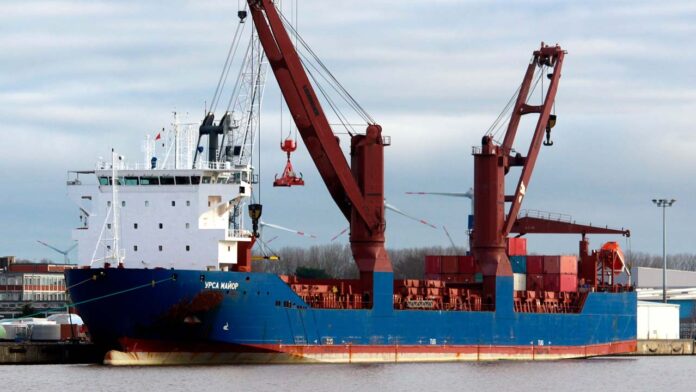
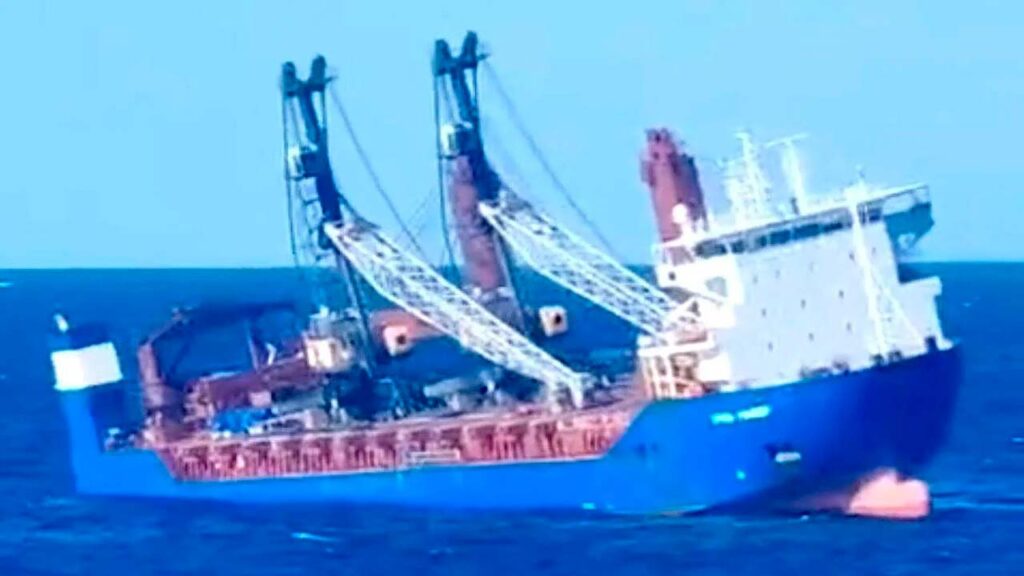
A Spanish investigation has concluded that the Russian cargo ship Ursa Major, which sank off the coast of Cartagena in December 2024, was transporting a secret strategic cargo.

Investigators found that the vessel was carrying two VM-4SG nuclear reactor hulls intended for North Korea, according to the Spanish newspaper La Verdad.

The ship was part of Russia’s so-called “ghost fleet” and was traveling on an unusual route from St. Petersburg to Vladivostok via the Mediterranean Sea.

Although the captain officially declared that the cargo consisted of empty containers, port cranes, and auxiliary equipment, aerial surveillance later identified undeclared heavy containers at the ship’s stern.

Spanish authorities recorded a sudden course change and loss of propulsion on December 22, followed by a distress signal on December 23, sent from 60 nautical miles off Cartagena.

An inspection of the damage revealed a hole in the hull with metal deformed inward, indicating an external impact rather than an internal explosion.

The size of the breach did not match that of a conventional torpedo, but was consistent with a strike by a supercavitating armor-piercing torpedo with a small or no warhead.

Spanish authorities do not rule out the possibility that the interference was intended to disrupt a covert delivery of nuclear technology to Kim’s regime.

The situation escalated after the appearance of the Russian landing ship Ivan Gren, which demanded that Spanish vessels withdraw from the accident area.

Following the use of signal flares and electronic warfare measures, Ursa Major disappeared from the surface and sank to a depth of approximately 2,500 meters.

Seismographs recorded vibrations consistent with a low-yield underwater explosive detonation at the moment the ship went down.

Subsequently, the Russian oceanographic vessel Yantar arrived at the site, which analysts believe may have conducted an operation to destroy or conceal the remnants of the secret cargo.

Source: Militarnyi

ABB and HDF Energy to develop high-power fuel cell unit for large seagoing ships

0

ABB and HDF Energy have signed a joint-development agreement (JDA) to develop a high-power fuel cell unit for marine applications.

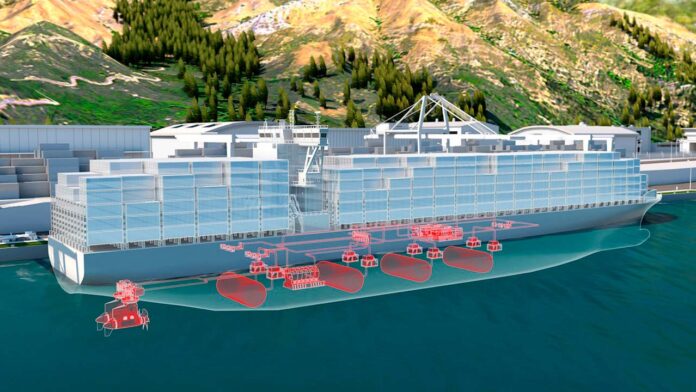
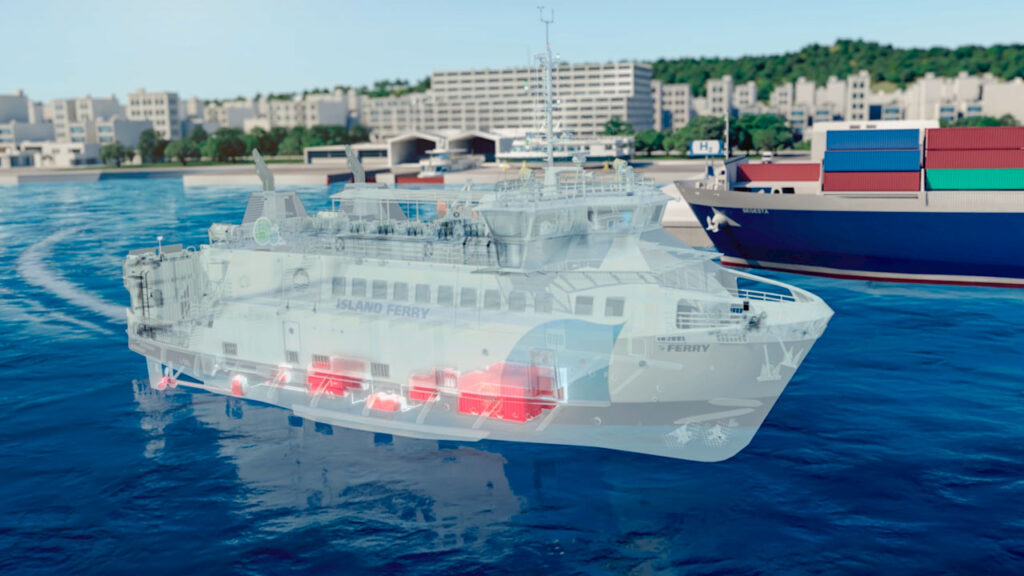
Enabling megawatt-scale hydrogen fuel cells, the project anticipates installations on board several vessel types, even large seagoing vessels such as container feeder ships and liquefied hydrogen carriers. The agreement builds on an earlier Memorandum of Understanding (MoU) signed between ABB and HDF Energy in 2020, envisaging the collaboration.

Foreseeing pilot installations in 2028–2029 and serial production from 2030, the agreement initiates a significant step forward for developing fuel cells as a commercially viable option to support maritime decarbonization.

The collaboration combines ABB’s system integration expertise with HDF’s unique capabilities in designing and producing large fuel cell units. France-based HDF will provide the fuel cell technology, while ABB will supply power converters, power management, and electrical and control integration, with the two parties collaborating on specifications, conceptual design, and commercial opportunities.

The high-power fuel cell unit will enable reducing maritime emissions by facilitating the construction of large hydrogen-electric vessels and allowing diesel auxiliary gensets to be replaced with hydrogen fuel cell units on board existing ships. Where the fuel cells utilize a carbon-neutral fuel such as green hydrogen, the decarbonization impact will be particularly significant.

ABB’s Onboard DC Grid™ power system will ensure the unit can be integrated seamlessly with other power sources and subsystems such as battery energy storage, where the fuel cells will maximize the operational range and flexibility of the hybrid power system. The unit also has the potential to accelerate marine electrification as an auxiliary power source for shore-power and -charging infrastructure in ports, supporting peak power demands when grid capacity is limited.

“We at HDF are very excited to combine our fuel cell knowledge with ABB’s marine systems integration expertise to provide a practical means of decarbonizing the maritime industry,” said Hanane El Hamraoui, CEO of HDF Energy.

“ABB and HDF have been collaborating for several years, making significant progress toward a viable solution for decarbonizing larger vessels,” said Rune Braastad, President, ABB’s Marine & Ports division. “We at ABB remain fully committed to developing technologies that accelerate maritime decarbonization, and this new agreement with HDF reflects another important step forward.”

DNV awards MSC, Zhoushan Changhong International, and CIMC ORIC AiP for new mega-boxship

0

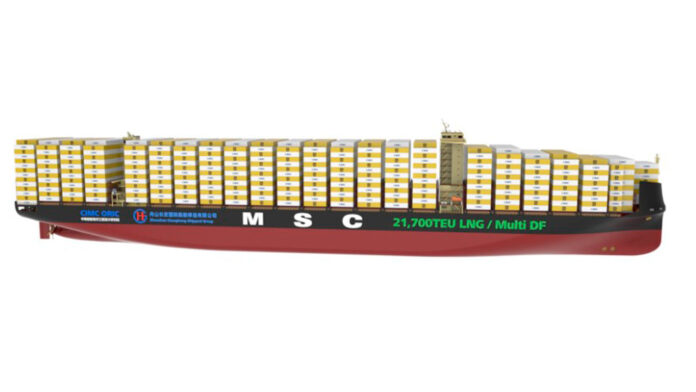
DNV has awarded an Approval in Principle (AiP) to Zhoushan Changhong International and CIMC ORIC for a new 21,700 TEU multi-fuel ready ultra-large container ship design developed in partnership with MSC.

The proposed 21,700 TEU container ship design enables the shipyard to accommodate an owner’s varying preferences for alternative fuels. In addition to the widely utilized LNG engines, different engine technologies, including the latest generation of ammonia-fueled main engines are now available to be integrated into the design.

One major challenge is the tank system, as no combined solution exists for storing both LNG and ammonia in the required quantities. This challenge was addressed by developing an oversized, specialized Type C tank for ammonia, positioned between the commonly used Type B/C or membrane LNG tank technologies.

The hull design, with a new vertical bow, optimized stern, and hull lines, alongside low-resistance coatings, high-efficiency propellers, and energy-saving hydrodynamic features, targets improved fuel efficiency, with validation through CFD simulations and model tests.

Mr. Yin Xunbin, General Manager of CIMC ORIC, said: “We are proud to have received an AiP for our 21,700 TEU multi-fuel container ship, with a special focus on the ammonia-fueled variant.”

Mr. Giuseppe Gargiulo, Head of Newbuildings of MSC, said: “Although LNG remains the most proven fuel for MSC to operate container ships at this time, the insights gained from this joint project will also help drive innovation for future efficient dual fuel powered container ships and allow MSC to follow future options and be open for other technologies.”

DNV’s classification experts have reviewed the concept design against the relevant DNV and international standards, including, the fuel system (tank and handling of different fuels), propulsion arrangement, and safety and mitigation systems (LNG and ammonia).

Øyvind Pettersen, Head of Technical Centre China at DNV Maritime, added: “A modular design approach that accommodates customer preferences for different alternative fuels broadens the choices for the industry and could become a key factor in bringing more sustainable vessels to the market. LNG is currently the most widely adopted alternative fuel and is a very relevant pathway for reducing emissions. At the same time, new options like ammonia are very much in focus, and we have worked with Zhoushan Changhong International, and CIMC ORIC to give reliable planning certainty for these additional options, enabling potential clients to more easily compare their advantages and disadvantages.”

The design has been optimized for a high load-to-capacity ratio, and efficient hold utilization. In addition the twin-island deck layout and foredeck design allows additional 40 ft container bays to increase cargo capacity while maintaining port and operational compatibility. As the project develops, the consortium is proceeding towards more detailed design and safety analyses (including ammonia mitigation and gas handling), and integration into the fuel system.