0.7 C
New York
Home Blog Page 59

Google and Chile sign agreement to deploy trans-Pacific submarine cable

0

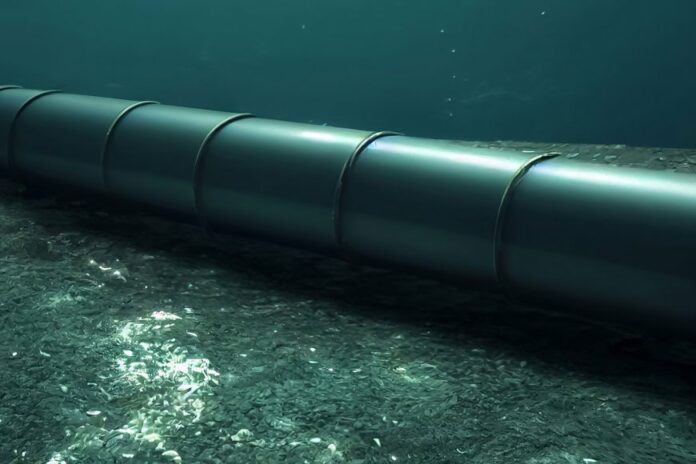
Google signed an agreement with the Chilean government during a meeting on Wednesday to deploy a 14,800-kilometer (9,196-mile) submarine data cable across the Pacific Ocean to connect with Australia and Asia, set to be operational by 2027.

The pact, the first of its kind between the technology giant and a country, aims to bolster Chile’s digital connectivity with Asian nations, including China, Chile’s largest trading partner, while advancing its ambitions to become a regional hub for Latin America.

“It’s the first submarine cable in the South Pacific, so it’s an important commitment in that we have an extraordinary strategic partner for a cable that should be operational in 2027,” Transport Minister Juan Carlos Muñoz told journalists.

Cristian Ramos, head of telecommunications infrastructure for Alphabet’s Latin American unit, said the cable would be open for use by other entities, including technology firms operating in Chile.

The initiative coincides with intensifying competition between China and the United States for influence in Latin America, with submarine cables emerging as crucial infrastructure in their technological rivalry.

While the total investment in the project remains undisclosed, Chilean officials had previously estimated costs ranging from $300 million to $550 million, with Chile contributing $25 million, according to Patricio Rey, general manager of Desarrollo Pais, a state-owned partner in the venture.

Authorities suggested the cable could enhance the performance of Asian platforms like TikTok, facilitate astronomical data transmission, and support mining operations in both Chile and Australia.

“Mining companies that have operations in Chile and Australia, by having a direct route, we can think about a shared command center… where the command centers can support each other,” said Deputy Secretary of Telecommunications Claudio Araya.

The cable, connecting Valparaiso in Chile’s central region to Australia, is scheduled for deployment next year. Chile’s state Desarrollo Pais is also looking into linking the cable to Argentina via a border crossing.

Partners aim to identify an operator to commercialize the cable’s capacity, though a selection may not be finalized before year-end.
Araya said the initiative could attract similar ventures to connect South America with Asia. Separately, Chile is planning a submarine cable to link the southern tip of South America with Antarctica, primarily for research purposes.

Source: Reuters
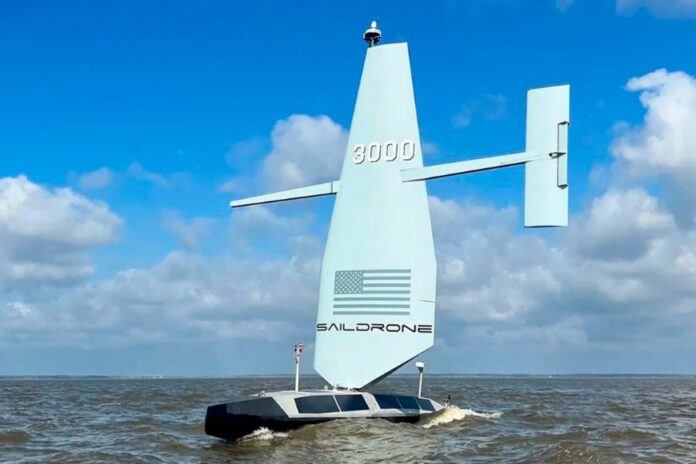
Saildrone and Meta complete first unmanned deep-water route survey in the North Atlantic

0

In a first-of-its-kind demonstration mission, Saildrone, in partnership with Meta, successfully completed a deep-water cable route survey in the North Atlantic using the Saildrone Surveyor, a 20-meter uncrewed surface vehicle (USV). 

This innovative project represents a major milestone in the evolution of ocean survey technology, proving that autonomous platforms can deliver data quality and performance on par with traditional crewed survey vessels—while dramatically reducing risk and cost.

During the 26-day survey conducted in June and July 2024, the Saildrone Surveyor mapped more than 4,500 km of seabed, including complex topographies and challenging conditions, without a port call or outside assistance. Operating under sail and motor-sail modes and equipped with a Kongsberg EM304 MKII multibeam sonar, the Surveyor achieved swath coverage of up to 10 km in water depths of up to 5,500 meters.

The demonstration focused on collecting bathymetric data along the established Anjana cable route and the recently surveyed Aurora route to directly compare the Saildrone Surveyor’s performance against traditional crewed survey vessels. Key operational metrics—route fidelity, line keeping, data transmission, and depth accuracy—met or exceeded expectations across the board.

“This mission demonstrated that autonomous ocean mapping is not just possible—it’s here, and it’s incredibly effective,” said Andy Palmer-Felgate, subsea cable engineer at Meta. “Saildrone delivered data that matched legacy surveys with exceptional accuracy, all while operating remotely and with minimal environmental impact. As capacity needs increase, Meta continues to invest in cutting-edge infrastructure technologies—and our subsea cable strategy work is critical to these efforts. Ocean mapping plays an important role, and the implications for subsea cable route surveys are profound.”

Using the Saildrone Mission Portal and real-time, high-bandwidth satellite connectivity, Saildrone hydrographic surveyors and pilots monitored vehicle performance and dynamically re-tasked it to investigate features of interest—such as seamounts and canyons—critical for route optimization. Previously limited to crewed vessels, this capability opens the door to more agile, responsive, and distributed survey operations.

A critical focus of the mission was minimizing Health, Safety, and Environmental (HSE) risks associated with offshore operations, demonstrating significant benefits to the quality of life for hydrographic surveyors, cable route engineers, and client representatives who can now perform their work remotely from shore-based offices or home offices, reducing time away from family and minimizing the physical and mental strain associated with offshore deployments. Furthermore, the mission avoided an estimated 243 tons of CO₂ emissions—over 50 times less than a conventional vessel—highlighting the sustainability advantages of uncrewed systems.

“This is a turning point for deep-ocean survey,” said Brian Connon, VP Ocean Mapping at Saildrone. “The Surveyor’s performance on this mission proves that we can deliver high-resolution, deep-water bathymetry with a fraction of the fuel, cost, and risk. As our fleet expands, we envision a global network of Surveyor USVs supporting offshore industries with safe, efficient, and scalable data solutions.”

This demonstration paves the way for broader adoption of USVs in subsea telecom, offshore energy, and national hydrographic programs. Future developments will focus on expanding operational range, improving weather resilience, and integrating new technologies like AI-based navigation and expendable bathythermographs.

MODEC and Carbon Clean collaborate on offshore carbon capture

0

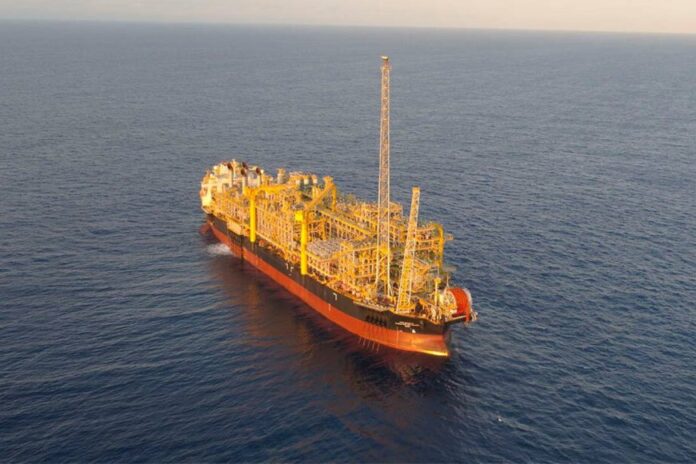
Further to the announcement made relating to the development of an FPSO-based Carbon Capture pilot plant, MODEC Inc. (“MODEC”) and Carbon Clean Solutions Ltd. (“Carbon Clean”) have entered an MOU to continue the development and eventual deployment of FPSO-based offshore post-combustion carbon capture technologies.

The agreement seeks to establish the framework in collaborating on how to accelerate the deployment of Carbon Clean’s On-Board Carbon Capture Solution (OCCS) for Floating Production Storage and Offloading (FPSO) facilities based on MODEC’s well-established FPSO design and technical standards.

Similar to the intent of the recently announced pilot project, and building on the early success already realized, the work to be considered by this MOU will take the proprietary Rotating Packed Bed (RPB) CycloneCC offered by Carbon Clean and seek to size this for the typical emission profile of a MODEC FPSO. If the outcomes of the work considered by the MOU are successful, it would enable post-combustion carbon capture (PCC) to be offered as a standard offering on future FPSO projects.

Koichi Matsumiya, Chief Technical Officer of MODEC noted:

“Based upon the early success of the partnership that we are currently enjoying with Carbon Clean on the Pilot Plant Project, we decided to take this daring step to commit early to accelerating this work. As a technology integrator and offshore solutions provider, we must remain committed to our core values and continue to seek realization of our vision to explore ways to contribute to society humbly and diligently.”

Aniruddha Sharma, Chair and CEO of Carbon Clean said:

“MODEC is setting the pace for the next generation of FPSO development, and we’re proud to support their leadership with our cutting-edge carbon capture technology. This agreement is a major step toward commercializing onboard carbon capture for FPSOs and sets a precedent for the broader maritime industry. As the International Maritime Organization’s emissions regulations develop in support of maritime decarbonization, CycloneCC offers a scalable and viable solution to help vessels meet these targets and achieve full emissions reductions before the end of this decade.”

Developing carbon capture technologies and adding this capability to the extensive menu of emissions reduction technologies not only demonstrates a commitment to carbon reduction but also gives further options for our clients in selecting an FPSO as the tool of choice for field development and continuing to contribute to a stable supply of energy. With gas widely identified for its role as a transition fuel, accelerating development and making ready offshore applications of this for targeted projects fits well with MODEC’s MidTerm plan.

Ukrainian ports switch to an electronic cargo clearance model

0

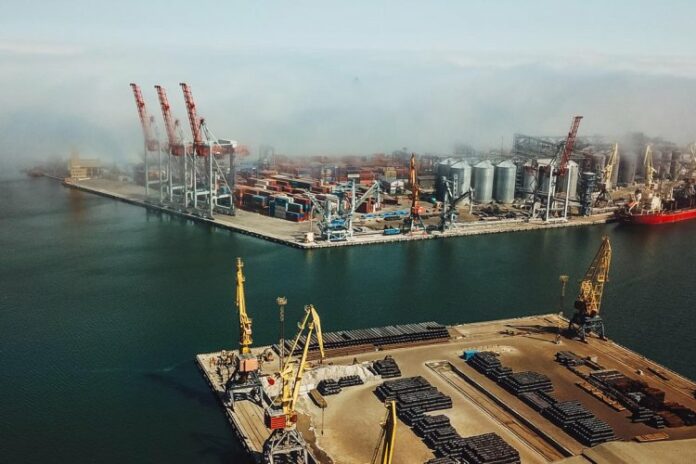
The State Customs Service held a meeting on the practical application of the “Passage Point Log” module in seaports. Representatives of port operators, the Association of International Forwarders of Ukraine and the USPA took part in the event, the customs service reported.

The key topic of the meeting was the implementation of electronic interaction at sea crossing points. The participants emphasized that a full transition to a paperless environment is possible only if the information systems of all parties – customs, ports and business – are integrated.

The application of the new Specification for the structure and format of electronic messages was discussed separately. It provides for the exchange of data between the cargo owner or authorized person and customs within the framework of operations with loading instructions. The format complies with international standards and is compatible with the European AES system.

The next step will be to establish an automated exchange of information about ship calls between the USPA and customs. This will make logistics processes in ports more transparent, predictable and efficient.

The State Customs Service emphasizes that coordinated digital solutions are the key to creating a modern customs infrastructure that is convenient for both the state and business.  

Source: USM

Höegh Evi and Aker BP receive DNV Approval in Principle for next-generation CO₂ carrier

0

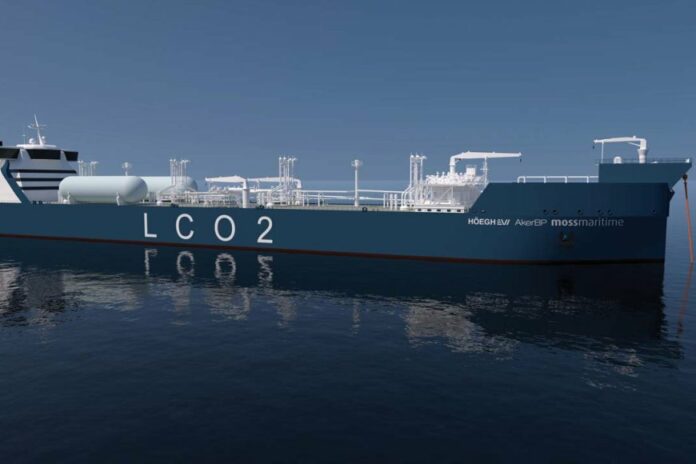
Höegh Evi and Aker BP have been awarded an Approval in Principle (AiP) from DNV for a next-generation liquefied CO₂ (LCO₂) carrier. The vessel, developed in Norway by Höegh Evi, Aker BP and Moss Maritime, is designed to transport captured CO₂ safely and cost-efficiently from European industrial emitters to offshore sequestration sites on the Norwegian Continental Shelf (NCS).

DNV’s Approval in Principle includes a comprehensive assessment of the vessel’s design, including its onboard CO₂ conditioning module. 

The approval marks a significant step in enabling the Carbon Capture and Storage (CCS) value chain and industrial decarbonization in Europe.

“This designation from DNV affirms the strength of our technical solution, which is key to realizing Höegh Evi and Aker BP’s unique CCS offering. Together, we can deliver a cost-efficient path to decarbonization, by connecting large-scale carbon emitters to permanent storage offshore,” said Nils Jakob Hasle, EVP Clean Energy at Höegh Evi.

“We are excited to leverage Aker BP’s extensive upstream expertise to mature and develop CO₂ storage solutions on the Norwegian Continental Shelf. We appreciate the integrated and collaborative efforts with Höegh Evi in the development of the CCS value chain. This innovative design with designation from DNV is expected to set new benchmarks in safe, cost-efficient, and sustainable large-scale CO₂ transportation and storage,” said Ørjan Jentoft, Asset Manager for CCS at Aker BP.

“DNV is pleased to collaborate with such a strong consortium of partners to help bring this large-scale CCS project closer to realization. This AIP demonstrates how maritime regulations with DNVs new class rules can support the development of safe and cost-efficient solutions for CO2 transportation and offshore injection – an essential step toward building cost-effective CCS value chains,” said Christina Saenz de Santa Maria, COO at DNV Maritime.   

The next-generation liquefied CO₂ (LCO₂) carrier is a key part of a fully integrated carbon removal option for both large and dispersed EU emitters. By integrating CO₂ conditioning and offloading capabilities directly into the shuttle carriers, the design minimizes complexity, reduces risk of impurity co-mingling and ensures reliable injection into offshore reservoirs. Two approved variants of CO₂ vessels will offer total capacities of up to 50,000 m³ of liquid CO₂. 

Höegh Evi and Aker BP’s CCS solution can be applied for the Aker BP-operated CO₂ storage licenses on the NCS, EXL 005 Poseidon and EXL 011 Atlas. While initially sized to handle up to 10 million tonnes of CO₂ per annum, it may be scaled to accommodate growing market demand.

Wärtsilä Fit4Power solution to deliver significant fuel and emission savings for ONE containership

0

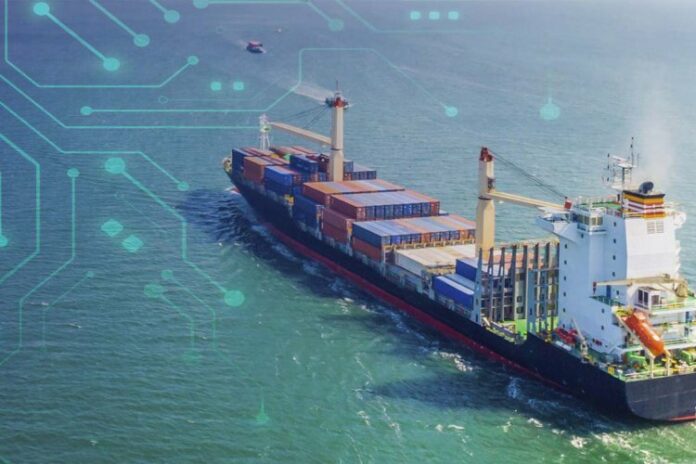
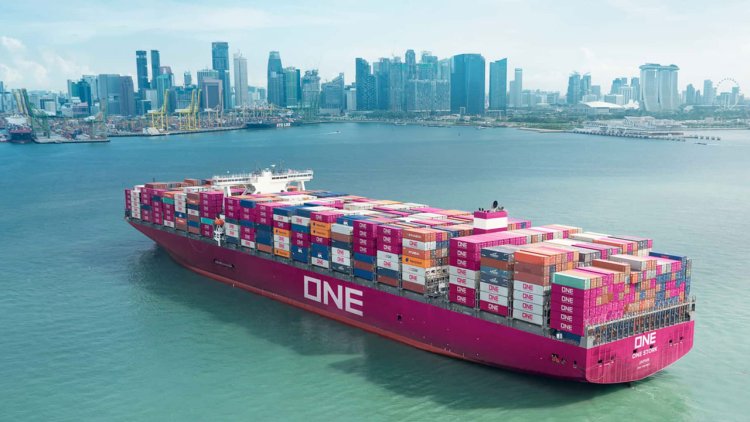
The Fit4Power solution optimises the power output from the ship’s engine, thereby reducing fuel consumption by on average, approximately 13 percent. This will, in turn, reduce emissions. 

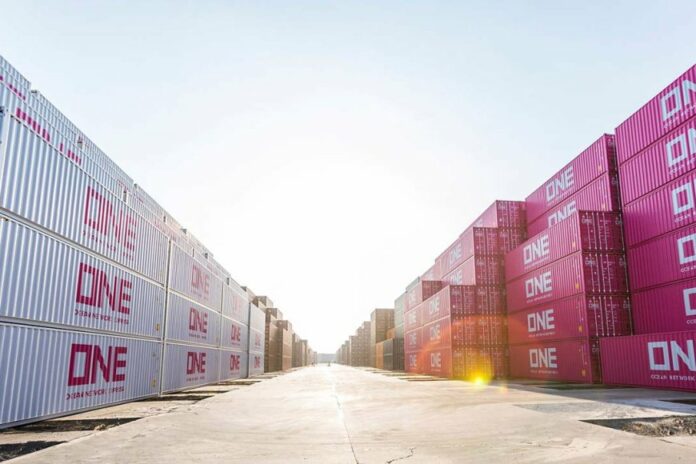
The conversion is also expected to extend the operational life of the vessel. The ship is owned by Ocean Network Express (ONE) and managed by ONESEA Solutions Pte Ltd. The order was booked by Wärtsilä in Q1 2025.

MV ONE Maestro is a 6700 TEU containership designed and powered for speeds up to 27 knots. The vessel is currently operating at more fuel-efficient, reduced speeds in alignment with regulatory requirements, such as the IMO’s Carbon Intensity Indicator (CII). Its optimal performance will be further enhanced by Wärtsilä’s Fit4Power solution which will equip the vessel with a leaner, healthier engine through technical adjustments, such as reduced bore size.  Engine efficiency is expected to improve, and the ship’s CII compliance can be extended by approximately four years. Annual CO2 savings are estimated at approximately 4,000 tons. Furthermore, cylinder lubrication oil consumption is reduced.

“Wärtsilä’s Fit4Power derating solution aligns with ONE’s operational needs. By optimising engine power output while reducing fuel consumption, Wärtsilä is supporting ONE to achieve our sustainability goals without compromising performance. This technology represents a practical approach to extending our vessel’s CII compliance as we continue to enhance our fleet operations. ONE will continue to invest in innovative technologies and our fleet, as we work towards our long-term sustainability goals.” says Hiroki Tsujii, Global Chief Officer, Head of Product and Network Division, Ocean Network Express Pte Ltd.

The conversion scope will include the supply of two new turbochargers as well as Wärtsilä’s Intelligent Combustion Control (ICC) system. The integrated technologies will be supported via Wärtsilä’s Data Collection Unit (WDCU), enabling cloud-based services and remote monitoring to optimise operability, fuel economy, and periodic maintenance. The package will also feature both Wärtsilä’s unique Expert Insight, a digital predictive maintenance service, and remote operational support. The Wärtsilä equipment is scheduled for delivery in June of this year.

“In just 25 years, shipping has a goal of reaching net zero emissions by 2050. Therefore, operators need to use all the tools in the toolbox to ensure that this transformation happens as quickly as possible. Improving engine efficiency – with solutions such as our Fit4Power solution – provides a valuable way for the industry to accelerate the decarbonisation journey of the existing fleet today,” says Stefan Wiik, Vice President, Parts & Field Service – Wärtsilä Marine.

Vard delivers two of the world’s first vessels with cyber notation

0

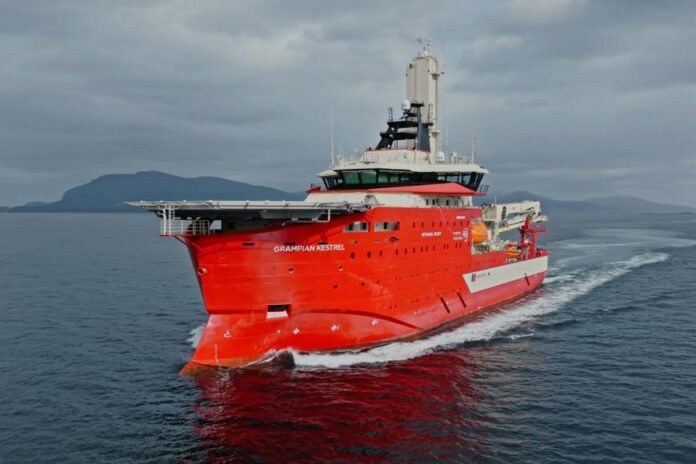
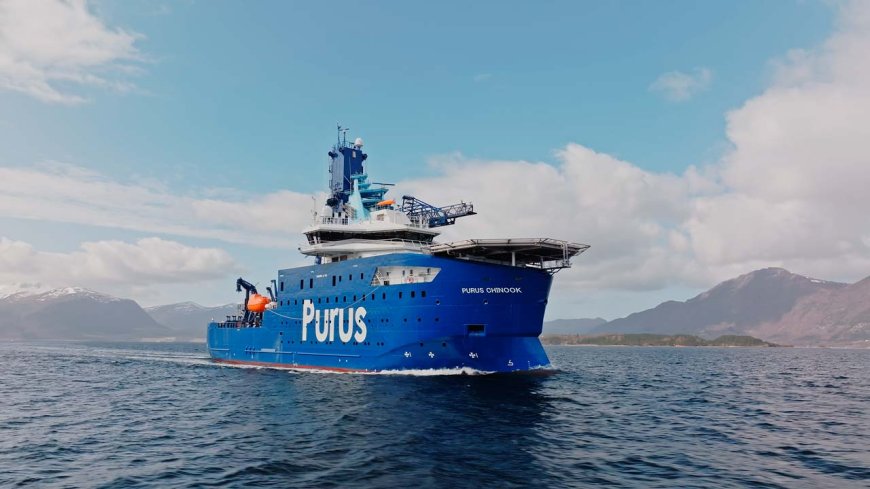
VARD has delivered two of the world’s first vessels featuring cyber notation. 

In compliance with the new regulations in force from July 1, 2024, the two units feature state-of-the-art solutions that enhance their operational capabilities, enabling them to withstand cyberattacks, operate while under threat, and quickly restore full functionality. 

They meet all mandatory cybersecurity requirements and related class notations, confirming that cyber resilience – alongside VARD’s drive for innovation – is embedded throughout the entire shipbuilding process, from design to delivery.

The notations obtained comply with the UR E26 and E27 requirements issued by the International Association of Class Societies (IACS), which have become mandatory for all newbuild contracts after July 1, 2024.These two vessels, however, were contracted in 2023 – prior to the regulation’s enforcement, highlighting  VARD’s foresight and determination, alongside that of Purus and North Star, in proactively addressing cybersecurity.

The delivery of these two vessels represents a historical milestone for the maritime industry, further enhancing the Fincantieri Group’s leadership in the sector’s technological transition and underscoring its continued commitment to cutting-edge engineering and environmental sustainability through advanced technological solutions.

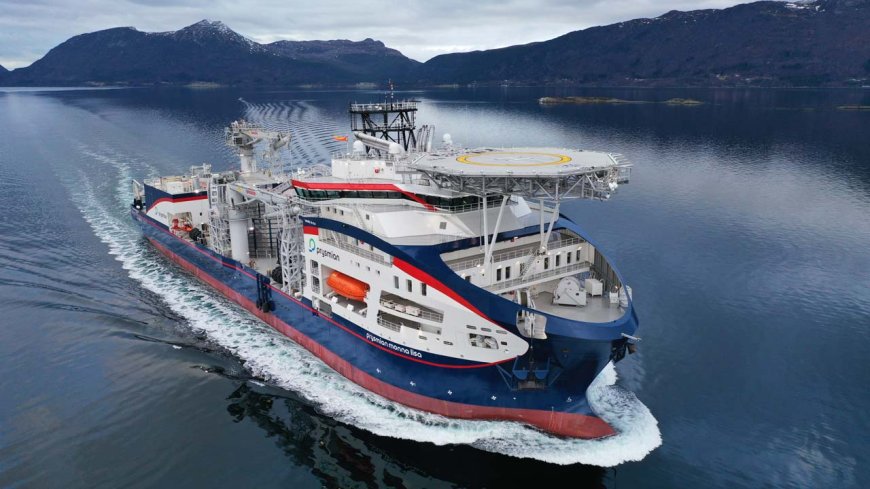
VARD’s excellence and innovation were also recently recognized with the prestigious “Ship of the Year 2025” award from Skipsrevyen – a leading maritime magazine – for the cable-laying vessel “Prysmian Monna Lisa”.

“Prysmian Monna Lisa” was awarded for being the most innovative vessel of its kind, with the capability to operate in deep waters beyond 3,000 meters and one of the highest cable loads on the market, with two carousels of 7,000 and 10,000 tons. It also boasts high operational efficiency and exceptional environmental performance, thanks to an improved energy storage system that doubles the capacity of its sister ship “Leonardo da Vinci”, and a high-voltage shore connection that allows zero CO2 emissions, while in port. In addition, the vessel is designed to be deployable across all types of offshore projects — from shallow to deep waters — including cable burial operations through a wide range of ROV (Remotely Operated Vehicle) systems.

The award was presented at Nor-Shipping, Norway’s leading maritime business event, which has recognized the most outstanding shipbuilding company in terms of progress and innovation every year since 1997.

GeoServe launches the world’s first unified Voyage Operations Suite

0

GeoOne integrates all the key functions of a vessel operator’s workflow into a single solution, thereby boosting productivity, improving overall visibility, and reducing operational challenges. This platform represents a world-first for marine applications, providing the industry with a truly end-to-end solution for commercial vessel operations.

Operators typically need to rely on fragmented systems and data silos when managing voyage operations. Often the software serves only specific individual functions, while spreadsheets and disconnected platforms are required to manage key tasks, such as bunker procurement, vessel performance, laytime, and DA management. This is time-consuming, and can lead to inefficiencies, compliance risks, and high operating costs.

GeoOne addresses this challenge, not by replacing the existing systems, but by providing a unified, integrated ecosystem that streamlines all these actions, allowing them to work in effective harmony together.

“We aim to drive greater efficiency in managing commercial voyage operations. To achieve this, we seek to empower maritime operators with data-driven tools, seamless workflow integration, and scalable solutions for operational excellence. GeoOne is key to this development. It is a simple-to-use solution that integrates multiple functions into a single solution. If you look at what Office 365 did for business productivity, this VOS does the same for voyage operations. It connects the dots, removes duplication, and puts everything in one place,” says Sanjay Kapoor, CEO, GeoServe.

GeoServe is a provider of technology-enabled voyage management solutions, including voyage optimization, vessel performance, port disbursement accounting, laytime, and bunker procurement. 

GeoOne is designed to streamline and integrate the fragmented tools and disconnected workflows that hamper productivity, increase risk, and reduce profitability. 

Hamburg Port Authority and ONE sign agreement to supply container ships with shore power

0

Dr. Melanie Leonhard, Hamburg’s Senator for Economic Affairs, Friedrich Stuhrmann, Chief Commercial Officer (CCO) of the Hamburg Port Authority (HPA) and Takahiro Kikuchi, Managing Director of Ocean Network Express (Europe) Ltd. (ONE) signed an agreement on the future use of shore power supply. 

The signing ceremony took place along the sidelines of “Transport Logistic 2025” trade fair in Munich, Germany.

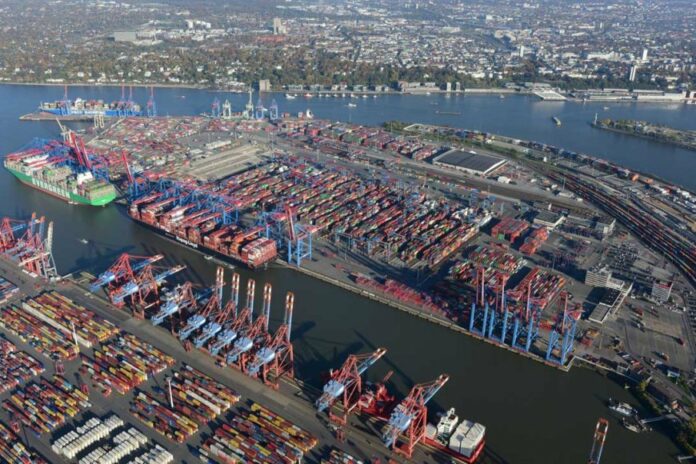
Since May 2024, the Port of Hamburg has provided shore power for cruise and container ships, committing to equip all container terminals with shore power supply systems by the end of 2025. In addition to the facilities already in operation at Eurogate Container Terminal Hamburg (CTH) and HHLA Container Terminal Tollerort (CTT), those at HHLA Container Terminal Burchardkai (CTB) and HHLA Container Terminal Altenwerder (CTA) are currently being installed. ONE is an active partner in the current integration tests and is the first shipping company to commit to purchasing shore power at the CTB and CTA facilities.

Hamburg’s Senator for Economic Affairs, Dr. Melanie Leonhard says, “When container ships obtain clean electricity from shore power plants, this is an important contribution to sustainable logistics – and a benefit for Hamburg. ONE is thus making an active contribution to improving air quality. Hamburg shows: Port operations and climate protection can go hand in hand – reliably, in partnership and with an eye to the future.”

Friedrich Stuhrmann, CCO of the HPA says, “Since the go-ahead for shore-side power supply for container ships was given in May last year, both we and the shipowners involved have been able to gather a wealth of experience. We are therefore delighted that ONE is now also using our new systems and that they are determined to contribute to lower emissions and more climate protection in the port by using this technology in the future.”

Takahiro Kikuchi, Managing Director of Ocean Network Express (Europe) Ltd. says, “We are pleased to actively contribute to the expansion of shore power for container ships in Hamburg. This agreement and operation mark a significant milestone as it represents ONE’s first shore power utilization in Europe. This initiative is a crucial step towards ensuring our vessels comply with forthcoming FuelEU regulations, which mandates shore power connections at EU ports from 2030. By committing early to using shore power at the CTB and CTA, we are supporting the Port of Hamburg’s transition toward low-emission operations. It also reflects our commitment to accelerate Scope1 emissions reduction and contribute towards the advancement of sustainable shipping across Europe and globally.”

Elomatic signs agreement with Mitsubishi Shipbuilding to advance decarbonization and digitalization

0

The new collaboration focuses on leveraging Elomatic’s engineering expertise and Mitsubishi Shipbuilding’s services to enhance energy efficiency, accelerate the adoption of alternative fuels, and drive digital innovation across the global maritime sector.

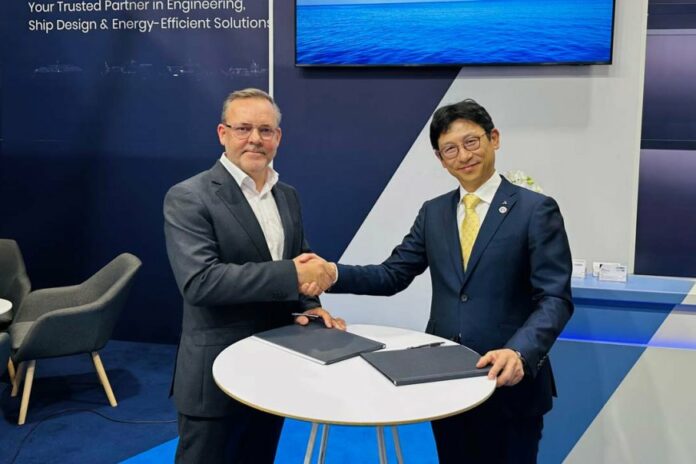
Elomatic has announced the signing of a Framework Agreement for Business Collaboration with Mitsubishi Shipbuilding, a part of Mitsubishi Heavy Industries (MHI) Group. The agreement was formalized during a signing ceremony at Nor-Shipping 2025, one of the maritime industry’s biggest events, held in Oslo, Norway.

Initial areas of collaboration include air lubrication systems, modular fuel supply systems for ammonia, and digital scanning with data analytics. These technologies are designed to be applicable across all vessel types, in order to comprehensively support the industry as it navigates the transition towards decarbonization and digitalization.

As part of the agreement, Mitsubishi Shipbuilding’s Mitsubishi Air Lubrication System (MALS) will be integrated into carefully selected vessels to reduce hull resistance and fuel consumption. The MAmmoSS modular fuel supply system will support the adoption of ammonia as a marine fuel, enhancing safety and system flexibility. With regards to enhanced digitalization, Elomatic’s Aura APM platform will bring practical asset performance management and data analytics into everyday ship operations. Our Reality Capture Solutions (RCS) will provide high-accuracy digital scans and 3D ship models. These models support planning, maintenance, and modification work by giving teams a reliable and up-to-date view of the vessel’s structure.

Antti Yrjänäinen, Manager, Marine Life Cycle Solutions, at Elomatic, said: “Partnering with Mitsubishi Shipbuilding reflects Elomatic’s commitment to delivering innovation on board vessels. It also supports our updated strategy and one of its key directions: combining our strengths across business areas to better serve our customers’ needs. Our joint ambition is to provide forward-thinking solutions that add measurable value to our clients and support the maritime industry’s sustainability efforts.”

Shingen Takeda, Chief Technology Officer, Mitsubishi Shipbuilding, added: “We are proud to collaborate with Elomatic, a company whose digital and engineering expertise aligns well with our wider strategic vision. This agreement represents a major milestone in expanding our global partnerships and delivering next-generation maritime technologies.”