-7.4 C
New York
Home Blog Page 583

Maersk to redesign its ocean network in West & Central Asia

0

The changes in network are primarily aimed at improving speed to market, providing higher predictability and offering more flexibility to customers’ supply chains. Further, redesigning the network will also bring more resilience to the customers’ supply chains, protecting them better from operational challenges that arise out of contingencies.

Mads Skov-Hansen, Head of Liner Operations Cluster, Maersk West & Central Asia, said:

“Since the beginning of the COVID-19 pandemic, supply chains have experienced a perfect storm. The unprecedented scale of operational challenges restricting supply during the pandemic and the strong demand surge in parallel led to significant bottlenecks, capacity issues and unforeseen delays across supply chains. This prompted us to redesign our ocean network to overcome these challenges and make our customers’ supply chains more resilient.”

Improved speed to market

  • The new ME4 service will offer a direct coverage between Doha and North Europe, thus improving speed to market by up to 5 days and by up to 6 days from Jebel Ali to West Africa for majority of customers.
  • The ME3 service connecting fresh produce exporters from Pakistan to Russia will see an improvement in what are already ‘best-in-industry’ transit times. This will further reduce wastage of the fresh produce by maintaining its integrity through end-to-end cold chain logistics offered by Maersk in Pakistan.
  • The FI3 service will change from fortnightly to weekly giving frequent options for importers getting cargo from Far East into North India.

Improved predictability and flexibility

  • The ME7 service will connect South India’s lifestyle, retail and automotive manufacturing sector directly to Europe. The cargo will thus flow smoothly without getting affected by unforeseen delays in case of congestions.
  • The ME7 service will also provide a direct and regular rotation between the hubs of Colombo and Salalah, thus letting customers have a more flexible option of moving their cargo.
  • The new FI4 service, that combines previous Jade Express and Chennai Express, will connect South East Asia with India and Pakistan on a single direct service.
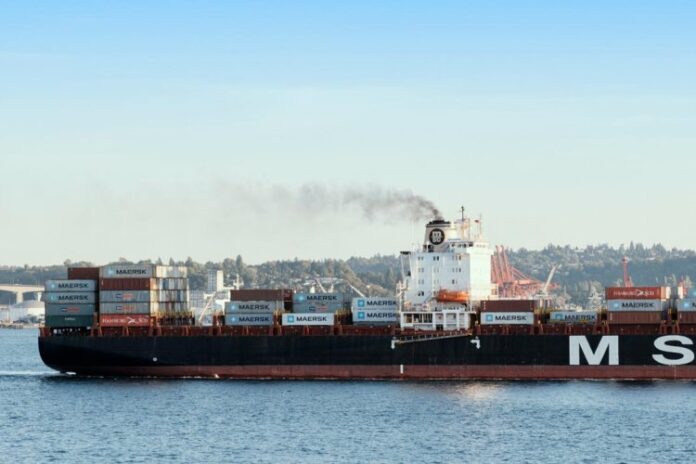
Rising cost of fuel leads BC Ferries to reduce fuel rebate

0

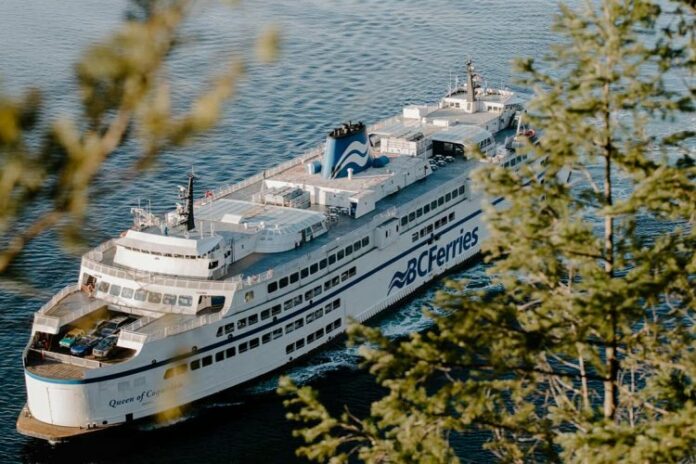
BC Ferries is advising customers that due to current fuel market conditions and rising fuel costs, the company will reduce the fuel rebate offered to customers from 1.5 per cent to 0.5 per cent on August 1. BC Ferries closely monitors the cost of fuel and applies a rebate or surcharge, or neither, under a regulatory process that is independent of fares.

The reduction in fuel rebate will translate into customers paying 10 cents more for an adult and 30 cents more for a vehicle on the Metro Vancouver – Vancouver Island routes, and 5 cents more for an adult and 20 cents more for a vehicle on the inter-island routes.

Over the past 17 years, BC Ferries has been using a fuel rebate/surcharge mechanism to manage the volatility in the price of fuel. When fuel prices are lower, BC Ferries passes lower fuel prices on to customers through a fuel rebate. When fuel prices are higher, BC Ferries charges a fuel surcharge specifically designed to cover the additional cost of fuel only. There have also been periods with neither. The company does not benefit financially from surcharges or rebates.

Mark Collins, BC Ferries’ President and CEO, said:

“We now have five vessels operating on liquefied natural gas, a cleaner and less expensive fuel source than the ultra-low sulphur diesel we use for our other vessels. In addition, we have two hybrid electric ships in service and four more on the way. These investments help reduce ferry user exposure to volatile fuel prices.”

The new Island class vessels have a battery equipped design for full electric operation and are fitted with hybrid technology that bridges the gap until shore charging infrastructure becomes available.

Despite fuel switching and other initiatives to burn fuel more efficiently, Collins says a reduction in the fuel rebate became necessary:

“BC Ferries understands the importance of affordability of travel to our customers, and we will continue to take measures to reduce our fuel consumption further through the introduction of diesel electric battery hybrid vessels.”

The fuel rebate will be 0.5 per cent on average on all routes with the exception of the Port Hardy – Prince Rupert, Prince Rupert – Haida Gwaii and Port Hardy – Central Coast routes. These routes have a separate mechanism pertaining to the cost of fuel and the rebate will remain at 1.5 per cent until further notice.

Caring for the environment, coupled with travel affordability, are top priorities for BC Ferries. Good fuel cost management has helped hold the cost of travel flat or reduced it every year for the past four years.

MSC and Shell sign collaboration agreement on decarbonising shipping

0

MSC Mediterranean Shipping Company (MSC) and Shell International Petroleum Company Limited (Shell) have agreed to work closely together to help accelerate the decarbonisation of the global shipping sector. The long-term memorandum of understanding will help MSC and Shell to play enhanced roles in the energy transformation of shipping, as developers and early adopters of innovative technologies and fuel solutions.

Bud Darr, EVP Maritime Policy and Government Affairs, MSC Group, said: “MSC’s efforts to decarbonise include strong partnerships with a range of companies across the industry. This partnership with Shell is a great example of the type of commitment that is needed to catalyse low-carbon solutions for the shipping sector.

Mr Darr said:

“To reach that ultimate goal of complete decarbonisation, we must look at a set of solutions. We need significant advances in research and development and fuel development. MSC welcomes partnerships like this with Shell that are designed to facilitate cross-sector information sharing and prove how collaboration is key in defining the best pathway to a net-zero future.”

Melissa Williams, President, Shell Marine, said:

“Shell wants to play a central role in the transition to net zero. Partnering with our customers to develop new technologies and fuels will help accelerate progress. Combining MSC’s experience as one of the world’s largest shipping companies with Shell’s expertise as a global energy supplier will help bring about effective solutions for this vital part of the world economy.”

Shell and MSC have worked together over the last 10 years on projects, including bunkering biofuels and trialling very and ultra-low sulphur fuels.

MSC and Shell technical and commercial teams will collaborate to develop and deploy net-zero solutions such as zero-emission fuels of the future and the technologies that will enable them, including fuel cells, with the ambition of contributing towards a zero-carbon flexi-fuel concept vessel. They will also work together on energy efficiency technologies, including digital services and platforms.

The partners continue to envisage a range of fuel solutions on the route to a net zero future and are also exploring options such as hydrogen-derived fuels and the use of methanol as a marine fuel. Both companies each have been exploring the significant potential benefits of progressing from fossil-based liquefied natural gas (LNG) to bio-LNG or synthetic variants. Together, the partners will explore opportunities for MSC to use LNG in its fleet, as the lowest emissions fuel widely available today. They will also consider future pathways, including methane-slip abatement technologies that will further bring down LNG’s emissions.

The partnership also offers an opportunity for Shell and MSC to work together to engage the industry and its stakeholders on strategic policy issues, bringing their dual perspectives with the purpose of enabling constructive dialogue and to accelerate decarbonisation in the sector.

ZeroNorth acquires digital vessel performance pioneers Propulsion Dynamics Inc.

0

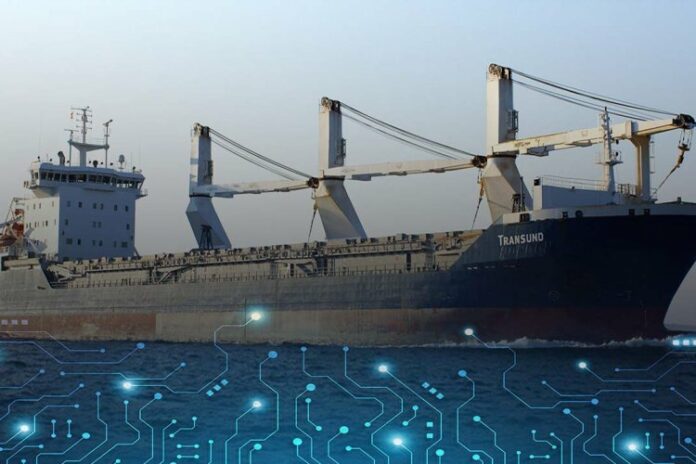
Maritime technology company ZeroNorth has announced that it has acquired the Copenhagen-based digital vessel performance company Propulsion Dynamics Inc.

Founded in 2002, Propulsion Dynamics was the first company to offer full-scale digital twin ship performance analysis through its CASPER service. This makes the organisation a forerunner of vessel performance optimisation, and means that it holds unrivalled insight on how vessel hydrodynamics can impact fuel consumption.

The fuel consumption tables provided by Propulsion Dynamics can directly support the industry’s decarbonisation trajectory, as well as the optimisation of a range of tramp shipping vessels, and particularly those on short-term time charter agreements. By activating Propulsion Dynamics’ vessel models with technology and machine learning, ZeroNorth will be able to considerably scale up CASPER’s potential use cases in the market.

ZeroNorth will remain steadfast to its commitment to be data agnostic, connecting to whichever fuel consumption model provider their customers utilise. However, the acquisition will also allow ZeroNorth to immediately power up Optimise using experience from the more than 25,000 digital ship models that Propulsion Dynamics has gathered across the last two decades. By combining this wellspring of data with ZeroNorth’s AI technology, the software will be able to deliver even more authoritative recommendations to increase revenue and cut emissions for tramp shipping vessels.

The acquisition marks ZeroNorth’s entry into the fuel optimisation market; a significant next step on the organisation’s journey after a year in operation. Having the industry’s most authoritative source of vessel performance information in-house will also enable ZeroNorth to extend its market proposition and offer new products and services. In all, the move – which was signed on 1st June 2021 — will boost ZeroNorth’s revenue by 15%.

Speaking on the announcement, Søren Meyer, CEO, ZeroNorth, said:

“We are delighted to welcome Propulsion Dynamics, the original, ground-breaking company for vessel performance optimisation, into the ZeroNorth family. This is a fantastic way to mark ZeroNorth’s first year as an independent company.

“Propulsion Dynamics’ huge, unrivalled library of vessel performance analysis results means that Optimise will evolve into an even more powerful and authoritative tool to help tramp shipping companies increase their revenue and cut emissions. Meanwhile, we are very much looking forward to working with the team at Propulsion Dynamics to support them to rapidly scale their solutions and customer base with our complimentary technological expertise.”

Daniel Kane, co-owner and VP Sales, Propulsion Dynamics, said:

“The team at Propulsion Dynamics was quite intrigued when we were originally approached by a nearby Danish maritime technology company who had novel ideas about how to utilise our performance analysis capabilities and experience to enable carbon reduction for oceangoing vessels.

“This grew into a formal partnership, increasing enrolment of vessels with ZeroNorth, and a natural progression into a sale of PDI to ZeroNorth. We know that their unique background, skillset, and rapid success in the market, combined with our digital twin hydrodynamic modelling approach, will definitively and quickly make a positive impact on shipping’s decarbonisation pathway.”

New agreement to support progress of offshore wind power generation in Japan

0

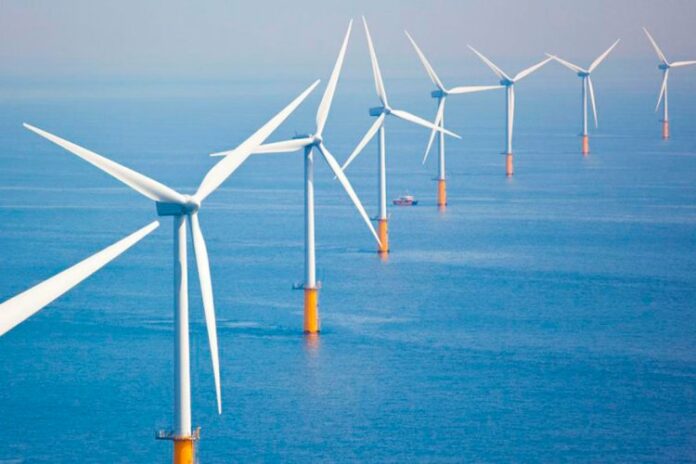
As independent organiations with shared values this agreement will enable ClassNK and the Carbon Trust to collaborate on assisting national initiatives to improve progress in areas that are critical to the successful implementation of offshore wind projects, including acceleration of industrial development and technical innovation, regulatory and policy reform, standardisation and increasing skills in the industry.

In December 2020, Japan’s Ministry of Economy, Trade and Industry (METI) published its Green Growth Strategy, which includes the offshore wind industry as one of 14 sectors expected to grow. In addition, the Public-Private Council has established the Vision for Offshore Wind Power Industry to enhance the competitiveness of the offshore wind sector, accelerate efforts to promote effective and efficient R&D and strengthen the supply chain to reach the target of 10GW by 2030 and 30-45GW by 2040.

The Carbon Trust has a strong track record in helping to scale up offshore wind globally by providing strategic and policy advice to governments and industry, and by accelerating innovation and cost reduction through a portfolio of industry-leading collaborative research, development and demonstration programmes. Meanwhile, ClassNK has longstanding and well-respected knowledge in the maritime sector and recently expanded its wind power-related certification services, such as type approval and wind farm certification for obtaining permissions in line with Japan’s regulations. The MOU will enable the deep expertise of both organisations to be combined and will benefit the future competitiveness of the Japanese offshore wind power industry.

J.Hirata, General Manager of Innovation and Sustainability Centre at ClassNK, commented:

“Offshore wind power is one of the key measures identified to achieve the 2050 Net Zero declaration in Japan. ClassNK has so far contributed to the safe construction of offshore wind projects by confirming safety and reliability from a technical perspective under the collaboration with the Ministry of Economy, Trade and Industry (METI), the Ministry of Land, Infrastructure, Transport and Tourism (MLIT), and other authorities. Having recognised the substantial role the Carbon Trust has played in promoting the offshore wind industry in the UK and Europe, we are glad to sign this momentous MOU.” 

Jan Matthiesen, Director Offshore Wind at the Carbon Trust, added: 

“The Carbon Trust has been at the forefront of accelerating progress in the offshore wind industry since 2008, working closely with industry and governments to inform policy, support technology development and deliver cost reductions. In recent years, our expertise has enabled us to work with government departments and organisations in Japan and we are excited to build on this experience through our agreement with ClassNK. As Japan’s ‘Vision for Offshore Wind Power Industry’ has been announced, it is clear that the government is making good progress in establishing an industry that has the potential to be transformational.”

World’s tallest cruise ship, Golden Horizon arrives in Dover for inaugural call

0

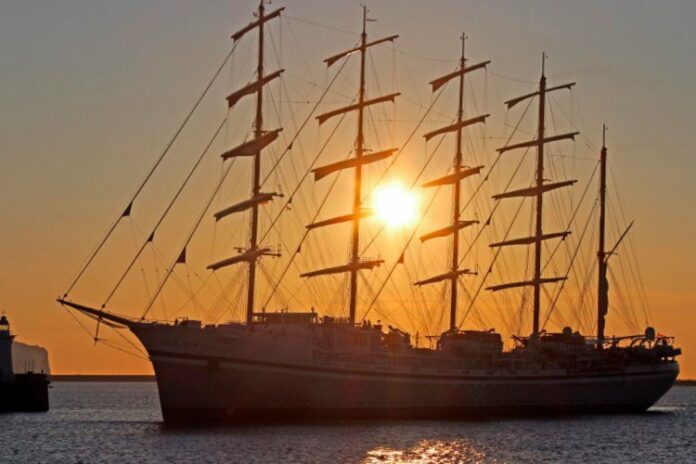
Tradewind Voyages’ brand new vessel, Golden Horizon sailed into Dover this morning; her chosen departure port for four new UK voyages throughout July.

She arrives ready for a round-trip long weekend voyage, before returning to embark on her inaugural voyage from the Port on 19th July.

Sonia Limbrick, Head of Cruise at the Port of Dover said:

“We offer a very warm welcome to the beautiful Golden Horizon here in Dover today, what an extraordinary ship she is! I hope our local community makes the most of the rare opportunity to see her before she departs for four cruises throughout July.

I’m really pleased to see the cruise season back in full swing again; it’s exciting to see another new cruise line at the Port today, both for the first time in Dover and as she prepares to embark on her first ever voyages.”

Today marks the third passenger cruise call in just under three weeks to depart from the Port of Dover since its cruise season re-launch on 26th June. The Port’s cruise team has been working hard on COVID safe measures to help protect visiting cruise lines, their crew and passengers. For further information, see here.

Golden Horizon will depart Dover on 19th July, 24th July and 31st July.

RIX Shipmanagement selects KVH AgilePlans VSAT connectivity

0

KVH Industries has announced that global ship operator RIX Shipmanagement Ltd. has chosen KVH’s AgilePlans® subscription-based Connectivity as a Service (CaaS) program to supply its vessels with VSAT connectivity. Installations for four vessels have been completed, with plans for an additional 25 through the second quarter of 2022.

Aleksandr Lisitskiy, executive director of RIX Shipmanagement Ltd., says:

“Our company currently manages more than 30 vessels and we know the importance of reliable satellite communications to our operations and to our goals of optimizing vessel performance, reducing CO2 emissions, and improving crew welfare. The all-inclusive AgilePlans service makes it easy for us to bring leading maritime VSAT connectivity from KVH to our fleet.”

RIX plans to use a mix of KVH’s TracPhone® V7-HTS, TracPhone V3-HTS, and TracPhone V30 systems for its fleet of dry-cargo and multipurpose vessels trading worldwide.

Hansael SIA, in Latvia, provided technical and sales expertise to RIX, advising them of the benefits of KVH’s AgilePlans service. Oleg Orlov, director of Hansael SIA., says:

“AgilePlans is enabling RIX to quickly bring their growing fleet the reliable satellite communications solution they need to help their business succeed.”

AgilePlans includes a choice of KVH TracPhone hardware, unlimited email and texting, daily world and national news via NEWSlink™ TV and NEWSlink Print, installation in as many as 4,000 ports and locations, cybersecurity protection, KVH OneCare™ maintenance, no CAPEX, and no commitment, all for one monthly fee.

Commercial maritime fleets worldwide are migrating from legacy L-band systems, where slower data speeds are measured in kilobits per second (Kbps) to VSAT services, such as KVH AgilePlans, where faster data speeds measured in megabits per second (Mbps) enable vessels to improve operational efficiency through digitalization. Vessel operators also know that seafarers value fast, reliable connectivity and view it as an important part of crew welfare and life at sea.

Extra Container Capacity Antwerp to receive European funding

0

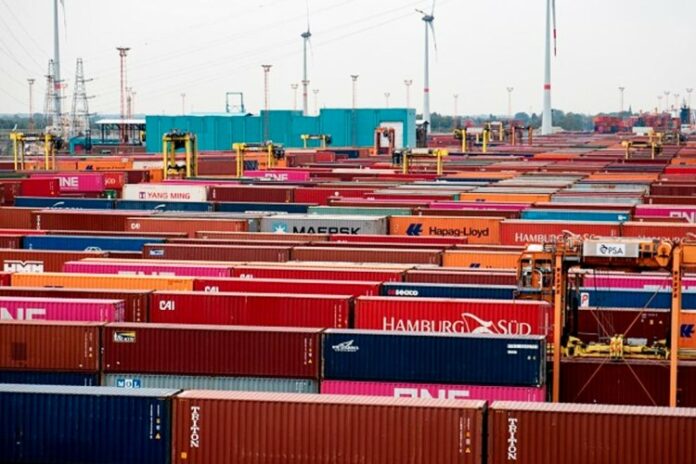
The European funding programme Connecting Europe Facility (CEF), which supports projects that have a significant positive impact on the European transport network, is to award funding of €10.91 million to the complex project Extra Container Capacity Antwerp (ECA). 

Earlier this year, the European Commission launched a call for applications for funding under the CEF programme, which supports European transport policy. Port of Antwerp and the Department of Mobility and Public Works submitted a joint application in connection with the studies that form part of the complex project Extra Container Capacity Antwerp. Today, the European Member States approved the list of selected projects. ECA is therefore set to receive €10.91 million of European funding to achieve its ambitious objectives in the areas of sustainable growth and multimodal transport. 

The co-financing will be used to finance the planned studies that form part of the elaboration phase of the project. Those studies are essential in order to ensure that the project is implemented in a way that most effectively serves the needs of the economy, while also enhancing quality of life. Besides expansion, the project will also focus on optimising the use of land within the existing port area. The technical study into the design of the second tidal dock envisages a solution that will ensure maximum efficiency, while minimising the impact on the environment.

In response to Europe’s ambitions under the ‘Green Deal’ and the Flemish mobility policy, ECA represents a crucial step in Port of Antwerp’s vision of being a home port for a sustainable future. Expanding the port’s container capacity will therefore primarily take the form of innovative solutions that serve to create infrastructure that is both future-proof and climate-proof at the same time. In this way, Port of Antwerp will continue to play a pioneering role in the greening of the container sector and will set a new standard in that regard.

The ‘dock of the future’ will take the form of hyper-efficient terminals and high productivity, combined with an exceptionally low footprint. Emissions from ships and from terminals in the port will be kept to a minimum by means of low-emission handling technologies, shore-based power, circular construction techniques and stricter regulations.  In terms of logistics, ECA will in turn act as the lever that will enable transportation to become more environmentally friendly through the use of rail and inland navigation. Constructive cooperation and European funding will be indispensable if this greening process is to become a reality.

Annick De Ridder, Port Alderman:

“This European support once again confirms the importance of ECA for our port, and also underlines the value that Europe attaches to this dossier. The importance of the container sector for the port of Antwerp should not be underestimated, and our growth figures in this segment confirm the need for extra capacity year after year. This European support is also confirmation of the important position that the port of Antwerp occupies as a gateway to and from the world for our Flemish and European companies.”

Jacques Vandermeiren, CEO of Port of Antwerp:

“The container segment has continued to grow, even during the challenging year we have just experienced. This therefore confirms the urgent need for additional capacity. However, the manner in which we create that additional capacity is at least as important. It must be achieved in a sustainable way that respects the climate and the environment, so that is why we are fully engaged in realising a more carefully designed project that is future-proof and climate-friendly at the same time. We are setting a new standard in the container business as a means of accelerating the greening of the industry.”

ABS verifies SBM Offshore’s AI-powered mooring solution

0

ABS has issued New Technology Qualification (NTQ) to SBM Offshore’s artificial intelligence (AI) powered Intelligent Agent Mooring Line Integrity Tool, allowing the technology to be integrated into offshore systems for the first time.

The novel tool collects data such as wind speed, FPSO heading, and GPS information and couples this with machine learning approaches to provide the asset owner with continuous feedback on the integrity of their mooring system. The tool has the ability to detect potential mooring line failure and location without reliance on a traditional tension monitoring system, thanks to the potential for deeper insight offered by AI techniques.

Matt Tremblay, ABS Senior Vice President, Global Offshore, said:

“This technology enables the continuous monitoring of the integrity of mooring lines and has significant potential to advance safety in the offshore industry. This is just the latest example of how ABS is supporting the application of advanced technology to drive forward safety outcomes in the marine and offshore industries. Our industry leadership in offshore, as well as smart and artificial intelligence applications at sea means we are uniquely placed to support SBM Offshore with the development of this tool.”

Oivind Tangen, SBM Offshore Managing Director, Operations, said:

“This achievement is only one example of how SBM Offshore is using digitalization to make meaningful shifts in offshore operations, making them safer, more reliable and more efficient. It is just the beginning of the application of machine learning in our offshore operations. We target the development of intelligent agents into areas where it is challenging to create value from operational data through traditional analytics.”

The tool was evaluated using the framework outlined in the ABS Guidance Notes on Qualifying New Technologies and ABS Guide for Smart Functions for Marine Vessels and Offshore Units.

ABS NTQ services offer guidance on early adoption and efficient implementation of new technologies – demonstrating level of maturity – and that potential risks have been systematically reviewed. More information on ABS NTQ services and ABS support for use of Smart technologies is available here.

Delivery of the next X-BOW expedition cruise vessel from CMHI

0

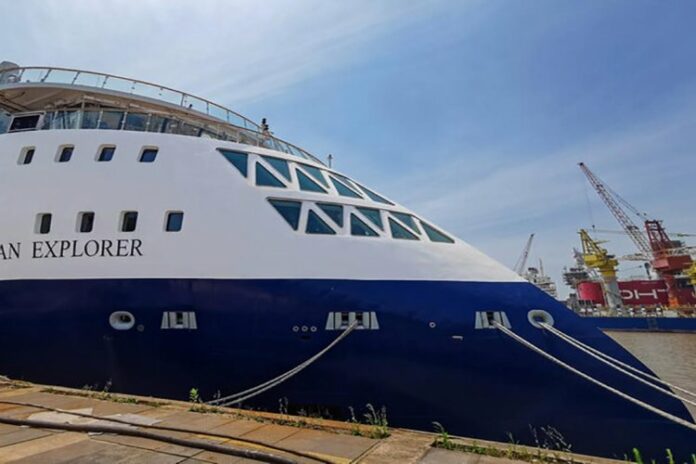
Ulstein has delivered several expedition cruise ship designs for the SunStone Ships’ INFINITY series, all for construction at the CMHI yard. The ‘Ocean Explorer’ will be operated by Vantage Cruise Line.

The first X-BOW vessel in the INFINITY series, the ‘Greg Mortimer’, was delivered in September 2019.

When signing up for these vessels, SunStone Ships’ President/CEO Niels-Erik Lund commented: “We decided to partner up with Ulstein due to their hull and the technical design, as well as their site team in China to supervise the production”.

The construction has continued smoothly. There are two more vessels in the INFINITY series which are scheduled for delivery in 2021, and two for delivery in 2022.

Lead Naval Architect Torill Muren, who has been first-hand in experiencing the movements across the Drake Passage, says:

“We have developed a vessel where the hull has been optimized for low fuel consumption with CFD (computational fluid dynamics) analysis. In addition, we have implemented the ULSTEIN X-BOW hull line design, a solution firstly introduced to the offshore segment and only recently to the cruise industry. In addition to fuel savings, the X-BOW softens the movements in head seas, reducing slamming and vibrations, and increases the comfort and rest for passengers and crews.”

“All the vessels in the INFINITY series have Tier III engines with SCR catalysts to reduce emissions. They run on low sulphur Marine Gas Oil (MGO), have heat recovery systems and LED lights. On top of this comes the waste-water treatment and management system that cleans the waste water before discharging it.”

The ships in the INFINITY series have Ulstein’s patented X-BOW design, zero-speed stabilizers and dynamic positioning, and are built to Polar Code Category B, with Polar Class 6 (Ice Class 1A on machinery). All vessels are customised versions of the ULSTEIN CX103 designs.