-1.9 C
New York
Home Blog Page 573

Inmarsat shows the way for future maritime safety with unique data

0

Inmarsat has published a new report based on an exclusive analysis of Global Maritime Distress and Safety Services alerts from ships.

Drawing on distress calls sent free at the point of use via the Inmarsat network from vessels worldwide between 2018 and 2020, The Future of Maritime Safety report is published by the Inmarsat Research Programme and has been written by the team at Intent Communications.

Peter Broadhurst, Senior Vice President of Safety & Security, Inmarsat Maritime, said:

“We believe that the creation of an online anonymised data lake of safety information will allow us to identify weak spots and solutions, allocate resources and measure progress towards enhanced safety. Where safety is concerned, data should be shared to create a level playing field for the entire industry.”

The new report also includes significant contributions from Kitack Lim, Secretary General of the  International Maritime Organization; Guy Platten, Secretary General, International Chamber of Shipping; Ashok Srinivasan, Manager, Maritime Safety and Security, BIMCO; Kuba Szymanski, Secretary General, Intermanager; and Stuart Edmonston, Director, Loss Prevention, UK P&I Club.

With the commercial vessel fleet growing by 4.1 per cent in 2019, the report logs 834 distress calls made by Inmarsat GMDSS service users in 2020, compared to 761 in the previous year. In capturing the broadly stable relationship between ships in service and distress call numbers, the report nonetheless highlights specific areas for attention.

Detailed analysis during the three years shows tankers overtaking fishing vessels to generate the highest number of GMDSS alerts (122 calls in 2020). The high frequency of alerts from coastal waters is interpreted as relating to the operation of older tonnage. Alerts from deep sea tankers are relatively scarce, where charterers require higher standards and younger tonnage is deployed. Fishing distress calls remain frequent, indicating that there is still a lot of work to do in this sector to raise overall safety for fishers and fishing vessels under individual flag state control.

The number of distress calls from bulk carriers and container ships remained largely consistent over the period, although the former witnessed a distinct cluster in the Yellow Sea between China, North Korea and South Korea, while the latter saw a spike in East Asia as Covid-19 unfolded in 2020.

Broadhurst continued:

“This report establishes significant trends that merit close scrutiny by all stakeholders and offers a powerful example of the potential for analytics and new technology to provide the basis for a data-driven and more proactive safety. Today, a ship’s captain can often be seen as a single point of failure. This is in stark contrast to the ‘Swiss-cheese’ model of risk maritime regulators now accept, and the goal-based and proactive approach that puts rapidly evolving technology at the heart of better supporting the safety of life at sea.”
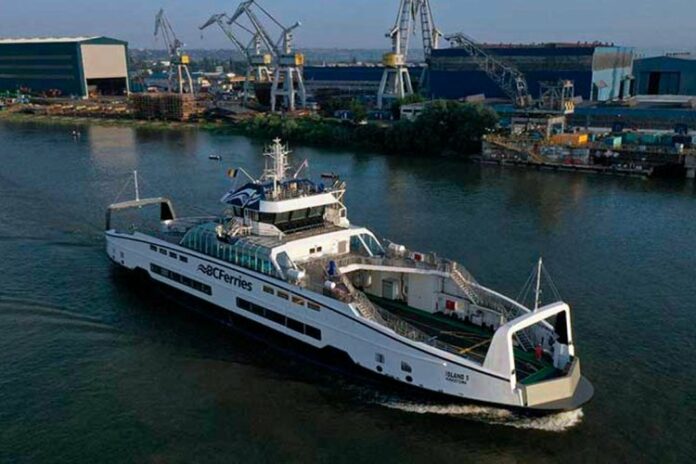
BC Ferries’ ferry begins transatlantic voyage bound for Victoria

0

BC Ferries’ fifth Island Class vessel, temporarily named Island 5, is now on its way to British Columbia after departing Damen Shipyards Galati in Romania over the weekend. The vessel is the fifth in a series of six newly built Island Class ferries to join BC Ferries’ fleet in 2022.

Depending on weather, it takes about 60 days to make the transatlantic voyage under Island 5’s own power. The approximately 10,700 nautical mile journey includes two stops for refuelling before and after transiting the Panama Canal. The vessel will sail up the west coast of North America, arriving at Point Hope Maritime in Victoria, B.C.

The Island Class is a hybrid diesel-electric ferry with a number of key features that support BC Ferries’ Clean Futures Plan and the company’s goal to be more efficient and environmentally responsible throughout its system. Using some of the most advanced clean marine technology in the world, these ships are designed for future full electric operation. The vessels are fitted with hybrid technology that bridges the gap until shore charging infrastructure and funding become available.

Captain Jamie Marshall, BC Ferries’ Vice President, Shipbuilding & Innovation, said:

“The Island Class ferries are another step towards sustainability and standardizing our fleet. Today, we have 35 vessels in 17 different classes across our fleet. We are aiming to create approximately six classes of vessels in the future.”

BC Ferries is already beginning to realize the benefits of standardization. Crew training, ship familiarization, and dock fits are being completed with Island Class ferries already in service. This reduces logistical, operational, training and maintenance costs, making for a more efficient ferry system overall.

Marshall adds:

“Standardization helps us dramatically improve resiliency in our fleet by allowing us to move vessels around to replace each other during refits, repairs and unexpected challenges, and it provides a more consistent travel experience for our customers.”

Island Class ferries have the capacity to carry at least 47 vehicles and up to 400 passengers and crew, and allow for fleet redeployments and retirements of existing diesel-fuelled vessels.

The first two Island Class ferries, Island Discovery and Island Aurora, arrived in British Columbia via a semi-submersible heavy lift vessel in 2019, entering service on the Powell River – Texada Island route and the Port McNeill – Alert Bay – Sointula Island route in mid-2020. The third Island Class ferry began its voyage under its own power on May 19 and arrived in Victoria, British Columbia July 22, while the fourth vessel departed Damen Shipyards Galati in early June and is currently off the coast of California.

BMT REMBRANDT simulators awarded contract in Indonesia

0

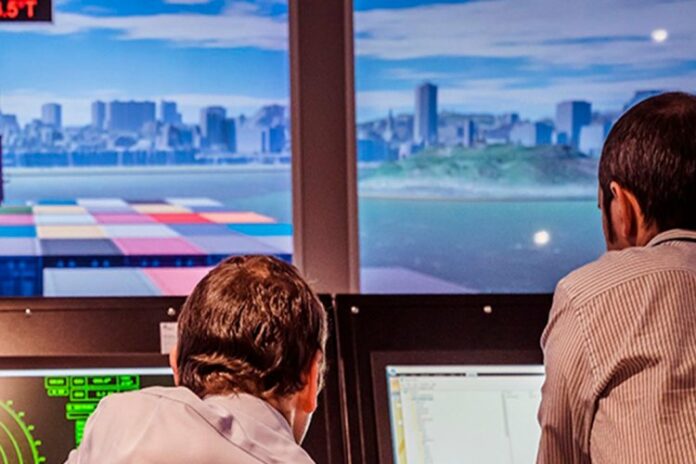
The new simulator will be powered by the BMT flagship REMBRANDT® technology to provide maritime training and realistic simulation experiences to students, instructors and operators. Other ancillary technical courses that will form part of the education and training specified by the new contracted facility are Bridge Team Management and specialist manoeuvring procedures including Ship to Ship (STS) transfer operations and Digital Forensics.

Dr Phil Thompson, Director of Maritime Simulation, Training and Surveys Systems at BMT, said:

“We are delighted to be partnering with Sabah Borneo and the leading maritime academies in the region for trusted, world-class simulation and training solutions that will bring tremendous leverage to their trainees.

“With our first REMBRANDT® entry into Sabah Borneo, on the back of multiple contract wins in Indonesia, this build-up in regional scalable contracts represents a holistic training approach, which we expect to see more in future. The flagship technology and its digitised range of maritime education and training offerings goes above and beyond Class A, B and C requirements to include Bridge Team Management and other specialist applications including STS transfer operations and Digital Forensics.” 

The BMT simulator’s fully functioning bridge is surrounded by up to 360-degree simulated field of view. Equipped with a suite of flexible editor tools, the REMBRANDT® simulator enables students, instructors and operators to quickly and easily prepare training scenarios and manage exercises in real-time. Easily adaptable and scalable to specific training needs, the simulators can train large numbers of trainees simultaneously and provides the highest level of graphical detail and realism. This includes recent upgrades including cloud-based simulator operations – referencing the first-ever remote, simulator-based ship navigation training programme for multiple training stakeholders that BMT launched in conjunction with its US-based partner, SeaChange Resources, last month.

The BMT REMBRANDT® suite of Full Mission Bridge and Desktop Simulators will allow maritime training academies to expand their training curriculums with IMO and DNV certified simulator training courses, enabling organisations and academies across Southeast Asia and other regions investing in state-of-art maritime training facilities to meet their training goals for highly qualified seafarers.

Hornbeck Offshore fleet to receive connectivity service extension

0

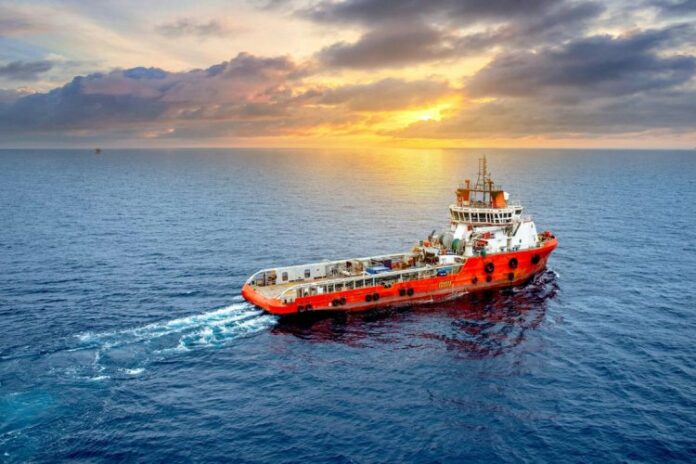
Speedcast has been selected by Hornbeck Offshore to extend its IT communications equipment and connectivity services contract for a multi-year term to a total of 32 vessels serving the offshore energy industry across North and South America. Hornbeck Offshore Services, Inc. is a leading provider of offshore service vessels to the energy industry.

Speedcast leverages very small aperture terminal (VSAT) connectivity to deliver communications to the remote offshore assets, supported by Speedcast’s 24×7 global Customer Support Centers (CSC), with field engineers available to provide local support across all operating regions.

Cary Bonds, Vice President, Energy – Americas at Speedcast, said:

“Hornbeck Offshore has trusted us to deliver reliable, critical communications services since 2009, and we are pleased to have been chosen to extend the delivery of our leading networking, management and support services for their fleet of vessels. As we continue to expand our portfolio offerings and leverage our strengths as the new Speedcast organization, we look forward to building upon the partnership established with Hornbeck Offshore to further digitalize their operations for years to come.”

Port Fourchon: Scientists pinpoint how to manage sediment to prevent land loss

0

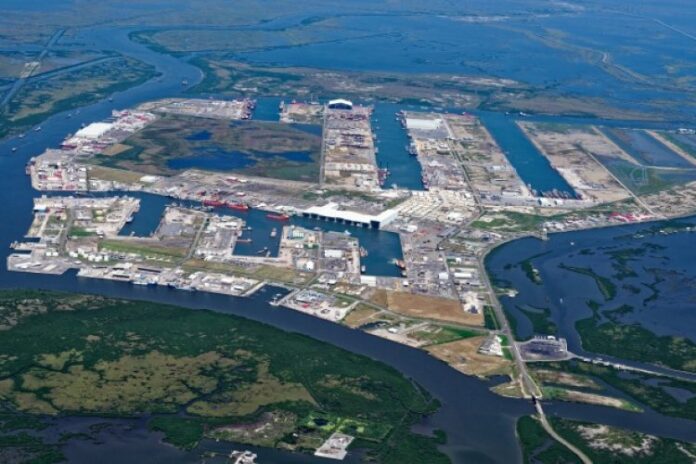
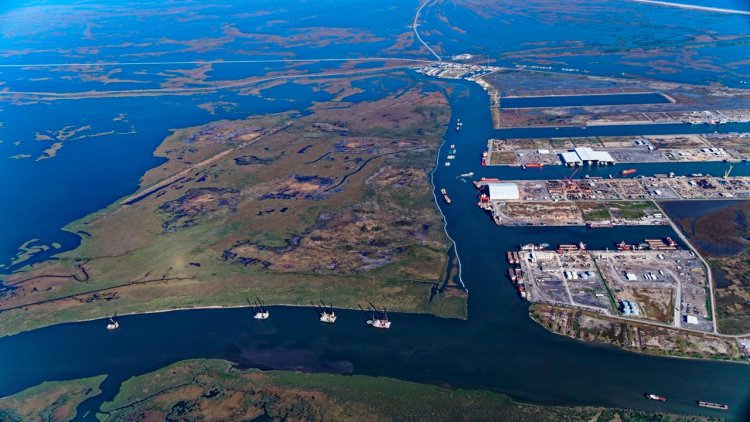
Port Fourchon in Lafourche Parish serves 90% of the Gulf of Mexico’s deepwater oil and gas activities, which is why the U.S. Naval Research Laboratory has invested $25 million in Louisiana State University (LSU) to create a digital dome protecting Port Fourchon and the Louisiana Offshore Oil Port, the nation’s only offshore deepwater port, from cybersecurity threats. More than 1.5 million barrels of crude oil are transported by pipelines through the port per day and about 1,200 trucks travel in and out of the port as well each day. 

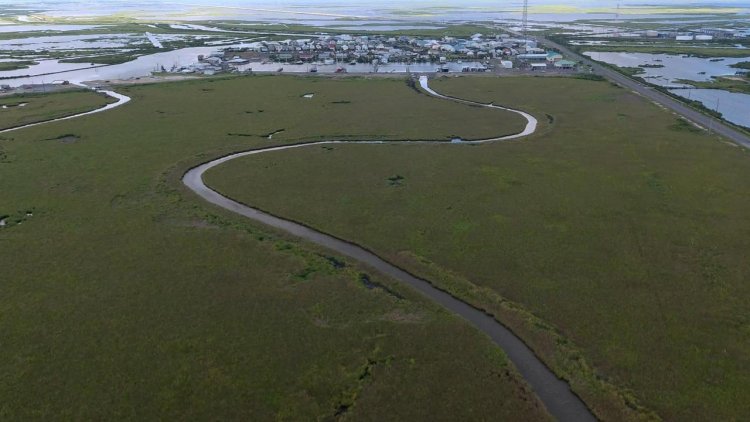
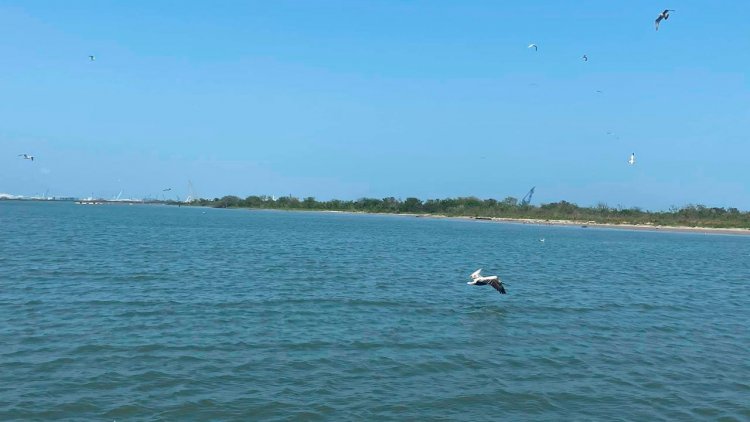
A long, thin strip of sandy beach stretches along the southern perimeter of the port, buffering it from the northern Gulf of Mexico and the threat of hurricanes, storm surge, and flooding. However, every year, the shoreline retreats by about 30 to 50 feet, creeping closer to the port, which houses more than 250 companies. The beach that lies to the south of Port Fourchon loses more land each year from sea level rise, erosion, and subsidence, or sinking, than any other place in the U.S. 

Dredging, or digging up, sand and sediment from the sea floor and sand bars and transporting it to rebuild and reinforce beaches, such as the one that protects Port Fourchon, as well as sand dunes, barrier islands, and marshes, is one of the main strategies used to combat coastal land loss in Louisiana. However, it is a costly endeavor. For example, the state spent more than $70 million to dredge and transport 3.3 million cubic yards of sand by barge and pumped it through a pipeline to reinforce the Caminada Headland, another undeveloped beach significantly impacted by erosion, that also protects Port Fourchon from storms. 

The sediment budget, or the amount of sand and sediment available for large-scale dredging projects like this, is finite. Additionally, hurricanes can displace sand and sediment, which makes dredging and renourishment projects even more challenging. That’s why Xu’s expertise in computationally modeling sediment transport is vital.

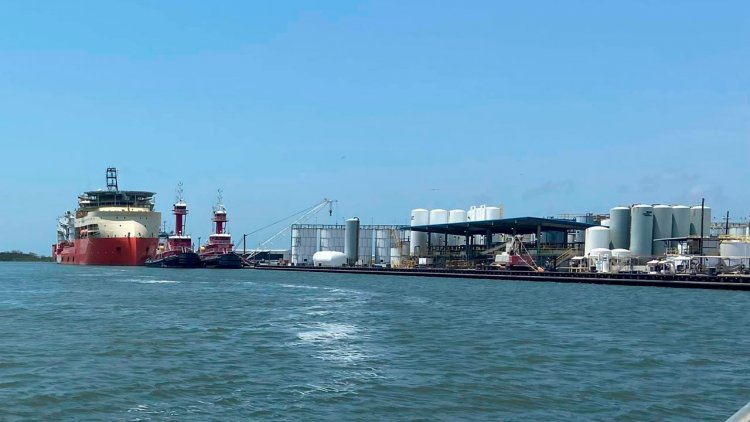
LSU faculty recently met with the stakeholders in Port Fourchon to get an up-close look at the port and discuss ways to collaborate on coastal and environmental projects. 

Kevin Xu, LSU Coastal Studies Institute Interim Director, and his co-authors said in a recent paper published in Coastal Engineering:

“Understanding the drivers and processes responsible for coastal geomorphic change is central to estimating long-term sediment budgets—an important facet of resiliency in the context of sea-level rise and a changing climate—and coastal restoration.”

Port Fourchon and the Caminada Headland were just east of Hurricane Gustav’s track, which Xu and other experts say is the most dangerous place to be during a hurricane. During Hurricane Gustav, sand from the beach and offshore was pushed up over the dune and deposited in the marsh by the port. 

The effect is called an over-wash deposit. It happens naturally, but the magnitude of the over-wash deposit south of the Port Fourchon area [from Hurricane Gustav] was massive. Due to the counterclockwise wind movement of hurricanes in the northern hemisphere, the strongest wind energy and force hits the areas to the east or right of the track line of a hurricane.

Xu said:

“The spatial pattern is very clear: tens of kilometers just east of the track line, at that location, you will experience the strongest wind, tallest waves, and biggest sediment deposition. It’s the most damaging and destructive location.”

The experts have been funded over the past seven years to study the dredge pits from where sand is dug and transported to rebuild dunes and beaches, such as the ones that protect Port Fourchon.

Ship Shoal is a large sandy area located off Louisiana’s south-central coast, which is estimated to have 1.2 billion cubic meters of high-quality quartz sand. Tens of millions of cubic meters of this high-quality sand has already been dredged from Ship Shoal to restore the Caminada Headland. Ship Shoal dredge pits fill back up with mud and sand under the impact from the Mississippi and Atchafalaya rivers, wind-driven currents, storm waves, and tides. LSU researchers continue to study this dynamic place that is important to coastal restoration as well as the environmental impacts of the dredge pit. 

Xu said:

“What we found is that those dredge pits can potentially impact water quality.”

Other LSU researchers have shown that hypoxic conditions in the Gulf of Mexico do not bode well for marine life including fish, shrimp, and crabs that fuel the seafood industry.

In addition to the ecological impact, the scientists also studied how the dredge pit affects the oil and gas pipelines. They found that the walls of the dredge pits are fairly stable. It is unlikely that the pit will collapse and affect the pipeline in the short term, especially with the 1,000-foot buffering distance set by the Bureau of Ocean & Energy Management for dredging near the pipeline.   

Resource managers at the state’s Coastal Protection and Restoration Authority, or CPRA, rely on academic research findings to maximize the benefits of projects while minimizing negative impacts. In light of continued subsidence, sea level rise, and stronger storms, resource managers apply LSU research toward developing sustainable solutions.

Kotug Australia to obtain full management of towage operations in Port Hedland

0

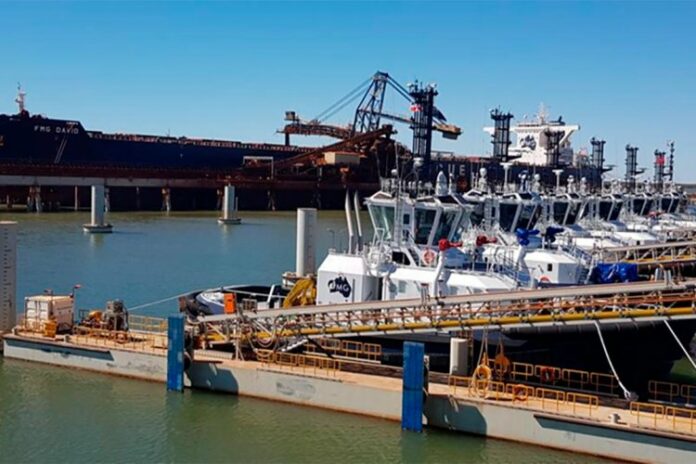
The service includes the operation of nine state of the art Rotortugs at Port Hedland, which have been servicing Fortescue and other port users since the commencement of operations in 2019.

After almost three years of working together to successfully establish the towage service for Fortescue in Port Hedland, Westug and KOTUG have mutually and amicably agreed to exit their agreement as of August 1st, 2021 with regard to this operation.

The boards of both companies agreed that Fortescue’s Port Hedland towage business will benefit from having a single party managing operations, and believe that a single contractor delivery model will have a positive impact on the management of operations and overall responsiveness to the end client.

KOTUG will retain its existing Head Agreement with Pilbara Marine, requiring the company to supply tugs and have overall responsibility for the delivery of Port Hedland towage services.  The operation of the towage services was previously sub-contracted to Westug, however, KOTUG will assume control upon Westug exiting the business and will directly manage the towage operation at Port Hedland. All existing Westug personnel will be transferred across to KOTUG as part of this agreement.

KOTUG’s CEO Ard-Jan Kooren stated:

“KOTUG  is fully committed to Pilbara Marine and Fortescue, we now look forward to focusing on working to fully optimise our Port Hedland towage operations and working in partnership with our valued client, Pilbara Marine. We thank Westug for their cooperation over the years. With our tugs, motivated back office team, shore support staff  and crew partnerships, we look forward to taking the Port Hedland towage business to the next level.”

Westug CEO Mark Malone:

“We are proud of the work our team has done to build the operation in Port Hedland, but the intensity of the operational requirements to keep such a busy port serviced to the required level is best served by a single towage operator. Despite our best efforts, having two parties sharing responsibility proved to be too much of a challenge. We wish KOTUG well in servicing Fortescue, and leave the operation with strong relationships and our focus squarely on other growth opportunities in the Australian market.”

ClassNK grants its first DSS notation for bulk carrier “DREAM CLOVER”

0

Leading Classification Society ClassNK has granted its notation indicating that the vessel is provided with the cutting edge hull monitoring system, for “DREAM CLOVER”, 211,000 DWT bulk carrier which was built by Japan Marine United Corporation for Daiwa Kisen Co., Ltd., and to be chartered by NYK Line (delivery date: 28 July 2021). The vessel is marked with the first DSS (Hull Monitoring) on its notation in ClassNK’s registry.

In the light of the rapid technological evolutions of hull monitoring systems and the industry’s growing needs, ClassNK released Guidelines for Hull Monitoring in June 2021, utilizing the outcome of R&D performed by stakeholders. The guidelines include the comprehensive requirements to be met to achieve functions contributing to improving the safety of the hull structure and the class notation indicating that the ship is provided with specific functions.

The cutting edge hull monitoring system equipped to DREAM CLOVER has functions such as assistance for maintaining and managing the ship based on the fatigue strength evaluation and assistance for the captain’s operation in the rough condition. ClassNK has verified the vessel according to the related guidelines and issued the class certificate with DSS (HM(F+LS,O)) notation for hull monitoring, the first in ClassNK’s registry, and DSS (EE) for energy efficiency analysis function.

As a part of Japan Ship Technology Research Association’s “R&D of the highly accurate digital twin models for ship hull structures (Supported by The Nippon Foundation)”, additional sensors and measurement devices are going to be installed to the monitoring system of the vessel, and the verification of the digital twin for hull structures on the actual ship is expected to be conducted.

Mimic Condition Monitoring System is selected for UK Ministry of Defence

0

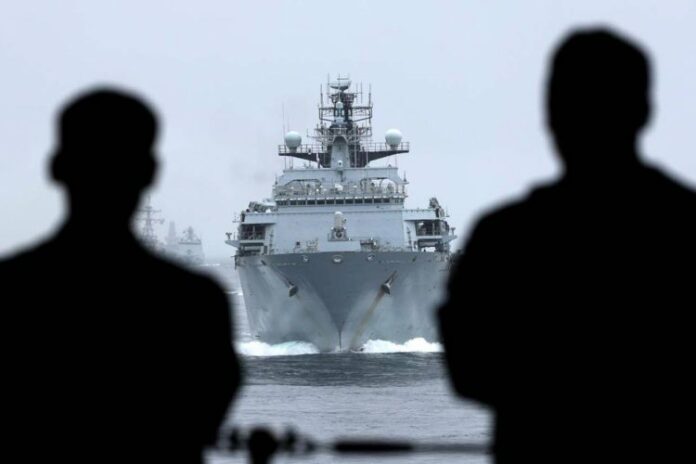
Aligning with the UK Royal Navy’s (RN) maintenance strategy on-board the revolutionary Type 26 Frigate, JFM has been selected by the UK MoD to integrate its Mimic Condition Monitoring System to enable performance management, providing operational assurance.

Replacing the current Type 23 Frigates, the future Type 26 Global Combat Ships have been designed by BAE Systems using the latest technologies and integrated systems, including JFM’s Mimic Condition Monitoring System.

Having utilised condition-based maintenance (CBM) for many years, the UK RN will continue to adopt Mimic to seamlessly capture, connect, and combine all vessel data. This will provide actionable insights into the health and performance of machinery on the Type 26 Frigates, anywhere in the world, at any given time; thereby improving reliability, increasing uptime, enhancing safety, and saving money.

To assist in the overall maintenance of the vessels, Mimic will analyse vibration data, fluid quality, performance and efficiency, to inform a data-driven, proactive maintenance strategy.

These measurable and recordable parameters influence day-to-day operations on-board each vessel by eliminating unscheduled breakdowns, helping to reduce maintenance costs, increase operational productivity and improve safety.

Paul Mount, general manager at JFM, says:

“It’s a significant moment in the history of JFM and our relationship with the UK MoD. It’s a milestone that will see the Mimic Condition Monitoring Software used more extensively on-board the state-of-the-art Type 26 Frigates. Because the ships being built now have an expected life of more than 25 years, our challenge was to think ahead and provide a condition monitoring solution to fulfil future requirements, and what followed was a period of development to enhance the Mimic Condition Monitoring software to ensure it would fulfil those specific requirements, and satisfy the condition monitoring demands of future warships. We are all immensely proud of our contribution.”

The UK programme to develop the Type 26 Global Combat Ship for the RN is well underway with the first Type 26, HMS GLASGOW, to be delivered to the RN in the mid 2020s. In November last year, JFM officially handed over the enhanced version of its Mimic 4 software to meet the MoD’s contractual requirements, completing phase one of the software installation project. The next phases will see the testing, implementation and roll out of the software across the fleet by the end of this year.

Record-breaking platform transported to the Hod Field

0

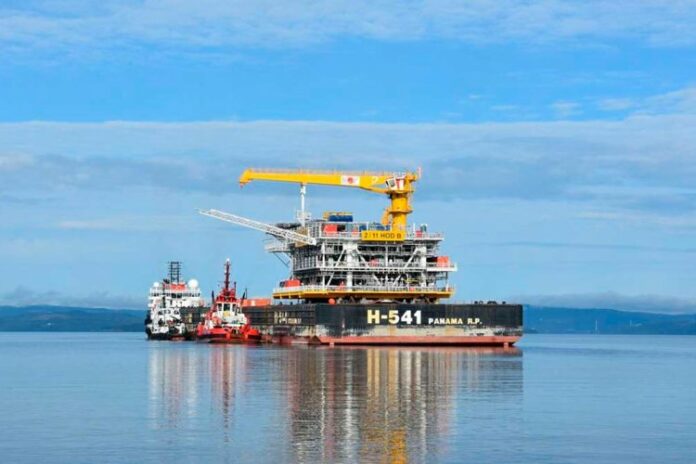
Today, the topside of the normally unmanned wellhead platform for the Hod field is transported from Aker Solutions in Verdal to the Aker BP operated field. This is the second project for the Fixed Facilities Alliance, which was established in the spring of 2017.

Hod B has been an important project that was initiated only hours after the temporary changes to the tax system for the oil and gas industry received a broad majority in the Storting in June last year. The project prefabrication started at the yard in Verdal just hours after the agreement was made and has meant a lot to activity and jobs.

The project is the second project delivered by Aker BP’s alliance for delivery of fixed platforms. The customer Aker BP and the main suppliers Aker Solutions and ABB have worked in a joint organization, thereby reducing a lot of time and costs compared to a traditional model where the customer and supplier have separate roles and responsibilities.

The Hod development has utilized the experience from the wellhead platform for the Valhall Flank West project, which was delivered in the summer of 2019. Valhall Flank West was the first wellhead platform delivered through the alliance. Upon delivery, this platform set a new standard for how complete a facility can be before installation on the field. Hod B, which is an approximate copy of Valhall Flank West, has given us opportunities to optimize our implementation model through reuse of personnel, facilities, and equipment. It has been delivered at considerably lower cost compared to Valhall Flank West.

Sturla Magnus, executive vice president and head of Aker Solutions’ topside and facilities business, said:

“I am proud to state that in close cooperation with the alliance partners, we have reached all milestones and project objectives. Today, just 14 months after the first steel plates were cut, the topside is ready for transport to the field exactly as agreed.”

The Alliance delivery includes design, procurement, fabrication, preparation for sea transport, as well as hook-up and assistance for completion on the field. The 2,000-metric-tons topside will be installed on the steel jacket delivered from Aker Solutions’ yard in June. The delivery has been executed without serious harm to people or the environment.

Karl Johnny Hersvik, chief executive officer of Aker BP, said:

“Through projects like Hod, we create value for ourselves, partners, alliance partners, owners, and Norwegian society. We also contribute to maintaining a world-leading supplier industry. It makes me particularly proud that through the Hod project Aker BP has contributed to the vocational training of 50 apprentices. The apprentices and the industry have a competence that is necessary for the Green Deal.”

ONE digitally transforms its customer experience with Salesforce

0

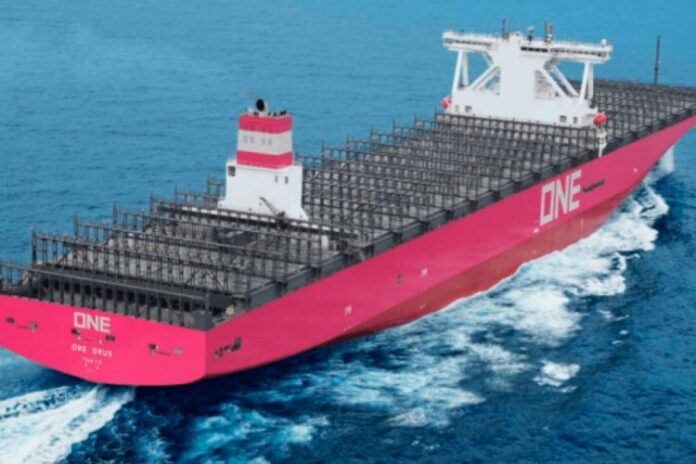
Salesforce and Ocean Network Express (ONE) have announced the successful deployment of ONE’s new CRM platform built on Salesforce Sales and Service Cloud.

The COVID-19 pandemic has had far-reaching impacts on businesses and customers across all industries. Since then, ONE has embarked on a transformation journey with Salesforce’s Sales and Service Cloud solutions to ensure its customers continue to receive excellent customer experience. ONE’s new CRM — ONE Force — will allow the company to have a single, 360-degree view of its customers’ interactions, thereby improving its understanding of customers’ key needs.

With customer satisfaction an ever-important priority, ONE will leverage Salesforce Sales and Service Cloud to create personalized & engaging, 1-1 customer experiences by providing omnichannel support across all customer interactions. ONE will use Salesforce to provide sales teams with a single view across the customer journey from pre-booking, booking to postbooking on a single platform. In addition, all sales and customer service employees at ONE will be equipped with the technical know-how and knowledge to thrive in this new way of working.

Sujith Abraham, SVP and GM, Salesforce ASEAN, said:

“The pandemic made digitising customer service an imperative. It’s mission-critical for companies to streamline internal processes in order to put customers at the centre of their business and deliver end-to-end, engaging experiences. We’re proud to help bring ONE’s customer-first vision to life, and help it continue to deliver outstanding experiences for its customers.”

Sundeep Sibal, Global Commercial and Service Management Senior Vice President, ONE, commented:

“ONE Force is going to add a lot of value for improving our overall customer management and performance, as well as to drive us towards a more solution-based methodology of handling customer service requirements.”

Fabio Vacirca, Market Unit Lead for ASIAM (Australia, New Zealand, Southeast Asia, India, Africa and Middle East), Accenture, said:

“Today’s brands compete in the experience economy – only those capable of delivering the most differentiated experiences will continue to win and retain customers’ loyalty. We are thrilled to team with Salesforce and Neuraflash to provide an integrated, end to end sales and service platform that will allow ONE to deliver consistent and excellent experiences for its customers globally. The possibilities of our collaboration are limitless and we look forward to continuing to work with ONE in its transformational journey.”

Brett Chisholm, CEO & Co-Founder, NeuraFlash, said:

“NeuraFlash is proud to play an integral role in ONE’s contact center transformation. ONE now has a single 360 degree view of the customer across all channels, including Salesforce Service Cloud Voice powered by Amazon Connect. This is a transformative deployment that will improve customer and agent experience by providing customer self-service, agent efficiency, and the use of advanced AI and Analytics with Salesforce Einstein.”