-6.7 C
New York
Home Blog Page 571

ABB to deliver power and propulsion package for cable vessel

0

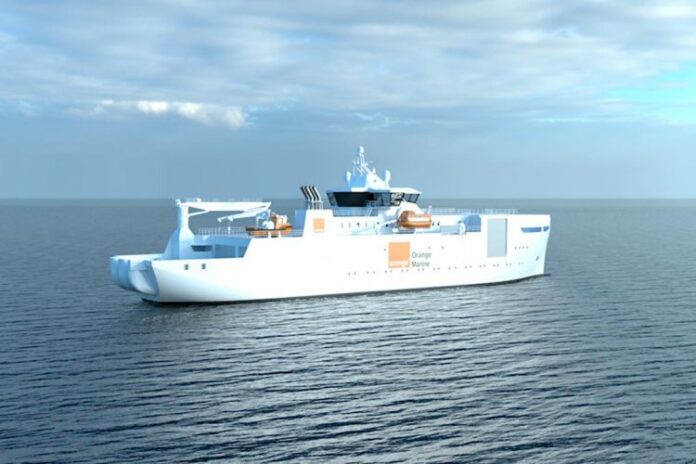
The high-tech vessel will be delivered by Sri Lanka’s leading shipbuilder in 2023, joining an Orange Marine France fleet which now accounts for 15 percent of the world’s specialized cable laying and repair ships. The 100-metre vessel will feature a full power, propulsion and automation package from ABB, including the landmark Azipod® system. Financial details of the contract were not disclosed.

The vessel, needed for both cable laying and repair, has been developed by Norway’s Vard Design, a Fincantieri Company, to meet specific priorities on power consumption and performance. Station-keeping accuracy and maneuverability are essential for what can be complex cable laying and repair operations, while the ship also needs relatively high speeds to achieve rapid or urgent deployment.

Mr. D.V. Abeysinghe MD & CEO, Colombo Dockyard, said:

“We look forward to working with ABB on this highly advanced, modern vessel that will no doubt set new standards for cableships in term of superior performance and eco-friendly operations.”

The twin 1.8 megawatt Azipod® units selected to meet the shipowner’s requirements for high transit speeds with maximum fuel efficiency while providing the 360-degree maneuverability to ensure station-keeping performance even in challenging weather conditions. Also integral to the package is an ABB energy storage system enabling electrical power back-up using 500 kWh batteries, which will reduce fuel consumption during cable work and ensure continuity in the event of an unexpected shutdown.

Emmanuel Décugis, New Building Project Manager,Orange Marine, said:

“Azipod® propulsion was an obvious choice. It combines optimal maneuverability with reduced power requirements and low emissions. At the same time, being able to integrate different energy sources provides a flexible and future-proof system that will ensure the most efficient vessel operation for many years to come.”

The overall power setup will be controlled by ABB’s Power and Energy Management System (PEMS™), which will also increase fault tolerance and provide a high degree of reliability while ensuring the maximum lifetime for the batteries.

The integrated power and propulsion contract comes as ABB celebrates 30 years of Azipod® propulsion and offers the latest example of how the concept’s ingenuity continues to combine with progressive enhancements to expand its client base, three decades after launch.

Juha Koskela, Division President, ABB Marine & Ports, said:

“After 30 years of Azipod® propulsion, it is especially pleasing that the 300th ship will be a pioneer in the world’s energy and communications sector. We are also delighted to be working on our second project with Colombo Dockyard, following an earlier cable layer project in 2017.”

GEV signs MOU with HyEnergy Project

0

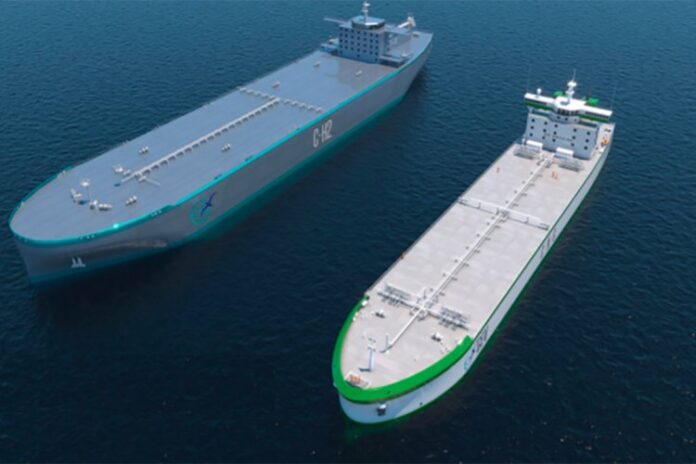
Global Energy Ventures Ltd is pleased to announce the Company has entered into a non-binding Memorandum of Understanding with Province Resources and Total Eren (together the HyEnergy Project partners) to support a technical and commercial feasibility study on exporting green hydrogen from the HyEnergy Project, located in the Gascoyne region, in Western Australia, to nominated markets in the Asia-Pacific region.

Martin Carolan, GEV Managing Director and CEO commented:

“The HyEnergy Project is an ideal green hydrogen export project for our compressed hydrogen shipping solution given its strategic location on the W.A. Gascoyne coastline, within a regional distance to multiple Asian markets with a future requirement for imported hydrogen.”

David Frances, Province CEO stated:

“The HyEnergy Project partners are keen to understand the benefits of compressed hydrogen in relation to other means of transporting our potential green hydrogen product to market. GEV are leaders in this technology and will bring that experience to the study.”

Terms of the MOU
• GEV will undertake a feasibility study to evaluate the technical and commercial feasibility of exporting green hydrogen from the HyEnergy Project. The scope includes transport from the onshore hydrogen gas production facility to an offshore ship loading buoy and then on to nominated Asia-Pacific markets utilising GEV’s compressed hydrogen shipping solution.
• The purpose of the Study is to provide the HyEnergy Project partners with sufficient confidence to warrant the selection of compressed hydrogen as a preferred export method in the next phase of project engineering.
• The MOU is non-binding, non-exclusive, and expires on 31 December 2022.

Province and Total Eren signed a binding MOU in April 2021 to undertake a feasibility study in view of potentially developing a major green hydrogen project to be located in the Shire of Carnarvon, in the Gascoyne region, in Western Australia.

The project is to be developed in phases totalling up to 8 GW in installed renewable energy capacity to be owned by Total Eren, and downstream assets to be equally owned (50/50) by Total Eren and Province.

The HyEnergy Project is completing a scoping study aimed for completion in 2021.

The project location is ideally suited for a potential C-H2 shipping solution given its coastal location and within a regional distance to multiple Asian markets with a future requirement for imported hydrogen.

OOCL Logistics and OOCL’s Liner Services join hands to launch new rail-sea service

0

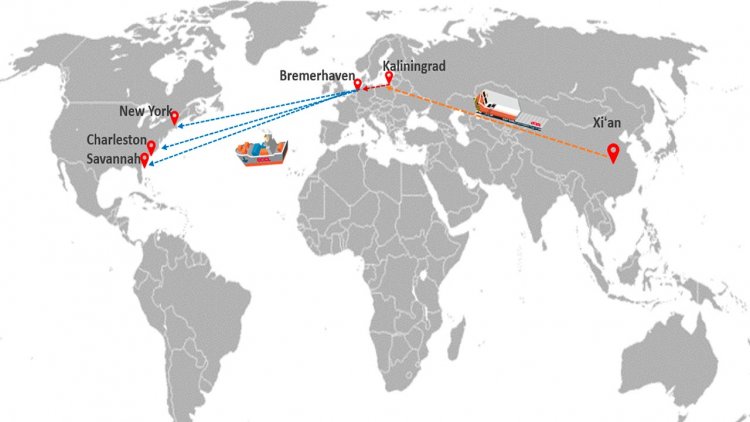
OOCL Logistics and OOCL announced the launch of a brand-new multi-modal container service from China to the US East Coast, to help to meet customer demand by offering a new routing as a reliable and stable shipment alternative during this challenging time.

This innovative product is a combination of the “Chang An” China-Europe block train service from Xian to Kaliningrad, Russia, with onward feeder to Bremerhaven, and then with OOCL ocean services from Bremerhaven to various ports on the US East Coast. It is the first of its kind to be operated by an ocean carrier, connecting China and North America by using the Asia-Europe Land Bridge and the Atlantic Ocean.

The intention is to provide reliable and timely shipment by seizing the opportunity to avoid the current high levels of traffic seen on routes to the US West Coast and through the Panama Canal.

By leveraging OOCL’s strengths of its own fleet of equipment and its competitiveness on the Transatlantic trade with OOCL Logistics’ end-to-end capabilities, this product innovation is a fantastic demonstration of the synergy between OOCL and OOCL Logistics. This new block train product is also a clear sign of the commitment of OOCL Group to their customers, showing their dedication to meeting customers’ needs, as well as the ability to adapt rapidly in this unprecedented and fast-moving environment.

Rem Offshore and VARD signed contracts for the design and construction of CSOVs

0

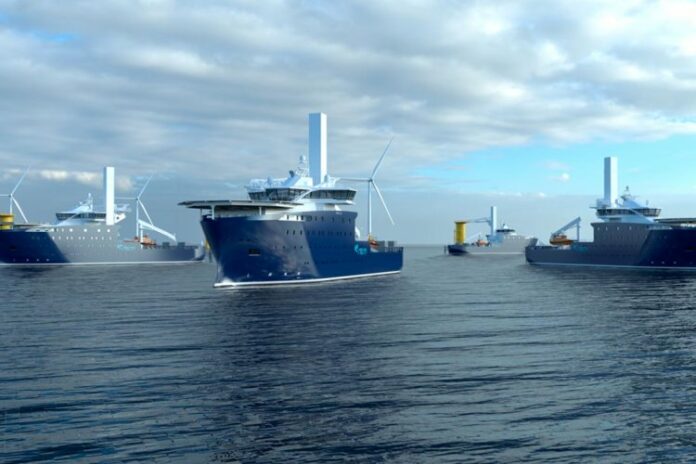
VARD has announced the contracts of two Construction Service Operations Vessels (CSOVs) with an option for two additional vessels. The contracts for the firm two vessels have an indicative total value of euro 100 million.

The CSOVs are tailor-made for world-wide services and maintenance operations at offshore wind farms. The VARD 4 19 design, developed by Vard Design in Ålesund, Norway, is a highly versatile platform for all offshore windfarm support operations, focusing on onboard logistics, security, comfort, and superior operability.

The first vessel will be delivered from VARD in Norway in first half of 2023. The hull will be built at Vard Braila in Romania. The second vessel will be built and delivered by Vard Vung Tau in Vietnam, scheduled for delivery in 2024. VARD’s specialized high technology subsidiaries will be involved with major deliveries onboard, and in the shipbuilding process of the vessels.

Rem Offshore’s Chairman, Aage Remøy says:

“Rem Offshore has during the last few years increasingly focused attention on building a sustainable platform for growth in offshore wind. Our shareholders are driving this development together with our Rem colleagues onshore and offshore. We are proud to continue our newbuild programme in Norway and support the local maritime industry.”

VARD CEO Alberto Maestrini commented:

“We are proud to be chosen as the preferred partner for Rem Offshore in this exciting project, and we are looking forward to working together with their team. These contracts confirm VARD’s leadership in the CSOV market, both in terms of innovative ship design, breakthrough technologies and shipbuilding quality.”

With a length of 85 meters and a beam of 19.5 meters, the vessels will have a height-adjustable motion-compensated gangway with elevator system, a height-adjustable boat landing system, and a 3D-compensated crane. The CSOVs will have an accommodation for 120 persons on board.

Horisont Energi and Port of Rotterdam sign MoU regarding blue ammonia

0

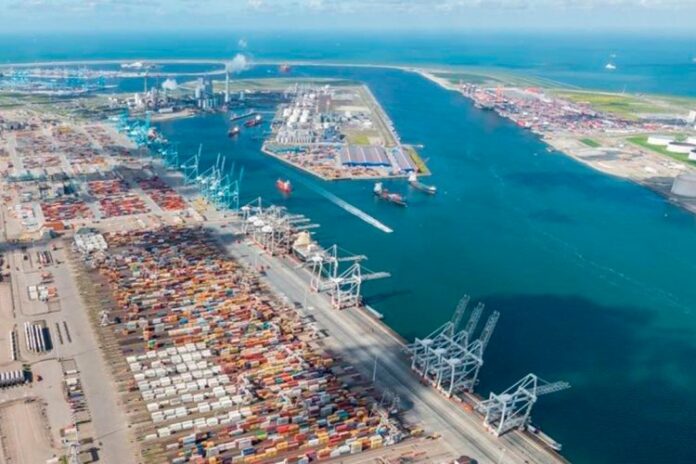
Horisont Energi and the Port of Rotterdam have  announced that they have signed a memorandum of understanding regarding setting up a corridor for transport of blue ammonia from Norway to Rotterdam.

According to the agreement, Horisont Energi and the Port of Rotterdam will explore a collaboration to ship blue ammonia, produced in Northern Norway, from natural gas with carbon capture and storage, to the port of Rotterdam, where it will be received for further distribution to meet expected demand in Northwestern Europe.

Final investment decision for the production of blue ammonia at the Barents Blue project is expected towards the end of 2022. Blue ammonia could be shipped to Rotterdam by 2025. Once operational, Barents Blue will have a production capacity of 3000 tons of ammonia per day, or 1 million tons per year.

In addition to being a key industrial gas globally in the fertilizer and chemical sector, ammonia is a very efficient hydrogen carrier. This makes net zero CO2 emission ammonia one of the most promising fuels for decarbonization of the shipping industry.

Bjørgulf Haukelidsæter Eidesen, CEO of Horisont Energi, says:

“We’re excited to be working with the Port of Rotterdam to provide Europe with clean hydrogen and ammonia, while at the same time opening up a new and sustainable production region in the Barents Sea area for clean ammonia.”

The port of Rotterdam is an energy hub port for western Europe, with some 13 percent of total energy demand in Europe entering the EU via Rotterdam. The Port has the ambition to be net zero CO2 emission in 2050 while at the same time maintaining its pivotal role in the European energy system. The demand in Rotterdam is expected to be up to 20 million tons of hydrogen, equivalent to 100 million tons of ammonia, in 2050, according to Port of Rotterdam estimates.

Nico van Dooren, director New Business at the Port of Rotterdam, says:

“There’s an important role for blue hydrogen if we want to realize the international climate ambitions. This is because especially in the coming years, there will not be enough green hydrogen to meet the demand. We’ll need every possible solution. We therefore focus not only on green but also on blue, just as we don’t only look at local production but also at imports.”

NASA’s Oceans Melting Greenland mission leaves for its last field trip

0

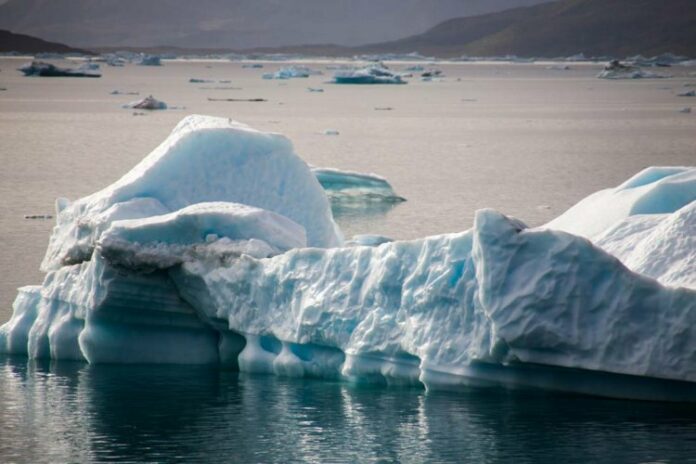
This week, NASA’s airborne Oceans Melting Greenland (OMG) mission begins its final survey of glaciers that flow from Greenland into the ocean. 

Greenland’s melting glaciers currently contribute more freshwater to sea level rise than any other source does. The glaciers are melting six or seven times faster today than they were only 25 years ago, and OMG is the first NASA mission to focus solely on what the ocean contributes to this ice loss. That’s a critical part of helping improve calculations of future melt rates so that coastal communities worldwide can take timely precautions to limit the damage from higher seas.

Ice melts faster in warmer water than it does in colder water, but before the OMG mission, the temperature of the ocean water touching Greenland’s more than 200 coastal glaciers was largely unknown. Simply measuring the temperature at the ocean surface isn’t enough. The upper layer of the ocean around Greenland consists largely of Arctic meltwater, and it’s very cold—sometimes even below freezing temperature. About 600 or 700 feet (200 meters) down is a layer of warmer, saltier water carried northward from less-frigid latitudes. Many glacier fronts extend down into the warmer-water zone, where they melt more rapidly.

No satellite instrument can peer deep into the ocean to measure temperature. The only way scientists have found to do that is to drop a probe into the water and let it sink. That’s what the OMG team has been doing every summer since 2016.

This year, Principal Investigator Josh Willis of NASA’s Jet Propulsion Laboratory in Southern California and OMG Project Manager Ian McCubbin, also of JPL, will fly around the entire coast of Greenland with a crew of pilot and engineers in a specially modified DC-3 aircraft. From early August through early or mid-September, they’ll drop probes out of the belly of the plane into the ocean at about 300 target locations in front of glaciers. As the probes sink, they transmit temperature and salinity readings by radio waves to the plane overhead until they reach the ocean floor.

OMG’s five years of data—including other measurements, such as a survey of the topography of Greenland’s continental shelf—have already greatly improved researchers’ understanding of what the ocean is doing to Greenland’s ice sheet. To date, almost 60 research papers in multiple fields have used the data. But Willis is hoping to achieve at least one more objective with this year’s fieldwork, following up on a surprising observation last year.

Back in 2017, the team had documented a drop of more than 2.7 degrees Fahrenheit (1.5 degrees Celsius) in water temperature off Greenland’s west coast, which was most likely the result of natural ocean and atmospheric patterns that effectively “flip a switch” between warmer and cooler currents flowing along the coast.

Since the switch may stay in the same position for decades, the OMG scientists felt lucky to observe the dramatic change—especially when they saw how it affected Greenland’s largest glacier, Jakobshavn (also called Sermeq Kujalleq). The glacier had been shrinking rapidly and retreating almost 2 miles (3 kilometers) inland annually. But the colder water revived Jakobshavn; it began to grow and advance toward the ocean.

In 2020, the OMG team found that warm water was beginning to return to Greenland’s west coast, and Jakobshavn appeared to be returning to its previous pattern of loss and retreat. The team knew there was more to discover. 

Willis said:

“With one more year of observations, we may have the opportunity to see the ocean change in a dramatic way and see how the ice is reacting to it.”

Nadya Vinogradova-Shiffer, OMG program scientist at NASA, who is planning to join the team during its final campaign in Greenland this year, said:

“It was a fortunate opportunity for NASA to observe a rare phenomenon around Greenland as the North Atlantic Ocean was undergoing a shift towards colder waters after being in a warm phase for nearly 20 years. Capturing this reversal in real time is giving us new insights into the complex physics of ocean-ice coupling, which is crucial to improve NASA’s projections of future sea level rise.”

If the OMG team does find a warming event under way that’s comparable in scope to the 2017 cooling event, Willis says it would provide a good handle on how the oceans are driving the ice changes in West Greenland, which is what OMG is about.

Willis said:

“One thing about airborne science in a place like Greenland is that we really don’t know until we get there what we’re going to find.”

Peel Ports invests in new STS container cranes for the Port of Liverpool

0

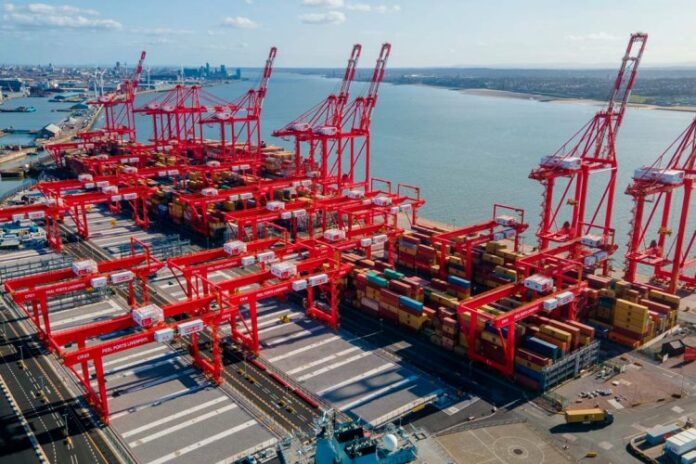
Peel Ports has invested in two new ship-to-shore (STS) container cranes for the Port of Liverpool (Terminal 1), to further support growth from Intra European Feeder networks and specialist carrier Atlantic Container Line (ACL).

A significant investment for the company, the new container cranes will increase the number of (STS) cranes at the terminal and overall berth productivity still further whilst increasing height and reach capabilities of the terminal.

The new design utilises high tensile steel and a lattice boom and beam construction, designed and built by Liehberr Container Cranes Limited, resulting in a lighter crane with reduced wheel loads, a key consideration due to the narrow span and quay structure at the Port of Liverpool’s terminal 1.

David Huck, Managing Director at Peel Ports said:

“Our investment in the very latest Panamax container cranes at Terminal 1 demonstrates our long term commitment to investing in our customers and further compliments our Irish Sea hub proposition connecting the world to Liverpool and by far the largest consuming and exporting region of the UK

The new cranes will significantly enhance the Port of Liverpool’s capabilities for ACL, as well as other current and future users of Terminal 1. For us, innovation and improvement are at the heart of our Port-centric solutions, and we’re excited to get the new cranes in place and commissioned for the start of 2022.”

ACL is the Port of Liverpool’s longest-serving container carrier and, in 2019, signed a 15-year contract extension agreement with Peel Ports for container and roll-on / roll-off (RoRo) operations. The agreement is valid until 2035 and signifies ACL’s confidence in the growing volume of transatlantic trade between the UK and North America.

Andrew Abbott, CEO at ACL said:

“Liverpool has been Atlantic Container Line’s home port in the UK for 54 years. The port has seen four generations of ships make calls twice a week as technology changed and transatlantic cargo volumes grew. ACL’s current generation of Container/RORO vessel is twice as large as its predecessor, but uses the same footprint in order to fit through the lock at Royal Seaforth.

“To carry all the extra cargo, the new ships are considerably higher, so high, state-of-the-art gantry cranes are essential in order to productively handle them. Peel Ports answered the challenge with brand-new hardware, enabling them to handle the new ACL vessels more quicky and more efficiently than ever before.

“We congratulate Peel Ports for this fantastic accomplishment. ACL looks forward with confidence to a bright future at the Port of Liverpool.”

Bureau Veritas completes world’s first full remote ‘in-water’ hull survey by ROV

0

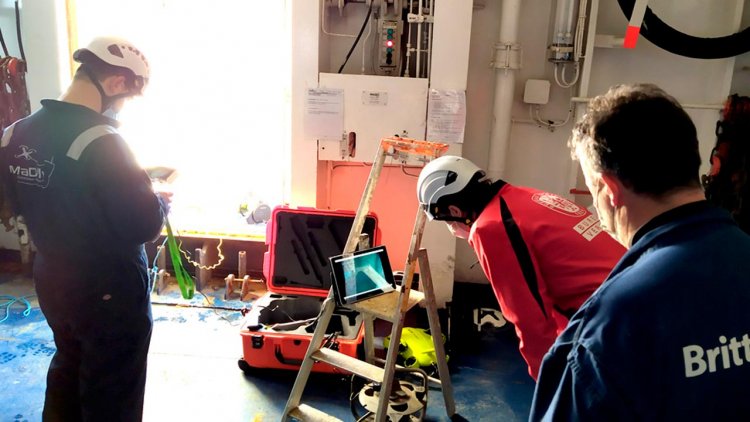
Bureau Veritas (BV), a world leader in testing, inspection, and certification, has successfully completed, together with MaDfly – Marine Drone Services – a service provider, the first full in-water ship’s hull survey with a mini ROV on Brittany Ferries’ ship “BRETAGNE”.

The survey, which was supervised by Bureau Veritas on behalf of the French Flag, provided an opportunity to validate the integrity of the entire ship’s hull’s bottom. Efficient underwater inspections of shipping vessels are playing an increasingly important role for the industry as a substitute for docking surveys at agreed intervals or occasional surveys of hull damage.

This inspection was the first of its kind – the test survey was performed twice. A remotely operated drone performed an in-water survey with a BV surveyor on-board the vessel. In parallel, Bureau Veritas tested the capability with its own remote inspection solutions using full HD live video footage from MaDfly. This enabled BV to carry out the survey remotely without any attended surveyor on-board with live streaming, as well as video and audio recording and photo options.

Bureau Veritas has noted the following benefits of using this system:

  • Safer operations as divers do not have to be in the water
  • Reduction in preparation time – with a single operator and limited equipment
  • High quality pictures from the drones
  • Reduced risk of disturbance to ship operations

​​​​​​​​​​​​​​MaDfly CEO, Thierry Guillot, commented:

“MaDfly’s team is delighted to be the first company in the world to achieve a vessel survey with a mini ROV for Bureau Veritas. Even more for a Brittany Ferries’ vessel as they supported us from the very first day. New technologies are improving daily to achieve more and more maintenance services in a safer and more cost effective way.”

Laurent Leblanc, Senior Vice President Technical & Operations for Bureau Veritas Marine & Offshore, said:

“Underwater remote surveys improve safety and reduce risk, time and costs to produce high-quality results. Maintaining the integrity and safety of a ship is a crucial task. Today, technology brings digital classification to another level, providing new opportunities and options to our clients.”

North West Hydrogen Alliance tells UK Government to back HyNet’s CCUS bid

0

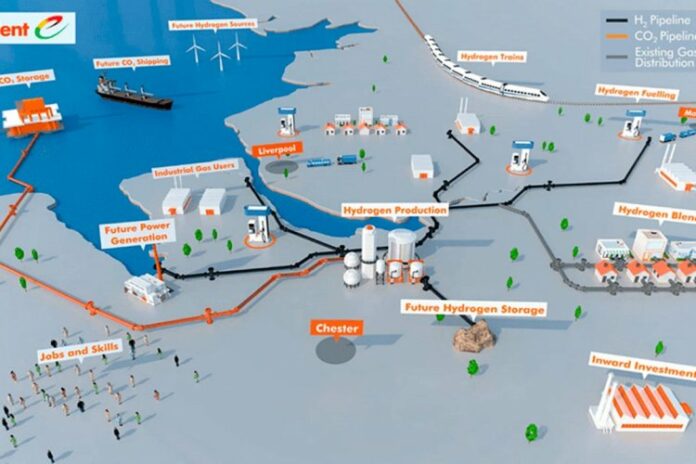
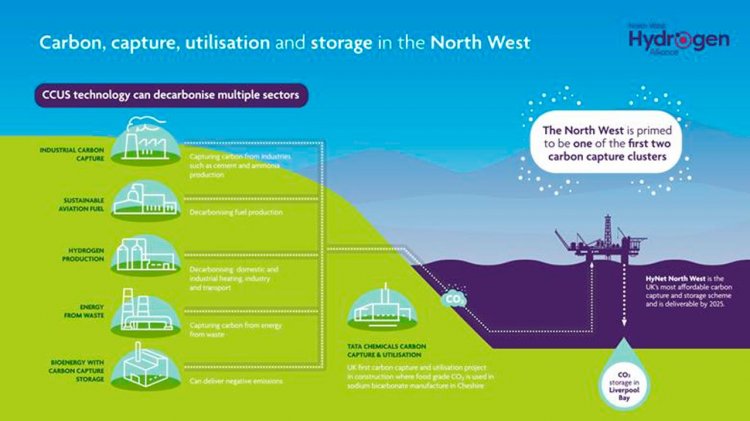
The NWHA, who represents 30 of the UK’s most influential organisations behind the hydrogen economy, has called on the Government to support HyNet North West in the upcoming carbon capture usage and storage (CCUS) sequencing competition.

Should the UK Government support the project, the North West of the UK could become a hydrogen hub with significant investment in the clean gas set to be introduced.

In a letter to the Secretary of State for Business, Energy and Industrial Strategy, NWHA suggests that the project is vital for levelling up the UK and essential to the delivery of the Ten Point Plan for a Green Industrial Revolution.

Carbon capture has been identified as a significant technology to support the introduction of hydrogen by reducing carbon emissions emitted from using non-green hydrogen.

The HyNet project can deliver over three-quarters of the Government’s 2030 target for hydrogen production and 100% of the target for carbon dioxide.

Able to benefit from the existing regional technical skill base in engineering, chemicals production, refining and offshore oil and gas, HyNet North West could be operational as early as 2025.

Professor Joe Howe, Chair of the NWHA and Executive Director, Thornton Research Institute at the University of Chester, said:

“CCUS is essential to the development of a hydrogen economy in the UK.

“It will enable blue hydrogen to be developed quickly and at scale, unlocking the hydrogen transportation and storage infrastructure which green hydrogen can then readily connect into.”

Myles Kitcher, Executive Director, Peel NRE, part of Peel L&P said:

“HyNet North West is a genuine regional decarbonisation solution.

“Not focused on one key anchor energy project it has the potential to link together the multitude of low carbon projects across the region and beyond, from hydrogen to energy from waste to industrial processes.

“Doing this will not only futureproof existing industry, it will safeguard and create thousands of jobs.”

Increasing Vigdis field production due to new technology

0

The Vigdis subsea field has produced oil via the Snorre field for 24 years. When the field came on stream in 1997, it was expected to produce 200 million barrels. So far, it has produced twice as much, and based on new estimates the recoverable resources are 475 million barrels.

Asbjørn Løve, vice president for the Snorre field, says:

“Increasing production from existing fields is important for value creation on the Norwegian continental shelf. We have further developed Vigdis in several phases over several years. It makes me proud that we, together with our partners and suppliers, have managed to further increase the value creation from the field.”

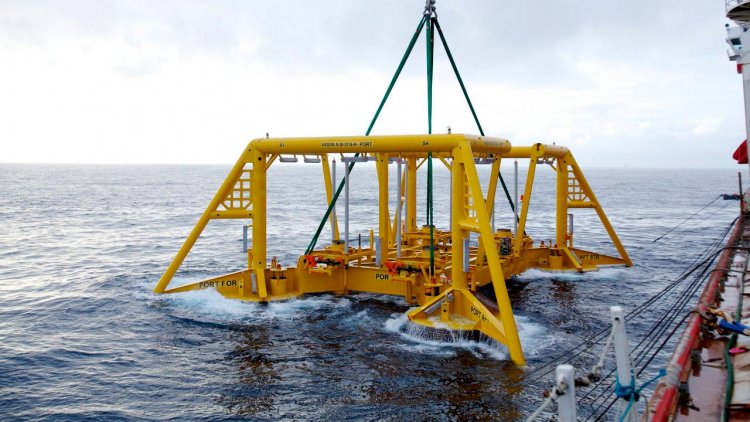
In December 2018 the licence partners – Petoro, Vår Energi, Idemitsu and Wintershall Dea as well as Equinor – decided to invest around NOK 1.4 billion in the Vigdis Boosting project. This is a project for improved oil recovery (IOR), which includes a multiphase boosting station increasing production from existing wells. This pump came on stream in May.

Geir Tungesvik, senior vice president for project development in Equinor, says:

“Providing new oil barrels at a highly competitive price, the project has been completed with excellent HSE results.”

Connected to the existing pipeline between Vigdis and Snorre A, the boosting station helps bring the well stream from the subsea field up to the platform. In addition, it reduces wellhead pressure, which also leads to higher oil recovery from the wells.

Tungesvik says:

“Advanced processing equipment on the seabed is key in our subsea factory strategy, aiming to increase and extend production from existing fields and contribute to new development solutions on new fields.”

Use of subsea pumps is particularly important to deep-water fields with long distances between subsea facilities and platforms. Other examples of such projects are Tordis subsea separation and boosting, as well as Gullfaks subsea compression and Åsgard subsea compression.

The contract for supplying the boosting system, including the template and trawl protection, was awarded to OneSubsea, with engineering in Bergen and assembly at Horsøy near Bergen.

The company is cooperating with sub-suppliers in Western Norway, such as Framo Flatøy, which fabricated the pump, RadøyGruppen, which fabricated the subsea template, and Luster Mekaniske Industri, which supplied the pipelines.

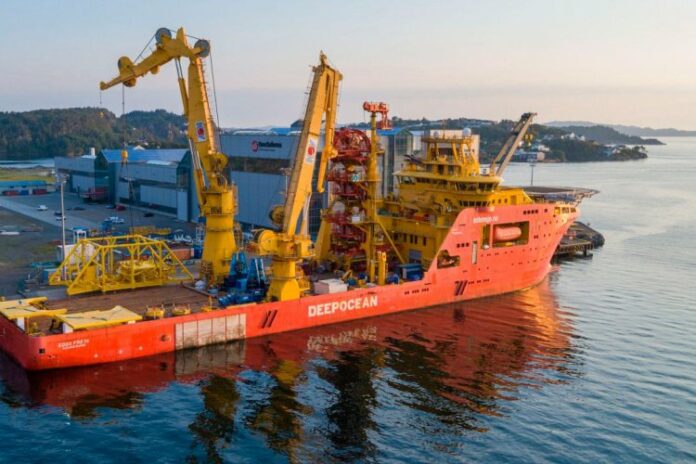
In addition to the subsea boosting station, smaller modifications have been made to Snorre A, which receives the oil from Vigdis, and Snorre B, which supplies the new boosting station with power from a new umbilical supplied by Nexans. Wood has been the main supplier for the modifications and the marine operations have been carried out by Deep Ocean.