-6.4 C
New York
Home Blog Page 566

Green ammonia from HEGRA to secure Norwegian competitiveness

0

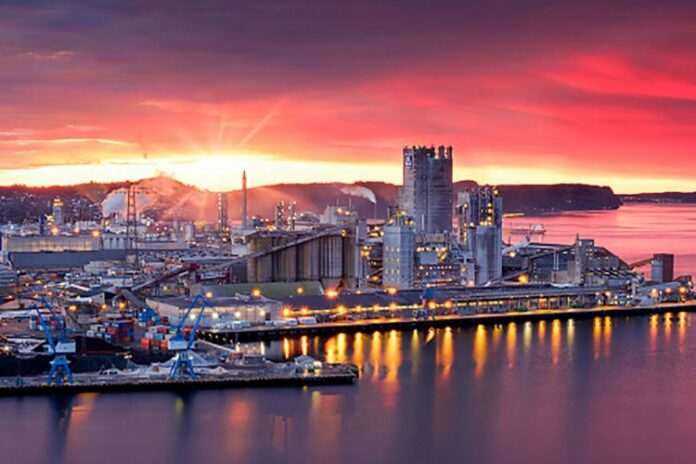
Today the company HEGRA is launched at Herøya, Porsgrunn, with former Statnett CEO, Auke Lont as Chairman. The company aims to electrify and decarbonize the ammonia plant at Herøya, enabling large-scale green ammonia production. «HEGRA» is short for HErøya GReen Ammonia, and is co-owned by Yara, Aker Clean Hydrogen and Statkraft each owning 1/3.

CEOs Svein Tore Holsether, Øyvind Eriksen and Christian Rynning-Tønnesen in Yara, Aker and Statkraft, respectively, in a joint statement, says:

“Aker, Yara and Statkraft have established HEGRA with the ambition of creating new industry in Norway that provides a competitive advantage in a growing global hydrogen economy, establishes green jobs for the future and forms the basis for a future Norwegian export industry.”

Green ammonia, produced using renewable energy, would enable the production of carbon-free fertilizer, and is a promising zero-emission fuel for the maritime sector. HEGRA will contribute to creating a new industry based on a regional hydrogen and ammonia market, whilst ensuring the survival and competitiveness of the Norwegian maritime and processing industries.

Auke Lont, Chair of HEGRA’s Board, says:

“HEGRA is Norway’s largest climate initiative. The decarbonization project will reduce CO2-emissions by 800,000 tonnes annually, equivalent to 300,000 fossil-fueled cars.”

The maritime and processing industries in Norway are important export industries and comprises more than 100,000 jobs. HEGRA will contribute to securing and creating jobs in new supply chains and through ripple effects that these industries create.
The costs of emissions in the processing industry are expected to increase in the international market as a result of regulations and customer demands. To achieve the necessary emission reductions, the Norwegian industry and maritime sector need access to clean hydrogen and ammonia.

HEGRA brings together Norway’s foremost experts in ammonia, project development and energy markets. Provided that power is available at site and the required public co-funding is in place, the project could be realized already 5-7 years from now.

Lont says:

“HEGRA is geared specifically at meeting the ambition of the European Commission’s «Fit for 55» package, which aims to reduce EU emissions by 55 per cent by 2030. HEGRA will give Norway a competitive advantage within renewable energy and hydrogen and put Norway in a great position to reach climate ambitions.”

The Norwegian maritime industry is set to cut their emissions in half by 2030. Access to emission-free fuel will be key to reach this goal. The existing global infrastructure for ammonia will facilitate Norwegian green ammonia to become a global commodity immediately. With renewable energy in abundance, Norway is in a good position to capture a large share of the emerging global green hydrogen and ammonia value chain.

A report published in 2020 by The Confederation of Norwegian Enterprise found that the hydrogen industry can become a significant Norwegian export industry, with an estimated turnover of NOK 10 billion in 2030 and NOK 70 billion in 2050.
Contract award for the joint venture between DOF Subsea and Aker Solutions

0

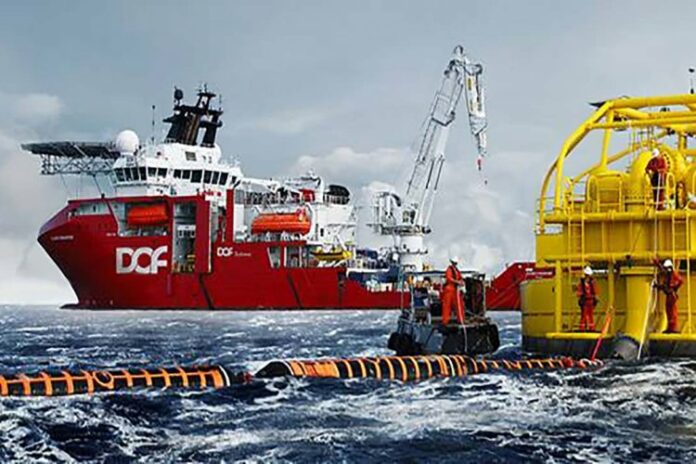
The joint venture between DOF Subsea and Aker Solutions, KDS JV AS, has secured a subsea decommissioning contract for DNO at the Norwegian Continental Shelf.

The contract includes engineering, preparation, removal & disposal work (EPRD) of associated subsea hardware.

Project scope includes the removal and disposal of Subsea infrastructure including template, manifold, production spools, umbilical, covers and associated hardware.

The project shall be delivered by an integrated expert team from the JV partners. DOF Subsea shall deploy Skandi Acergy from its fleet, and Aker Solutions shall use its disposal site at Stord for recycling. Engineering will start immediately, and offshore execution is planned in Q1 2022, but with a possibility for an earlier start in Q4 2021.

LR certifies the world’s first laver seaweed farm

0

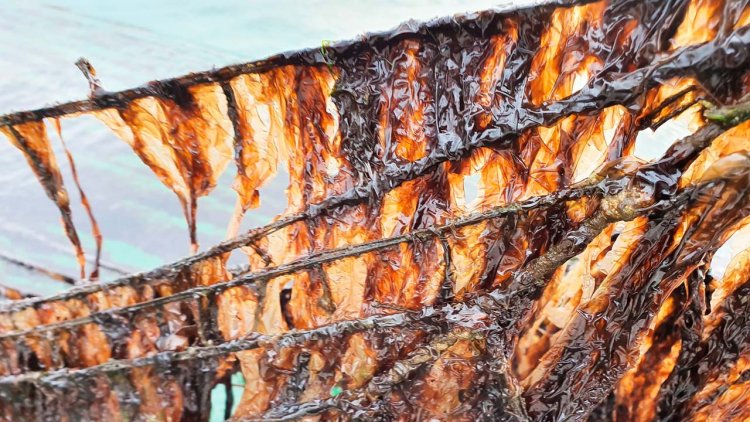
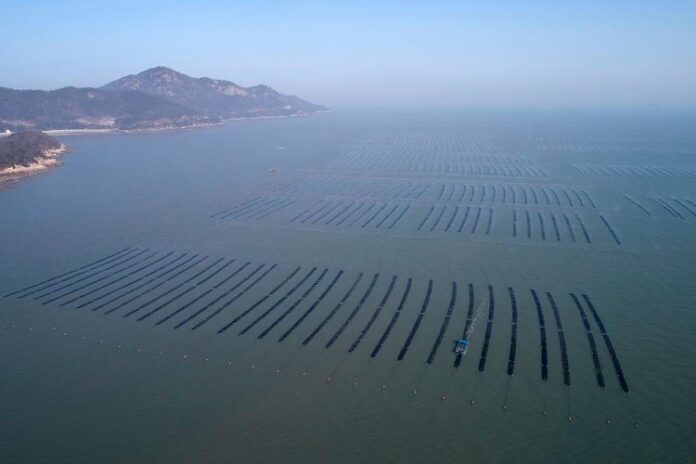
The Haedam Co. farm is located on the small island of Wido, off the western coast of Korea, situated in the country’s Buan County. The company’s laver seaweed is sold under the Pulmuone brand and the crispy seaweed snacks and seasoned laver are exported to Europe and the USA. LR has also certified three additional companies within Pulmuone’s supply chain.

The certification is the culmination of a process of research and development over a 14-year period. Pulmuone has developed its own varieties of laver that are optimised for local growing conditions, known as Pulmunoeul and Pulmuhaesim.

Patricia Bianchi, Seaweed Account Manager for ASC and MSC, said:

“Seaweed has many potential environmental benefits which is one reason it is becoming more popular. But if it’s not done responsibly it can still have unintended environmental and social consequences, which is why it’s so important that companies like Haedam commit to the most stringent standards or responsible and sustainable production.”

Due to the rapid growth of global seaweed production and its increasing economic importance, the sector is facing many environmental and social challenges. Haedam’s farm is located in the Yellow Sea in an area rich in biodiversity, which as part of the certification process, third party auditors must ensure isn’t adversely affected by production.

The ASC-MSC Seaweed Standard also includes social requirements and all ASC-MSC certified seaweed farms must ensure workers are treated and paid fairly and are provided with a safe and healthy working and living environment. Finally, harvesting and farming activities operate in a manner that minimises negative impacts on neighbours, respects rights and cultures, and benefits communities.

ADNOC L&S partners with Roll Group for integrated heavy haulage solutions

0

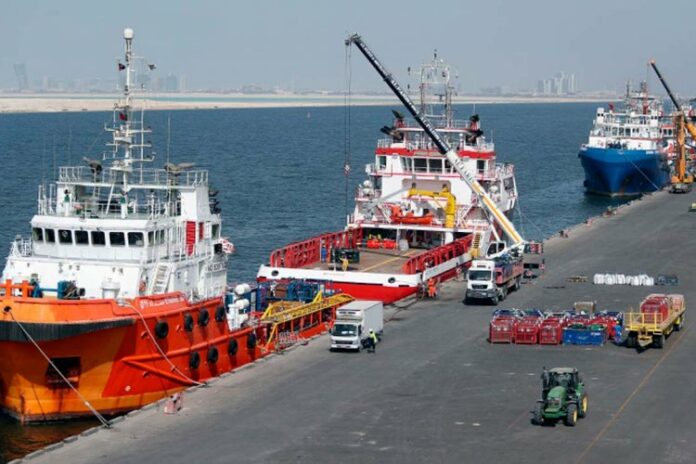
ADNOC Logistics & Services (ADNOC L&S), the shipping and maritime logistics arm of the Abu Dhabi National Oil Company (ADNOC), has announced its strategic partnership with Netherlands-headquartered Roll Group to strengthen its turnkey integrated logistics offering. The partnership with Roll Group enables ADNOC L&S to jointly implement heavy haulage solutions for both onshore and offshore projects.

Under the terms of the agreement, ADNOC L&S and Roll Group will offer end-to-end heavy lifting and transport solutions, including full scale installation for Engineering, Procurement and Construction (EPC) contracts, acting as a one-stop shop for all logistic requirements. This integrated approach is expected to reduce overall project costs for customers, including ADNOC Group. The agreement also strengthens the development of ADNOC L&S’ logistics base in Mussafah and Riash as Roll Group will set up a permanent base at ADNOC L&S’ Mussafah Offshore Supply Base and relocate its Self-Propelled Modular Trailers (SPMTs) to ADNOC L&S’ Riash facility. 

Captain Abdulkareem Al Masabi, CEO of ADNOC L&S, said:

“The UAE is currently making large investments in new downstream and industrial facilities and refurbishing existing plants. As part of our broad strategy across shipping, integrated logistics and marine services, we are creating an integrated ecosystem that can meet the transport and logistical needs of such large and critical oil and gas projects.” 

There are several major oil and gas projects at the bidding stage in the UAE, which require a combined solution of Heavy Lift land transport, marine transport, marine services and engineering. The collaboration between ADNOC L&S and Roll Group enables the companies to provide fully integrated solutions within the UAE and across the region. 

ADNOC L&S currently operates logistics bases in Ruwais, Fujairah and Mussafah with Mussafah operating as the largest integrated logistics base in the Gulf region. The company also operates the only marine passenger terminal within ADNOC Group, providing a wide range of diversified services to the offshore industry with limited competition in the region.

Nimalan Logeswaran, Regional Sales Director for Roll Group MEA said:

“We have formed this partnership to consolidate our expertise in response to the changing market conditions and our clients’ requirements. By providing a single integrated source covering end-to-end logistics solutions, ADNOC L&S and Roll Group can now offer our clients an optimized and economical approach for their logistical needs on oil and gas projects. Our focus is to help our clients deliver the most innovative and cost-effective solutions to their clients. This is why both companies have committed to jointly exploring the next generation of innovative Heavy Lift solutions for the region.”

Fugro wins another IRM contract with Petrobras in Brazil

0

The contract is set to begin in Q4 2021 and will be accomplished from the Fugro Aquarius using two Fugro-built 3000 m work-class remotely operated vehicles (ROVs). The award follows the successful completion of a previous 4-year contract for similar services aboard the same vessel.

Designed primarily for the Brazilian market, the 83 m long Fugro Aquarius boasts a diesel electric propulsion arrangement that reduces noise and carbon emissions, along with a redundant, dynamic positioning system that keeps the ship steady under a wide range of sea and wind conditions. During the previous contract, Fugro accomplished more than 20,000 hours of successful ROV operations for Petrobras, helping to unlock insights from Geo-data about the condition of existing assets and the surrounding environment for safe and efficient oil and gas operations.

Commenting on the new contract, Rogerio Carvalho, Country Manager of Fugro Brazil stated:

“Fugro is very pleased to receive this latest award, which shows once again our commitment to client focus. Our proven delivery excellence, together with the fuel efficiency of the Fugro Aquarius, allowed us to put forth a highly competitive commercial offer meeting all technical requirements of the tender. We look forward to continuing our success with Petrobras on this new contract and to consolidating our position within the Brazilian IRM ROV market, which has nearly doubled in capacity over the last year.”

AI shrimp farming technology company raises $20 million in latest funding round

0

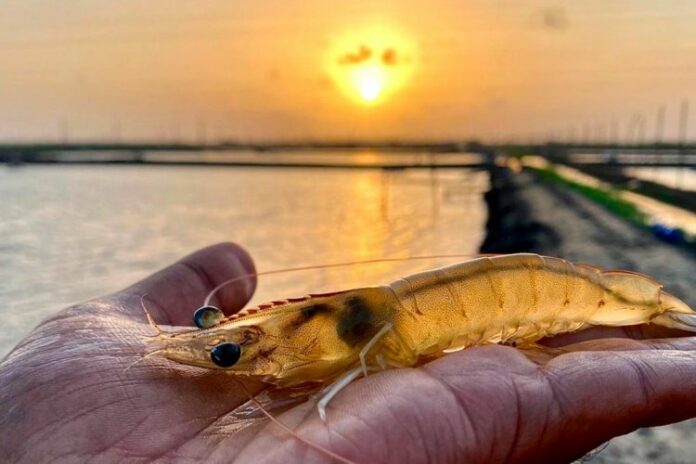
XpertSea, a Canadian company transforming how seafood is farmed and traded, has closed a $20M USD Series B funding round.

The round was led by QED Investors and Atlantico with Investissement Quebec joining previous investors Obvious Ventures, Aqua-Spark, Tony Fadell’s Future Shape, Real Ventures and edō Capital. QED partner Lauren Morton will join XpertSea’s board, resulting in both an executive team and a board where women are in the majority. 

By 2050 our planet will need 70% more food production to feed 10 billion people. Aquaculture represents one of the most efficient and sustainable ways to supply that quality protein, but technology gaps and the lack of financial services to underbanked farmers are major barriers to growth.

XpertSea solves these problems with the first data-driven marketplace that uses AI and financial services to connect shrimp farmers with a network of vetted buyers and ensure same day payment. Using their phone’s camera and XpertSea’s smartphone app, farmers can capture reliable crop data, transact with buyers and receive payment within 24 hours of harvest, which improves their cash flow, de-risks their business and unlocks growth.

Valerie Robitaille, CEO of XpertSea, said:

“We founded XpertSea with the firm belief that technology and data will unlock aquaculture’s enormous potential to be the most sustainable source of protein available to feed our planet. For years, we worked towards this mission by helping farmers farm more successfully, and more recently by providing them access to cash flow and market opportunities. This investment will not only help accelerate the development of our data driven solutions, but will allow us to leverage our unique capabilities to bring transparency and efficiency to the entire supply chain, getting us closer and closer to providing sustainable seafood for everyone.”

The injection of fresh capital follows the success of XpertSea’s data-driven marketplace that has fueled a 1000%+ year-over-year growth in company revenues. XpertSea will use this capital to accelerate its movement into new markets and expand its financial services and new product development. The company is currently hiring for positions in Toronto, Quebec City and its international markets.

QED Partner and XpertSea board member Lauren Morton said:

“XpertSea has all the key ingredients we look for in a world-class fintech: a sticky customer acquisition strategy, valuable proprietary data for underwriting, and the ability to sit at the center of complex transactions that are fraught with friction today. The aquaculture industry is undergoing a massive disruption right now, and XpertSea has the technology and financial solutions to be a leader in this change.”

Atlantico Managing Partner Julio Vasconcellos said:

“XpertSea is building a better future for aquaculture producers and seafood consumers, and we are excited to join them and support them as they solidify their position as global industry leaders. Their ability to leverage advanced computer vision and machine learning to enable a compelling vision of a sustainable future is inspiring.”

Tony Fadell, Principal at Future Shape, said:

“Family-run shrimp farms lose 50% of their crop to disease, only 10% of farmers can get loans, and they are constantly at the mercy of price fluctuations and delayed payments by big buyers. Shrimp farming alone is a $30 billion industry! Xpertsea’s powerful AI tools deliver healthier crops and certified forecasts of shrimp quality and quantity. That same data fuels XpertSea’s marketplace to connect farmers, buyers, and distributors. It’s a win-win-win for the rapidly growing $250 billion aquaculture industry.” 

Ocean Infinity acquires marine geotechnics experts, Geowynd

0

Ocean Infinity, the marine robotics company, has acquired marine geotechnics experts, Geowynd.

Based in the UK and serving clients all over Europe, Geowynd’s team of geotechnical engineers provides consultancy services to aid the safe and optimal development of offshore renewable energy projects.

Geowynd’s market leading geotechnical analysis services include developing smart site investigations, advanced laboratory testing strategies and optimised de-risked foundation design and installation solutions.

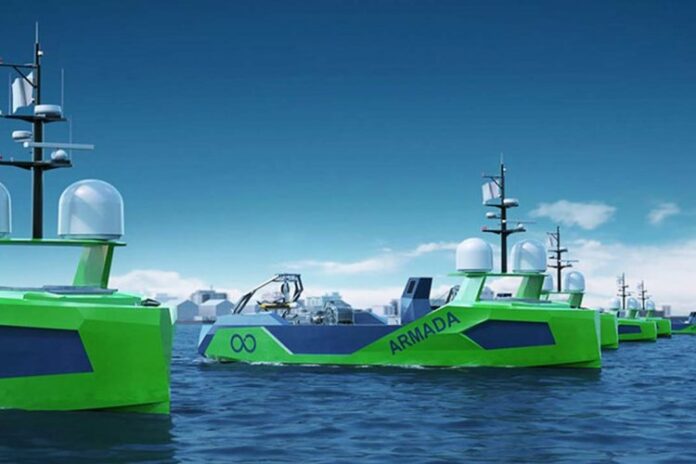
The acquisition comes as Ocean Infinity continues to develop its ‘Armada’ robotic vessels to serve the offshore renewables industry with the provision of geophysical, geotechnical and operation and maintenance services. Whilst Geowynd will continue to operate under its own brand and service its well-established client base, the acquisition will present opportunities to combine Ocean Infinity’s robotic vessels, data, artificial intelligence, and low emission operations with Geowynd’s geotechnical expertise to provide sustainable, data-driven services to the renewables sector.

Oliver Plunkett, Ocean Infinity’s CEO, said:

“There is no question that renewable energy is the key to a sustainable future. Striving towards a cleaner and greener future is hugely important to Ocean Infinity, it drives everything we do. The role that Geowynd is playing in making renewable energy a reality makes them a natural fit for our business. There will of course be opportunities to combine our complementary expertise and capabilities, particularly as we move closer to mobilising Armada, to build upon Geowynd’s existing work in sustainably supporting the energy industry in its necessary transition to renewables. On behalf of everyone at Ocean Infinity I extend a very warm welcome to the team.”

Andrew Galbraith, Geowynd Director, said:

“We are thrilled to join forces with Ocean Infinity to combine our advanced geoconsulting business with new innovations in marine robotics and geotechnics. Together, we will drive the offshore renewables industry forward as we connect offshore site characterisation and laboratory testing to cutting-edge foundation design methods. We are very excited to join our new colleagues, who share the same goal as the Geowynd team, to deliver innovative, state-of-the-art solutions that we are truly proud of and that help realise our ambition of a green and prosperous future.”

Brazil leads global offshore crude oil production from upcoming projects in 2025

0

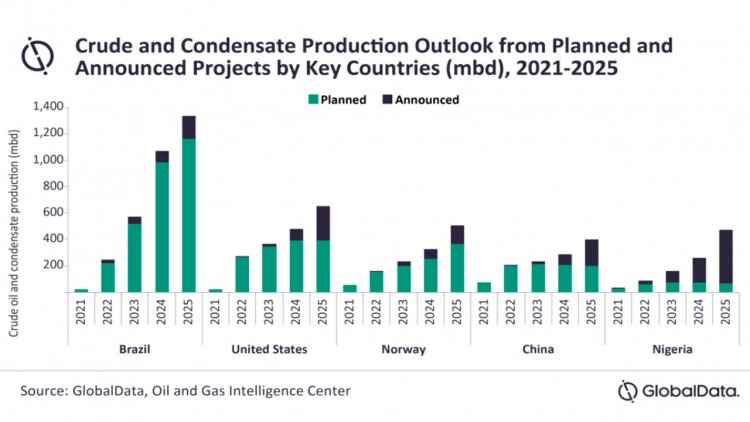
Brazil alone is expected to contribute around 23% or 1.3 million barrels per day (mmbd) of global crude oil and condensate production in 2025 from key offshore planned and announced projects (new-build projects) that are expected to start operations between 2021 to 2025, according to GlobalData, a leading data and analytics company.

The company’s report, ‘Global Offshore Upstream Development Outlook, 2021–2025’, reveals that 1.16 mmbd of crude and condensate production in Brazil in 2025 is expected from planned projects with identified development plans, while 169 thousand barrels per day (mbd) is expected from early-stage announced projects that are undergoing conceptual studies and are expected to get approval for development. A total of 29 crude oil projects are expected to start operations in the country during 2021-2025. Of these, Bacalhau, Buzios V (Franco), and Lula Oeste are some of the key projects that are expected to collectively contribute about 44% of the country’s crude and condensate production in 2025.

Effuah Alleyne, Senior Oil & Gas Analyst at GlobalData, comments:

“While Saudi Arabia dominates liquids production globally, mostly from already producing projects, Brazil leads crude and condensate production from upcoming/new projects. Brazil’s prolific pre-salt layer in the Santos Basin has produced a strong portfolio of offshore projects operated mainly by Petróleo Brasileiro S.A. (Petrobras), the main national oil company in the country. These projects have shown robust economics, such as development breakeven oil prices averaging US$40 per barrel and have significantly contributed to South America’s trend of surpassing North America’s offshore production by 2023.”

GlobalData identifies the US as the second highest country globally with 655 mbd of crude production in 2025 or about 11% of the total global offshore crude and condensate production in the year. Norway follows with crude production of 508 mbd from planned and announced offshore projects in 2025.

Among the companies, Petrobras, China National Offshore Oil Corp, and Equinor ASA lead globally with the highest offshore crude and condensate production of 768 mbd, 371 mbd and 331 mbd, respectively, in 2025 from planned and announced projects.

Cermaq plans to cut 35 percent of its total greenhouse gas emissions by 2030

0

More electric boats and facilities, renewable energy, climate-friendly transport and feed will be important measures, making Cermaq one of five aquaculture companies that use science-based climate targeting (SBT).

Geir Molvik, CEO of Cermaq, said:

“Farmed salmon is a climate-friendly food source and with our new measures, we will make Cermaq salmon even more sustainable. Our promise, “Seafood for a healthy future” provides reduced greenhouse gas emissions, less environmental impact and a positive contribution to societies in which we operate.”

Cermaq’s climate target is based on the Science Based Target Initiative’s framework. Climate goals and measures are based on the latest climate science and what is required to remain below the Paris Agreement aim of keeping global warming below 2 degrees Celsius. The goals are verified by certified third parties and only contain measures with real climate impact. Thus, Cermaq becomes one of five aquaculture companies globally that set the most binding climate goals for their business.

Cermaq’s ambition is to reduce absolute greenhouse gas emissions by 35% by 2030 with 2019 as a base year.

Molvik says:

“The expectations are increased when it comes to mitigating the drivers of climate change. We contribute with changes in our operations, but also set goals and measures for the entire value chain from feed production to transport to customers. Saying that, in some areas we cut emissions from a low base. We are also calculating our commitments to the climate target with the intention to grow, making the target even more ambitious.”

Feed production and transport to markets account for the majority of the company’s total climate footprint.

Molvik adds:

“Cooperating with suppliers and partners is necessary to improve the climate footprint of feed and transport options. This also requires innovation from our side in products and processing. That’s why we engage in international partnerships to improve climate work in aquaculture both globally and locally.”

Cermaq has made plans for major changes to electrification, access to raw materials and transport.

Molvik says:

“A simple, but important measure will be to reduce diesel use at facilities and move towards electrical and hybrid solutions. At the same time, energy efficiency measures will make solid contributions to our operations in Canada, Chile and Norway.”

The most important measures to reduce climate emissions

•Electrification of facilities and workboats.
•Transition from fossil energy sources towards renewable energy sources/hybrid solutions
•Energy efficiency to reduce overall energy consumption
•Set climate requirements for feed
•Improve feed efficiency through use of new technology development that further reduces the feed conversion ratio
•Internal RD projects to reduce emissions
•Streamline production for using less resources
•Optimize means of transport to markets – trains, trucks with hybrid energy solutions and lower greenhouse gas emissions

New station for the Naval Guard Division opened in Ukraine

0

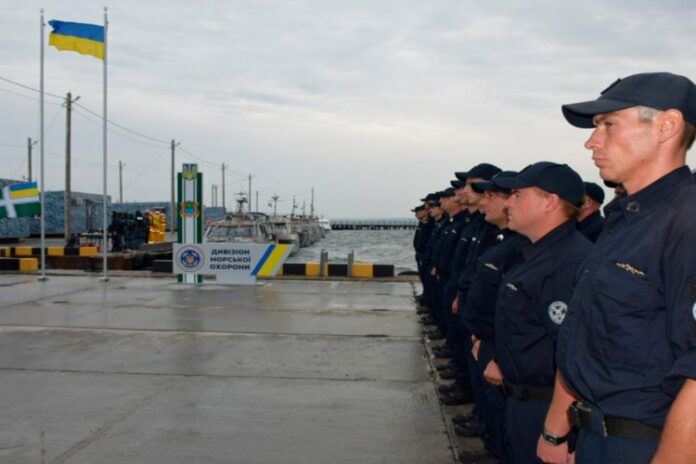
On August 13, in Berdyansk, the base point of the Marine Guard Division of the State Border Service was solemnly opened. The facility was built with funds from American partners.

According to the State Border Service, a modern marine guard division of the Mariupol detachment was created in 2021. It became the home base for a significant part of the ship and boat personnel of the Kerch Marine Guard detachment, which entered Berdyansk in 2014 during the Russian occupation of Crimea.

The construction of a modern military town took place as part of the US State Department’s Export Control and Border Security (EXBS) program.

It is noted that the military town has no analogues in Ukraine. In addition to residential modules, it has technical modules and berths. In addition, long-term autonomy of the town is ensured, as well as mobility with the ability to deploy to new positions.

As noted in the border service, the presence of Russian warships and boats is increasing in the Sea of ​​Azov, which periodically arrange provocations.

The State Border Guard Service said in a statement:

“That is why the Maritime Guard, with the support of the US strategic partnership, provides the arrangement of new type units with well-trained, equipped and responsive personnel, modern equipment and appropriate support.”

According to the adviser to the US Embassy in Ukraine, Kevin Keelyer, the project of international assistance to modernize the Maritime Guard lasts for three years – the Americans allocated almost 6 million US dollars for its implementation, of which 4 million went to facilities in Mariupol and Berdyansk.

Keeler said:

“And this work has not been completed yet, as a new stage of design of the Technical Support Center in Odesa, worth 12 million US dollars, has begun.” 

In the near future, with the support of the United States, it is expected to update the ship and boat composition.

Source: DUMSKAYA