-10.3 C
New York
Home Blog Page 546

Port of Gdynia: First contract for design using BIM methodology

0

Port of Gdynia Authority S.A. signed a contract with Biuro Projektów Budownictwa Morskiego Projmors sp. z o.o. for the project entitled: “Multi-discipline project documentation for the reconstruction of the Auxiliary Quay in Gdynia in accordance with the requirements of BIM, together with designer’s supervision during the execution of construction works”.

The contract provides inter alia for communication between the parties via the Data Exchange Platform (CDE – Common Data Environmental) and making BIM models of the office building and the Auxiliary Quay. The design documentation and models will be used by the future contractor for construction works, who will be selected by means of an open tender after the design stage is completed.

The use of BIM tools during the preparation of design documentation will optimise the time required for communication between the Parties of the process.

The CDE platform will constitute a repository of project documentation, allowing all authorised project participants quick access to information. The implementation of detailed BIM models is intended to minimise the occurrence of inconsistencies at the stage of execution of construction works, thus reducing the costs of the project.

The Terms of Reference prepared for this investment were prepared on the basis of the BIM Standard PL document recommended for use by public administration, i.e. the Ministry of Development, Labour and Technology and the Public Procurement Office. The BIM Standard PL document was developed under the auspices of the Polish Association of Construction Workers, Polish Association of Construction Engineers and Technicians, and Association of Polish Architects. Representatives of general contractors, designers, experts of the EccBIM Foundation and the Public Procurement Office worked on the creation of the document.

The use of BIM methodology is one of the elements of the broadly understood smart port trend, which includes innovative projects implemented by PoGA S.A.

KVH provides AgilePlans VSAT services for Briese Schiffahrt vessels and crew

0

KVH Industries announces its successful and expanding AgilePlans relationship with established customer German shipmanager Briese Schiffahrt, which has rapidly grown its installed base over the last two years from 5 to 38 vessels with plans to continue. 

The flexibility of KVH’s no-commitment AgilePlans® program and the reliability of the global VSAT services in supporting critical operational usage and crew communications were cited by the company as reasons for selecting KVH.

Holger Börchers, IT manager for Briese Schiffahrt, says:

“For us, it is very important to work with a company that is able to provide the ease and flexibility of paying monthly without any commitment worries. It shows that KVH understands the commercial maritime market and the fact that fleet sizes change. KVH AgilePlans provides full coverage of all fees in one price and we have found working with KVH to be seamless.”

The arrangement was facilitated by Heiko Höfer, managing director of Dualog Nordic GmbH, KVH’s airtime service provider in Germany. 

Thomas Plüschau, KVH regional sales manager for Germany, says:

“Our success here is owing to the close-knit relationships of trust, support, and dependability that have been forged in the local market over many years. These strong and positive working relationships, combined with the power of AgilePlans, enables us to help drive change, modernization, and business in critical shipping hubs.”

Briese Schiffahrt manages a fleet of project cargo vessels, bulk carriers, and containerships, and also performs crew management for more than 2,000 seafarers. The shipmanager values KVH’s satellite connectivity services for the improved communications between office and vessels and for the ease of managing crew accounts, according to Mr. Börchers. 

He says:

“Every morning, our crew program is synchronized and when a seafarer steps on a KVH-equipped vessel, it automatically recognizes the crew member and provides the appropriate Internet access. We know that we need to offer good connectivity in order to get and keep good crew members. Our plan is to equip every vessel that is sailing on waters more than 50 miles from the coast with VSAT.”

Nearly all of the 38 KVH-equipped Briese Schiffahrt vessels use the TracPhone® V7-HTS, a 60 cm diameter satellite communications antenna system designed to provide data speeds up to 10 Mbps down/3 Mbps up. Two vessels use the TracPhone V3-HTS, a 39 cm diameter system featuring data speeds up to 6 Mbps down/2 Mbps up, and one vessel uses the TracPhone V11-HTS, a 1-meter diameter system featuring data speeds up to 20 Mbps down/3 Mbps up. 

Mr. Börchers adds:

“Briese will build a number of new vessels during the next years and all of them will be equipped with a KVH V11-HTS. The very first of this new generation is planned to be delivered in mid-November.”

The AgilePlans program also includes the NEWSlink™ service, which enables seafarers on the Briese Schiffahrt vessels to access daily news content from around the world, an important aspect of crew welfare. The NEWSlink service includes more than 65 national seafarer news dailies in more than 20 languages, plus monthly special interest editions.

Brittany Ferries and CMA CGM form a partnership in passenger and freight transport

0

Through this agreement, CMA CGM is seeking to support Brittany Ferries’ post-Covid-19 recovery.

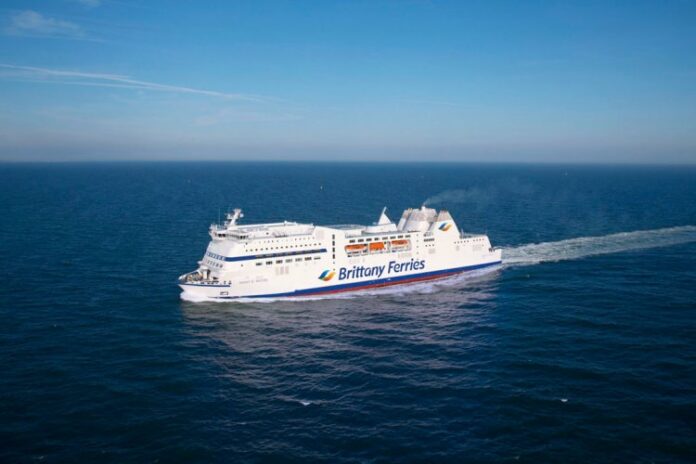
The agreement establishes a commercial partnership between the CMA CGM Group and Brittany Ferries through the use of available cargo space on board Brittany Ferries’ services to the United Kingdom, Ireland and the Iberian Peninsula. The transportation of goods aboard Brittany Ferries’ roll-on roll-off (roro) ships will help expand the CMA CGM Group’s offering in the roro sector for the Atlantic and northern coast of France to destinations in the United Kingdom.

The partnership with CMA CGM will also pave the way for Brittany Ferries to gain more expertise in freight and logistics. It will help the company to adapt more easily to the post-Covid-19 trends in goods transportation, including the transport of unaccompanied trailers, and to offer new transport services so it can better meet the needs of its customers.

Through this agreement, both groups will be able to introduce new roro services.

CMA CGM and Brittany Ferries, both of which are committed to developing liquefied natural gas (LNG) to power their ships, will be looking at ways of sharing their LNG knowledge and resources in areas such as training for French crews and safety procedures.

Both companies have also undertaken to introduce more environmentally-friendly shipping and logistics solutions.

Two new LNG-powered ships are due to join Brittany Ferries’ fleet next year and in 2023. The new Ro-pax vessels, to be named Salamanca and Santoña, will operate services between the United Kingdom and Spain. In addition, Brittany Ferries is about to introduce a new rail freight service to expand its multimodal offering. By year-end 2022 the company will offer its customers an unaccompanied trailer transport service on the Atlantic coast rail network between Bayonne and Cherbourg.

SEA-KIT wins funding to demonstrate hydrogen fuel cell technology for USVs

0

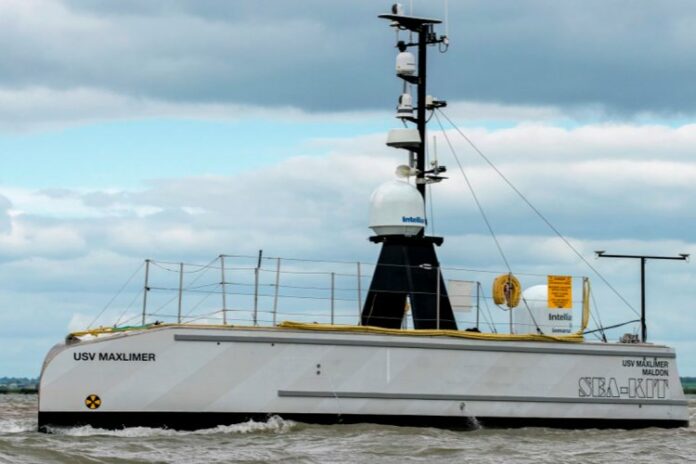
SEA-KIT International, leading designer and builder of Uncrewed Surface Vessels (USVs), has won funding to install an innovative PCB-based hydrogen fuel cell, engineered by project partner Bramble Energy, on its 12m USV ‘Maxlimer’ and demonstrate zero emission maritime operations.

SEA-KIT secured the grant through the recent Clean Maritime Demonstration Competition (CMDC) – Strand 2. The project, funded by the Department for Transport (DfT) working with InnovateUK, will showcase a successful diesel to hydrogen conversion of SEA-KIT’s proven USV design and demonstrate a route to fulfilling the UK’s Clean Maritime Plan Strategy commitment of reducing greenhouse gas emissions from shipping by at least 50% by 2050.

Ben Simpson, SEA-KIT CEO, said:

“SEA-KIT USVs have a dual diesel-electric hybrid drive, with propulsion coming from an electric motor powered by battery banks that are charged by in-situ diesel generators. This project will replace one of the diesel generators with new hydrogen fuel cell technology from Bramble Energy and demonstrate an offshore operation with zero carbon emissions.”

West Sussex-based Bramble Energy, a disruptor in the clean tech space, will design and manufacture a marinized, customised version of its printed circuit board fuel cell (PCBFC). The use of PCBs, as opposed to metallic or graphite end plates, makes the technology more suited to rugged, marine environments. Bramble Energy’s PCBFC system will sit inside an enclosure within the USV to prevent sea water ingress and corrosion.

Dr Vidal Bharath, COO of Bramble Energy said:

“Bramble Energy is committed to powering a net zero economy. This project provides the perfect opportunity to demonstrate our decarbonising technology in a real world, challenging environment across a new industry with an exciting commercial partner.”

SEA-KIT will retrofit its demonstration vessel, USV ‘Maxlimer’, with the hydrogen fuel system. Data gathered from bench testing and sea trials will be utilised for the design and build of similar USVs, as well as for larger uncrewed vessel builds in the near future.

USVs are already being deployed for a range of commercial tasks, including geophysical survey, offshore inspections, surveillance and coastal asset monitoring. This collaboration between SEA-KIT and Bramble Energy aims to enable the emergence of hydrogen fuel systems as another viable option for the fast-growing USV market.

Innovate UK, the UK’s innovation agency, drives productivity and economic growth by supporting businesses to develop and realise the potential of new ideas. The CMDC projects represent the first major investment from DfT specifically aimed to drive innovation within the maritime industry. 

Simon Edmonds, Deputy Executive Chair and Chief Business Officer for Innovate UK, said:

“As the UK prepares to host COP26 in the maritime city of Glasgow, it is great that we can announce funding for these fantastic projects in the maritime sector that will help the UK meet its net zero goals. From this competition we saw a very high level of demand, we have seen the very best of British ideas from all over the country. It is clear that not only does the UK have a great maritime history, but also a bright and greener future too.”

The application of a hydrogen fuel source to a USV will be a world first, putting the UK firmly in the lead on zero emissions uncrewed technology for sustainable maritime growth.

Doosan Heavy to supply equipment for wind turbine installation vessels

0

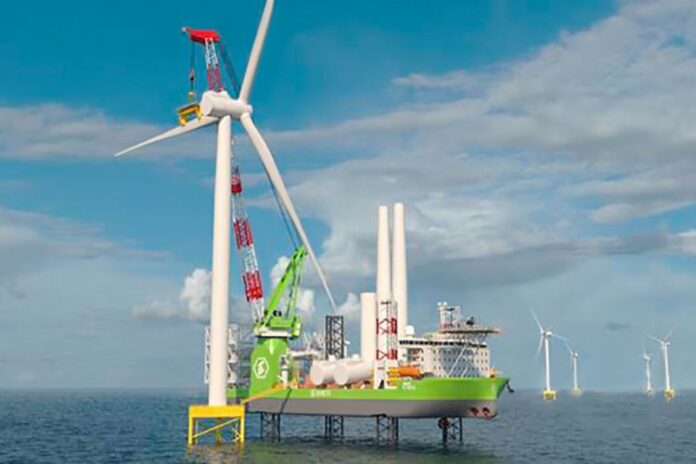
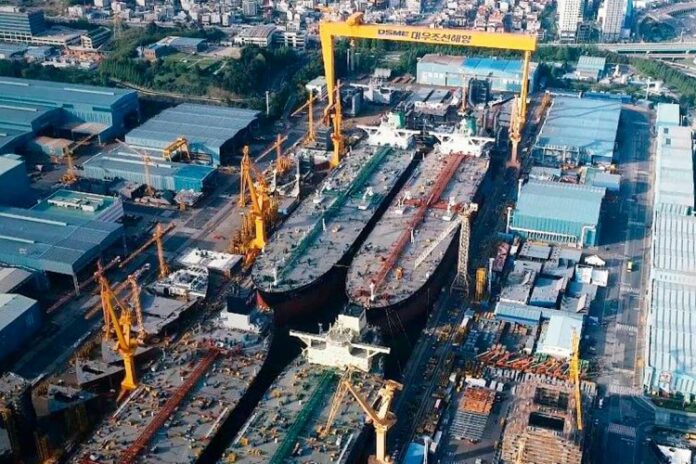
Doosan Heavy Industries & Construction announced on September 15th that it had signed a supplier agreement for racks & chords of wind turbine installation vessels with Daewoo Shipbuilding & Marine Engineering (DSME). With the signing of this agreement, Doosan will be supplying a total of 156 racks & chords in the years leading up to 2023.

As key components of the jack-up legs used by wind turbine installation vessels, racks & chords are structures that require a high level of strength that is enough to withstand a maximum weight of approximately 37,250 tons, including the weight of the vessel and wind turbine. A rack & chord is 9 meters-long and weighs about 25 tons per unit. For the cogwheel-shaped rack component, 250 mm-thick special steels are used.

Doosan Heavy accomplished the feat of developing high-strength special material with high corrosion resistance and impact resistance that is suitable for application in seawaters of various salinity levels and low temperatures (-40℃), and ultimately obtained certification for the special material from an international shipbuilding certification body this past July.

Kiyong Na, CEO of Doosan Heavy’s Nuclear Business Group. He added, said:

“By leveraging Doosan Heavy’s competency and experience in developing and manufacturing special steels for power plants and marine vessels, we succeeded in locally manufacturing the racks & chords, which had formerly been imported from overseas. While establishing a stable supply of special steels for the shipbuilding industry, we plan to continuously expand our business in this area to meet the growing demand in this field.”

With the global offshore wind power market growing at a rapid pace, the demand for wind turbine installation vessels is also on the rise. According to VesselsValue, the UK-based leading market intelligence provider for the maritime & shipbuilding sector, it is forecast that approximately 100 or more wind turbine installation vessels will be needed over the next 10 years.

Carbon capture and storage gains wide industry support in Houston

0

Eleven companies have expressed interest in supporting the large-scale deployment of carbon capture and storage (CCS) technology in Houston. Calpine, Chevron, Dow, ExxonMobil, INEOS, Linde, LyondellBasell, Marathon Petroleum, NRG Energy, Phillips 66 and Valero have agreed to begin discussing plans that could lead to capturing and safely storing up to 50 million metric tons of CO2 per year by 2030 and about 100 million metric tons by 2040.

The companies plan to help address industrial CO2 emissions in one of the largest concentrated sources in the United States. Collectively, the 11 companies are considering using CCS technology at facilities that generate electricity and manufacture products that society uses every day, such as plastics, motor fuels and packaging.

If CCS technology is fully implemented at the Houston-area facilities these 11 companies operate, nearly 75 million metric tons of CO2 could be captured and stored per year by 2040. There are ongoing discussions with other companies that have industrial operations in the area to add even more CO2 capture capacity. They could announce their support at a later date and add further momentum toward the city of Houston’s ambitions to be carbon neutral by 2050.

Sylvester Turner, Mayor of Houston, said:

“Houston can achieve our net zero goals by working together, and it’s exciting to see so many companies have already come together to talk about making Houston the world leader in carbon capture and storage. We’re reimagining what it means to be the energy capital of the world, and applying proven technology to reduce emissions is one of the best ways to get started.”

Wide-scale deployment of CCS in the Houston area will require the collective support of industry, communities and government. If appropriate policies and regulations are put in place, CCS could generate tens of thousands of new jobs, protect current jobs and reduce emissions at a lower cost to society than many other widely available technologies. The 11 companies will continue to advocate for policies that enable the long-term commercial viability of new, expanded and existing CCS investments in Texas.

CCS is the process of capturing CO2 from industrial activity that would otherwise be released into the atmosphere and injecting it into deep underground geologic formations for safe, secure and permanent storage. With supportive regulations, CO2 from the Houston industrial area could be safely stored in the U.S. Gulf Coast region in formations thousands of feet below the surface or seabed. The U.S. Department of Energy estimates that storage capacity along the U.S. Gulf Coast is enough to hold 500 billion metric tons of CO2 — more than 130 years of the country’s total industrial and power generation emissions, based on 2018 data.

Although renewables will continue to play an important role in a lower-carbon energy future, CCS is one of the few proven technologies that could enable some industry sectors to decarbonize, such as manufacturing and heavy industry. The International Energy Agency projects CCS could mitigate up to 15 percent of global emissions by 2040, and the U.N. Intergovernmental Panel on Climate Change (IPCC) estimates global decarbonization efforts could be twice as costly without CCS.

GE and partners plan to build the world’s largest 3D printer for offshore wind turbines

0

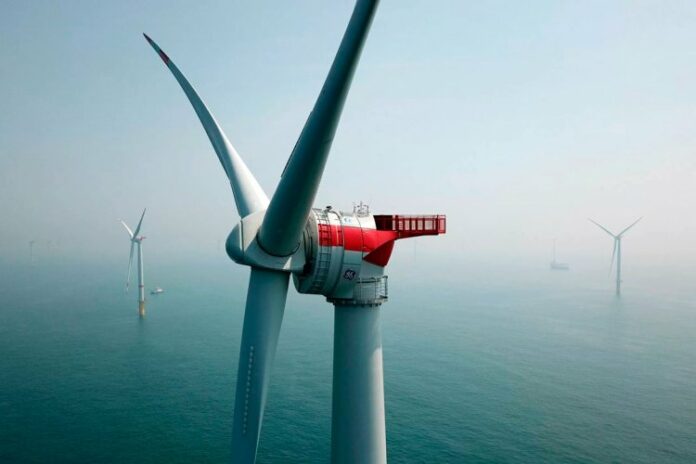
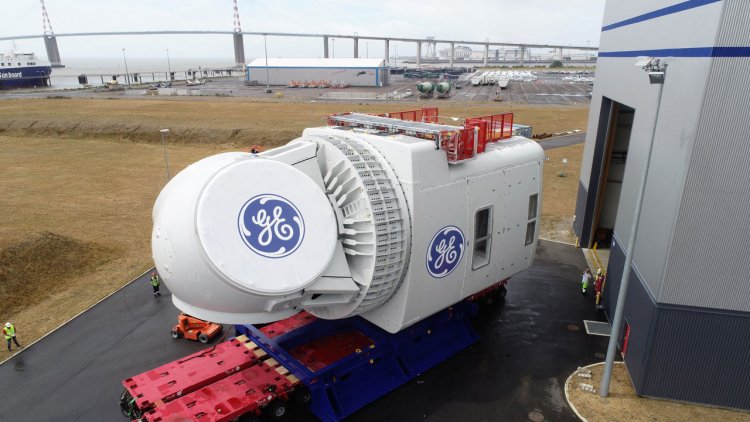
GE, Fraunhofer IGCV and voxeljet AG have announced a research partnership to develop the world’s largest 3D printer for offshore wind applications in order to streamline the production of key components of GE’s Haliade-X offshore wind turbine.

The Advance Casting Cell (ACC) 3D printer under development will benefit from financial support from the German Federal Ministry for Economic Affairs and Energy and will be capable of printing molds to cast components for the nacelle2 of the GE Haliade-X that can each weigh more than 60 metric tons, reducing the time it takes to produce this pattern and mold from ten weeks or more to just two weeks. In addition, the use of the 3D printer is expected to reduce the product’s carbon footprint by eliminating the need to transport the large parts from a central manufacturing location. The partners expect to launch the project during the third quarter of 2021 with initial printer trials starting during the first quarter of 2022.

The project involves the development of a new, large format 3D printer capable of producing sand molds for casting the highly complex metal parts of different shapes and sizes that make up an offshore wind turbine nacelle. The modular 3D printing process, which is based on voxeljet’s core “Binder-Jetting” technology, can be configured to print molds for castings up to 9.5 meters in diameter and 60-plus tons in weight.

Juan Pablo Cilia, Senior Additive Design Engineer at GE Renewable Energy, said:

“The 3D printed molds will bring many benefits including improved casting quality through improved surface finish, part accuracy and consistency. Furthermore, sand binder jet molds or additive molds provide cost savings by reducing machining time and other material costs due to optimized design. This unprecedented production technology will be a game changer for production efficiency allowing localized manufacturing in high cost countries, a key benefit for our customers looking to maximize the local economic development benefits of offshore wind.”

The Fraunhofer Institute for Casting, Composite and Processing Technology IGCV is responsible for casting and materials technology issues as well as digital process monitoring. 
Dr. Daniel Günther, Head of Department Molding Processes and Molding Materials at Fraunhofer IGCV, said:

“We are taking a close look at thermal management during casting, and we will evaluate the ideal proportions of the printing materials. Also, we will develop and test new approaches to process monitoring as part of the project.” 

Based on prior experience the team expects to significantly improve the environmental footprint of processes involved in producing the Haliade-X type wind turbines. This sustainability aspect is a firmly established guiding principle of research at Fraunhofer-Gesellschaft, according to the institute’s director, Prof. Dr. Wolfram Volk, who adds:

“We aim to optimize the mold printing to avoid extremely costly misprints or even miscasts, to save on binder and activator, and to improve mechanical and thermal behavior during casting. By developing a process that conserves resources as much as possible, we want to help to improve the environmental and cost balance in the manufacture of wind turbines.”

Christian Traeger, Director of Marketing and Sales at voxeljet, said:

“The test mold we printed for GE in 2019 consisted of dozens of individual parts. With the ACC, we aim to print a significantly reduced number of parts for the full set. Added to that, the mold can be optimized in terms of functionality and material consumption. This optimization makes completely new casting designs possible that can further enhance the efficiency of the turbines.”

Dr. Ingo Ederer, CEO at voxeljet, adds:

“While offsite on-demand 3D printing provides many benefits for small quantities of cast parts, running a 3D printing system on-site leverages the technology to its fullest capacity. Given the demand for offshore wind turbines, that will help a lot to fulfill project schedules and high market demands. With our productive “Binder-Jetting” technology in combination with our experience in large format industrial 3D printing, we are serving customers in the foundry industry for over 20 years. It is our mission to bring 3D printing into true industrial manufacturing and we are therefore very excited to be part of this groundbreaking project.”

The International Energy Agency3 has projected that global offshore wind capacity will increase 15-fold by 2040, becoming a 1 trillion dollar industry, thanks to falling costs, supportive government policies and technological progress like that behind the Haliade-X offshore turbine from GE Renewable Energy. GE Renewable Energy has been selected to supply its Haliade-X turbine for 5.7 GW worth of projects in Europe and the US. The company is a member of the Offshore Wind Industry Council (OWIC) and as part of that supports various initiatives that aim at increasing the production of sustainable wind energy.

Magnora to build green hydrogen maritime fuel production facility in Norway

0

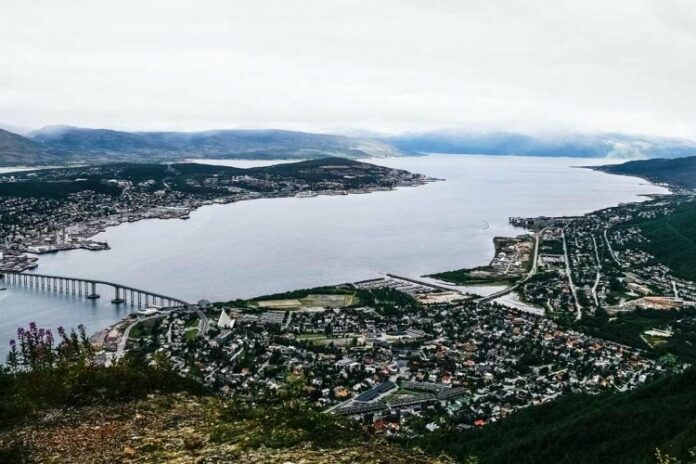
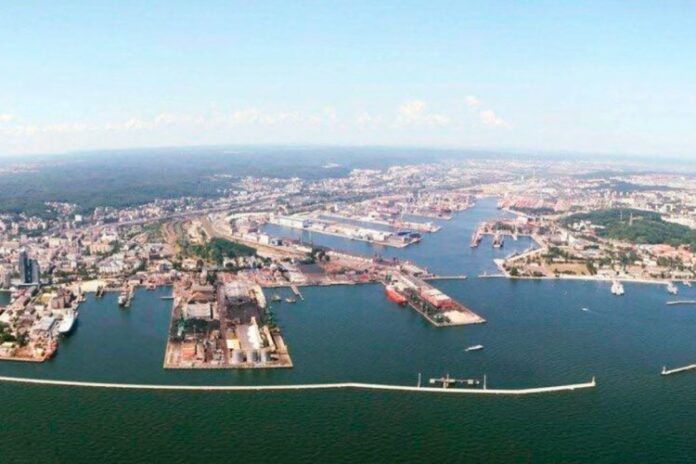
The companies involved, Magnora ASA, Prime Capital and Troms Kraft, will create a facility for the large-scale production of green hydrogen that will then be processed in green ammonia to be used in maritime applications.

With an extensive network of fishing and logistical operations in Tromsø, producing clean maritime fuel for the industry is paramount and, with a surplus of green electricity from hydropower and onshore wind, it is perfectly situated for producing green fuels.

The project is in the feasibility-stage and is aiming for investment in 2022 and 2023 in line with the start of commercial operation by 2025.

Torstein Sanness, Executive Chairman of Magnora, said:

“With an existing electricity surplus from renewables, a large and innovative maritime and fisheries industry, and a competent industrial workforce, Tromsø has all the right ingredients for success.

“Magnora is pleased to enter into a strong partnership together with Troms Kraft and Prime Capital. Troms Kraft brings in-depth local knowledge about the power industry and region, as well as over 100 years of operational experience.

“Prime Capital has an impressive track record of business development in the Nordics within renewable energy, and an existing footprint in Northern Norway.”

ABS and DSME to develop very large liquefied CO2 carrier

0

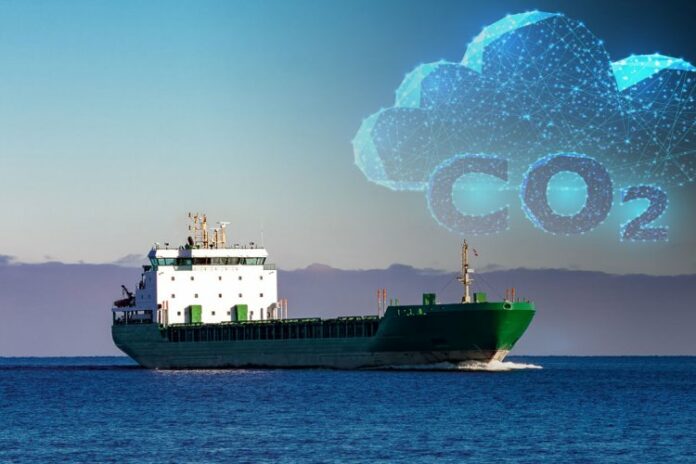
ABS and Daewoo Shipbuilding & Marine Engineering Co. Ltd. (DSME) are to jointly develop designs for a 70,000 CBM very large, liquefied CO2 (LCO2) carrier.

The joint development project (JDP) is responding to the development of carbon capture utilization and storage (CCUS) technology, which will ultimately require larger vessels for CO2 transport than those used in the existing food industry.

Patrick Ryan, ABS Senior Vice President, Global Engineering and Technology, said:

“CCUS can play a role in reducing emissions in a range of industries, but the supply chain will need vessels capable of transporting CO2 safely and efficiently.  That’s why this JDP with DSME is so important, not just for the maritime industry but for ambitions to reduce the carbon footprint of the entire global economy. ABS is proud to be able to use its industry-leading expertise in gas carriers to support development of these important vessels.”

DSME, which has previously developed a conceptual design of a 100,000 CBM LCO2 carrier, is developing a new design that can increase operational efficiency by increasing tank size. In order to increase tank capacity, the JDP will study the application of various steel materials as well as existing Low-Temperature Steel.

The new LCO2 vessels will comply with the ABS Rules for Building and Classing Marine Vessels and the ABS Guide for Liquefied Gas Carriers with Independent Tanks  as well as the International Code for the Construction and Equipment of Ships Carrying Liquefied Gases in Bulk (IGC Code).

Nuno Kim, DSME Director, Head of Ship Basic Design Division, said:

“DSME will maintain its unique competitiveness for the technology and quality in the field of liquefied gas carriers, such as LNG and LPG carriers, through this development of very large LCO2 carriers. And it will be able to maintain an advanced technology in the market of LCO2 carriers, which is one of the major concerns in the CCUS sector.”

JAXPORT and MTS-ISAC launch new partnership to enhance maritime cybersecurity

0

The Jacksonville Port Authority (JAXPORT) has partnered with the nonprofit Maritime Transportation System Information Sharing and Analysis Center (MTS-ISAC) to form a new cybersecurity information sharing cooperative called the Northeast Florida Maritime Information Exchange (NEFL-MIX).

Members of NEFL-MIX work together locally, and with other MTS-ISAC stakeholders from around the globe, to address cybersecurity preparedness, a national priority initiative of the U.S. Coast Guard Sector Jacksonville Captain of the Port.

The program brings together JAXPORT tenants, vessel operators, rail and intermodal stakeholders, key vendors, and local public sector organizations to collaboratively address cyber risks through information sharing.

JAXPORT CEO Eric Green said:

“Cybersecurity is a critical part of supply chain security. We are thrilled to launch this important initiative to protect our maritime community from cyber threats and ensure that our port-related businesses can continue to do the important work they do to keep cargo moving and people working throughout Northeast Florida.”

JAXPORT is the tenth busiest container port in the United States by TEUs (containers) and one of the nation’s top vehicle-handling ports. As a member of the U.S. Coast Guard Sector Jacksonville’s Area Maritime Security Committee, JAXPORT works closely with the City of Jacksonville and the Florida Division of Emergency Management to enhance the region’s maritime emergency preparedness initiatives. Applying a public-private sector approach to cybersecurity is a natural extension of these emergency preparedness efforts.

Christy Coffey, VP of Operations for the MTS-ISAC, said:

“JAXPORT is a founding member of the MTS-ISAC. They have been influential in the design of our Information Exchange program and an active contributor to our ISAC since inception, so it’s rewarding to see the NEFL-MIX become reality. This busy port has included a diverse group of stakeholders in their cybersecurity information exchange. We know that under JAXPORT’s thoughtful leadership, the NEFL-MIX will positively impact both cybersecurity preparedness and response.”