-7.6 C
New York
Home Blog Page 530

GE receives turbine supply order for Vineyard Wind offshore wind farm

0

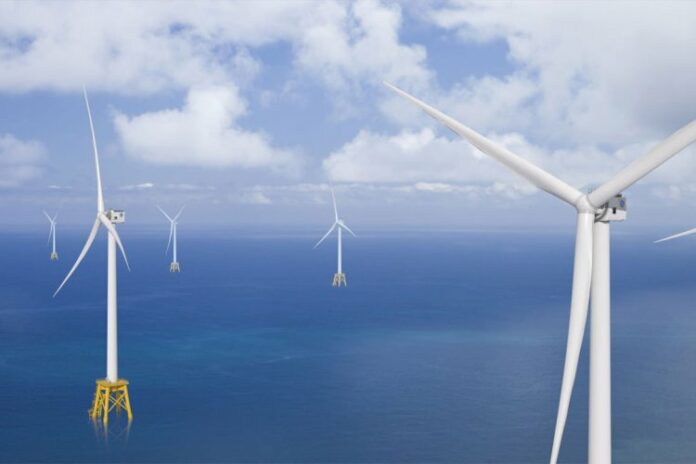
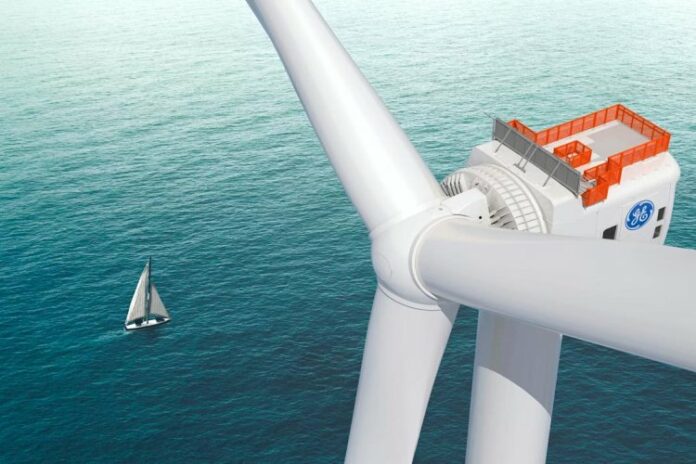
GE Renewable Energy has received an order1 in September from Vineyard Wind, a joint venture between Avangrid Renewables and Copenhagen Infrastructure Partners, to supply Haliade-X turbines for Vineyard Wind 1, the first utility-scale offshore wind installation in the US.

GE was announced as the preferred turbine supplier for the project in December of 2020. Vineyard Wind 1 recently became the first offshore wind farm in the US to achieve a financial close, which enabled Vineyard Wind and GE to achieve this latest contractual milestone.

The project will be installed 15 miles off the coast of Martha’s Vineyard in Massachusetts and will feature 62 units of the Haliade-X 13 MW turbine, the most powerful offshore wind turbine built in the world today. With energy generation expected to start in 2023, the project will provide cost-competitive electricity for more than 400,000 homes and businesses in Massachusetts and is expected to reduce carbon emissions by more than 1.6 million tons per year.

John Lavelle, President & CEO, Offshore Wind, GE Renewable Energy, said:

“We’re pleased to supply the first utility-scale offshore installation in the US, increasing the potential of the turbine to generate more power for our customer. Our Haliade-X technology combined with our innovative digital capabilities means GE is well positioned to support the growth of offshore wind in the US and globally.”

Vineyard Wind CEO Lars T. Pedersen, said:

“After achieving financial close last month, we are now at the point when this industry is no longer just talking about opportunity but delivering it. With the order now placed for GE’s Haliade-X turbines, we are setting the stage for a new industry, one that will create jobs, save ratepayers more than $1 billion and contribute greatly to a reduction in carbon pollution.”

GE’s Haliade-X prototype operating in the Netherlands is the most powerful offshore wind turbine built today and received its official type certification from DNV GL in early 2021.
Stena and Global Energy Storage announce LNG cooperation

0

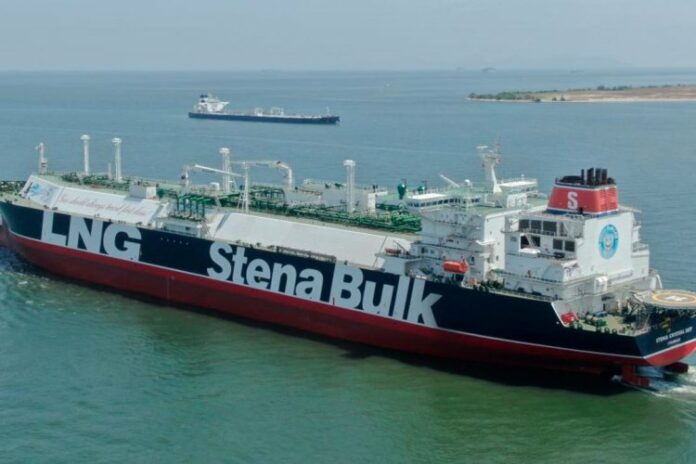
Stena Power and LNG Solutions, a subsidiary of leading shipping conglomerate Stena AB, and Global Energy Storage (GES), a developer and operator of energy storage terminals, have announced a strategic partnership to identify and advance LNG logistics and storage solutions.

Together the two companies bring the full range of LNG terminal and logistics expertise from floating storage and regasification units (FSRU) to onshore terminal and fixed jetty solutions. In addition, Stena owns three LNG carriers which it can deploy as Floating Storage Regasification Units (FSRUs) or floating storage, potentially together with innovative jettyless and/or offshore power solutions that do not require onshore facilities.

GES says that LNG is seen as a vital tool in enabling developing economies and emerging markets to switch from traditional sources of energy to lower carbon sources. These economies, such as those in Southeast Asia and Latin America, continue to have a strong demand for gas and power.

Peter Vucins, CEO of GES, says:

“This is an exciting and important partnership for GES. We regard LNG as an important transition fuel, especially in emerging markets where there is a strong demand for gas and power and a structural need to switch from coal to lower carbon solutions such as LNG.

“We are also interested in exploring opportunities with regard to blue hydrogen production where LNG is combined with carbon capture to make low carbon hydrogen. The possibility to deploy existing LNG carriers with onshore terminal solutions means that we can move quickly to provide our customers with a full range of solutions.”

Göran Hermansson, Chairman, Stena Power and LNG Solutions says:

“At Stena we offer wide-ranging, integrated LNG solutions that provide operational and commercial advantage with increased safety. Our work is underpinned by our values of care, performance and innovation.

“By working with Global Energy Storage, we can share our wide-ranging, industry-specific knowledge to better achieve our mutual objective of delivering more sustainable energy infrastructure solutions to communities across the world.”

First turbine jacket foundation installed at Seagreen

0

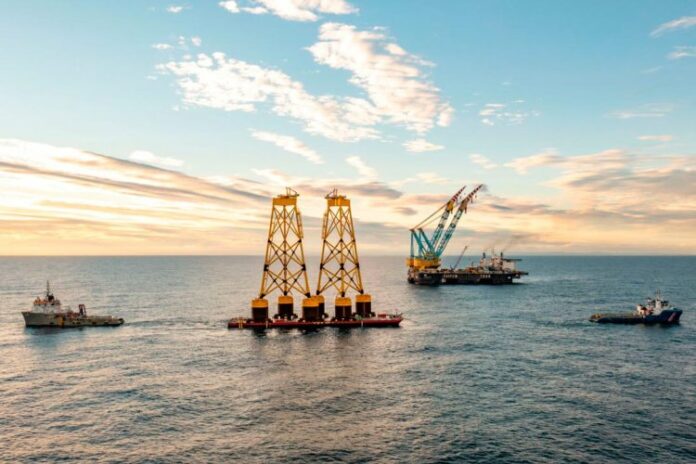
Offshore operations started last week when two jackets made their way on a barge from Global Energy Group’s Port of Nigg in the Highlands of Scotland to the site 27km off the coast of Angus. It was met by the Saipem 7000 – the semisubmersible crane vessel which is used to lift the jackets.

This voyage marks the start of works for the 1.1GW Seagreen Wind Farm project site, a £3bn joint venture between SSE Renewables and TotalEnergies. SSE Renewables is leading the development and construction of the project, supported by TotalEnergies, and will operate Seagreen on completion .

Lloyd Duthie, Managing Director EPCI Projects at Seaway 7 said:

“The installation of the first Seagreen jacket is a momentous milestone for everyone involved in the project, only 16 months after contract award and a testament to the hard work of the thousands of people bringing Seagreen to life across the supply chain.

“We’ll continue the jacket installation campaign through 2021 and 2022 as we lay Seagreen’s foundations. Later this year our cable lay vessels will start the installation of the inner array grid cables. These cables will connect the network of turbines and transport future electricity generated by the wind turbines to the offshore substation – ready for transport onshore.”

Philippe de Cacqueray, Head of Offshore Wind UK at TotalEnergies said:

“Scotland’s energy transition is beginning to accelerate, and we have taken another important step towards the Net-Zero goal. TotalEnergies is delighted that Seagreen has now installed the first jacket at what will become Scotland’s largest offshore wind farm.”

A lease agreement between Crown Estate Scotland and Seagreen has been signed for rights to access the required area of seabed which allows the project to move on to this next stage of its development. ​​​​​​​

Colin Palmer, Director of Marine for Crown Estate Scotland, said:

“This is an extremely important development in the expansion of the Scottish offshore wind sector, as we continue to take strides towards a Net Zero future for the country and comes just weeks prior to Scotland playing host to the COP26 summit in Glasgow.

“We have worked very closely with the Seagreen team throughout the project’s development stage, and we look forward to continuing to do so in the years to come as the wind farm itself starts to take shape. It is major projects like this which will help unlock the huge potential of Scotland’s seas to decarbonise our energy market and deliver lasting benefits to communities.” 

First power is expected by early 2022 with the offshore wind farm expected to enter commercial operation in 2023. When complete, the 1.1GW Seagreen Offshore Wind Farm in the outer Firth of Forth   will be Scotland’s largest, and the world’s deepest, fixed bottom offshore wind farm.​

Petronas Marine’s LBV conducts first LNG bunkering operation in Sabah

0

The LNG bunkering for HL Green, the world’s largest 180,000-tonne LNG-powered vessel, was carried out 12 nautical miles from Sandakan Port.

The successful operation was an internal collaborative effort between PETRONAS Marine, PETRONAS Energy & Gas Trading Sdn Bhd and PETRONAS Dagangan Berhad, and their external partner Sabah Ports Sdn Bhd.

The Sandakan Port is strategically positioned at the international maritime trade route between Australia and Asia’s leading manufacturing hubs such as Japan, South Korea and China, making it an ideal location for PETRONAS to provide LNG bunkering to the trading vessels plying this route.

Commenting on the milestone, Head of PETRONAS Marine, Emry Mohd Tamrin said:

“Along with our previous operations at Port Klang in Selangor and Sungai Udang Port in Melaka, this latest effort signifies a major step towards developing Malaysia as an LNG bunkering hub. It also further solidifies PETRONAS Marine’s presence as a one-stop marine solutions partner providing cost-competitive cleaner fuels and reliable services to meet the energy demands of its customers sustainably.”

He added that this LNG bunkering solution underscores PETRONAS’ efforts to drive greater use of LNG as a cleaner and economically competitive source of energy in the marine industry, as well as to support concerted efforts by the International Maritime Organization in reducing greenhouse gas emissions from shipping activities.

The MV Avenir Advantage is PETRONAS’ first dedicated LBV serving customers in Southeast Asia. With 7,500 cubic metres in capacity, it is poised to play an instrumental role to further promote LNG as a cleaner marine fuel in the region. 
 

Subsea 7 targets Net Zero by 2050

0

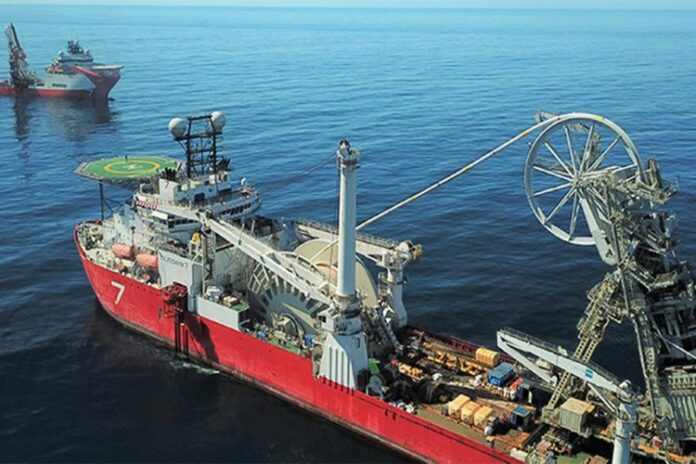
Using 2018 as a baseline year, Subsea 7’s target is to reduce its Scope 1 and Scope 2 emissions by 50% by 20351.

These targets are based upon plans to decarbonise Subsea 7’s operations, implementing changes and solutions available today, as well as the deployment of new, cleaner technologies as they become commercially available at scale in the market. 

Emissions data will be published annually as part of Subsea 7’s Sustainability Report and management will regularly update the market on the progress towards achieving this target.

John Evans, CEO of Subsea 7 commented:

“Proactive participation in the Energy Transition has been at the heart of Subsea 7’s evolution over the past decade both through our Renewables business unit and through our efforts to reduce our vessel emissions. Today’s announcement marks another step in our journey towards decarbonising our business and I look forward to describing our progress in the coming years.”

KOTUG starts operations in Gabon

0

KOTUG International B.V. (KOTUG) has been awarded a long-term contract by Perenco Oil & Gas Gabon S.A. (Perenco) to provide towage support for their operations off Port Gentil, Gabon. The contract includes the chartering, operation and manning of three vessels, two of which are Kotug’s first-ever Rotor Tugs, the RT Magic and RT Spirit.

After successfully operating in several countries, the RT Magic and RT Spirit will set sail to Gabon to support Perenco Oil & Gas in optimizing their marine spread thereby providing cost savings simultaneously with redundancy in operations. In addition, Kotugs’ SD Honour will be temporarily deployed to support the operations in Gabon whereby she will be replaced by a third Rotortug.

KOTUG established KOTUG Gabon S.A. to align with the local community and provides knowledge and work experience for local people. The operation will start in the second half of October 2021.

KOTUG President and CEO Ard-Jan Kooren:

”We are happy to be awarded this contract and look forward to supporting Perenco with our proven in-house developed Rotor Tug technology and our extensive experience in the Oil & Gas industry. The Rotor Tug technology was developed under the inspiring guidance of my father, Ton Kooren. It is with great pride that our first two Rotortugs are now being deployed for this prestigious operation in Gabon.”

Jan De Nul orders monopile installation system for its floating installation vessel

0

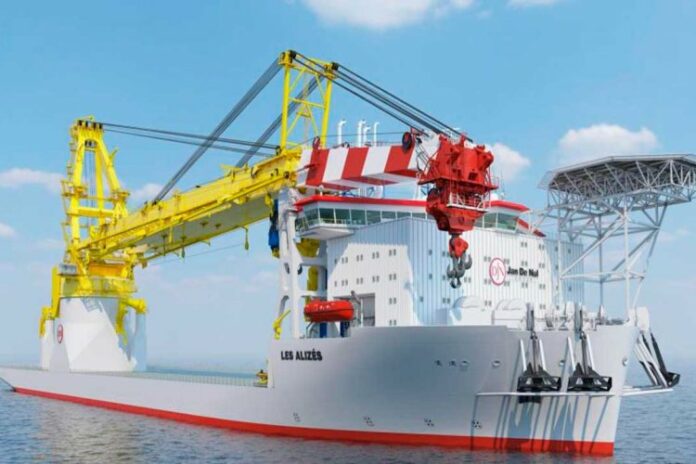
Jan De Nul Group has selected Remazel S.p.A. for the delivery of a set of cradles, a skidding system and an upending hinge for its new Floating Installation Vessel Les Alizés to handle and install XXL monopiles. 

The design of this fully automated monopile installation system is tailor-made for Les Alizés and ideally suited to work in challenging weather conditions and harsh sea states. This mission equipment will allow Les Alizés to safely and efficiently install monopiles in offshore conditions.

Les Alizés will use the monopile cradles on her deck to store monopiles. The monopile cradles can automatically adjust their supporting diameter. If required, the cradles can also support the tapered section of the monopile. 

The skidding system is needed to optimize the use of the deck and will enable Les Alizés to transport the monopiles in between the monopile cradles and the upending hinge.

The upending hinge can accommodate monopiles weighing over 3,000 mt. The tub-mounted crane brings the monopile in a vertical position using the upending hinge. Once upended, the monopile is placed into the monopile gripper by the tub-mounted crane.

Jan Van De Velde, Head of Newbuilding Department at Jan De Nul Group:

“The construction of our offshore installation vessel Les Alizés is well on track. Recently, we have ordered an innovative Motion-Compensated Pile Gripper. Today, we add this automated monopile installation system, fully aligned with our continued philosophy to focus on operational efficiency and improved safety. We are delighted to team up with Remazel, an important industry partner known for its large track record in offering innovative engineering solutions for the offshore market, and we look forward to a fruitful collaboration.” 

Andrea Rosa, CEO of Remazel Engineering S.p.A.:

“The acquisition of such an important Contract for the vessel ‘Les Alizés’ of Jan De Nul, represents a key milestone in Remazel consolidation path in the offshore wind market. In this landscape, our leadership in providing mission-critical equipment for the offshore sector, which is rooted in more than 30 years of projects execution, will be strategical to give our contribution to a major player as Jan De Nul. This is a real opportunity to demonstrate our engineering expertise and capabilities, as well as the great enthusiasm of our dynamic and high-skilled team, fully committed to satisfy our Customer’s requirements. The supply package that Jan De Nul awarded to Remazel includes the most critical equipment for the installation of the newest generation of monopiles and its foundations. This is a real challenge, but we are well-trained and prepared to succeed alongside our Customer.”

Les Alizés allows the installation of very large components including jackets exceeding 4,500 mt and monopiles weighing over 3,000 mt. It is of paramount importance that the installation process for these very large components can be safely executed.

The monopile installation system manipulates the monopiles entirely hands-free and fully automatic. There is no need for rigging or adjusting the supporting diameter of the cradles manually. Moreover, by using a mechanical interface between the skidding system and the upending hinge, the skidding system is able to travel inside the upending line. This unique feature eliminates the need for a lift of the monopile from the skidding system to the upending hinge by the tub-mounted crane. 

Joint group develops models for reducing emissions in shipping

0

With 90% of Finnish exports and 80% of imports carried onboard ships, emissions from sea transport play an important role when cargo owners strive to reduce emissions of their supply chains.

The alarming report from IPCC published in mid-August underlines the need for proactive actions in all sectors. Additionally, emissions reporting in shipping has received increased attention after the EU Commission released their proposal for the new requirements on energy used on board ships.

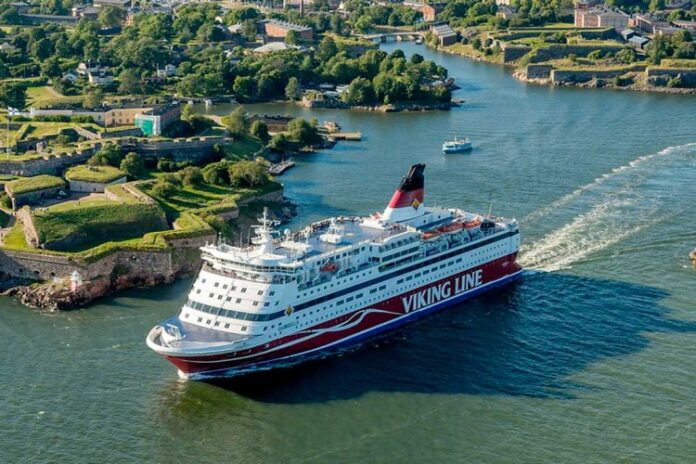
Viking Line, ESL Shipping and Attracs have recently joined forces with Åbo Akademi University and PBI Research Institute and are now taking the lead to solve the most pressing obstacles for reducing emissions and improving transparency in the industry. The aim of the project, called DEOS – Driving Emissions Out of Shipping, is to develop emissions reporting models to enable cargo owners to understand the emissions of their supply chain and select verified low emission transportation that give them and actors in their supply chain a competitive advantage. 

Magnus Gustafsson, Head of Research at the Laboratory of Industrial Management at Åbo Akademi University, underlines the pressing need for this project:

“Recent research has shown that consumers today are ready for, if not even demanding, sustainable products. By opting for low emission transportation and bringing emissions from shipping into the consumers’ awareness, cargo owners can support their customers in making better choices in their everyday life.”

DEOS has received financing from Business Finland, the Finnish government organization for innovation funding. The project is scheduled to last until spring 2022 and is currently sailing forward with full speed. Pilot cases of emission reporting in the entire logistics chain are progressing and the dialogue with policymakers and cargo owners is active.

Yinson invests in marine battery solutions pioneer SPBES

0

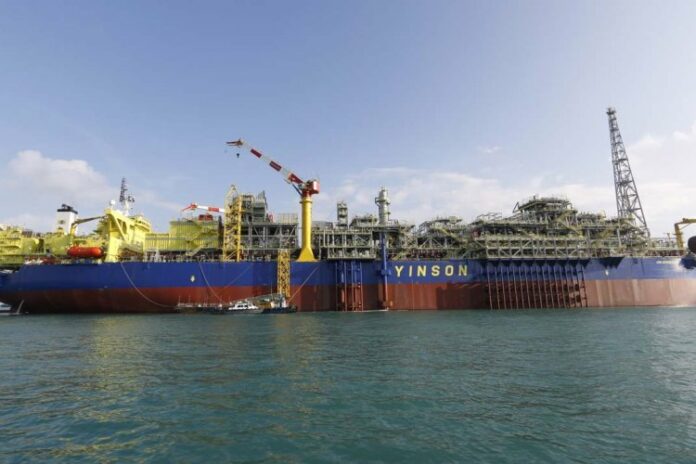
Yinson, through Singapore-based subsidiary Yinson Venture Capital Pte Ltd, has invested in Sterling PBES Energy Solutions Ltd, a Canada-based energy storage solutions company working to lower or eliminate dependence on fossil fuels in marine and industrial applications.

In addition to the investment, YGT and SPBES have also entered into a binding Memorandum of Understanding (“MoU”) with the intention to form a joint venture collaboration to accelerate the large-scale rollout of SPBES’ solutions within selected countries in Southeast Asia and beyond.

Yinson and SPBES initially collaborated on the design development of Hydroglyder – Yinson’s fully electric passenger craft with swappable batteries; then also became part of the Goal Zero consortium led by Seatech Solutions International Pte Ltd, which was awarded funding by the Maritime and Port Authority of Singapore (MPA) and Singapore Maritime Institute (SMI) in August 2021 to provide a fully electric harbour craft solution for the Port of Singapore.

Yinson Executive Vice President New Ventures and Technology, Eirik Barclay commented that the partnership would leverage Yinson’s strong presence in Southeast Asia to offer SPBES business solutions to marine, port and other industrial energy storage sectors, as well as to establish service and assembly hubs for energy storage and battery swap solutions.

He commented:

“We believe that SPBES is equipped with high standards in marine energy storage system capabilities, including advanced technology and outstanding safety features. As a pioneer in this space, SPBES is uniquely positioned to take advantage of the marine decarbonisation initiatives taking place globally. Yinson is excited to support the expansion of this clean energy solution in the region.” 

Eirik Barclay said that the partnership also aims to extend the technology to the non-maritime sectors which are centric to YGT’s electrification of mobility strategy.

Yinson Group Chief Strategy Officer, Daniel Bong highlighted that Yinson and SPBES share the same goal of delivering zero-emission solutions towards achieving a globally integrated, technologically advanced clean logistics ecosystem:

“Energy storage is key to the decarbonisation for the transport industry. This collaboration with SPBES aligns strategically with Yinson’s targeted approach for growing our green technologies business, where we leverage our existing strengths and focus on the geomarkets where we are currently active.”

New York State signs offshore wind supply contract with Ørsted, Eversource

0

Governor Kathy Hochul has announced the largest, single offshore wind supply chain contract award in New York State to support the State’s Sunrise Wind offshore wind project. 

Ørsted and Eversource, Sunrise Wind’s joint development partners, signed a $86 million supply chain contract with Riggs Distler & Company, Inc. to construct advanced foundation components for wind turbines at the Port of Coeymans, bringing construction and steel manufacturing work to New York companies located in the Capital Region and Western New York, and creating 230 family-sustaining jobs. 

Additionally, the State will offer its next offshore wind solicitation in early 2022 targeting significant port infrastructure and supply chain investment to further maximize the long-term economic benefits of this burgeoning industry.

Governor Hochul said:

“This new partnership for New York’s Sunrise Wind project will infuse $86 million into New York’s economy which directly benefits New York companies and creates quality construction and manufacturing jobs in local communities.”

It is anticipated 115 local union workers will be based at the Port of Coeymans to construct hundreds of large-scale and specialized components that are fundamental elements of the wind farm’s turbine foundations. These components, ranging in size from 12 to 120 tons each and as tall as 40 feet, include the foundations’ internal and external platforms, railings, steel ladders, cages, and other key parts that will attach to the monopile foundations the wind turbine generators will stand upon.  

Joe Nolan, President and Chief Executive Officer of Eversource Energy, said:

“Offshore wind, including our Sunrise Wind project, will play a key role in creating a new, clean energy future for all New Yorkers, helping combat the worst impacts of climate change while creating a new domestic supply chain that will benefit generations.”

With the execution of this contract, Riggs Distler & Company, Inc, a leading union construction solutions firm with offices in Mt. Vernon and Saugerties, New York, and Cherry Hill, New Jersey, will serve as the general contractor to build the prefabricated advanced foundation components at the Port of Coeymans. Once complete, the components will be shipped down the Hudson River and out to the Sunrise Wind offshore wind farm site, located in federal waters roughly 30 miles east of Montauk Point, N.Y. Riggs Distler is a wholly-owned subsidiary of Centuri Group, Inc.