2.6 C
New York
Home Blog Page 52

Two Alpha Gas carriers to get enhanced operational support with Wärtsilä Lifecycle Agreement

0

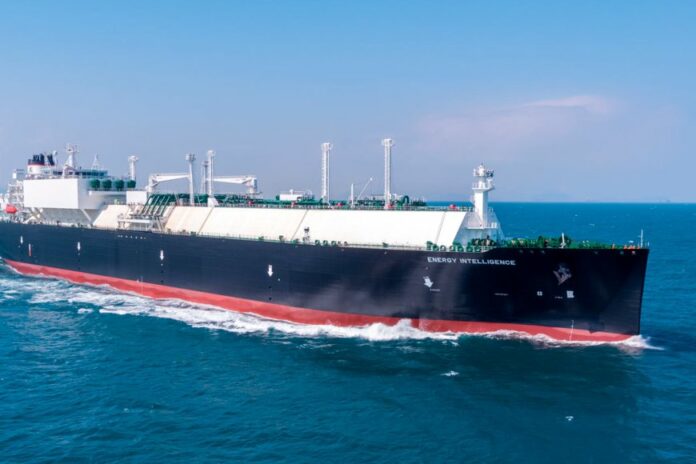
Technology group Wärtsilä has signed a five-year Lifecycle Agreement with Greek, Athens-based LNG management company, Alpha Gas. The agreement covers two LNG carriers which each have four Wärtsilä 34DF engines and is aimed at giving Alpha Gas increased operational insight, availability, and better maintenance cost predictability. The order with Wärtsilä was booked in Q2 2025.  

In today’s legislative and economic environment, shipowners and operators are increasingly looking for support in maximising efficiency and use of their assets. For LNG carriers in particular, which have limited opportunities for unscheduled stops and downtime, they are specifically looking to safeguard the reliability of their vessels. 

“Our emphasis is on enabling the highest level of efficiency and reliability throughout our fleet,” says Peter Lonski, Technical Director, Alpha Gas. “This agreement with Wärtsilä will help us achieve that goal, while at the same time allowing us to accurately predict our maintenance costs. We also expect to be able to extend the time between overhauls, thanks to the dynamic maintenance planning feature.” 

The agreement with Wärtsilä will help Alpha Gas to optimise the operations and maintenance of these LNG carriers more effectively through 24/7 expert remote support and guidance for troubleshooting and maintenance using specialist diagnostic tools. It will allow Wärtsilä experts to directly monitor the vessels’ systems and employ advanced diagnostic tools to support the crew with troubleshooting activities and rapid fault resolution. The agreement will also help to minimise OPEX and lifecycle costs by enabling preventive interventions that can avoid the need for later expensive repairs and on-site visits. 

“The maritime industry is complex with many moving parts; therefore, we take a consultative approach with our customers, working closely with them to tailor the agreement to their specific needs as a means to add value to their operations,” comments Henrik Wilhelms, Director, Agreement Sales, Wärtsilä Marine. “As every business model is unique, we are fully committed to ensuring our customers’ assets can deliver maximum value throughout their lifecycle. This is especially important in the context of the industry’s stringent environmental targets for net-zero by 2050.”  

Wärtsilä signed a similar agreement with Alpha Gas in November 2024 covering two more LNG carriers. The four Alpha Gas sister vessels now covered by the Wärtsilä Lifecycle Agreement are the Energy Pacific, Energy Endeavour, Energy Integrity, and the Energy Intelligence.     
Damen signs with Port Marlborough New Zealand for ASD Tug 2312

0

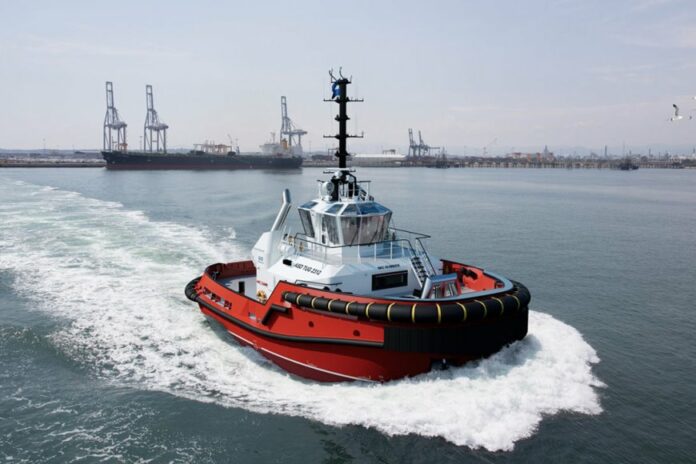
Damen Shipyards Group has signed a contract with Port Marlborough New Zealand (PMNZ) for the delivery of an ASD Tug 2312. 

The new tug will join an ASD Tug 2111, named Kaiana, that Damen delivered to PMNZ in 2024. On arrival of the new tug, PMNZ will be the operator of New Zealand’s newest towage fleet. The new vessel will, in time, replace two existing vessels, named Monowai and Maungatea. 

The ASD Tug 2312, at just under 23 metres in length is a compact vessel. It’s also powerful, offering 70 tonnes bollard pull. Additionally, with its azimuth thrusters and the patented Damen Twin Fin skeg, the vessel is extremely manoeuvrable.

As part of Damen’s Compact Tugs series, the ASD Tug 2312 is designed to enhance safety, sustainability, reliability and efficiency. It features, for example, 360-degree visibility from the wheelhouse and clutter-free decks to ensure a safe working environment. 

The latter feature is enabled by the location of a single winch – for operations fore and aft – in the deckhouse, sheltering it from the elements. The tug also features an innovative system that generates electric power from the main engines to reduce both fuel consumption and emissions. 

Additionally, Damen has outfitted the vessel with its Marine NOX Reduction System. This in-house developed selective catalytic reduction (SCR) system reduces NOX emissions by up to 80%, enabling compliance with IMO Tier III. Although the regulations do not yet apply in New Zealand, PMNZ has committed to providing a more sustainable operation.

PMNZ CEO Rhys Welbourn, said, “We’re proud to be investing in the future capability of our port with a second modern tug. Partnering again with Damen gives us access to world-class technology that improves the safety, performance and reliability of our towage services. 

“This customer-led investment strengthens our ability to respond quickly, assist effectively and support shipping partners making use of the deepest berth in New Zealand. The upgrade to IMO Tier III engines also reinforces our commitment to lowering emissions and operating responsibly.”

Damen’s Regional Sales Director for New Zealand, Pim Schuurman, said, “We were very pleased to receive this order for a second Damen tug from PMNZ. The organisation is taking a very proactive approach to futureproofing its fleet, investing in enhancing not only the performance capabilities of its vessels, but to increased sustainability, beyond what is required. This commitment to environmental stewardship aligns closely with the values we hold at Damen, ensuring a fruitful and rewarding cooperation between our two companies.”

The new tug will be named Kaiaua. The name was chosen by the mana whenua iwi, or indigenous Māori people of Waitohi Picton, the Te Ātiawa o te Waka a Maui Trust. The name, similar to that of the existing Damen vessel in the PMNZ fleet, holds cultural significance to the Te Ātiawa o te Waka a Maui and refers to an important ecological site.

North Salmon Service orders next-gen live fish carrier from HAV Design

0

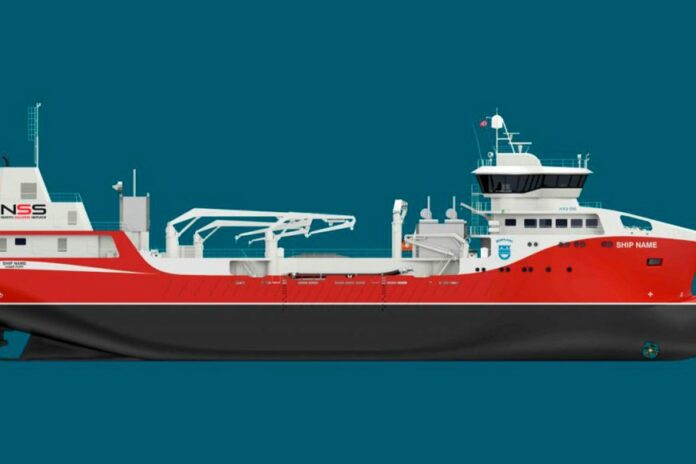
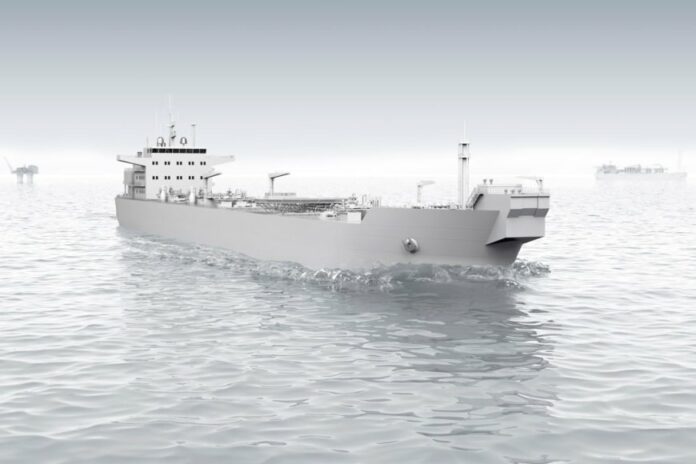
The vessel will have a fish well capacity of 5,000 cubic metres and is intended to support operations for NSS’s customers, Nova Sea and Salten Aqua. 

According to NSS managing director Arnt Erling Paulsen, the vessel design prioritises biosecurity, fish welfare, and reduced fuel consumption, while maintaining flexibility for future energy systems.

The HAV 595 platform is a new design developed by HAV Design to support a wide range of live fish operations, including transport and sorting, with a focus on cost-efficiency, fish handling and environmental performance. The hull is optimised for low fuel use, and the onboard systems include hybrid propulsion with variable-speed generator sets, DC distribution, and a large battery pack.

“This design enables more gentle and efficient handling and transport of salmon and sea trout,” said Jan Magne Goksøyr, Vice President Sales at HAV Design. “It also offers owners operational flexibility and lower emissions.”

The vessel will be built at Fitjar Mekaniske Verksted in Norway and is scheduled for delivery in 2027.

HAV Design is a subsidiary of HAV Group ASA, listed on Euronext Growth Oslo.

Stena Futura successfully completes sea trials in China

0

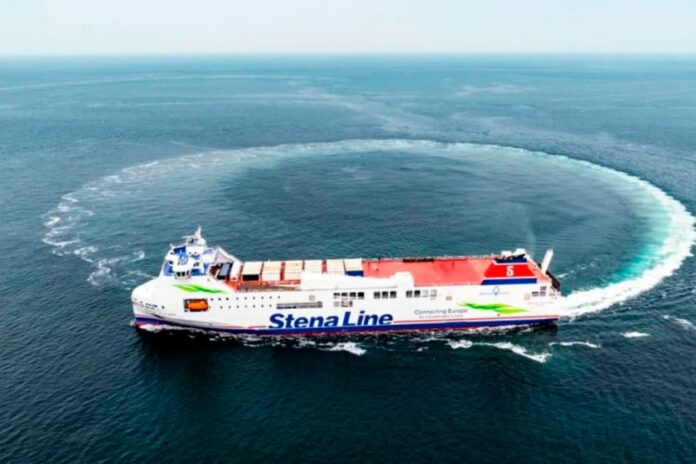
The completion of the sea trials is a significant milestone in the build Stena Futura and the vessel is on schedule to enter service on the Belfast-Heysham route in late summer.

Sea trials are designed to test the vessel at sea to demonstrate the proper function of the ship to ensure that all systems are fully operational and in line with agreed specifications. The tests include areas such as engine performance and endurance, fuel consumption, navigation and radio equipment, emergency systems, speed tests, maneuverability, engine and thruster tests as well as safety tests.

Once operational, Stena Futura and sister ship Stena Connecta will enhance freight capacity by 40% on the Belfast-Heysham route in response to an increase in customer demand for services between Northern Ireland and Great Britain.

The two hybrid vessels will play a key role in Stena Line’s sustainability journey. They will be enhanced with built in technologies that will be able to utilise both battery propulsion and shore power, when available.

Niclas Martensson, CEO of Stena Line said,

“It is with great excitement that we announce that Stena Futura has successfully completed its sea trials. The Irish Sea region continues to be a booming market for Stena Line, and the significant boost these ships will provide to our freight capacity on the popular Belfast – Hesham route will be welcomed by the market.

“These vessels represent a crucial step in our broader sustainability journey. By integrating battery propulsion and shore power capabilities, we are making significant strides towards our goal of reducing CO2 emissions by 30% by 2030, reinforcing Stena Line’s position as a leader in sustainable shipping.”

Amon Maritime unveils ammonia-powered bulk carrier venture

0

The grant was awarded at a ceremony hosted by the Norwegian minister of climate and the environment together with ENOVA at DNV HQ at Høvik.

“This is a significant milestone towards realizing carbon free transportation systems within the gas carrier segment. Amon Gas will provide the market with low-emission vessels while simultaneously meeting customer demands with innovative solutions.” says André Risholm, CEO Amon Maritime

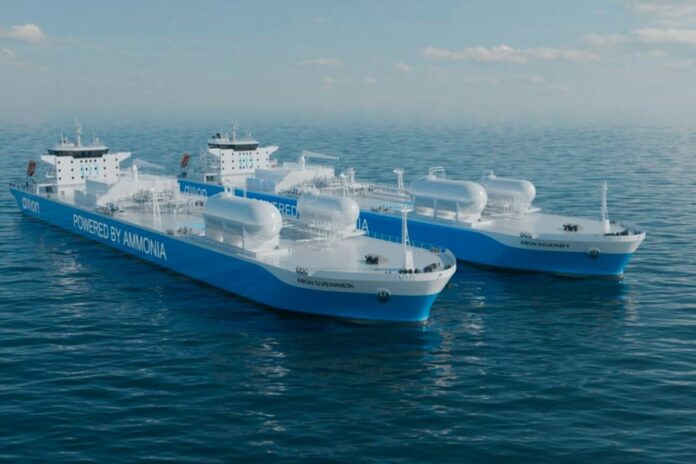
Amon Gas is targeting a shipbuilding series starting with 2 firm orders of ammonia-powered MGCs with a goal of being in operation by 2028.

The vessels are designed to use ammonia as fuel, for both propulsion and power consumption, also when transporting LPG as cargo and incorporates the best energy-saving measures.

MGC is a large vessel type with high fuel consumption. This means that the climate impact per ship by switching to ammonia as fuel will be significant. Carbon emission calculations give an estimated 87% reduction compared to conventional vessels from the start of operations, with ambitions for further reductions towards 100%.

Amon Maritime CTO, Steinar Kostøl, explains:

  • If ammonia is the fuel of the future, it will lead to a high growth in sea transport of ammonia. Ammonia is primarily transported on MGCs today.
  • If the ship transports ammonia, the “chicken-and-egg” dilemma of making bunkering available is avoided—the substance is already on board as cargo.
  • Because the ship is already designed for transporting ammonia, the relative additional cost in this segment compared to conventional ships will be less than in most other segments.

First cargo leaves LNG Canada

0

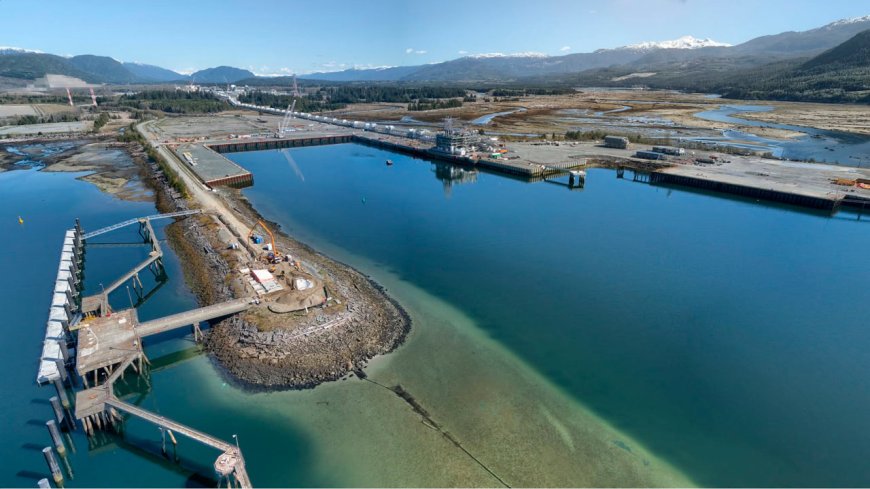
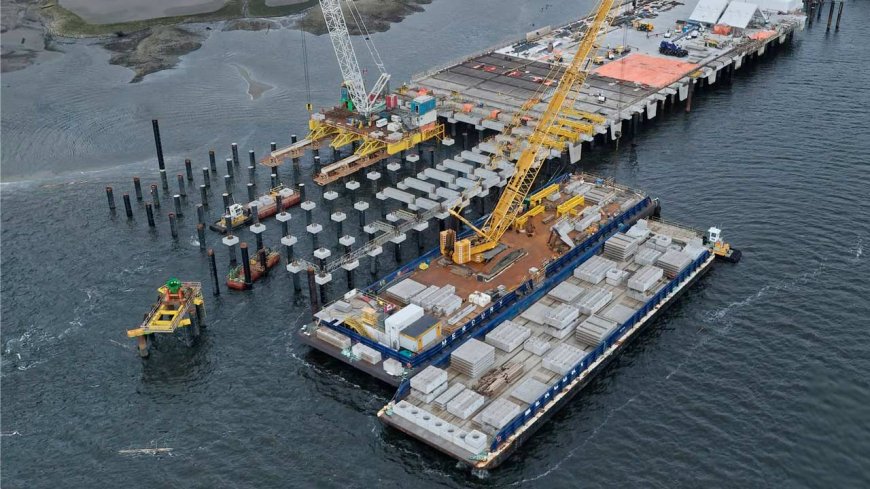
Shell Canada Energy, an affiliate of Shell plc, announceі that the first cargo of liquefied natural gas (LNG) has left the LNG Canada facility on the west coast of Canada. At 40%, Shell has the largest working interest in the LNG Canada joint venture.

Located in Kitimat, British Columbia, the facility will export LNG from two processing units or “trains” with total capacity of 14 million tonnes per annum (mtpa).

“LNG Canada grows our leading integrated gas portfolio, providing a reliable supply of LNG to markets, most notably in Asia,” said Cederic Cremers, Shell’s President, Integrated Gas. “We expect that supplying LNG will be the biggest contribution Shell will make to the energy transition over the next decade, and projects like LNG Canada position our portfolio to achieve this.”

As Asian markets transition away from coal, exports from LNG Canada are well positioned to play a crucial role in global decarbonisation efforts. LNG is a lower-carbon alternative to coal when used for electricity generation and a partner for intermittent renewables.

Shell’s LNG Outlook 2025 forecasts global demand for LNG is set to rise by around 60% by 2040, largely driven by economic growth in Asia. LNG Canada’s strategic location on Canada’s Pacific Coast connects cost-competitive upstream gas from British Columbia to growing Asian demand.

LNG Canada brings a new source of economic development to British Columbia, delivering a competitive, secure, and reliable source of energy in partnership with local communities and First Nations.

Equinor and partners invest in the third phase of Johan Sverdrup

0

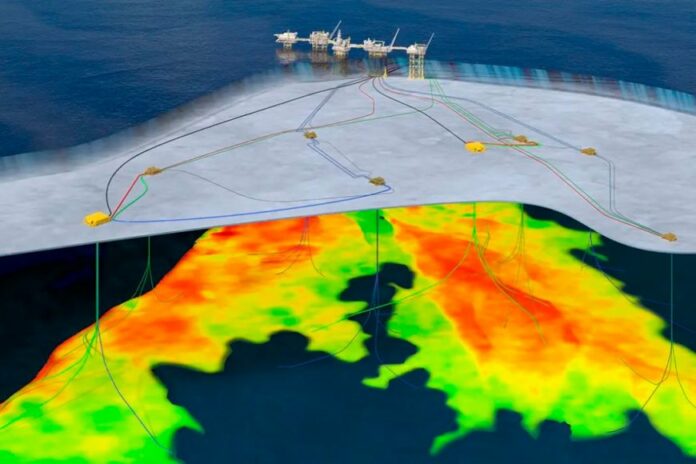
Equinor and its partners are investing NOK 13 billion in the third phase of Johan Sverdrup, one of the world’s most carbon-efficient oil fields. New subsea infrastructure will increase recovery by 40–50 million barrels of oil equivalent (boe).

“By building on the technologies, solutions, and infrastructure from phases 1 and 2 of Johan Sverdrup, we can carry out an efficient development with a rapid start-up of production. The project increases the recovery rate and value creation from Johan Sverdrup, one of the world’s most carbon-efficient oil and gas fields. At the same time, it contributes to stable energy supplies to Europe,” says Trond Bokn, senior vice president for project development in Equinor.

The development includes two new subsea templates which will be tied into existing infrastructure via new pipelines. The investment will increase recoverable volumes from the field by 40–50 million boe, with production expected to start in the fourth quarter of 2027.

To ensure optimal resource utilisation, the project leveraged artificial intelligence to analyse field layouts and well paths. This technology has enabled faster decision-making and resulted in cost savings of NOK 130 million for the phase 3 project.

The project also facilitates future value creation at Johan Sverdrup by adding extra well slots, and opportunities for connecting additional subsea templates.

The Johan Sverdrup field contributes significantly to value creation and ripple effects in society and has driven important industrial development in Norway.

For the phase 3 project, TechnipFMC has been awarded the contract for engineering, procurement, construction, and installation (EPCI) for the subsea development, with a contract value of approximately NOK 5.3 billion. Additional contracts, including platform modifications and the drilling of eight wells, are planned to be awarded later in 2025.

Safe and efficient operations at Johan Sverdrup are delivering results, with systematic efforts to maximise recovery. Phase 3 of the development will create additional value.

The expected recovery rate from Johan Sverdrup is already world-class at 66 percent. The phase 3 project is an important step towards achieving our ambition of 75 percent. The average for the Norwegian continental shelf (NCS) is 47 percent.

“In 2024, Johan Sverdrup set a production record with 260 million barrels of oil, the highest annual oil production ever from a Norwegian field. Every third barrel of oil from the Norwegian continental shelf now comes from the field. Phase 3 is an important contribution to maintaining high production from Johan Sverdrup in the years to come,” says Marianne Bjelland, vice president for Johan Sverdrup.

Equinor aims to maintain a high level of oil and gas production on the NCS towards 2035. Johan Sverdrup phase 3 is one of several projects receiving an investment decision this year that supports this ambition.

The partnership has submitted a notification to the authorities in accordance with the existing plan for development and operation (PDO). The notification is subject to governmental approval.

Oil tanker suffers unexplained blast weeks after Russia call

0

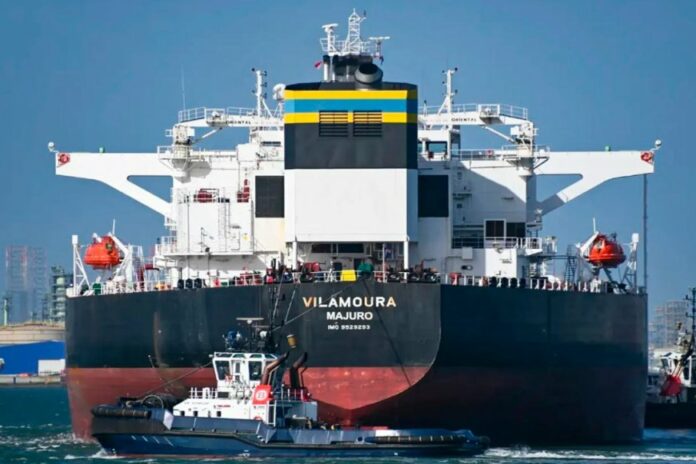
The Vilamoura is being towed to Greece, where damage will be assessed upon arrival. The blast caused water intake and the vessel’s engine room is flooded, a spokesperson for TMS Tankers said. Exactly what caused the explosion was unclear, they added.

In recent months, a series of mystery blasts hit oil tankers that had previously called at Russian ports. In the aftermath, shipowners began checking their ships’ hulls for mines with human divers and underwater vehicles. The Vilamoura has sailed to Russian oil terminals twice since April to pick up Kazakh oil, rather than Russian barrels.

The Vilamoura called at the Russian port of Ust-Luga in early April, where it loaded Kazakh-origin barrels, according to vessel-tracking data compiled by Bloomberg. It also called at the Caspian Pipeline Consortium terminal near the Russian port of Novorossiysk in May, which also loads mostly Kazakh barrels.

There was no pollution from the blast and the crew are all safe, the spokesperson said.

Four more vessels have suffered explosions since the start of the year, according to Vanguard Tech, a maritime risk consultancy company. All had recently called at Russian ports, it added.

Ukraine has repeatedly sought to undermine Russia’s energy infrastructure since Moscow’s full-scale invasion of the country. In February, Ukrainian drones attacked the Caspian Pipeline Consortium link, through which 80% of Kazakh oil exports must pass.

Source: Bloomberg

ABB to supply integrated power system for nine shuttle tankers

0

In a major step towards more efficient offshore operations, Samsung Heavy Industries Co., Ltd. (SHI) and ABB have signed an agreement to equip a fleet of shuttle tankers with ABB’s Onboard DC Grid™ power system platform. 

Engineered to optimize fuel efficiency, reduce emissions and enable a flexible integration of energy sources, the technology will be the heart of the integrated power system specified for nine newbuild vessels. 

The selection of ABB’s technology was driven by the expectations of prioritized efficiency, reliability and operational flexibility, as well as adherence to strict industry standards. The fleet of new vessels will be deployed under bareboat charter to service Brazil’s offshore sector. The vessels are due for delivery starting in 2027.

For ABB, the contract marks the largest order to date for Onboard DC Grid™ in the shuttle tanker segment, underscoring the growing demand for highly customizable, future-ready power solutions in commercial shipping. The project also highlights the power system platform’s ability to deliver high redundancy and seamless integration for energy distribution in low-voltage installations, making it a versatile choice for a wide range of merchant vessels.

“This is an important contract for ABB and a further step forward for our longstanding collaboration with Samsung Heavy Industries,” said Michael Christensen, Global Segment Responsible for Cargo Vessels, ABB’s Marine & Ports division. “We would like to thank all stakeholders for selecting Onboard DC Grid™ as the best fit for these advanced DP2 shuttle tankers. We look forward to delivering the solution which enables simple and flexible integration of energy sources, and variable speed control across every motor on the ship to maximize overall efficiency.”

ABB’s comprehensive system integration delivery will also include remote diagnostic support, as well as site support and commissioning for all the nine shuttle tankers. The highly fault-tolerant Onboard DC Grid™ system platform carries the latest DNV Closed Bus-Tie Notation DYNPOS(AUTR-CBT). Its use of high-quality components and an autonomous sub-system design philosophy ensures enhanced safety, extended maintenance intervals, and reductions in both fuel consumption and emissions-related costs.

Exail to equip Petrobras FPSOs with Quadrans AHRS in Brazilian offshore project

0

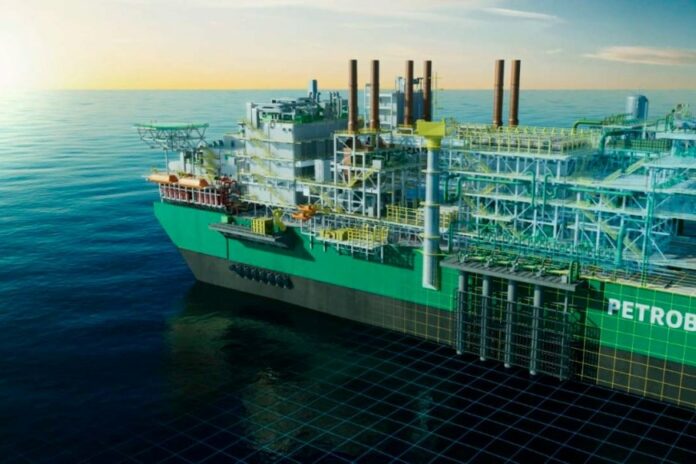
Exail has secured a contract with Brazilian offshore services company Mitang to deliver 30 Quadrans Attitude and Heading Reference Systems (AHRS).

The Quadrans AHRS provides real-time measurements of pitch, roll, and heading, with a heading accuracy of 0.23° seclat RMS. This level of precision is essential for monitoring platform stability and ensuring safe, uninterrupted operations during complex offshore activities, including in areas where GNSS coverage may be limited or intermittent. Its robust, maintenance-free design delivers dependable performance in harsh marine environments, supporting operational continuity and helping to reduce lifecycle costs. In addition, the system’s fast start-up capability allows for rapid deployment and swift recovery following power cycles or system interruptions, further enhancing offshore efficiency. Backed by Exail’s local technical support in Brazil, the solution meets Petrobras’ stringent operational requirements, ensuring smooth integration and ongoing service.

“This collaboration with Exail reinforces our commitment to operational excellence and safety in Brazil’s offshore sector, said Diego Fernandes, CEO of Mitang. By integrating Quadrans technology on Petrobras FPSOs, we are enhancing real-time monitoring capabilities that are critical for managing complex rig moves with greater confidence and precision.”

“We are honored to contribute to this important project with Mitang and Petrobras, said Thiago Montanari, Sales Director at Exail. Our Quadrans AHRS exemplifies cutting-edge innovation in offshore navigation, delivering reliable, maintenance-free performance that supports the highest standards of safety and operational efficiency in challenging marine environments.”

This new contract further solidifies Exail’s position as a trusted provider of advanced inertial navigation solutions in the global offshore energy sector. It underscores the company’s commitment to delivering reliable, high-performance technologies that meet the rigorous demands of offshore operations worldwide.