2.6 C
New York
Home Blog Page 53

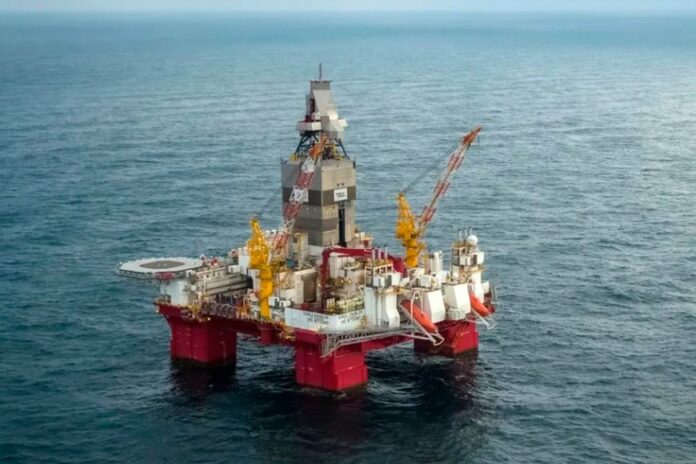
Oil discovery in the Johan Castberg area in the Barents Sea

0

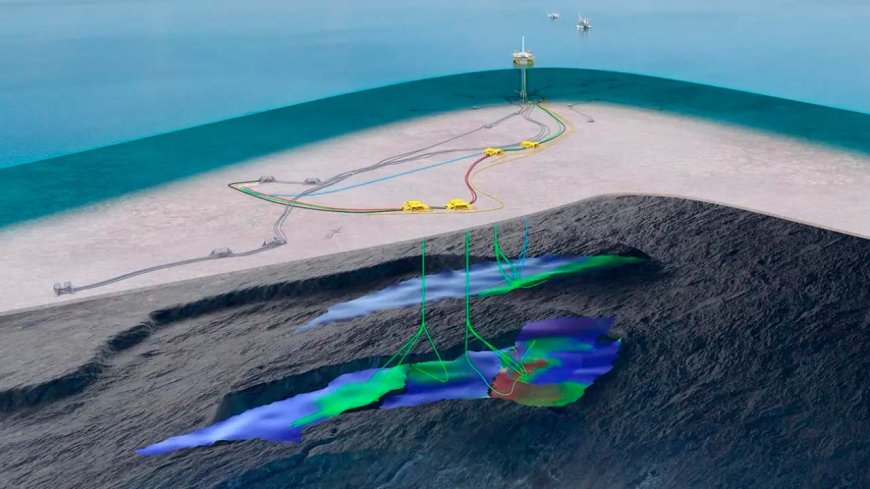
The well was drilled in the Drivis structure on the Johan Castberg field in the Barents Sea. According to preliminary estimates the size of the discovery is 9-15 million barrels of oil.

“Only a short time after Johan Castberg came on stream and is producing at full capacity, we have made a new discovery that can provide additional reserves for the field. The Johan Castberg volume base originally estimated at 450–650 million barrels, our clear ambition is to increase the reserves by a another 250–550 million barrels. To realise this, we are planning six new IOR (increased oil recovery) wells and continuous exploration activity. At the same time, we will develop Isflak as a rapid field expansion with planned start-up in 2028,” says Grete Birgitte Haaland, Equinor’s senior vice president for Exploration & Production North.

The oil was proven in a new segment called the Tubåen formation 1769 metres below the seabed in 345 metres of water. The well was drilled by the Transocean Enabler drilling rig as an exploratory extension from a production well. The licensees will consider tie-in of the discovery to the Johan Castberg field.

The Barents Sea is the least explored ocean area on the Norwegian continental shelf. With the Johan Castberg’s production facilities in place, it becomes more attractive to explore the neighbouring areas. Going forward, two rigs will drill both production wells and new exploration wells in the areas around Johan Castberg and Goliat. Equinor will drill one to two exploration wells annually around Johan Castberg.

On 17 June, the field reached plateau and is now producingabout 220,000 barrels of oil per day. Every three to four days, a loaded tanker now departs from Johan Castberg.

MacGregor to deliver Fully Automatic Twistlocks for Hapag-Lloyd’s vessels

0

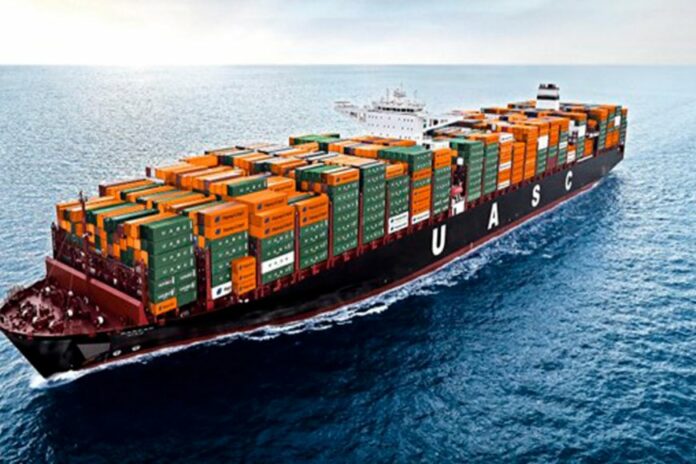
MacGregor has secured an order from Hapag-Lloyd for its fully automatic twistlocks (ACV-1) “Hippo”, designed to improve cargo handling efficiency. Twistlocks are used to secure containers on ships, ensuring stability and safety during transport.

This order will support Hapag-Lloyd’s A19-series ships, which include six 19,900 TEU vessels: Al Nefud, Al Dahna Express, Barzan, Al Muraykh, Al Zubara, and Tihama.

The order was booked in the first quarter 2025. The first set of Hippos is planned to be delivered beginning the second quarter of 2025 and to be completed by the fourth quarter of 2026.

This order highlights the collaboration between MacGregor and Hapag-Lloyd to increase cargo capacity, enhance operational efficiency, and reduce environmental impact. With this action, Hapag-Lloyd aims to improve cargo operations while reinforcing its leadership in the competitive container shipping market.

“At Hapag-Lloyd, we continuously strive for innovative solutions that further advance efficiency in our operations. MacGregor’s Hippo fully automatic twistlocks align perfectly with our commitment to operational excellence,” says Dr.-Ing. Christoph Thiem, Director Fleet Innovation & Technology, Hapag-Lloyd. “We look forward to seeing these Hippos in action and further strengthening our long-term partnership with MacGregor.”

“We are proud to further strengthen our partnership with Hapag-Lloyd by delivering innovative and reliable fully automatic twistlocks that meet their high operational standards,” says Magnus Sjöberg, Senior Vice President, Equipment and Solutions Division, MacGregor. “This order underscores our commitment to supporting Hapag-Lloyd’s success and leadership in the industry.”

Port of occupation: what is behind the “tenders” for billions in captured Mariupol

0

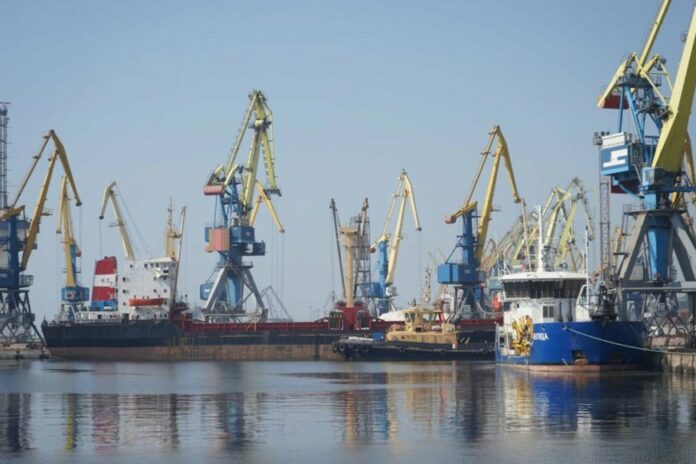
Despite the fact that Ukrainian experts claim that the Russians cannot and will not restore the port of Mariupol, the Kremlin is actively investing in increasing the capacity of the occupied terminals. For Moscow, Mariupol is a logistical find that must be urgently reconstructed: not for humanitarian, but for a completely predatory purpose.

USM received at its disposal the tenders that the invaders held to expand the port of Mariupol, and spoke with the head of the Center for the Study of the Occupation, Pyotr Andryushchenko, to find out which Russian companies are connected to this criminal activity.
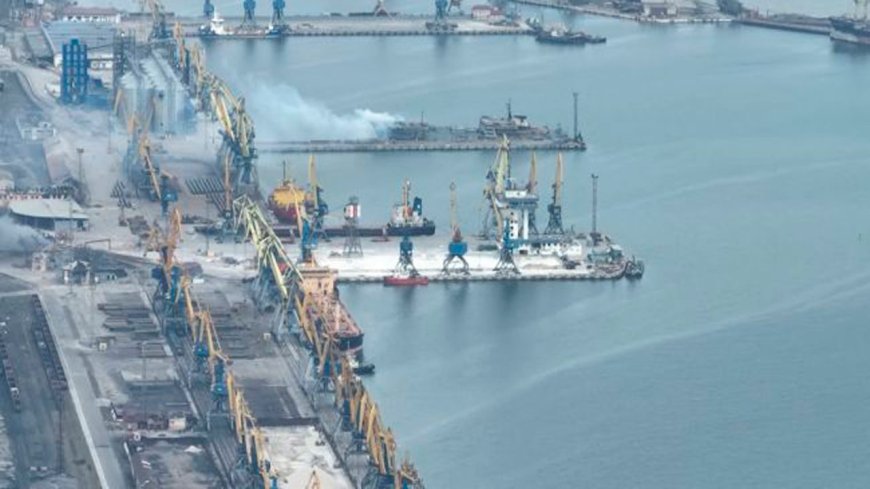
Since 2024, the Russian Federation has illegally exported more than 120 thousand tons of Ukrainian coking coal. According to the Foreign Intelligence Service, all this is from the occupied Donbas, through the terminals of Mariupol. It should be noted that the Mariupol port is the deepest among those that the Kremlin has occupied since 2022 and, in fact, the deepest port in its region.

Before the start of the full-scale war, the passport depth of the approach channel was 9.15 m, and in the water area – up to 9.75 m. This allowed it to accept vessels with a draft of up to 8 m and a length of up to 240 m, and not only “river-sea” vessels.

Other occupied ports of mainland Ukraine have depths limited for full-fledged sea freight. For example, Berdyansk is capable of accepting vessels with a draft of up to 7.9 m, but has other maneuverability restrictions.

The “Alpha Hermes”, “Victoria V”, “Alfa-1” and other vessels delivered coal to ports in Russia, Turkey, and Algeria. Some of the voyages were disguised — for example, the Sv. Nikolay vessel turned off its transponder and made a “transit stop” at the port of Temryuk, where the Russians reissued cargo documents, supposedly indicating a different port of loading.

The sender was identified as Green Rabbit Limited, a company registered in Hong Kong but associated with Russian citizens.

Currently, up to 60,000 tons of coal are exported from the port every month, and at least five ships are loaded every two weeks. Kaolin is also accumulating at the berths — although it is temporarily not being exported, analysts suggest that this is just a logistical pause.

Meanwhile, the Russian Federation is modernizing the port to bring its capacity to 12 million tons per year. The reconstruction of terminals and the repair of infrastructure are not for people or for the development of the region, but for a new wave of plunder of Ukrainian resources.

“The Russians are creating an international hub,” commented Petro Andryushchenko, head of the Center for the Study of Occupation. “The ports (ed.: in the temporarily occupied territories) are already working mostly for export. And what comes out, especially from the port of Mariupol, goes directly on without being reloaded in other ports. This is shadow export.”

While the Russian media and officials of the “People’s Republic Donetsk” are complaining about the state of the port, in fact its infrastructure is being actively restored — in a semi-public tender mode. Documents obtained by the USM editorial office show that the occupiers are investing hundreds of millions of rubles in port reconstruction, mainly through fictitious and controlled companies.
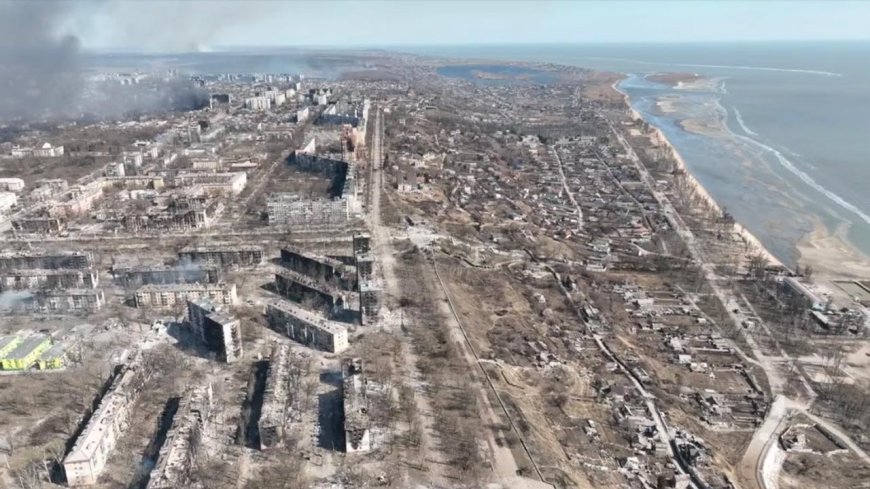
The tenders studied clearly signal: the Russians are not just “patching holes” — they are building infrastructure for the logistics of mass export of raw materials. Already in 2023, the occupation administration of Mariupol signed dozens of contracts for the reconstruction of port facilities.

Most of the companies that received contracts for the port reconstruction are little-known structures registered in occupied Crimea or in southern Russia. They often have common beneficiaries, and in some cases, the same contact details.

The Russians do not simply control the occupied territories – they systematically integrate them into their military-economic system. And the Mariupol port in this scheme performs a critical function. It is not being modernized for the sake of restoration or humanitarian cargo. It is being rebuilt to export the looted goods. All these are resources that belong to Ukraine, but through this port they can end up on the world market under the guise of Russian products.

Ukraine’s Western partners recognized the export of grain from the occupied territories as looting back in 2022. But after that – silence. None of the companies participating in the reconstruction of the Mariupol port were sanctioned. Not a single logistics route was blocked.

Instead, we see the creation of a full-fledged export vertical: from the captured field to the modernized elevator and unloading onto a ship. And all participants in this vertical remain unpunished.

On the geopolitical map of Russia, the Mariupol port occupies a much more important place than just a transit hub. It is a symbol and tool of annexation. And the Kremlin needs it not for civilian life in the captured territory, but to consolidate economic control over Donbas and the Azov coast.

In turn, Petro Andryuschenko is convinced that at the expense of Ukrainian resources, the invaders are trying to minimize losses in the Russian economy. In fact, the Russians will export everything they can.

“This is a completely commercial story that allows them to slightly level the negative economic consequences as much as possible. Now the enemy is exporting only raw materials – this is coal, this is ore, this is coal. And this is a crisis story on the territory of Russia. That is, there is almost zero sub-value here. And this allows them to balance somehow,” Andryuschenko emphasized.

Why does Russia need a port in a destroyed city?

After Russian troops destroyed more than 90% of the city’s infrastructure, there are no real prerequisites for restoring Mariupol as a civilian center. But there is a port. And if the city has four times fewer people than before the war, this does not prevent the port from working at full capacity.

According to the Russian Federation, the ports of the Azov coast – Mariupol and Berdyansk – are to become new export gates for the occupied regions of Donbas, Zaporizhia, and Luhansk. The plans include:

  • • launching a ferry connection with Kuban;
  • • developing railway branches to Temryuk and Taganrog;
  • • creating a single logistics hub via the Kerch Bridge, including the ports of Crimea.

This is a de facto economic annexation that should consolidate the military. Mariupol plays the role of a transshipment point not only for raw materials, but also for propaganda: they say, “integration is successful, life is returning, business is working.”

However, if in 2022–2023 the Kremlin still tried to hide the scale of the export of Ukrainian resources, now it is no longer so. On the contrary: the ideology of the “Azov province” is based on a simple principle – to give what has been seized to Russian capital. Coal, grain, metals, kaolin – all this is considered a military contribution, at the expense of which Russia is waging war.

And while the fight for kilometers continues at the front, in the rear the occupiers are already counting tons. They are exported by wagons, loaded onto ships, and fictitious certificates are issued. And the port, which is formally “not working,” works like clockwork.

Despite this obvious picture, at the international level the situation with Mariupol remains little noticed. Only sporadically are cases of illegal export of grain or metal mentioned. But no one systematically talks about the creation of a military-logistical hub of the invaders on the basis of a Ukrainian port. This is a political, diplomatic and sanctions gap that must be closed.

However, as the head of the Center for the Study of Occupation emphasizes, the situation with international monitoring and sanctions is much more complicated.

“We should have our own question: have we imposed at least some sanctions on the one who is exporting? It is known who is taking it and where. It is clear that there are no Ukrainian sanctions, what (ed.: international) sanctions do we still want,” the expert emphasizes. “We need to monitor which ports and how it is done, how documents are passed, what schemes are used. No one is doing anything about it. And we are not doing anything about it either.”

Andryushchenko is sure that demanding monitoring and the implementation of sanctions from the international community, first of all, we must start acting ourselves. Because “if we didn’t start with ourselves, what can we demand from our partners?”

Today, the Mariupol port is not just another facility in a temporarily occupied territory. It is legal and material evidence of a systemic crime. Proof that Russia is waging not only a hot war, but also a quiet economic occupation: with its plans, its contractors, its trains, its “extraction”.

Finally, it is worth recognizing: while Russia occupies Ukrainian cities, no “economic development” there is development. This is plunder accompanied by propaganda, and the Mariupol port is one of the most striking examples.

Source: USM, Daniil Popov

Fincantieri delivers “Viking Vesta” in Ancona

0

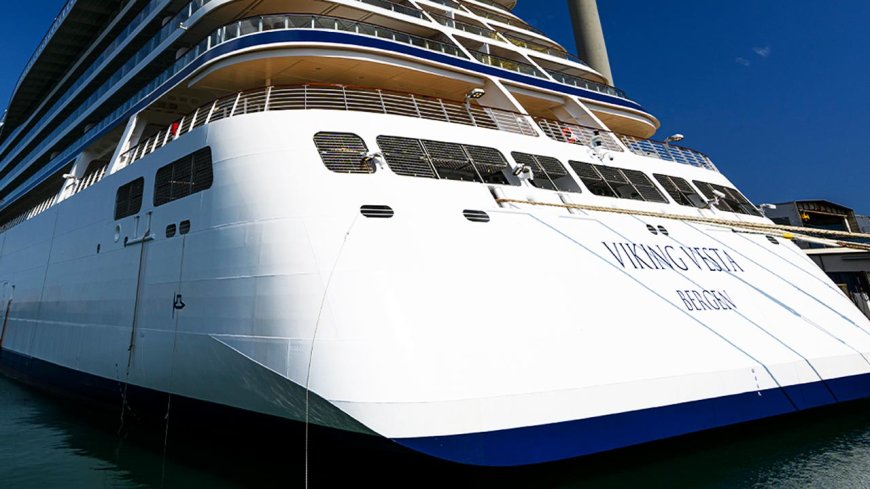
The ceremony was attended by Torstein Hagen, Chairman and CEO of Viking and by Luigi Matarazzo, General Manager of the Fincantieri Merchant Ships Division.

The unit is placed in the small cruise ship segment. With a gross tonnage of about 54,300 tons, “Viking Vesta” is equipped with 499 cabins, and is able to accommodate 998 passengers on board. The unit is the 14th ship delivered by Fincantieri to Viking, including the two expedition cruise vessels built by the Norwegian subsidiary Vard.

Considering the ships ordered to date, and the contracts and options agreements signed in the last months, whose finalization is subject to access to financing as per industry practice, the strong and long-lasting relationship between Fincantieri and Viking encompasses 28 ships.

Fincantieri and Viking, also, recently announced the first cruise ship in the world to be powered by hydrogen stored onboard for both propulsion and onboard electricity generation, the “Viking Libra”, with delivery scheduled for late 2026. This ship is also currently under construction at the yard in Ancona and will be capable of navigating and operating with zero emissions, allowing it to access even the most environmentally sensitive areas. Her sister ship, the “Viking Astrea” – under construction at the same yard and set for delivery in 2027 – will feature the same innovative hydrogen-based technology.

The Viking ships are all built according to the latest navigation and safety regulations. They are equipped with high-efficiency engines and systems that minimize exhaust gas pollution, meeting the strictest environmental standards.

Equinor and its partners have drilled dry well on the «Lit» prospect

0

Wildcat well 25/11-30 S was drilled in production licence 169 (link to FactPages), which was awarded in the 13th licensing round  on the Norwegian continental shelf (NCS) in 1991. This is the 16th exploration well  drilled in this production licence.

The well was drilled by the Deepsea Atlantic rig, which is now drilling wildcat well 34/6-8 S in production licence 554, where Equinor is the operator.

The well’s objective was to prove petroleum in Odin sandstone belonging to the Balder Formation in Palaeocene to Early Eocene.  

The well did not encounter sandstone in the Balder Formation as planned. However, the well did encounter the Frigg Formation   from the Early Eocene. The sandstone in the Frigg Formation was about three metres thick and had very good reservoir quality. There were no traces of hydrocarbons, and the well is classified as dry. 

Well 25/11-30 S was drilled to a vertical depth of about 1808 metres below sea level and was terminated in the Lista Formation in the Late Palaeocene. The total measured depth for the wellbore was 2606 metres (MD).

Water depth at the site is 122 metres. The well has been permanently plugged and abandoned.

Consortium awarded 25 MSEK grant to build a tidal energy power plant

0

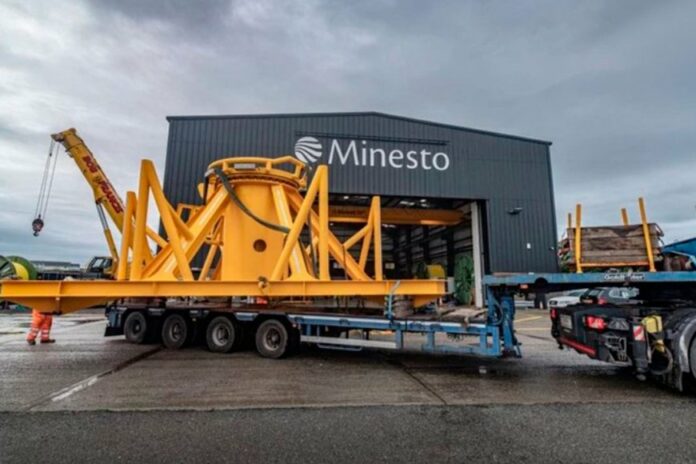
Minesto collaborates with microgrid technology provider Capture Energy, Faroese utility company Sev and IVL Swedish Environmental Research Institute to demonstrate a unique tidal-based microgrid solution that provides baseload power.

The project is built on a partnership with technology leader in microgrid management Capture Energy. By integrating Minesto’s tidal power plants with Capture Energy’s microgrid capability, a significant global market for autonomous power plants and island-mode grid can be accessed. Minesto’s existing customer Sev will play a key role in the project as an advanced user of microgrids and on feasibility work related to local commercial installations to come. IVL Swedish Environmental Research Institute, will provide expert analysis on the environmental footprint of the solution.

The total consortium project budget over two years is 56 MSEK, whereof 25 MSEK is grant funding from Swedish Energy Agency.

The project will deliver a complete product offer for a microgrid installation with integrated battery storage to offer a stand-alone base-load power plant to an island mode user. The microgrid offer addresses the global market for clean, reliable, and affordable renewable energy  for remote and off-grid customers that are currently dependent on fossil fuels or have a shortage of electricity supply.

A complete microgrid installation:

  • The microgrid system will be built, commissioned and operated at Minesto’s current production site in Vestmanna based-on existing infrastructure and environmental permits.
  • The Minesto tidal power plant used in the project will be an upgraded and customized Dragon-class tidal power plant.
  • Non-grid connected islands in the Faroes are the first targets for commercial deployment, the project includes installation preparations such as site assessment and environmental risk assessments.

The project starts in August and will deliver a complete microgrid in 2026.

“The global multibillion-Euro microgrid business is a vital parallel track to build-out of larger Dragon Farms (multimegawatt arrays) based on the same Dragon-class systems. This new partnership with Capture Energy makes it possible for us together to offer turn-key microgrid tidal power generation to local customers in need of renewable base-load energy,” said Dr Martin Edlund, CEO of Minesto.

The total addressable microgrid market for tidal powerplants is estimated at 300 billion EUR. The market spans across small kW installations to multimegawatt installations. Minesto will be able to offer its tidal energy kites for large arrays also into this area without modifications, thus contributing to volumes and step-in business opportunities.

“The microgrid business has significant strategic value for Minesto. It is in itself a substantial global market and it also offers market entry projects with new commercial partners to create confidence in our unique technology and to speed up collection of local data for environmental permitting and certification,” said Dr Martin Edlund, CEO of Minesto.

The Faroe Islands, like many remote island communities, face unique challenges in energy production and consumption. The islands are dependent on imported fossil fuels, making them vulnerable to price fluctuations and supply disruptions. At the same time, the islands possess vast untapped marine energy resources, especially tidal energy, that could offer a sustainable and locally sourced solution to meet growing energy demands.

Elomatic to equip Carnival’s Excel Class vessels with Elogrid tech

0

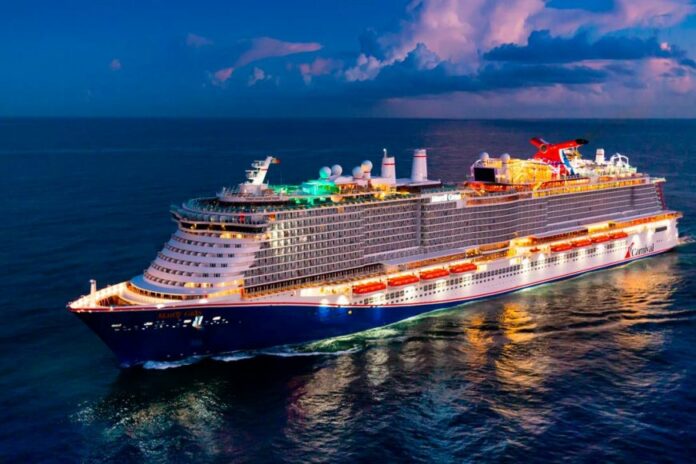
Elomatic has announced the signing of a major delivery contract with Carnival Corporation & plc, the world’s largest cruise company, for the installation of its innovative Elogrid™ tunnel thruster technology on Carnival Corporation’s entire XL-Class fleet, including nine retrofit vessels and two newbuilds.

The installation program will begin in Autumn 2025 and continue through to 2028, aligned with scheduled dry dockings.

Jukka Suvanto, Senior Sales Manager at Elomatic, said:

“The deployment of Elogrid technology on these high-capacity cruise vessels represents a significant milestone, not only for Elomatic, but also for the maritime industry’s transition to more sustainable operations. We’re proud to support Carnival Corporation’s environmental objectives with a solution that brings measurable energy savings. This achievement reflects Elomatic’s extensive expertise in the marine industry and our ability to combine flow and structural analysis with advanced product modelling to create solutions that improve efficiency.”

Bo-Erik Blomqvist, SVP, Corporate Shipbuilding with Carnival Corporation, commented:

“Elomatic and Carnival Corporation share a strong commitment to reducing our environmental footprint, making this collaboration a natural alignment of values. As we continue on our sustainability journey, partnering with companies such as Elomatic further enables us to leverage engineering innovations in our fleet and operations to deliver on our sustainability roadmap.” 

Fugro awarded four multi-year contracts by Petrobras

0

The contracts, once signed, will commence in the fourth quarter of 2025 and span four years with potential one-year extensions, underscoring Fugro’s commitment to providing essential services for the offshore energy sector.

Each of the four day-rate contracts is assigned to a dedicated vessel — two operated by Fugro and two by partner companies— all of which will be equipped with Fugro’s state-of-the-art remotely operated vehicles (ROVs) for comprehensive and precise inspection and monitoring of subsea assets.

The combined value of the contracts over the next four years is approximately USD 340 million. Three out of the four, including the one awarded to Fugro Aquarius, are set to replace existing contracts expiring later this year, under improved terms and conditions. The fourth contract is new.

Notably, these contracts will see an expansion of Fugro’s pioneering remote operations capabilities, including the remote piloting of ROVs. This innovative technique was first deployed successfully in Brazil from the Fugro Aquarius in 2023, in collaboration with Petrobras. The approach relocates people from the field to the office environment, enhancing efficiency, and enabling real-time data analysis for faster decision-making.

Céline Gerson, Fugro’s Group Director in the Americas and President of Fugro USA, stated, “These new contracts from Petrobras demonstrate the deep value of our long-standing partnership in Brazil’s offshore energy sector. Being selected for this crucial work, which will extend through the decade, fuels our continued drive for innovation and unwavering commitment to excellence as we work collaboratively to ensure a responsible and resilient energy future in the region.”

This project was largely included in the 12-month backlog as per March 2025 (Fugro’s latest published results).

More oil and gas to Europe from the Fram and Troll area

0

“Fram Sør will contribute to security of energy supply from the Norwegian continental shelf (NCS) to Europe. The development will put new oil and gas resources on stream by connecting new infrastructure to existing facilities that provide good and robust profitability.

With the host platform Troll C being powered from shore, the production from Fram Sør will have very low emissions. The project will generate activity for the Norwegian supply industry, with an estimated employment effect of 4,500 full-time equivalents (FTEs) during the development period,” says Geir Tungesvik, Equinor’s executive vice president, Projects, Drilling & Procurement.

The Fram Sør project is a combined development of several discoveries that will export oil and gas via Troll C. Recoverable volumes are estimated at 116 million barrels of oil equivalent, 75 percent of which is oil and 25 percent is gas. Production is scheduled to start at the end of 2029.

The CO2 intensity for the Fram Sør development is estimated at about 0.5 kg of CO2 per barrel of oil equivalent. The average for the NCS is 8 kg. The industry average is about 16 kg per barrel of oil equivalent (IOGP 2023).

“We have done a thorough job maturing the new resources discovered in the Fram and Troll area in recent years. Fram Sør shows the importance of area solutions and close collaboration between partners and authorities in order to realise the resource values on a mature NCS. We have a large portfolio of projects that will phase in discoveries to our producing fields. Equinor expects to put more than 50 such projects on stream by 2035,” says Kjetil Hove, Equinor’s executive vice president for Exploration & Production Norway.

In the autumn of 2019, Equinor and partners made a discovery of oil and gas in the Fram area of the North Sea. This discovery, called Echino South, supported the belief that more oil could be found, and contributed to nine discoveries made in the Troll-Fram area over a four-year period. In the spring of 2021, Equinor and partners made the Blasto discovery. Together with two smaller discoveries in previous years, Echino South and Blasto form the basis for Fram Sør.

The field development is also technologically groundbreaking. As the first on the NCS, Fram Sør will use all-electric Christmas trees that eliminate the need for hydraulic fluid supplied from the platform and improve monitoring capabilities of the subsea equipment. It is an efficient and reliable system for operating subsea Christmas trees, as well as reducing the risk of environmental impact.

The Fram Sør investments will contribute to the Norwegian supply industry both in the development and operation phases. A ripple effect study conducted by Kunnskapsparken in Bodø indicates an employment effect of 4,500 full-time equivalents in Norway through the development period. Most of the suppliers have a Norwegian invoice address, but some of the construction takes place abroad.

In total, the contracts will have a value of about NOK 18 billion.

All contracts will be subject to regulatory approval.

Fram partners: Equinor Energy AS (45%), Vår Energi ASA (40%) and INPEX Idemitsu Norge AS (15%).

Italian Navy orders two new PPA to replace those transferred to Indonesia

0

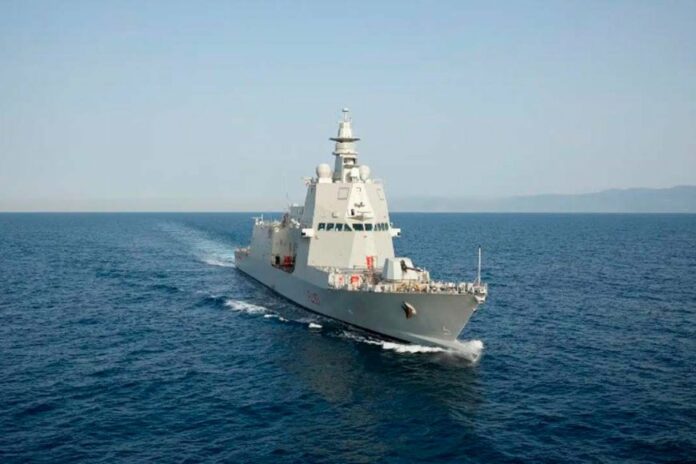
Fincantieri strengthens its strategic role in the Italian Navy’s fleet renewal program with a new contract for the construction of two PPA- Multipurpose Combat Ships, set to replace the vessels previously earmarked for the Indonesian Navy.

The contract extension, originally launched under the most recent “Naval Act,” is managed by OCCAR (Organisation Conjointe de Coopération en matière d’Armement) within the Temporary Business Grouping (RTI) formed by Fincantieri, as lead contractor, and Leonardo, as partner. For Fincantieri, the value of the contract for the two new units is approximately 700 million euros, which includes works already carried out on the previous units now destined for Indonesia.

The two new PPA-Multipurpose Combat Ships will be delivered in the “Light Plus” configuration at Fincantieri’s Integrated Shipyard in Riva Trigoso and Muggiano, with deliveries scheduled for 2029 and 2030, respectively.

Pierroberto Folgiero, CEO and Managing Director of Fincantieri, stated: “This contract confirms the strategic importance of the program, highlighting our Group’s ability to respond swiftly and effectively to the operational needs of the Italian Navy. The new units bolster the national supply chain, ensuring production continuity and employment stability, while also strengthening Italy’s role as a central player in the global defense geopolitical landscape, where shipbuilding is increasingly a key element of influence and international cooperation.”

Technical Features: PPA-Multipurpose Combat Ship:

The PPA-Multipurpose Combat Ship is a highly flexible vessel capable of serving multiple functions, ranging from patrol missions with sea rescue capacity to civil protection operations, and acting as a first-line fighting vessel. 

The production program follows a ‘fitted for’ approach, enabling the integration of additional capabilities over time—starting from a shared platform and evolving toward a fully equipped configuration The combat system is available in different configurations: from a “light” version for patrol tasks integrated with self-defence capabilities, to a “full” version providing complete defence capabilities. 

The vessel is also capable of operating high-speed vessels such as RHIB (Rigid Hull Inflatable Boat) up to 11 meters long through lateral cranes or a hauling ramp located at the far stern.

  • Overall length: 143 meters
  • Speed: more than 31 knots
  • Crew: 171 personnel
  • Equipped with a combined diesel and gas turbine propulsion plant (CODAG) and an electric propulsion system
  • Capacity to supply drinking water and electrical power to land