-4.6 C
New York
Home Blog Page 472

Testing space-based marine plastic detection in an ocean wave facility

0

Research teams from across Europe returned to a Netherlands-based ocean wave test facility to try and detect floating plastic. Using a suite of microwave and optical instruments, the researchers are assessing if orbital monitoring of plastic might be practical in the future.

ESA antenna engineer Peter de Maagt, overseeing the campaign, explains:

“What we can say is that some of our instruments do detect increases in signal levels when marine plastic waste is present compared to when it isn’t.”

“This result represents a proof of concept that this approach is definitely worth further investigating. This is much more than I hoped for when we first began testing last year, but we’ve gone through a steep learning curve during our work here.

“At the same time we can’t say for sure if we are detecting the plastic directly, or the signals are due to some related factor, such as indentations in the water surface caused by the floating plastic, or small ripples. What needs to come next is follow-up testing in the actual marine environment, using aircraft or drones, and if that goes well then eventually an experimental space mission.”

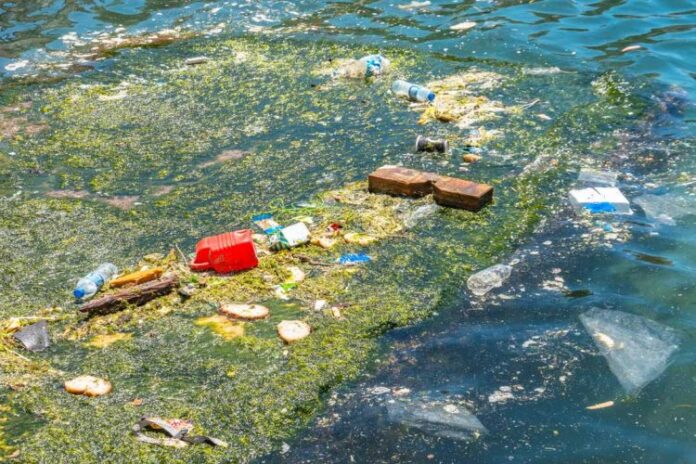
The best estimate is that an average 10 million tons of plastic enter the ocean annually—equivalent to a fresh truckload of plastic dumped every minute—but researchers only know what happens to about 1% of it. Satellite monitoring might in future help track its extent, and see where it goes, if such a technique can be proven to work in practice.

The test campaign took place at the Deltares research institute in Delft in the Netherlands, inside its mammoth Atlantic Basin Facility. This one of a kind facility—75 m long 9 m wide, half the size of an Olympic swimming pool—employs wave generators to recreate realistic deep ocean waves.

Deltares flow expert Anton de Fockert explains:

“We use the Atlantic Basin Facility to simulate the deep ocean environment as realistically as we can for these experiments. Normally we use this test facility to tackle the kind of hydraulic problems that cannot be solved using computer models. This includes, for example, testing bed protection for offshore wind farms and tidal energy converters as well as hydraulic structures.

“From my perspective this current test campaign is unique, because it involves so many different groups with varied expertise, from ocean waves to microwaves, optics to plastic waste—as well as space. It’s a follow-on from the previous test campaign we ran last year, except this time we’re using smaller amounts of plastics, to try and quantify detection thresholds and trying out some new monitoring approaches.”

Major Blyth projects break ground in boost to UK offshore wind

0

The Offshore Renewable Energy (ORE) Catapult has simultaneously broken ground at its National Renewable Energy Centre in Blyth on a multimillion-pound offshore wind robotics centre and a state-of-the-art additive manufacturing cell that will be used to research next-generation wind turbine blades.

The £3m offshore wind robotics centre, funded by UK Government’s Getting Building Fund with the civil work being undertaken by Durham-based Halls Construction, is set to be the first of its kind in the UK dedicated to offshore wind, enabling robotic technology developers to access representative, onshore and offshore test and demonstration environments. It will also form key R&D infrastructure behind the drive to increase robotic intervention in the safety, cost reduction and efficiency of offshore wind farm operations, a market potentially worth £1.3bn by 2030.

The North East Local Enterprise Partnership is managing £47m awarded through the Getting Building Fund to support capital investment across the North East. The Fund was established early in the coronavirus pandemic to kick-start the economy, create jobs and help areas facing the biggest economic challenges as a result of the coronavirus pandemic.

The additive manufacturing cell will consist of a 3D printer and 6-axis robot with a 165Kg payload. The new capability will support ORE Catapult research into new offshore wind turbine blade technology, materials and manufacturing techniques, including rapid production of prototype blade enhancements such as vortex generators and edge erosion protection systems. The new capability will build on the Catapult’s collaborative work with industry and academia to boost the UK’s position in next-generation turbine blade research and development.

ORE Catapult’s Test Facilities Director, Tony Quinn, said:

“These investments underline the Catapult’s commitment to supporting the UK’s rapidly growing offshore wind sector from Blyth, remaining at the forefront of technology development and research. This is crucial as projects to deploy the largest offshore wind turbines in the world gather pace, and so accelerating UK-led technology and research to market becomes a priority – and that’s a role Catapult will continue to play with its latest research and development assets.”

Andrew Moffat CBE, Chair of the North East LEP Investment Board, added:

“Continuing our investment in key strategic sites like the Offshore Renewable Energy (ORE) Catapult will help attract significant private sector investment in the North East as organisations look to develop new innovative technologies that help advance the offshore wind sector. The construction of the new offshore wind robotics centre at ORE Catapult will add to the world-leading infrastructure in our region and encourage more businesses to invest and locate in the North East. The Getting Building Fund has had a significant impact in the North East LEP area, ensuring regionally and nationally significant projects can be delivered; providing a boost to the region’s economy and creating more and better jobs.”

Rotterdam and BigMile make transport emissions transparent with digital platform

0

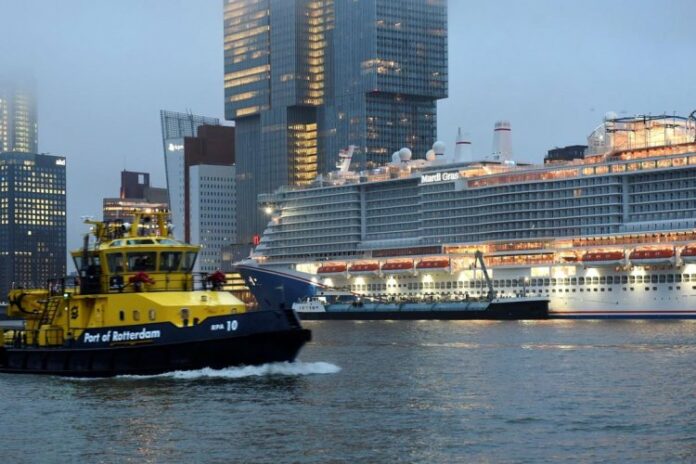
Data, including from AIS, a system that registers all vessel movements, is combined with a TNO calculation model, enabling a precise calculation of transport sector emissions.

The platform also provides insight into emissions at a business location, for example, and should also provide companies with more details on carbon and other emission levels in their total transport chain. The emission platform is helping the Port Authority and business community make choices en route to a carbon-neutral port.

So far, this concerns a pilot project to calculate seagoing and inland vessel movements in Rotterdam. Road and rail transport will be added at a later stage. The goal for the coming six months is to include emissions from supply chains en route to and leaving the port of Rotterdam in order to clarify transport emissions from door to door. The digital platform and knowledge gained are scheduled to be shared with shipping companies and terminals in the second half of 2022.

The platform is already proving useful in providing insight into such things as vessel emission levels when berthed at the quay; information that is useful in developing shore power projects. When berthed at the quay, vessels then switch off their generators and connect to shore power. The BigMile platform can clarify how much air pollution shore power connections prevent.

Nico van Dooren, who is responsible for the Port of Rotterdam Authority’s energy transition programme, stated:

‘With millions of transport movements, we are the largest port in Europe. This means that our activities can have a huge impact on making logistics more sustainable.’

The Port Authority is working on a series of related projects to make industry and logistics more sustainable, from determining optimal connections via the most sustainable modality to the production of alternative fuels in Rotterdam and promoting fast and efficient port call handling.

With BigMile, the Port of Rotterdam Authority is taking a step towards using sound data to manage this reduction strategy. BigMile has developed a calculation and analysis platform to help shippers and logistics service providers optimise and report on the multi-modal transport-related carbon emissions of their transport. The SaaS platform, which already has over 200 users, enables shippers and logistics service providers to comply with the imminent carbon reporting requirements and impending carbon taxes.

QatarEnergy and partners announce oil discovery offshore Namibia

0

The consortium partners comprising QatarEnergy (45% interest), Shell (operator, 45% interest) and National Petroleum Corporation of Namibia “NAMCOR” (10% interest), have successfully concluded drilling operations of the Graff-1 well establishing the presence of a working petroleum system with light oil. 

The partners will conduct analysis on the well data and further exploration activity to determine the full size and recoverable resource potential.

Commenting on this achievement, His Excellency Mr. Saad Sherida Al-Kaabi, the Minister of State for Energy Affairs, the President and CEO of QatarEnergy, said:

“We are encouraged by the Graff-1 well results, which enhance the potential of our exploration acreage in Namibia’s offshore. I would like to take this opportunity to thank and congratulate our partners Shell and NAMCOR, and my colleagues in QatarEnergy for their great efforts that led to this discovery, in a safe and efficient manner. We look forward to continuing our collaboration with the government of Namibia on the next steps, following this discovery.”

The Graff-1 well was drilled to a total depth of 5,376 meters in water depths of approximately 2,000 meters in the PEL-39 license area, which covers a total area of 12,299 km2. 

QatarEnergy has interests in 3 areas (PEL39, 2912, & 2913B) in offshore Namibia covering a total area of 28,327 km2.

NOV to supply Eneti’s second next-generation wind turbine installation jack-up vessel

0

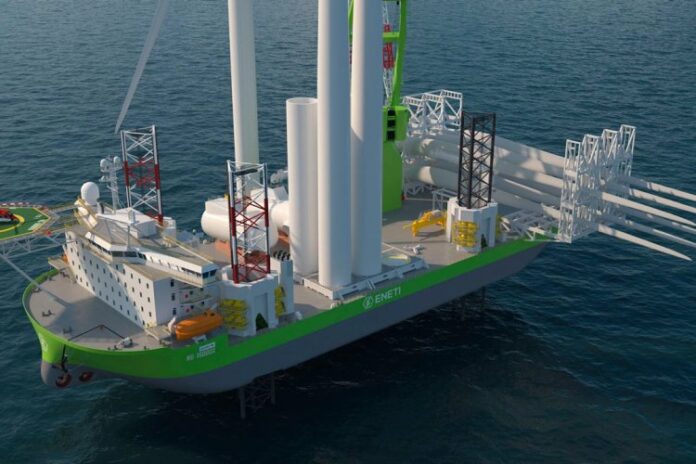
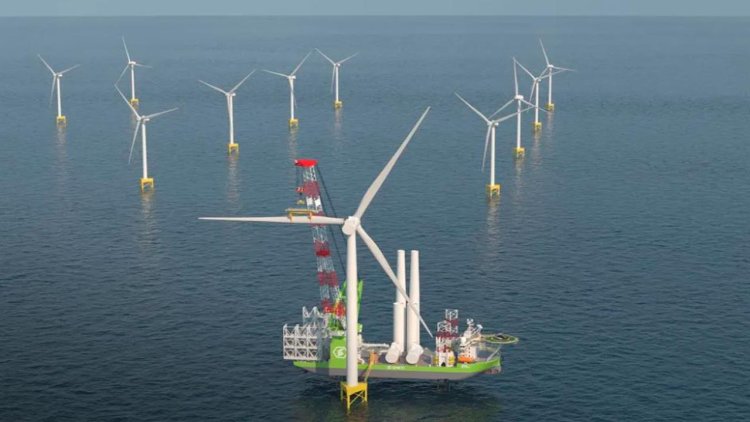
NOV has been awarded contracts for the equipment and design of a GustoMSC™ NG-16000X wind turbine installation jack-up vessel for Eneti, a company focused on offshore wind and marine-based renewable energy. This will be Eneti’s second next-generation jack-up vessel, and the contracts include an option for an additional jack-up vessel.

NOV will provide the design and jacking system for the vessel, which will be built at the Daewoo Shipbuilding and Marine Engineering Co., Ltd. shipyard in South Korea. Delivery is scheduled for Q2 2025.

Presently worldwide, three NG-16000X designs are under construction and all are optimized, self-propelled wind turbine installation jack-up vessels that feature increased carrying and lifting capacity, as well as greater lifting height above the deck. Both of Eneti’s wind turbine installation vessels are of the same series and are ready to carry multiple 20MW turbine sets. The vessels have been designed with the option to adapt in the future, allowing them to operate on alternate fuels.

The NG-16000X design includes the GustoMSC rack and pinion jacking system with a variable speed drive, uniquely integrated to offer high performance, reliability, and safety for more than hundreds of jacking moves throughout the lifespan of the vessel. The jacking system features a regenerative power option where the generated power is fed back into the vessel system. The design further incorporates a 2,600-ton leg encircling crane, ready to install monopile foundations and wind turbines. The vessel can install turbines at depths of up to 65 meters of water.

Commercial Director of GustoMSC Jan-Mark Meeuwisse said:

“We worked closely with Eneti to have their first NG-16000X ready for construction, and now the second is ordered according to plan. Eneti also acquired the shares of Seajacks, expanding their fleet with five existing GustoMSC-designed jack-ups. This, combined with the two NG-16000X new builds, shows Eneti’s commitment to this offshore wind installation market.”

The shortage of wind turbine installation jack-ups capable of installing heavier and higher turbines in deeper waters is foreseen. The GustoMSC team prepared for this change. This includes actively seeking ways to further reduce greenhouse gas emissions, contributing to the reduction of the industry carbon footprint. The alternate fuel and regenerative power options, combined with our century-and-a-half of experience in the offshore maritime sectors and our pioneering spirit, make us a leading partner for our clients.”

Completion of concept study of floating storage and regasification unit for ammonia

0

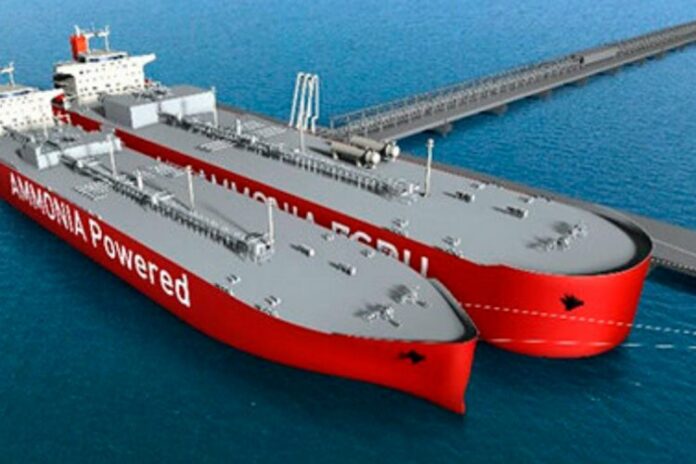
Mitsui O.S.K. Lines has announced the completion of a concept study on a floating storage and regasification unit (FSRU) for ammonia fuel, in collaboration with Mitsubishi Shipbuilding Co. of the Mitsubishi Heavy Industries Group.

In addition, MOL, Mitsubishi Shipbuilding, and Kansai Electric Power Co. have signed a Memorandum of Understanding (MoU) to jointly conduct a study to introduce the ammonia FSRU as a major step in adopting ammonia as a decarbonized energy.

Currently, the maritime transport volume of ammonia is limited as it is mainly used as a raw material for fertilizer. However, it is drawing global attention as a next-generation clean energy source that emits no carbon dioxide (CO2) during combustion. Strategic moves to adopt ammonia as an alternative fuel are underway around the world.

Conventionally, FSRUs are used as floating facilities that receive LNG offshore for storage, regasify it onboard, and send it to shore. It offers the advantages of shorter construction time and lower costs in comparison to construction of onshore storage tanks and regasification plants. FSRUs are expected to speed up the adoption of ammonia fuel and contribute to its wider use as a lower-environmental-impact next-generation fuel.

In this concept study, the team examined specifications of several cases with different conditions such as tank size and regasification method to meet a broad range of needs. In addition, the team developed a design concept of a lower environmental impact FSRU that would be powered by electricity generated with ammonia fuel.

Eni’s first offshore exploration well in Abu Dhabi shows positive results

0

Eni is recording positive results from its first exploration well, XF-002, currently under drilling in offshore Block 2 Abu Dhabi (UAE) in 115 ft of water depth.

The well interim results indicate a range of 1.5-2 trillion cubic feet (TCF) of raw gas in place in multiple good quality reservoirs of the Jurassic exploration targets. The drilling operations will continue to reach the deeper exploration targets of the Khuff and Pre-Khuff Formations. After completing the well drilling in Q2 2022, the size of the well final findings will be assessed.

Eni has a 70% stake and is Operator of the Offshore Block 2, which was awarded to Eni in January 2019 as a result of the first-ever competitive bid round for exploration blocks launched by ADNOC. PTTEP holds the remaining 30%.

Eni has been present in Abu Dhabi since 2018. The company is the operator of 3 exploration licenses and has a participation with ADNOC in 3 offshore development and production concessions, Lower Zakum (5%), Umm Shaif and Nasr (10%) and Ghasha (25%).

Large-scale transformation of Fort Sint-Filips along the Scheldt completed

0

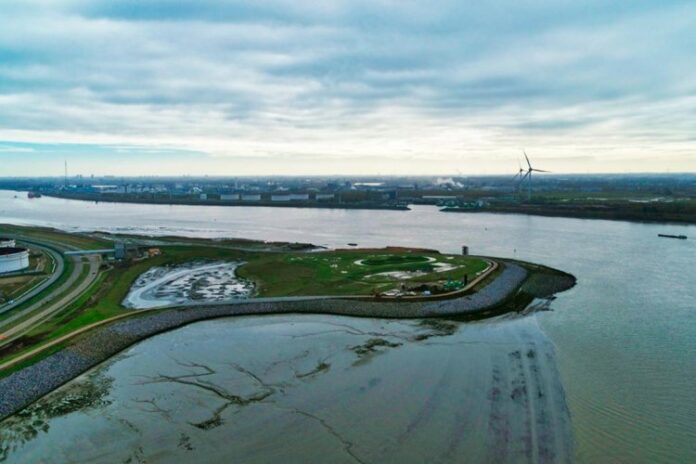
The redevelopment of the site around Fort Sint-Filips on the right bank of the Scheldt has been completed after two years. 

After dealing with the pollution on the site, a dike and a new, higher water barrier were built to protect the city and the business parks at the port against high water levels from the Scheldt, in an initiative from De Vlaamse Waterweg NV and Port of Antwerp. A pipeline strip was also provided. The transformation of the site is part of the Sigma Plan, which aims to restore riverine nature in addition to flood protection. This is provided by the new dam in the Scheldt downstream of the fort, which encourages the development of tidal nature.

The transformation of the site of the 19th-century Fort Sint-Filips on the right bank of the Scheldt has been completed. The works lasted over 2 years and were carried out by Jan De Nul, Envisan, DEME Environmental and partners as the contractor. They are part of the Flemish government’s Sigma Plan to protect Antwerp and the port area around the fort from flooding from the Scheldt and to restore rare riverine nature. This was why a dike and a flood wall were constructed around the site, suitable for coping with the future effects of climate change. To carry out these works, the historically contaminated site was sanitised.

A low stone dam was constructed in the Scheldt itself, just beyond the fort. This tidal dam is perpendicular to the direction of flow and locally slows the flow of water. This means that mudflats and salt marshes, which are created by the play of ebb and flow and are important for biodiversity in and around the Scheldt, are less likely to be washed away. That could create a 20-hectare zone of valuable tidal nature. 

For the construction of the dam, dredged material previously deposited on the site was reused, so no new soil had to be brought in. The project received European support for this through the Smartsediment initiative. This supports the North Sea estuaries in large-scale maintenance works to create a sustainable estuary. 

Lydia Peeters, Flemish Minister of Mobility and Public Works:

“The works at Fort Sint-Filips are just one part of the large-scale dyke works that we are carrying out in different areas of the port along the Scheldelaan as part of the Sigma Plan. Given the scale of this transformation, this is one of the largest ever in Flanders.”

Annick De Ridder, Vice-Mayor city of Antwerp & President Port of Antwerp:

“Thanks to this transformation, Fort Sint-Filips is once again in top condition to protect Antwerp and the port. Thanks to the dike and the flood wall, the business parks at the port are now better armed against potential high water levels from the Scheldt. Moreover, we are also creating a valuable nature reserve this way, which will contribute to the oxygen content of our lifeline, the Scheldt.”

Jacques Vandermeiren, CEO at Port of Antwerp:

“In our mission ‘Home port as a lever for a sustainable future’, climate resilience is essential. This project demonstrates how we can combine this ambition with care for the environment and nature. No efforts were spared to transform a historic black spot in terms of soil contamination into an area with a valuable nature reserve. In addition, there will be space for future transmission lines and sustainable development of the port.”

Scientists uncover ‘missing’ plastics deep in the ocean

0

Originating from various types of plastics, these tiny fragments (less than 5 millimeters in length) pollute natural ecosystems. Hundreds of studies have surveyed plastic debris on the surface or near surface of the ocean. However, these studies only “scratch the surface,” and do not provide a complete inventory of what’s lurking beneath.  

A study led by Florida Atlantic University is the first to unveil the prevalence of plastics in the entire water column of an offshore plastic accumulation zone in the southern Atlantic Ocean and implicates the ocean interior as a crucial pool of ‘missing’ plastics. 

Results, published in the journal Global Change Biology , demonstrate that small microplastics are critical, underexplored and integral to the oceanic plastic inventory. In addition, findings show that weak ocean current systems contribute to the formation of small microplastics hotspots at depth, suggesting a higher encounter rate for subsurface particle feeders like zooplankton.

Tracy Mincer, Ph.D., senior author and an assistant professor of biology at FAU Harbor Branch Oceanographic Institute and FAU Harriet L. Wilkes Honors College, said:

“Our study highlights the urgency for more quantification of the deep-ocean microplastics, especially the smaller size fraction, to better understand ecosystem exposure and to predict the fate and impacts of these microplastics.”  

To gain a better mechanistic understanding of how plastics sink from the ocean surface beyond the mixed layer and ultimately to abyssal depths of the ocean, the researchers sampled plastic particles in the South Atlantic Subtropical Gyre using in-situ high-volume filtration, Manta net and MultiNet sampling, combined with micro-Fourier-transform-infrared imaging.

They found that abundances and distribution patterns of small microplastics varied geographically and vertially due to the diverse and complex redistribution processes interacting with different plastic particles. They also observed large horizontal and vertical variations in the abundances of small microplastics, displaying inverse vertical trends in some cases. Small microplastics abundances in pump samples were more than two orders of magnitude higher than large microplastics concurrently collected in MultiNet samples.

Shiye Zhao, Ph.D., first author and a post-doctoral fellow at FAU Harbor Branch, said:

“Small microplastics are different from large microplastics with respect to their high abundance, chemical nature, transport behavior, weathering stages, interactions with ambient environments, bioavailability and the release efficiency of plastic additives. These distinct characteristics impact their environmental fate and potential impacts on marine ecosystems.” 

Higher density polymers such as alkyd resins, used in most commercial oil-based coatings such as ship hull paints and polyamide, commonly used in textiles like clothing and ropes and fishing nets, made up more than 65 percent of the total pump sample count in the study. This finding highlights a discrepancy between polymer compositions from previous ocean surface-based surveys, which are typically dominated by buoyant polymers such as polyethylene used for packaging film and grocery bags and polypropylene used for plastic containers and reusable water bottles.

Compared with net-collected large microplastics, small microplastics particles are more highly oxidized and appear to have a longer lifetime in the water column, suggesting increased marine ecosystem health risks through possible bio-uptake of plastic particles and associated chemicals and potential impacts to global biogeochemical cycles.

Mincer said:

“As plastic particles disintegrate into smaller size fractions, they can become harmful in different and unpredictable ways that are only now beginning to be understood. These micron-size microplastics can move across the gut epithelium, become trapped in biomass, and have the potential to transfer through marine food webs, posing an unknown ecological risk and biogeochemical impacts.”

As commercial fishing efforts scale up to harvest marine species for human consumption, the researchers say that studies focusing on smaller microplastics ingestion are urgently needed to assess the extent of plastic contamination in biomass. 

The combined analysis procedure used by Mincer, Zhao and collaborators from the Royal Netherlands Institute for Sea Research and Woods Hole Oceanographic Institute provided a more integrative view of the distribution, abundance, dimensions and chemical nature of plastic particles in the interior of an ocean gyre.

Study co-authors are Erik R. Zettler, Ph.D., a microbial ecologist with the Royal Netherlands Institute for Sea Research; Ryan P. Bos, M.S., a Ph.D. student at FAU Harbor Branch; Peigen Lin, Ph.D., a research associate at Woods Hole Oceanographic Institute; and Linda A. Amaral-Zettler, Ph.D., a marine microbiologist and professor at the Royal Netherlands Institute for Sea Research.

North Sea Port to build new quay at Quarleshaven in Vlissingen

0

This will enable the firm Bulk Terminal Zeeland to expand its operations. Shipyard Reimerswaal’s quay will also be extended as a result.

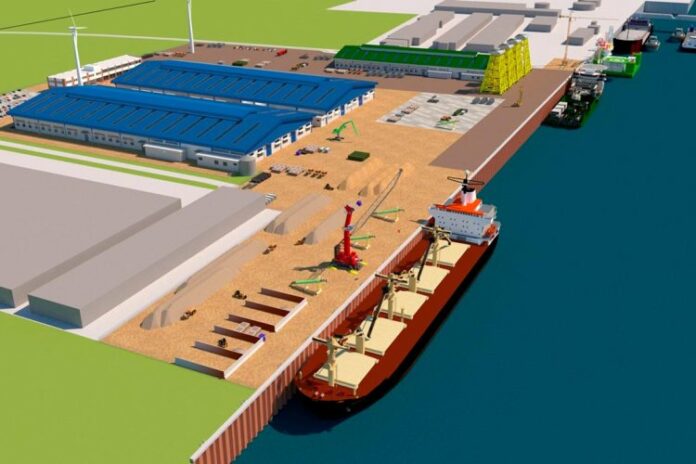
The new quay at Bulk Terminal Zeeland in the Sloe area will replace the old quay that is being demolished. A consortium made up of Werkendam hydraulic engineers Hakkers and De Klerk will start construction of the new quay in late March 2022. The new 800-metre quay will be completed by the end of 2024. As a result, the quay on the south side of Quarleshaven will be a total of 1,200 metres long. North Sea Port is investing a full €40 million euros in new port infrastructure here.

The transhipment company Bulk Terminal Zeeland will see its quay extended from 250 metres to 440 metres. This will provide more space for the transhipment of dry bulk such as wood pellets, gypsum, raw materials for the steel industry, organic agricultural products and boulders for reinforcing offshore wind turbines.

The construction of the new quay will also free up an additional 10 hectares of land for allocation to Bulk Terminal Zeeland. And there is still enough space between the terminal and Shipyard Reimerswaal for a new company to use.

Various types of seagoing vessels will be able to moor at the new quay, for example project cargo vessels, heavy-lift vessels, bulk carriers, fruit carriers and tankers with a draught of up to 12.5 metres, as well as inland vessels. There is potential to increase the water depth by two metres at a later date. The quay will be reinforced and made suitable for loads of up to 5 tons per square metre.

Daan Schalck, CEO of North Sea Port, says:

“Part of the quay will be made accessible and prepared for potential customers who want to establish operations at Quarleskade. This represents an efficient use of our port infrastructure.” 

The new quay will also connect to Shipyard Reimerswaal’s terminal, which will acquire an additional 40 metres of quayside once it is complete. As a result, the ship maintenance and repair company will have a total of 425 metres of quayside.

Hein van Laar, commercial director of Hakkers BV notes:

“Following on from previous successful projects in Vlissingen, Hakkers and De Klerk are very proud to deliver this new project for North Sea Port. It demonstrates our strengths as a construction and hydraulic engineering partnership with all the necessary disciplines in-house.”