-4.6 C
New York
Home Blog Page 469

Klaveness signs maritime supply chain transformation contract with SIMEC

0

Following a Pilot project generating successful cost savings for the business, the expansion agreement will see both parties continue to digitalize maritime logistics for the mining giant in the coming years.

Klaveness Digital CEO Aleksander Stensby commented:

“We share the view that supply chain resilience is now more critical than ever, the stepwise approach to expanding our scope with SIMEC to transform operations out of Whyalla Port is a consequence of smart scaling and good collaboration between our teams this past year.”

“With the Whyalla Port increasingly handling more third-party cargo, we are constantly working to deliver streamlined and efficient operations to our customers. CargoValue enables us to make proactive, outcomes-based decisions to manage inventory and shipping schedules for all port users and capture significant savings for the business.”

CargoValue, Klaveness Digital’s digital twin solution for managing seaborne supply chains, is currently serving major charterers in the aluminum, steel, mining, agriculture, energy industries among others and Stensby adds:

“With more key players coming on board, we’re seeing CargoValue increasingly build resilience and cost savings across the full value chain, our next ambition with customers focuses on Scope 3 emissions, driven by a mutual desire identify emissions hotspots and reduction potential all the way from pit to end consumer.” 

Carnival Cruise Line announces fleet deployment plans through October

0

Carnival Cruise Line announced the next phase of its 2022 fleet deployment update, including new ship assignments for Port Canaveral and Jacksonville, Fla. and additional itineraries and ship assignments for an expanded offering of summer 2022 sailings from Seattle to Alaska.

With the opening of the Alaska season in May, Carnival will have returned its entire fleet to service, less than 10 months after resuming operations, completing an impressive and successful restart of its guest operations and setting the pace for the rest of the U.S. cruise industry.      

Carnival Elation will move from Port Canaveral to Jacksonville, effective Apr. 23, 2022 to Oct. 13, 2022.

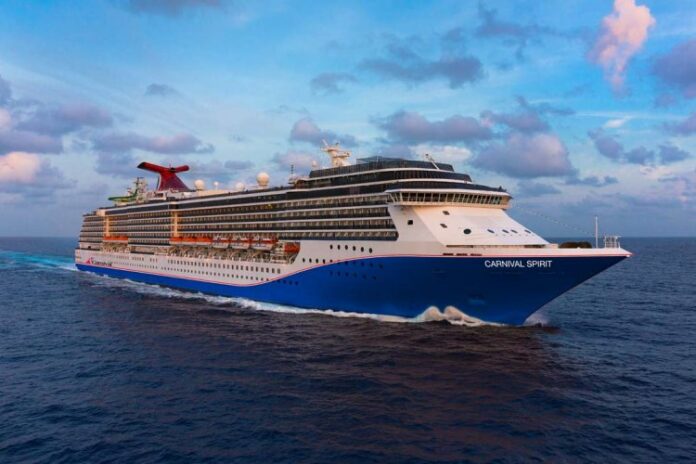
Carnival Freedom will be moving from Miami to Port Canaveral to pick up the itineraries formerly assigned to Carnival Elation, effective Apr. 21 through Oct. 15, 2022. Carnival Spirit will take over several sailings previously assigned to Carnival Freedom, including the Apr. 17 Carnival Journeys cruise from Miami through the Panama Canal to Seattle.

Once in Seattle, Carnival Spirit will operate cruises to Alaska from May through Sept. 2022. These itineraries will open for sale later today. Carnival Splendor will reposition to Seattle and operate Alaska sailings currently assigned to Carnival Freedom. 

Upon completion of the summer season in Alaska, Carnival Splendor will return to Australia with a new Journeys cruise to Sydney, Australia, that will be available soon.  Carnival Spirit will sail the Carnival Journeys cruise back through the Panama Canal to Miami that was previously assigned to Carnival Freedom.

Carnival is notifying booked guests and travel advisors about these changes, which will result in the transfer of reservations to the new ship assignments.  Guests impacted by these changes will not have access to their booking for up to two weeks as Carnival completes the process to move their bookings to the new ships and provide equivalent accommodations.

Christine Duffy, president of Carnival Cruise Line, said:

“We appreciate everyone’s patience as we work through this process. We are excited to have every Carnival Cruise Line ship in the fleet sailing again by May and to be back in all 10 of our year-round U.S. homeports. We are also continuing to make plans for a return to guest operations in Australia upon completion of our Alaska season.”

KDI wins contract to deliver simulator suite for South Metropolitan TAFE

0

Kongsberg Digital (KDI) has won an important tender in which the company will supply an extensive range of maritime simulator solutions for South Metropolitan TAFE (Technical and Further Education) institute in Fremantle, Western Australia. Funded through the Department of Training and Workforce Development, this contract retains a long and valuable collaboration with SM TAFE, one of the largest and most influential maritime training institutes in Australia.

The new contract commits KDI to the delivery, installation and commissioning of a complete maritime simulator suite of hardware and software technology, replacing SM TAFE’s current maritime simulator systems. The contract also includes digital services enabling online simulation training through KDI’s K-Sim Connect platform, as well as ‘train the trainer’ courses and a five-year support & maintenance agreement.

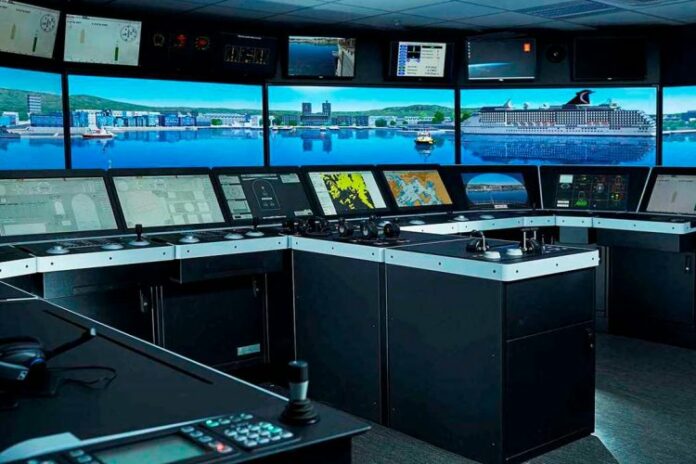
The delivery, scheduled for Q2/Q3 2022, will include K-Sim Engine Simulators with one instructor station, 12 student stations and a High-Voltage Circuit Breaker Simulator, enabling the safe, realistic and efficient training of electrical engineering students and crew, fully meeting the STCW requirements.

On the ship handling side, a suite of K-Sim Navigation simulators will be delivered. This includes two DNV Class A and two DNV Class B bridges with DP (dynamic positioning) functionality, two instructor stations and an ECDIS and Ship Stability Simulator Laboratory featuring an instructor station and 12 student stations.

The contract was awarded to KDI through an open and competitive process. 

Andreas Jagtøyen, Executive Vice President Digital Ocean, in Kongsberg Digital, adds:

“We are very pleased to continue our strong alliance with South Metropolitan TAFE, which is widely recognized as an establishment of distinction, providing world-class courses and traineeships addressing the varied needs of the maritime industry.”

Neptune Energy & RWE to accelerate green hydrogen production

0

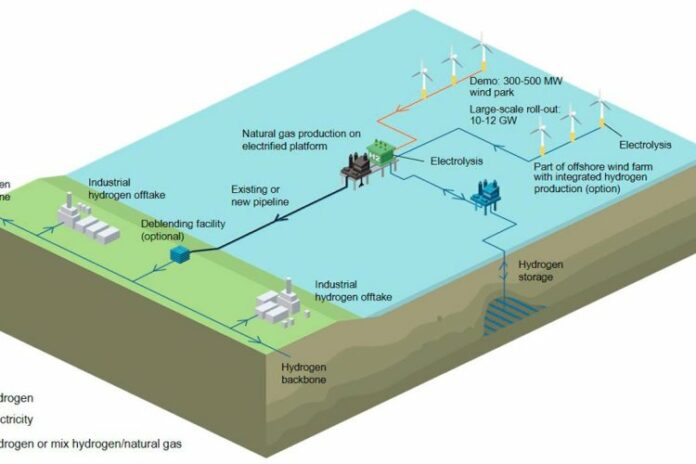
H2opZee is a demonstration project which aims to build 300-500 megawatts (MW) electrolyser capacity in the North Sea to produce green hydrogen using offshore wind. The hydrogen will then be transported to land through an existing pipeline.

The pipeline has a capacity of 10-12 gigawatts (GW), so is already suitable for the further roll-out of green hydrogen production to gigawatt scale in the North Sea. The intention is to begin the feasibility study in the second quarter of 2022. The project is an initiative of TKI Wind op Zee, an initiative supported by the Dutch government bringing people, knowledge and financing together to support the offshore energy transition.

H2opZee consists of two phases. In the first, a feasibility study will be carried out and an accessible knowledge platform will be set up. The objective is to start the roll-out of hydrogen at sea in the Netherlands. In the second phase, the project will be implemented. For this phase, a tender methodology has yet to be defined.

Neptune Energy’s Managing Director in the Netherlands, Lex de Groot, said:

“We see an important role for green hydrogen in future energy supply, and it can be produced here in the North Sea. The energy transition can be faster, cheaper and cleaner if we integrate existing gas infrastructure into new systems.

“This infrastructure is technically suitable, no new pipeline at sea is needed and no new landfall is required through the coastal area. With the PosHYdon pilot we are one of the leaders in this field of offshore energy system integration and reuse. The lessons learned from this project apply to H2opZee.

“The faster we can scale up green hydrogen at sea, the faster industries such as chemicals and steel production can become more sustainable. With H2opZee, the Netherlands is becoming a world leader in this area. That is why we, together with RWE, are enthusiastic about H2opZee and what it has to offer the Netherlands.”

Sven Utermöhlen, CEO Offshore Wind at RWE Renewables, said:

“Hydrogen is a gamechanger in the decarbonisation of energy-intensive sectors and H2opZee is a world first of this kind and scale. With Neptune Energy at our side, we want to develop the H2opZee project to demonstrate how offshore wind can be an ideal partner for the production of green hydrogen at scale and to explore the best way in terms of system integration.

“As RWE, we have a 20-years’ track record in offshore wind and have the hydrogen expertise along the entire value chain under one roof. We are convinced that learnings from the H2opZee demonstration project will help in ramping-up the hydrogen economy in the Netherlands as it presents an important step towards the roll-out of green hydrogen production offshore at large scale.” 

Carnival Celebration floated out at Meyer Turku shipyard

0

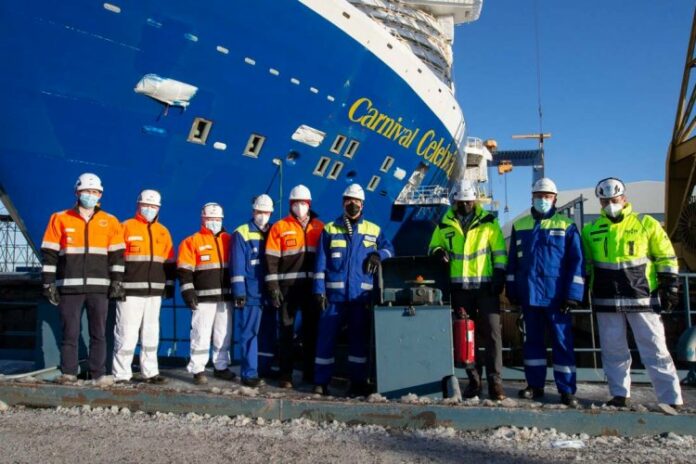
Carnival Celebration will now move alongside the shipyard’s outfitting pier and into the next phase of construction, where the focus will shift to work on what all Carnival ships are known for: the fun.

Ben Clement, senior vice president of New Builds, Refurbishment and Product Innovation for Carnival Cruise Line, who was in Finland to oversee the milestone, said:

“This is the exciting part, after the float out, that’s when everything that everyone will love about the ship goes from blueprint to reality. When there’s a new ship coming, it’s always tough to pick your favorite part, but Carnival Celebration is going to make that choice tougher than ever when she makes her way to Miami.”

Tim Meyer, CEO of Meyer Turku, said:

“By the end of the summer, Carnival Celebration will be ready for her sea trial and then for delivery later in the autumn.”

Carnival Celebration is the second of three revolutionary Excel-class ships. She joins Mardi Gras, already sailing from Port Canaveral, Fla., and Carnival Jubilee, set to sail from Galveston, Texas in 2023. Carnival’s newest and biggest class of ships run on a liquefied natural gas (LNG) technology platform. Carnival Corp. pioneered the introduction of LNG fuel in the passenger cruise sector as part of the company’s ongoing commitment to sustainability and emissions reduction.

Following Carnival Celebration’s float out, work begins outside on installing some of the Excel-class exterior features already thrilling guests on sister ship Mardi Gras, including the award-winning BOLT roller coaster at sea. Inside the ship, the build out will help bring out Carnival Celebration’s own unique personality. The ship will feature six distinct zones, much like Mardi Gras, but three of those are designed specifically for Carnival Celebration. Details about the new zones will be revealed soon.

Scheduled to enter service this fall, Carnival Celebration will sail a transatlantic voyage from Southampton to her PortMiami homeport in November. Carnival’s newly transformed Terminal F will welcome the new ship. Not long after, the Carnival terminal will also usher in a new era of port infrastructure as one of the first at PortMiami equipped to provide shore power to ships by fall 2023.

Carnival Celebration’s first sailing from Miami to the Caribbean will take place Nov. 21, 2022. Her arrival will mark the culmination of the year-long celebration of Carnival Cruise Line’s 50th birthday.

Her name is a nod to one of Carnival’s classic cruise ships, MS Celebration, but in every sense, Carnival Celebration is designed to lead the way to the future of cruising.

RRS Sir David Attenborough collaborates with cruise ship

0

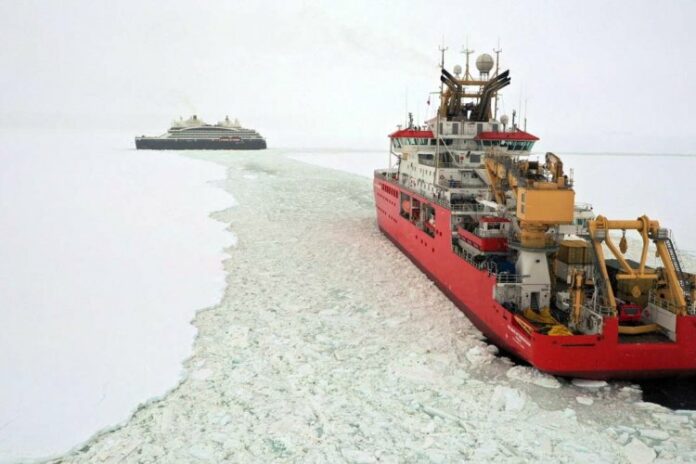
RRS Sir David Attenborough (SDA) has collaborated with the cruise ship Le Commandant Charcot in its efforts to deliver critical science cargo to the English Coast, Antarctica in support of the International Thwaites Glacier Collaboration.

Britain’s new polar research ship has spent the past week breaking ice to reach Stange Sound on the English Coast. The RRS Sir David Attenborough can break through 1-metre thick ice at a speed of three knots (5.6km/h). Local sea ice conditions are currently particularly difficult, with second-year sea ice covered in a thick layer of snow.

The Le Commandant Charcot is a PC2 Polar Class ship and can break through 2.5-metre thick ice at a speed of three knots. It is currently in the same area as the SDA. The ship created a channel for the RRS Sir David Attenborough to sail through, before sailing to its next destination. The sea ice conditions close to the drop off point were even more unfavourable so, after some deliberation, the RRS Sir David Attenborough turned around.  The ship is now seeking an alternative drop-off location, approximately 150 nautical miles further round the English Coast.

Dave Wattam, Head of Polar Operations at British Antarctic Survey said:

“This joint exercise highlights the value and importance of collaboration and cooperation in Antarctica, where conditions are often changeable and demanding. The sea ice conditions around the English Coast are extremely challenging this year, and it’s great to work with the Le Commandant Charcot to remain on schedule”.

The Antarctic Treaty recognises tourism as a legitimate activity in Antarctica. All visitors to Antarctica are required to comply with laws and regulations that implement the Antarctic Treaty system and the Protocol on Environmental Protection.

ExxonMobil starts production at Guyana’s second offshore development

0

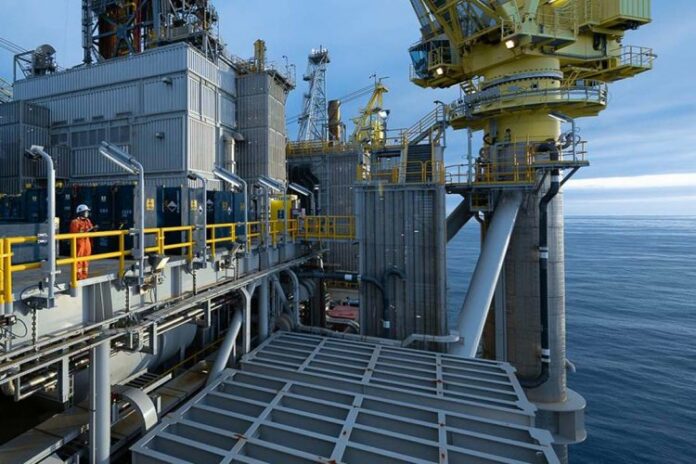
ExxonMobil has started production at Guyana’s second offshore oil development on the Stabroek Block, Liza Phase 2, bringing total production capacity to more than 340,000 barrels per day in only seven years since the country’s first discovery. 

Production at the Liza Unity floating, production, storage and offloading (FPSO) vessel is expected to reach its target of 220,000 barrels of oil later this year, as operations continue to be brought safely online. It adds to the more than 120,000 barrels per day of capacity at the Liza Destiny FPSO, which began production in December 2019 and is now delivering at better than design capacity. The Stabroek Block’s recoverable resource base is currently estimated at more than 10 billion oil-equivalent barrels.

Liam Mallon, president, ExxonMobil Upstream Oil and Gas, said:

“We are collaborating closely with the government and people of Guyana to develop this world-class resource responsibly, helping to meet the world’s energy needs and delivering enhanced value for all stakeholders at a record pace and well ahead of the industry average. With unparalleled project execution, we now have two production facilities operating offshore Guyana.”

The current resource has the potential to support up to 10 projects. ExxonMobil anticipates that four FPSOs with a capacity of more than 800,000 barrels per day will be in operation on the Stabroek Block by year-end 2025. Payara, the third project in the Stabroek Block, is expected to produce approximately 220,000 barrels of oil per day using the Prosperity FPSO vessel, which is currently under construction. The field development plan and application for environmental authorization for the Yellowtail project, the fourth project in the block, have been submitted for government and regulatory approval.

Timely development of these additional projects and continued exploration success offshore will enable the steady advancement of Guyanese capabilities and enhanced economic growth. More than 3,500 Guyanese are now supporting ExxonMobil’s activities in Guyana. ExxonMobil and its direct contractors spent approximately $219 million with more than 880 local suppliers in 2021, a 37% year-over-year increase.

The Liza Unity arrived in Guyana in October 2021. It is moored in water depth of about 1,650 meters and will be able to store around 2 million barrels of crude. The Liza Unity is the world’s first FPSO to be awarded the SUSTAIN-1 notation by the American Bureau of Shipping in recognition of the sustainability of its design, documentation and operational procedures.

South Fork wind farm receives final investment decision

0

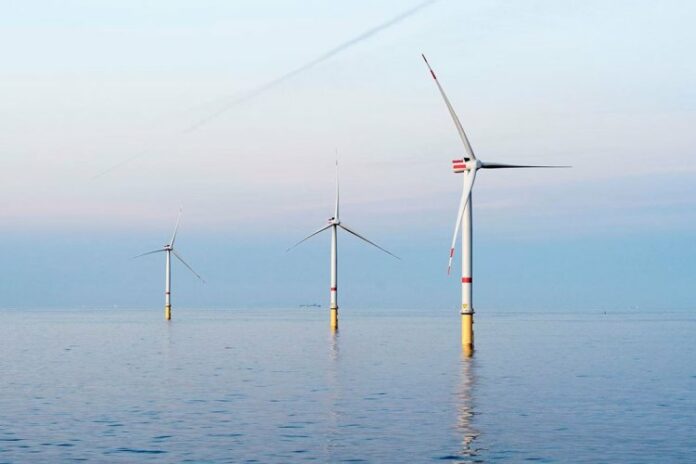
South Fork Wind, a 50-50 joint venture between Ørsted and Eversource, has approved final investment decision (FID) for the project that will be New York’s first offshore wind farm. The final investment decision codifies the companies’ commitment to the 130 MW offshore wind project.

This announcement comes as US Secretary of the Interior Deb Haaland, New York Governor Kathy Hochul, other leaders, supporters and members of the project team celebrate the wind farm at a groundbreaking ceremony in East Hampton, New York.  

Once completed at the end of 2023, the offshore wind farm will generate enough clean, renewable energy to power 70,000 homes and will help advance New York State’s nation-leading clean electricity goals. Last month, South Fork Wind received final approval from the Bureau of Ocean Energy Management (BOEM) for its construction and operations plan, the final in the agency’s review of the project.   

New York State has set a goal of installing 9 GW of offshore wind power by 2035, while the Biden Administration is targeting 30 GW of offshore wind capacity nationwide by 2030. Ørsted and Eversource applaud these commitments to advancing offshore wind and are contributing to those goals with South Fork Wind and two other already-awarded projects in the Northeast with a total capacity of approximately 1.8 GW.      

Martin Neubert, Chief Commercial Officer and Deputy Group CEO at Ørsted, said:

“I’m very pleased we’re able to approve our first final investment decision on a US offshore wind project and be at the forefront to contribute to New York’s ambitious offshore wind goals. The United States represents an important growth market for us, and with seven already-awarded US projects accounting for approximately 5 gigawatts of clean offshore wind energy, Ørsted is leading the growth of a new sustainable industry that will create jobs and economic development along the East Coast and across the United States.”   

David Hardy, Chief Executive Officer of Ørsted Offshore North America, said:

“With this final investment decision, South Fork Wind demonstrates our commitment to creating clean energy, union jobs and local economic impact for Long Island, New York State, and states across the country. While this project has the recognition as New York’s first windfarm, it is also one of the first of many in a promising future for offshore wind in the United States.”    

Joe Nolan, President and Chief Executive Officer of Eversource Energy, said:

“With the joint final investment decision now in place, we have formally codified our commitment to New York’s first-ever offshore wind farm. In less than two short years, South Fork Wind will provide enough clean energy to power more than 70,000 homes – helping New York reach its nation-leading clean energy goals and delivering good-paying local jobs to the state and region.” 

Thomas Falcone, Chief Executive Officer of the Long Island Power Authority, said:

“Ørsted and Eversource have together achieved a critical milestone that brings offshore wind one step closer to reality in our region. In 2017, the forward-thinking approach of the LIPA Board of Trustees led to the approval of the South Fork Wind project at a time when there were no other power purchase agreements for offshore wind in the country. As the first offshore wind farm in New York, South Fork Wind is the beginning of a new industry that will be vital to New York meeting its goal of a zero-carbon electric grid by 2040.”

SCHOTTEL hybrid drive solution for Peruvian tug operator PSA Marine Peru

0

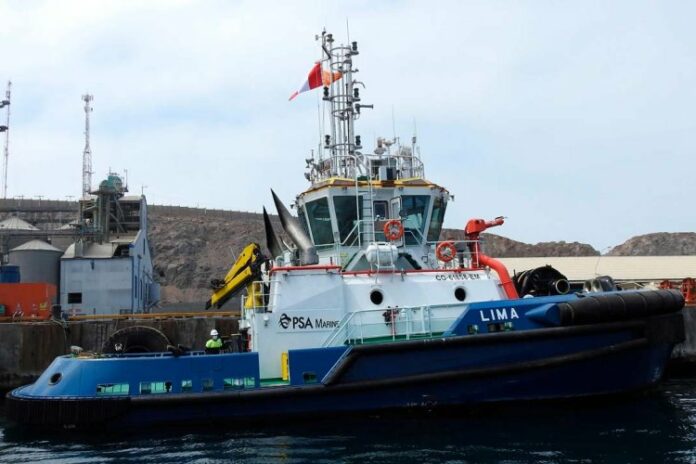
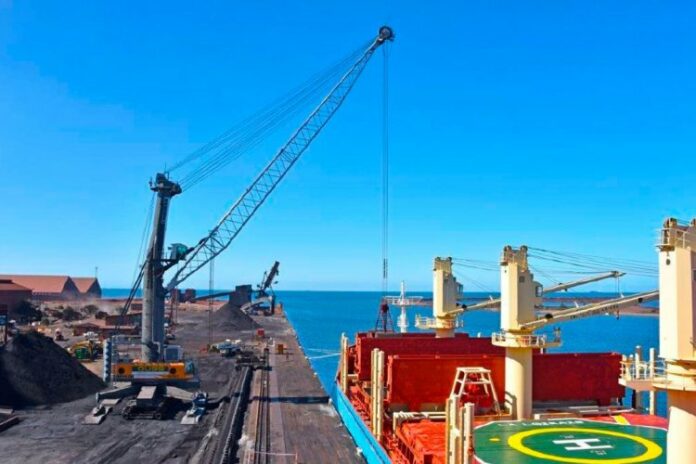
PSA Marine Peru, a wholly owned subsidiary of PSA Marine (Pte) Ltd, has contracted Cheoy Lee Shipyards in Hongkong for equipping one newly built tug with SCHOTTEL RudderPropellers featuring the patented SYDRIVE-M technology.

As a mechanical hybrid solution without the costly complexity of common hybrid technology, SYDRIVE-M will ensure lower maintenance costs and less fuel consumption. This will enable PSA Marine Peru to offer emission-reduced towing services in Peruvian ports. 

William Revilla, Senior Fleet Manager at PSA Marine Peru, said:

“In PSA Marine Peru, we are constantly on a lookout for sustainability-focused innovations. With reduced emissions, the forward-looking solution from SCHOTTEL allows us to operate our vessel more efficiently and sustainably. This also demonstrates our commitment to deliver only the best to our customers and stakeholders.”

The main propulsion of the ASD tug consists of two diesel-driven RudderPropellers type SRP 460 (2,240 kW each) featuring fixed-pitch propellers with a diameter of 2.6 metres. With this thruster configuration, the 24.4-metre-long and 11.25-metre-wide tug will achieve about 70 tonnes of bollard pull.

Beyond this, the rudder propellers feature the certified sealing system SCHOTTEL LeaCon which offers safe and reliable protection against contamination of the seawater by operating materials.

SYDRIVE-M connects a port and starboard mounted azimuth thruster in one vessel, allowing the thrusters to be driven together by only one of the main engines. In turn, this leads to reduced operating hours of the main engines, resulting in lower maintenance costs as well as less fuel consumption and lower emissions.

The system needs no additional electronical components, which offers many advantages as demonstrated by three main operation modes: Light Operation or Free Sailing Mode, Full Thrust Operation Mode and FiFi-Mode.

WWF: Plastic pollution in oceans on track to rise for decades

0

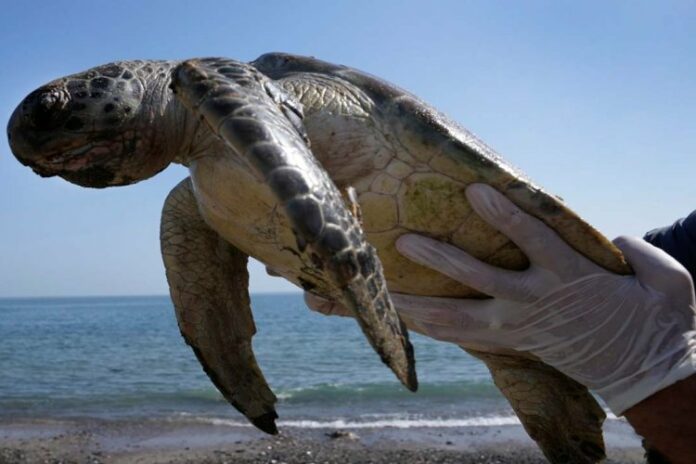
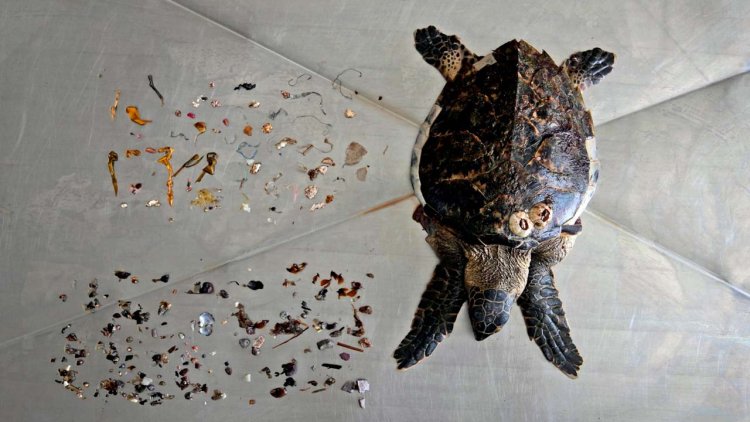
Plastic pollution at sea is reaching worrying levels and will continue to grow even if significant action is taken now to stop such waste from reaching the world’s oceans, according to a review of hundreds of academic studies.

The review by Germany’s Alfred Wegener Institute, commissioned by environmental campaign group WWF, examined almost 2,600 research papers on the topic to provide an overview ahead of a United Nations meeting later this month.

“We find it in the deepest ocean trenches, at the sea surface and in Arctic sea ice,” said biologist Melanie Bergmann who co-authored the study, which was published Tuesday.

Some regions—such as the Mediterranean, the East China and Yellow Seas—already contain dangerous levels of plastic, while others risk becoming increasingly polluted in the future, it found.

The authors concluded that almost every species in the ocean has been affected by plastic pollution and that it’s harming important ecosystems such as coral reefs and mangroves.

As plastic breaks down into ever-smaller pieces it also enters the marine food chain, being ingested in everything from whales to turtles to tiny plankton.

Getting that plastic out of the water again is nearly impossible, so policymakers should focus on preventing any more of it entering the oceans in the first place, said Bergmann.

Some of the studies showed that even if this were to happen today, the amount of marine microplastic would keep increasing for decades, she said.

Matthew MacLeod, a professor of environmental science at Stockholm University who was not involved in the report, said it appeared to be a sound review of existing studies, focused on the effects of plastic pollution.

“The part that can (and will) be argued about is whether there is enough evidence to warrant aggressive action (such as what is advocated in this report) that will certainly disrupt current practices for plastic production, use and disposal,” he said.

MacLeod was involved in a separate study recently that also concluded immediate measures are required because of the possible global impacts.

Heike Vesper of WWF said while consumers can help reduce plastic pollution by changing their behavior, governments have to step up and share the burden of tackling the problem.

“What we need is a good policy framework,” she said, looking ahead to the upcoming U.N. environmental meeting in Nairobi. “It’s a global problem and it needs global solutions.”