1.2 C
New York
Home Blog Page 462

Ørsted prepares for potential sanctions on Russian gas

0

Ørsted condemns the Russian invasion of Ukraine and has already taken several steps to stop its cooperation with Russian companies.

Ørsted has ceased all sourcing of biomass and coal from Russia for its power stations, Ørsted will not enter into new contracts with Russian companies, and Ørsted has made sure that none of Ørsted’s direct suppliers for the build-out of renewable energy are Russian.

Concerning Ørsted’s gas purchase contract with Gazprom Export:

  • Ørsted has a long-term take-or-pay gas purchase contract with Gazprom Export. The contract was entered into in 2006 and expires according to its terms in 2030. The contract cannot be terminated at this point in time. The contract will not be extended.
  • A long term take-or-pay contract was the industry standard for procuring gas at the time of signing.
  • Under the contract, Ørsted receives approximately 20 TWh of gas per year. Ørsted will offtake the minimum yearly volume of gas under the contract. Ørsted’s financial exposure is significantly less than 20 TWh per year, as explained below.
  • The gas is delivered in Germany and forms part of Ørsted’s sourcing strategy towards our Danish and Swedish business-to-business and wholesale customers. Any gas volumes not transported to Denmark and Sweden are sold in Northwestern Europe.
  • Currently, imports of gas cover a substantial part of Danish and European gas consumption, and therefore, it will have severe societal consequences if Europe experiences shortfalls in gas supplies.
  • Gas is no longer a core business for Ørsted, and accordingly, Ørsted’s gas sourcing contracts are handled as a low-risk, low margin business. In line with this policy, Ørsted seeks to limit any financial exposure related to the Gazprom Export contract.
  • The main financial exposure relates to the price at which Ørsted purchases the gas from Gazprom Export, where Ørsted – under normally functioning market conditions – seeks to lock-in the margin by hedging (i.e. forward selling) the gas a few months ahead.
  • Ørsted is now taking steps to balance the risk against a scenario where the supply of Russian gas is disrupted or sanctioned by reducing the overall hedge level related to the Gazprom Export contract.
  • Subject to approval at the upcoming annual general meeting in April, Ørsted will donate all 2022 net profits (if any) after hedges and tax related to the Gazprom Export contract to humanitarian aid in Ukraine.

Ørsted supports any political initiative to become independent of Russian gas as well as any political import sanctions that may be imposed. Any such initiatives will be immediately and strictly implemented.
Port of Melbourne awards contract to boost efficiency at Webb Dock East

0

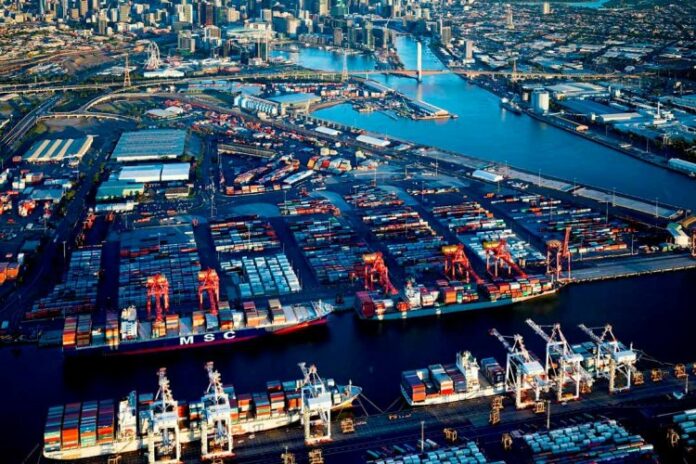
The project involves demolishing a redundant section of concrete and extending the quay line by 71 metres. The contract for the works has been awarded to Fitzgerald Constructions Australia, with completion scheduled for Q3, CY2023.

Port of Melbourne CEO Saul Cannon says the project is an important part of a 30-year investment strategy, designed to create a more efficient and productive port that helps to strengthen Victoria’s economy.

He said:

“Now more than ever, we need to make sure we get essential goods delivered to hospitals, businesses, schools and homes. We are seeing a rising number of larger vessels calling at the port and our current infrastructure at Webb Dock East at times does not allow for two ships to berth at the same time. For example, this project will enable two larger vessels to berth at the same time at this part of the port, reducing wait times for the ships to dock.” 

Webb Dock East was designed as a two berth terminal. This project will restore Webb Dock East’s intended design capacity.

Mr Cannon said:

“It’s essential that we ensure our infrastructure responds to global trends, and these works at Webb Dock East do that. We’re meeting present needs and also looking to the future to make the right investments on behalf of the Victorian community.” 

Victoria International Container Terminal (VICT) CEO Tim Vancampen says the investment from the Port of Melbourne is critical in optimising current assets to meet the demands of the industry and reduce overall delays and costs. VICT is also investing to boost efficiency at Webb Dock East.

He said:

“To complement PoM’s investment, VICT will also be committing $150m in infrastructure to support the market with faster vessel turn around and additional slots for our landside customers.” 

Mr Vancampen said:

“The $150m (in this phase) out of a total new investment of $235m by VICT will include two additional Ship to Shore Cranes (STS), six Auto Container Carriers (ACC) and six Auto Stacking Cranes (ASC), bringing the total STS cranes to seven. The additional infrastructure is expected to be operational in Q3 CY2023.”

The Webb Dock East project is the third of nine projects that form the 2050 Port Development Strategy – a blueprint for ensuring the port stands ready to accommodate the needs of a growing city and continues to make a major contribution to Victoria’s social and economic prosperity.

Mr Cannon said:

“Port of Melbourne delivers around $6b in economic benefits to Victoria each year. It’s critical we have the right infrastructure in place to support the economy. What’s good for the port, is good for Victoria, Tasmania and southeast Australia.”

MEYER start-up ALFRED Maritime digitalizes shipbuilding and ship operation

0

The MEYER Group has already founded the start-up ALFRED Maritime in 2019 as a think tank for the digitalization topics of the MEYER Group. Now the young company is embarking on a growth course. ALFRED Maritime’s mission is to ensure that ships are not only built as energy-efficiently as possible, but also operated as sustainable as possible.

Dr. Paul Meyer, CEO of ALFRED Maritime and Chief Information Officer of MEYER Group, says:

“Three years ago we founded ALFRED Maritime to drive digitalization onboard of our ships. Our team of specialists is outstanding since it combines the capabilities in the fields of Internet of Things and Artificial Intelligence with the shipyard’s domain knowledge on cruise ships. In that sense it is a very unique team that is developing data-driven solutions for CO2 reduction on the ship. As a family company we are thinking long term and are preparing for the future. We are now at the point where we will soon introduce first products.” 

Based in Hamburg, ALFRED Maritime operates as an agile team within MEYER Group with its three shipyards in Germany and Finland. MEYER Group’s goal is to develop shipbuilding and ship operations with innovative solutions towards climate neutrality. “We are a start-up and operate as such, but we have a strong group with the entire MEYER Group that is respected and successful on the global market.”

An important building block here is the benefits of digitalization: thanks to ALFRED Maritime, data can be made usable for the reduction of energy consumption as well as decarbonization of ship operations and even improve the customer experience of passengers. In this mission, ALFRED Maritime works as a team of “Data Butlers” to support shipyards and ship owners.

Malte Poelmann, Chief Technology Officer of MEYER Group, says:

“The future of shipbuilding is green. This also requires intelligent IT systems to continuously improve the overall ship product on our pathway to carbon free shipping.” 

ZIM to launch ZIM eCommerce Baltimore eXpress

0

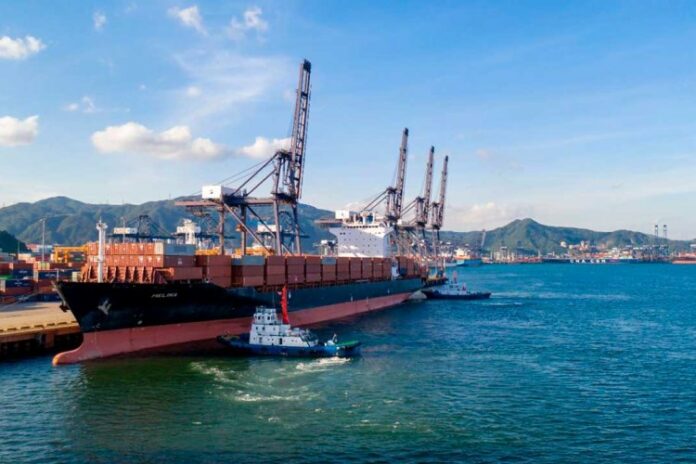
ZIM Integrated Shipping Services Ltd. has announced the launch of ZIM Ecommerce Baltimore Express (ZXB), a new and speedy e-commerce service, in March 2022.

ZXB will operate on the following route:

Yantian – Cai Mep – Baltimore – New York – Boston – Yantian

The service will commence with a bi-weekly frequency and build up to weekly within a few months. Exact schedule and vessels line up will be published in the coming days.

ZXB will be operated exclusively by ZIM, offering customers a wide range of advantages including the fastest transit time to Baltimore; guaranteed space and equipment without rolling; late cutoff from Asia ports; dedicated out-of-gate lane to avoid queues in Baltimore; and expedited rail/air/road connections to inland destinations. All wrapped with ZIM’s unique “A2Z” customer centric customer service offering.

Eli Glickman, ZIM President & CEO noted:

“The opening of this new service is another example of our efforts to develop our speedy and dedicated premium lines, which constitute a highly competitive alternative to air freight. As part of our vision and strategy, we are taking initiatives to support our customers especially during this difficult time of supply chain disruptions. This new line is another building block in our ZIM eCommerce eXpress lines, which we launched in 2020 with our first line from South China to Los Angeles and developed to become a network of multiple lines with the addition of the new ZXB service.”

Royal Navy shows solidarity with Ukraine at Antarctic research base

0

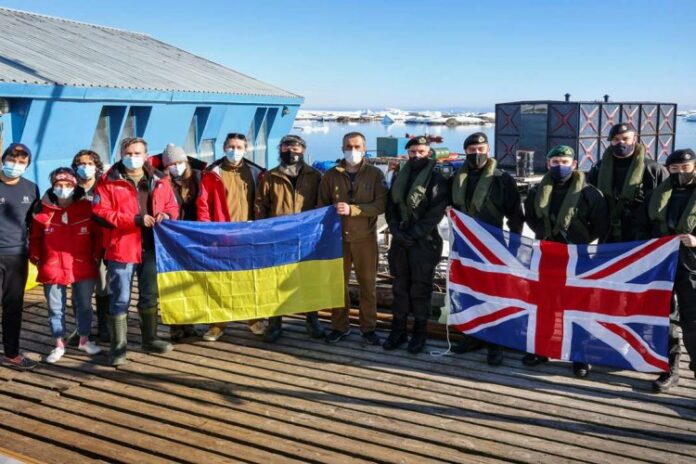
They found the team who run the base – ­some 9,000 miles from their motherland – had families trapped in their homeland as a result of the war.

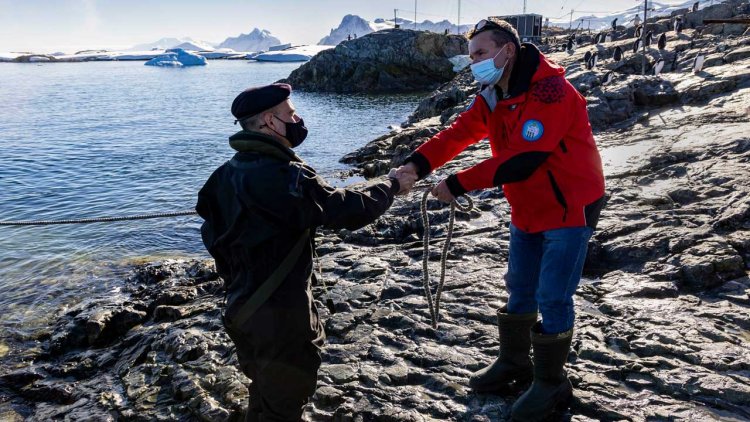
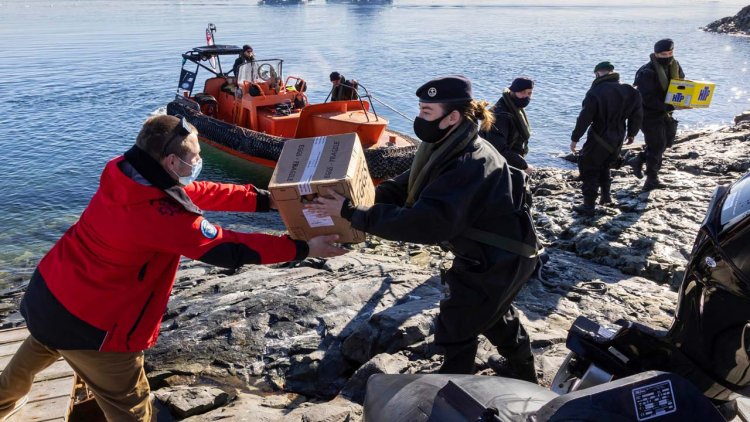
The landing party from Protector – Captain Michael Wood and ship’s doctor, Surgeon Lieutenant Commander Alex Clarke, along with sailors and Royal Marines ­– delivered fresh food to the scientists, ensured they were in good health, and reassured them of the UK’s support for their nation’s cause.

Captain Wood said:

“During time spent ashore, the team confirmed the welfare of the 21 scientists who had spent the winter at Vernadsky.”

“Welcome supplies of fresh food were passed to the station leader. Many of the station staff reported families stranded under attacks in Kharkiv and Kyiv.”

The Ukrainian research base is located on Galindez Island off the west coast of the Antarctic Peninsula.

It was originally established as the British Antarctic Survey’s Faraday Station, but was transferred to Ukraine under a Memorandum of Understanding between the British Antarctic Survey and the State Institution National Antarctic Scientific Centre of Ukraine in early 1996.

The Ukrainian scientists conduct research of the Earth’s magnetic field, radio sounding of the ionosphere in the Southern Polar region, hydro-meteorological research, geophysical research of the lithosphere – the Earth’s crust and upper part of the mantle – and studies the ecology of the western Antarctic biosphere as well as looking into the medical effects of living and working in such an extreme environment.

Although the base operates all year round, its remote location means it is re-supplied infrequently and with few staff vaccinated, it has operated under strict Covid-prevention protocols, eschewing visits.   

DNV, Strohm, and the NIC study reviews lifecycle carbon footprint of pipelines

0

DNV, Strohm, and the Non-Metallic Innovation Centre (NIC) have launched a report comparing the lifecycle carbon footprint of externally coated carbon steel pipe and thermoplastic composite pipes (TCP). The report shows that TCP has a significantly lower carbon footprint, in the range of 30-60%, than an equivalent carbon steel pipeline solution for the defined case study.

The companies considered all steps of the lifecycle carbon footprint which is a measure of the direct and indirect greenhouse gas (GHG) emissions associated with all activities in the product’s life cycle, from material extraction and production to the end-of-life stage of the pipelines.

The report outlines the results from a joint industry project (JIP) between DNV, Strohm, and NIC, focusing on the lifecycle of a 22 km pipeline transporting produced water for injection in a field outside Angola in Western Africa, with an operating lifetime of 20 years.

Prajeev Rasiah, executive vice president for Energy Systems, Northern Europe at DNV said:

“This study shows the importance of choices made about technology, design, transport logistics, and installation of offshore pipeline solutions, when it comes to the lifecycle GHG impact.”

“It focuses on the importance of efficient transport logistics and installation, including selection of vessels which have a high impact on the total carbon footprint for both steel and TCP. While admittedly limited to certain geographies and scenarios, the current case study has shown that TCP has an advantage within this area.”

“Pipelines are a critical part of offshore infrastructures and should be considered when assessing the overall carbon footprint. Choosing a technology and design that provides the least GHG emission from a cradle to grave perspective is a step towards the goal of a low carbon future.”

Caroline Justet, business growth executive for energy in transition at Strohm added: 

“The greatest GHG benefits from using TCP compared to steel will be in the cases when the pipe needs to be transported over long distances. TCP is spoolable and lightweight, allowing it to be delivered in long lengths and installed using small vessels or subsea pallets, significantly reducing CO2 emissions.”

“The NIC is proud to have been a part of this study which proves and now underpins one of the major benefits of non-metallic technology deployment. The findings from this collaboration complement a previous NIC study assessing CO2 footprint for onshore flowlines, with both studies showing consistent results. In a world where all companies are seeking to improve their environmental credentials, deployment of TCP can offer oil and gas companies an easily deployable and greener alternative to their historically steel based infrastructure.”

NIC Director, Mihalis Kazilas, concluded:

“Though this study had a specific application it shows to the industry where the CO2 intensive steps are and allows designers to understand how to minimize the CO2 footprint for offshore applications. This will allow the wider industry to understand how the design and implementation of non-metallic assets can improve both sustainability and performance.” 

KN suspends acceptance of Novatek’s cargoes at Lithuania’s LNG terminal

0

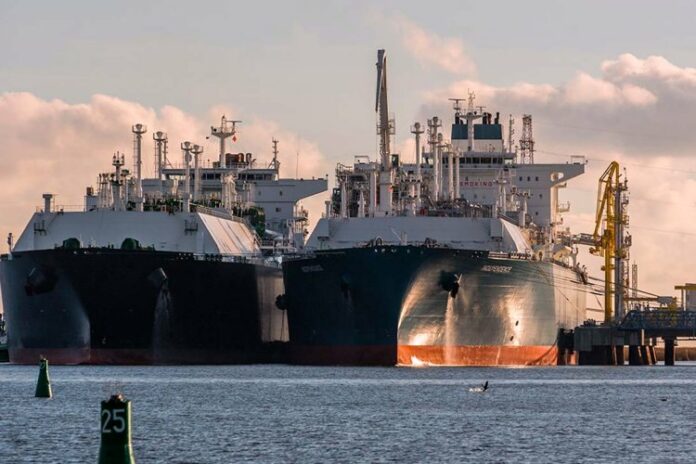
In KN’s view, Gennady Nikolayevich Timchenko, included in the EU sanctions list (EU Council Regulation 2022/336 implementing Regulation No. 269/2014), can be considered a controlling person of the Novatek group under EU law.

According to the available data, Novatek group companies supply LNG cargo to LNG terminal users. The sanctions imposed prohibit entities from engaging in activities the object or effect of which is to circumvent restrictive measures.

Although KN itself does not have contracts with Novatek or its related companies, the company contacted LNG terminal clients on its own initiative and asked to ensure compliance with sanctions in their operations. In the absence of information that LNG terminal users are complying with the sanctions in respect of LNG cargoes scheduled to be unloaded at the LNG terminal, acceptance of Novatek’s cargo at the LNG terminal is suspended.

KN is the operator of the LNG terminal, which accepts LNG cargoes ordered by the customers of the LNG terminal according to the set schedule, provides regassification and reloading services. In the market, LNG cargo is procured and delivered by the terminal users themselves.

KN also approached the Lithuanian authorities assessing the compliance of agreements with national security interests and coordinating the application of sanctions, asking for additional recommendations and clarification on the application of EU sanctions in the company’s activities as a terminal operator when LNG cargoes are purchased and unloaded by LNG terminal users.

In 2021 62% total of consumed gas in Lithuania, Latvia, Estonia and Finland was delivered through the LNG terminal. The biggest share was imported from the USA through the infrastructure in Klaipeda last year.

A total of 7 companies used the LNG terminal: 4 from Lithuania, 2 from Estonia and 1 from Norway.

Building the future of hybrid technology for Uber Boat by Thames Clippers

0

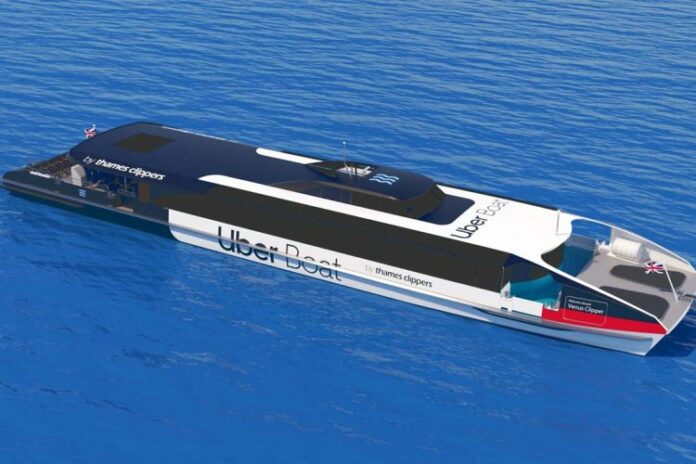
Britain’s leading aluminium shipbuilder, The Wight Shipyard Co. has secured the new build of two passenger catamarans for operation on the ever-growing Thames commuting and sightseeing line for Uber Boat by Thames Clippers.

Building on the shipyard’s proven technology and sustainability credentials and employing some of the highest-skilled personnel in modern shipbuilding based at the iconic Wight Shipyard in East Cowes, the new contract is a significant coup for both the business and the Isle of Wight.

Speaking about the contract, Peter Morton, CEO of The Wight Shipyard Co. commented:

“We are delighted that Uber by Thames Clippers has awarded us the contract to build the next generation of Clipper-class vessels utilising the very latest battery-power technology and re-charging options. The Wight Shipyard Co. has built a reputation for meeting and exceeding the demands of a global client base, especially in terms of sustainability where our concentration on weight reduction, build quality, hydro-dynamics and efficiency yields real, tangible results and savings. With the fusion of modern drive technology, we have a highly compelling proposition today.”

The hybrid design will allow the new Uber Boat by Thames Clippers vessels to operate solely on battery power to transport both commuters and sightseers along the Thames throughout the Capital’s central zone between the Tower Bridge and Battersea Power Station piers and recharge while using bio-fuel power outside of Central London. The technology is not reliant on shore-based charging with the new boats using excess power from the bio-fuel engines to re-charge their batteries for the Central London stretch.

Furthermore, the vessels built by The Wight Shipyard Co. will be some of the quietest ever seen in the passenger boat industry and will stand as future-proofed examples of environmental excellence. Sean Collins, Founder and CEO of Uber Boat by Thames Clippers recently commented:

“For over 20 years we have been at the forefront of innovation for the river marine sector. We are committed to supporting the sustainable growth, infrastructure and economic development on and around the river to endorse the river’s importance to London as a form of transport. As a business, we are continuing to embrace the emerging technological advances that will see us continue to develop our fleet and infrastructure, thereby supporting a sustainable future in our industry.”

The Wight Shipyard Co. has been a trusted builder of Thames Clipper vessels since 2017 when the shipyard received its first commission. Since then, three of the innovative, high-spec and highly durable Thames Clippers have been built and are a much-loved part of London’s waterway as well as being a vital and eventually net zero carbon commuting option.

And it’s a partnership that is determined to achieve environmental targets as Sean Collins continues:

“Uber Boat by Thames Clippers is committed to achieving net zero with all new builds by 2025 and for its wider fleet, infrastructure and environmental footprint by 2040. We’re looking ahead with this hybrid design, ensuring easy conversion to green hydrogen or another renewable energy source – something we’re also focusing heavily on with the new projects we’re undertaking thanks to recent DfT funding. It is the next step in our strategy to net zero and, ultimately, tailpipe zero.”

Goldboro LNG project could be revived as floating barge

0

Last summer, the CEO of Calgary-based Pieridae Energy announced a proposed $13-billion liquefied natural gas project in Goldboro, N.S., would not proceed due to cost pressures and problems getting financing.

More recently, however, as countries sanction and seek to isolate Russia in response to its war against Ukraine, interest in sourcing gas from somewhere else has jumped.

Pieridae spokesperson James Millar said in an interview that the company’s board decided last summer to keep its options open after walking away from the proposed Goldboro project. The board has since turned its attention to a floating LNG facility in the area as an alternative. The Financial Post first reported the development.

Millar said the company favours leasing a vessel as opposed to commissioning one.

In January, as tensions increased around Ukraine, Millar said the company started getting calls about the status of the project and how quickly it could be ready.

Those inquiries have since “ramped up significantly,” he said.

The company sees the project as a potential way to provide natural gas overseas for 20 to 30 years, which Millar said “acts as a pushback against the threat of Russia really weaponizing natural gas against Europe by turning off the taps at any time.”

The situation has also changed the economics for Pieridae.

Millar said prices are on the rise — well above the former project’s break-even price of $8.50 — and potential clients are willing to sign long-term agreements for supply or the company could sell on the spot market.

The land-based project fell through in part because the federal government would not provide an investment of almost $1 billion. Millar said the company still requires a financial partner, but Pieridae is focusing on the private sector to find that support.

The scope of a project using a floating barge would be substantially different from the original concept.

There would not be a need for a 5,000-person work camp, for example, during construction, although Millar said the full-time workforce would be similar — about 150 people. He said the company would build a “small hotel” by the site to provide lodging.

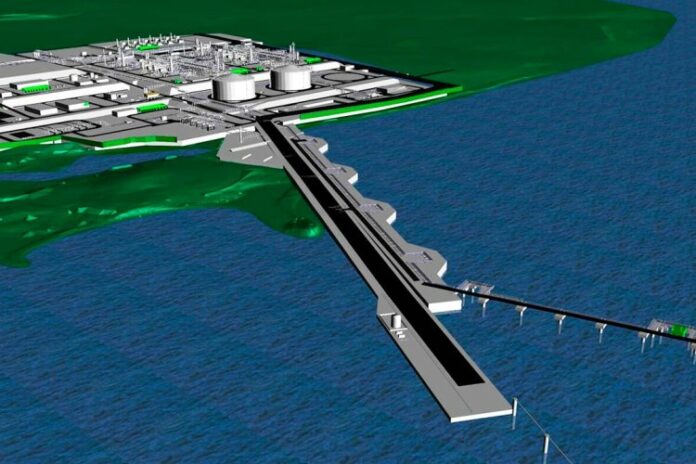
The construction that would be required includes a jetty and a spur of a pipe to connect the vessel to the Maritimes and Northeast Pipeline. While some barges have their own power supply, Millar said Pieridae has talked with officials at Nova Scotia Power about requirements if the barge it leases does not have its own power source.

Gas would be super chilled onboard the floating facility and transferred to tankers that would come alongside. The barge would produce about 400 million cubic feet of gas each day, about half of what the land-based site would have done, said Millar.

Source: CBC

Prysmian to deliver the first interconnector between UK and Germany

0

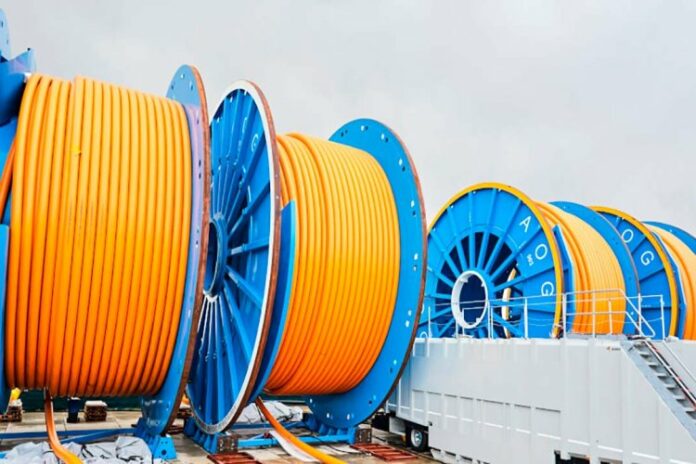
Prysmian Group has been awarded a contract worth around €1.2 billion by NeuConnect Britain Limited and NeuConnect Deutschland GmbH for the turn-key design, manufacturing, installation, testing and commissioning of a 725 kilometer submarine interconnector that will directly link the German and UK electricity grids for the first time.

This 1400 MW submarine and land cable system will connect two of Europe’s largest energy markets, promoting the efficient use and integration of renewable energy generation resources in both Germany and the UK.

The NeuConnect interconnector is a privately financed project developed by a group of international investors that include Meridiam, Allianz Capital Partners and Kansai Electric Power, and is contingent on the successful tendering of the converter station and financing agreements for the project.

Hakan Ozmen, EVP Projects, Prysmian Group, said:

“When completed in the coming years, NeuConnect will join the world’s longest interconnectors. Moreover, it is one of the first interconnectors to be financed through a project financing arrangement, demonstrating that the major infrastructure projects needed to deliver the sustainable energy goals in Europe are supported by private investment.”

The project shall deliver the cable connection along a route which runs between the UK converter station located on the Isle of Grain in Kent (UK), passing through UK, Dutch and German waters to the landing point in Lower Saxony in Germany to connect with the converter station near Wilhelmshaven. The NeuConnect project shall provide major energy transmission infrastructure that shall contribute to the wider European goals for increased availability of economically beneficial, sustainable, and secure electrical power.

Prysmian will provide the complete cable system to be operated at ±525kV HVDC utilizing mass-impregnated (MI) paper insulated cables, and include fibre optic cables on the land and selected submarine sections, complemented with state of the art cable monitoring systems that shall support the monitoring, maintenance and services to be provided during the warranty period.

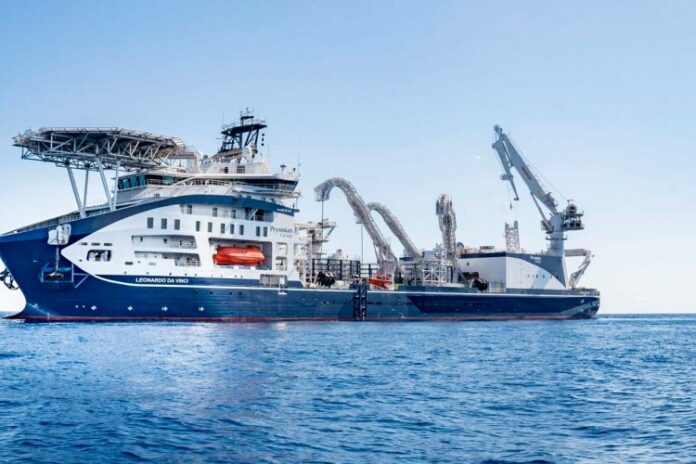
The submarine and land power cables will be manufactured at Prysmian’s centre of excellence at Arco Felice factory near Naples, Italy. Offshore installation activities will involve three of the Group’s own cable laying vessels including Leonardo da Vinci, the most capable cable laying vessel in the market, Cable Enterprise, and Ulisse. Commissioning of the project is scheduled in the second half of the decade.

The NeuConnect project joins the latest record-breaking awards to the Prysmian Group and follows projects such as Viking Link, the connection currently under installation between Denmark and UK, as well as the recent successful awards of the major framework contract by Terna developing a more robust power grid in Italy and the strategic link connecting Saudi Arabia and Egypt by SEC and EETC respectively.