0.3 C
New York
Home Blog Page 461

ShadowCat and Triton unveil launch-and-recovery craft

0

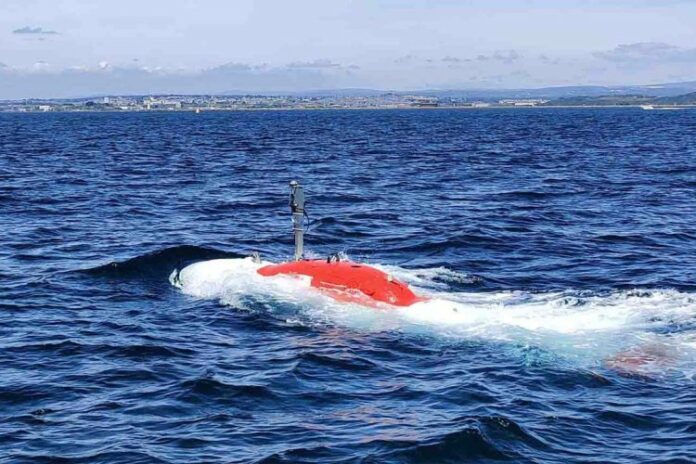
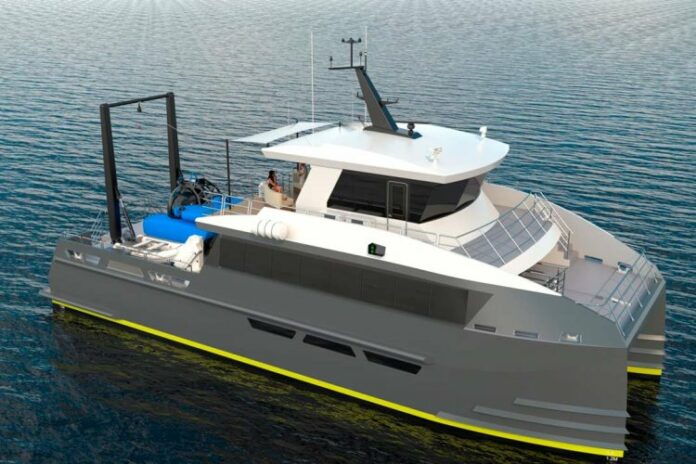
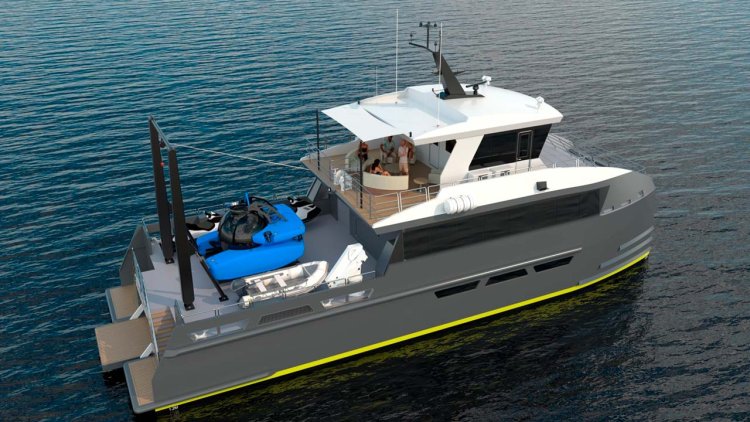
Designed by Incat Crowther, ShadowLark includes a 24-m LARC designed to carry a Triton 3300/3 MKII submersible. The submersible is designed to comfortably seats three people (pilot and two guests) and dive to depths as great as 1,000m (3,300 ft.) for up to 12 hours.

The ShadowLark has been developed as a scalable solution to the logistical challenges associated with launching, recovering, and supporting a submersible weighing up to 12,000 kg (26,400 lbs.), which requires a stable, protective and spacious at-sea platform. The efficient platform is proven to fulfil the requirements and is ideally suited to:

  • Operate independently,
  • Support an existing private, research-focused or chartered yacht fleet,
  • Serve as a multi-function package for marine research institutes, documentary film-makers underwater archaeology and surveying missions or
  • Add new underwater options to luxury resort excursion packages around the world.

In addition to an increasing volume of private enquiries, Triton reports a significant and growing demand from the non-profit and commercial sectors for submersible charter. With very few submersible charter opportunities available globally, ShadowLark is anticipated to gain considerable attention as a charter investment.
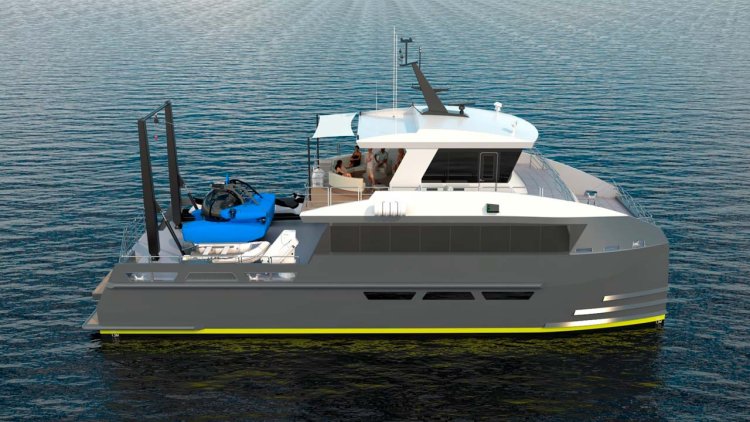
With an 8.5-metre beam, and a draft of 1.5 meters, ShadowLark includes a dive center, lounge, galley, bar and storage over three decks. In addition to a four-person crew capacity, it also offers stowage for a tender, and a pair of jet skis.

ShadowCat founder Robert Smith said:

“Because all ShadowCat vessels are fully bespoke, this highly capable concept can be constructed as is or can serve as a starting point for a more customized option. For example, we can enlarge ShadowLark to house bigger submarines or to make room for additional leisure and entertainment areas. As evidenced by award-winning Hodor and recently delivered Wayfinder, ShadowCats are designed to carry the best toys in the world. We are keen to collaborate with submersible industry leader Triton Submarines on the development of this innovative new offering to meet the growing needs of this emerging market.”

Patrick J. Lahey, president and co-founder of Triton Submarines, said:

“ShadowLark is a purpose-built craft specifically designed and engineered to safely, efficiently and effectively launch, recover and support a Triton submersible. Our goal is to make it possible for more people to own, operate and enjoy exploring the ocean from the comfort and safety of a Triton submersible. By collaborating with ShadowCat, a company with a demonstrated track record of success in developing commercially-rated support yachts, we are assured of ShadowCat’s efficacy while staying true to the objective of creating an affordable, efficient, safe and entirely practical platform.

Clients around the world can now enjoy the simplicity, elegance, excitement and safety of exploring the ocean in a Triton submersible supported by a craft that can be operated affordably, but with absolutely no compromises in terms of its capacity to do the job it was built for. Triton looks forward to working together with ShadowCat on the creation this remarkable and much-needed craft.”
ABL introduces emission tracking software for ports and harbours

0

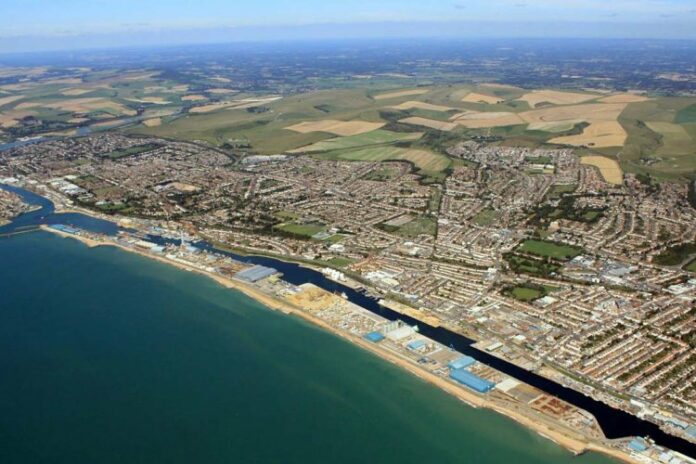
International energy and marine consultancy AqualisBraemar LOC (ABL) has developed a digital solution that allows the seaport industry to easily track their emission profiles, calculate the cost of their carbon footprint, and to identify a roadmap ahead for sustainable development.

The solution – called emiTr – based on the “Port Emissions Toolkit”, has been designed in collaboration with Shoreham Port – a UK Trust Port, to enable ports to understand the complex nature of their emissions’ profile, so they can take decisive action in line with national and international reduction targets.

Paul Martin, ABL Maritime Director, said:

“The first step to cutting emissions is understanding them – what they are and where they come from. emiTr provides a digital inventory of the complex web of a port’s emissions, mapping out both direct and indirect sources, as well as identifying the profile of individual emitters. Once a baseline of data is established, visual representations can assist to identify high emitters and inform CAPEX expenditure accordingly.”

Data is uploaded into emiTr, where the amount of pollutants and greenhouse gases emitted through the port’s operations are calculated. The system also retrieves the live market price of carbon determined by UK and EU Emissions Trading Schemes and uses it to assign a monetary value to the CO2e emissions.

The portal identifies and calculates three different scopes of emitters:

  • Scope 1 – direct emissions under the port’s control such as port owned vessels, vehicles, and heating infrastructure
  • Scope 2 – indirect emissions such as electricity purchased for use within the port boundary
  • Scope 3 – indirect emissions, which are not under the direct control of the port, such as tenants’ cargo handling equipment and ships

Paul Martin, ABL Maritime Director, said:

“Although currently there is no legislation that specifically requires ports to reduce their emissions, in anticipation and as part of national plans, ports must start now to understand their profile. emiTr will help ports and other maritime facilities such as shipyards, offshore wind sites, and even the oil and gas industry, to get ahead of the curve and identify their carbon footprint, so they can take informed action.”

Samantha Woolven, Interim People, Communications & Sustainability Director, Shoreham Port, said:

“At Shoreham, the sustainability question is ingrained in everything that we do. We take our role as a trusted custodian of our Port, our community, and our environment seriously. We are delighted to be working with the team at ABL who are helping us make the identification and tracking of our emissions simple and straightforward to do. This is important data for us to understand the impact we make, and we will use this data to inform decisions in the future as we aim to improve our energy efficiency and reduce pollution across the Port’s footprint. We are committed to being part of the change that ensures we as a Port are here in a healthy, inclusive, and sustainable way for years to come.”

MSubs and Sonardyne to collaborate on advancing autonomous naval platform capabilities

0

Submersible manufacturer MSubs and marine robotics technology company Sonardyne have signed a strategic partnership to advance the capabilities of long endurance, autonomous underwater platforms for the UK defence sector.

The Memorandum of Understanding (MOU) will see the two companies working to integrate and evaluate Sonardyne’s commercial-off-the-shelf navigation, communications and imaging payloads into MSubs 9 m-long extra-large uncrewed underwater vehicle (XLUUV) to provide naval forces with enhanced situational awareness across the underwater battlespace

From Plymouth, south-west England, where both companies have research, trials and manufacturing facilities, Sonardyne will supply and support a suite of its technologies to MSubs. These will include SPRINT-Nav X, a hybrid inertial-Doppler navigation sensor that’s suitable for GNSS-denied environments; AvTrak 6, a long-range tracking, command and control instrument; and Vigilant, a forward-looking obstacle avoidance sonar (FLS) jointly developed by Sonardyne and sister company Wavefront Systems.

MSubs’ XLUUV has been selected by the UK’s Royal Navy to help it understand the future roles for XLUUVs for surveillance, reconnaissance and anti-submarine warfare (ASW) missions, and deliver new capabilities to the organisation years earlier than otherwise be possible.

In 2021, MSubs and Sonardyne took part in the first phase of the UK’s Defence and Security Accelerator’s (DASA) Uncrewed Underwater Vehicle Testbed – Opportunity to Integrate competition, run jointly with the Royal Navy and the Defence Science and Technology Laboratory (Dstl). As part of the demonstration, MSubs’ XLUUV used bathymetric data gathered by its Vigilant FLS to navigate in open waters off Plymouth.

The announcement builds on this success, with the two companies targeting further emerging opportunities from the UK’s Ministry of Defence, such as Project CETUS. This will see the design and build of an extra-large autonomous underwater vehicle (AUV) which may one day work alongside the Astute-class attack submarines.

Brett Phaneuf, Managing Director of MSubs, said:

“The integration of Sonardyne equipment on our extra-large AUV is a key factor for our continued success, helping us to move the state of the art forward swiftly. The operator-centric approach to engineering from Sonardyne and MSubs makes it easy to enhance our vehicle performance and reliability through applied research, bringing much needed capability to the underwater domain and greatly reduced timelines and budgets.”

Ioseba Tena, Head of Defence at Sonardyne, added:

“Our two companies are at the forefront of the development of unmanned platforms and payloads that are reshaping the underwater battlespace playbook; delivering tactical edge to navies and governments facing new, and increasingly capable underwater adversaries. We’re excited to be opening a new chapter of collaboration with the MSubs team, and where better for that collaboration to be centred on than Plymouth, the UK’s marine autonomy city.”

Wärtsilä to deliver power and electrical solutions for Australian RoRo newbuild

0

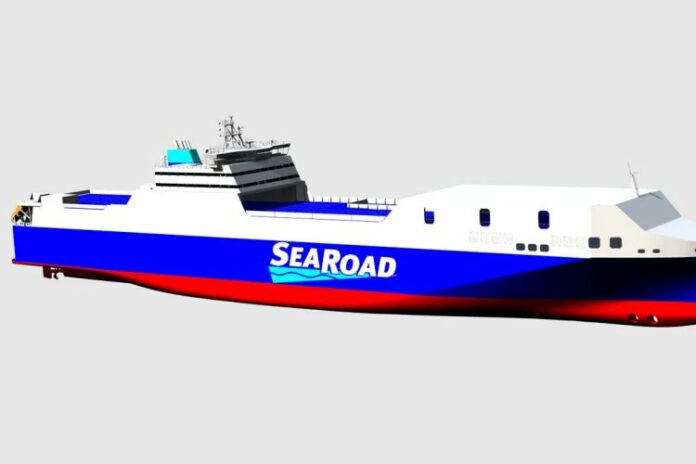
The technology group Wärtsilä will supply main and auxiliary engines, fuel storage tanks, gas handling equipment and electrical systems for a new RoRo being built for Australian operator SeaRoad Shipping. The orders with Wärtsilä were placed in Q1 2022.

The 210 metre-long vessel is under construction at the Flensburger Schiffbau-Gesellschaft (FSG) shipyard in Germany. The vessel will operate primarily on LNG fuel. 

The vessel will be powered by two Wärtsilä 46DF dual-fuel main engines and three Wärtsilä 20DF dual-fuel auxiliary engines. The Fuel Gas Handling System and LNG tanks are designed with the Gas Valve Units (GVUs) integrated into the tank connection space. This solution is unique to Wärtsilä and reduces the amount of piping needed, facilitating easier installation.

Wärtsilä will deliver almost every electrical system on board. This includes bridge consoles with integrated navigation, redundant dual-gyro compass systems, nautical sensors, external communication systems, power take-in and take-out (PTI/PTO) shaft alternators with multi-drive technology, monitoring and control systems, switchboards, internal communication, and safety systems as well as lighting.

Wärtsilä will design and integrate the entire electrical package, as well as delivering the cable network. The integration project continues a successful partnership between FSG and Wärtsilä in this area lasting more than 25 years.

Philip Maracke, CEO, FSG, says:

“We recognise Wärtsilä’s strong capabilities in LNG-related technologies, as well as their capabilities in electrical systems, and these solutions are an excellent fit for this vessel. We thank Wärtsilä for its excellent support and cooperation during the various phases of this project.”

Matthias Becker, General Manager Sales, Wärtsilä Marine Power, says:

“We have enjoyed a very positive relationship with both the yard and the owners throughout this project. SeaRoad is committed to sustainable practices, and this very much aligns with our own commitment to the decarbonisation of shipping operations. The solutions selected for this vessel promote these ambitions.”

Electrical installation will commence in this year, whilst the bulk of Wärtsilä equipment is scheduled for delivery to the yard during the first half of 2023; the ship is expected to be completed by the end of 2023. The vessel will have 3,987 lane metres for various freight units and will sail on Bass Strait, between Melbourne, Victoria and Devonport on the Australian island state of Tasmania.

Viking Mississippi floats out in Louisiana

0

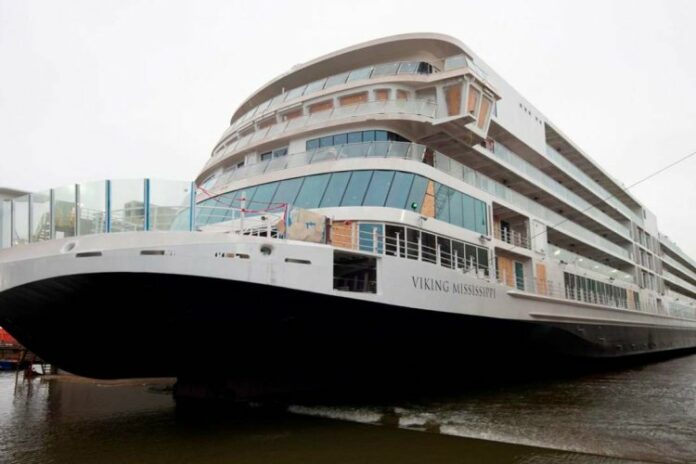
Viking® has celebrated that the new 386-guest Viking Mississippi® was “floated out” in Louisiana, marking a major construction milestone and the first time the ship has touched water. 

Set to debut in June 2022, the Viking Mississippi will sail Viking’s highly-anticipated voyages on the Lower and Upper Mississippi River, between New Orleans and St. Paul.

Torstein Hagen, Chairman of Viking, said:

“It is a proud moment that this new ship has met an American waterway for the first time. Our guests have long wanted to sail the Mississippi River with Viking, and we very much look forward to welcoming them on board this summer. We are grateful to our American partner, Edison Chouest Offshore, who has helped bring to life our vision of exploring the Mississippi in the ‘Viking way.’”

The traditional float out took place at Edison Chouest Offshore’s LaShip shipyard in Houma, Louisiana and is significant because it denotes a ship moving into its final stage of construction. In keeping with maritime tradition, the ship’s ceremonial godmother, Dionne Chouest, General Counsel of Edison Chouest Offshore, assisted with the float out.

With the new voyages expected to bring more than 7,500 guests to the region in 2022 and 17,600+ during the first full sailing season in 2023. Currently scheduled ports of call on Viking’s new Mississippi River itineraries comprise seven U.S. states: Louisiana (Baton Rouge, Darrow, New Orleans and St. Francisville); Mississippi (Natchez and Vicksburg); Tennessee (Memphis); Missouri (Hannibal, St. Louis); Iowa (Burlington, Dubuque and Davenport); Wisconsin (La Crosse); and Minnesota (Red Wing, St. Paul).

Biden bans US imports of Russian oil and gas

0

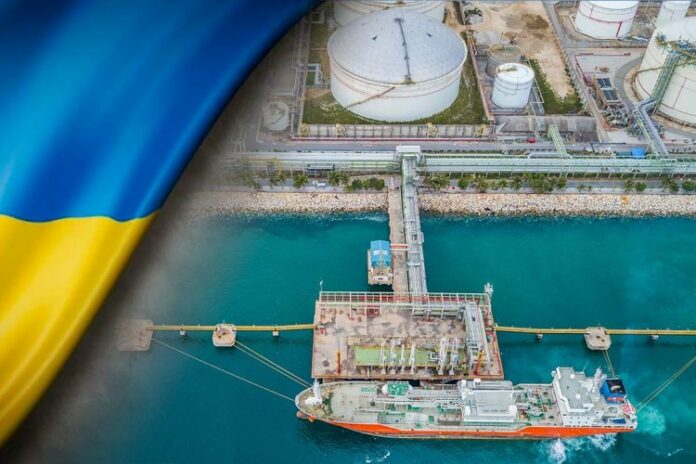
Speaking at the White House on Tuesday morning, Biden said the move targets “the main artery of Russia’s economy”. He said: 

“We’re banning all imports of Russian oil and gas and energy. That means Russian oil will no longer be acceptable at US ports and the American people will deal another powerful blow to Putin’s war machine.”

Rights advocates and Ukrainian leaders have called on the US and its European allies to sanction Russia’s oil-and-gas sector in response to the country’s February 24 invasion of Ukraine, which has devastated major cities and forced two million people to flee the country.

Western countries, especially European nations that rely on Russian oil and gas for a large share of their energy needs, have hesitated amid fears a ban would cut them off from much-needed supplies and send prices skyrocketing.

Ukrainian President Volodymyr Zelenskyy thanked Biden for “striking in the heart of Putin’s war machine” by imposing the ban. 

The US is not highly dependent on Russia for its energy supplies, importing an average of 209,000 barrels per day of crude oil in 2021 – or 3 percent of the country’s total crude imports, according to the American Fuel and Petrochemical Manufacturers (AFPM) trade association.

Europe has a larger dependence on Russian energy supplies, with about 35 percent of natural gas in the European Union coming from Russia.

Biden acknowledged that on Tuesday, saying the US understands that many of its European allies “may not be in a position” to impose a similar ban. He said:

“We can take this step when others cannot, but we’re working closely with Europe and our partners to develop a long-term strategy to reduce their dependence on Russian energy, as well.”

On Monday, a top Russian official said there would be a “catastrophic” fallout from a Western ban on Russian oil imports. Russian Deputy Prime Minister Alexander Novak said the move could more than double the price of oil to about $300 a barrel.

But calls have grown to hit Russia’s profitable oil-and-gas sector in a push to end the bloodshed in Ukraine.

On Tuesday, the European Commission said the war “demonstrates the urgency of accelerating our clean energy transition”, announcing plans to increase the EU’s energy independence while reducing its reliance on Russian supplies.

Source: Al Jazeera

Wallenius Wilhelmsen and ICO trial new barge solution from Antwerp to Zeebrugge

0

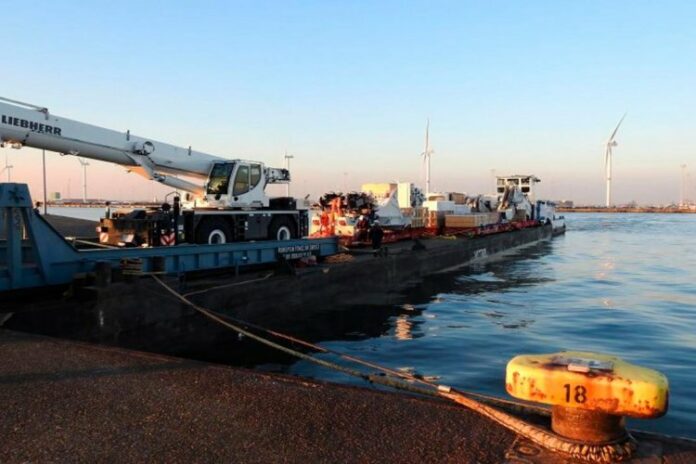
By using a push barge and customized pontoon, breakbulk products could reach Zeebrugge more efficiently in the future. The Liebherr products from the factories in Colmar and Ehingen arrived via barge to the terminal of International Car Operators in the port of Antwerp.

There it was safely put on roll trailers and rolled onto the Victrol pontoon. Subsequently, the products arrived at the inner port of Zeebrugge, where they will be exported internationally by RORO ships of Wallenius Wilhelmsen.   

The increasing choice for inland shipping not only promotes the efficiency of domestic transport, but also makes an important contribution to the climate. By shifting logistics activities to inland waterways, the share of freight traffic on the roads is reduced. Such ecological modal alternatives can reduce emissions of harmful substances and CO2 (as well as general traffic congestion).   

Marc Adriansens, Managing Director ICO:

“This test project offers an excellent example of what is possible when both ports work together. The joint customer Liebherr is very strongly committed to the modal shift, whereby we – as a terminal operator – adopt a flexible attitude as much as possible and try to actively collaborate on innovative solutions. Thanks to the technical expertise and transparent communication of all parties, we will make this new cargo flow a success. The interconnectivity between the two complementary ports is crucial for the progress of the fusion port!”

Werner Van Dessel, Sales Development Manager Wallenius Wilhelmsen:

“This trial is the first step towards a symbolic inland ‘RORO water bridge’ of 70 km between the ports of Antwerp and Zeebrugge. By partnering with Liebherr, subcontractor International Car Operators in Antwerp, the barge operator Victrol and the Port Authority of Zeebrugge, we hope to find a permanent sustainable transport option to improve accessibility for customers to Zeebrugge and reduce the proportion of trucks on public roads.”

Earlier this year, Flemish Minister of Mobility and Public Works Lydia Peeters gave her approval regarding the provisional financial support plan to promote inland navigation. With the Department of Mobility and Public Works, North Sea Port, Lantis, and Port of Antwerp, Port of Zeebrugge will invest 14.3 million euros to provide extra connections for inland navigation from and to our ports.

Tom Hautekiet, CEO Port of Zeebrugge:

“The gradual switch to classical inland navigation is a logical decision given our sustainable ambitions. A single cargo of 680 freight tons replaces about 10 truckloads. Moreover, the receipt of the test cargo of breakbulk confirms the pioneering role of the port of Zeebrugge as a maritime logistics trading platform on a national and international scale. Furthermore, the port authority can only compliment the hard efforts and dedication of our colleagues at Wallenius Wilhelmsen and the colleagues at ICO in Antwerp.”   

Norsepower and CLdN to fit rotor sails to the world’s largest short sea Ro-Ro vessel

0

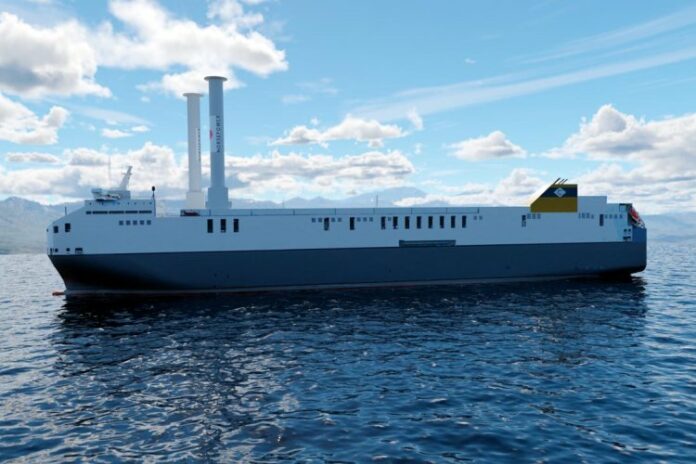
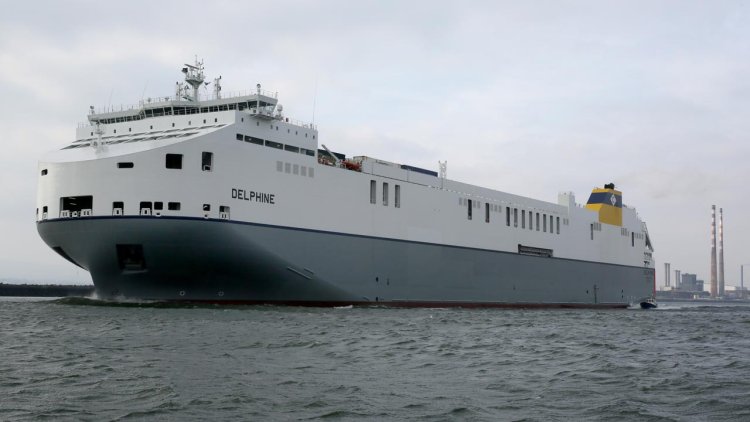
Norsepower has announced an agreement signed with CLdN, the logistics specialist for road, sea and rail, to install two tilting Rotor Sails on board a 2018-built Ro-Ro vessel to improve ship fuel efficiency and carbon emissions reduction. Preparations are currently taking place with the installation anticipated to be completed by December 2022.

The MV Delphine, a vessel with a cargo capacity of close to 8,000 lane meters, transits between the UK, Ireland and Europe and is the largest short sea Ro-Ro vessel operating in the world today. With two 35mx5m Rotor Sails, Norsepower has estimated that the technology would achieve a fuel and emission reduction saving of between 7 to 10% for this vessel, depending on the route.

The Norsepower Rotor Sail Solution – which can be installed on new vessels or retrofitted on existing ships – is a modernised version of the Flettner rotor, a spinning cylinder that uses the Magnus effect to harness wind power to thrust a ship. At the time of contract signing, this will be the seventh vessel to be installed with Norsepower’s Rotor Sails.

Tuomas Riski, CEO, Norsepower, commented on the agreement:

“Seeing the interest grow in our tilting Rotor Sail design demonstrates how the industry is looking for proven, flexible solutions to lower greenhouse gas emissions and reduce fuel costs across a range of vessel sizes and operations.

“Norsepower’s Rotor Sail installation on the MV Delphine demonstrates how the use of clean technology can modernise and evolve the performance of fleets’ younger vessels to manage emissions and help to increase asset value. With fuel becoming increasingly expensive, making savings will also have a huge impact on commercial success. Working with CLdN and its ambitious team is an opportunity to demonstrate what our technology has to offer to continue strengthening the environmental and commercial performance of its fleet.”

Gary Walker, COO Shipping, CLdN, added:

“In 2021, CLdN announced it is the top performer amongst its Ro-Ro shipping peers in Northwest Europe for CO2 emissions per tonne of freight carried. By investing in technologically advanced ships and terminals, CLdN enables its customers to improve their carbon footprint and support them at the same time in making their supply chains more efficient and robust. This demand for cleaner shipping is growing and we are committed to making measurable progress. Installing two of Norsepower’s Rotor Sails will maximise our fuel and emissions savings on the MV Delphine, and this pilot project will help determine how the Rotor Sail technology could be rolled out on the current CLdN fleet and our new-build vessels. We look forward to the installation and subsequent results.”

The Norsepower Rotor Sail is the first third-party verified and commercially operational auxiliary wind propulsion technology for the global maritime industry. The solution is fully automated and detects whenever the wind is strong enough to deliver fuel and emission savings, at which point the Rotor Sails start automatically. This is the third installation of the tilting Rotor Sail function, highlighting the growing interest in the flexibility of the latest design.

Stora Enso and Seaber to digitalise maritime logistics

0

Seaber’s innovative technology will enable the digitalisation of Stora Enso’s bulk and breakbulk shipment planning and communications, optimising the company’s cargo flows globally.

Seaber’s AI-assisted management and planning solution is revolutionising the bulk & breakbulk shipping industry. The web-based application is designed for both charterers and shipowners, allowing them to maximise efficiencies in schedule planning and communications. They can collaborate in this dynamic industry in real-time, with each stakeholder maintaining total control of the information being shared.

Seaber’s technology is the first solution targeted at increasing efficiencies in the bulk and breakbulk shipping industries on such a wide scale, making it uniquely positioned to reduce the sector’s environmental impact.

Niklas Fahlen, SVP Logistics, at Stora Enso, says:

“After an extensive evaluation of available solutions on the market, we believe that Seaber provides the best tool for us to efficiently handle the planning of shipment schedules and communication with all stakeholders. Together with Seaber’s offering for shipowners, we are able to jointly improve operational efficiency and reduce emissions by optimising port calls and doing our part in avoiding unnecessary repositioning of vessels.”

Sebastian Sjöberg, CEO and Co-founder of Seaber, explains:

“Stora Enso is a great partner, especially because, like us, they put a lot of effort into being an environmentally friendly company and are also an early adopter of new technologies. We are thrilled that Stora Enso selected us and are looking forward to a close cooperation with their team.”

Shell announces intent to withdraw from Russian oil and gas

0

Shell plc (Shell) today announced its intent to withdraw from its involvement in all Russian hydrocarbons, including crude oil, petroleum products, gas and liquefied natural gas (LNG) in a phased manner, aligned with new government guidance. As an immediate first step, the company will stop all spot purchases of Russian crude oil. It will also shut its service stations, aviation fuels and lubricants operations in Russia.

Shell Chief Executive Officer, Ben van Beurden, said:

“We are acutely aware that our decision last week to purchase a cargo of Russian crude oil to be refined into products like petrol and diesel – despite being made with security of supplies at the forefront of our thinking – was not the right one and we are sorry. As we have already said, we will commit profits from the limited, remaining amounts of Russian oil we will process to a dedicated fund. We will work with aid partners and humanitarian agencies over the coming days and weeks to determine where the monies from this fund are best placed to alleviate the terrible consequences that this war is having on the people of Ukraine. 

“Our actions to date have been guided by continuous discussions with governments about the need to disentangle society from Russian energy flows, while maintaining energy supplies. Threats today to stop pipeline flows to Europe further illustrate the difficult choices and potential consequences we face as we try to do this. Following government statements this week, I want to set out our position clearly. Unless directed by governments, we will:

    • Immediately stop buying Russian crude oil on the spot market and we will not renew term contracts.
    • At the same time, in close consultation with governments, we are changing our crude oil supply chain to remove Russian volumes. We will do this as fast as possible, but the physical location and availability of alternatives mean this could take weeks to complete and will lead to reduced throughput at some of our refineries.
    • We will shut our service stations, aviation fuels and lubricants operations in Russia. We will consider very carefully the safest way to do this, but the process will start immediately.
    • We will start our phased withdrawal from Russian petroleum products, pipeline gas and LNG. This is a complex challenge. Changing this part of the energy system will require concerted action by governments, energy suppliers and customers, and a transition to other energy supplies will take much longer.”

Also, Van Beurden said:

“These societal challenges highlight the dilemma between putting pressure on the Russian government over its atrocities in Ukraine and ensuring stable, secure energy supplies across Europe. But ultimately, it is for governments to decide on the incredibly difficult trade-offs that must be made during the war in Ukraine. We will continue to work with them to help manage the potential impacts on the security of energy supplies, particularly in Europe.