0.3 C
New York
Home Blog Page 460

Kongsberg and University of Plymouth partner to revolutionize FLOW sector

0

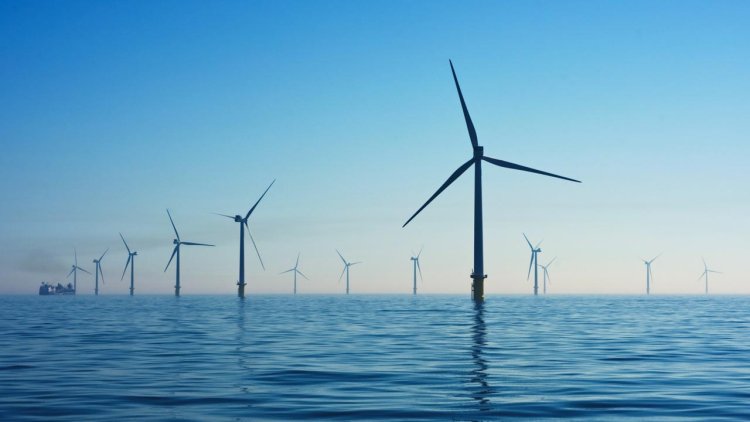
By combining cutting edge simulator technology to provide a synthetic offshore wind environment in real-time and the university’s R&D expertise, the partnership aims to provide offshore wind project teams and crew with facilities to verify, test and optimize installation and maintenance projects.

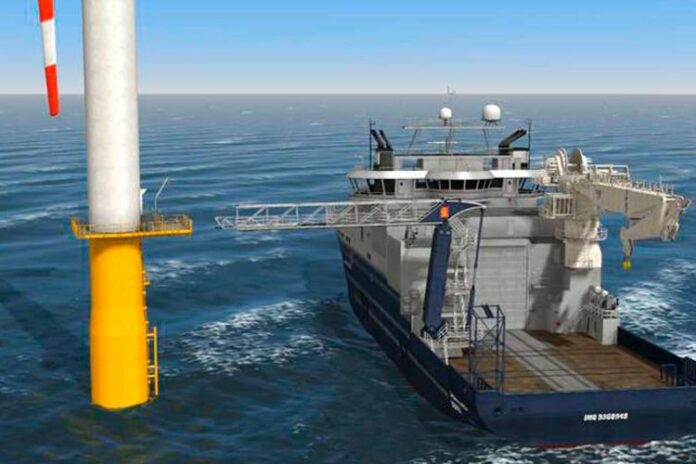
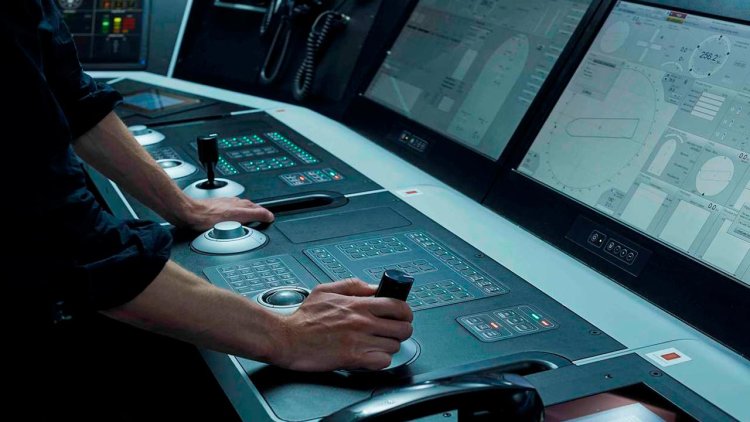
Vital in this project is a state-of-the-art KONGSBERG Dynamic Positioning (DP) simulator, which soon will be installed at the University’s campus. The K-Sim DP simulator is built on the market leading KONGSBERG DP technology and has the necessary fidelity and realism required for thorough studies, mission planning, training and assessment of crew, where various challenging scenarios can be evaluated and optimized in a safe environment.

K-Sim DP will be used to simulate, test and optimize marine operations throughout the lifecycle of FLOW installations. This will provide key insights into solutions that will increase efficiency in both installations and operational maintenance, increasing safety and cost effectiveness for the companies involved.

In addition to the research aspect, it will also be used to develop training for current and future industry professionals, helping to meet the national and international demand for such expertise in line with the global net-zero agenda.

Professor Deborah Greaves OBE, Professor of Ocean Engineering and Director of the Supergen Offshore Renewable Energy Hub, said:

“This simulator could be a game-changer in the future deployment of floating offshore wind technology. As the sector expands, we need to develop innovative and effective ways of installing the technology in new and challenging environments. I believe our partnership with KONGSBERG, and the opportunity to learn from their experience and expertise, can make significant strides in helping us to achieve that.”
The new DP simulator has been acquired through the University’s involvement in the Cornwall FLOW Accelerator project. Led by Celtic Sea Power and supported by a grant of £4.8m from the European Regional Development Fund (ERDF), through the Cornwall and Isles of Scilly Growth Programme, the project will support Cornwall’s ambitions to take a leading role in the global floating offshore wind sector.

The new facility will complement other leading strengths within the university, including its unique Cyber-SHIP Lab and increasing fleet of Marine Autonomous Systems. The UK’s national Floating Offshore Wind Turbine Test facility, supported by the Engineering and Physical Sciences Research Council (EPSRC), is also based within the University’s COAST Laboratory. These, combined with the University’s global lead on research relating to United Nations Sustainable Development Goal 14 (Life Below Water), places the University as the leading institution for research towards a future of safe, and sustainable future maritime operations.

Andreas Jagtøyen, Executive Vice President Digital Ocean, Kongsberg Digital, commented:

“Floating offshore wind turbines are seen as an increasingly important element of the renewable energy sector, which is a rapidly growing market. We look forward to cooperating with the University of Plymouth to support this industry with cutting-edge technology leading to improved safety and increased efficiency in offshore wind projects.”
North P&I and Standard Club announce merger plan

0

Combination would establish a global marine insurer positioned to thrive in the face of current and emerging challenges and opportunities posed by digitalisation, recruitment, regulation and sustainability.

North P&I and Standard Club have entered formal discussions for a proposed merger to create a new global marine insurer and one of the largest providers of mutual cover in the maritime industries. The combined mutual insurer would provide cover for vessels equivalent to 400M GT.

Jeremy Grose, CEO, Standard Club, said:

“Standard Club and North now have the opportunity to create one of the world’s leading and most influential P&I clubs, founded on exceptional service and innovation, a broader diversified product range, scale economies and global reach. 

The merger would help the new club navigate the continuing disruptive change affecting the maritime sector and better anticipate challenges ahead. Backed by a strong capital buffer over regulatory requirements, the combined club’s capital strength would allow for significant reinvestment in enriching member services, innovative technology and more tailored and sustainable solutions for the longer term.

Cesare d’Amico, Standard Club’s Chairman, said:

“The ambition behind the merger is to deliver tangible benefits to shipowners. Combining will provide greater financial resilience, efficiency and an even deeper pool of talent to maintain and strengthen the focus on service excellence and close member relationships for which both clubs are renowned.”

The proposed merger remains subject to the approval of the full mutual membership of both clubs and of all the appropriate regulatory authorities. Member voting procedures are anticipated to conclude by the end of May. If approved by the membership, the formal merger of both clubs is expected to complete by 20th February 2023.

Container ship Suzaku completes 790 km autonomous navigation trial

0

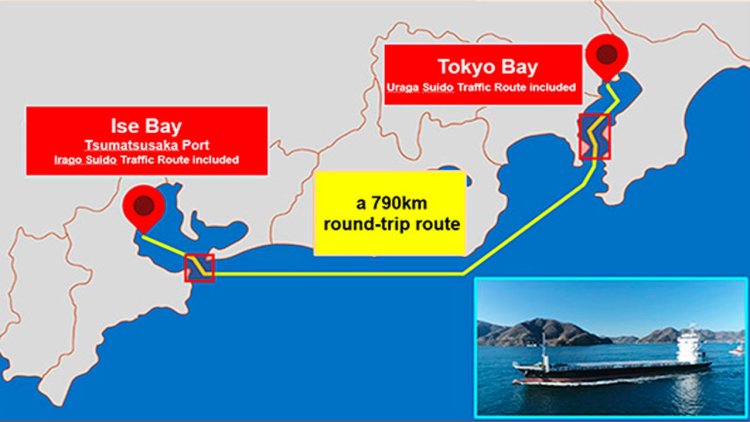
From February 26 to March 1, the DFFAS (Designing the Future of Full Autonomous Ship) consortium conducted a trial simulating the actual operation of a fully autonomous ship at a distance of approximately 790 kilometers between Tokyo Bay and Ise Bay.

The DFFAS project comprises 30 Japanese companies including NYK and NYK Group companies Japan Marine Science Inc., MTI Co. Ltd., and Kinkai Yusen Kaisha Ltd. The consortium is participating in the Joint Technological Development Programme for the Demonstration of Fully Autonomous Ships under the fully autonomous ship project “MEGURI 2040” administrated by the Nippon Foundation.

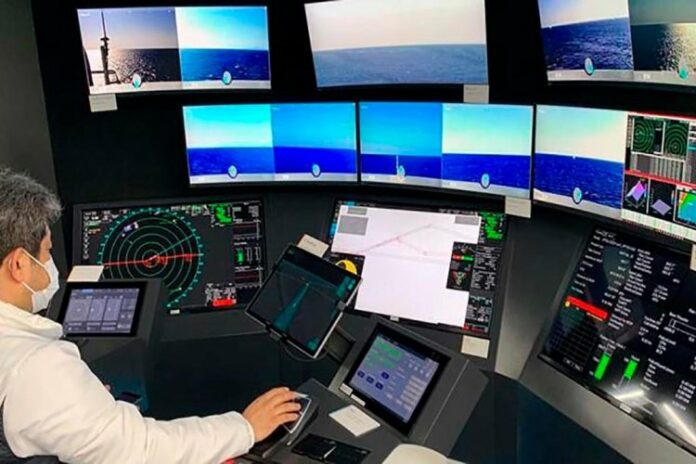
In the trial, the container ship Suzaku was equipped with an autonomous navigation function and connected by satellite and a ground communication line to a fleet operation center that had functions such as remote maneuvering and engine-abnormality prediction to support the operation of a fully autonomous ship from shore.

The trial was then conducted in a manner that simulated the actual operation of future fully autonomous ships, successfully completing a series of voyages that amounted to about a 790-kilometer round-trip between Tokyo Bay and Ise Bay, including offshore maneuvering, bay navigation, coastal navigation, and berthing maneuvering, using a comprehensive fully autonomous navigation system (DFFAS system).

The DFFAS consortium is made up of about 60 domestic and overseas cooperating companies and organizations, including 30 companies from diverse fields. The consortium has developed its DFFAS system using an open innovation framework. In the trial, Suzaku (95 meters, 749 gross tons) navigated a 790-kilometer round-trip route departing from and returning to Tokyo Bay by way of Ise Bay using a DFFAS system, including remote operation from the fleet operation center in Chiba prefecture. This successful trial in the highly congested area of Tokyo Bay, which has roughly 500 ships passing through each day, verifies a high level of technological development that represents a significant step toward practical implementation. In addition to addressing the issues of aging crew and crew shortages facing the domestic coastal shipping industry and the social issue of accident reduction, remote operation from shore can be expected to introduce new work styles and increase labor capacity for crews.

With an eye toward full-scale implementation, the DFFAS consortium developed a DFFAS system with repeated risk assessments carried out from the design stage. The system has three primary components: a ship-side navigation system that controls autonomous functions from the ship; a shore-side system that monitors and supports the ship from shore, including remote ship-handling functions; and an information and communications system that enables stable communication between the ship and shore.

The fleet operation center marks a particular advance, allowing fully autonomous navigation at sea with tracking from shore of functions normally performed by crew, including the monitoring of weather and sea conditions, traffic flow, and the ship’s equipment. In emergency situations, the system can switch to remote operation from the fleet operation center, ensuring the overall system’s safety and stability.

Equinor to stop trading in Russian oil and oil products

0

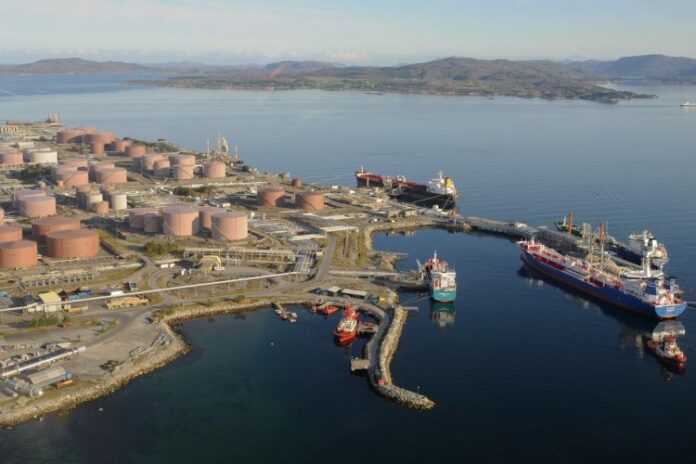
Following the announcement that Equinor has started the process to exit its projects in Russia, a decision has been made that Equinor will also stop trading in Russian oil. 

This means that Equinor will not enter any new trades or engage in transport of oil and oil products from Russia.

This is part of Equinor’s efforts to exit Russia and includes getting a full overview of all relevant aspects, including legal obligations. Equinor has certain contractual commitments arising out of contracts entered into prior to the invasion. This includes contracts signed in January this year, under which Equinor will receive four oil cargoes in March. Two of these are sold on to customers in Asia. The third is a naphta cargo that will be delivered to an Equinor contracted storage facility. The fourth is a feedstock cargo to be delivered at the Mongstad refinery in Norway.

Receiving these cargoes is in full compliance with current sanctions. Equinor is continuing its work to exit Russia in a responsible way while ensuring compliance with all applicable laws, including sanctions. 

Petrofac to explore feasibility of green hydrogen to ammonia facility in Egypt

0

Petrofac has won its first new energies project in Egypt with an in-country subsidiary of Egypt-focused Mediterranean Energy Partners (MEP).

The project is an early-stage study assessing the feasibility of a new green hydrogen to ammonia facility that will target the production of 125,000 tonnes of green ammonia a year for export, using a mix of solar and wind energy. 

Petrofac’s scope will be key to successfully delivering the project and includes sizing the electrolysers and the feasibility of export facilities at Ain Sokhna Port on the Gulf of Suez.

Alex Haynes, Head of Business Development, New Energy Services, Petrofac, said:

“We’re delighted to be supporting Mediterranean Energy Partners with its strategic green energy project. This award builds on our growing track record in the new energy space and recent green hydrogen projects in Australia, the UK, and other global locations. Egypt is moving fast to develop its natural advantages for green energy with its abundant solar and wind resources, coupled with its strategic geographic location for exporting zero carbon products, and Petrofac is thrilled to be supporting this growth.”

Taner Sensoy, CEO of Mediterranean Energy Partners, commented:

“We are excited to work with Petrofac on the feasibility of our export focused green hydrogen/ammonia production facility. We believe that green hydrogen will play a critical role in the energy transition. Egypt is uniquely positioned to provide low-cost renewable energy, access to export markets, and track record of hosting large scale projects with available talent, services, and infrastructure.”

GWEC report: Five countries could accelerate the growth of floating offshore wind

0

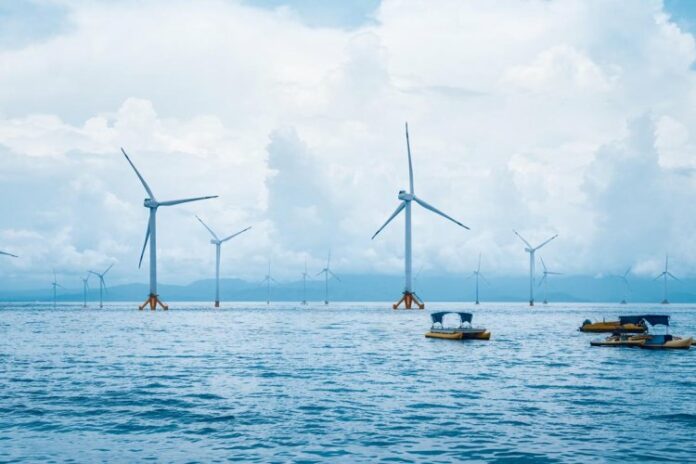
The report sets out the enormous role floating offshore wind could have in the world’s drive, over the next decade, to reduce reliance on fossil fuels such as gas, coal and oil. The technology is central to global ambitions to reach Net Zero by 2050.

The report focuses on five countries – Ireland, Italy, Morocco, Philippines and USA – which all have significant floating wind potential.

These five countries are termed the ‘chasing pack’, and together with the most mature floating markets – UK, South Korea, France and Japan – could spearhead the next wave of floating wind. The global race to develop this technology is already underway, and these countries can catch up to the current market leaders, if they put in place the right policy now.

Ben Backwell, GWEC CEO, said:

“Offshore wind is a vital tool in global action to decarbonise. While the focus of this decade is rapid growth of fixed offshore wind, we also need to see political leadership so that floating offshore wind is ready to play its part.”

The report, from research and analytics company Aegir Insights, shows the critical role of political leadership in kick-starting floating offshore wind markets. The market is nascent, but could be huge: 80% of the world’s offshore wind resource potential lies in waters deeper than 60m.

For many countries, the technical potential for floating offshore wind dwarfs that of fixed-bottom turbines. If offshore wind is to ramp up its contribution to net zero, rapid deployment of floating wind farms will be needed. This requires political leadership and support to make a reality.

Joe Nai, General Manager Asia Offshore Wind and Shell representative to GWEC Offshore Wind task force, said:

“As floating wind technologies mature it is critical that governments create policy to enable the rapid roll out of new projects in support of global net zero emissions targets. Alongside bottom-fixed offshore wind, solar and hydrogen, floating offshore wind has an opportunity to play a major part in the world’s future energy mix.”

Austal Australia delivers 14TH Guardian-class Patrol Boat

0

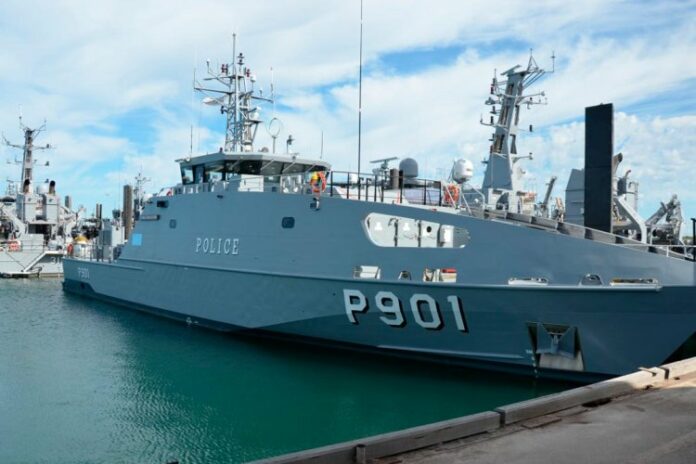
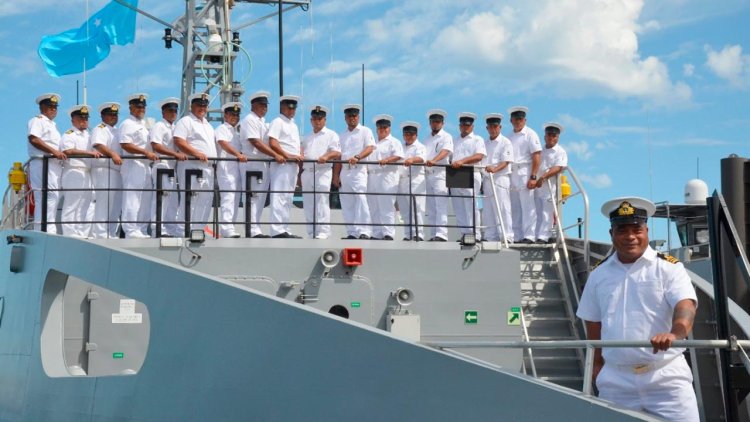
The vessel, FSS Tosiwo Nakayama, was then gifted by the Australian Government to the Federated States of Micronesia at a certificate signing ceremony held today at Austal’s shipyard in Henderson, Western Australia.

The vessel is the first of two Guardian-class Patrol Boats to be delivered to the Federated States of Micronesia under the Pacific Patrol Boat Replacement Project (SEA3036-1), part of the Australian Government’s Pacific Maritime Security Program.

Austal Limited Chief Executive Officer Paddy Gregg said the new vessel was the first of an unprecedented nine naval ships scheduled for delivery to the Commonwealth of Australia in 2022 – including five Guardian-class patrol Boats and four Evolved Cape-class Patrol Boats.

Mr Gregg said:

“This first of nine ships to be delivered to the Commonwealth this year highlights Austal’s proven capability to construct multiple naval vessel projects in Australia, simultaneously.” 

“We’re very proud of our teams – from Austal Australia, the Department of Defence and our supply chain partners throughout the National Naval Shipbuilding Enterprise, who are continuing to achieve outstanding efficiencies and productivity in the delivery of the Pacific Patrol Boat Replacement Project.”

Faster than the previous/current Pacific class patrol boats, with improved seakeeping, better amenities, and an enhanced mission capability – including an integrated RHIB stern launch and recovery system – the Guardian-class Patrol Boats provide the Federated States of Micronesia with a much-improved naval asset to carry out border patrols, regional policing, search and rescue, and many other operations domestically and internationally.

The Pacific Patrol Boat Replacement Project was awarded to Austal Australia in May 2016, with an additional contract option awarded in April 2018, taking the program to 21 vessels, valued at more than A$335 million.

Twelve Pacific Island nations including Papua New Guinea, Fiji, the Federated States of Micronesia, Tonga, Solomon Islands, Cook Islands, Kiribati, Marshall Islands, Palau, Samoa, Tuvalu, Vanuatu and Timor-Leste will receive the vessels through to 2023.

The Pacific Patrol Boat Replacement Project supports more than 200 direct jobs at Austal Australia and more than 200 indirect jobs nationally through Australian businesses contracted by Austal.

Austal Australia’s expanded service centre in Cairns, incorporating a 1,200 tonne (80 metre LOA) slipway and a 1,120 tonne mobile boat hoist, continues to provide in-service support to the growing Guardian-class Patrol Boat fleet; with more than 100 people now employed in a variety of engineering and sustainment roles in the Far North Queensland city.

The 39.5 metre steel monohull patrol boat – designed, constructed and sustained by Austal Australia – is based on a proven design platform that has included the 38 metre Bay-class, 56 metre Armidale-class and 58 metre Cape-class patrol boats that are in service with the Australian Border Force and Royal Australian Navy.

New solar-electric boat cleans up Manila Bay

0

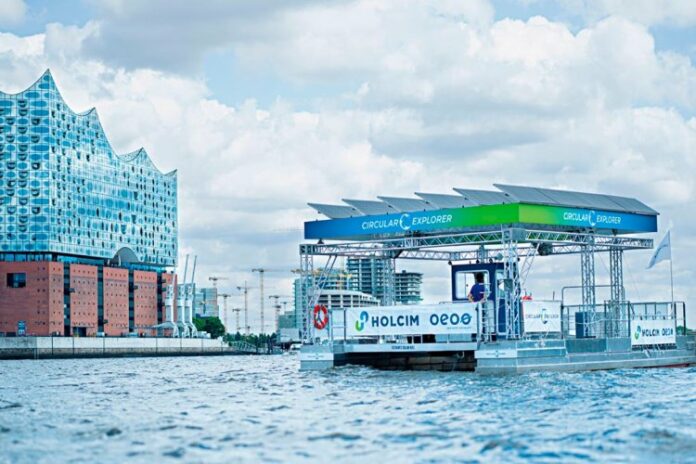
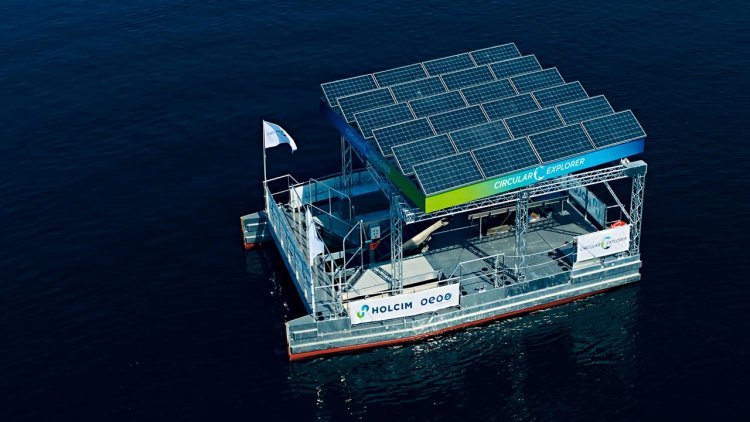
The vessel is just 12 meters long and 8 meters wide. At first glance, you can’t even be sure if it’s a boat or a floating dock. The unique mission of this unusual vessel is freeing seas and oceans from plastic waste. 

Circular Explorer, as the boat was christened, belongs to the environmental organisation One Earth – One Ocean and was designed at a boatyard in Lübeck, Germany. If you take a closer look at this boat, you realise it’s an exceptional kind of catamaran. At the bows, between the two hulls, a conveyor belt transports any plastic items, bits of fishing nets or wooden planks out of the water and into the boat, where the crew sort them into big bags. Any seaweed, crustaceans, mussels, or other sea creatures are returned to the water via a slide at the boat’s stern.

Gregor Papadopoulos, Torqeedo’s Senior Manager Retail Sales, says:

“This project is very special for us, and we are delighted to be playing our part in making the natural environment that bit cleaner.”

The Circular Explorer is powered by two 50 kW Deep Blue electric motors. The 24 solar panels installed on the 64 m2 roof are tiltable and follow the sun to generate the necessary power. The two Deep Blue 40 kWh lithium batteries on board the Circular Explorer are charged via shore power before the boat sets off. But if the sun’s shining, they return to harbour fully charged. At a speed of 4 knots, the solar power generated during the trip is almost identical to the amount consumed. In other words, the Circular Explorer is not only on a cleaning-up mission but is also clean herself.

This boat is the next major step in a project that began in 2008. Back then, Günther Bonin, a leisure yachtsman and IT manager, was sailing from Vancouver Island to San Diego when he spotted the crew of a containership throwing tons of waste into the Pacific – a sight he could not forget. Back home in Munich, he started researching marine pollution and was shocked to discover how little was being done to prevent it.

Bonin gave up his job in IT and founded One Earth – One Ocean to raise awareness of marine pollution, research the topic, and develop concrete ways of tackling the problem of plastic waste thrown overboard from ships or that flows into the sea from rivers from countries without properly functioning waste-disposal systems.

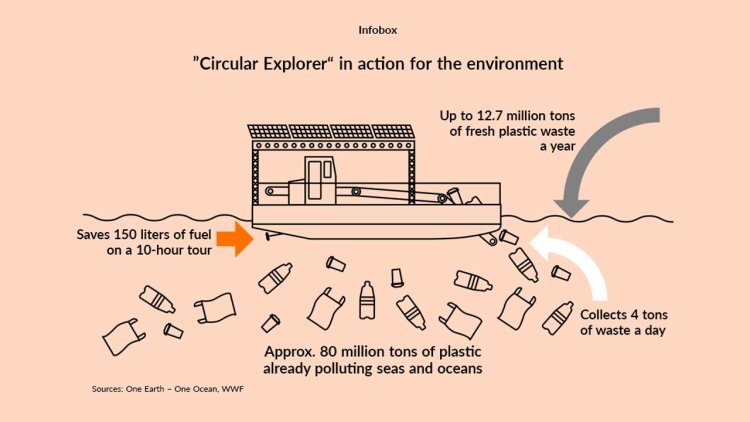
Plastic waste is a considerable threat to the marine ecosystem. Fish, birds, and other marine creatures devour the plastic, are injured by it, and die. Carpets of floating garbage prevent sunlight from reaching the depths and inhibit the growth of plankton and algae. A few years ago, research scientists from the Ellen MacArthur Foundation calculated that if pollution continues at this rate, the plastic in our seas and oceans could weigh more than all the fish living there by 2050.

Thirteen of the small litter collection boats are already in operation around the world, cleaning up the Nile in Egypt, Guanabara Bay in Brazil, and Sangkat River in Cambodia. One Earth – One Ocean is initially concentrating on rivers, estuaries, and coastlines in Africa, South America, and Asia, which are the heaviest contributors to ocean plastic pollution. But most of these litter collection boats have been powered by diesel motors. Cleaning up the environment and polluting it simultaneously is not ideal, so the organisation decided to switch to solar power.

After the launch in Hamburg and sea trials, the Circular Explorer was taken apart, packed into four containers and shipped to the Philippines. The vessel is currently operating five days a week cleaning up the massive bay off the country’s capital.

Pioneering Spirit installs 25,000 tonne P2 platform

0

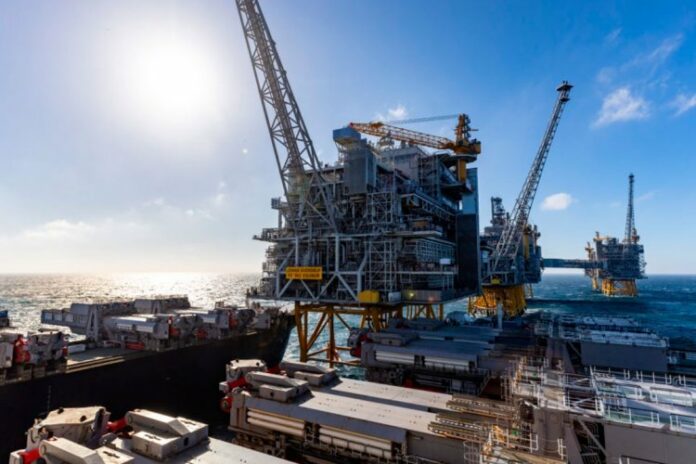
The massive platform was lifted into position in one lift with the world’s largest and most versatile construction vessel on 8 March. Pioneering Spirit  will later install a 95-metre bridge connecting P2 to the adjacent riser platform.

Integral to the second phase of development, P2 is the field’s fifth platform, and the fourth to be transported and installed using Allseas’ unique single-lift technology.After initial preparations, the actual installation job took only three hours, making it one of the fastest ever installations of a large, fully completed topside. Unlike crane vessels, which have a limited lift capacity, Pioneering Spirit  enables entire topsides of up to 48,000 tonnes to be lifted in one, single lift. This allows for great savings in the construction and installation phases, in terms of man-hours, schedule and costs.

Single-lift technology also significantly reduces risks related to health, environment and safety, and reduces time in the field, thereby generating substantial emissions savings.

Project Manager Frans den Hartogh says:

“Our single-lift technology offers unique possibilities for platform installations and removals and has substantial safety, schedule and cost-related benefits.”

Equinor, partners and Allseas have worked closely over the last three years to prepare P2 for the lift.The platform was towed from Aibel Haugsund to Digernessundet, Stord, and transferred from barge to the waiting Pioneering Spirit  for transport to the Johan Sverdrup field, some 140 kilometres west of Stavanger.The phase 2 development will capture the full potential of the huge Johan Sverdrup field on the Norwegian Continental Shelf. When the P2 platform comes into operation later this year, production capacity will increase to approximately 720,000 barrels per day.

Equinor have estimated that the use of Pioneering Spirit  during the first phase of the Johan Sverdrup development help cut more than 1 million man-hours offshore. This enabled a three-to-six month earlier start-up of the field than would have been possible with the alternative topside installation solution, and cut costs by almost NOK 1 billion.

Heerema and DeepOcean awarded decom contracts by Spirit Energy

0

Heerema will cooperate with DeepOcean, the subsea asset removal contractor, to deliver the safe and sustainable decommissioning of the platforms.

The EPRD (engineering, preparations, removal, and disposal) contract includes both firm work and optional scope that can be called off by the client. Heerema Marine Contractors will lead its part of the work out of its offices in Leiden (NL) and London (UK).

The firm scope involves the EPRD of the Audrey A, Audrey B, and Ensign platforms, while the optional work includes an additional 5 platforms in the southern North Sea region of the UK and Dutch sectors.

Following a joint tender submitted in cooperation with DeepOcean Subsea Services Limited, both firms have secured contracts that will be executed under a tripartite Collaboration Agreement.

Heerema’s scope is to remove and recycle the platform topsides and substructures, while DeepOcean will be responsible for removing and recycling all subsea assets in the relevant fields. The combined weight of the firm scope topsides and jackets is around 7000 metric tons and will be recycled in the UK. The platforms are located between 23 and 26 meters of water.

Heerema’s Decommissioning Director, Michel Hendriks, said:

‘decommissioning North Sea platforms is an important component within Heerema’s portfolio, and we are proud to be Spirit Energy’s chosen contractor for the topside and substructure scope. We are also looking forward to working alongside DeepOcean and their team to deliver the safe and sustainable removal of the Audrey A, Audrey B, and Ensign platforms.’

Both companies will coordinate and align their operational schedules to fit the overall milestones contained within the two contracts.