-1.1 C
New York
Home Blog Page 450

Van Oord awarded land reclamation project in the Maldives

0

Van Oord has been contracted to reclaim and create 194 hectares of land in Addu City, Maldives. 

The works are part of the Addu Development Project, meant to address climate change and to transform Addu City into a fully functional, thriving economic hub and an attractive tourist destination. The client is the Ministry of National Planning, Housing and Infrastructure of the Government of Maldives.

Addu City is located in the Maldives and consists of the inhabited islands of the southernmost atoll of the Maldives, Addu Atoll. It is home to 20,000 people divided between six islands surrounding a lagoon. The Addu Development Project is the government’s plan to stimulate the economy and tackle high unemployment by increasing economic and employment opportunities in the region. The project is in line with the government’s aim of addressing climate change and environmental protection, promoting decentralisation and enhancing connectivity to relieve population congestion and reduce travel time and distance between jobs, services and homes.

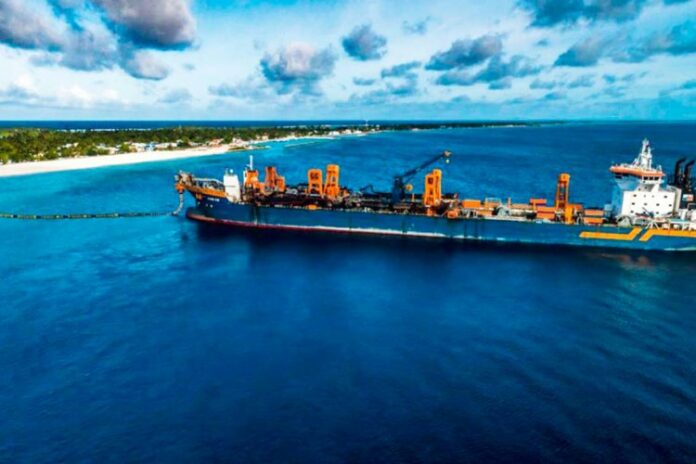
Land will be reclaimed along the coasts of the islands Hithadhoo and Maradhoo/Maradhoo-Feydhoo. In addition, three new islands will be created in the city’s lagoon. Trailing suction hopper dredger HAM 318 will be deployed for the reclamation works and will source sand from two designated areas in the lagoon. Preparations will commence immediately. The project will be completed within 18 months.

Niels de Bruin, Director Dredging, said:

“We have collaborated with local and other coral specialists worldwide on the relocation of coral and associated flora and fauna prior to coastal construction work, for example at the Himmafushi Atoll in the Maldives in 2016. We are keen to extend our coral relocation and rehabilitation track record.”

Coastal protection is part of the contract. Van Oord will install 11 kilometres of shore protection using rock and at some locations geotextile tubes. The geotextile tubes are elongated bags made of specially developed geotextile fabric filled with sand. They have proven to be effective in a variety of other climate adaptation projects around the world involving the construction of dams. The method is sustainable because it reduces the use of primary building materials such as rock and sand and therefore also reduces the fossil fuel emissions caused by transport.

Addu Atoll has a wide variety of valuable ecosystems. Protection of the environment is a key concern for Van Oord and environmental management will be integrated into all project activities. Van Oord is currently investigating the most sustainable approach to project execution based on the best practices of other projects. Part of the project scope is the relocation of coral. Van Oord will work with local stakeholders to move coral and associated species from the reclamation area prior to project execution.

Van Oord has executed several projects in the Maldives. In 2017 it received the DPC Innovation Award for its innovative and sustainable approach to a land reclamation project near the capital Male. The project contributed to the region’s economic and social development.
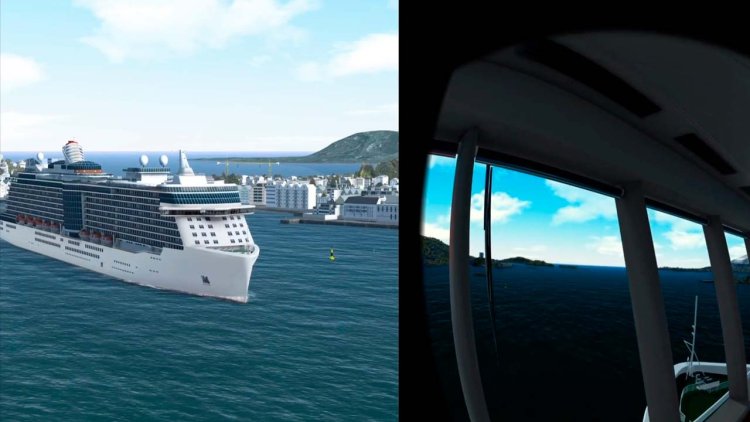
Wärtsilä launches digital solutions for scalable and realistic training experience

0

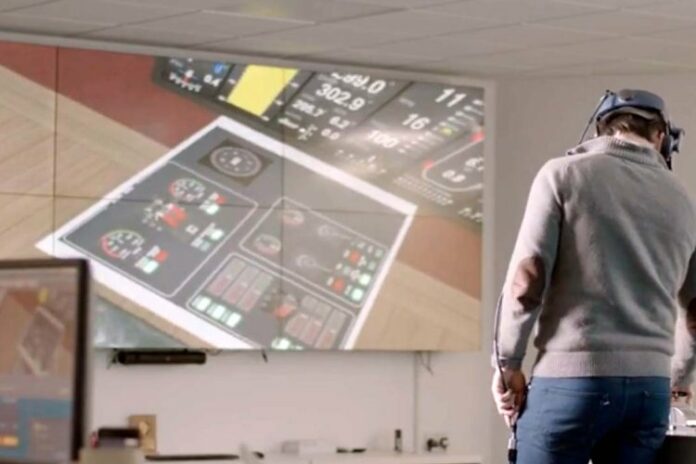
Wärtsilä Voyage, part of the technology group Wärtsilä, launches Smart Realities – a cost-effective, easily scalable, and fully immersive extended reality (XR) training and assessment solution for ship handling, bridge and marine engineering applications that allow mariners to develop their skills and encounter unmatched and highly realistic true-to-life scenarios in a virtual risk-free environment.

As the shipping industry constantly evolves to adopt the latest intelligent and green technologies, there is also a need to improve mariners’ training and learning environments to prepare them to adequately handle new systems and processes.

For this purpose, Smart Realities applications can transform the way that maritime educational content is delivered, enhancing student learning and engagement, and inspiring a new generation of tech-savvy mariners. Combining today’s technology with 25 years of experience in hi-fidelity hydrodynamical, mathematical and physical modelling, the solution delivers the level of realism that is critical for knowledge growth and retention in complex manoeuvres and operations.

Johan Ekvall, Head of Product, Simulation and Training at Wärtsilä Voyage, said:

“There is little doubt that Virtual, Augmented, and Mixed Reality applications will soon become an indispensable part of future volume training both as co-located and distributed learning. Smart Realities solutions are an essential extension of the Wärtsilä Simulation platform, utilising existing validated exercises, ship models and visual areas, and having all of the available instructional tools that simulation operators expect and need to achieve their learning objectives. By providing multi-player capability, instructors can enter the virtual environment with the learners, or collaborative scenarios can be achieved from remote locations, offering an incredible opportunity to enable significantly better learning with technology.”

Capt. Josip Kulas, Director of Training & Simulation, The Maritime Skills Academy, said:

“I believe that Smart Realities create added value to the training programs which are already in place here at The Maritime Skills Academy. There’s a strong focus on situational awareness and decision making. The solution creates real-life immersive environments to make a simulation of the operations performed on board any ship, and the lifelike scenarios improve learning retention, job performance and team collaboration. We’re very pleased with the results and unique learning approaches Smart Realities have brought us.”

ClassNK issues AiP for ammonia-ready LNG-fueled Panamax bulk carrier

0

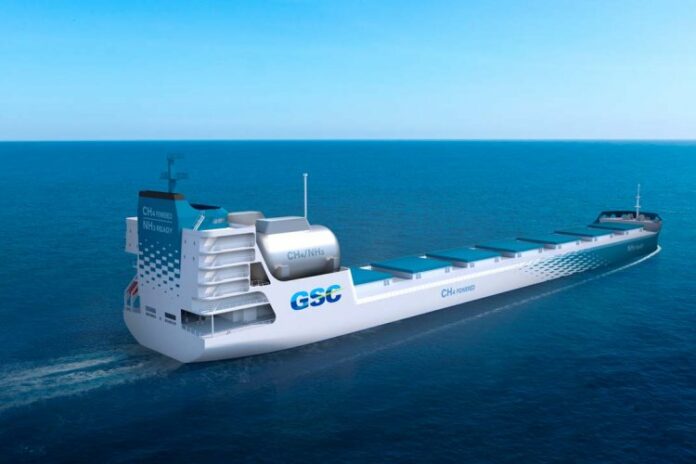
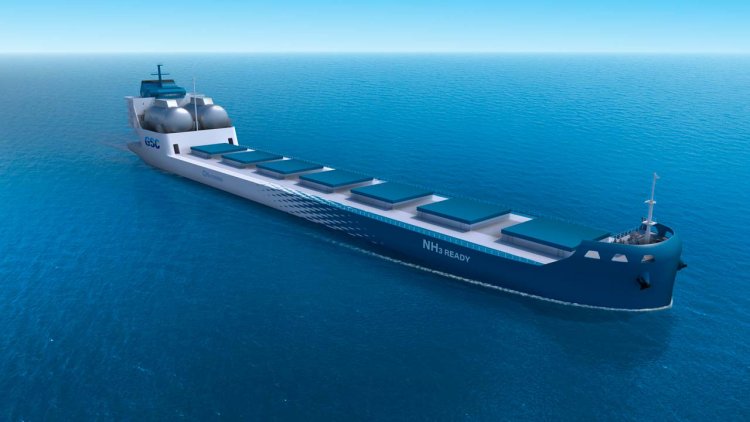
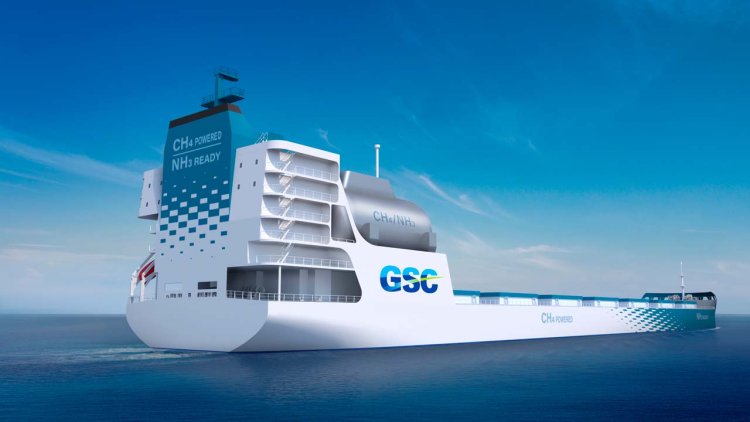
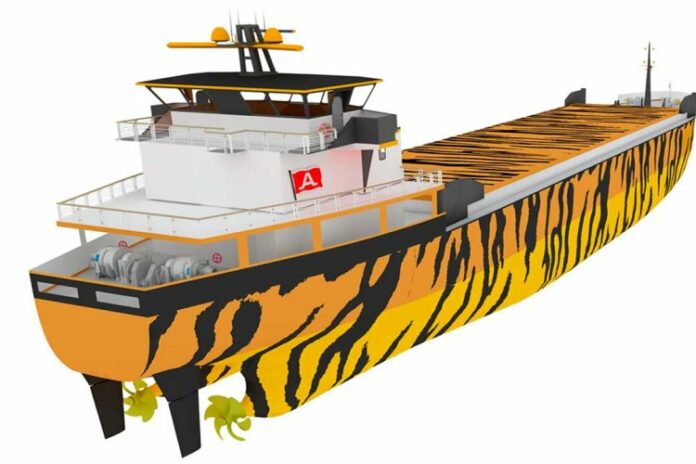
Leading Classification Society ClassNK has issued an Approval in Principle (AiP) for the design of an ammonia-ready LNG-fueled Panamax bulk carrier developed by Planning and Design Center for Greener Ships (GSC). 

Ammonia is expected to be used as ship fuel for decarbonization since it does not emit CO2 when burned. Meanwhile, taking adequate safety measures are impartial due to its characteristics of being toxic to humans and corrosive against materials, and ClassNK has worked on development of standards and certification.

In 2021, ClassNK published its “Guidelines for Ships Using Alternative Fuels” to minimize the risks related to ammonia-fueled ships for the ships, crew, and environment by stipulating requirements for installation, controls, and safety devices. ClassNK subsequently issued an Approval in Principle (AiP) for the design of an ammonia-fueled Panamax bulk carrier developed by GSC in January 2022.

GSC describes the newly developed design as LNG-fueled but ready for ammonia-fueled. For the short-term aiming lower CO2 emissions, it will be operated by using LNG fuel. For the long-term aiming toward zero CO2 emissions, it has two scenarios; in the first scenario, it is converted to ammonia fueled propulsion systems, in the second scenario, it will keep the systems but will switch its fuel from LNG to liquified carbon-neutral methane. The ship is developed as a flexible and efficient solution to enduring the unpredictable period of fuel transition.

ClassNK reviewed the design as an LNG fueled ship based on its Rule Part GF incorporating IGF Code, and as an ammonia-ready ship based on Concept Design category of its “Guidelines for Ships Using Alternative Fuels” Annex 1 verifying the conformity to their requirements as an LNG-fueled ship and a future ammonia-fueled ship, ClassNK has issued an Approval in Principle (AiP) as an ammonia-ready LNG-fueled ship.

NYK and Sanyo Kaiji start Japan’s first ship-to-ship biofuel supply trial for tugboats

0

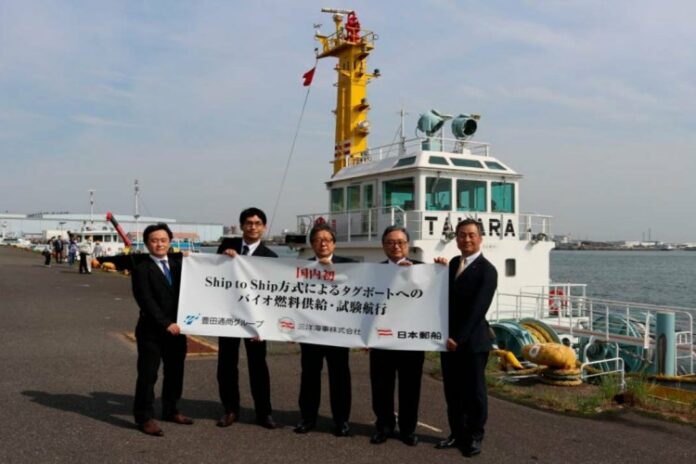
Nippon Yusen Kabushiki Kaisha (NYK) and its affiliate Sanyo Kaiji Kabushiki Kaisha (Sanyo Kaiji) have started a continuous three-month test navigation using biodiesel (biofuel) supplied by Toyotsu Energy Corporation in tugboats operated by Sanyo Kaiji. 

The biofuel will be supplied via ship-to-ship using a bunkering ship to supply fuel to the tug, the first time for this to be done in Japan. Three test trials are planned to take place by July. This biofuel supply and test navigation are being carried out with the support of the Nagoya Port Authority.

Biofuels are fuels made from renewable biological organic resources (biomass). Burning biofuels results in virtually zero carbon dioxide (CO2) emissions. With increasing demand for reductions in greenhouse gases (“GHG”) emitted from ships by oceangoing shipping around the world, biofuels have attracted attention as a currently available alternative to heavy oil.

Part of the biofuel supplied on April 19 at the Nagoya Port Garden Pier by the Sanyo Kaiji–operated tug Taharamaru was recycled from waste cooking oil collected from domestic Toyota Group and Toyota Tsusho Group companies. This is an initiative that contributes to a circular economy by building a supply chain through local production and local consumption.

NYK Line and Sanyo Kaiji will promote the use of environment-friendly fuels such as biofuels and contribute to the realization of a carbon-free society.

Greece seized a Russian oil tanker, reports say

0

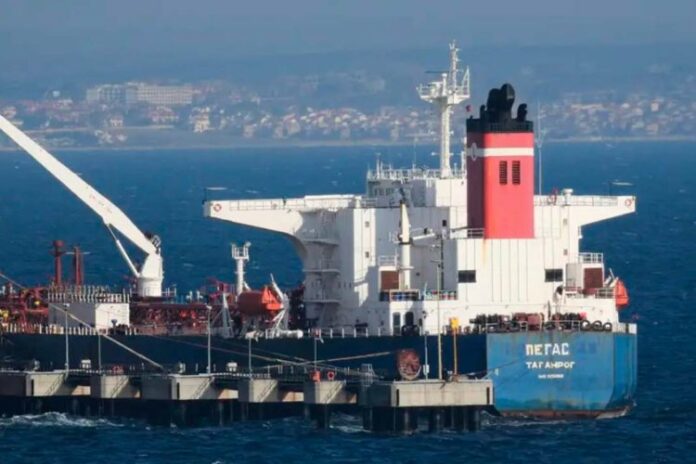
Greece seized a Russian oil tanker with 19 crew on board under Ukraine sanctions imposed by the European Union, Reuters reported.

The Greek coast guard said Tuesday it had detained Pegas, a Russian-flagged tanker, near the town of Karystos, per Reuters.

“It has been seized as part of EU sanctions,” a shipping ministry official said of the Pegas, per Reuters.

With limited exemptions, in early April, the EU banned Russian vessels from entering ports in the bloc.

Before being seized, Pegas had suffered a mechanical breakdown and was being pulled by tugs to Greece’s Peloponnese peninsula, where its cargo was to be moved to another vessel, per Athens News Agency. However, during this journey, the tanker was forced to moor near Karystos because of rough seas, where it was then seized by Greek port authorities, per Athens News Agency.

The Associated Press reported that Pegas was seized on Friday. 

The Greek coast guard said it hadn’t confiscated the Pegas’ cargo, per Reuters.

The Greek coast guard and the Greek government didn’t immediately respond to Insider’s request for comment about the Pegas being detained.

Pegas had departed Marmara Ereğlisi, a town in Turkey, and sailed for five days until it reached Karystos, according to vessel-tracking website Marine Traffic.

The tanker was built in 2003, is 249 meters long, and is valued at $15.9 million, per Marine Traffic.

Source: Insider 

ABB to power world’s first hybrid-electric biomass fuel carriers

0

The Japanese Shipowners’ Association has announced that the Japanese shipping industry will take on the challenge of 2050 net zero GHG.1 One of its most significant initiatives is e5 Lab Inc., a consortium comprising Asahi Tanker Co., Ltd., Exeno Yamamizu Corporation, Mitsui O.S.K. Lines, Ltd. and Mitsubishi Corporation, with the purpose of developing renewably powered commercial ships.

Addressing the decarbonization challenges facing Japan’s ocean shipping and maritime industries, e5 Lab has recently unveiled ROBOSHIP – a design for a biomass fuel carrier, powered by a fully standardized, electric propulsion system to attain zero emission operations at harbour. 

Built by Honda Heavy Industries Co., Ltd., the 70-meter length, 499-gross ton carrier will be equipped with ABB’s complete modularized electrical propulsion package, enabling it to utilize multiple energy sources for optimized operational efficiency and emissions-free operations. Additional benefits of the system include reduced noise and vibration, lower maintenance costs, and improved steering capabilities that make pier docking and undocking operations easier.

Mr. Yasumasa Suetsugu, Chief Technology Officer, e5 Lab, said:

“Our goal is to make a significant contribution to resolving the environmental challenges and reducing crew workload which face coastal shipping in Japan.”

Mr. Masao Akamatsu, President, IHI Power Systems, commented:

“Our marine power systems team chose to work with ABB based on their excellent global reputation as an integrator of marine electrical systems and reliable, high quality products and services.”

Maersk Drilling secures one-year contract extension for Mærsk Deliverer

0

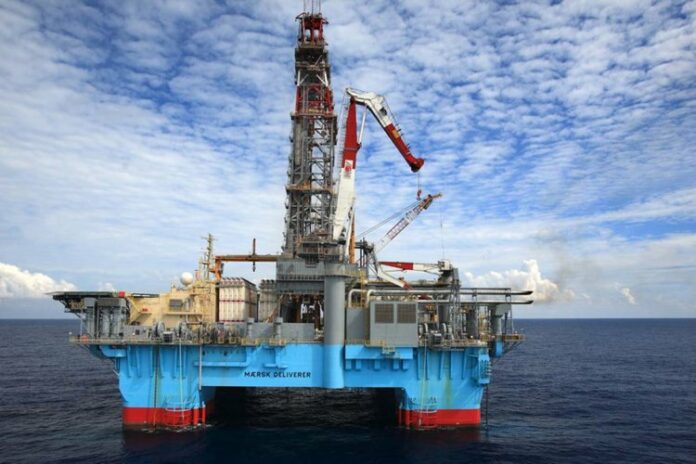
INPEX Operations Australia P/L has exercised an option to extend the provisioning of the ultra-deepwater semi-submersible rig Mærsk Deliverer for drilling services at the Ichthys Field in the Browse Basin offshore Western Australia. 

The contract extension has a duration of one year and is expected to commence in July 2023, in direct continuation of the rig’s current contract. One one-year option remains on the contract.

The operations in Australia will continue to be carried out with a particular focus on bringing value to the local community. Since arriving in the country in 2020, Mærsk Deliverer has employed a crew consisting of more than 80% Australian nationals, thereby significantly exceeding the contractual requirement of 40%. In addition, the rig follows Maersk Drilling’s global policy of using local suppliers when possible.

COO Morten Kelstrup of Maersk Drilling says:

“We’re delighted to confirm that Mærsk Deliverer and its dedicated crew will continue to support INPEX and create value for the Western Australia community into 2024. The campaign at the Ichthys Field has reached several key milestones, including that Mærsk Deliverer was the first-ever rig to use managed pressure drilling in Australian waters.”

Mærsk Deliverer is a DSS-21 column stabilised dynamically positioned semi-submersible drilling rig, able to operate in water depths up to 10,000ft. It is currently operating offshore Australia.

Kotug to acquire Seaways

0

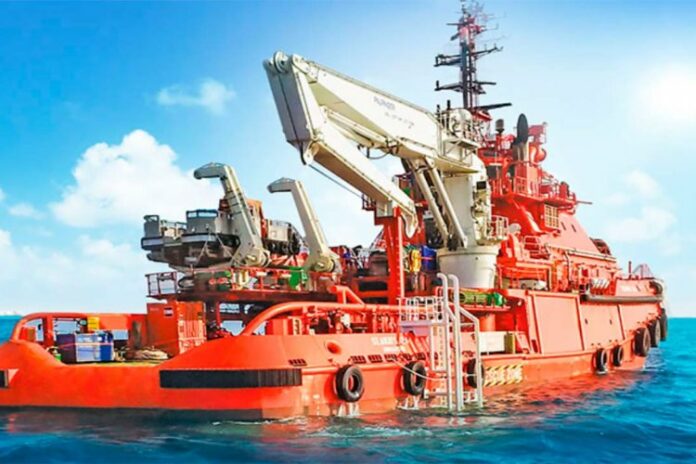
KOTUG International B.V. (KOTUG) entered into an agreement to acquire SEAWAYS INTERNATIONAL (Seaways), an owner and operator of state-of-the-art Offshore Support Vessels providing offshore marine services to the global energy industry. 

Seaways owns and operates a fleet that comprises of DPS-2 capability AHT’s, Fast Crew Suppliers (Crew Boats for Passenger Transportation) and Cargo Barges, and also provides terminal management services. Headquartered in Dubai, the family-owned company has a primary focus on West Africa. The acquisition will enable KOTUG to pursue its mission to provide sustainable towage and related services to the maritime industry, exceeding clients’ expectations through its first-class portfolio.

Ard-Jan Kooren, President & CEO of KOTUG International, said:

“The acquisition of the renowned Seaways will mark an important milestone for KOTUG. It fits our strategy to expand our (offshore) operations worldwide to meet the increasing demand for offshore support vessels. Over the last years, we have already heavily invested in offshore support vessels and people. 

The integration of the services and assets of the two leading companies will bring compelling synergy opportunities, leading to more efficient operations and enhancing significant value creation for our global customers. It strengthens our presence in West Africa and paves the way to enter other emerging markets. Seaways is a reputable company with high-quality services and a great motivated team. The culture and spirit of both companies have many similarities, and we foresee a prosperous future together.”  

Captain Ashish Nijhawan, Managing Director of Seaways International, said:

“I am proud that the Seaways family will become part of the KOTUG global family. Since its incorporation 27 years ago, Seaways has built itself into a reputed offshore maritime company with a proven track record and a knowledgeable and experienced team. KOTUG is an ideal fit for our people and our customers. I feel confident that this acquisition enhances Seaways, her dedicated onshore/offshore staff, and for her to grow into KOTUG’s (new) business areas globally.”

The acquisition is expected to be completed in the second half of 2022 – both companies will now work on customary governmental and other approvals, with the aim of completing the transaction within July 2022.

GTT entrusted by SHI to design fuel tanks for four new LNG-fueld container vessels

0

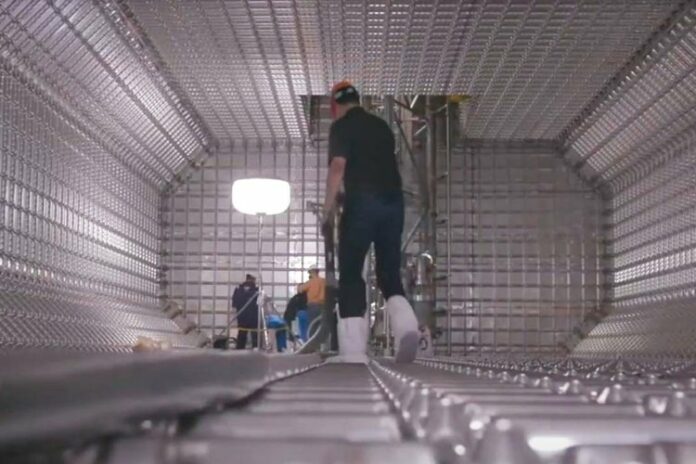
Each LNG fuel tank will be fitted with the Mark III membrane containment technology, demonstrating that GTT technology is as attractive for mid-size container vessels as for very large ones.

The vessels deliveries are scheduled to occur between the second and fourth quarter of 2024.

In addition to the engineering services and technical assistance at the shipyard, GTT will assist the operator throughout every step of its first LNG-fueled projects (commissioning of the LNG tank, first LNG bunkering operations, specific LNG operations and maintenance of the vessels). Moreover, GTT will provide LNG training for the crews, supported by its proprietary G-Sim® training simulator, which replicates the future LNG operations of the vessels. GTT will also offer its HEARS® emergency response service with 24/7 technical assistance.

In addition, GTT will fit these four vessels with its “GTT Digital” platform, to monitor and optimize the operational performance of the vessels and further reduce their energy consumption and environmental footprint.

Mitsubishi completes conceptual study for ammonia/LCO2 carrier

0

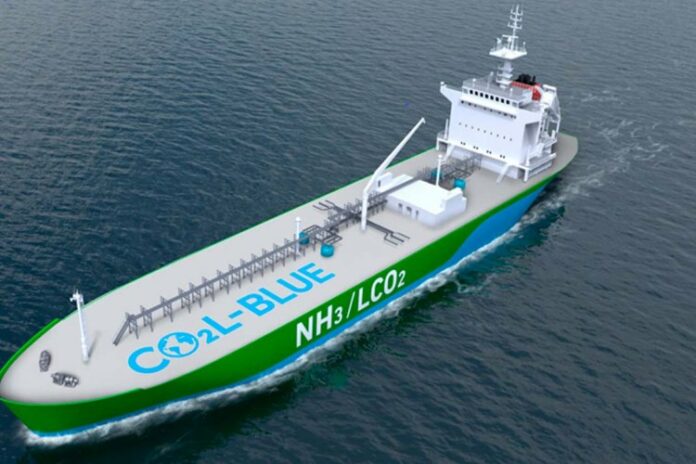
Mitsubishi Shipbuilding, a part of Mitsubishi Heavy Industries (MHI) Group based in Yokohama, has completed a conceptual study for the design of an “Ammonia/Liquefied CO2 Carrier” capable of transporting both ammonia and liquefied carbon dioxide (LCO2). 

The extensive study conducted with Mitsui O.S.K. Lines, Ltd. provides the basis for a type of vessel with potential to become mainstream in the LCO2 carrier market by flexibly meeting the projected increase in demand for transporting ammonia and LCO2.

Ammonia is a source of stable clean energy projected to be used widely in the future, and LCO2 carriers play an important role in the carbon dioxide capture, utilization, and storage (CCUS) value chain, which is attracting attention as a means to achieve a decarbonized world, by providing a way to efficiently transport recovered LCO2 to storage sites and facilities for effective utilization. MHI Group estimates that the volume of CO2 reduction due to CCUS will amount to 4.3 to 13.0 billion tonnes annually by 2050.

The vessel for transporting ammonia and LCO2 developed through this conceptual study is designed to carry ammonia on its outward journey, and LCO2 on the return trip. Specific carriers for each material normally run empty on their return voyage, so a ship able to handle both substances will increase operational efficiency, and contribute to enhanced transport efficiency overall.