-1.2 C
New York
Home Blog Page 448

ExxonMobil makes three new discoveries offshore Guyana

0

ExxonMobil has made three new discoveries offshore Guyana and increased its estimate of the recoverable resource for the Stabroek Block to nearly 11 billion oil-equivalent barrels. 

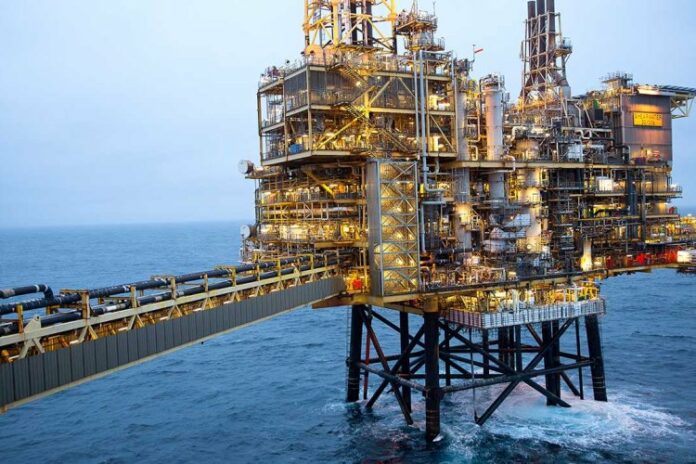
The Barreleye-1 well encountered approximately 230 feet (70 meters) of hydrocarbon-bearing sandstone and was drilled in 3,840 feet (1,170 meters) of water. Drilling at Patwa-1 encountered 108 feet (33 meters) of hydrocarbon-bearing sandstone and was conducted in 6,315 feet (1,925 meters) of water. The Lukanani-1 well encountered 115 feet (35 meters) of hydrocarbon-bearing sandstone and was drilled in a water depth of 4,068 feet (1,240 meters). Operations are ongoing at Barreleye-1 and Lukanani-1.

Liam Mallon, president of ExxonMobil Upstream Company, said:

“These discoveries and the updated resource estimate increase the confidence we have in our ambitious exploration strategy for the Stabroek Block and will help to inform our future development plans for the southeast part of the block. ExxonMobil remains committed to delivering value at an accelerated pace to the people of Guyana, our partners and shareholders and reliably supplying affordable energy to meet increasing demand around the world.” 

ExxonMobil currently has four sanctioned projects offshore Guyana. Liza Phase 1 is producing approximately 130,000 barrels per day using the Liza Destiny floating production storage and offloading (FPSO) vessel. Liza Phase 2, which started production in February, is steadily ramping up to its capacity of 220,000 barrels per day using the Liza Unity FPSO. The third project, Payara, is expected to produce 220,000 barrels per day; construction on its production vessel, the Prosperity FPSO, is running approximately five months ahead of schedule with start-up likely before year-end 2023. The fourth project, Yellowtail, is expected to produce 250,000 barrels per day when the ONE GUYANA FPSO comes online in 2025. 

Guyana’s Stabroek Block is 6.6 million acres (26,800 square kilometers). ExxonMobil affiliate Esso Exploration and Production Guyana Limited is the operator and holds 45% interest in the Block. Hess Guyana Exploration Ltd. holds 30% interest, and CNOOC Petroleum Guyana Limited holds 25% interest.
Georgia Ports Authority orders a fleet of 22 Konecranes container cranes

0

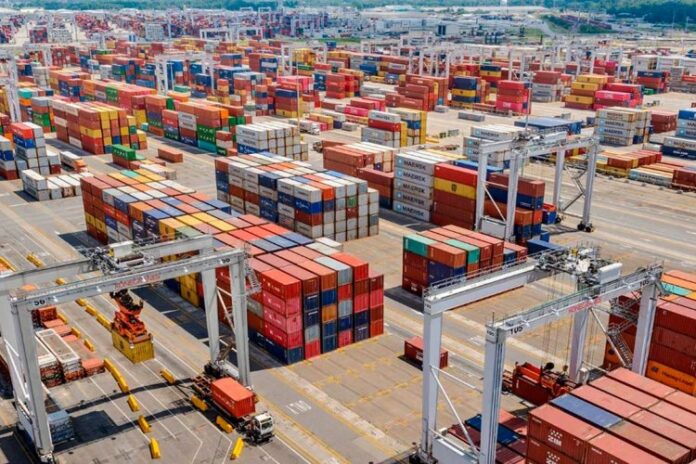
The Port of Savannah, owned and operated by the Georgia Ports Authority (GPA) in the USA, has ordered 7 Ship-to-Shore (STS) cranes and 15 Rubber-Tired Gantry (RTG) cranes from Konecranes. The order is Konecranes’ second largest order ever and it was booked in Q1 2022. The RTG cranes will be delivered by August 2023, and the STS cranes will be delivered by mid-2025.  

The Port of Savannah has the single largest and fastest-growing container terminal in the USA. It is run by the Georgia Ports Authority (GPA) and its operations are being expanded, with investments in new container handling capacity. Projects now underway will add 1.7 million TEUs of annual capacity in a few months.

Jussi Suhonen, Vice President Regional Sales Americas, Port Solutions, Konecranes, said:

“The container cranes on order will be key to the GPA handling the increasing volumes and will support continued growth. The seven STS cranes can handle the world’s largest container vessels, with a lifting height of 165 feet and an outreach of 230 feet. The RTGs will be delivered as fully electric and carbon neutral, with a lifting capacity of 40 tons.”

The STS cranes will be equipped snag prevention, anti-collision systems and cameras for the operators. They will bring GPA’s fleet of Konecranes STSs to a total of 42.

The 15 Konecranes RTGs on order are supplied with cable reel systems for electric operation. They are high-performance, 16-wheel RTGs with a stacking height of 1-over-6. They will be equipped with Konecranes’ Active Load Control system, which prevents container sway. Furthermore, they will have Konecranes’ TRUCONNECT® remote monitoring system. When the new RTGs are in service, the GPA will operate a fleet of 225 Konecranes RTGs.

This order is part of Ecolifting, Konecranes’ continuous work to decrease the carbon footprints of our customers. From eco-optimizing diesel drives to hybridization and fully electric fleets, we will continue to do more with less. 

A strong focus on customers and a commitment to business growth and continuous improvement make Konecranes a lifting industry leader. This is underpinned by investments in digitalization and technology, plus our work to make material flows more efficient with solutions that decarbonize the economy and advance circularity and safety. 

Shell signs production sharing contract for Atapu Field in Brazil

0

Shell Brasil Petróleo Ltda.(Shell Brasil), a subsidiary of Shell plc, signed the Production Sharing Contract (PSC) to formally acquire a 25 percent stake of the Atapu field.

Shell paid $ 1.1 billion to Petrobras for the increased stake in the field. With the contract now signed, Shell will start receiving its additional share of oil from the field.

Zoe Yujnovich, Shell Upstream Director, said:

“This transaction is the latest proof point of our commitment to further strengthening our advantaged deep-water positions in Brazil. With a leading global deep-water portfolio, this stake in the Atapu field directly supports our Powering Progress strategy to deliver the stable, secure energy resources the world needs today while investing in the energy of the future.”

Shell’s Powering Progress strategy includes increasing investment in lower carbon energy solutions, while continuing to pursue the most resilient, competitive, and highest return Upstream investments to sustain material cash delivery into the 2030s, to support our dividend and fund Shell’s transformation. 

Shell’s global deep-water portfolio represents two core positions in its Upstream business with prolific basins in the US and Brazil, along with an exciting frontier exploration portfolio in Mexico, Suriname, Argentina, and West Africa.

Inmarsat expands presence in expedition cruise segment

0

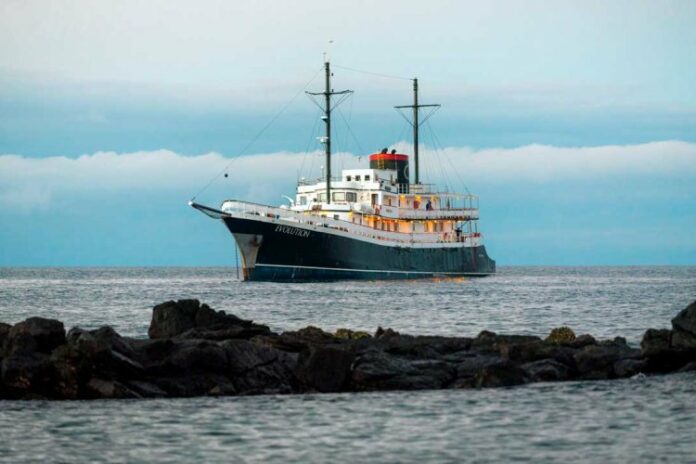
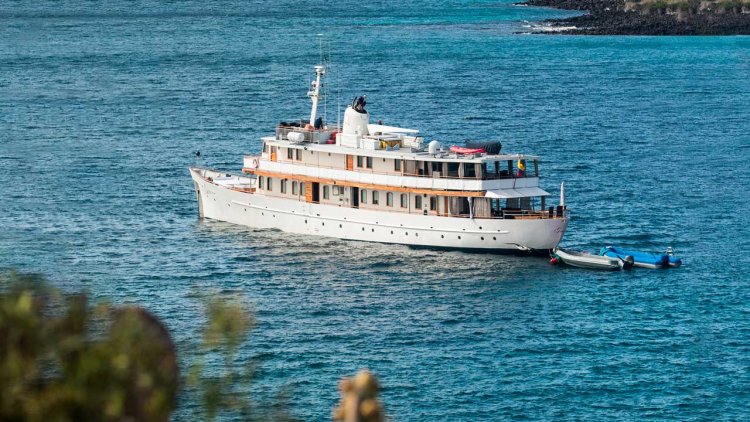
The reliability and speed of the maritime broadband service will meet guest connectivity needs for the Quasar Expeditions luxury yachts Grace and Evolution and the Kleintours cruise ship Galapágos Legend, following two contracts signed with owners by Inmarsat partner Comsatel.

Located approximately 1,000 kilometres off the coast of Ecuador in the eastern Pacific Ocean, the Galápagos Islands form a remote archipelago home to a unique and highly protected ecosystem. Relatively few vessels have access to its waters, and those that do accommodate only a small number of guests. Communications in the surrounding area have typically been poor, with the islands’ topography affecting signal strength. However, expectations for internet access are growing.

Christian Cordoba, Maritime Channel Manager, Americas, Inmarsat Maritime, said:

“Passenger demographics are changing, and with younger audiences come greater bandwidth demands. Today’s expedition guests visiting the Galápagos Islands want to share their experiences of this incredible destination on social media, or directly with friends and family, and this requires high data speeds and continuous connectivity. Fleet Xpress is therefore the ideal solution for high-end operators like Quasar Expeditions and Kleintours.”

In addition to delivering unequalled performance, Fleet Xpress offers access to further Inmarsat solutions such as Fleet Hotspot, which provides crew members with dedicated bandwidth to enjoy online entertainment and communication services without interfering with business-critical operations. Fleet Xpress also includes access to Fleet Connect, enabling Inmarsat’s Certified Application Providers to deliver valued-added services to ship operators worldwide, again via dedicated bandwidth.

Vikand, for example, is a telemedicine services provider whose solution, VIKAND HealthNet™, aims to prevent onboard medical situations from escalating into more serious emergencies. With Inmarsat partner Comsatel leading efforts to promote telemedicine in Galápagos expedition cruising, Vikand’s services are increasingly sought after among local operators.

Hector Baquerizo, CEO, Comsatel, said:

“The yachts and cruise ships operating in the Galápagos Islands are luxury vessels that offer guests a once-in-a-lifetime experience, but their onboard connectivity has not always lived up to those high standards. Inmarsat’s Fleet Xpress delivers a level of performance and a suite of solutions that will change the game for expedition cruise operators in the Galápagos Islands – in terms of both guest experience and crew welfare.”

ABB’s integrated ship operating systems receive cyber security certification from DNV

0

The certification confirms ABB’s cyber security solutions meet DNV’s ‘Cyber Secure SP1’ requirements based on the internationally recognised standard for control system cyber security, IEC62443. 

The certification is in line with and goes beyond the International Maritime Organization’s (IMO) resolution MSC.428(98) to protect power, propulsion and automation systems on board ships, as well as the confidentiality and integrity of remote connections. ABB’s certification for ship operating systems from DNV is a significant advancement to the previous SP0 verification achieved by the company in 2021 both in terms of scope and level of security controls.

From January 2021, the IMO requires every ship’s safety management system to include a cyber security risk assessment. Since the resolution has come into force, it has been complemented by additional guidelines. However, the IMO’s risk assessment needed for compliance does not specify the means of protecting systems and networks at sea, leaving it to ship owners to make their own cyber security arrangements. DNV’s cyber secure rules and the IEC62443 standard fill this important gap with concrete requirements.

Jarle Coll Blomhoff, Group Leader for Cyber Safety and Security, DNV, said:

“Cyber security awareness in the maritime industry is increasing fast. However, owners alone cannot take the full burden of responsibility. They rely on the expertise from yards, suppliers and classification societies to make sure they are prepared to deal with cyber threats both onboard and on shore. The security ABB offers as a built-in feature for systems demonstrates that these new threats and the importance of building cyber protection into every link of the supply chain are recognized throughout the maritime industry.”

The new certification acknowledges ABB’s cyber security solution as providing the required protection for onboard systems, but also enabling system recovery to pre-attack status and troubleshooting to find the root cause of a breach. Approvals to remotely connect to the vessel must be controlled by the onboard crew, with only actively accepted and encrypted connections being permitted. In addition, ABB also offers continuous support to reduce their customers’ cyber operations workload.

Ahmed Hassan, Head of Cyber Security, ABB Marine & Ports, said:

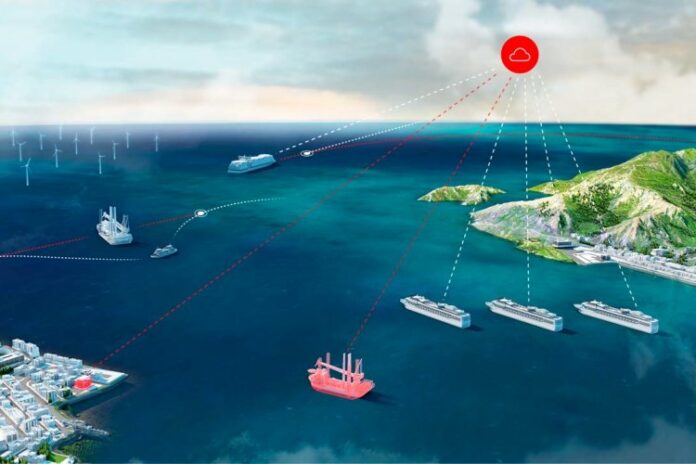
“SP1 certification marks a significant upgrade in the cyber security levels for ships. While it is crucial to secure the communication between the vessel and the Cloud, it is also important to build cyber security into the systems essential for operation, while separating these from the non-essential ones. This builds ‘Defence in depth’ into the vessel design – a mechanism with several security controls where if one measure fails, another will come into play to protect assets. As a result, cyber security risks can be mitigated on an increasingly stronger level that goes beyond what has been possible in the marine industry up until now.”
 

Inmarsat combats rising maritime cybercrime with Fleet Secure UTM

0

Fleet Secure UTM completes a portfolio of Inmarsat cyber security solutions for ship owners, which includes Fleet Secure Endpoint and Fleet Secure Cyber Awareness Training. 

Developed in partnership with maritime Cyber Security specialist Port-IT, the resilience of Fleet Secure UTM protection is based on its consolidation of multiple network security tools in a single application.

With cyberattacks on global businesses increasing by 40% in 2021*, Inmarsat reports a tripling in data used by the average commercial ship since the onset of Covid-19. The growth reflects extra demand for crew connectivity but also increasing use of data to monitor vessel performance, optimize decision-making and support predictive maintenance.

The result is a growing ship network ‘surface area’ for attacks that offers a route to onboard control systems. Cyber threats are also fast-evolving, as cybercriminals develop malicious codes to probe for new weaknesses. Successful attacks threaten vessel safety, disrupt services and expose sensitive information. They also bring the costs of extortion, recovery, and higher insurance.

Depending on user preferences, Fleet Secure UTM capabilities can include gateway anti-virus software, intrusion detection, and prevention, web-content filtering, and application control. However, all Fleet Secure UTM users get asset management, alerting, and reporting capability that fully aligns with International Maritime Organization 2021 compliance on cyber security risk management.

Ben Palmer, President, Inmarsat Maritime, said:

“The benefits of big data and artificial intelligence for ship efficiency, safety, and sustainability are clear, while Covid-19 has highlighted crew connectivity as a crucial issue for our industry. Safeguarding these gains demands cyber awareness and training, endpoint protection, and the layered defences of network protection. With Fleet Secure UTM, Inmarsat is now able to meet all of these requirements as a single vendor.”

Fleet Secure UTM features its own security portal, allowing customers to monitor traffic in all connected networks to protect operational technology (OT), Internet of Things (IoT) and crew communications, among others, and mitigate risks, supported by a security operation centre (SOC) which monitors devices and the service itself year-round, 24/7. Issues not directly relating to Fleet Xpress are escalated to Port-IT for further action. A team of Port-IT ethical hackers also continuously probes networks for vulnerabilities.

‘Bronze’, ‘silver’, and ‘gold’ versions of Fleet UTM are available and the ‘gold’ user can access advanced AI-based scanning for malicious codes beyond known signatures, to block ‘zero day’ attacks. The threat hunting function in the gold package adds an additional layer of cyber threat intelligence to predict future risks and establish a relevant elimination plan.

Youri Hart, CEO, Port-IT, said:

“The relationship between Port-IT and Inmarsat is longstanding and we are delighted to work together in the critical area of ship network security. The user-friendly Fleet Secure UTM dashboard offers a gateway to the latest AI-based techniques, ethical hacking, and continuous support to combat the cybercriminals.”

Installed on a ‘plug and play’ basis in the Fleet Xpress server rack, Fleet Secure UTM is equally straightforward to fit onboard existing and new build ships, subject to authorisation by Inmarsat Solution Engineering.

K Line is granted for innovation Endorsement Provider Certification by ClassNK

0

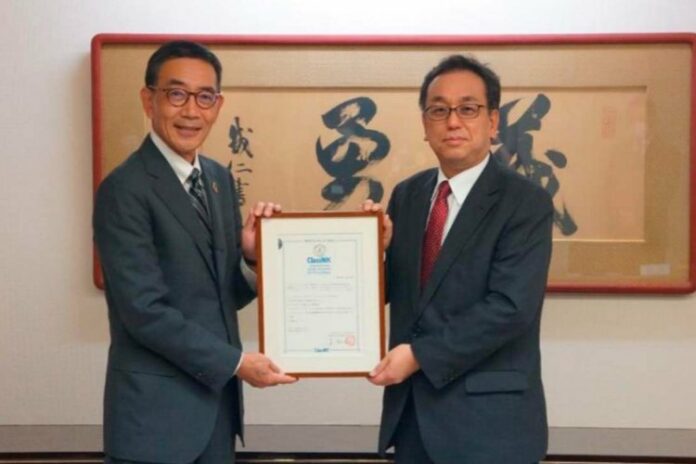
“K” Line Wind Service, Ltd., a joint venture company between Kawasaki Kisen Kaisha and Kawasaki Kinkai Kisen Kaisha is granted for Class C Innovation Endorsement Provider Certification for organizations by ClassNK.

ClassNK offers its third-party Innovation Endorsement “Provider Certification”, which supports innovative initiatives, to companies and organizations. As companies pursue ESG-oriented management and SDGs, ClassNK conducts the third-party certification on the initiatives to transform their own business methods and organizations in order to establish the sustainable and competitive business. There are three categories of certification available to companies according to their innovation activity stage.

Offshore Wind development is recognized as one of the most important items for Japan to reach carbon neutrality by 2050 and in order to contribute to its development in Japanese ocean, “K” Line Wind Service has been established as a business platform of “K” Line group for any vessel and transportation business around Offshore Wind projects in Japan.

AIDA Cruises opens season in Kiel with AIDAluna

0

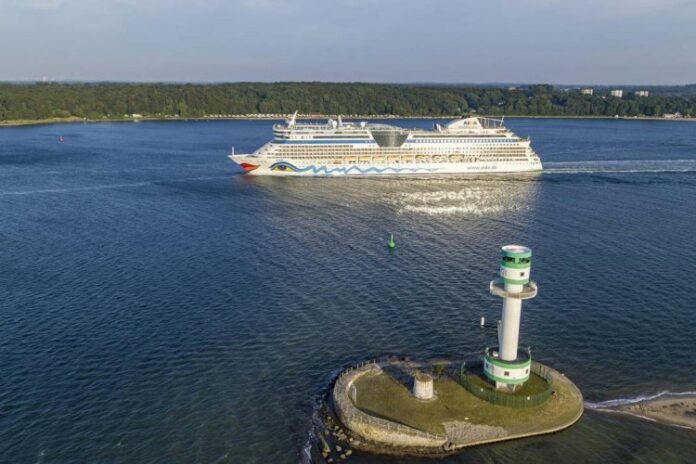
A total of four ships in the AIDA Cruises fleet will depart from the Schleswig-Holstein state capital for the great North Country adventure.

From April 25, 2022, AIDAluna will offer the 17-day voyages “Highlights at the Arctic Circle,” which are particularly popular among lovers of the North. Ideal for tasting are the 3- or 4-day short trips to Norway or Denmark in September. A total of 15 different routes from Kiel are available.

AIDAprima will arrive in Kiel on April 29, 2022, and will depart four times in April and May for Norway and Denmark.

AIDAnova offers seven-day voyages to Norway and Denmark from May 14, 2022 until mid-October. In addition to a visit to the Danish capital Copenhagen and Kristiansand in Norway, AIDAnova guests can enjoy the very special flair of the midsummer nights during a two-day stay in the Norwegian capital Oslo. On individual sailings, AIDAnova calls at a new AIDA port: Denmark’s Skagen, City of Light. Endless beaches and the country’s largest shifting sand dune, from which only the tower of the silted-up parish church still peeks out, attract visitors.

Starting May 15, 2022, AIDAbella will embark on 14-day voyages to the Lofoten Islands and the North Cape, and will also call at Great Britain and Iceland.

On October 22, 2022, AIDAnova, the last AIDA ship, will leave the port of Kiel on course for its winter destination.

In addition to numerous voyages from Kiel, AIDA Cruises is also offering cruises from Warnemünde and Hamburg again this year. The season in Warnemünde has started this year with AIDAdiva on April 11, 2022 and with AIDAmar on April 14, 2022. AIDAaura will follow in the summer. Several AIDA ships have already arrived in Hamburg this year. A special highlight was the first call of the new ship AIDAcosma, which was also christened in the Hanseatic city on April 9, 2022.

For all AIDA voyages during the 2022 summer season, full vaccination coverage is required for all guests 12 years of age and older. All cruises are operated in accordance with AIDA Cruises’ comprehensive health and safety policy.

Fugro receives the world’s first professional certificate to operate uncrewed surface vessels

0

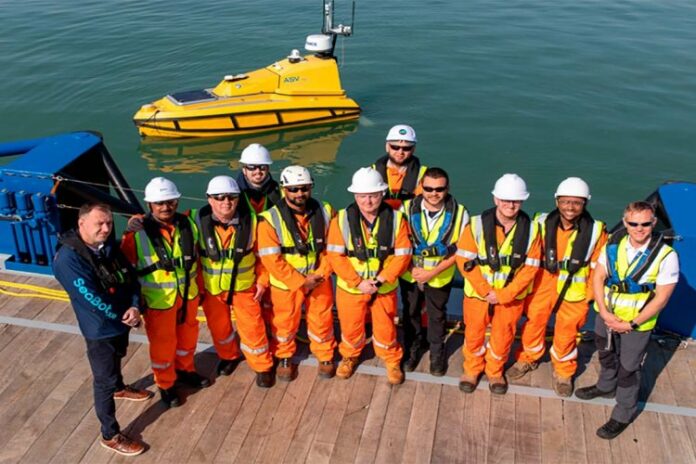
Fugro personnel from its Middle East office have completed the world’s first Maritime Autonomous Surface Systems (MASS) professional certified training delivered by SeaBot XR at their training academy CEbotiX, the National Centre for Operational Excellence in Marine Robotics based in Southampton, UK.

This certification marks a landmark step in the development of a recognised training programme that ensures qualified marine personnel acquire the skills needed to safely and effectively operate MASS.

Fugro and SeaBot XR have been working together since 2019 to develop the skills required by the connected mariner. This initial training course, designed uniquely for Fugro personnel, adds to the existing skills of their qualified mariners to ensure a safe transition from sea to shore. Focus is placed on critical topics such as mission analysis, situational awareness, cyber security, and resource management. The training is based on experiential learning, where trainees are provided with an in-depth theoretical knowledge, before taking a staged approach to the command-and-control process. Candidates are able to apply their newly acquired skills directly to the working environment allowing them to deal with the challenges associated with emerging technologies.

Gordon Meadow, CEO at SeaBot XR, said:

“It’s exciting to see this first cohort of MASS professionals complete this phase of training which lays the foundation for MASS operations. This is the start of their journey where trainees will complete additional modules as they advance in the profession. We will continue to roll out the broader MASS certified professional training scheme throughout 2022 and 2023 as the complexities of the vessels and the tasks they complete increases. The training and skills required will continue to evolve to ensure people and technology can coexist in maritime.”

Hannes Swiegers, Fugro Director IRM Services and Remote Operations, said:

“Whilst remote and autonomous technology will revolutionise the way we conduct business, the continued success of Fugro rests on the skills of our personnel. By investing in our people and ensuring that long-established industry standards are upheld, Fugro can confidently assure clients and regulators that our high safety and operational standards will remain as we develop our global network of remote operations centres and autonomous vehicles to support the maritime industry for a safe and sustainable world.”

Sanctions strand thousands of russia-bound luxury cars at Belgium port

0

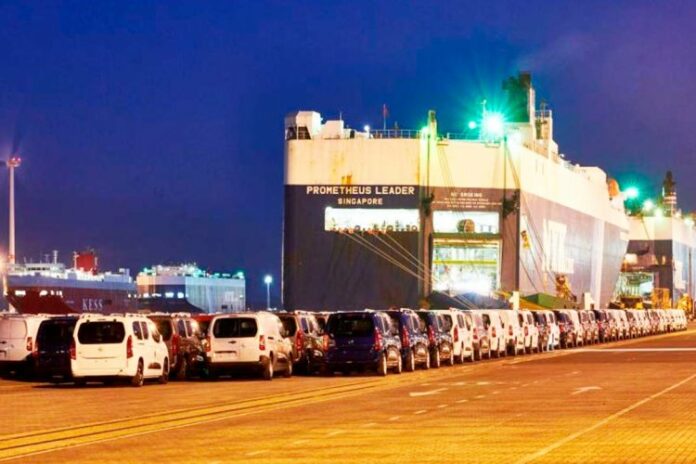
Some 8,000 luxury cars destined for Russia are parked at the Port of Zeebrugge in Belgium as authorities there try to navigate a maze of sanctions slapped on Moscow for its invasion of Ukraine.

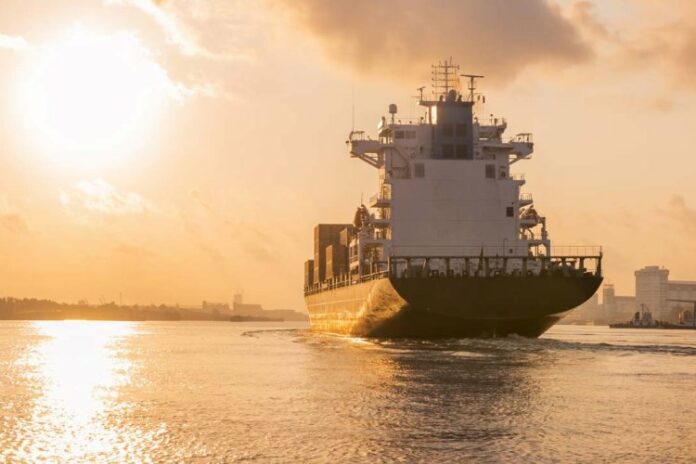
The cars—including some of the latest Lexus, Cadillac and Mercedes models—arrived from Asia in the first week of April. They were supposed to be transshipped to Russia, but came under a luxury ban that prohibits vehicles worth more than €50,000, equivalent to $54,000, from being exported. The buildup of vehicles is one example of the confusion at key European ports over how to interpret and enforce sanctions against Russia.

Marc Adriansens, director of the port’s car terminal, said:

“The vehicles came under the luxury ban, but there is a range of other products stuck here that come under different sanctions. The cars won’t likely move for a long time as they’ll probably be sold to different markets.”

Mr. Adriansens said he didn’t know who the buyers of the cars in Russia are, or who owns them at this stage. He said Zeebrugge has space for 10,000 vehicles.

Ports across the world, including car terminals, have been struggling to cope with record volumes of cargoes as economies open from the Covid-19 pandemic.

Zeebrugge is one of Europe’s biggest vehicle transshipment ports, moving more than two million cars a year. But sanctions apply to a range of products including aircraft parts, machinery, chemicals and semiconductors.

Zeebrugge port officials said more than 1,000 Russian-destined containers have been blocked for checks and that a number of other export hubs around Europe are dealing with similar issues.

Isabelle Ryckbost, secretary-general of the European Sea Ports Organization, a trade body grouping the EU’s biggest ports, said:

“There is a lot of confusion, and we need from authorities a list of ships that we should be looking out for. Supply chains are already massively disrupted, and delays to check which ships and what products are banned adds to the strain.”

With new sanctions on Russia introduced regularly, European customs officers are struggling to keep up, according to people familiar with the matter. A particular problem with sea trade is that although Russian-flagged vessels are banned from ports in Europe and the U.S., many are still sailing using other flags and are registered outside Russia.

ESPO called on EU governments this week to deploy more staff and resources to determine which vessels and cargo are covered by the ban and which ones are to be exempted.

The EU has issued some guidelines on how to implement the bans, but port operators said the rules are often confusing and involve a lot of exemptions.

Source: WSJ