-1.2 C
New York
Home Blog Page 447

Libra Consortium announces first production at Mero field’s FPSO Guanabara

0

Shell Brasil Petróleo Ltda. (Shell Brasil), a subsidiary of Shell plc, announces the start of production of the FPSO Guanabara in the Mero field, offshore Santos Basin in Brazil. 

The FPSO Guanabara, which while under construction was also known as Mero-1, has an installed capacity of 12 million cubic meters of natural gas and 180,000 barrels of oil per day and initially has six producing wells and seven injector wells connected to the field.

Zoe Yujnovich, Shell Upstream Director, said:

“Today’s announcement serves as the latest reminder of the strength of our position in Deep Water in Brazil with world-class assets, a prolific basin and a robust portfolio. Mero is part of our core Upstream position, which is a cornerstone of our Powering Progress strategy to deliver the stable, secure energy resources the world needs today while investing in the energy of the future.”

Located 150 kilometers from the Rio de Janeiro coast and in a water depth that reaches 1,930 meters, Mero will receive three more FPSOs between 2023 and 2025. 

Dalian Shipyard orders rudders for six Asiatic Lloyd container vessels

0

Damen Marine Components (DMC) will provide one Van der Velden® Atlantic Rudder for each vessel. 

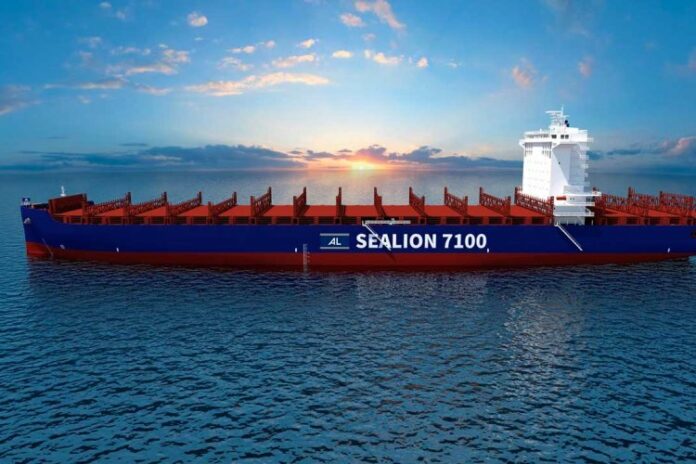
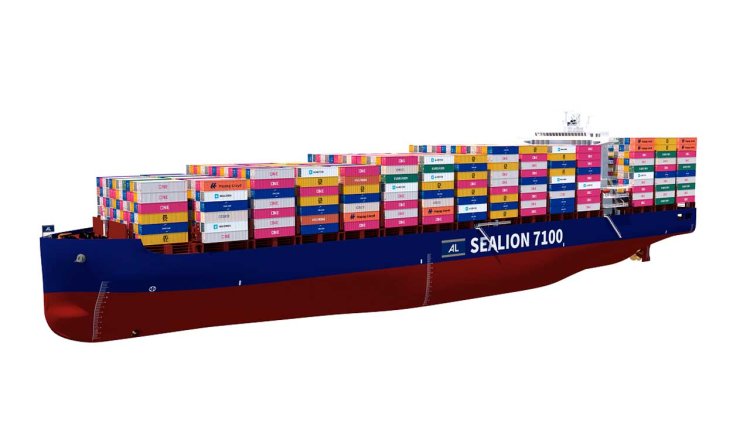
Full spade rudders with asymmetric leading edge and bulb in the wake of the propeller to further enhance flow along the rudder and reduce turbulence, will enable considerable fuel savings for the six new 7,100 TEU container vessels that Asiatic Lloyd aims to take in operation from early 2023.

Damen Marine Components (DMC) will provide one Van der Velden® Atlantic Rudder for each vessel. These rudders are known to cause minimal drag thanks to their slim design. For these container vessels, Asymmetric Rudder Technology (ART) will be applied in the design of the leading edge of the rudder. A rudder bulb in the wake of the propeller axis further improves the hydrodynamic properties of the rudder configuration.

The Singaporean shipping arm of AL Group Asiatic Lloyd has ordered the six 7,100 TEU feeders at Dalian Shipbuilding Industry Co, the yard will deliver six vessels during 2023 to 2025. Length between perpendiculars of the four identical vessels is 255 meter, with 42.8 meter breadth, 14.5 meter design load draught and a design speed of 21.4 knots. Damen will provide the tailor designed rudder for each one of the vessels, measuring 61 square meter and generating 3300 Kilonewton meter of torque.

As the propeller in forward thrust has a fixed rotation direction, the asymmetric leading edge will improve the water flow by directing the turbulent water along the rudder blade more efficiently. The propeller wake directs the flow so it does not come in from straight forward. Even more hydrodynamic optimisation is achieved by the bulb. In the wake of the propeller axis, turbulent water can circle and cause vibrations in hull and rudder. The rudder bulb is positioned right behind the center of the propeller and eliminates this turbulence to create a better flow along the rudder blade. This reduces ship’s resistance in the water and it also improves torque of the rudder when it turns. A stable and directional water flow generates more thrust than turbulent water.

The advanced rudder technology adds to the sustainable ambition of the shipowner and charterer to operate vessels that cause minimal emissions. The choice for ammonia as a propulsion fuel expresses this ambition. Reducing drag, exemplified by the application of ART Atlantic Rudders with Bulb allow further fuel and emission savings.

Tonci Zdunic, Group Fleet Director, AL Group, says:

“We will be benefitting from this highly optimised and high efficiency Van der Velden rudder design by DMC in realising our goal of achieving vessel efficiency to the highest possible emission ratings.”

Wim Knoester, Commercial Director of Damen Marine Components, says:

“We are proud to have been selected by Asiatic Lloyd as partner for reaching their targets of improved operational efficiency and reducing the environmental footprint of their fleet.” 

MacGregor to deliver a FibreTrac fibre-rope offshore crane

0

The order was booked in Cargotec’s 2022 first quarter order intake, with delivery expected to be completed by the end of the year.

Scope of supply encompasses full delivery of the 150t AHC crane, rated for the customer’s needs at 100t lifting capacity, together with Lankhorst Lanko®Deep Dyneema DM20 fibre rope for 3400m operational depth. The crane is the first of its type and provides the ability to lift heavy loads at depths that normally require much larger cranes on larger vessels.

This highly innovative crane uses neutrally buoyant fibre rope with an Applied Fiber termination connecting directly to the hook allowing full payload at all depths. This is in contrast to standard wire-rope cranes, where the weight of the steel wire steadily robs the crane of its lifting capacity as more wire is paid out.

The FibreTrac concept was developed in close collaboration with Parkburn Precision Handling Systems, who will deliver the fibre rope Deepwater Capstan (DWC) that gently de-tensions the rope between the high-tension operational side and the low-tension storage side. Parkburn also developed the crane’s Lift Line Management System which manages rope health monitoring and feedback using a combination of sensing technologies and a lifetime usage algorithm developed by DSM based on their DM20 material.

The subsea AHC fibre-rope crane will have the world’s first DNV-DRS class notation based on the DNV-ST-E407 standard. This new standard governs how such a crane and its rope system can remain continually certified based on real-time measurements of rope health and represents a significant departure from earlier certifications based on prescriptive rules and periodic inspections.

Owners and operators can now have an up-to-date health status of every portion of the lift-line and use it confidently and to its fullest potential, instead of guessing based on work hours since the last inspection and cutting back or replacing it.

Van Oord awarded contract for large-scale USA offshore wind project

0

The consortium between Van Oord and Great Lakes Dredge & Dock (GLDD) has been selected by Empire Offshore Wind, a joint venture between Equinor and bp, as main contractors for subsea rock installation works related to the development of Empire Wind I & II. This offshore wind development, located on the East Coast of the United States of America, is an important step towards providing renewable energy to the state of New York.

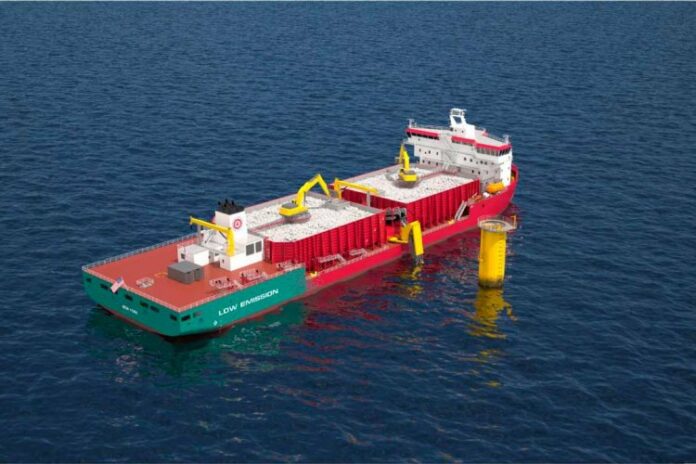
Van Oord’s scope involves preparing the seabed with the placement of filter rock prior to the installation of monopile foundations. This will be executed by the flexible fallpipe vessel Stornes. GLDD will install armour rocks as a stabilisation and protection layer after the monopiles have been installed.

The collaboration between Van Oord and GLDD has been an important factor for winning this project. Van Oord, global market leader in subsea rock installation, joins forces with GLDD who is currently building its own Jones-Act compliant fallpipe vessel. This unique combination offered a competitive advantage in terms of experience, equipment usage, local content and regulations. The consortium plans to start operations at the Empire Wind I and II sites in the mid-2020s.

Due to the geographical location of Empire I and II on the East Coast of the United States, GLDD has ample access to rocks produced from domestic quarries. Which is an important requirement for generating local content related to materials and employment in the state of New York.

The wind farms are planned for an area 32 kilometres south of Long Island. When complete, it consists of up to 174 wind turbines with a total installed capacity of about 2 gigawatts. The renewable power generated is sufficient to supply around 1 million households in New York.

The project is considered a flagship offshore wind development, shaping the future of this industry in the United States. Designed to produce renewable electricity to deliver on the state’s climate ambitions, it also creates new opportunities for economic growth and employment.

Carnival is first major cruise line in U.S. to get entire fleet back to guest operations

0

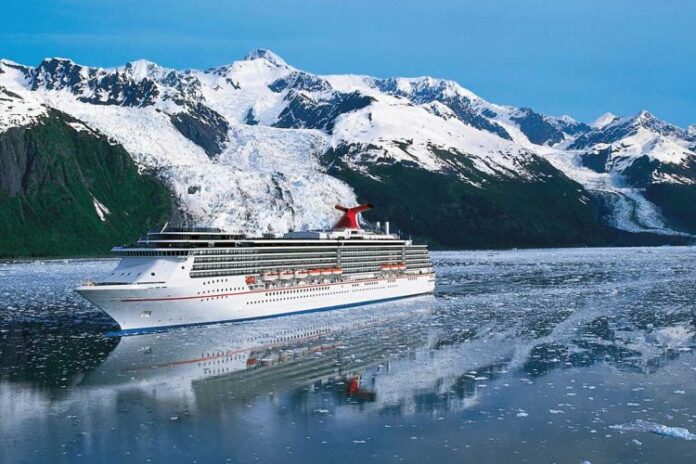
With the departure of Carnival Splendor from the Port of Seattle today, Carnival Cruise Line celebrates the restart of its entire fleet of ships and Carnival becomes the first major cruise line in the U.S. to achieve that milestone.

Carnival Splendor is the 23rd and final Carnival ship to welcome guests back on board after Carnival’s resumption of cruising from the U.S. last July.  Guests are set to depart from Seattle, Wash. today on an eight-day Alaska cruise, completing an impressive and successful restart of guest operations and setting the pace for the rest of the U.S. cruise industry. Carnival Splendor’s summer itineraries to Alaska are part of a three-ship deployment, along with Carnival Spirit from Seattle and Carnival Miracle from San Francisco – the largest-ever cruise program Carnival has sailed to Alaska. 

Christine Duffy, president of Carnival Cruise Line, said:

“With Carnival Splendor beginning operations today from Seattle, Carnival Cruise Line is thrilled to have our entire fleet of 23 ships back in service, providing more opportunities for our guests to enjoy our signature fun while traveling to beautiful vacation destinations. We are especially excited to expand our Alaska program this season with three ships bringing more than 100,000 guests – including more than 6,000 this week – from Seattle and San Francisco to awe-inspiring Alaska ports.”

To commemorate the line’s return to service from Seattle with Carnival Splendor, Carnival Cruise Line hosted its “Back to Fun” event at the Port of Seattle to officially welcome the first guests on board. Duffy checked off Carnival Splendor on a tally board listing the 23 Carnival ships, signifying the completion of the Carnival fleet’s restart.  Today’s departure is one of 49 cruises to Alaska. Destinations include Ketchikan; Sitka; Skagway; Icy Strait Point; Victoria, BC; and scenic cruising through Tracy Arm Fjord (stops vary depending on cruise date).

Beginning with Carnival Vista restarting service on July 3, 2021, in Galveston, Carnival has completed its full fleet return in just 10 months. Carnival is operating from 12 U.S. homeports including Miami, Galveston, Port Canaveral, Long Beach, Baltimore, New Orleans, Tampa, Charleston, Jacksonville, Mobile, Seattle and San Francisco, providing guests with a wide range of cruising options. Additional seasonal service from Norfolk, Va., and New York City will start in May and June respectively.

For additional information on Carnival Cruise Line and to book a cruise vacation, call 1-800-CARNIVAL, visit www.carnival.com, or contact your favorite travel advisor or online travel site.

ABS awards AIP to HHI Group’s green hydrogen production platform

0

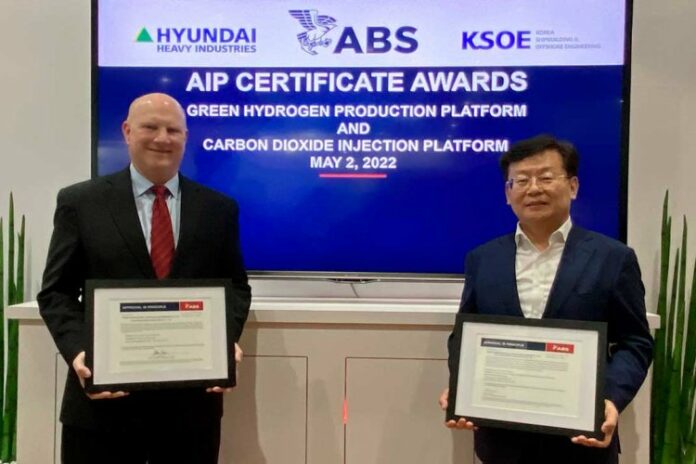
A pioneering joint development project (JDP) to advance carbon-reduction technologies between ABS and Hyundai Heavy Industries Group (HHI Group) has taken a significant step forward by securing Approval in Principle (AIP).

ABS has awarded AIP to the carbon dioxide injection platform developed by HHI Group to store carbon dioxide that has been captured on land, liquefied at high pressure and transported to the sea through a carrier or pipeline in the seabed. HHI Group has developed this platform with the goal of storing annually 400,000 tons of carbon dioxide underground in Korea’s East Sea gas field starting in 2025.  The AIP was presented at the Offshore Technology Conference.

Launched at the 2021 United Nations Climate Change Conference, COP26, the JDP was one of two signed by KSOE and ABS, with a second focused on developing technical guidance for green hydrogen production from offshore platforms as a key first step to the design and construction of a facility by 2025. 

The offshore green hydrogen production platform, which has also received ABS AIP, will be linked to renewable power sources on land as a near-shore concept, as well as a variety of offshore wind power. It will offer several options, including hydrogen liquefaction, ammonia and methanol conversion to hydrogen power systems, to address a variety of hydrogen sources and transportation methods.

Peter Fitzpatrick, ABS Senior Vice President, Global Offshore, said:

“Carbon capture is a game-changing technology with a key role to play in reducing greenhouse gas emissions. ABS is committed not only to supporting the development of the infrastructure such as this platform but the vessels that will prove critical to the value chain as well, with a laser focus on safety.”

Sungjoon Kim, HHI Group Chief Technology Officer, said:

“HHI Group plays a key role in the development of green hydrogen and CO2 injection platforms for new markets in the carbon-neutral era.  Based on HHI group’s differentiated offshore platform technology accumulated over a long period of time, we have developed an offshore green hydrogen production/carbon dioxide injection platform.”

Chevron completes testing of new marine cylinder oil

0

Since the International Maritime organization (IMO) 0.5% sulphur cap came into effect on 1 January 2020, the engine designer has defined two performance standards for lube oils intended for use in their two-stroke engines. To deal with changing fuel variants and engine designs, MAN ES has introduced a new strategy to raise the performance level of cylinder oils by dividing them into two performance categories, Category I and Category II.                

Category I oils are for MAN ES Mk 8 and earlier engines, category II oils are higher performance for their Mk 9 and later engines.                 

100BN and 140BN cylinder oils meeting Category II for use with HFO (Heavy Fuel Oil) are already available, but lower BN, specifically, 40BN cylinder oils for use with VLSFO (Very Low Sulphur Fuel Oil) meeting Category II have proved more challenging and are taking longer to develop and commercialize.

But now Taro Ultra Advanced 40 has passed MAN ES’s two-stage Main NOL Service and Confirmation field tests to confirm its status as a Category II oil, offering lower sulfur engine operations from a low-BN oil.

Taro Ultra Advanced 40 was tested extensively on vessels with MAN 8G80ME-C9.2 in conjunction with shipowners including Greece’s Cape Shipping SA.

Mr. Elias Soulis, Technical Manager Cape Shipping SA, explained:

“We were operating our engines on 40BN cylinder oil and VLSFO, however, we had to run alternating with 100BN oil to keep our MAN G80ME-C9.2 engine clean. We have now operated for extended time, on Chevron’s new high-performance 40BN cylinder oil and have seen a significant improvement. We no longer have to alternate between the two products to have excellent looking engine cylinder conditions. Having a single product for all our operational conditions reduces greatly the complexity of the operations for our crew.”

Taro Ultra Advanced 40, is designed for use with a range of low and zero sulphur fuels including VLSFO, ULSFO, LNG and methanol.

Taro Ultra Advanced 40 is one of the first oils in this product profile and complements Chevron Marine Lubricants’ Taro Ultra 100 and Taro Ultra 140 higher BN products, which are already rated as Category II oils.

Luc Verbeeke, Senior Marine Engineer stated that it is vital for cylinder oils that have Category II status to have excellent performance, centered on their cleaning ability, which should either be the same as a 100 BN cylinder lubricant or even better.

He said:

“The performance requirements of Category II are considerably higher than those of a Category I oil, and their testing process ensures that their formulation is suitable for the application and meets MAN ES latest requirements.”

New study: offshore aquaculture as a market for ocean renewable energy

0

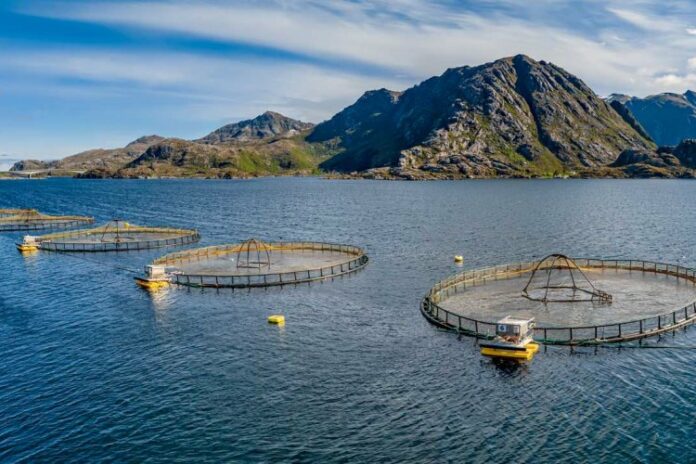
A new study published April 2022 by IEA-OES “Offshore Aquaculture: a Market for Ocean Renewable Energy” helps to provide a picture of the energy requirements worldwide for the aquaculture sector.

The report reviews ocean renewable energy technologies and their application for offshore aquaculture; provides information on energy demands from aquaculture operations around the world; highlights 12 case studies and lessons learned, exploring marine-based aquaculture projects that have used ocean energy, solar photovoltaic, offshore wind technologies, or hybrid solutions to meet energy demands of aquaculture.

The report also discusses the opportunities and challenges for co-locating ocean renewable energy and offshore aquaculture, associated with technical and operational processes, regulatory processes (including environmental effects and social acceptance), and economic impact, and offers recommendations to advance these industries. The synergistic opportunities for co-located aquaculture and renewable energy can provide a multifunctional use of space and resources, creating opportunities to automate operations for safety and sustainability.

This report commissioned by IEA-OES was prepared by Pacific Northwest National Laboratory (PNNL), the Blue Economy Cooperative Research Centre (BE CRC), the Commonwealth Scientific and Industrial Research Organization (CSIRO), and OceanPixel Pte. Ltd., with further funding support from the United States Department of Energy Water Power Technologies Office, and the BE CRC.

OES Chairman Yann-Hervé De Roeck says:

“Given the increasing need to derive food from the oceans through aquaculture, and the evidence for this new human activity to be as carbon-free as possible, the potential for direct use of ocean energy for this sector had to be assessed very carefully: this report sheds a very useful and inspiring insight into this issue.”

Neptune Energy confirms oil and gas discovery at Hamlet

0

In-place volumes discovered in the Hamlet structure are estimated to be in the range of 5-11 million standard cubic metres (MSm3) or 30-70 million barrels of oil equivalent (mmboe). Work is continuing to confirm potential recoverable resources, but Neptune’s preliminary estimate is 8-24 mmboe.

Located 58 kilometres west of Florø, Norway, at a water depth of 358 metres, Hamlet will be considered as a tie-back to the Neptune-operated Gjøa semi-submersible platform.

Hamlet is a new discovery in the Gjøa area, where Neptune already operates two fields. The Wintershall Dea-operated fields Vega and Nova are also tied back to the Gjøa platform.

Neptune Energy’s Managing Director for Norway and the UK, Odin Estensen, said:

“This discovery is in line with Neptune’s strategy to focus on exploration around existing hubs, enabling us to fast-track development, and to keep costs down and carbon emissions low. A potential field development would build on our experiences from recent successful developments of the Duva field and Gjøa P1 segment.”

The drilling program comprised a main-bore (35/9-16S) with a side-track (35/9-16A). Both wells found hydrocarbons, and the sidetrack confirmed an oil/water contact at 2662 metres total vertical depth.  Neptune and its partners have initiated studies to consider development options for the discovery.

Neptune Energy’s Director of Exploration & Development in Norway, Steinar Meland, added:

“The Hamlet exploration well confirms the extended potential of the Agat play, previously only developed and produced in the Neptune-operated Duva Field. Neptune plans to drill a further exploration well, the Ofelia prospect, in the same play later this year.”

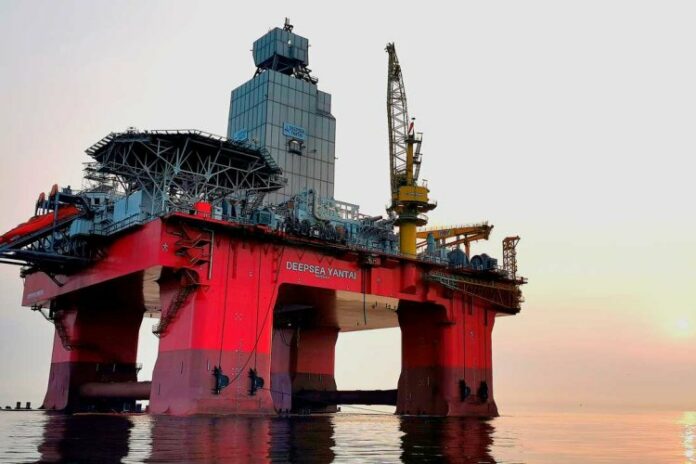
Hamlet was drilled by the Deepsea Yantai, a semi-submersible rig, owned by CIMC and operated by Odfjell Drilling.

Pair of RAmparts 3400 tugs successfully delivered to Ri Zhao Port

0

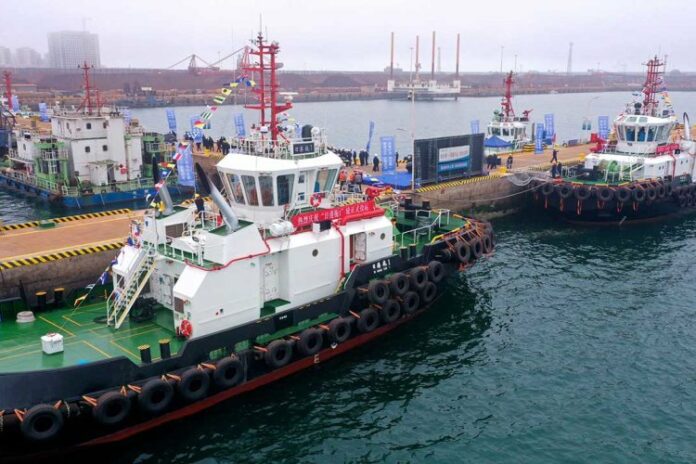
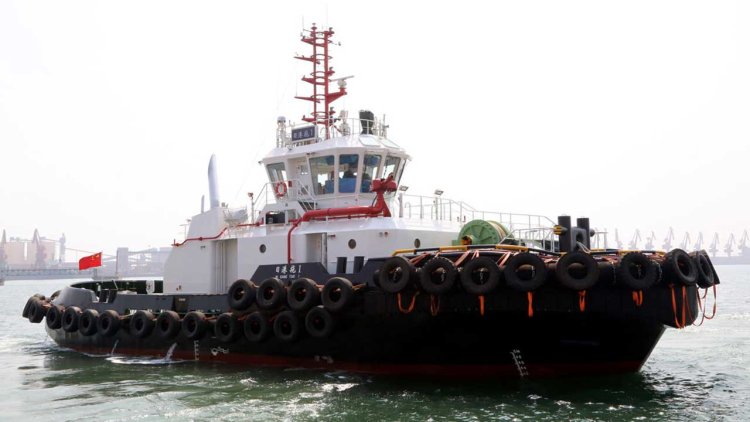
Robert Allan Ltd. has announced that Ri Gang Tuo 1 and Ri Gang Tuo 2, two RAmparts 3400 tugs were successfully delivered to Ri Zhao Port, Shandong, China in February and March of this year.  

An official naming ceremony was held at owner’s fleet base last week. The newly completed ASD tugs were constructed at Rizhao Kingda Shipbuilding Heavy Industry Co. Ltd., designed by Robert Allan Ltd. and are to operate in Rizhao Port on the coast of the Yellow Sea, China.

The newly developed RAmparts 3400 has been specially designed for owners who prefer to operate tugs with shallow draft and assist ships with low freeboards. 

Key particulars of the Ri Gang Tuo 1 and Ri Gang Tuo 2 are:

  • Length, overall (excluding fenders): 34.3 m
  • Beam, moulded: 11.20 m
  • Depth, least moulded: 5.22 m
  • Maximum draft (navigational): 4.61 m
  • Gross Tonnage: 495

Main tank capacities at 100% are:

  • Fuel oil: 105 m3
  • Potable water: 43 m3
  • Ballast: 43 m3
  • Fire-fighting foam: 12 m3

The tugs were designed and constructed to the following CCS Notation:

★ CSA, TUG, R2, ★ CSM, BRC

Propulsion machinery consists of:

  • 2 x Niigata main diesel engines 6L28HX, 1838kW
  • 2 x Kongsberg Z-drives, US205S P20 FP

Each of the multi-purpose tugs is outfitted with a variety of deck machinery including a hawser winch from Masada Ironworks Co. Ltd, and two windlasses.

Ship-handling fenders at the bow consist of an upper row of cylindrical fenders and a lower course of W-fender. Sheer fendering consists of “D” rubbers and a smaller cylindrical fender at the stern.

The accommodations have been outfitted for a crew of ten with master’s cabin, mess, galley arranged in the deckhouse and all other crew cabins located on the lower accommodation deck. There is also a provision store on the lower deck. The wheelhouse is designed with a single split type control station which provides maximum all-round visibility with exceptional visibility to the bow and side fendering, as well as operations on the aft deck.

Trial results were as follows:

  • Bollard pull, astern: 64.3 tonnes
  • Free running speed, ahead: 14.02 kts