0.3 C
New York
Home Blog Page 446

Equinor sells assets in Ekofisk Area and share in Martin Linge

0

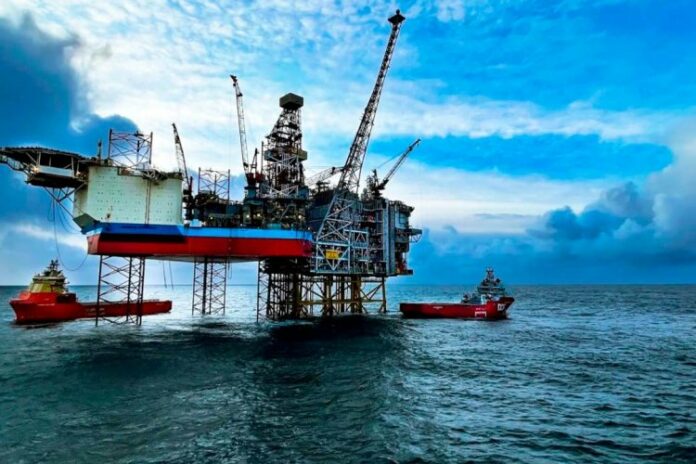
Equinor and Sval Energi have entered into an agreement for the sale of Equinor’s non-operated share in the Greater Ekofisk Area and a minority share in Martin Linge (19%).

The agreement includes 7.604% of Ekofisk area licenses PL018, PL018B and PL275 (including the Ekofisk, Eldfisk and Embla fields, and 6.63922% in the Tor Unit).

With this agreement, Equinor will no longer have any ownership interests in the Greater Ekofisk Area but will retain a 51% ownership share in Martin Linge and continue as the operator of the field.

The deal also includes the sale of Equinor’s interest in Norpipe Oil AS (18.5%), part of the infrastructure transporting oil from the Greater Ekofisk Area to land.

The agreement includes a cash consideration of USD 1 billion and a contingent payment structure linked to realised oil and gas prices for both assets for 2022 and 2023.

Rune Nedregaard, Senior vice president Exploration Production South Norway, said:

“With this transaction we are optimizing our oil and gas portfolio in line with Equinor’s strategy, capturing value from several of our assets.”

“Ekofisk has played an important role in Norway and Equinor’s oil and gas journey as the first producing field on the Norwegian Continental Shelf. The Greater Ekofisk Area is an area where Equinor has limited participation, and we have therefore decided to sell our position in the area during a period of high prices and to redirect capital to other core areas for the business.”

“We are also pleased to announce that the deal includes bringing in Sval Energi as a partner to the Martin Linge field, creating further value from this asset. Martin Linge started production in June 2021 and is now producing very efficiently. We are looking forward to collaborating further with Sval Energi to create more value from Martin Linge going forward.”

The closing of the transaction is subject to customary government and license approvals and is expected to be completed during the second half of 2022.
500 seafarers remain trapped on vessels stuck in Ukrainian ports

0

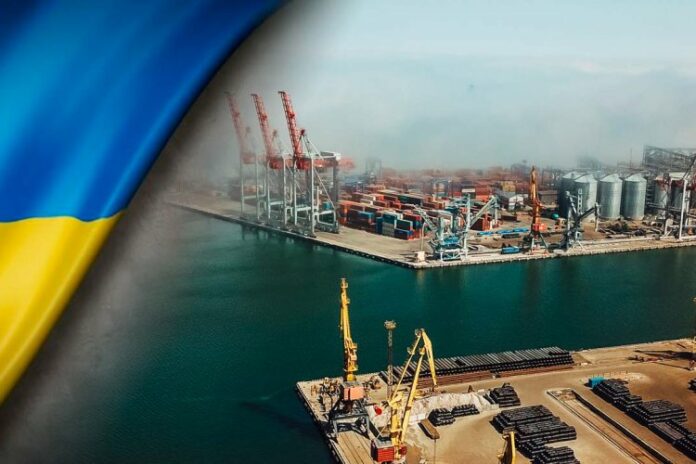
Three quarters of the seafarers trapped in Ukrainian ports have now been evacuated from their stranded vessels, according to new data gathered by the International Chamber of Shipping (ICS), collated in association with the International Maritime Organization (IMO).

On 29 April 2022, the IMO adopted a resolution on actions to facilitate the urgent evacuation of seafarers, while U.N. Secretary General Antonio Guterres called for an escape route from the Mariupol ‘apocalypse’.

ICS is urging the preservation of humanitarian corridors, until all remaining seafarers have been safely evacuated. The remaining 500 seafarers account for skeleton crews who remained on board to allow their fellow crew mates to be evacuated.

1,500 seafarers have been safely evacuated from stranded vessels via humanitarian corridors on land and at sea. These corridors comprised of evacuation flights and buses from ports, organised by the maritime labour supply states of those affected. Some of the 1,500 are awaiting their further transfer from shore locations in Ukraine, and many have been fully repatriated home.

The International Labour Organization (ILO), the IMO, UNHCR and humanitarian organisations have coordinated deliveries of food, water, and medicines to remaining crew. While some supplies have reached the intended recipients, delivering aid continues to be extremely difficult, particularly in high-risk areas.

Vessels are stuck in: Mykolaiv (25), Chornomorsk (23), Kherson (16), Odessa (10), Berdyansk (8), Pivdennyi (6), Mariupol (5), Nika Tera (2), Ochakiv (2), Izmail (1), and Yuzhny anchorage (1).

The affected seafarers, both the evacuated and those who remain onboard, are from 27 different countries, with the largest number from the Philippines and India. Other affected seafarer nationalities include Ukrainian, Russian, Chinese, Danish, Greek, and Turkish.

ICS data indicates that most of the 109 stranded vessels are either bulk carriers (42) or general cargo vessels (38). Other vessels include oil tankers, chemical tankers, tugs, ro-ro cargo, an ice-breaker, and motor hoppers.

Natalie Shaw, director of employment affairs at ICS, said:

‘The escape route out of ‘the apocalypse’ must be open to these seafarers as well. While we are relieved that around 1,500 have been successfully evacuated, our focus is on those still onboard. We will continue to do all we can to facilitate their safe passage out of the affected areas and, in the meantime, work with aid agencies to ensure the delivery of humanitarian aid to those still affected. Open dialogue made these rescue missions possible; we’re calling for continued communication and co-operation. We commend the rescue effort taken by flag states, port states, and labour supply states, as well as governments, shipowners, unions, international aid agencies, and seafarer charities.’

HHLA launches cluster to test hydrogen-powered equipment in port logistics

0

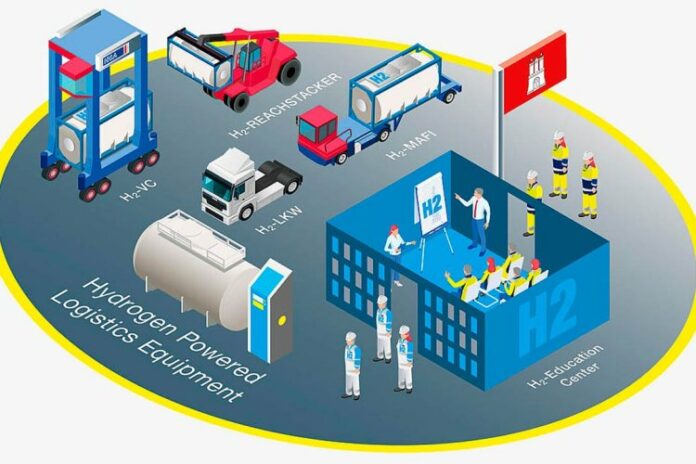
Together with partners, Hamburger Hafen und Logistik AG (HHLA) wants to drive for-ward the decarbonisation of handling and transport processes. Clean Port & Logistics (CPL), an innovation cluster to test hydrogen-powered port logistics equipment, aims to support this.

With Clean Port & Logistics (CPL), HHLA has created a cluster to test hydrogen-powered equipment in port logistics. This will support and accelerate both the achievement of market maturity and the integration into regular port operations. In order to reduce emissions in port handling and the associated logistics chains, the innovation cluster has the support of the Federal Ministry of Transport and Digital Infrastructure – with HHLA in charge of managing the cluster.

CPL brings together equipment manufacturers as well as port and logistics companies with academic partners, producers of renewable hydrogen, software companies and operators and manufacturers of storage tank locations. The parties cooperate nationwide to conduct research and practical tests into how hydrogen can be used in a reliable way to supply power to port technology and port logistics. The cluster carries out simulations and investigations and develops training concepts for this purpose. At the core of activities will be a test centre for hydrogen-powered equipment at the HHLA Container Terminal Tollerort in Hamburg.

The cluster will be sponsored by the Federal Ministry of Transport and Digital Infrastructure as part of a national innovation program for hydrogen and fuel cell technology. The funding guidelines will be coordinated by NOW GmbH and implemented by Projektträger Jülich (PTJ).

Angela Titzrath, Chairwoman of HHLA’s Executive Board:

“Port handling and heavy goods logistics will make their contribution to climate protection and improving the quality of life in urban areas. The key element here is the decarbonisation of logistics. That can also be achieved with the help of hydrogen as the operating energy. This is why I am delighted to be launching a cluster alongside committed partners to test this promising new energy source. CPL will provide an additional boost to the transformation process.”

The cluster will enable cooperation across sites and support many ports in their efforts for more climate protection. Michael Westhagemann, Hamburg Minister for Economic and Labour Affairs, explains the importance of the cluster for Hamburg in an exemplary manner:

“The port is a focus area of our hydrogen strategy, which also includes the application of hydrogen, particularly in intralogistics, as an important pillar. HHLA will gain valuable, cross-disciplinary experience from the project on how the fuel of the future can make a concrete contribution toward reaching Hamburg’s climate targets.”

Johannes Daum, managing director for hydrogen, alternative fuels and batteries at coordinating company NOW GmbH: “NOW looks forward to accompanying the CPL innovation cluster as part of the e4ports network. Through our network activities, we are already aware of the urgent need for action at ports concerning the energy transition, but we also know the commitment port companies have for pursuing this goal. With CPL, we will bring the concrete application of hydrogen in port logistics to a new level.

As part of CPL, HHLA has already agreed the first memorandum of understanding for the delivery of hydrogen-powered empty container handlers and terminal tractors with Hyster Yale Group, Inc., a leading designer and manufacturer of port handling equipment. The units will be powered by Nuvera fuel cells. The delivery of the terminal tractor is planned for the end of 2022, followed by the empty container handler in early 2023.

Study: Tankers are the worst polluters in the Arctic region

0

More than 600 fishing vessels sail the icy waters of the Arctic. But just over two dozen big tankers are the worst offenders when it comes to air pollution in this vulnerable region.

In 2021, just 26 natural gas tankers cruised through Arctic waters, as compared to the hundreds of fishing vessels that also ply these rich fishing grounds.

But the giant tankers, which can be 300 meters long or more, account for the largest share of CO2 emissions by far, a new analysis shows. While combined ship traffic in the Arctic region emitted 2.8 million metric tons of CO2 in 2019, the tankers accounted for 788,000 metric tons (almost 28%).

Ekaterina Kim, an associate professor at NTNU’s Department of Marine Technology, who conducted the study, said:

“Even though fishing vessels far outnumber natural gas (LNG) tankers, gas tankers are responsible for nearly 30% of all CO2 emissions from ship traffic in the Arctic. And the number of tankers operating in the Arctic has increased from 4 to 26 since 2017.”

The numbers matter because climate change is shrinking the Arctic ice cover, making it easier for ships to travel along the northern coast of Russia, known as the Northern Sea Route. The most current estimates suggest that most of the Arctic Ocean could become ice-free during the summer as early as 2050.

Any increase in ship traffic will increase the pollutant load in the Arctic, which is one of the most vulnerable environments on the planet. The UN Ocean Decade began last year, with a focus on clean oceans. But as both summer and winter ice cover shrinks, more and more ships of all varieties, including cruise ships and fishing vessels, are finding their way north and increasing their operational season— releasing increasing amounts of CO2 and other air pollutants, Kim said.

Kim conducted her research using Arctic Ship Traffic Data (ASTD), which is collected by the Protection of the Arctic Marine Environment (PAME) group, one of six working groups of the Arctic Council. The Arctic Council is an intergovernmental forum that works on issues facing the eight Arctic nations and indigenous people of the north.

PAME reports that shipping in the Arctic increased by 25% between 2013 and 2019. Kim’s assessment mainly looked at what is called the Polar Code area. The Polar Code area is defined as the waters north of 60 degrees N, but excluding areas around Iceland, the Norwegian mainland, Russia’s Kola Peninsula, the White Sea, the Sea of Okhotsk, and Prince William Sound in Alaska.

During the same period, however, the aggregated nautical miles that vessels traveled in the Polar Code area increased by a whopping 75%, to 10.7 million nautical miles.

Kim has now expanded on this information by analyzing ship type, vessel behavior, and traffic numbers from as recently as 2021, along with emissions data for CO2, oxides of nitrogen (NOx), sulfur dioxide (SO2) and particulate matter (PM) up to 2019.

Kim said that one of the issues to consider is that as ships get bigger or their number increases, so does pollution:

“We do expect to see numbers drop for sulfur dioxide in some Arctic areas as new regulations reduce the amount of sulfur allowed in ship fuel oil. However, when it comes to ships using heavy fuel oil there are a number of loopholes that allow individual states to waive some regulations, so we don’t know how this will develop.”

Pollution from the large gas tankers isn’t expected to drastically drop in the Arctic, however, because they use heavy fuel oil, she said, which is not currently covered by the new regulations.

Equinor extends contracts for drilling and specialist services worth NOK 20 billion

0

Equinor is extending its contracts with Baker Hughes Norge, Halliburton AS and Schlumberger Norge AS for integrated drilling and well services on Equinor-operated fields on the Norwegian continental shelf (NCS).

At the same time the company is extending its contracts for additional services with the same companies and 13 other suppliers. The contracts will apply for two years from 1 June.

The contract extension for drilling services has an estimated total value of approximately NOK 14 billion and will give work to around 2000 people distributed on 18 fixed platforms and 12 mobile rigs.

The total value of specialist services in the same period is calculated at close to NOK 6 billion. The specialist services will employ some 600 people.

Mette H. Ottøy, chief procurement officer, says:

“Long-term supplier relations have proved to be important in an industry swaying rapidly between good and more challenging times. It ensures predictability and is important to develop this industry in a safe, efficient and sustainable way. We are pleased to extend these contracts, and it’s an expression of the good collaboration with our suppliers. These contracts are central in our value creation on the NCS.” 

In the drilling service contracts established in 2018 the services were gathered in one contract format, giving one supplier the main responsibility for integrated drilling services, cementing and pumping, drilling and completion fluids, electrical logging and completion on each installation.

Erik G. Kirkemo, Equinor’s senior vice president for drilling & well operations, says:

“We see clear benefits from integrated contracts. They have been fundamental to modernise the way we work, both by the establishment of operations centres, solving tasks jointly across disciplines and applying new technologies for close communication between the offshore and onshore organisations. The integrated contracts are well complemented by the framework contracts for specialist services. We are well pleased with the contracts we are extending, and look forward to continuing our joint improvement work.”

C-Job Naval Architects unveils brand new class of liquid hydrogen tanker

0

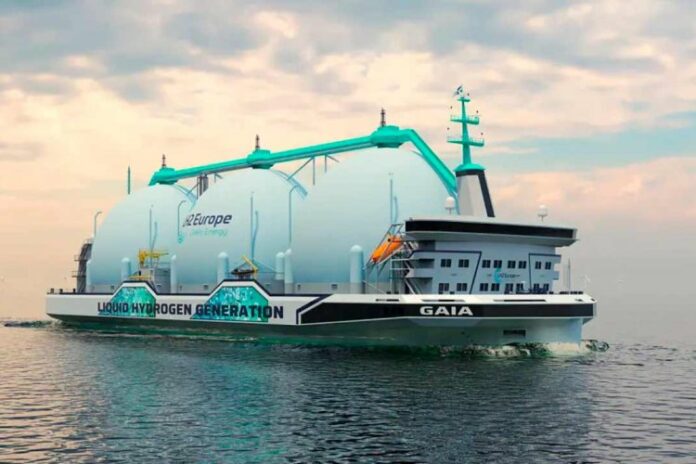
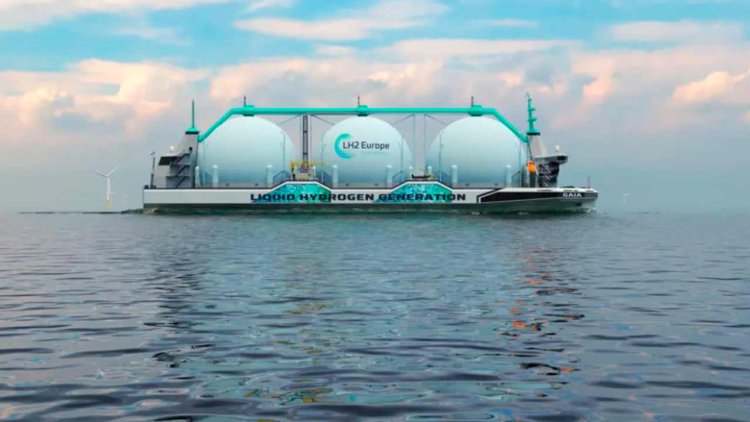
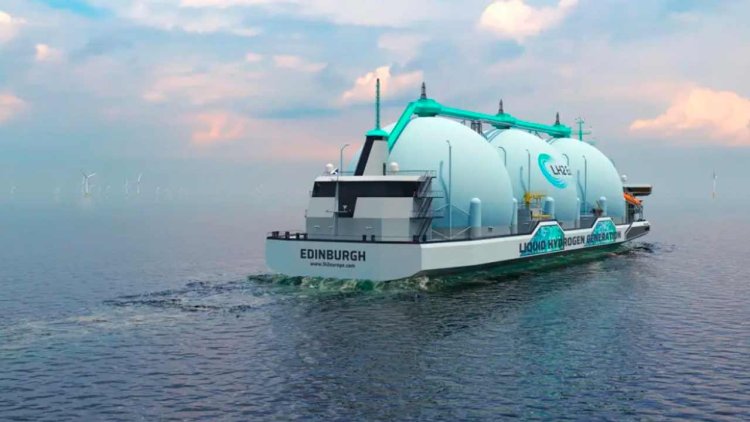
C-Job Naval Architects have designed a brand new class of liquid hydrogen tanker that will revolutionize the renewable energy market. The tanker concept, developed in partnership with LH2 Europe, is a critical element in realizing a green end-to-end liquid hydrogen supply chain.

Dr. Peter Wells, CEO of LH2 Europe, says:

“Hydrogen will be essential to the future of energy. It is up to us how quickly we can make that happen. This tanker design is a key step in providing the infrastructure to make that clean energy future a reality.  Current vessels in operation are not able to deliver hydrogen at the scale we expect will be required to meet the needs of the market.”

To do this, LH2 Europe will use the abundant amount of renewable electricity in Scotland to produce green hydrogen and market it at a competitive price with diesel. The new tanker will then transport the liquid hydrogen from Scotland to Germany. The tanker has enough capacity onboard to deliver fuel for 400,000 medium-sized hydrogen cars or 20,000 heavy trucks. As it is currently planned, the tanker will deliver 100 tons of hydrogen per day, and gradually increase the delivery to 300 tons per day, depending on demand.

Job Volwater, CCO at C-Job, says:

“Liquid hydrogen provides unique challenges in ship design and engineering. As a comparison, LNG tankers use ballast water to compensate the loss of weight following delivery to ensure enough draft. As liquid hydrogen is high in volume but 20 times lighter than LNG, this required a unique solution. We have created a trapezium-shaped hull design which creates enough deck space to fit the tanks without the need for ballast.”

C-Job has been researching the use of alternative renewable fuels for many years, helping us to provide knowledge and experience to the project and work towards our BHAG of 5,000 decarbonized vessels by 2035.

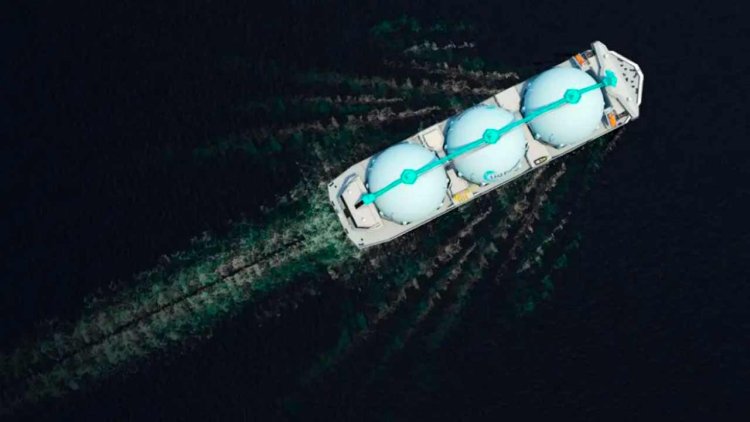
When completed, the liquid hydrogen tanker will be 141 meters long and will have a storage capacity of 37,500 cubic meters. The vessel will be powered by hydrogen fuel cells and will be equipped with three liquid hydrogen storage tanks. The tanks will have a much lower boil off than those currently used in the maritime industry. The limited remaining boil off will be captured and directly utilized in hydrogen fuel cells, providing power to the vessel’s propulsion systems, resulting in emissions of water only. The vessel itself will have zero greenhouse gas emissions during operations.

The ship is expected to be ready and commissioned six months before the first delivery of hydrogen in 2027.

Four-year contract awarded from Petrobras for Safe Notos in Brazil

0

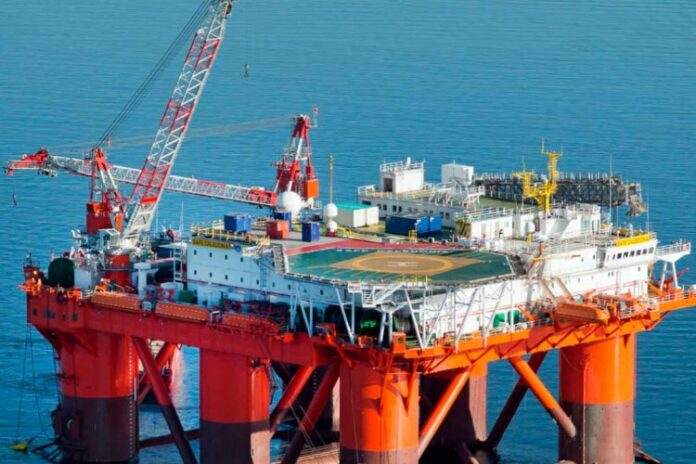
Prosafe has been awarded a contract by Petróleo Brasileiro SA (‘Petrobras’) for the provision of the Safe Notos semi-submersible vessel for safety and maintenance support offshore Brazil.

The contract linked to the award has a firm period commitment of four (4) years and the commencement is in Q3/Q4 2022 following on from the expiry of her current mutually extended three-year contract that commenced in Q4 2016. The total value of the contract is approximately USD 110 million.

The Safe Notos is a technologically advanced and efficient Dynamically Positioned (DP3) semi-submersible safety and maintenance support vessel, capable of operating in harsh environments. The Safe Notos can accommodate up to 500 persons, has extensive recreation facilities and a large capacity open deck area and telescopic gangway. When operating the vessel, Prosafe will have strong  focus on reducing emissions through innovative energy performance monitoring and associated fuel consumption reduction.

Jesper Kragh Andresen, CEO of Prosafe says:

“Brazil remains a primary operational region for Prosafe and it is a testament to crew, vessel and operational management that the Safe Notos will continue to demonstrate best in class performance into 2026.”

Ørsted trials turning offshore wind turbine foundations into safe havens for corals

0

Together with Taiwanese partners, the company will test the concept in the tropical waters of Taiwan this summer. The aims are to determine whether corals can be successfully grown on offshore wind turbine foundations and to evaluate the potential positive biodiversity impact of scaling up the initiative.

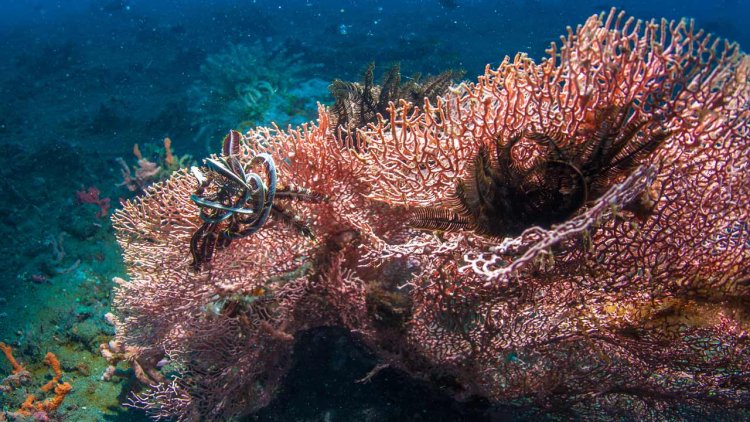
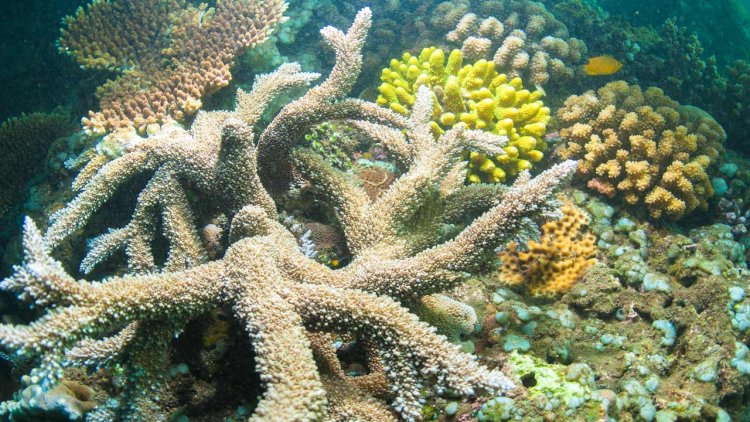
According to the UN Environment Programme, coral reefs provide habitat for an estimated 32% of all marine species and benefit 1 billion people worldwide, directly or indirectly. But global warming is increasing sea surface temperatures, which can create a bleaching effect that threatens the survival of tropical coral reef ecosystems, adding to the global biodiversity crisis.

Climate change is becoming the biggest driver of biodiversity loss, and a substantial expansion of offshore wind is central to tackling these interlinked crises. Governments are planning a significant build-out of green energy infrastructure at sea, and if done right, Ørsted believes the expansion of offshore wind energy needed to fight climate change can also integrate solutions that support and enhance ocean biodiversity. That is why Ørsted has set an industry-leading ambition to deliver a net-positive impact on biodiversity across all the new energy projects it commissions from 2030 at the latest.

Adding to its efforts to leave nature healthier than before, Ørsted, the global leader in offshore wind, is exploring innovative new ways to protect and enhance biodiversity. ReCoral by ØrstedTM is one example of the company exploring how to achieve this. The project aims to implement a non-invasive approach for collecting surplus indigenous coral spawn as it washes ashore and for growing healthy coral colonies on the foundations of nearby offshore wind turbines.

Increased surface temperatures in shallow waters can lead to coral bleaching. At offshore wind farm locations further offshore, temperatures are more stable due to vertical mixing in the water column, preventing extreme temperature increases.

The innovative idea behind ReCoral is that the relatively stable water temperatures at offshore wind farm locations will limit the risk of coral bleaching and allow healthy corals to grow on wind turbine foundations. Corals will be grown close to the water’s surface to ensure sufficient sunlight.

In 2020, biologists and marine specialists in Ørsted teamed up with private and academic coral experts to mature and test the concept. In 2021, the ReCoral team successfully grew juvenile corals on underwater steel and concrete substrates at a quayside test facility for the first time.

In June this year, the offshore proof-of-concept trial will begin at the Greater Changhua offshore wind farms in Taiwan to test the concept in open waters on four separate wind turbine foundations.

Mads Nipper, Group President and CEO of Ørsted, said:

“To halt climate change and create a sustainable future for the planet, its ecosystems, and its people, we must speed up the transition from fossil fuels to renewables. Governments are preparing a significant expansion of offshore wind energy, and I’m confident that if done right, the offshore wind build-out can support and enhance ocean biodiversity. If we succeed with ReCoral and the concept proves to be scalable, this Ørsted innovation could create a significant positive impact on ocean biodiversity.”

Ørsted collaborates with the Penghu Marine Biology Research Center in Taiwan, and together they have developed a non-invasive methodology for coral seeding, in vitro fertilisation, larvae transport, and larvae attachment to wind turbine foundations. Rather than removing anything from existing coral ecosystems, ReCoral’s non-invasive approach relies on the collection of surplus coral egg bundles that wash up on shorelines and would not otherwise survive.

Hern-Yi Hsieh, Director of Penghu Marine Biology Research Center, said:

“Environmental protection and marine biodiversity will continue to be one of the key topics of the world in the coming decade. It’s great to see that, apart from its effort to supply clean energy, Ørsted is also launching its coral project here in Taiwan to promote environmental friendliness.

If the proof-of-concept trial is successful, Ørsted will explore opportunities for scaling up the initiative, with the ultimate aim of using additional coral larvae generated at offshore wind farm locations to restore and enhance threatened near-shore reef systems.

The ReCoral concept could be applied to offshore foundations of any kind in tropical waters around the world. 

Maersk Drilling awarded additional three-well contract with Aker BP

0

Maersk Drilling has secured a contract with Aker BP, on behalf of the Ivar Aasen license, who will employ the ultra-harsh environment jack-up rig Maersk Invincible for the drilling of three infill wells at the Ivar Aasen field offshore Norway.

The contract has an estimated duration of 86 days and is expected to commence in September/October 2022. The contract value is approximately USD 22.4m, excluding integrated services provided and potential performance bonuses.

Maersk Invincible is contracted under the frame agreement that Maersk Drilling and Aker BP entered into in 2017 when the Aker BP Jack-up Alliance was established – which also includes Halliburton. An alliance incentive arrangement will apply for the work, based on actual delivery and performance. This contract at Ivar Aasen is not part of the agreement to renew the frame agreement that Maersk Drilling announced on 18 December 2021.

COO Morten Kelstrup of Maersk Drilling says:

“We’re excited to announce Maersk Invincible’s next campaign for Aker BP. The rig will be deployed with brand-new low-emission upgrades, and we are ready to continue the great collaboration in the alliance which has led to impressive results for operational efficiency and emission reductions. The alliance’s focus on long-term planning and alignment of incentives for mutual gains are important factors in unlocking the investments needed to apply advanced technological solutions to reduce emissions.”

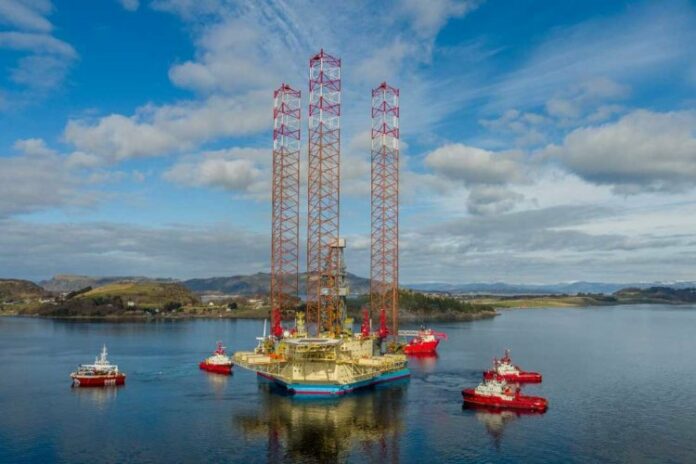
Maersk Invincible is an ultra-harsh environment CJ70 XLE jack-up rig, designed for year-round operations in the North Sea and featuring the capability to operate on shore power. It was delivered in 2016 and is currently operating for Aker BP offshore Norway. Prior to commencing the contract at Ivar Aasen, Maersk Invincible is scheduled to complete a special periodic survey as well as implementing hybrid, low-emission upgrades similar to the ones previously installed on Maersk Intrepid and Maersk Integrator.

ABS AiP for COSCO WTIV designed by Friede and Goldman

0

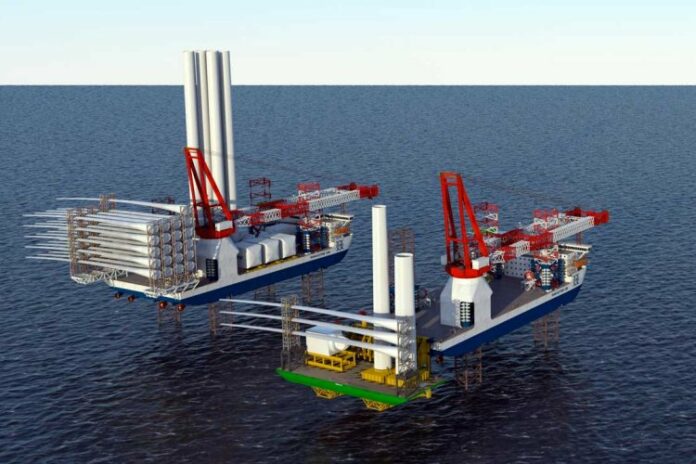
American Bureau of Shipping (ABS) has granted Approval in Principle (AIP) for a design for a wind turbine installation vessel (WTIV) for China Ocean Shipping Company Limited (COSCO) by Friede and Goldman (F&G).

The design is suitable for all offshore wind markets and is capable of installing 15 MW and larger sized turbines. It can be equipped with F&G’s BargeRack feeder barge system to support Jones Act-compliant operations in the U.S. that has previously received an AIP from ABS. The BargeRack system is removable to enable operations in any global market as a typical WTIV.

Greg Lennon, ABS Vice President, Head of Global Offshore Wind, said:

“This is a versatile system design capable of navigating port constraints and supporting offshore wind markets all over the world. It is great to see experienced designers like F&G bringing creative technical solutions as we embrace this global challenge. ABS is pleased to be able to add this project to the list of advanced new vessel developments our global team is supporting and that it will make another important contribution to the future of the offshore wind industry.”

Dr. Yang Sun, Friede and Goldman Vice President, Asia Market, said:

“F&G and COSCO have a successful history of collaboration, and this latest effort brings an experienced WTIV builder in COSCO and a seasoned jack-up designer in F&G together to maximize vessel capabilities catered to current and future market demands and trends.”

The design is just the latest advanced offshore wind vessel to be supported by ABS, with a subsea rock installation vessel to be built to ABS Class and Charybdis, the first Jones Act-compliant WTIV now under construction to ABS Class. The first U.S.-flagged Jones Act offshore wind farm service operation vessel (SOV) ever ordered will also be built to ABS Class. These vessels will join the first ABS-classed crew transfer vessel (CTV) in the U.S., Windserve Odyssey.