1.2 C
New York
Home Blog Page 445

Russian ships carrying stolen Ukrainian grain turned away from Mediterranean ports

0

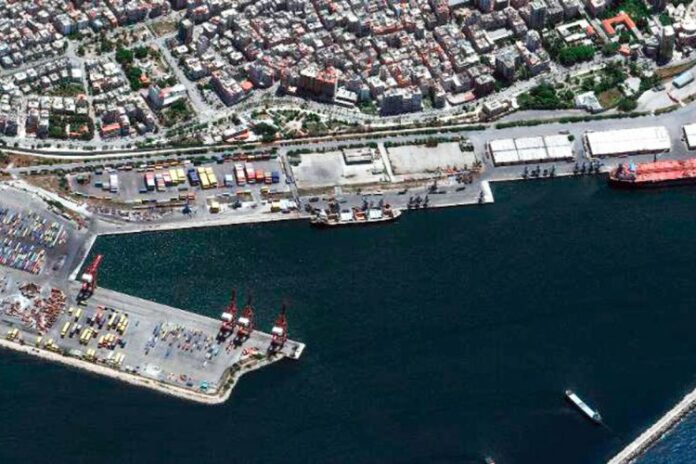
CNN has identified the vessel as the bulk carrier Matros Pozynich. On April 27, the ship weighed anchor off the coast of Crimea, and turned off its transponder. The next day it was seen at the port of Sevastopol, the main port in Crimea, according to photographs and satellite images.

The Matros Pozynich is one of three ships involved in the trade of stolen grain, according to open source research and Ukrainian officials.

Crimea, annexed by Russia in 2014, produces little wheat because of a lack of irrigation. But the Ukrainian regions to its north, occupied by Russian forces since early March, produce millions of tons of grain every year. Ukrainian officials say thousands of tons are now being trucked into Crimea.

Kateryna Yaresko, a journalist with the SeaKrime project of the Ukrainian online publication Myrotvorets, told CNN the project had noticed a sharp increase in grain exports from Sevastopol — to about 100,000 tons in both March and April.

From Sevastopol, according to satellite images and tracking data reviewed by CNN, the Matros Pozynich transited the Bosphorus and made its way to the Egyptian port of Alexandria. It was laden with nearly 30,000 tons of (Ukrainian) wheat, according to Ukrainian officials.

But the Ukrainians were one step ahead. Officials say Egypt was warned that the grain was stolen; the shipment was turned away. The Pozynich steamed towards the Lebanese capital, Beirut, with the same result.

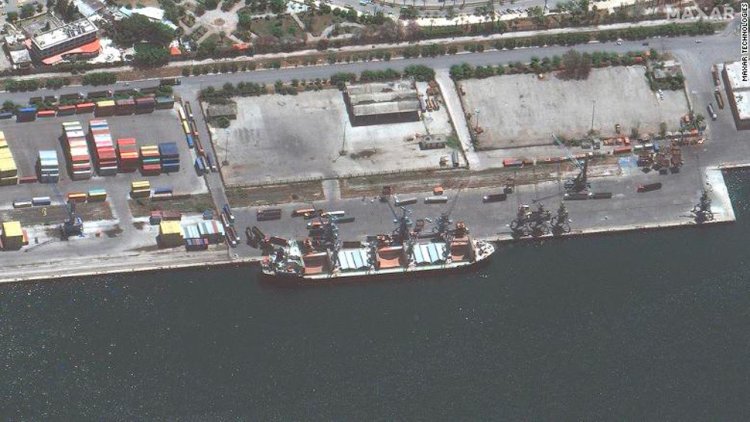
The Matros Pozynich turned off its transponder again on May 5, but imagery from Tankertrackers.com and Maxar Technologies shows it traveled to the Syrian port of Latakia.

The Syrian regime has a close relationship with Russia and the Russian military are frequently in Latakia. Indeed, the Matros Pozynich is named after a Russian soldier killed in Syria in 2015.

Mikhail Voytenko, editor-in-chief of the Maritime Bulletin, told CNN that the grain could be reloaded onto another ship at Latakia to disguise its origins. “When the destination port starts to change without any serious reason, this is another proof of smuggling,” he said.
In its first comments on the illicit export of Ukrainian grain, the Defense Ministry’s Intelligence Directorate said Tuesday that “a significant part of the grain stolen from Ukraine is on vessels sailing under the Russian flag in the waters of the Mediterranean.”

“The most likely destination of the cargo is Syria. The grain can be smuggled from there to other countries of the Middle East,” it said.

Shipping data shows that the Matros Pozynich is one of three bulk carriers registered to a company called Crane Marine Contractor, based in Astrakhan, Russia. The company is not under international sanctions. CNN’s efforts to reach the company were unsuccessful.

Yaresko says that the SeaKrime project has identified the true owners of the three ships as one of 29 companies under the umbrella of a large Russian corporation, whose other entities were sanctioned by the United States soon after the Russian invasion.

The Ukrainian Defense Ministry estimates that at least 400,000 tons of grain has been stolen and taken out of Ukraine since Russia’s invasion. 
Mykola Solsky, Ukraine’s minister of Agrarian Policy and Food, said this week it is “sent in an organized manner in the direction of Crimea. This is a big business that is supervised by people of the highest level.”

CNN reported last week that trucks with Crimean license plates pilfered 1,500 tons of grain from storage units in Kherson. In Zaporizhzhia, trucks bearing the white “Z” symbol of the Russian military were spotted transporting grain to Crimea after the city’s main grain elevator was completely emptied.

This week, Ukrainian authorities reported more grain thefts by occupying forces. The Intelligence Directorate said that in one part of Zaporizhzhia, grain and sunflower seeds in storage were being prepared for transport to Russia. A column of Russian trucks carrying grain had left the town of Enerhodar — also in Zaporizhzhia — under the guard of the Russian military, the Directorate claimed.

While Russian ships are apparently able to carry Ukrainian grain on the high seas, Ukrainian farmers are finding it much more difficult to export their produce. Much of it would normally be shipped out of Odesa. While still in Ukrainian hands, Odesa has come under frequent missile attacks and much of the Black Sea is off-limits to merchant shipping.

Ukrainian shippers have diverted some grain via rail to Romania, as CNN reported last week. But it’s hardly a solution to what is becoming a supply crisis already having an impact on world markets.

Source: CNN

Empire Wind selects ECO to provide plug-in hybrid service operations vessel

0

The plug-in hybrid service operations vessel (SOV) will be the first in the US offshore wind sector capable of sailing partly on battery power.

The vessel will accommodate up to 60 wind turbine technicians and will be utilized for the safe and efficient operations and maintenance of the Empire Wind 1 and Empire Wind 2 offshore wind farms. The charter agreement has a fixed period of 10 years, with commencement in the mid-2020s.

The US-flagged vessel will be Jones Act compliant and have its home port at the South Brooklyn Marine Terminal (SBMT) in New York. The SOV will be constructed with components from ECO’s extensive supplier base across 34 US states.

The supplier estimates that this will generate over 250 high-skilled US jobs during vessel construction. Edison Chouest Offshore is also dedicating considerable effort and resources to recruiting and training vessel crew from the New York region. ECO will operate the vessel from their New York office.

The plug-in hybrid vessel will be the first in the US capable of sailing on battery power for portions of the route. The SOV will sail into the port of SBMT on battery power, recharge the battery using shore power and sail out of New York Harbor. The hybrid vessel is certified to “tier 4 emissions standards”, reaching the highest standard for marine applications.

Teddy Muhlfelder, Vice president, Empire Wind and Beacon Wind, Equinor, said:

“Equinor and bp’s agreement with Edison Chouest will generate ripple effects throughout the supply chain, creating jobs in numerous states across the country. With the first of its kind, plug-in hybrid service operations vessel, Empire Wind will reduce potential emissions from our operations in the New York City area. This is another critical step forward in the development of the offshore wind industry, while helping achieve critical state and federal climate goals.”

Mette H. Ottøy, Chief procurement officer, Equinor, said:

“Edison Chouest Offshore will provide a state-of-the-art vessel fit for Empire Wind. We selected Edison Chouest in part for its extensive experience and expertise as a shipbuilder and we look forward to a collaboration beginning with construction and continuing through operations for the next decade or more. This is an important step in our efforts to develop a domestic supply chain in the US for offshore wind.”

BV approves EODev’s electro-hydrogen power solutions for the maritime industry

0

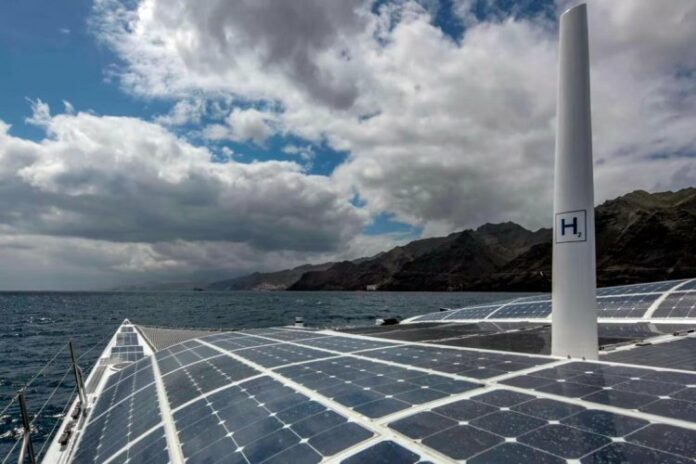
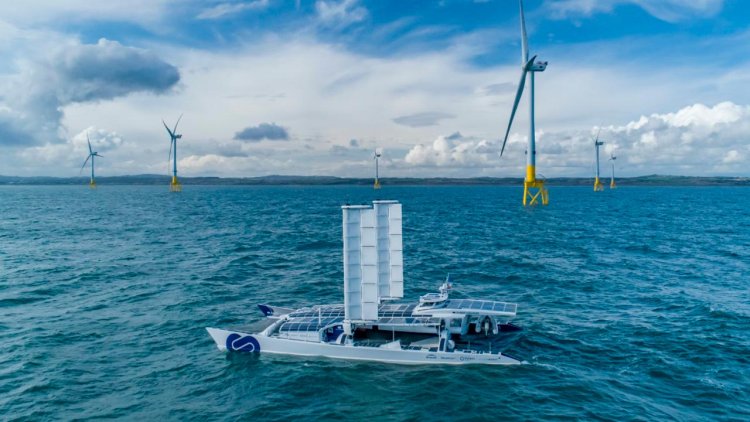
Bureau Veritas (BV) recently approved the second generation of the REXH2® developed by Energy Observer Developments (EODev), a turnkey power generator for the supply of low carbon electricity on board ships. The hydrogen PEM fuel cell at its heart makes it possible to meet energy needs ranging from 70 kW to about one megawatt when several REXH2® are installed in parallel. 

The Approval in Principle (AIP) obtained by EODev for its REXH2® fuel cell design follows a thorough design review against the latest classification rules and regulations, assessing its compliance with the IGF Code specific safety regulations for vessels using gases and low-flashpoint fuels. It also follows the recently released BV NR 547, applicable to the use of fuel cells onboard ships.

Collaborating closely through all the stages of development of the final product, Bureau Veritas and EODev achieved the AIP in record time to allow the start of serial production of the much-awaited marine power generator. The procedure to obtain Type Approval on the definitive version of the new REXH2® has already started and is expected to be completed by the end of 2022.

This achievement was also made possible thanks to the collaboration initiated between EODev and Bureau Veritas that led to the validation of the first generation EODev’s REXH2® unit in Spring 2021, which was extensively tested onboard Energy Observer and the Hynova Yachts’ demonstrator The New Era. 

Among the key evolutions between the two generations of REXH2® are the integration of the cooling and power management system and a comprehensive safety system, enabling more flexibility for shipyards and naval architects to consider the use of the REXH2® into existing vessels and less constraints for its integration into new projects.

Both EODev’s and Bureau Veritas’ missions are to ensure the safe implementation of hydrogen technologies and promote the use of hydrogen as an energy source to support the decarbonisation of the shipping industry. BV and EODev will therefore continue to cooperate on the following activities:

  • Perform preliminary assessment of new marine hydrogen power solutions developed by EODev
  • Share technical expertise regarding hydrogen technologies to enable ramp-up of hydrogen usage on-board ships
  • Leverage relevant Class rules and Regulatory frameworks 

Jeremie Lagarrigue, EODev’s CEO, highlighted:

“Energy Observer was the first to install a hydrogen fuel cell onboard an ocean-going vessel back in 2017. EODev was then the first company to integrate a more powerful version of its original Range Extender into the Energy Observer catamaran, thanks to collaboration with long-standing hydrogen expert Toyota, in 2019. Then came a fully certified recreational day-boat in 2021; and now in 2022 we reach another milestone with the launch of our full-scale serial production of the latest compact, “plug & play”, REXH2® that uses Toyota’s latest fuel cell technology.”

Świnoujście-Szczecin Fairway in Poland officially opens

0

The joint venture partners celebrated the official opening of the 65 km Fairway on May 9.

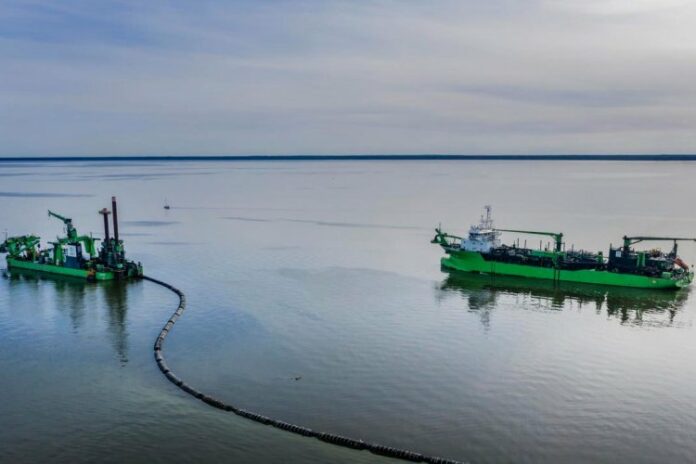
Providing access from the Baltic Sea, the Fairway runs between the city of Świnoujście and the Port of Szczecin. With more approximately 24 million m3 of material dredged, the channel has been deepened by 2 m to -12.5 m, which enables the Port of Szczecin to handle the next generation of vessels.

Despite exceptional challenges, including carrying out most of the work during the pandemic and the presence of large amounts of unexploded ordnance, as well as thick ice in winter, the ambitious Design & Build project was completed on time, highlighting the tremendous efforts of the JV team. DEME’s cutter suction dredger ‘Amazone’ even mobilised at the very beginning of the pandemic, although there were lockdowns in both Poland and Belgium. When the project was nearing completion, it was hit by two heavy storms leading to a fresh build-up of sedimentation, which meant the team had to remobilise again to dredge to the target depth.

Ten main dredging units were deployed along the Fairway, including DEME’s dual fuel trailing suction hopper dredger ‘Scheldt River’, DEME’s ‘Meuse River’ and Van Oord’s ‘Vox Amalia’ and ‘HAM317’. These next generation dredgers are all able to pump material over long distances – up to 8 km in this case – without the need of a booster station.

This mammoth project also included the construction of two artificial islands in the lagoon, which in line with the JV partners’ sustainable, circular-economy solutions, are created from dredged material. One of the islands is established as a new nature habitat above and below the waterline and is attracting a diverse range of birds, even rare species that are on the EU’s endangered list. The rock revetments below the water are also proving popular with marine life. Additionally, over 9,000 trees and bushes have been planted as part of the greenery works to create new habitats for the wildlife.

Other green initiatives included DEME’s TSHD ‘Scheldt River’ operating on LNG during the project, hybrid earthmoving machinery, and the use of solar panels at the Trzebiez marina.

In the largest UXO campaign in DEME and Van Oord’s history, the JV managed to successfully clean the channel, which had been subject to heavy bombardments in World War Two. An unexploded, five-tonne ‘Tallboy’ bomb was amongst the discoveries. After a year of research and preparations, the Tallboy was safely detonated in situ by the Polish Navy. 

As well as the deepening works and the new islands, the JV partners carried out shore protection works, underwater reinforcements, installed cables and navigational aids.

Eric Tancré, Managing Director Activity Line Dredging at DEME Group, says:

“This was DEME’s first major project in Poland and indeed, the first Design & Build dredging project in the country and it had to be carried out while adhering to stringent safety and environmental standards. However, we managed to successfully achieve this complex project although we faced unprecedented challenges – the pandemic, a large-scale UXO campaign, severe winter storms – and we did this by working closely together with our JV partner.”

Heerema selected for Strategic Supplier Agreement with Equinor and bp

0

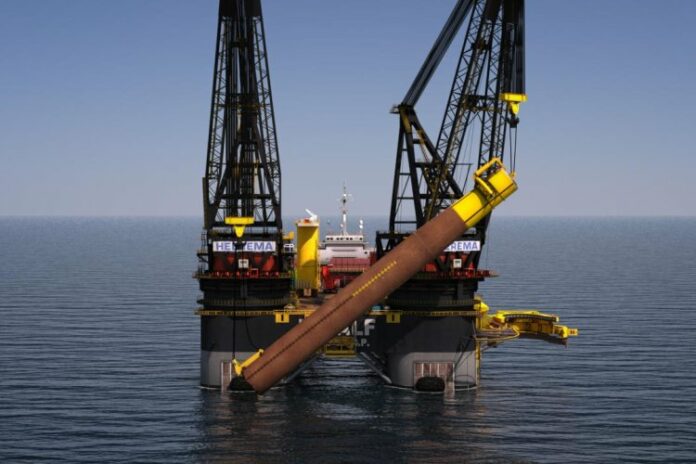
Heerema Marine Contractors is selected as a strategic supplier by Equinor on behalf of the 50-50 partnership between Equinor and bp to develop the Empire Wind and Beacon Wind projects, with the intent to enter into a Strategic Supplier Agreement for the transportation and installation services of wind farm foundations and offshore substations for the United States East Coast projects.

This agreement will include the Empire Wind and Beacon Wind wind farms and will cover a firm period of seven years. Throughout this period, Equinor, bp as 50% joint venture partner, and Heerema will collaborate as exclusive partners in the preparation and Jones Act compliant execution of the projects. Together, Heerema and Equinor will focus on optimizing the economic benefits the projects can generate for the New York State communities.

Heerema’s CEO Koos-Jan van Brouwershaven, said:

‘The award of this unique agreement is yet another chapter in a long history of working together globally with both Equinor and bp on often challenging offshore installation projects. We are proud to be selected to join Equinor and bp once again in a frontier market and region. The future of offshore wind relies on strong forward-looking partnerships that recognize the need to secure transport and installation capacity.’

Empire Wind and Beacon Wind are developed by a 50-50 partnership between Equinor and bp. Equinor will be the operator through the development, construction, and operations phase of the project. Empire Wind and Beacon Wind will produce 2.1 GW and 1.2 GW of renewable offshore wind power for households in the State of New York and the wider region in the Northeast of the United States.

Heerema’s Director Wind, Jeroen van Oosten, said:

‘We are very pleased to have developed a contractual framework together with Equinor that enables true partnership. Together we have established a basis of mutual trust and transparency as core values, and I am excited to see the benefits of this innovative agreement materialize for both our client and Heerema.’

Heerema’s offshore wind portfolio includes, amongst others, the He Dreiht monopile installation project (Germany), the Arcadis Ost 1 wind turbine generator project (Germany) the Dogger Bank C substation (UK), and the Baltic Eagle substation (Germany).

HAL’s Oosterdam back to cruising as ninth ship in the fleet to return to service

0

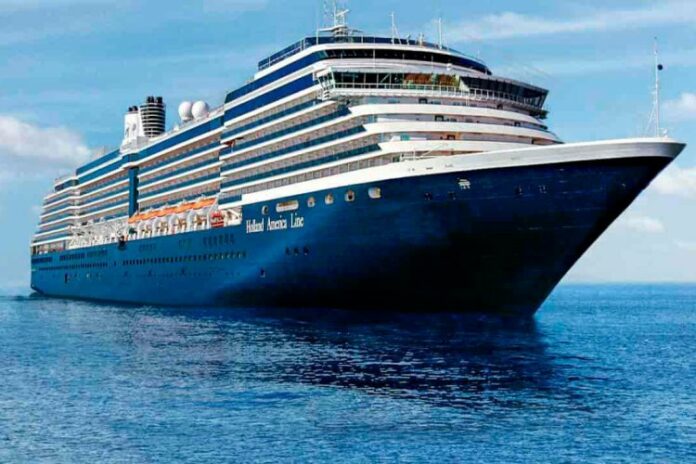
Holland America Line welcomed its ninth ship back into service Sunday, May 8, as Oosterdam embarked guests in Trieste (Venice), Italy, for the first time since the industrywide pause began in 2020 due to the COVID-19 pandemic. The ship departed on a 12-day “Holy Lands and Ancient Kingdoms” cruise that includes an overnight at Haifa, Israel, and additional ports in Israel and Greece.

To commemorate the occasion, Holland America Line held a ribbon-cutting ceremony in the terminal to open embarkation, attended by the ship’s captain and senior officers, with flag-waving fanfare from team members lined up to greet guests as they boarded the ship.

Gus Antorcha, president of Holland America Line, said:

“Our teams work incredibly hard getting the ships ready for a return to service, and the smiles when they see our guests walking up the gangway that first time are so heartfelt and sincere. Each ship back to cruising means more team members back to sea, and we look forward to the restart being complete next month.”

Since Holland America Line restarted cruising in July 2021, Eurodam, Koningsdam, Nieuw Amsterdam, Nieuw Statendam, Noordam, Rotterdam and Zuiderdam have returned to service with cruises in Alaska, the Caribbean, Europe, Mexico, California Coast and South Pacific. Volendam currently is under charter by the government of the Netherlands, positioned alongside in Rotterdam accommodating Ukrainian refuges.

Following its first cruise back in service, Oosterdam will spend the summer in the Mediterranean, offering seven- to 19-day itineraries roundtrip from Trieste (Venice), and between Trieste and Piraeus (Athens), Greece; Civitavecchia (Rome), Italy; or Barcelona, Spain. The ship will explore the entire region with ports in Spain, France, Italy, Greece, Turkey, Israel, Montenegro, Croatia, Albania and Malta.

Holland America Line will complete the restart of the remaining ships in the fleet through June with Zaandam (May 12 in Fort Lauderdale) and Westerdam (June 12 in Seattle, Washington).

PSA & ONE successfully use reclaimed refrigerants

0

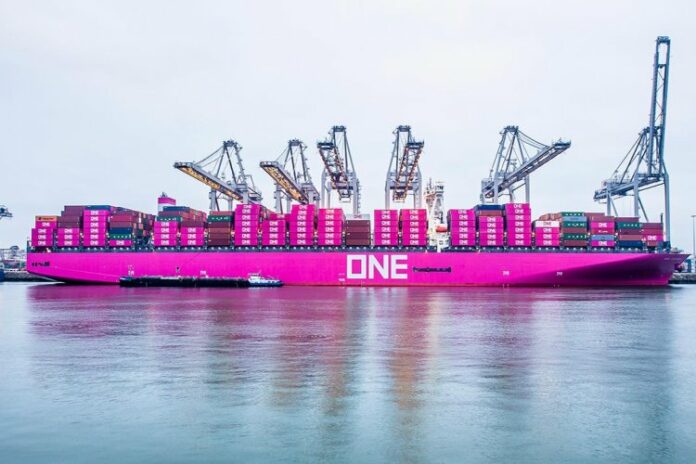
PSA Corporation Ltd (PSA) and Ocean Network Express Pte. Ltd (ONE) have deepened their collaboration on sustainability initiatives by working together to recover and recycle refrigerant gas from refrigerated containers (reefers).

PSA is the first in Southeast Asia to commence trials on the use of reclaimed refrigerant gas for reefers, with ONE being the first shipping line to successfully complete the trials using their reefers with PSA. Recycling refrigerant gas effectively saves about 4,000kg of carbon emissions1 per reefer, which is equivalent to the emissions from driving a normal internal combustion engine car for close to a year.

Refrigerant gas, or Hydrofluorocarbons, are potent greenhouse gases which contribute to global warming. As part of its drive towards building a sustainable supply chain, PSA initiated the use of reclaimed refrigerant gas released from the cooling systems of reefers. The refrigerant gas is recovered, cleaned, processed and certified before it is re-used and pumped back into the reefers. Last month, ONE validated the quality of the reclaimed refrigerant gas and will be PSA’s first customer to use it for their reefer repairs in PSA moving forward.

Following the successful trials with ONE, PSA looks forward to extending this green initiative to other shipping lines and partners. To further support the industry’s push towards sustainability, PSA will recover the commonly used refrigerant gas that is being released during the maintenance and repair works of reefers.

Mr Ong Kim Pong, Regional CEO Southeast Asia, PSA International, said:

“Close collaboration with a shared purpose is key to achieving a resilient and sustainable global supply chain ecosystem. PSA is delighted to have ONE coming alongside us in our strive to minimise the environmental impact of our operations. With the strong and steadfast support of our customers and partners, PSA is one step closer in ‘greening up’ supply chains and shaping the future of Singapore as an innovative and sustainable global maritime hub.”

Mr. Yasuki Iwai, Managing Director of Product and Network Division, Ocean Network Express, commented that the success of this trial is another important milestone in the strong partnership between PSA and ONE. He also adds that open collaboration with reliable partners is an important factor in the success of ONE’s green strategy and as such, ONE will continue with the best practice and strive to establish a collaborative community ecosystem to better support the growth of a sustainable maritime supply chain.

Maersk Drilling secures extension for Mærsk Developer in Brazil

0

The contract extension has a duration of 80 days, in direct continuation of the rig’s previous work scope. The contract extension has a firm contract value of approximately USD 21m.

Thomas Lysgaard Falk, Head of International Division, Maersk Drilling, says:

“We’re delighted to confirm this extension which will expand Mærsk Developer’s activities in Brazil to include assisting Karoon in the further evaluation of the Neon discovery. During our preparations for the initial Baúna work scope, the Developer team has established a strong and close collaboration in our partnership with Karoon, and we’re looking forward to building on that in the Neon campaign.”

Dr Julian Fowles, Karoon Energy Limited’s CEO and Managing Director said:

“We are looking forward to the commencement of workover activities on the Baúna field by the Mærsk Developer shortly and are very pleased to have extended our contract to include the planned drilling on Neon subject to the receipt of normal regulatory approvals, which will further consolidate our already strong relationship with the team at Maersk Drilling.”

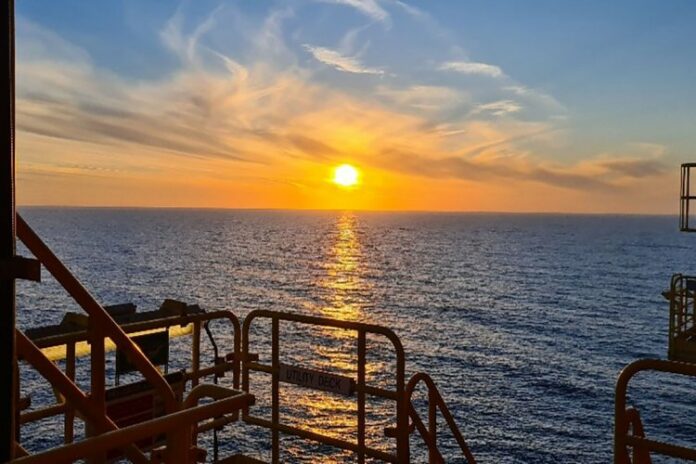
Mærsk Developer is a DSS-21 column-stabilised dynamically positioned semi-submersible rig, able to operate in water depths up to 10,000 ft. It was delivered in 2009 and is currently preparing for operations offshore Brazil with Karoon Energy Ltd.

Neptune Energy to spend $1 billion to support UK energy security

0

Neptune currently operates around 11% of the UK’s gas supply from fields in the UK’s Southern North Sea and the Norwegian North Sea. It is one of the UK’s lowest carbon producers, with the carbon intensity of its production at 1.7 kg CO2/boe compared with the industry average of 20 kg CO2/boe2.

Following the publication of the Government’s British Energy Security Strategy, Neptune will accelerate investment to increase energy supply to the UK.

Supporting energy security in the short-term

•    Doubled gas production from its Duva field in Norway to around 13 kboepd, which will supply enough gas to heat an additional 350,000 UK homes.     
•    Beginning infill drilling at Neptune’s operated Cygnus field in the UK next month, with the 10th well due onstream in October and plans for an 11th well to be brought onstream next year, helping to maintain production from Cygnus and offset natural decline. 
•    Could supply even more energy if the UK’s Gas Safety Management Regulations are more closely aligned with European standards.

Investing in energy supply in the mid-term

•    Investing around $1 billion with its partners in the new Seagull development (Neptune 35%), adding around 50 kboepd of production for the UK from 2023, using existing infrastructure to bring production forward quickly and efficiently.  
•    Investing a further $120 million with its partners to drill an appraisal well in the second half of this year at the Isabella prospect (Neptune 50%) in the Central North Sea. Should it prove economic to develop, Neptune and its partners would invest a further $1 billion to bring the development onstream.

Delivering long-term development options

•    Spending around $300 million in the next three years developing the Gjøa hub in Norway which exports gas to the UK via St Fergus terminal.
•    Confirmed its interest in the UK Government’s plans for a new licensing round, focused around Neptune’s existing assets and core areas in the UK North Sea.
•    Discussing with the North Sea Transition Authority an application for Pegasus West in the Southern North Sea, which would increase gas production via Cygnus.
•    Investigating opportunities and future investment in the electrification of Cygnus and in carbon capture storage and hydrogen projects in the North Sea, supporting delivery of the UK’s net zero targets.

Pete Jones, CEO of Neptune Energy, said:

“Securing lower carbon energy supplies is a national priority for the UK and Neptune has an important role to play. The Government’s Energy Security Strategy gives clarity on the key role of the North Sea in providing this security and its importance in the energy transition.

“While the UK represents just 10% of Neptune’s production, it is an important growth area for us, with investment options in the North Sea that will not only increase the UK’s energy security, but also support jobs and boost the supply chain.”

In the last three years, Neptune has spent more than $500 million securing energy supplies for the UK – equivalent to $3 for every $1 Neptune has earned in the UK. In addition, the company has spent more than $500 million3 developing new projects around its Gjøa hub in Norway, which exports gas to the UK via the St Fergus gas terminal.

UN says ‘imminent’ Yemen oil spill would cost $20 bn to clean up

0

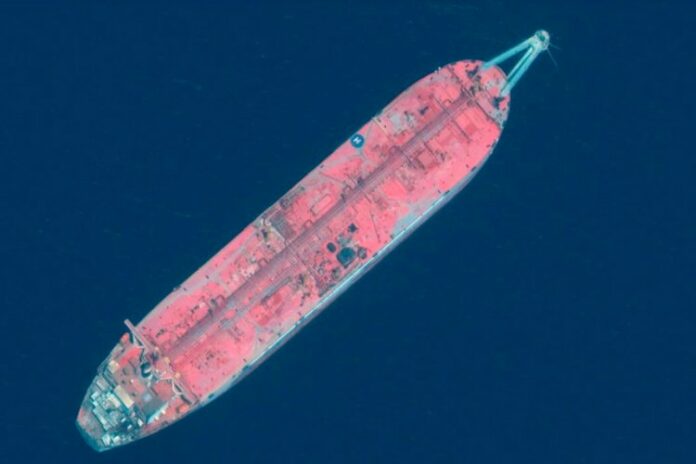
The United Nations warned Monday that it would cost $20 billion to clean up an oil spill in the event of the “imminent” break-up of an oil tanker abandoned off Yemen.

“Our recent visit to (the FSO Safer) with technical experts indicates that the vessel is imminently going to break up,” the UN humanitarian coordinator for Yemen, David Gressly, said ahead of a conference, hosted by the UN and The Netherlands, to raise funds for an emergency operation to prevent an oil spill.

“The impact of a spill will be catastrophic,” Gressly continued at a briefing in Amman. “The effect on the environment would be tremendous… our estimate is that $20 billion would be spent just to clean the oil spill.”

The UN official had earlier announced on Twitter that the Netherlands would host on Wednesday a pledging conference for the international body’s plan to avert the crisis.

Last month, the UN said it was seeking nearly $80 million for its operation. It warned of “a humanitarian and ecological catastrophe centred on a country already decimated by more than seven years of war”.

It said that the emergency part of a two-stage operation would see the toxic cargo pumped from the storage platform to a temporary replacement vessel at a cost of $79.6 million.

Gressly estimated that a total of $144 million would be needed for the full operation, reiterating that $80 million was needed “to secure the oil safely in the initial phase”.

Source: AFP