-0.7 C
New York
Home Blog Page 439

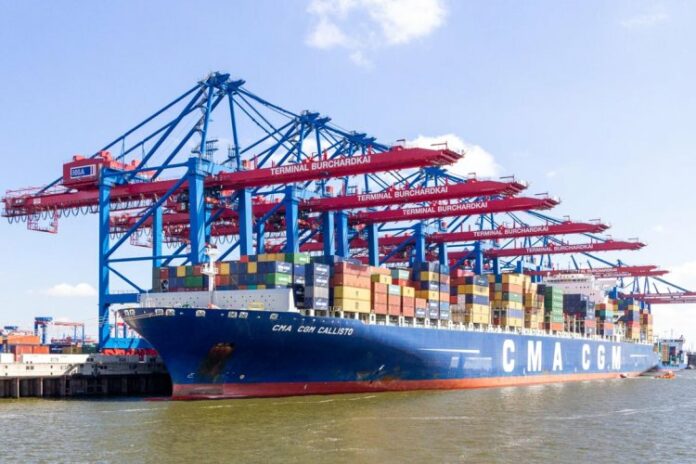
CMA CGM stops transporting plastic waste

0

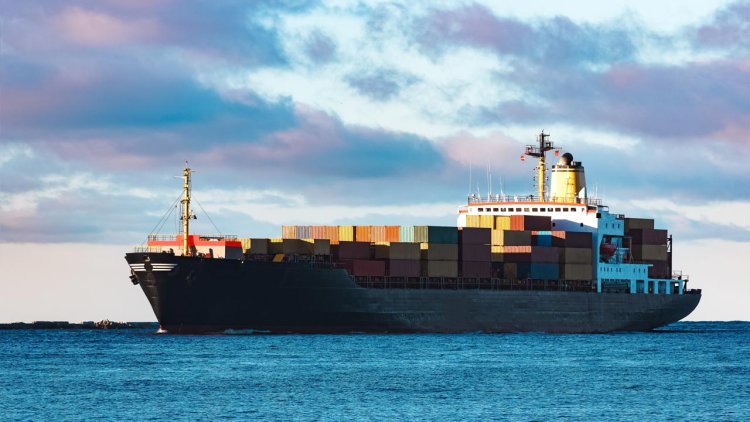
During the One Ocean Summit organized in February 2022 by Emmanuel Macron, President of the French Republic, Rodolphe Saadé, Chairman and CEO of the CMA CGM Group, announced in a speech that the Group would no longer be transporting any plastic waste aboard its ships.

In his address, Rodolphe Saadé also announced that the Group will host one of the two sites of the French Institute for Decarbonation at Tangram, the Group’s major innovation and training center due to open in Marseille in 2023.

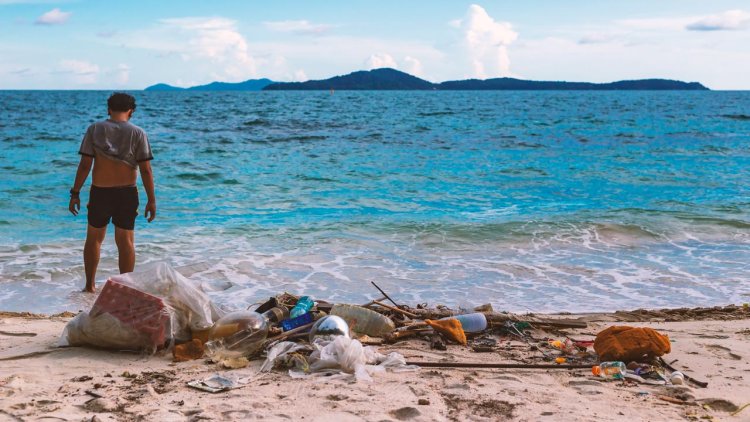
Every year, around 10 million tons of plastic waste end up in the sea. Unless action is taken, that figure is set to triple over the next 20 years to reach 29 million tons per year, which will cause irreversible damage to marine ecosystems, fauna and flora.

The causes of this pollution include open-air storage and the absence of processing infrastructure for plastic waste that does not actively get recycled or reused.

With the decision that it will no longer transport plastic waste on board its ships, CMA CGM will prevent this type of waste from being exported to destinations where sorting, recycling or recovery cannot be assured.

The Group has thus decided to take practical steps where it has the operational capability to do so, heeding the urgent calls made by certain NGOs.

With this decision, the CMA CGM Group is stepping up its efforts to make conserving biodiversity one of the priorities of its CSR policy and to develop trade that is more responsible and fair for everyone and for the planet.

New research focuses on cyber security at sea

0

Drug dealers have tricked shipping cargo tracking systems to think drugs are “bananas” and unknown actors have jammed GPS signals in northern Norwegian waters. Fixing these problems requires understanding how seafarers themselves perceive cyber risks — so they can do a better job protecting themselves and their vessels.

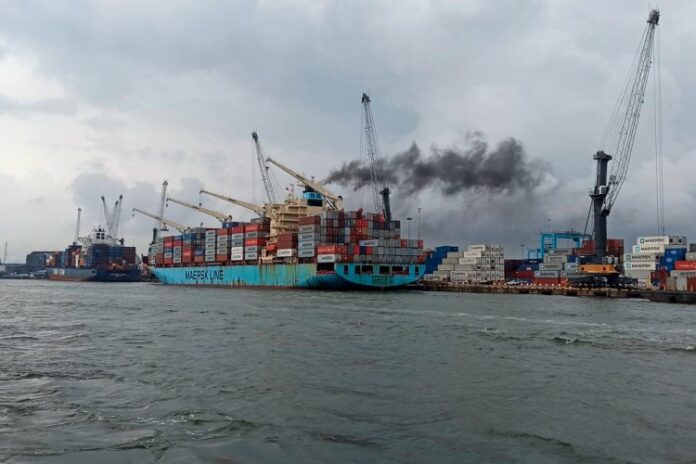
It was the afternoon of June 27, 2017, when nearly every computer serving the Danish shipping giant Maersk went dark. A piece of malware called NotPetya, created by Russians to attack the Ukraine, had accidently snuck into the company’s system when a Maersk finance executive in Odessa asked his IT Department to install accounting software that  — unbeknownst to them — opened the door to the cyber attack.

Vessels are now more integrated with the shore organisation, and more are connected to the internet — and that also creates vulnerabilities on the vessel.

While Maersk wasn’t the target — the bug had been created by Russian hackers to cripple Ukrainian businesses and government infrastructure — the shipping company, along with thousands of other companies across the globe, were collateral damage. Merck, the pharmaceutical manufacturer, lost $870 million while FedEx’s European subsidiary lost $400 million.

The thing that set Maersk apart, however, was that this was by far the biggest cyberattack on the maritime industry.  As reported by Andy Greenberg in Wired magazine, Maersk, “responsible for 76 ports on all sides of the Earth, and nearly 800 seafaring vessels… representing close to a fifth of the entire world’s shipping capacity, was dead in the water.”

The attack ended up costing Maersk an estimated $300 million, but cybersecurity experts widely agree that’s likely an underestimate.
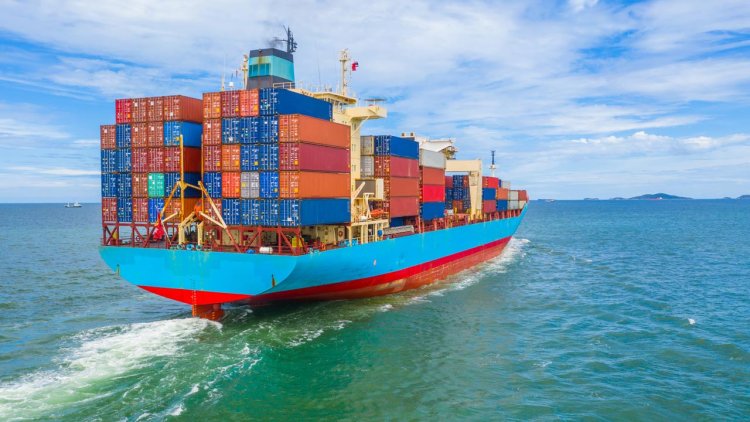
Yet there was one component in the Maersk system that managed to escape the attack: its ships.

While the malware shut ports, it didn’t affect the ships themselves. All of Maersk’s ships at sea were essentially isolated from the cyber attack.

“But it is a real risk,” says Marie Haugli Larsen, a PhD candidate studying maritime cybersecurity at the Department of Ocean Operations and Civil Engineering at NTNU in Ålesund. “Vessels are now more integrated with the shore organisation, and more are connected to the internet — and that also creates vulnerabilities on the vessel.”

The importance of human behaviour

Larsen’s research focuses on the human side of cybersecurity — that is, figuring out how to get seafarers to take the steps necessary to protect themselves and their ships from malware and other cyber attacks. While most people think of cybersecurity as mainly an IT issue, human behaviour frequently causes cyber incidents, Larsen said.

That means finding out how seafarers perceive the problem, she said.

“I’m trying to understand how seafarers — the operational crew —experience cyber risk in order to give them proper training,” she said.  “I’ve been interviewing the people in charge on ships, deck officers and captains, about how they experience cyber risks towards their vessels today. Then I’m trying to see what influences this perception in order to develop targeted risk mitigation measures. The idea is that you meet people where they are, and give them the tools they need to protect themselves.”

Larsen has a secret weapon when it comes to meeting seafarers “where they are”. She herself is educated as a deck officer, and has worked for two years aboard different vessels before beginning her research.

“Part of my journey has been thinking about how little I’ve thought about cyber risks,” she said. “When I worked at sea, I never thought maybe I shouldn’t use this USB stick, or maybe I shouldn’t charge my phone in this equipment. Or maybe I need to be more careful what I’m connecting to the internet or what I’m using the bridge computer for, because I didn’t think about vulnerabilities or what kind of cyber risks that could be there. So I’ve used my own experience to think about how to talk to others in the same situation.”
Hackers controlling ships

Larsen says shipping companies have known for some time that they could be victims of a cyber attack, much like what happened to Maersk. “It’s no longer a question of if it is going to happen, but when it will happen,” Larsen said.

If hackers want to, they can target the vessels’ operational systems so they can steer the ships. We haven’t seen it happening yet. But the tools are there.

A recent research paper looked at 46 cyber attacks in the shipping industry from 2010 to 2020, and noted that there was a 7-fold increase in attacks over the reporting period — which makes addressing the problem all the more important.

It was here that researchers described incidents where shipping systems that were fooled into thinking that smuggled drugs were bananas, and where GPS systems were hacked or jammed, including on the northern Norwegian coast.

The increasing availability and use of the internet aboard ships themselves opens the possibility for new, increasingly unnerving situations, Larsen says.

“If hackers want to, they can target a vessel’s operational system so they can control it. We haven’t seen it happening yet. But the tools are there,” she said.

Imagine, Larsen says, that hackers get control of an oil tanker, the largest of which can hold more than 2 million barrels of oil, or nearly 320 million litres.

“If hackers take control of the ship and open the valves, then you have an environmental catastrophe,” she said. “Or what if the ballast tanks of a cruise ship are hacked, and the hackers cause it to list, so that it tilts? I’m not sure you can actually capsize it, but it can have enormous safety consequences for the people on board.”
Unrealistic optimism

There’s a whole branch of behavioural psychology that deals with perceived risk, which Larsen is relying on for her research.

No, this is something that’s happening elsewhere. It’s not happening on my ship.

“A part of decision making is how we perceive risk,” Larsen said. “If you don’t think there is any risk for your systems on the ship, if you don’t think it will be attacked by hackers, then you’re probably not being too careful with your systems. Or maybe you are a bit careless, because you’re not thinking about the risk. And if we can help people by giving them more information and enhanced awareness then we can also affect their risk perception.”

When people perceive various risks, they can often rely on something called cognitive biases. One well-documented bias is the optimistic bias, which has to do with people thinking that they themselves are not at risk, even if the activity they are involved in has risks. One classic example of this, is why people smoke, she says.

“If you ask someone why they smoke since they can get cancer, they tend to say, ‘that’s something happening to others, not to me’,” she said.

Mariners have the same cognitive biases as other people, and since cyber incidents may occur in regions far from where the mariners work, they can experience unrealistic optimism, Larsen said.

“All the people I have interviewed have said, ‘I believe the cyber risk to be low in the areas I’m working in, and it’s not likely that a cyber-attack will happen on my ship. That is something happening elsewhere, like the Gulf of Aden or around the Cape of Good Hope’,” she said.

People are also less likely to worry about something if they or people they know haven’t actually experienced the problem, she said. But of course, that doesn’t make the risk go away.

The Internet of Ships

The “Internet of Things” is a phrase used to describe how more and more of our appliances and other items contain sensors that are connected to the internet and can be controlled and interacted with digitally.
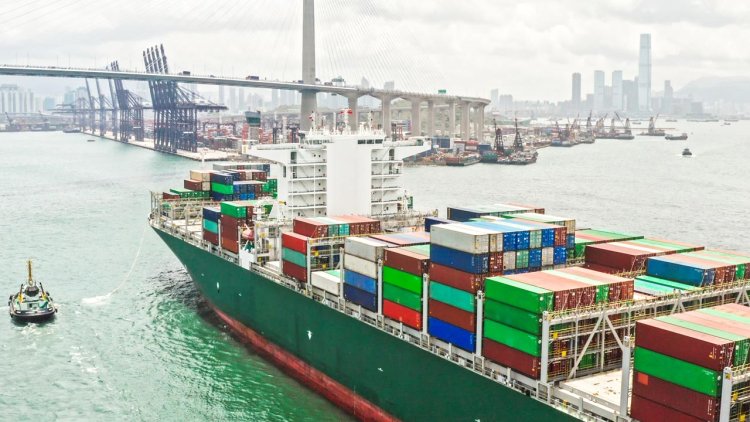
It’s common to find this technology in everything from your washing machine to the lock on your front door or in different components in your electric car.

The same trend is happening at sea, Larsen said, which increases a ship’s exposure to cyber risk. At the same time, however, instead of making a mariner’s work easier, digitalization can actually make their work harder, she said.

“Before, a ship was more autonomous or free from impacts from shore, but now, you have sensors that monitor the vessel’s performance in different settings, and you have a shipping company that needs to save money, for example, or has green values,” she said. “And all of these factors mean that ships need to be more efficient.”

While that’s a good thing, it can put crews in a difficult situation, she said. For example, if a captain feels like the ocean conditions aren’t safe, he or she may decide to stop, or go to port. But both customers and the shipping company can now monitor this behaviour and question the captain’s judgement.

“By use of these new parameters, companies are now suddenly making statistics for their vessels’ daily operations. And captains have to address this, they experience getting questioned about why they are using more fuel than other captains, for example,” she said. “They have much less self-governance. And that they don’t feel very good about that.”

Digitalization can be seen as red tape

This situation also can increase cyber risks, she said, because deck officers can be overwhelmed. More and more systems are being digitalized, which increases the reporting required of seafarers.

You think that digitalization means efficiency, but that’s not their experience.
“And this is connected with increased digital exposure, because seafarers can feel overwhelmed because they experience that there is more and more information that needs to be processed digitally, for example,” she said. “They have to report numbers in five different places now because there are so many systems and still they have to print it out and hang it up on the whiteboard.”

“You think that digitalization means efficiency, but that’s not always the seafarer’s experience. Their experience is that digitalization can create more administrative work, or bureaucratic red tape, as some of them called it. So they feel like technology and this increase in utilisation gives them less freedom and flexibility.”

Identifying these issues will allow Larsen and her colleagues to develop measures that can educate mariners and the companies they work for to protect themselves against cyber risks.

“We have to implement mitigation measures on different levels in the shipping companies,” Larsen said. “We need to target the individuals, the vessels and management to the maritime industry improve their cyber security.”

Source: NTNU

LR awards AiP to Vard for 125 metre next-generation offshore patrol vessel

0

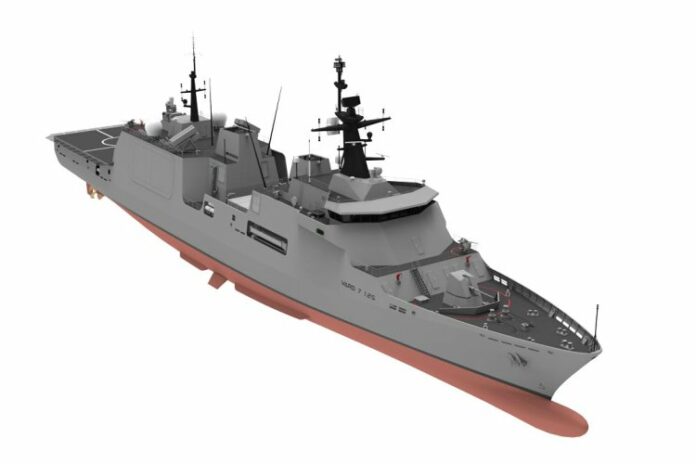
Lloyd’s Register (LR) has awarded Approval in Principle (AiP) to Vard Marine Inc., a Fincantieri company, for its Vard 7 125 Next-Generation Offshore Patrol Vessel (OPV).

The design of the 125-metre vessel is based on the successful Vard Series 7 OPV reference vessels and can be tailored to a broad range of military and naval missions. Enhancements include an upgraded weapons and sensors package, reduced acoustic, magnetic, and infrared signatures, along with minimized radar cross-section, Nuclear/Biological/Chemical defence, and improved damage control and survivability given compliance to military stability standards. 

The vessel is offered as either a General Purpose (GP) or Anti-Submarine Warfare (ASW) variant. The vessel arrangement offers a multi-mission bay and a set-down area for containerized mission payloads, with a configuration that can be tailored to meet a variety of mission objectives.

LR is the first classification society to award AiP to the 125m offshore patrol vessel having completed an appraisal of the design, in accordance with the LR Rules and Regulations for the Classification of Naval Ships. 

The application of LR’s Naval Ship Rules and INSA’s Naval Ship Code are industry benchmarks; receiving approval to these standards offers additional assurance that the vessel’s design is fit for purpose and safe.

Kevin Humphreys, LR Americas Marine and Offshore President, said:

“LR is delighted to have been selected as the first company to provide Approval in Principle for this vessel, the most modern variant of a very successful series of naval ships by Vard Marine. We have a longstanding working relationship with Vard and we are keen to continue supporting their growth and development”.

Derek Buxton, Vice President Business Development, Vard Marine Inc., said: “With our proven track record in the offshore patrol segment, and LR’s pedigree with naval programs, we are delighted to be working together in developing this enhanced product. We already have experience supporting many shipyards worldwide in constructing our offshore patrol vessel designs, so we are excited to now have an updated and enhanced design to support our customers and their evolving requirements with a highly capable yet cost-effective light-combatant naval solution.”

StormGeo announces CII simulator to advance shipping decarbonization

0

The new tool simulates vessel carbon intensity by presenting a complete view of the CII rating and its commercial impact, helping shipowners and operators efficiently decarbonize their operations, remain compliant, and stay competitive. 

Created using feedback from clients and shipowner associations, the CII Simulator, a first to market solution, delivers a flexible, powerful, and actionable tool to collaborate on operational deployment and achieve desirable CII ratings by: 
•    Assessing environmental performance and efficiently computing compliance status of vessels.
•    Providing decision support to meet environmental goals and commercial obligations.
•    Comparing vessel trading patterns in relation to carbon intensity limits. 
•    Confidently estimating the impact of operational measures on CII performance. 
•    Providing a reliable CII through validated and secure data management from ship to shore.

By leveraging digital technology to simulate vessel carbon intensity, shipowners and operators can better manage their environmental performance and develop a competitive advantage in the market.

Kim Sørensen, COO of Shipping at StormGeo, says:

“Shipping companies are dealing with a high degree of uncertainty in commercial operations due to the upcoming implementation of the CII rating scheme. We are proud to say that StormGeo’s unique CII Simulator helps shipowners and operators proactively mitigate the risk of being commercially uncompetitive while navigating the path towards a sustainable future for shipping.”

StormGeo clients have already adopted the new CII Simulator. The leading Norwegian pool operator Hansa Tankers, for example, plans to roll out StormGeo’s CII simulator to assess and improve the environmental performance of its fleet. 

Torfin Eide, COO at Hansa Tankers, says:

“StormGeo’s powerful and actionable CII Simulator provides us with a valuable tool that enables a better understanding of the commercial impact of the CII. Their out-of-the-box tool makes it easy to measure the CO2 impact of both pre-fixture and post-fixture emissions results and allows us to readily calculate the final CII based on validated data per voyage and year, including projections for future compliance.”

Understanding that it is difficult for shipowners and operators to stay up to date on the new regulatory scheme, StormGeo’s CII Simulator is designed to make it easy to improve environmental numbers and reach decarbonization targets. 

Dr. Thilo Dückert, VP of Fleet Performance Management at StormGeo, says:

“The CII Simulator equips shipowners and operators with a smart decision tool that is easy and intuitive to use. It takes complicated tasks and distills them into actionable data to proactively manage the commercial performance of vessels and systematically mitigate the impact of commercial uncertainties.”

StormGeo’s CII Simulator not only monitors the compliance status over the course of a year but also computes any deterioration to forecast next year’s CII ratings. If the simulation identifies any deterioration, shipowners can easily trigger decision-making processes regarding vessel retrofits or major vessel conversions if operational measures are insufficient. 

ABS grants AIP to SDARI for revolutionary approach to stern tube design

0

ABS has granted Approval in Principle (AIP) to the Shanghai Merchant Ship Design and Research Institute (SDARI) for a revolutionary vessel design with a novel aft layout, which eliminates pollution and promotes efficient vessel operations.

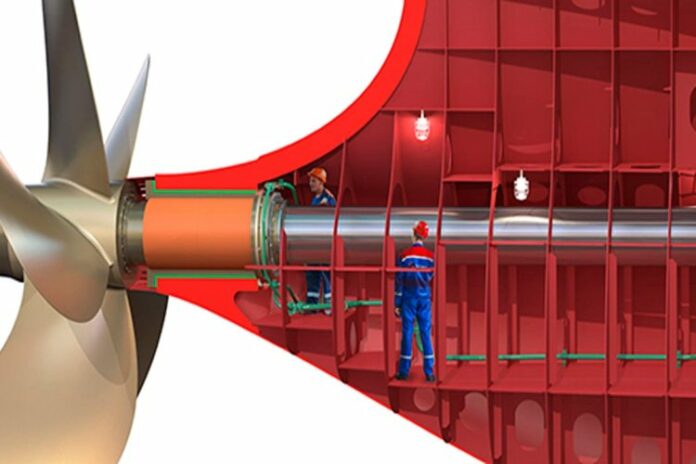
The SDARI design, developed in cooperation with Thordon Bearings Inc. and the National Technical University of Athens (NTUA), introduces a new approach to the vessel’s aft layout, including removal of the stern tube casting, employing seawater for lubrication and creation of a chamber to permit in-water maintenance for the first time.

These innovations enable shipyards and owners to eliminate shaft-bearing oil leaks, simplify maintenance and lower costs.

Using seawater for lubrication of the stern tube bearing removes the risk of oil leakage. By enabling engineers and shipyard craftsmen to access the stern tube without the need for drydocking, the off-hire time incurred for bearing inspection and replacement will shrink from two weeks to one day while afloat.

The installation of an appropriate torsional vibration damper can also eliminate the Barred Speed Range, which is present in the vast majority of direct-drive diesel engine vessels. Therefore, the new design can better support simplified compliance with environmental-focused regulations, such as the Energy Efficiency Existing Ship Index (EEXI), and can enable more efficient use of the engine’s propulsive power, since the whole RPM range of speeds is available for continuous operation. It enables owners to easily consider an Engine Power Limitation (EPL) if required, to comply with Carbon Intensity Indicator (CII) power output requirements.

The resulting design proposal complies with all ABS rules and regulations and the tail shaft survey can be maintained at the maximum 15-year interval if the ABS TCM-W Notation is adopted.

Dr. Chris Leontopoulos, Director of Global Ship Systems Center, ABS Athens, said:

“The concept of using seawater as a lubricant is well-established and the proposed design takes this further by removing the stern tube casting, decreasing the shaft line length, reducing the engine room space and increasing the cargo space. The elimination of the Barred Speed Range and the creation of an aft chamber to enable in-water inspection, enable significant efficiencies and cost savings for operators.”

Mr. Wang Gangyi, Chief Engineer, SDARI, said:

“Besides the benefits for operators, the new concept also gives more possibilities and flexibility for designers to optimize the engine room arrangement. Consequently, for the shipbuilding, the initial cost including the construction materials and labor cost may be reduced accordingly. It will contribute a series of benefits to all parts involved in the vessel.” 

Anthony Hamilton, Technical Director, Thordon Bearings, Canada, said:

“Our technical discussions have led to a revolutionary propeller shaft bearing system design that offers easy monitoring and maintenance of bearing and seal condition without shaft withdrawal, lower operational expenses and elimination of oil emissions forever.”

Tokyo Kisen, e5Lab announce launch of electric tugboat Taiga

0

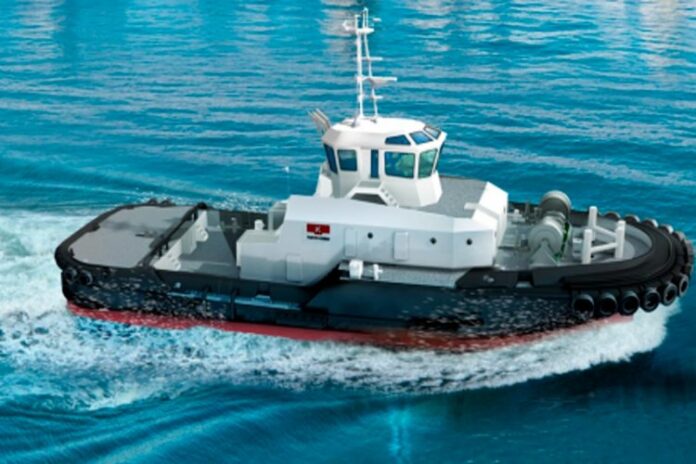
Tokyo Kisen Co. and e5 Lab, Inc. announced that on May 26, Tokyo Kisen held a naming and launching ceremony of the electric tugboat Taiga, currently under construction at Kanagawa Dockyard Co., Ltd. (Kobe-shi, Hyogo Prefecture).

The Taiga is powered by an electric propulsion system that combines e5Lab-developed large-capacity lithium-ion batteries and a diesel engine. It is an eco-ship designed to protect the environment in areas surrounding the ports of Yokohama and Kawasaki, and also a crew-friendly tugboat, not only achieving low/zero emissions of CO2, NOx, SOx, and particulate matter (PM) from the vessel but also reducing noise and vibration for an improved working environment.

IHI Power Systems  participated in the development of the tugboat as the system integrator and supplier of the ship’s Electric Propulsion System. The Taiga is the first tugboat to adopt IHI Power Systems’ L-Drive propulsion system.

The system also marks the first use of ABB’s DC Grid in Japan. In combination with the large-capacity lithium-ion batteries, it delivers higher efficiency than conventional electric propulsion systems.

In addition, it can be upgraded for even greater energy efficiency by analyzing important parameters such as the charge-discharge power of lithium-ion batteries and propulsion motor output, along with fuel consumption of the diesel engine.

The project team also collaborated with OSD-IMT, a group company of Damen Shipyard (the Netherlands), for concept design of the tugboat to improve the crew’s operating performance as well as living environment. In recognition of these advancements, the tugboat construction project was adopted as subsidy project of “Utilizing AI/IoT, etc. and More Efficient Transport Promotion Project Grant Subsidy (Coastal Ship Innovative Operational Efficiency Demonstration Projects)” by Japan’s Ministry of Economy, Trade and Industry (METI) and Agency for Natural Resources and Energy.

Initially the team considered equipping the tugboat with hydrogen fuel cells for enhanced environmental performance, and conducted a risk assessment (HAZID analysis) in cooperation with the project partners, but decided not to adopt the cells.

The Taiga is slated for completion in December 2022, and will operate mainly in the ports of Yokohama and Kawasaki as a harbor tug after delivery. In addition, installation of power supply equipment on a floating pier designed especially for the Taiga will be completed when the tug enters service.

HAL’s holds naming ceremony for Rotterdam

0

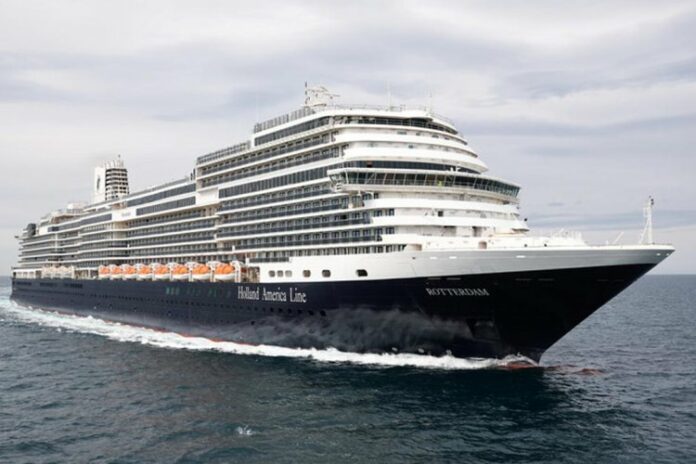
Holland America Line’s flagship Rotterdam received the royal treatment in a ceremony rich with Dutch heritage May 30, 2022, in Rotterdam, the Netherlands. Her Royal Highness Princess Margriet of the Netherlands served as godmother and officially named the ship in front of invited dignitaries and guests.

Gus Antorcha, president of Holland America Line, said:

“Our heritage is rooted here in the Netherlands, and we are deeply honored to have Her Royal Highness Princess Margriet as godmother of her fifth Holland America Line ship. When Rotterdam was delivered in 2021 we postponed its naming ceremony so we could hold it in Rotterdam, because there’s no better place to name a ship than in the city it was named after. After a challenging couple of years, we are excited to celebrate this memorable moment in our company’s history.”

Following the ceremony, a gala luncheon was held onboard for invited guests. The festivities continued into the evening with a gala dinner and the opportunity for guests to pour champagne over the ship’s bell. The blessing of the ship’s bell is a Holland America Line tradition when welcoming a new ship to the fleet. 

The Geres were selected as Mariner Ambassadors for Rotterdam to honor Holland America Line’s appreciation of its loyal guests who are long-time cruisers. Since first sailing in 1988 aboard Rotterdam V, the Geres have sailed nearly 2,500 days on Holland America Line, including several cruises on Rotterdam VI.

Holland America Line’s connection to The House of Orange goes back nearly a century to Prince Hendrik launching Statendam III in 1929. Since then, members of the Dutch Royal Family have launched 11 more Holland America Line vessels throughout the years, including Her Royal Highness Princess Margriet who named Prinsendam (1972), Nieuw Amsterdam II (1983), Rotterdam VI (1997) and Oosterdam (2003).

The second hybrid ro-ro vessel delivered to Finnlines

0

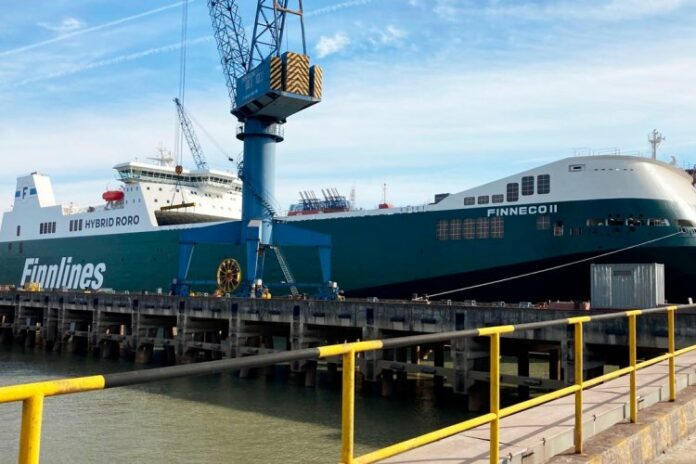
Finneco II, the second of three ro-ro vessels in the Eco class was delivered at the China Merchants Jinling Shipyard (Jiangsu) in China on 30 May 2022. 

The Chinese shipyard China Merchants Jinling Shipyard (Jiangsu) delivered the second of three hybrid ro-ro vessels to Finnlines. The first vessel, Finneco I, was delivered on 28 April 2022. The third vessel, Finneco III, will be delivered in the beginning of June 2022.

All three vessels will sail under the Finnish flag and will enter Finnlines’ Baltic sea, North Sea and Biscay traffic.

Finnlines’ EUR 500 million Newbuilding Programme also includes two eco-sustainable Superstar ro-pax vessels scheduled to be delivered in 2023.

The ship is 238 metres long with a cargo capacity of 5,800 lane metres. Consequently, the vessel can carry 400 trailers per voyage. Compared with the largest vessels in today’s Finnlines fleet, the cargo carrying capacity of the hybrid newbuilds will increase by nearly 40%.

Nevertheless, efficient cargo operations will be ensured by arrangement of stern ramps, internal ramps, and hoistable car decks. At the same the vessels will be extremely flexible – a hoistable deck makes it possible to load any type of rolling freight up to 7 metres. Certain areas on cargo decks have been dedicated for loading of paper reels.

The vessel will have the highest Finnish/Swedish ice class.

The classification society Rina has assigned an additional class notation “Green Plus” for the vessel’s environmental performance. The vessel has been fitted with two-stroke main engines, which have a lower specific fuel consumption than four-stroke engines. An air lubrication system under the keel will reduce frictional and hydrodynamic resistance and consequently reduce fuel consumption and emissions. Zero emissions during port calls can be achieved with a battery power bank of 5 MW. The batteries are recharged during sailing and 600 m2 of solar panels will also generate power. Furthermore, an exhaust gas cleaning system will cut air emissions and reduce harmful particles.

Emanuele Grimaldi, Chairman of the Board, Finnlines, says:

“Our ongoing EUR 500 million Newbuilding programme follows our strategy and we continue to deploy larger and larger vessels to benefit from economies of scale. The new ships exceed high environmental standards and ensure a reliable supply of goods to and from Finland. For our customers new vessels means more capacity and better connections. Our connections to Europe and vice versa will improve greatly when the Finneco trio starts to operate on their routes.”

Ship particulars, Finneco I–III

  • Type of vessel: Ro-ro
  • Ice class:1 A Super
  • Length, overall: 238.0 m
  • Breadth, moulded: 34.0 m
  • Gross tonnage: 60,515
  • Deadweight: 17,377
  • Lane metres: 5,800
  • Design speed: 20.7 knots
  • Engine output: 2 x 12,780 kW
  • Flag: Finland

First emissions-free pusher tug Elektra delivered

0

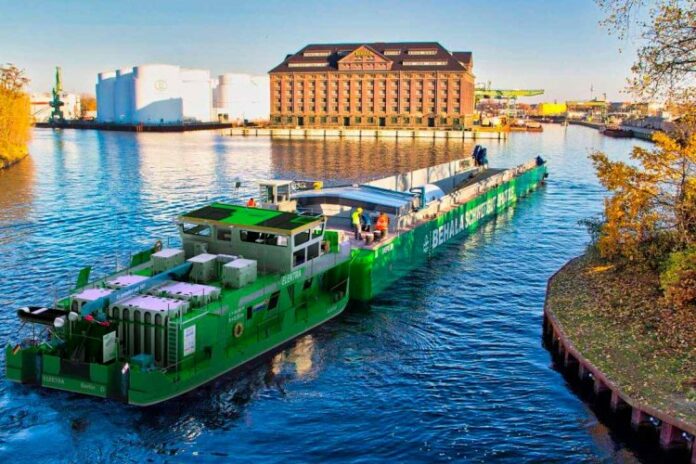
In his opening speech, Federal Minister Dr. Volker Wissing spoke about on the importance of hydrogen mobility to achieve the German government’s climate protection goals:

“The ELEKTRA is a Lighthouse project: It is the world’s first push boat in which battery-electric propulsion is combined with hydrogen and fuel cell technology. The entire project is a blueprint for the climate and environmentally friendly inland shipping, not only technically but also in terms of regulation real pioneering work.”

The Mayor of Berlin, Franziska Giffey, said:

“The world’s first zero-emission push boat is the impressive result of the cooperation between stakeholders from the shipbuilding, energy and propulsion technology industries. I’m particularly pleased that a lot of Berlin’s ingenuity flowed into the development and construction of ELEKTRA. This lighthouse project shows us how we can succeed, by implementing innovative ideas, in improving the climate on our access waterways for the long-term. Berlin wants to be a pioneer here.” 

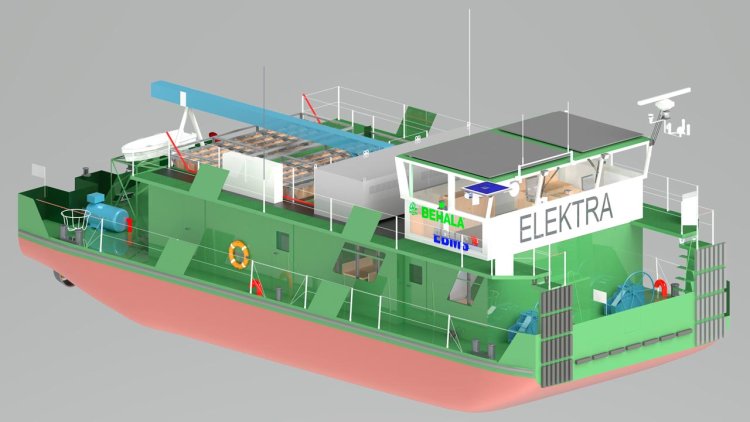
Under the project management of the Dept. of Maritime Systems Design and Operations at the Technical University of Berlin, BEHALA – Berliner Hafen- und Lagerhausgesellschaft – (logistics), shipyard Hermann Barthel, BALLARD Power Systems (fuel cells), Argo-Anleg (hydrogen system), SER Schiffselektronik Rostock (electrical energy system), EST-Floattech (battery system) and HGK Shipping (nautical operation) are involved in the development, construction and testing of the push boat ELEKTRA.

As the first emission-free ship, the ELEKTRA will serve as a role model, because its power system is designed to be applicable to a variety of barge and coastal vessel types. Also, this is not only about providing energy for the ship’s propulsion and pushing convoys, but also about the energy for the crew, who live, cook and wash on board.

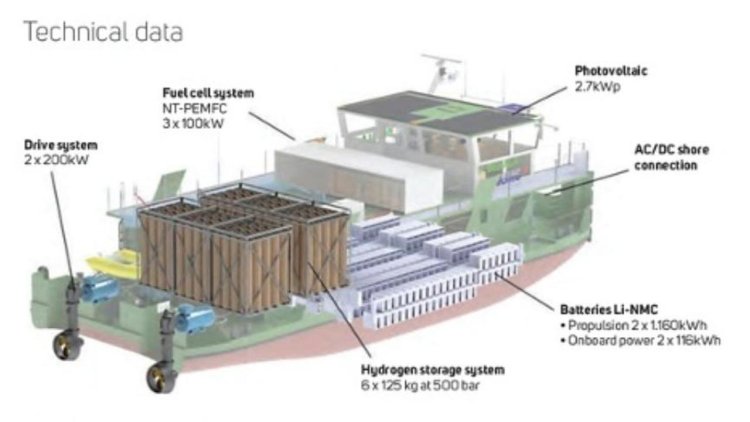
In addition to propulsion, the system provides energy for the temperature control of the cabins and the wheelhouse. The battery system also needs a certain ‘comfortable temperature’ for efficient operation and a long lifespan. All of this must be done with a limited amount of carried energy and without loss of operational range.

The waste heat from the fuel cells is used through continuous water cooling and the cabins are heated by a brine heat pump. An additional advantage is that the ship always operates in water with temperatures above 0°C under its keel.

The use of a self-developed energy management system and a digital sailing assistant support the captain and logistics planner with the planning of operations and transports.

With 750 kg of gaseous hydrogen (at a pressure of 500 bar) on board and a battery capacity of approx. 2,500 kilowatt hours, the ship has a range of approx. 400 kilometres when sailing in combination with the loaded heavy lift barge URSUS.

Therefore, next to the Westhafen in Berlin, only one additional land-based station is needed to supply the ELEKTRA with hydrogen and electricity to sail on the waterways of Berlin in the direction of the Rhine/Ruhr, Hamburg and Stettin. In total the vessel can operate push-barge combinations up to 150 m in length.

LR announces three-year corporate sponsorship with Mercy Ships

0

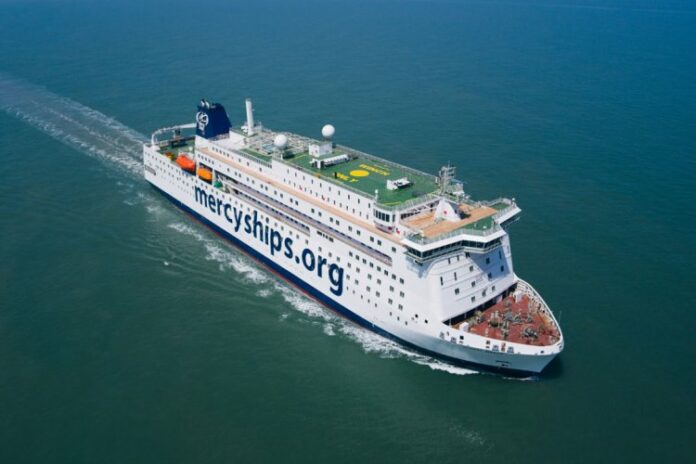
Lloyd’s Register (LR) has entered into a three-year corporate partnership with Mercy Ships, the international development organisation that deploys hospital ships to some of the poorest countries in the world, delivering vital, free healthcare to people in desperate need.

Building on more than 40 years of co-operation, with LR supporting the construction of the world’s first purpose-built civilian hospital ship Global Mercy™, the partnership will focus on funding safety training for crew and officers from around the globe who serve on both of the Mercy Ships. As part of the programme, Mercy Ships will release annual impact reports to measure success and ensure funding is used effectively.

More than 50% of the world’s population live near the coast, meaning hospital ships are an extremely effective method of reaching those in surgical/medical need. Global Mercy has joined Africa Mercy, doubling the capacity for the charity’s surgery and treatment in West Africa. Safe and accessible surgery is desperately required in both West and East Africa. Currently, unmet surgical need sits at 87% and 80% respectively for both regions, whilst the impact of COVID-19 has made the need greater in a continent that has only 1 doctor for 100,000 people.

This week, heads of state and officials from 12 nations will welcome the ship to Dakar, its first African port of call. Invited by HE President of Senegal Macky Sall, they will meet to approve a Dakar Declaration, committing to accelerate progress on safe surgery in their nations, in alignment with Africa’s 2030 development goal. is widely recognised across the maritime industry with the organisation selected as the charity for Posidonia 2022.

Philippa Charlton, Lloyd’s Register’s Chief Marketing Officer said:

“Both Lloyd’s Register and Mercy Ships are social purpose organisations focused on delivering measurable outcomes. We have been working together since 1978 and this sponsorship programme will ensure that those who support Mercy Ships help vulnerable people in surgical need can readily access the maritime safety training they require.”