-0.7 C
New York
Home Blog Page 438

Jan De Nul orders crane simulator for its new offshore installation vessels

0

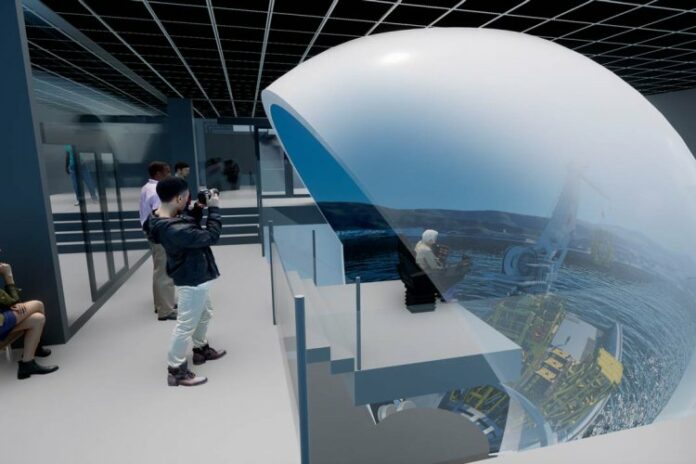
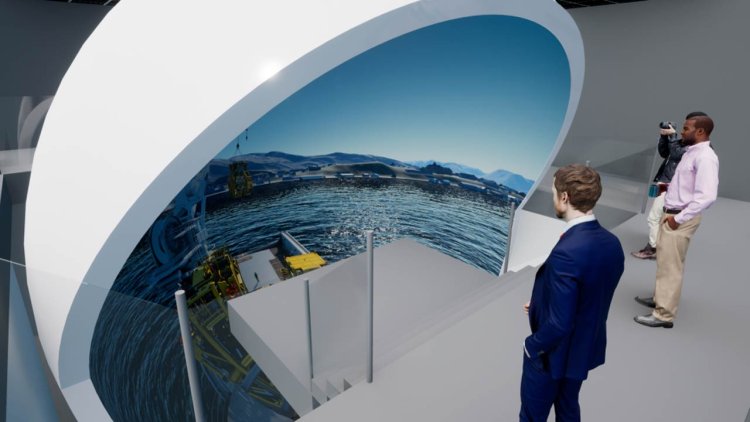
The crane simulator will be based on real physics and the actual vessel models, enabling Jan De Nul to train its crewmembers and realistically simulate complex offshore installations in a complete safe environment, in the most severe conditions. The partner for the development of this simulator is the Norway-based company OSC AS (previously known as Offshore Simulator Centre).

This autumn, Jan De Nul welcomes two new Next-Generation offshore installation vessels: the Jack-Up Installation Vessel Voltaire and the Heavy Lift Vessel Les Alizés will be a serious size larger than their look-alikes currently available on the offshore installation market. Thanks to their size and unrivalled lifting capacity, both vessels will be able to install future wind turbines at sea. Current offshore wind turbines go up to 15 MW. What comes next – and very soon, because the industry is evolving at a rapid pace – are turbines up to 20 MW. No other vessel on the market today can handle these giants. That first is reserved for Les Alizés and Voltaire.

The Jack-Up Installation Vessel Voltaire will be equipped with a 3,000-tonnes Leg Encircling Crane (LEC), the Heavy Lift Vessel Les Alizés with a 5,000-tonnes Tub Mounted Crane (TMC). In order to train future operators, deck crew, superintendents and bridge crew to work with these giant cranes in a safe and realistic environment, Jan De Nul ordered a high-end crane simulator with OSC AS.
Tom Maes, Manager Electrical and Automation Department at Jan De Nul Group:

“This crane simulator will not only be producing extraordinary graphics and close-to-reality sensations like any random video game. The simulator will be based on real physics and the actual vessel models, offering a digital twin of both vessels and tools. In other words, a priceless engineering tool, fully at the service of our clients to advise them in their plans for the future.”

Mathieu Edet, Head of Projects at OSC:

“With our expertise in digital twins and real-time simulation of demanding offshore operations, we aim to deliver first-rate engineering and training tools for marine operations. The commissioning of a high-end simulator for Voltaire and Les Alizés is a project that is in accordance with our philosophy: delivering cutting edge and multipurpose simulation solutions for engineering teams and mission crew readiness. We are thrilled to be onboard this journey with Jan De Nul Group and aspire to provide an industry-leading simulator that will gather all operation key stakeholders.”

This device will offer the chance to operators, deck crew, superintendents and bridge crew to train the specific skills and techniques required to operate the cranes, in a safe but realistic environment. It will allow them to prepare for different work situations, such as working in extreme weather conditions, with heavy loads and strict installation tolerances. Various mission equipment, such as the motion-compensated pile gripper, including the communication and interactions between the different persons involved in lifting procedures, will also be a key aspect of the training package.

On the other hand, this simulator will be a priceless tool for Jan De Nul to use during engineering and initial feasibility studies for projects and tenders. Thanks to the next generation advanced dynamic and hydrodynamic models incorporated in the software, this training device will be a digital full-scale replica of the real set-up on board, including a fully digital environment where future or existing project scenarios can be uploaded, tested and rehearsed well in advance and in a completely safe environment.
Port of Baltimore receives federal funding to improve rail operations

0

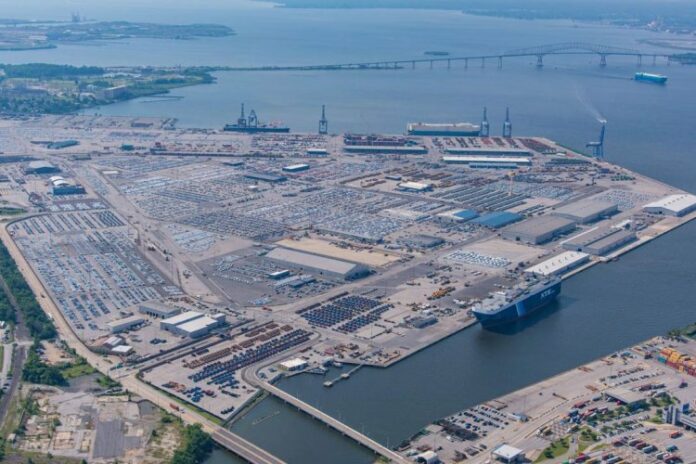
The Helen Delich Bentley Port of Baltimore will receive $15.6 million from the Federal Railroad Administration (FRA) Consolidated Rail and Infrastructure Safety Improvements (CRISI) program for its Rail Capacity Modernization Project.

The Project will reconstruct and update the Seagirt Marine Terminal’s intermodal rail yard infrastructure and support increased demand for double stacked trains of containerized cargo to markets across the country.

Governor Larry Hogan said:

“This project adds to the more than $200 million that I authorized for the Howard Street Tunnel expansion project which will allow for double-stack capabilities to and from the Port, increased Port business, and thousands of jobs.”

The FRA CRISI Project will build four new rail tracks totaling 17,670 track feet and two crane rail beams totaling 7,000 linear feet within the Seagirt Terminal. Seagirt’s intermodal container yard allows for the easy transfer of shipping containers by truck or rail. 

The FRA grant includes a $6.7 million match from Ports America Chesapeake (PAC), the Maryland Port Administration’s public-private partner at the Seagirt Terminal.

Maryland Port Administration- Port of Baltimore Executive Director William P. Doyle said:

“Improving intermodal rail operations is one of our top priorities and the infrastructure improvements made possible through this grant will seamlessly complement our Howard Street Tunnel expansion project which is now underway. Our rail service from the Port of Baltimore to the Midwest is already increasing as we pick up shippers diverting around congested gateways.”

In addition to providing more seamless and efficient rail operations, the CRISI Project will also add environmental benefits. Air quality around the Port will be improved by increasing rail usage and from the conversion of the existing diesel-fueled rail yard operation to lectrified equipment. Additional rail usage will also help alleviate ongoing logistical bottlenecks on major interstate highways. 

Supplementing the FRA CRISI Project is the CSX-Howard Street Tunnel expansion project which will allow for double-stacked container rail cars, clearing a longtime hurdle for the Port and giving the East Coast seamless double-stack capacity from Maine to Florida. The project involves clearance improvements in the 127-year-old tunnel and at 21 other locations between Baltimore and Philadelphia. With the tunnel expansion project, Baltimore will be able to send double stacked containers by rail into the Ohio Valley and onto Chicago.

World’s largest plant discovered in Australia

0

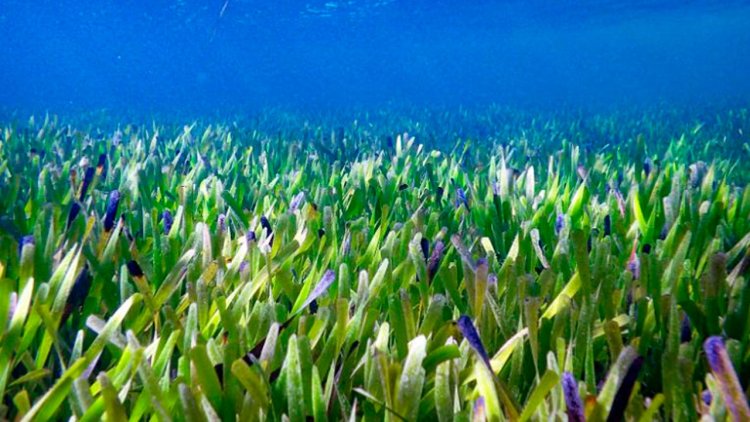
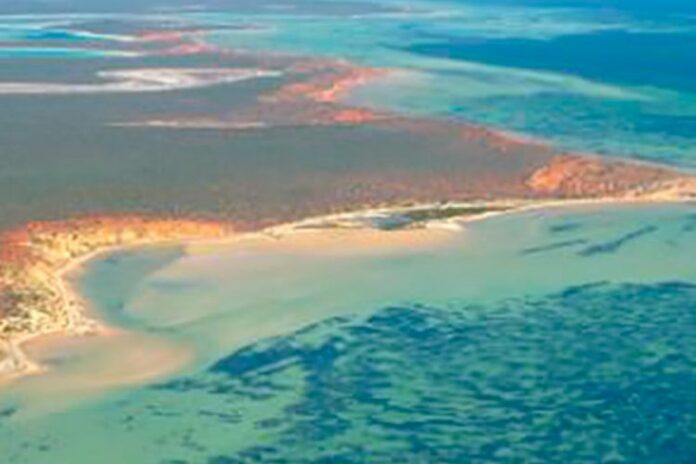
The sprawling seagrass, a marine flowering plant known as Posidonia australis, stretches for more than 112 miles (180 kilometers) in Shark Bay, a wilderness area protected as a World Heritage site, said Elizabeth Sinclair, a senior research fellow at the School of Biological Sciences and Oceans Institute at The University of Western Australia.

That’s about the distance between San Diego and Los Angeles.

The plant is so large because it clones itself, creating genetically identical offshoots. This process is a way of reproducing that is rare in the animal kingdom although it happens in certain environmental conditions and occurs more often among some plants, fungi and bacteria.

“We often get asked how many different plants are growing in a seagrass meadow. Here we used genetic tools to answer it,” said Sinclair, the author of a study on the seagrass that published late Tuesday in the journal Proceedings of the Royal Society B. “The answer definitely surprised us — just ONE! That’s it, just one plant has expanded over 180 km in Shark Bay, making it the largest known plant on Earth,” she said via email.

Sinclair and her colleagues took samples from 10 locations across the range of the seagrass meadow in Shark Bay in 2012 and 2019. The research team also measured the environmental conditions including depth, water temperature and salinity.

“We have been studying cool water seagrasses in southern Australia for a while, to understand how much genetic diversity is in them and how connected the meadows are,” Sinclair said.

The scientists were able to sequence DNA from the seagrass samples, which revealed that it was a single plant.

“The plant has been able to continue growing through vegetative growth — extending its rhizomes (rootstalks) outwards — the way a buffalo grass would in your back garden, extending runners outwards. The only difference is that the seagrass rhizomes are under a sandy seafloor so you don’t see them, just the shoots within the water column,” she said.

“What was even more interesting was that it has double the number of chromosomes than in other populations we had been studying. It has 40, not the usual 20,” she added.

The study suggested that reproducing via cloning helped the seagrass meadow adapt to habitat conditions that were more extreme than where seagrass is usually found — saltier water, high levels of light and wide temperature fluctuations.

The seagrass meadow covered almost 200 square kilometers (77 square miles or 49,000 acres), Sinclair said — bigger than Brooklyn. That’s a much larger area than the Pando quaking Aspen trees in Utah, which are often described as the world’s largest plant. The clone spreads over 106 acres, consisting of over 40,000 individual trees, according to the USDA Forest Service.

At about 4,500 years old, the Shark Bay seagrass is ancient, but its age isn’t record-breaking, the researchers said. A Posidonia oceanica plant discovered in the western Mediterranean that spans up to 9.3 miles (15 kilometers) may be greater than 100,000 years old.

“Individual seagrass clones may persist almost indefinitely if left undisturbed, as they rely on vegetative, horizontal rhizome expansion, rather than sexual reproduction,” Sinclair said.

Source: CNN

Port of Rotterdam accelerates the reduction of its own carbon emissions

0

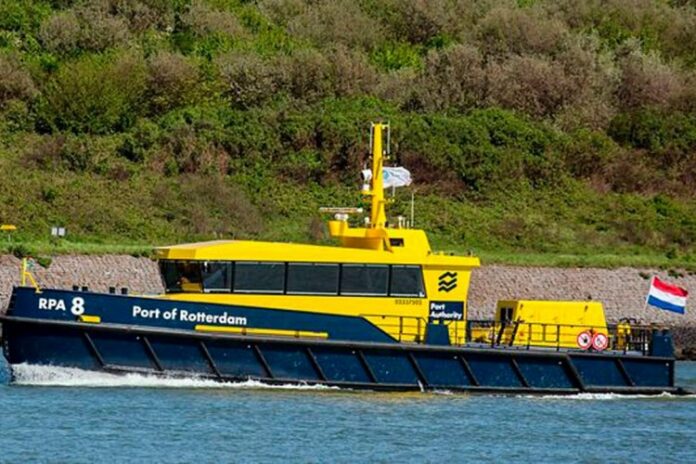
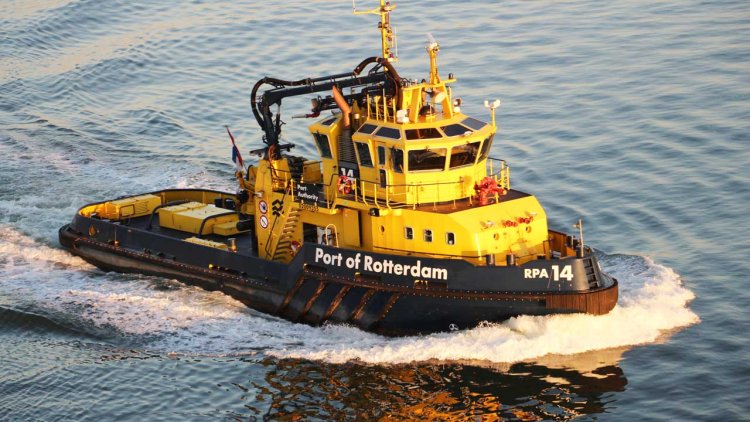
Today, most of the CO2 of the Port Authority is emitted by the (patrol) vessels. CO2 is also emitted by the use of cars and buildings. It concerns 4,000 tonnes per year in total.

The Port Authority’s own carbon emissions should be 75% lower in 2025 and 90% lower in 2030 than in 2019. Eventually, the Port Authority wants its operations to be entirely emission-free. 

Allard Castelein, CEO Port of Rotterdam Authority, says:

“We are going to reduce our own carbon emissions as quickly as possible, while compensating in full what we still emit.  So from that perspective, the Port Authority is already carbon neutral as we speak. Because our emissions will be lower and lower in the next few years, the compensation required will also decrease more and more.”

In the past year, the Port Authority used so-called science-based targeting to calculate the emission reduction amount required to pull its weight to keep global warming below the 1.5 degrees celcius limit. Science-based targeting is a way of translating the Paris Climate Agreement per company into specific targets. With this method, the Port Authority should achieve a reduction of at least 46.2% by 2030 (in comparison with 2019). As this seems to be technically feasible, however, the Port Authority opts for accelerated reduction of its own emissions by 90% in 2030. To this end, the Port Authority will ensure that all its vessels will switch completely to biofuel in the short term, and it has the ambition that from 2025 new vessels will be emission-free.

The Port Authority also wants to realise lower carbon emissions in other areas. Emission caused by its employees’ air travel is to be reduced by 70% in 2025 and by 80% in 2030, as a result of flying less and participation in a biokerosene programme. Reduction objectives have been formulated for assignments awarded to contractors of the Port Authority as well. In this case, it is about a 45% reduction by 2030 with the use of fuels (especially dredging and earthmoving) and 20% for (construction) materials. Huge amounts of steel are used in the construction of quay walls, for example. Since its production provisionally involves high carbon emissions, 20% in 2030 seems to be the maximum feasible level.

Reasons for tightening the climate targets include the recent climate studies of the Intergovernmental Panel on Climate Change, the ‘Fit for 55’ plans of the European Commission, and the Glasgow Climate Summit at which the target of a maximum temperature increase of 1.5 degrees celcius was confirmed.

The Port Authority also does its utmost for emission reduction in shipping and industry, although it cannot influence this directly. This approach is based on two studies by the German Wuppertal Institut from 2017 and 2018 respectively into the emissions of industry and shipping and the transition paths for both sectors.

For shipping in the port management area (which reaches as far as 60km off the coast) the emissions should be reduced by 20% in 2030. To make this happen, various developments are in progress, like efficiency increase (by optimising logistics processes), the application of shore power (so that berthed ships can switch off their generators and plug in), and bunkering clean fuels (such as LNG, biofuels, and methanol) by shipping.

This should be made possible by projects on capturing CO2 and storing it beneath the North Sea bed (Porthos), construction of pipes for hydrogen and residual heat, and attracting innovative developments, such as the production of green hydrogen and biofuels. All these projects together amount to some 23 million tonnes of carbon reduction in the port and outside (by the use of biofuels produced there, for example). This is 35% of the Dutch carbon reduction objective for 2030.

Deltamarin to design climate-friendly train ferry for Fennorail

0

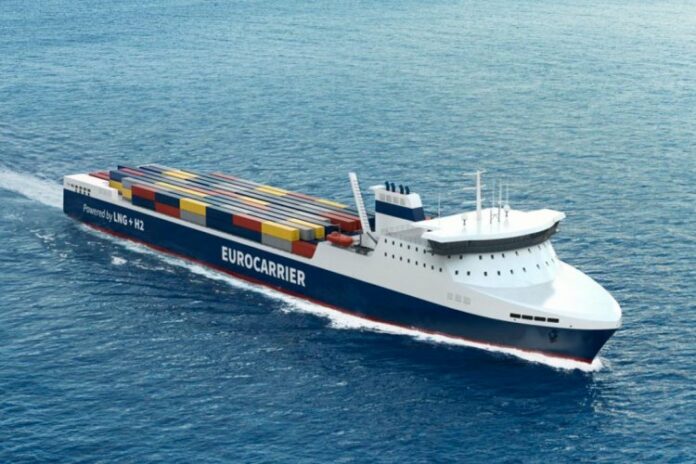
The aim of the EUROCARRIER train ferry is to connect Finland to the European TEN-T railway networks and create a connection across Eastern Europe to Central Europe and the Mediterranean.

Approximately 400,000 trucks per year, or almost 1,100 trucks per day travel on car ferries between Finland and Estonia. The emission footprint from heavy goods vehicles (road cargo) is more than five times greater than rail traffic, so significant emission reduction can be achieved by shifting a portion of the cargo from road to rail.

The vessel will operate in the Baltic Sea and have a capacity of more than 1,000 lane meters for train cargo and an additional 1,500 lane meters for trucks. The objective is to develop the world’s greenest train ferry by optimising the design and selecting machinery system compatible with alternative fuels such as LNG and green hydrogen.

Kaj Jansson, Member of the Board of FENNORAIL Ltd, says:

“We strive to make the train ferry climate-friendly and profitable. The train ferry will have multifuel marine engines that can run on either pure LNG, a mixture of LNG and green hydrogen or Marine Gas Oil (MGO). Ships propulsion system is arranged by two 360-degree rotating POD’s which increases the propulsion efficiency and ships manoeuvrability. Deltamarin is well acquainted with these technologies and their manufacturers and combines them with their own advanced ship design knowledge. In addition, they have well proven experience in supervising the ships construction process.”

Deltamarin’s Sales Manager, Jaakko Lappi, says:

“We are very happy that Fennorail with its partners have selected Deltamarin to design this unique vessel, which aims to connect Finland to the European railway network and support the goals of the Paris Agreement by moving part of the road cargo onto rail, offering significant emission cuts per transported cargo tonne-kilometre.”

ZeroNorth secures over $50 million in Series B investment

0

Technology company ZeroNorth has today announced it has raised over $50 million in investment during its recently concluded Series B investment round. 

The investment from PSG Equity (“PSG”), a leading growth equity firm partnering with software and technology-enabled services companies to help accelerate their growth, joins further capital injections from ZeroNorth’s existing investors A.P. Moller Holding and Cargill, who also participated in the round. The news means that ZeroNorth now has a trio of partners that will support the company’s ambitious plans for continued growth.

The Series B investment, in addition to the support of PSG Equity, will help to accelerate ZeroNorth’s growth over the coming years, enabling it to continue investing in product innovation, expanding its customer-facing teams and pursuing M&A to add data, products and services to the ZeroNorth platform. 

The investment will also help to enable ZeroNorth to continue to accelerate the green transition of global trade by driving down CO2 emissions in shipping in the immediate term, by deepening the insights generated by its platform, connecting more players across the supply chain and turning data into actions that can underpin value-driving decision-making. As a demonstration of this impact, ZeroNorth is on course to help cut CO2 emissions by over half a million metric tonnes in 2022, up from 218,000 tonnes in 2021. 

Edward Hughes, Managing Director at PSG Equity, said:

“ZeroNorth has been able to achieve impressive growth in the short time they have been operating. Their clear vision and roadmap for growth as well as the expertise they have been able to attract makes the company an appealing prospect to partner with. Their established track record of success, strong customer feedback and unique blending of maritime and tech together, make us confident they are positioned to be a major player in leading the green transition of global trade.” 

Wärtsilä signs long-term agreement with NYK LNG

0

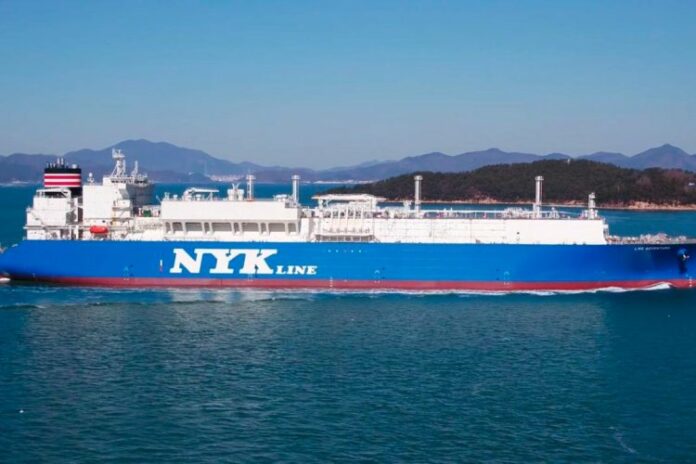
The technology group Wärtsilä has signed a long-term Guaranteed Asset Performance Agreement with Japan-based NYK LNG Ship Management. 

The agreement was signed in March 2022 and is valid for 15 years. It covers the engines and related equipment for an LNG Carrier vessel, and is designed to maximise the ship’s uptime while providing long-term cost predictability, and optimised maintenance costs.

One of the features of the agreement is Wärtsilä’s unique Expert Insight digital predictive maintenance solution. By leveraging artificial intelligence (AI) and advanced diagnostics, the service enables onboard equipment and systems to be monitored in real-time onshore. Should anomalous behaviour be detected, it is flagged to specialists at Wärtsilä Expertise Centres automatically, allowing them to support the customer proactively with an appropriate resolution to the issue.

Wärtsilä will also provide its Dynamic Maintenance Planning solution. This innovation takes advantage of Wärtsilä’s extensive experience and capabilities in digitalisation and analytics to optimise major overhaul intervals, without compromising reliability or engine efficiency while also guaranteeing maintenance costs.

Henrik Wilhelms, Director Agreement Sales at Wärtsilä, says:

“Our remote operational support capabilities represent a benchmark for the industry and allow us to provide the level of support our customers need in today’s operating environment. Agreements such as this are an integral element within Wärtsilä’s lifecycle support approach.” 

The agreement covers the vessel’s three Wärtsilä 50DF dual-fuel engines, as well as the Gas Valve Units (GVU) and turbochargers. Two of NYK’s sister LNG Carriers are supported by similar Wärtsilä agreements.

Saitec plans the installation of a pre-commercial pilot park in the Mediterranean Sea

0

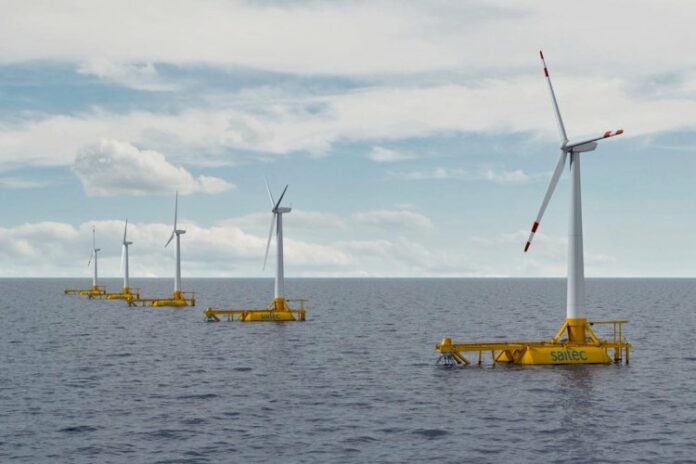
The offshore wind turbines will use SATH technology in open sea in Girona, specifically in an area located more 15 km from Cap de Creus on the Costa Brava (Catalonia)

Medfloat Pilot Parc has started with the presentation of the Initial Project Document for assessment by the competent environmental body, which will answer with information on the scope that the environmental impact study should have. However, Saitec is already carrying out drafting work on the Environmental Impact Study.

Medfloat Pilot Parc will involve the creation of a test infrastructure in the Levantino-Balearic Demarcation for the testing, demonstration, and validation of SATH technology. It will also demonstrate the technical, environmental and social feasibility of future developments of floating offshore wind energy, and particularly of SATH technology, in the Mediterranean.

At the same time, it aims to become a pioneering project to investigate the possibilities of shared use with other activities, especially with fishing and aquaculture, as well as the promotion of employment and boost the supply chain of offshore wind energy in Catalonia. In addition, the wind turbines will potentially provide power for 50,000 homes.

The selected installation area has been provisionally defined as Priority Use for offshore wind power in the Maritime Spatial Planning Plans of Spanish Government. At the same time, meets the right wind and depth conditions to launch this project.

Medfloat Pilot Parc is an initiative aligned with the climate neutrality objectives and one  step forward in consolidating SATH technology, after the development of the pioneering 2 MW DemoSATH project, which is currently under construction in the port of Bilbao. The objective of this pilot project, carried out in collaboration with RWE, is to test the technology and progress in the industrialized manufacturing process for this solution.

DemoSATH will be installed in the BiMEP test area (Biscay, Spain), where tests will be carried out for two years, providing useful information for the environmental evaluation of MedFloat. DemoSATH will be the first floating offshore wind turbine connected to the Spanish grid and capable to provide power to 2,000 homes.

McDermott awarded FEED by NOC for Qatar’s largest offshore oil field

0

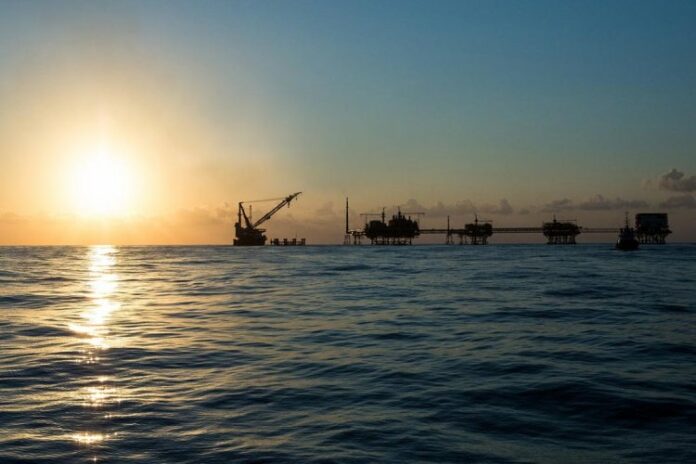
McDermott International has been awarded a Front-End Engineering Design (FEED) contract by North Oil Company (NOC) for the Ruya Development, previously referred to as Al-Shaheen Phase 3-Batch 1, located offshore Qatar.

This award is one the largest FEED projects undertaken in McDermott’s history and follows the successful completion of the pre-FEED contract.

Tareq Kawash, McDermott’s Senior Vice President, Offshore Middle East, said:

“This is a strategic contract for our offshore business in Qatar and a game-changer for McDermott as it represents the largest offshore FEED we have ever received in the Middle East. As was the case for the Pre-FEED with NOC, work will be led from our highly skilled Doha operating center and will be supported by our Chennai engineering office.”

Neil Gunnion, McDermott Qatar Country Manager and Vice President Operations, said:

“The award strengthens our successful collaboration with NOC and demonstrates the continuity of our business relationship with them. Utilizing our comprehensive experience and in-depth knowledge of the offshore sector in Qatar, we look forward to continuing to work closely with NOC to contribute to the development of Shaheen, which is Qatar’s largest offshore oil field.”

The scope of the contract comprises developing FEED studies and deliverables suitable for an engineering, procurement, construction, installation and commissioning (EPCIC) project. This includes creating technical output data (FEED data), providing EPCIC schedule and cost estimates, and developing an early work plan for the brownfield scope with necessary site surveys. The scope also ensures that new greenfield facilities design and brownfield modifications comply with applicable rules and regulations. 

Production start-up at Hammerfest LNG

0

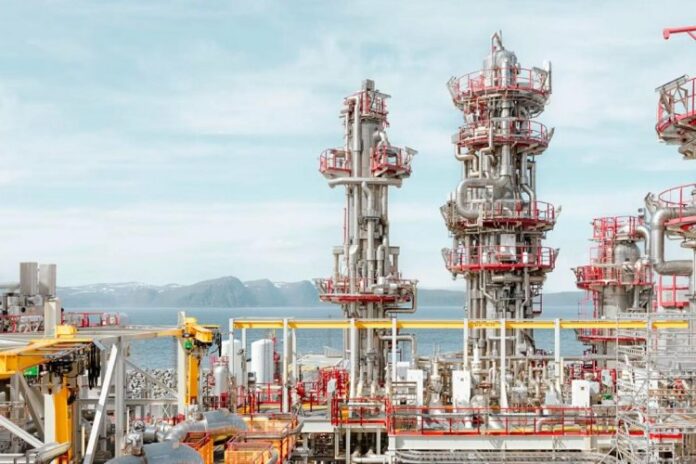
The first liquified natural gas (LNG) is now on tank at Melkøya.

Irene Rummelhoff, Equinor’s executive vice president, Marketing, Midstream and Processing, says:

“With the start-up of Hammerfest LNG, we add further volume to the already substantial gas deliveries from Norway. This is of great significance in a period when predictable and reliable supplies are highly important to many countries and customers.”

Norway is an important gas supplier to Europe, and the volumes from Hammerfest LNG account for more than 5% of Norwegian gas exports. During normal production Hammerfest LNG delivers around 6.5 billion cubic metres per year, equivalent to the annual gas demand of 6.5 million European households.

Safety has been priority number one during the extensive work process, from the identification of the extent of damage, to the planning of repairs and improvements, and the implementation of the project. Systematic and targeted work has been performed daily by around 1 000 people, bringing the plant safely back online. A stepwise procedure has been followed in the process towards full production.

Rummelhoff says:

“I would like to thank all employees, suppliers and partners that have done a great job getting the plant ready for safe start-up. This is a huge and complicated task, with much of the project work during a challenging pandemic.” 

Repairs of sophisticated equipment and compressors have been performed, in addition to a scheduled turnaround and ordinary maintenance. More than 22 000 components have been checked, and 180 kilometres of electric cables have been replaced. To minimise infection spreading extensive infection control measures and strict distancing rules have been implemented.

The plant is built for operation at minus 163 degrees Celsius, and a controlled and stepwise procedure is followed towards full production.

The LNG tankers Arctic Voyager, Arctic Lady and Arctic Princess are anchored up outside Melkøya, ready to receive new cargoes from Hammerfest LNG. Normally, it takes 4-5 days to fill the storage tanks at the plant, before the ships are loaded with LNG for shipping to receiving terminals in various markets. In full production, a ship will leave Melkøya approximately every five days. Each ship contains about 1 TW of energy.