-1.6 C
New York
Home Blog Page 432

Innosea collaborates on ELEMENT tidal turbine testing in Brittany

0

The innovative ELEMENT project – an EU Horizon 2020 project to develop a tidal energy control system that will reduce the cost of tidal energy, is set to deploy a turbine for testing in Brittany, France, this autumn.

The project, led by Scottish tidal technology company Nova Innovation, aims to develop an innovative control system for tidal turbines to enhance lifetime viability and productivity. As part of the project, the turbine has undergone onshore testing and is now progressing to  estuary testing in  Etel, Brittany, France, and then offshore at the Shetland Tidal Array, Scotland, UK.  

Innosea, the engineering, advisory and R&D specialists in marine renewable energy, has provided independent design engineering services for the gravity-based foundation to be used in the trials in the Etel estuary. This scope of work has already been completed with a 50kW prototype turbine set to be deployed for testing this autumn.  

Innosea’s scope of work also includes a socio-economic analysis of tidal energy potential in France.

Maria Ikhennicheu, R&D Engineer at Innosea, said:

“We are really proud to be part of the ELEMENT project consortium. This project strikes at the roots of Innosea, as we were originally established with a focus on tidal and wave energy, as well as offshore wind.”

Innosea is one of the 11 project partners within the Nova Innovation-led consortium. The others are IDETA, Chantier Bretagne Sud, Wood, Nortek AS, The University of Strathclyde, DNV GL UK, France Energies Marines, Offshore Renewable Energy (ORE) Catapult and ABB UK.

Maria Ikhennicheu said:

“This project brings together industry and academic experts with the common aim to lower the cost of tidal energy through innovative control solutions resulting in European and global benefits.”

The ELEMENT project started in 2019 and will be concluded towards mid-2023.

Lloyd’s Register acquires OneOcean in maritime growth strategy drive

0

Lloyd’s Register (“LR”), a global provider of maritime professional services, has acquired OneOcean, a leading supplier of voyage compliance, safety and environmental solutions, from Equistone Partners Europe (“Equistone”), a leading European mid-market private equity firm.

This move will accelerate LR’s ambitions to be the maritime industry’s trusted adviser for compliance, safety, performance and sustainability solutions, enabling clients to benefit from more efficient, cleaner & safer operations.

The pedigree of OneOcean will expand and considerably complement LR’s existing digital solutions, including fleet management (Hanseaticsoft) and vessel performance and optimisation (i4 Insight, C-MAP Commercial and Greensteam) portfolios.

OneOcean solutions are currently used by more than 16,000 vessels to support and optimise compliance, safety and environment, increasing transparency and simplifying complex regulations and tasks to enable teams to work more transparently for efficiency and enhanced decision making.

OneOcean was created by the merger of ChartCo, in which Equistone first invested in 2016, and Marine Press in 2019. With Equistone’s support, OneOcean has changed and grown rapidly, with four acquisitions, two divestments, a merger and a complete cultural change from product distributor to leading-edge software solutions provider.

LR Group CEO Nick Brown said:

“The acquisition of OneOcean propels LR to the position of a leading digital player in the maritime industry enabling clients to make better commercial day-to-day decisions, reducing risks, improving operation efficiencies and critically meeting complex maritime regulatory requirements. We recognise that there has never been a more pressing need for specialist maritime advisers to guide and support clients through the fundamental changes they face, helping to define the route to compliance, operational efficiency, sustainability and competitive agility. With this acquisition, LR will be an even more valuable partner to our clients.”

Martin Taylor, CEO of OneOcean said:

“We are really looking forward to working with Nick and his team to create a catalyst for change in an industry that needs to adapt as rapidly as when coal replaced sails. OneOcean has grown phenomenally over the last 20 years to be a clear market leader, now joining the LR family provides a fantastic home for the next chapter of growth. Together we have the scale, reputation and expertise – combining both digital and advisory capabilities – to meet the challenges faced by the industry. This is an exciting move for OneOcean, LR and the wider maritime community.”

Tim Swales, Partner at Equistone, said:

“This business has undergone remarkable transformation and growth over the past six years, since we first invested in ChartCo and then supported the formation of OneOcean through the merger with Marine Press. Martin and his team have built a high-quality business that is in the vanguard of the marine industry’s shift towards digital solutions, and it has been a pleasure to work with them. In Lloyd’s Register we are confident we have found the right partner to support OneOcean through this next stage of its growth.”

The deal is subject to regulatory clearance and is expected to be complete by the end of the summer.

Four partners to cooperate on L10 carbon capture and storage

0

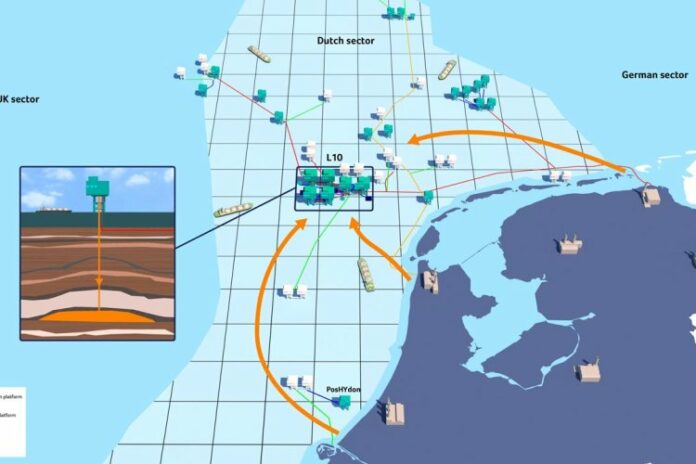
Neptune Energy, ExxonMobil subsidiary XTO Netherlands, Ltd., Rosewood Exploration Ltd., and EBN Capital B.V. today announced the signing of a Cooperation Agreement to progress the L10 large-scale offshore carbon capture and storage project in the Dutch North Sea.

The agreement brings together the technical and commercial capabilities necessary to create a robust carbon storage offering for industrial customers in the Dutch sector. It intends to take the L10 carbon capture and storage development to the concept select stage in 2022 and to have the project FEED-ready by the end of the year, followed by the submission of a storage licence application.

Exploratory discussions with industrial emitters from various sectors are continuing, ahead of the upcoming round for applications for SDE++ funding from Dutch authorities.

Neptune Energy’s Managing Director in the Netherlands, Lex de Groot, said:

“CCS is crucial for achieving the Dutch climate goals for 2030. This Cooperation Agreement is a significant step in the development of the Neptune-operated L10 project which supports our strategy to go beyond net zero and store more carbon than is emitted from our operations, scope 1, and sold products, scope 3, by 2030.

“After the successful feasibility study, we can now combine our knowledge in the field of CCS with these parties. This next important step will enable us to jointly develop one of the largest CCS facilities in the North Sea. The reuse of our existing infrastructure means that, together, we can help achieve the climate goals, but also ensure this part of the energy transition becomes cleaner, cheaper and faster.”

EBN’s Program Manager CCUS, Berte Simons, said:

“We’re pleased to co-operate with our joint venture partners in this carbon capture and storage project where we can re-use existing infrastructure. With our subsurface knowledge and experience on storage we’ll be able to contribute extensively to the development of this project. The offshore storage of CO2 is pivotal in meeting climate goals and EBN is determined to contribute to a carbon-neutral energy system.”

Dan Ammann, president of ExxonMobil Low Carbon Solutions, said:

“ExxonMobil welcomes the opportunity to collaborate with industry and the government in support of the L10 carbon capture and storage project. Carbon capture and storage is a proven, ready-to-deploy technology that can help reduce emissions in some of the highest-emitting sectors and advance society’s net-zero goals.”

This stage of the L10 carbon capture and storage project has the potential to store 4-5 million tonnes of CO2 annually for industrial customers within depleted gas fields around the Neptune-operated L10-A, B and E areas. It represents the first stage in the potential development of the greater L10 area as a large-volume CO2 storage reservoir.

Barcelona targets cruise ships in its latest fight with tourists

0

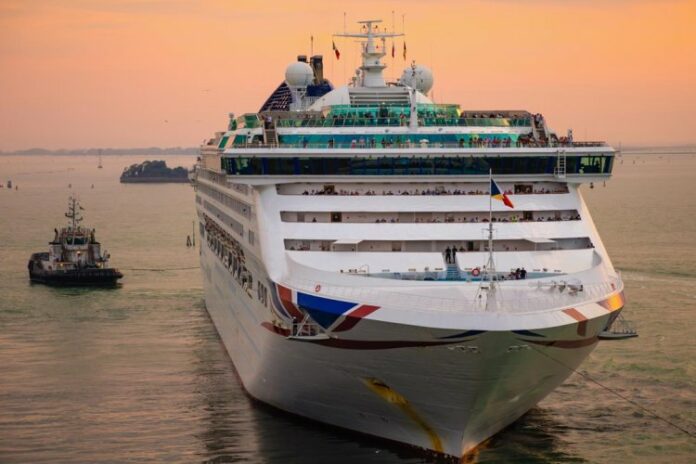
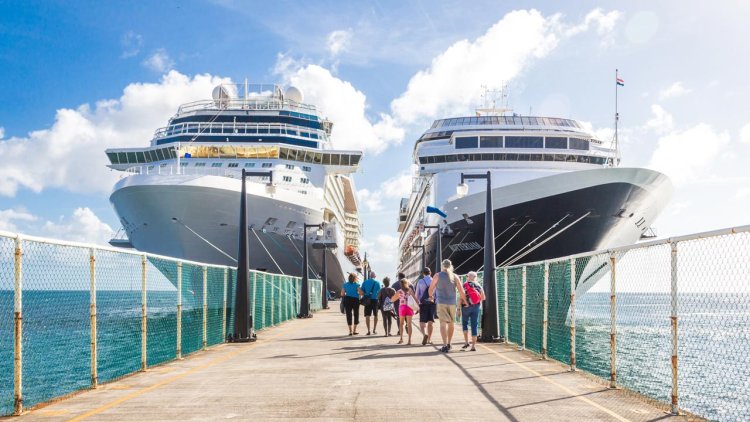
The days when Barcelona’s harbor was thronged with cruise ships could soon be a thing of the past if local leaders get their way.

In an announcement this month, the regional government of Catalonia said it would soon introduce measures intended to limit liners arriving at its port, Europe’s busiest cruise terminal before the pandemic. The announcement comes in the wake of a sharp — but not entirely welcome — resurgence in visits to Spain’s second city. Some 125 cruise ships docked in May alone.

That, says Mayor Ada Colau, is no good thing. Barcelona has long struggled with the pressures of over-tourism, and cruise ships are particularly resented. In 2019, the city suffered the highest levels of pollution from mega-ships emitting sulfur oxides and nitrogen oxides of any European port. Their passengers, meanwhile, arrive in large groups that cause spikes in congestion while contributing relatively less to the economy because they don’t pay for accommodation and often only visit briefly.  

“There are thousands of people who arrive at once” Colau told newspaper El Pais. “Most of them stay for just a few hours and are highly concentrated in the downtown area. They generate a feeling of collapse.”

The exact details of the measures have yet to be announced, and there’s some debate over what will work. Statements from the regional government talk of a new tax, a policy that would ensure more income flowing from cruise companies into public coffers but if set too low wouldn’t necessarily reduce the number of passengers arriving. Comments from Colau suggest she may be more in favor of a cap on the number of ships in port at any given time.

When it comes to cruise ships, Barcelona also isn’t alone in making them less welcome. New rules adopted in May 2022 by the Balearic Islands stipulate a maximum of three ships in the harbor of Palma de Mallorca, with only one with a capacity of 5,000 or more passengers moored at any one time. This follows trends elsewhere in Europe. In 2021, the port of Venice also banned large ships from its lagoon, while the harbors of Dubrovnik, Santorini, Dublin and Bruges have also introduced caps.

Any curb on numbers is likely to generate some controversy. Businesses in central Barcelona say they do generate substantial income from cruise guests, even if they don’t stay overnight. Representatives of the port also point out that following a 2018 agreement to limit the impact, the city moved cruise terminals to a pier further away from the city’s waterfront heartland.

Source: Bloomberg

Proman Stena Bulk takes delivery of first methanol-powered newbuild vessel

0

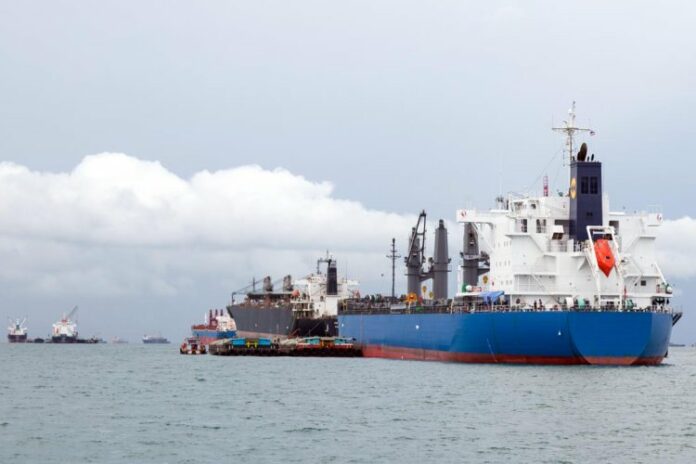
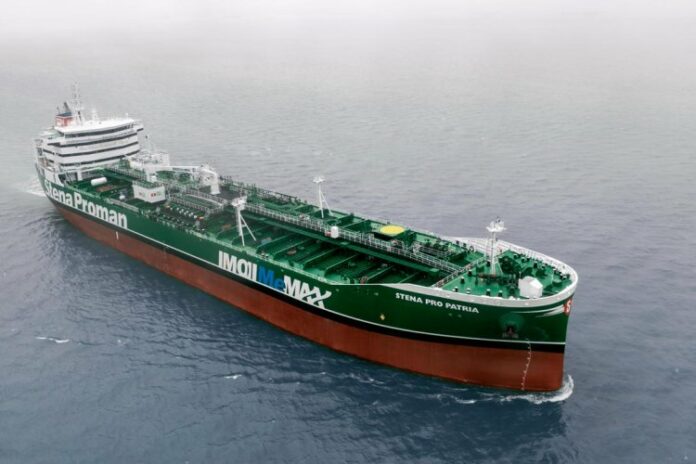
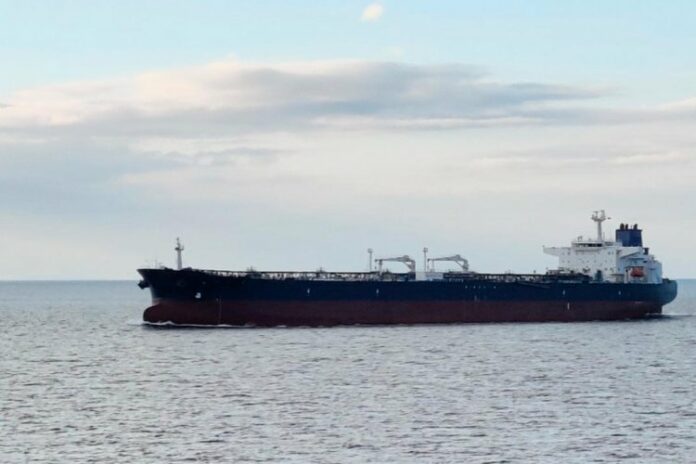
Proman Stena Bulk, a joint venture (JV) between a leading global methanol producer Proman and one of the world’s largest tanker shipping companies Stena Bulk, today confirmed that the first methanol-powered newbuild vessel under its partnership has been delivered and is preparing for commercial operation.

The methanol-powered 49,990 DWT Stena Pro Patria is the first of six state-of-the-art, IMOIIMeMAX dual-fuel mid-range (MR) tankers being built at Guangzhou Shipyard International Co Ltd (GSI) in China for Proman Stena Bulk and Proman. Two further vessels, Stena Pro Marine and Stena Promise, are also due for delivery later this year. 

Stena Pro Patria will leave GSI Shipyard to load methanol fuel in Ulsan, South Korea and will arrive in Trinidad and Tobago for her Naming Ceremony later this year. The vessel will run on methanol, representing Proman Stena Bulk’s commitment to methanol’s role as part of the shipping industry’s sustainable fuels pathway. With an expected consumption of 12,500 tonnes of methanol marine fuel per annum, Stena Pro Patria will be a low-emission vessel, eliminating local pollutants including SOx and Particulate Matter (PM), cutting NOx emissions by 60% and reducing CO2 emissions versus conventional marine fuels.  

The delivery of the Stena Pro Patria represents an important milestone for Proman Stena Bulk. It is a significant step forward as the JV continues its ambition to support the development of methanol as a proven marine fuel and the role it can play as part of global shipping’s urgent transition to a more sustainable future. 

With impending regulation from the International Maritime Organisation (IMO) – in the shape of EEXI and CII from 2023 – as well as increasing demand from cargo owners and financiers for higher environmental standards, these vessels set a new benchmark for MR tanker sustainability.   

Equipped with the latest generation MAN dual-fuel engines, the Stena Pro Patria will feature state-of-the-art energy efficiency technology, including continually controlled combustion, optimised tuning, redesigned and aerodynamic hull lines, and an energy shaft generator, reducing fuel consumption and helping to meet and go beyond IMO compliance criteria. 

David Cassidy, Chief Executive of Proman, said:

“The delivery of the Stena Pro Patria represents a major milestone for the success of our joint venture with Stena Bulk, as well as sends an important message to the market that methanol is a reliable and available marine fuel that can reduce global shipping emissions in the short, medium and long term.

“The vessel’s state-of-the-art fuel consumption and engine technology are important steps towards more sustainable shipping. It will be vital as new low-emission fuels emerge to also focus on energy efficiency. We hope today’s news and our continued investment and commitment will encourage others to accelerate their transition to cleaner fuels like methanol, benefitting from immediate emissions savings while also sending out strong demand signals to the market.” 

Erik Hånell, President and CEO of Stena Bulk commented:

“It is only through collaboration and partnership that we can meet our climate goals. Today’s announcement of a jointly built methanol-powered vessel coming into commercial use is a great example of our successful partnership with Proman, and we hope the first of many major milestones. “

Stena Pro Patria is named in honour of Dennis Patrick, an integral member of the Proman family and the former CEO of Proman’s subsidiary Methanol Holdings (Trinidad) Limited (MHTL), who passed away in 2019. 

Methanol is already available at over 100 ports worldwide, including at all major bunkering hubs. It is a clean burning, safe to carry and fully biodegradable fuel which provides an immediate reduction in CO2 emissions, virtually eliminates SOx and Particulate Matter, and cuts NOx emissions by 60% compared to traditional marine fuels. 

ESL Shipping utilizes Neste’s co-processed marine fuel for emissions reduction

0

The ISCC PLUS certified marine fuel enables up to 80% reduced greenhouse gas emissions over the life cycle compared to fossil fuels without compromising the product quality and performance.

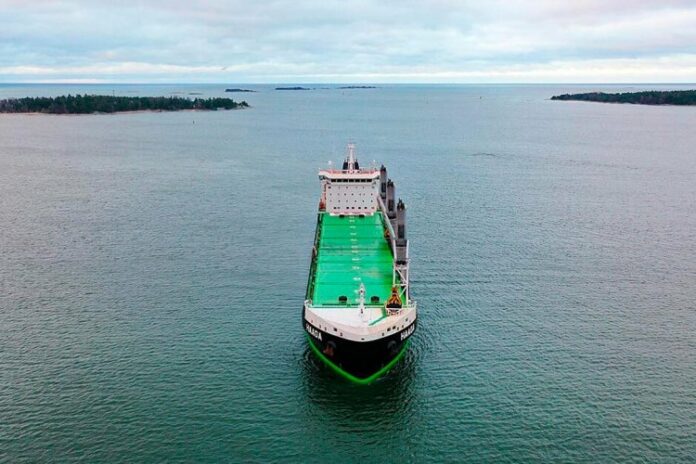
ESL Shipping is the leading carrier of dry bulk cargoes in the Nordic and Baltic regions. Constantly in search of sustainable shipping solutions, ESL Shipping strives to minimize the adverse environmental impacts of its fleet.

Mikki Koskinen, Managing Director of ESL Shipping, says:

“The co-processed marine fuel is something we have been waiting for a long time. ESL Shipping is committed to leading the way in reducing greenhouse gas emissions of the maritime industry, and we are now fortunate to be able to use this low-emission alternative without having to do any fleet modifications. We believe this is the right thing to do, and I’m convinced we in the Nordics are well-positioned to show the way for the global maritime industry.” 

Sveta Ukkonen, Head of Marine Fuels and Services at Neste, explains:

“Supporting the shipping industry towards carbon neutrality requires partnerships, all available solutions and further innovations. We are proud of the solutions we have provided to the global aviation and road transport sectors to reduce greenhouse gas emissions, and it is a big step for Neste to be able to offer similar solutions to maritime transport, too. After all, as 90% of world trade and 13% of global transport emissions are the result of the shipping industry, it needs lower-emission solutions that are available already today.” 

Neste Marine 0.1 Co-processed marine fuel is currently in the piloting phase and it is produced at Neste’s refinery in Porvoo, Finland, where part of the fossil raw materials have been replaced with renewable raw materials in the conventional refining process. The drop-in fuel can be taken in use without any fleet modifications as it has a similar composition to conventional bunker fuels.

The co-processed marine fuel is ISO 8217 compliant with consistent refined quality. The sustainability characteristics of the co-processed marine fuel are certified with International Sustainability and Carbon Certification (ISCC PLUS) with a mass balance approach.

Partners consider 1 GW offshore wind farm off the coast of Western Norway

0

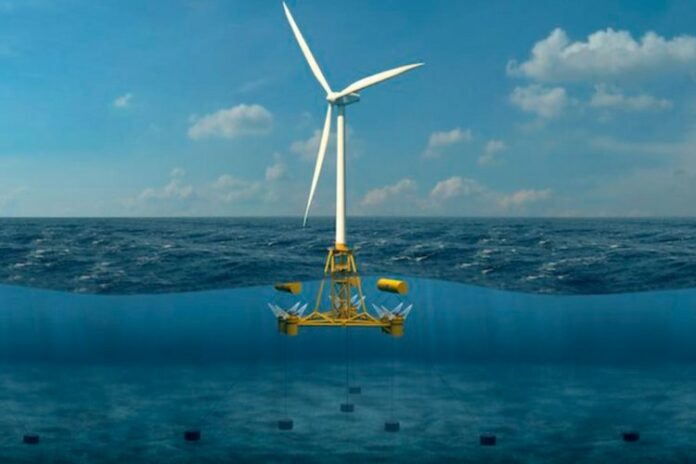
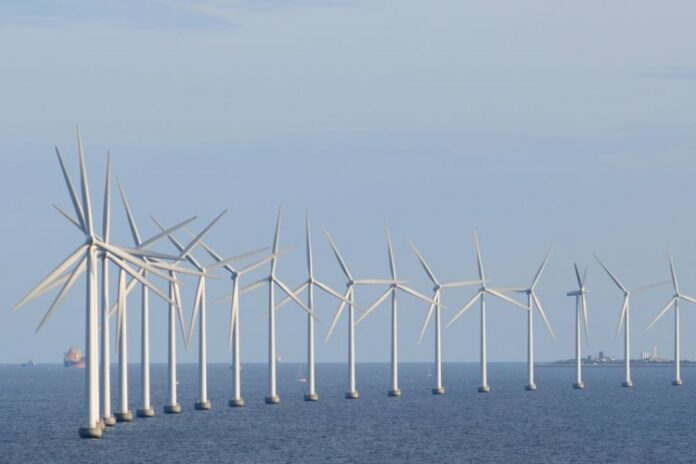
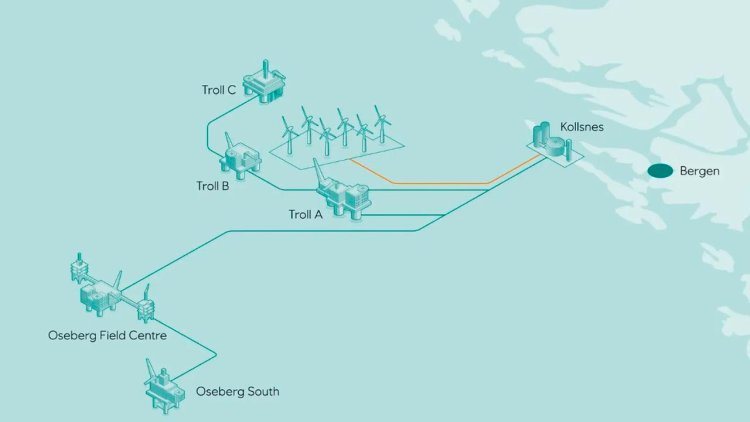
With an installed capacity of about ~1 GW and an annual production of ~4.3 TWh, with a startup in 2027, Trollvind could provide much of the electricity needed to run the offshore fields Troll and Oseberg through an onshore connection point. The Bergen area already serves several of these installations with power – and needs more input to its electricity grid. The plan is that the partnership will buy as much energy as the wind farm can produce at a price that can make the project possible.

Power from Trollvind could make a solid contribution towards electrification of oil and gas installations, accelerate offshore wind development in Norway, and deliver extra power to the Bergen region.

Equinor’s chief executive, Anders Opedal, says:

“By producing oil and gas with low greenhouse gas emissions, we reinforce the competitiveness of the Norwegian shelf, maintain activity in the industry and safeguard future value creation. Trollvind is a concept where renewable energy works to facilitate several objectives; helping cut emissions through electrification, delivering power to an area where shortages have already created challenges for new industrial development, and Norway maintains its position as a leader in the industrialisation of floating offshore wind. A full-scale floating offshore wind farm like Trollvind could boost momentum towards realising the Norwegian authorities’ ambition to position Norway as an offshore wind nation, building on expertise from the oil and gas industry.” 

In 2020, the Norwegian parliament (Stortinget) decided to intensify emission reductions requirements from the Norwegian continental shelf from 40 to 50 per cent by 2030. To achieve this target, large-scale industrial single-point emission sources, such as offshore oil and gas installations, must reduce their emissions. Electrification of installations with long remaining lifetimes will be a key initiative to succeed with this transition.

Opedal adds:

“This initiative provides the supplier industry with predictability and an offshore wind portfolio to work with in the years ahead.”

Shell’s global EVP, Renewable Generation, Thomas Brostrøm, said:

“This can be a fantastic opportunity for Norway and for the industry. Using our integrated capabilities to decarbonise existing operations and accelerate offshore wind development is exactly the kind of action our companies need to be taking to further society’s progress towards net zero by 2050”.

Phil Cunningham, TotalEnergies Managing Director and Country Chair, says:

“We are excited about the possibilities to supply our energy production offshore with new renewable power. This project confirms Norway’s leadership in green energy production and our experience that working together is a value enabler.”

Kristin F. Kragseth, Petoro’s CEO, says:

“In this study, we build on our Norwegian competitive edge and strengths: Technology development and collaboration. The cooperation between all parties is crucial to realize the transformation of the industry to a low-carbon future. This is important for Norway as a mature oil and gas region and will ensure a competitive Norwegian shelf also in the future.”

Trollvind can be realised by building on the good collaboration established between government authorities and the industry through Hywind Tampen. Experience can be transferred and learning utilised while at the same time identifying and implementing good co-existence solutions from an early stage.

By transferring offshore wind power to shore this may enable the possibility to build a larger wind farm than one directly connected to oil and gas installations offshore. Increasing the size of wind farms is a key factor in industrialising floating offshore wind and reducing costs. Bringing the power to shore also promotes more efficient power utilisation through better interaction with regulated hydropower and onshore industry. Increased access to power in this area also means improved security of supply for the oil and gas installations.

The partners are evaluating commercial arrangements where the Trollvind development are selling power to the Troll and Oseberg installations and the Kollsnes plant. Trollvind will not require other forms of financial support. Estimates indicate that Trollvind can deliver power for less than NOK 1/kWh. Such an agreement would ensure greater long-term access to power at a stable price in an area where the power situation is strained. At the same time secure a sufficient income level for the wind farm to trigger the investment.

Trollvind is now being further matured by the Troll and Oseberg partners initiating feasibility studies aimed at an investment decision during 2023.

NAPA gets ISO certification on information security management

0

NAPA calls for the maritime sector to come together to strengthen cybersecurity, as the company’s industry-leading practices on data protection and information security are endorsed by ISO 27001 certification.

NAPA has received the ISO 27001:2013 certification on information security management, validating the company’s adherence to international best practices on data management and security.

ISO 27001:2013 is an international standard that defines the requirements for a comprehensive information security management system, enabling organizations to safeguard the confidentiality, integrity and availability of data. The certification, which was delivered by classification society Bureau Veritas (BV), covers all of NAPA’s activities, products, services and locations. It confirms that robust data security systems are incorporated throughout NAPA’s processes and product development to protect the information entrusted by its customers against security risks, such as data leaks, hacks, or cyberattacks.

Upon receiving the certification, NAPA’s CEO, Mikko Kuosa, called on all shipping stakeholders to join NAPA in taking tangible and proactive steps together to build cyber resilience across the industry. As the number of cyberattacks and incidents is on the rise, Mr Kuosa urged maritime companies to ensure that their data, which is critical to their safety and operations, is protected by robust security systems.

NAPA’s CEO Mikko Kuosa said:

“The data-driven insights made possible by greater connectivity onboard have enabled a giant leap forward in safety, emergency response, and voyage optimization – and there is no turning back. The benefits of connectivity are tremendous, and the increased digitalization in maritime also comes with the important responsibility of putting the right safeguards in place to maintain a cyber secure system at sea. In this context, the industry needs guarantees that its business-critical data is in safe hands and must demand the highest standards from its partners. This is why at NAPA we are dedicated to having robust security procedures in place to protect the sensitive data that is entrusted to us, as we help shipping companies sail more safely and sustainably.”

Mikko Kuosa added:

“At NAPA, we are proud to be spearheading best practices for the industry, with our comprehensive information security policy which guarantees that all confidential information is managed and stored with appropriate procedures in place. This means that users can safely take full advantage of the collaboration benefits and improved communication that our connected systems enable. Today, we are delighted to see our industry-leading practices formally recognized by the prestigious ISO certification.”

Finnlines adds new vessels to its fleet and expands services

0

As a new addition, a link between Ireland and Belgium will be launched.

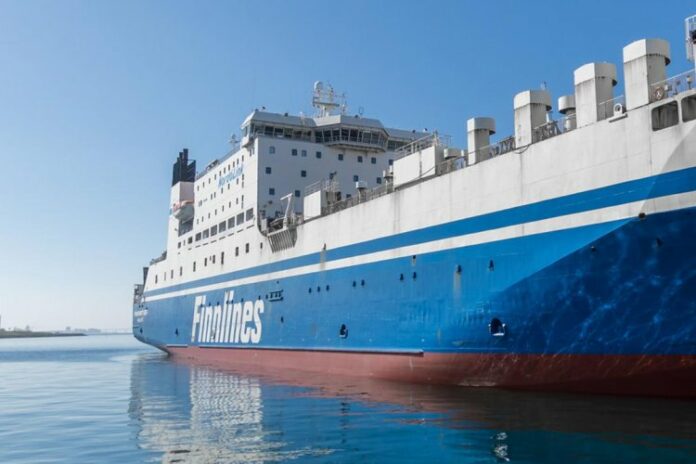
To meet the increased capacity demand from customers, Finnlines is strengthening its services. The Company’s newest vessel, Finneco I, will be deployed on the Bilbao–Zeebrugge/Antwerp–Travemünde–Helsinki/Kotka–Paldiski route. The maiden call in Antwerp took place on 16 June 2022 and Helsinki will follow on 20 June 2022. Finneco II is expected to enter service in week 28 and Finneco III in week 29.

The three Eco class vessels have a transport capacity of 5,800 lane meters, each, equivalent to around 400 trailers, a capacity increase of nearly 40% compared with the current largest ships on the Baltic–North Sea–Biscay route. To reduce emissions, the vessels are equipped with many advanced technologies, such as air lubrication, a high-powered battery bank and solar panels. The Eco series vessels fly the Finnish flag.

The new hybrid vessels will bring many benefits to customers, including fast and efficient loading and unloading and they can carry any type of cargo, high and heavy, long and wide. A hoistable deck makes it possible to load units, which are up to 7 metres high.

In July, Finnlines will launch a new twice weekly service from Rosslare, Ireland, to Zeebrugge, Belgium. Demand for freight services from Ireland to Continental Europe has grown in the wake of Brexit and the new route will provide a crucial link for Irish industry. With transshipment in Zeebrugge, Ireland connection is available to cargo from Finland, Estonia, Germany, and Spain.

Tom Pippingsköld, Finnlines President and CEO, says:

“Finnlines continues to strengthen its services by increasing cargo capacity and offering a more extensive network to customers. We provide cost-efficient and high frequency liner services with the lowest CO2 emissions per transported cargo unit.”

McDermott christens state-of-the-art Amazon vessel

0

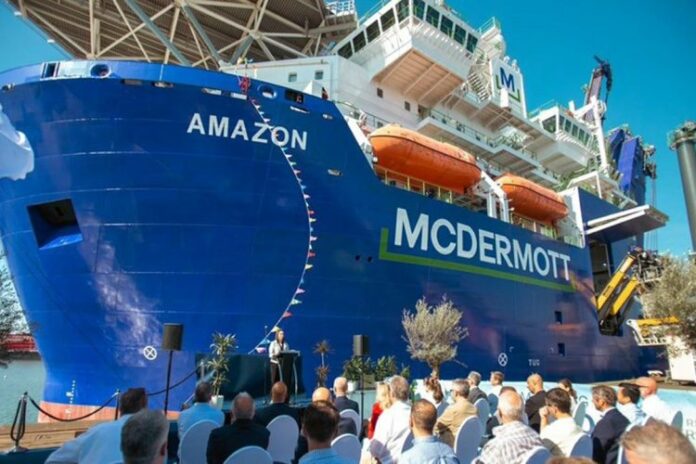
As part of McDermott’s global deepwater subsea strategy, the vessel has undergone a sophisticated conversion.

The upgraded specifications enable highly automated operations, the production of hex joints from single or double joints using an onboard multi-joint facility and a pipe hold capacity of 10,000 metric tons. Its increased level of automation also enables a significant reduction in the crew numbers required to safely perform pipelay operations.

Mahesh Swaminathan, Senior Vice President, Subsea and Floating Facilities, said:

“Customers around the world are looking to this game changing vessel to deliver their ultra-deepwater projects. The world-class pipeline system, installation versatility and advanced technology behind the upgrade significantly elevates its ability to efficiently deliver safe, quality-driven results.”

 The vessel is designed to be self-sufficient, allowing easy transition from project to project and providing pull through opportunities for the rest of the McDermott subsea fleet.