2.2 C
New York
Home Blog Page 426

Hapag-Lloyd will use advanced biofuels for the transport of DHL shipments

0

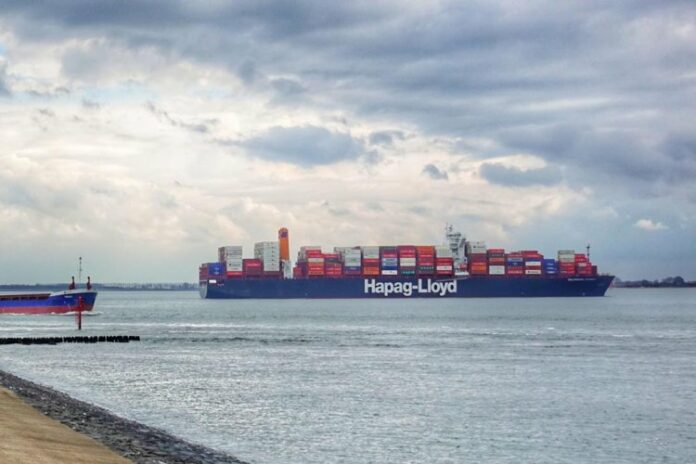
As an initial step, Hapag-Lloyd will ship 18,000 TEU of DHL’s volume using advanced biofuels, which is equivalent to a reduction of 14,000 tons of Well-to-Wake CO2-emisisons. 

The two companies share the vision of decarbonizing container shipping and logistics. With their project, they demonstrate the scalability of sustainable transport solutions and the relevance of sustainable fuels in today’s market. As pioneers, both DHL and Hapag-Lloyd are pledging for a uniform industry standard, following the insetting approach.

Dominique von Orelli, Global Head of Ocean Freight at DHL Global Forwarding, says:

“The decarbonization of heavy transport is an important challenge that the entire industry needs to rethink. That is why we are very proud to have found a partner in Hapag-Lloyd that shares the same ambitions for a climate-neutral world as anchored in the Paris Agreement. Together we want to pave the way for Book & Claim and insetting mechanisms to make it easier for shippers to use sustainable fuels.” 

Advanced biofuels are based on raw biological materials, such as used cooking oil and other waste products. This material is used to manufacture a fatty acid methyl ester (FAME), which is then mixed with varying proportions of low sulphur fuel oil. Compared to standard fuels, this pure biofuel product lowers greenhouse gas emissions by more than 80 percent.

Danny Smolders, Managing Director Global Sales at Hapag-Lloyd, says:

“Biofuel will play a significant role in the upcoming years on our path to becoming net-zero carbon by 2045. This project will bring us a step closer to offering our customers biofuel-powered transportation as a commercial product and thereby to supporting them in their efforts to reduce their carbon footprint.” 

Hapag-Lloyd has been testing advanced biofuels since 2020 and offers a carbon reduced transport solution utilizing biofuel blends instead of traditional fossil marine fuel oil (MFO). The resulting reduction in carbon dioxide equivalent (CO2e) emissions can be offered as a “Green Product” on a Twenty-Foot Equivalent Unit (TEU) basis and thereby transferred to customers in order to help reduce their Scope 3 emissions.

Shell to start building Europe’s largest renewable hydrogen plant

0

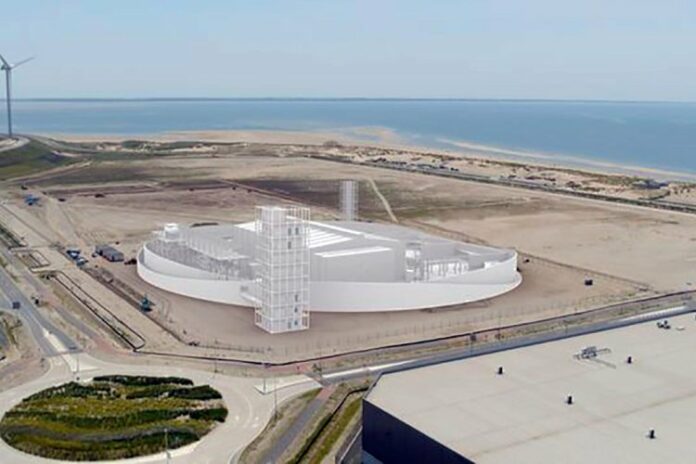
Shell Nederland B.V. and Shell Overseas Investments B.V., subsidiaries of Shell plc, have taken the final investment decision to build Holland Hydrogen I, which will be Europe’s largest renewable hydrogen plant once operational in 2025.

The 200MW electrolyser will be constructed on the Tweede Maasvlakte in the port of Rotterdam and will produce up to 60,000 kilograms of renewable hydrogen per day.

The renewable power for the electrolyser will come from the offshore wind farm Hollandse Kust (noord), which is partly owned by Shell.

The renewable hydrogen produced will supply the Shell Energy and Chemicals Park Rotterdam, by way of the HyTransPort pipeline¹, where it will replace some of the grey hydrogen usage in the refinery. This will partially decarbonise the facility’s production of energy products like petrol and diesel and jet fuel. As heavy-duty trucks are coming to market and refuelling networks grow, renewable hydrogen supply can also be directed toward these to help in decarbonising commercial road transport.

Anna Mascolo, Executive Vice President, Emerging Energy Solutions at Shell, said:

“Holland Hydrogen I demonstrates how new energy solutions can work together to meet society’s need for cleaner energy. It is also another example of Shell’s own efforts and commitment to become a net-zero emissions business by 2050. Renewable hydrogen will play a pivotal role in the energy system of the future and this project is an important step in helping hydrogen fulfil that potential.”

Damen delivers ASD Tug 2811 TSM Odet

0

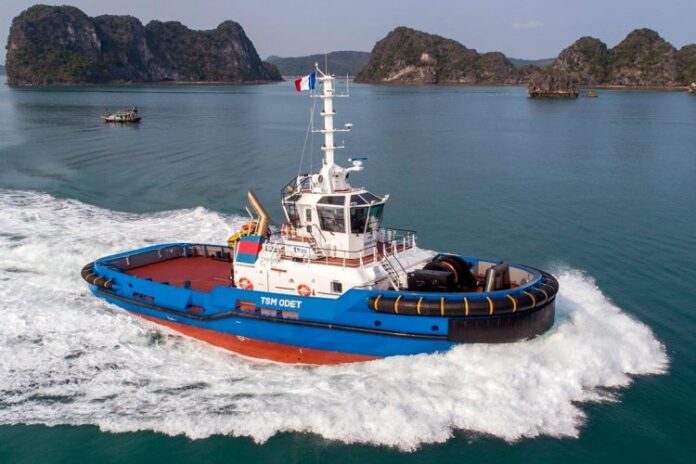
The Azimuth Stern Drive (ASD) Tug 2811 TSM Odet was delivered to Thomas Services Maritimes (TSM) at their establishment in Sète at the French Mediterranean coast on 21 June 2022. 

The Damen ASD Tug 2811 has 60 tons of bollard pull. It is a manoeuvrable tug with ergonomic deck lay-out, allowing easy access to winches, bollards and fairleads. The 360 degrees rotating thrusters – propellers in nozzles – generate high towing power and provide ease of manoeuvring. Through slipping clutches these Kongsberg thrusters seamlessly work together with the powerful Caterpillar main engines. This results in economic and fuel efficient operations.

TSM Odet was built at the Damen Song Cam yard in Vietnam and sailed on her own keel to Port of Sète, which took just over 50 days, consuming just over 3 m³ of fuel per day. The rounded hull shape of the Damen ASD Tug 2811 is based on the successful ASD 2810 model and is considered as one of the most efficient hull forms for tugs. TSM will employ the new vessel in port operations, terminal operations and sea towage. 

TSM Odet is equipped with a high capacity aft winch to allow for open sea towing operations. The vessel is furthermore equipped with a state of the art digital Alarm, Monitoring & Control System (AMCS), which integrates data from all systems on board, connected by sensors and controls. This connectivity also allows for remote monitoring, enabling owners to optimise fleet performance and efficiency. Firefighting equipment (FiFi-1) was installed, as well as a deck crane. 

The vessel is equipped with a winterisation package that increases overall energy efficiency. The HVAC system uses excess heat from the engines. Damen double glazing safety glass increases comfort when heating or air conditioning is engaged.
 
The unique Damen philosophy of standardisation of vessels allows for easy maintenance and rapid availability of equipment and components. TSM has already gained good experience with the Damen quality and service following the 2021 delivery of the two RSD 2513 tugs TSM Rouen and TSM Honfleur. 

TSM owns and operates 25 vessels and offers marine services to the offshore renewables industry, harbour and sea towage. The company was established in 1905 and has built an impressive maritime legacy. 175 staff work at TSM. It is based at the French port of Rouen, with subsidiaries in various French ports like Dieppe, Brest, Bordeaux and Sète.

MIS Marine launches Mainstay Core

0

MIS Marine has launched its new entry-level product, Mainstay Core. In addition to providing consolidated vetting data that enables faster and more efficient decision-making, Mainstay Core provides a comprehensive snapshot view of sanction data to support compliance for ship charterers, and minimise the risks for ports and terminals.                                       

Previously only available as a premium subscription platform, MIS Marine has broadened accessibility to its Mainstay product suite with a comprehensive entry-level option at a time when the maritime industry is facing more than 2,000 sanctions due to the Ukraine crisis.

Through standardised but configurable risk policies, Mainstay Core provides full access to Marine Assurance data sources, enabling effective and simple screening processes and streamlined third party communication. With an intuitive Review screen, one-click decision making and colour coded document status indicators, vetting operations are streamlined and time efficient – helping charterers, ports and terminals to make the right decision, faster.

Providing a complete data view, responsive compliance tracking and ultimately streamlining vetting operations, Mainstay Core underpins vetting processes for tankers, barges and offshore vessels and their related companies, providing berth-to-berth assurance of an entire journey, contract, or project.

Dominic McKnight Hardy, Managing Director at MIS Marine, said:

“Today, Marine Assurance is more than vetting. It’s about understanding your complete risk profile. Those risks come in many forms, from compliance and regulatory failings to indirect business with a sanctioned entity. Through its sanctioned data tracking, Mainstay Core automatically alerts you to any sanctions and compliance threats, helping you stay informed of every detail that could affect a vessel’s suitability and jeopardise your reputation.”

Mainstay Core collects and presents multiple sources of up-to-date industry data – OCIMF (SIRE, BIRE, OVID and MTIS), IHS, USCG, AIS Tracking and sanctions.

First long-term evidence of microplastic pollution from deep water layers of the open ocean

0

For the first time, scientists from the Leibniz Institute for Baltic Sea Research Warnemünde (IOW) analyzed a long-term sample series on microplastic pollution in the Northeast Atlantic from 2000 m water depth with respect to number, size, mass, material and possible origin of the particles. 

Samples were collected between 2003–2015 in the Madeira Basin by a sediment trap. Plastic type and particle amount varied widely, but accounted for up to 8% of total particle flux. The most common plastic materials were polyethylene and PVC. The results provide insights into the temporal variability of sinking microplastics and thus a first approach to understanding their fate in the ocean.

Few anthropogenic environmental pollutants—both on land and in water—are as widespread as microplastics. And although there is evidence of microplastics in almost every ecosystem—even if it is as remote as the Arctic or deep-sea sediments—major knowledge gaps exist about their origin, fate and temporal variability. This is especially the case for the oceans.

Janika Reineccius of the IOW, lead author of the recently published study on long-term observation of microplastic pollution in deep water layers of the open Northeast Atlantic, says:

“Yet microplastics are dangerous to the marine environment in many ways. Microplastics can adsorb certain toxins and transport them over long distances, both horizontally and vertically. A wide variety of organisms ingest such ‘poisoned’ particles, which, on top of that, can significantly limit the intake of nutritious food.” 

Co-author Joanna Waniek adds:

“Moreover, not all microplastics are the same. To reach a better understanding of how fast and how much microplastic sinks through the water column into the ocean depths, we need to study not only particle size, but also what material the particles are made of. There is an enormous range of chemical and physical properties that influence both, sinking behavior and particle life time. This, in turn, decisively influences the residence time in the water column and thus the availability to the affected fauna.”

For more than 20 years, she has been in charge of the Azores Observatory Kiel 276, which is anchored in the middle of the Northeast Atlantic about halfway between the Azores and Madeira Island. In addition to numerous instruments, which measure a wide range of chemical and physical oceanographic parameters, also sediment traps are attached to the 5.2 km long mooring line to collect sinking particles at different depths.
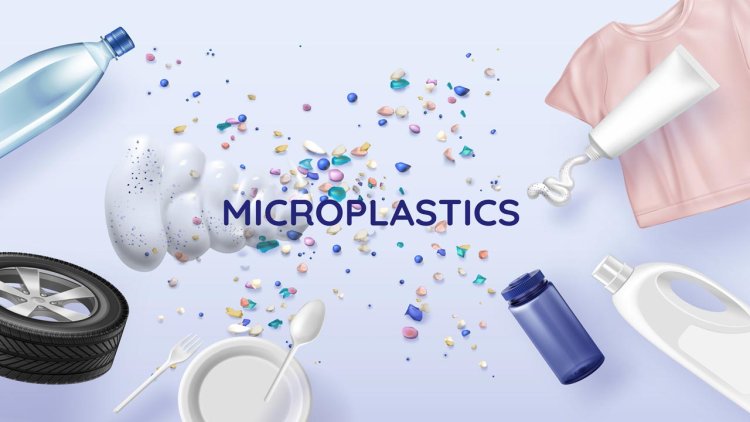
In the present study, the two IOW researchers for the first time analyzed a time series of sediment trap material from 2000 m water depth, which was collected by Kiel 276 between 2003 and 2015. Microplastics were detected in every one of the 110 samples examined. Amount, plastic type and vertical transport rates varied considerably: between 1 and about 3000 plastic particles sink into the Atlantic deep sea per day and m², which corresponds to a mass of 0.0001 to almost 2 mg per day and m².

Janika Reineccius says:

“Extrapolated to the entire Atlantic, this equates to an input of about 5.4 million tons per year. The maximum amount of microplastics can account for up to 8% of the total sinking material.” 

The two scientists found mainly very small particles, predominantly smaller than 0.1 mm. Using Raman spectroscopy, they detected the following types of plastic: polyethylene, polyvinyl chloride (PVC), polypropylene, polystyrene, polyethylene terephthalate (PET), Plexiglas, polyamide, Teflon and copolymers of polyethylene and polypropylene. Between sampling years, the composition of polymers changed considerably, but polyethylene always dominated (a good 70% of the amount from all samples) and PVC (about 20% of the total amount) was the second most common; all other polymers occurred only in extremely small amounts.

The amount of polyethylene particles clearly correlated with the increased occurrence of tiny lithogenic particles. Due to their content of special rare earths, the researchers assume that the particles—rock dust and plastic—were transported via the atmosphere from northeast Africa and the surrounding regions. No corresponding correlation could be established for PVC, the second most common polymer. Instead, a seasonal dependency with high inputs in winter and significantly lower quantities in summer was found. This might be due to seasonal factors such as the stratification of the water column, winds, currents or precipitation, the authors say.

Janika Reineccius and Joanna Waniek say:

“To identify more patterns and understand processes more clearly, the long-term sampling definitely needs to be continued. And actually, we also need more long term sampling stations. Our analysis is the first study worldwide to show a time series of marine microplastic pollution and thus is a very important first step to understand the origin and transport pathways of different microplastics into the depths of the open ocean.”

TECO 2030 has received funding for developing the high-speed vessel of the future

0

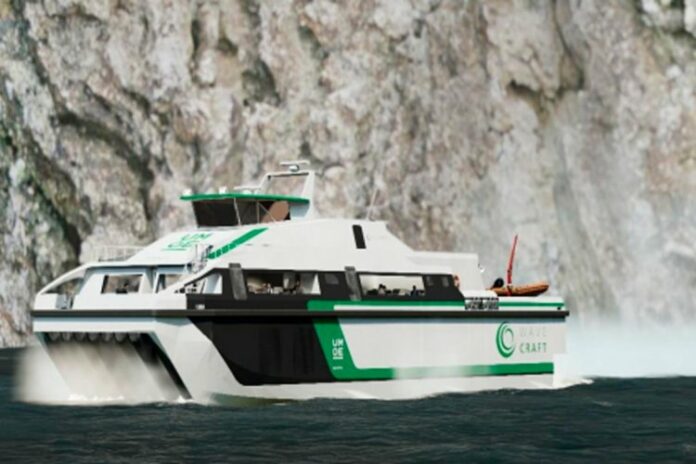
TECO 2030 ASA leads a consortium with partners Umoe Mandal and BLOM Maritime to develop a hydrogen powered high-speed vessel with zero emissions. The consortium will receive up to 5 million NOK in funding support. 

The vessel will combine the class-leading fuel cell systems from TECO 2030 and energy-efficient catamaran design with SES technology from Umoe Mandal. The vessel will have the capacity to transport 200-300 passengers at speeds above 35 knots while sailing over long distances.

In the project “High-speed vessel of the future”, the county municipalities of Finnmark, Nordland, Trøndelag and Vestland aims to develop groundbreaking technology in several areas. One of the technology segments is to develop, build and demonstrate the world’s first hydrogen-powered high-speed vessel. The consortium of TECO 2030, BLOM Maritime and Umoe Mandal is one of three qualified consortiums.

Tore Enger, Group CEO, TECO 2030, says:

“We are humble and proud to be qualified for developing the high-speed vessel of the future, powered by hydrogen and TECO 2030 Fuel Cells. This proves our ability to lead advanced vessel developments and design either it is retrofit or newbuilds through our maritime expertise.” 

Tom Harald Svennevig, CEO, Umoe Mandal, says:

“Umoe Mandal has over 30 years of experience in delivering  light-weight and energy-efficient vessels, based on the SES (Surface Effect Ship) Technology. This includes the world’s fastest combat ship, the Skjold class corvette, and the Wavecraft CTV series for the offshore wind market. We are excited for this opportunity to develop and approve a hydrogen-powered zero-emission version of our vessels.” 

The contract contains two phases, where the consortia in 2022 and 2023 will first develop and get their solutions approved. In the next phase, one supplier will be chosen to build and demonstrate the newly developed vessel. The vessel will be in pilot operation from 2025.

The county mayor in Nordland, Tomas Norvoll, says:

“By introducing hydrogen as an energy carrier for high-speed vessels, we can create the uncompromising high-speed vessel that can replace all current high-speed vessels in Norway.” 

Neptune Energy joins global initiative to cut methane emissions

0

Developed by the Oil and Gas Climate Initiative (OGCI), the initiative aims for methane emissions to be “treated as seriously as the oil and gas industry already treats safety: aiming for zero and striving to do what it takes to get there”.

Signatories to the initiative aim to reach near zero methane emissions from their operated assets by the end of this decade, avoid methane venting and flaring, and report methane emissions annually and transparently. They are encouraged to introduce new technologies for methane monitoring, measurement and mitigation, and to support implementation of regulations to tackle methane emissions.

Neptune Energy’s CEO, Pete Jones, said:

“We already have one of the lowest methane intensities in the industry at 0.02% and are on track to achieve our own target of zero methane emissions by 2030, so fully support this initiative.

“To achieve our targets, we are deploying a full range of initiatives that include using best available technologies to eliminate routine flaring, upgrading equipment and improving energy efficiency.”

OGCI Chairman, Bob Dudley, added:

“We are proud to welcome Neptune Energy to the Aiming for Zero Methane Emissions Initiative. Recognising that eliminating methane emissions from the oil and gas industry represents one of the best short-term ways of addressing climate change, I encourage others to join this ambitious effort to eliminate the oil and gas industry’s methane footprint by 2030.”

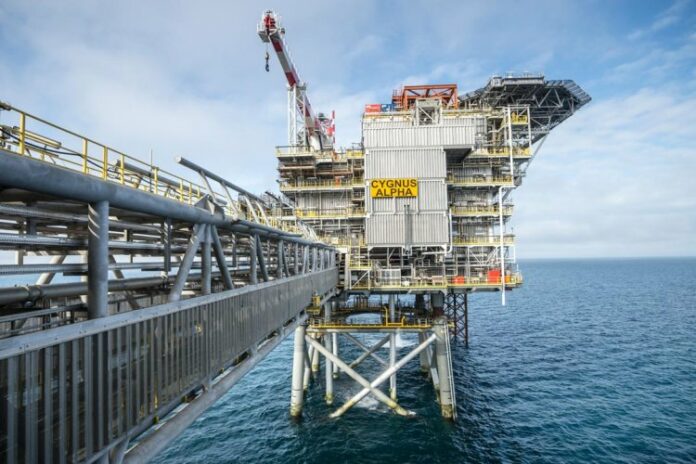
The focus on introducing new technologies to monitor and mitigate methane emission builds on Neptune’s work with the Environmental Defense Fund to deploy advanced drone technologies to measure methane emissions at Neptune’s operated Cygnus platform in the UK North Sea. It also complements the company’s support of the Oil and Gas Methane Partnership and the World Bank’s Zero Routine Flaring by 2030 initiative.

Neptune joins existing signatories to the initiative including bp, Eni, Equinor, ExxonMobil, Repsol, Shell and TotalEnergies. The initiative is also open to companies and institutions who support its aims including Worley, IPIECA and Wood Mackenzie.

SEASTAR brings digitisation underwater for sustainable aquaculture

0

Aquaculture is one of the most prominent food industry sectors in Europe and contributes vitally to food security.

Yet there are still many obstacles to the expansion of the aquaculture sector. The EU-financed SEASTAR (SurvEillance of Aquaculture farmS with neTworks of underwAter sensoRs) project is precisely one of those ideas with the potential to change the way that the aquaculture sector works.

SEASTAR addresses the lack of full digitalisation in the sector, which forces the aquaculture operators to perform daily tasks and monitoring activities manually or with costly in-situ interventions. 

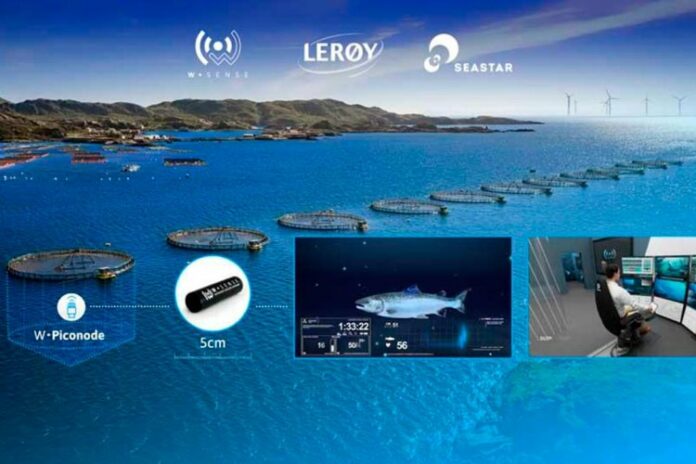
SEASTAR performs the same tasks by exploiting innovative Internet of Underwater Things Technologies and integrating them with miniaturised wearable sensors to be placed on fish. The resulting system provides an innovative underwater wireless monitoring infrastructure that, for the first time, will allow fish farmers to monitor the health of fish remotely, in real time, and to gather relevant (water quality and cage structural integrity) data for accurate risk assessment, forecasting and management.

The architecture of the system built by SEASTAR is based on 4 pillars: W-Node, W-Gateway, W-Cloud and W-Pico.

W-Node is the underwater sensor node, connected to sensors and actuators: it receives the data, compresses it and transmits it through our underwater wireless mesh networks to a gateway. The W-Node is designed to easily integrate a wide array of sensors measuring, for instance, water quality, noise, and structural integrity.

The W-Gateway is the device which translates the underwater signals into information and sends them to a remote control center or the W-Cloud software platform. The W-Gateway is also an edge computer, supports signal processing and machine learning algorithms and is a component which can implement the aquaculture digital twin.

The W-Cloud software platform allows to store, analyse and visualise in real time data. The platform also allows sending commands through the W-Gateway to a node or set of nodes.

W-Pico, whose market ready. fully industrialised version is scheduled for Q3 2023 is the smallest existing modem (1cm by 5cm), with an integrated sensing board for real-time fish welfare and fish activity monitoring (fish position and depth, fish activity).

Control over large areas is ensured by the wireless mesh communication that ensures exchange of information at great distances, while precision control of assets takes place through an underwater GPS solution. All the components have been designed to be super low power and to last for years. 

Project leader Claudia Petrioli remarks:

“In SEASTAR we have developed an innovative underwater wireless monitoring infrastructure that, for the first time, allows fish farmers to monitor the health of fish remotely, in real time, and to gather relevant (water quality and cage structural integrity) data for accurate risk assessment, forecasting and management. Our objective has been that of making aquaculture more competitive, as a key sector to provide food to a growing human kind, and at the same time sustainable.”

The SEASTAR system is now mature, having been piloted for over six months in Italy and Norway, including the assessment by third party scientists. In addition the project has contributed to the definition of the AquaCloud 2.0 standard and to its full implementation, enabling integration of sensor data from different farms and sensors manufacturers into the monitoring system.

Vattenfall sets its sights on hydrogen production in the North Sea

0

In the pursuit of developing offshore hydrogen production capacity, Vattenfall has unveiled details of its bid to establish a hydrogen cluster at part of the Hollandse Kust West (HKW) wind farm, off the coast of the Netherlands.

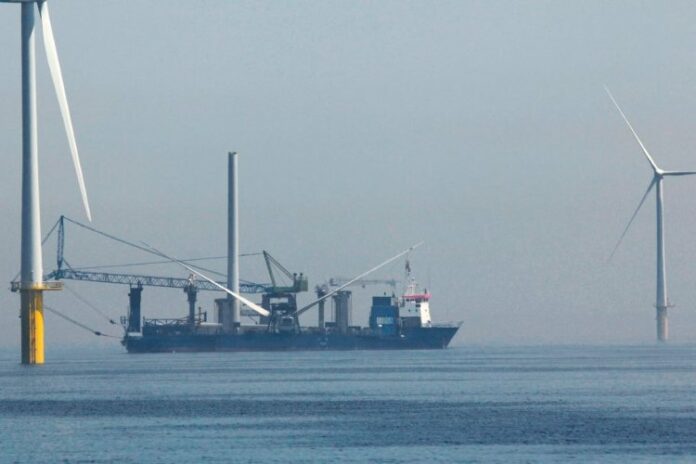
Its plan would see three wind turbines in lot VII of the HKW site equipped with electrolysers, with a combined capacity of 45MW, which would then be transferred to the Port of Rotterdam via pipeline.

The company has said that it plans to deploy electrolyser modules, transformers, and batteries in a container unit on to platforms at the HKW wind farm.

Its bid to occupy the proposed section of the site is set to be review by the Dutch Government with the company hoping to get the go ahead by the autumn of 2022.

H2 View understands that Vattenfall intends to leverage on experience it is set to gain from its Hydrogen Turbine 1 (HT1) project. The pilot project planned at the company’s offshore wind farm in Aberdeen Bay, Scotland, plans to produce hydrogen offshore.

The UK Government awarded the Swedish company £9.3m ($11.6m) for the project which anticipates establishing 8MW of output.

Catrin Jung, Head of Offshore Wind at Vattenfall, said:

“Hydrogen production at the source offers clear advantages, not only in financial terms, but because it is practical.

“Hydrogen is set to play an important role in the future. The experience we gain in Scotland through offshore production can be applied on a larger scale at Hollandse Kust West. This makes the wind farm an important next step towards hydrogen production on a commercial scale.”

Elkem commissions two climate-friendly ships from NCL and MPCC

0

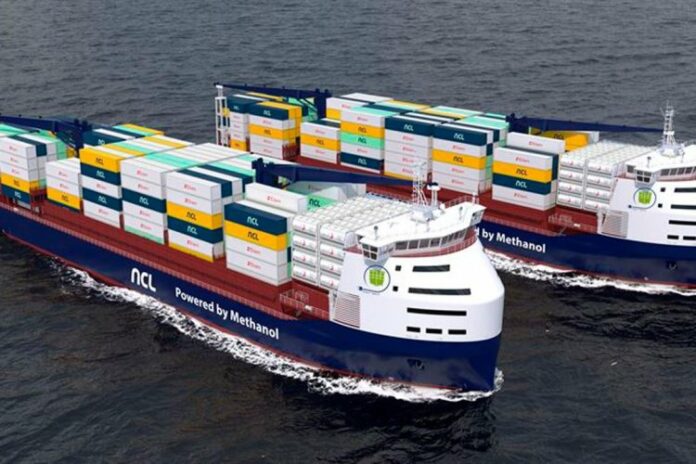
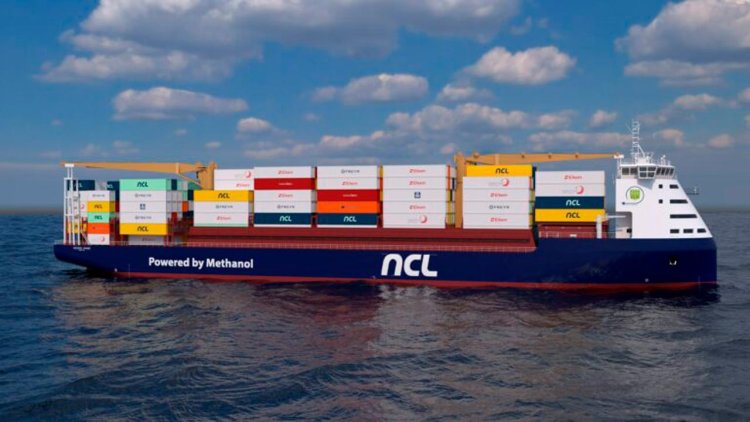
Elkem has entered into an agreement with NCL (North Sea Container Line AS) who will charter in two new container ships enabling carbon neutral operations from MPC Container Ships to further improve Elkem’s North Sea logistics. 

Enabling the use of green methanol as fuel, featuring high safety standards and backed by a strong business case, the new ships will enable higher operational efficiency and more climate-friendly transport in line with Elkem’s strategy. The agreement will also enable NCL to become the first container vessel operator in Norway to put methanol-powered ships into operations.

The two new-build ships will replace three of NCL’s current diesel-powered vessels, which will be phased out from operations. The ships, each at a capacity of 1300 TEU (twenty-foot equivalent units), will be owned by the Oslo Børs listed MPC Container Ships ASA (MPCC) in partnership with Topeka MPC Maritime AS. Both vessels are expected to be in operation from the second half of 2024. The new ships are also highly automated, enabling higher efficiency, and feature several new safety measures to eliminate the risks of injury during operations.

Elkem’s CEO, Helge Aasen, says:

“Elkem’s mission is to provide advanced material solutions shaping a better and more sustainable future. Our operations require a significant amount of transport across the value chain, including sea transport as the most climate-friendly mode of transport for bulk goods. These state-of-the-art vessels will further increase our efficiency through increased capacity and can potentially cut net CO2-emissions from 45 % up to 100% through the use of green methanol. This contract with NCL and the innovative newbuilding project with MPC Container Ships ASA is a great example of how operational excellence and sustainability can go hand in hand.” 

Green methanol is a fuel derived from renewable electricity and captured CO2. Compared to conventional fuels, it enables reductions of carbon dioxide emissions to around zero, reduces nitrogen oxide emissions by up to 80%, and eliminates sulphur oxide and particulate matter emissions.

Elkem is one of NCL’s owners, with a 40% share. As part of its climate project portfolio, Elkem is also exploring the potential for capturing CO2 from Elkem’s Norwegian plants and turning the CO2 into methanol for downstream use.

NCL’s managing director, Bente Hetland, says:

“We in NCL are continuously working to make sea freight safer, more efficient and more environmentally friendly. This is in line with our initiative Sea Change, where we aim to take the lead in making the whole industry greener, quicker. The ships, and the partnership with MPCC, will boost a significant amount of innovation and energy saving measures and are fully prepared for the green transition. A key point for us is making it cost-effective for customers, so that we make green freight the preferred choice. This agreement with Elkem is a great example.”