0.9 C
New York
Home Blog Page 425

Perro Negro 11 new Jack-Up becomes part of Saipem fleet

0

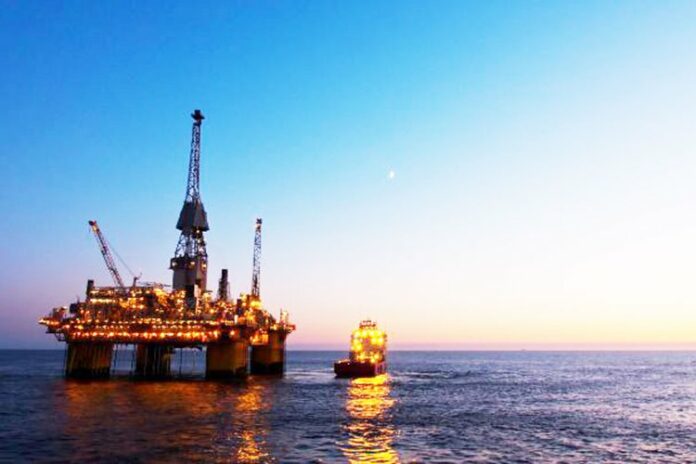
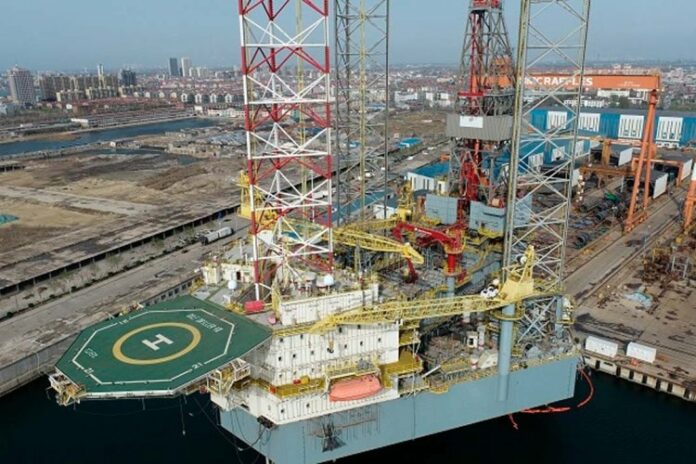
The new Jack-up Perro Negro 11 has just been officially christened and it becomes part of the Saipem off-shore drilling fleet.

The ceremony has been held on July the 8th, 2022 in CIMC shipyard in Longkou (China) with the participation of CIMC Raffles, Ocean Challenger and Saipem.

In line with Saipem “asset light” strategy, the above jack-up (chartered on a “bareboat” basis) is already committed to a five years contract (with option for two additional years) in the Middle East.

In addition, during this event, a “Memorandum of Understanding” has been signed by CIMC Raffles and Saipem looking for future business opportunities in the segments of “Off-shore drilling”, “Off-shore construction” and “New Energies”.

CRP Subsea awarded major deepwater contract to provide two buoyancy solutions

0

CRP Subsea’s unique Rotating Buoyancy Modules will be used to mitigate flowline buckling combined with their innovative Integral Buoyancy Modules, helping to generate a system riser configuration.

Steve Bray, Commercial Team Manager at CRP Subsea states:

“This award continues to strengthen our collaboration with a market-leading installation contractor and build on our unrivalled track-record for both buoyancy solutions. We are extremely proud to have been chosen to supply two of our innovative solutions for this project and look forward to collaborating further in the future”.

Engineering works are due to commence at CRP Subsea’s World Class buoyancy production facility in the North West of England later this year, with completion and deployment in mid-2023.

Rotating Buoyancy Modules are used to mitigate buckling in seabed pipelines, they roll on the seabed reducing lateral friction and berm creation, allowing repeatable and predictable pipeline behaviour. Integral Buoyancy Modules clamp directly to subsea pipelines providing buoyancy at specific locations, they combine the functions of the traditional clamp and buoyancy elements into one unit, so there is no need for a separate internal clamp assembly.

Gascade and Fluxys join forces in two projects for shaping the hydrogen economy

0

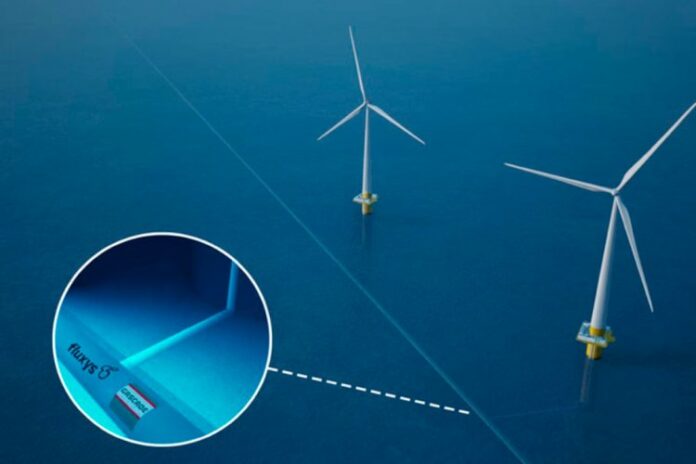
GASCADE and Fluxys join forces in two key projects for shaping the hydrogen economy in Germany: doing hydrogen and AquaDuctus. These infrastructure projects are to connect hydrogen demand centres with onshore and offshore hydrogen production, making a major contribution to Germany’s decarbonisation efforts.

doing hydrogen is the large-scale pipeline project to kick-start the hydrogen market in eastern Germany, planned to be operational by 2027. The GASCADE-Fluxys project involves a strategic 50-kilometre new-built hydrogen pipeline from the area of Rostock on the Baltic Sea going southwards as part of the eastern German hydrogen grid. This infrastructure will create a powerful hydrogen hub connecting hydrogen production, storage and demand centers.

AquaDuctus is a large-scale phased offshore pipeline project for efficiently carrying hydrogen produced from wind farms in the North Sea onto the German onshore hydrogen grid. The first phase of AquaDuctus, connecting the first offshore electrolysers with the island of Heligoland, is planned to be operational end of 2026. In its subsequent stages the Aqua Ductus offshore pipeline system is to develop into a main hydrogen corridor moving up to one million tons of hydrogen into Germany by 2035.

Both GASCADE-Fluxys hydrogen pipeline projects are key building-blocks for achieving the decarbonisation targets in the EU Green Deal and the recent RePower EU package. They have therefore been shortlisted by the Federal Ministry for Economics and Climate Action as Important Projects of Common European Interest (IPCEI).

GASCADE Managing Director Christoph von dem Bussche emphasises:

“In realising these projects, we are contributing to the decarbonisation efforts of Germany and the EU. We are actively shaping the future hydrogen market by providing the necessary infrastructure for a timely ramp up of the hydrogen economy in Germany.”

Fluxys Managing Director and CEO Pascal De Buck says:

“At the heart of Fluxys’ strategy is our commitment to provide the infrastructure required to help achieve the net zero target. Both GASCADE-Fluxys hydrogen pipeline projects are important pieces of the puzzle that needs to get laid out for the green transition. They perfectly fit with the vision of a European hydrogen backbone as key infrastructure to successfully and efficiently make the decarbonisation journey.“

NYK enters collaboration to reduce GHG emissions from existing ships

0

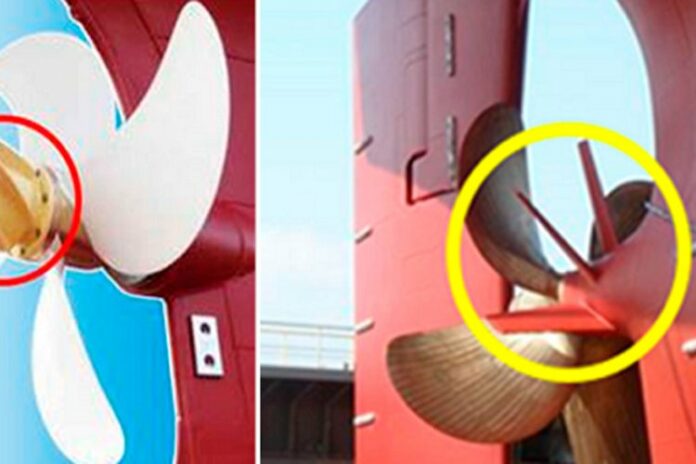
On July 7, NYK signed a business alliance agreement with Nakashima Propeller and Fluid Techno to verify the effects of energy-saving devices that enhance vessel fuel efficiency by improving water flow generated at the aft-end of ships, select optimal combinations of those energy-saving devices, and install them on existing ships. 

In accordance with this business alliance agreement, NYK aims to reduce greenhouse gas (GHG) emissions from existing vessels by installing energy-saving devices on about 50 dry bulk carriers over the next three years.

Ships can generally operate with less energy as wave resistance and water-flow turbulence decrease, so various energy-saving devices have been developed in marine and shipbuilding industries. Although the effects of individual energy-saving devices have been verified by the marine equipment manufacturer that developed each device, an optimal combination of multiple energy-saving devices and verification of their synergistic effects have not been thoroughly researched.

To address this issue, NYK will collaborate with Nakashima Propeller, a marine equipment manufacturer that develops and sells ship propellers as well as energy-saving devices, and Fluid Techno, a ship design company with fluid analysis technology.

This business alliance can be said to be a pioneering attempt in the maritime industry, in which three companies will jointly work on the best mix of multiple energy-saving devices by utilizing the knowledge and strengths of each company. Through this initiative, improvement of fuel efficiency by one to eight percent and reduction of vessel GHG emissions are expected.

Nuyina maintenance shifts plans for Antarctic season

0

RSV Nuyina is currently in Singapore for scheduled maintenance. The ship arrived in Singapore in April and was due back in Hobart in October.

The Australian Antarctic Division (AAD) and the ship’s operator Serco have been resolving issues and making repairs as part of the normal commissioning process during the warranty period.

AAD Director Kim Ellis said the works included improvements to the hydraulic control system within the propulsion system clutches.

Mr Ellis said:

“While work has been progressing well on the clutches, an unexpected issue was discovered in the large couplings that connect the propulsion shafts with the clutches.

“Following initial investigations and testing, the manufacturer has determined that shaft couplings need to be replaced.”

“Delivery timeframes for replacement couplings are lengthy, driven to a large extent by material shortages and supply chain issues.”

The resulting delay of several months means RSV Nuyina is unlikely to be available for resupply and science operations in the coming 2022-23 Antarctic season.

The commissioning and trials phase of RSV Nuyina will continue for at least the first two years of its service, during which time the ship is under warranty with shipbuilder, Damen.

Nuyina successfully undertook its first two Antarctic voyages earlier this year, resupplying stations and testing science systems.

Mr Ellis said two additional vessels, icebreaker Aiviq and an ice-strengthened cargo ship Happy Dynamic, have been secured for the upcoming season to transport critical cargo and bring expeditioners home.

Mr Ellis said:

“Change-over dates for the 90 expeditioners currently living and working at Australia’s four research stations in Antarctica and on Macquarie Island will remain much the same.

“Aiviq was chartered to refuel and resupply our stations last season and remains in Hobart for the season ahead.”

“Planning for disruption and the unexpected is an important part of the Australian Antarctic Program, and we had always planned this contingency during the commissioning and warranty phase for Nuyina.”

Chief Scientist Professor Nicole Webster said the AAD was examining the changes and implications for science projects:

“Science remains at the heart of the Australian Antarctic Program and we will work closely with research teams on options to support their summer science projects.”

Exploring the deep sea as a new source of rare earth elements

0

As concerns about the environmental impact of REE extraction and supply chain vulnerabilities grow (China dominates the REE market, accounting for 57.5% of production in 2020), researchers are looking to new sources of REEs.

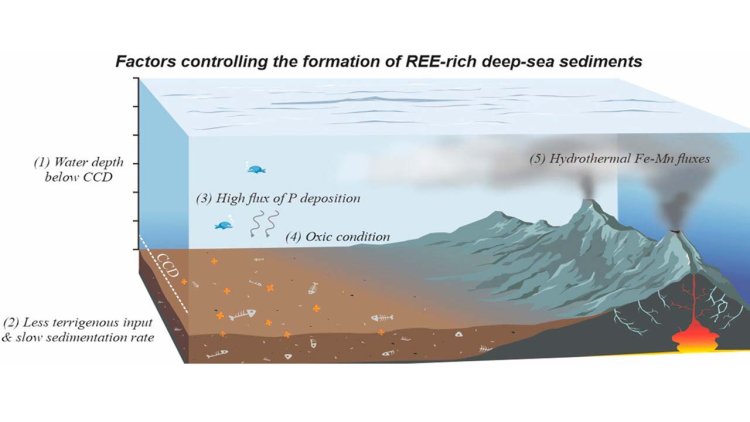
Pelagic, or deep-sea, sediments are now being explored as a significant potential source of REEs for future exploitation. In a recent paper published in the open access journal Chemical Geology, a team of Chinese and German researchers extracted, analyzed and quantified REEs found in the pelagic sediments of the Tiki Basin in the Southeast Pacific and the Central Indian Ocean Basin.

The researchers used micro-scale methods to analyze the geochemical and mineralogical characteristics of REEs bound to two pelagic carriers: Ca-phosphate, predominantly in the form of bioapatite fossils, and Fe-Mn (oxyhydr) oxides, as micronodule.

Their methods included scanning electron microscope, X-ray diffraction, electron probe micro-analyzer, and laser ablation-inductively coupled plasma mass spectrometry.

The results showed that Ca-phosphate has a dominant role in hosting REEs in the deep-sea environments studied, accounting for ~69.3–89.4% of the total. “The percentages of REE controlled by Fe-Mn (oxyhydr) oxides, mainly as micronodule, are moderate (~8.2% to 22.0%), except Ce (~70.0–80.5%),” observed the researchers.

The study also revealed differences in the quantities of REE found in samples taken from the Tiki Basin and the Central Indian Ocean Basin. This, say the team, indicates that multiple factors—including the productivity of overlying seawater, water depth relative to carbonate compensation depth, and hydrothermal vent input—may be influencing REE enrichment in pelagic sediments.

Credit: Chemical Geology

Saipem achieves important offshore wind milestones in France, Taiwan

0

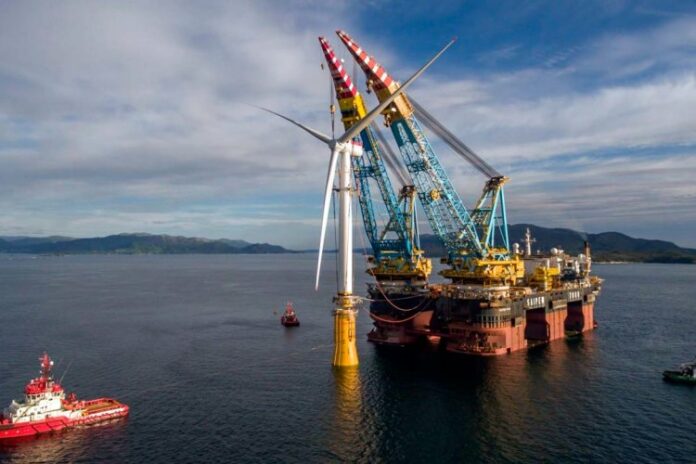
Saipem has successfully completed the transport and installation of the jacket and topside of the electrical substation for the offshore wind farm in Saint-Brieuc, Brittany, France, developed by Ailes Marines, part of the Iberdrola group.

The work was carried out in two phases by the Saipem 7000, one of the largest semi-submersible crane ships in the world, which is currently allowed to operate with a lifting capacity in line with Saint-Brieuc project technical requirements. Saipem installed the 1630 tons jacket and the 3400 tons topside of the electrical substation.

The electrical High Voltage Alternative Current substation will collect the electricity produced by the 62 wind turbines @ 66 kV and raise it to 225 kV prior to export by RTE, France’s Electricity Transmission Network, via two export cables. The offshore electrical substation is expected be connected to the mainland by the first half of 2023. This is the first electrical substation to be installed in Brittany and the second in an offshore wind farm in France.

For the Formosa 2 offshore wind farm in Taiwan, Saipem has successfully completed the scope of work for the client Jan de Nul, EPCI contractor for the aforementioned contract, which involved the fabrication of 32 jacket for an equivalent number of wind turbine generators. The wind farm is being developed by a partnership between Macquarie’s Green Investment Group, Swancor Renewable Energy and JERA, offshore Miaoli County on the West coast of Taiwan. 

The fabrication of Jackets for the Formosa 2 project marks a first for Saipem: the total fabrication, weighing in at around 50,000 tons, was executed at Saipem’s Karimun Yard in Indonesia, which had been upgraded for the purpose of windfarm developments. The last of the jackets has been loaded out and handed over for transportation and installation in Taiwan by Jan de Nul.

With these further milestones achieved thanks to the company’s commitment and teamwork, Saipem has contributed to the accomplishment of significant steps in these Offshore Wind projects, confirming its positioning in the energy transition.


Tidal energy projects awarder CfDs for first time

0

The fourth round of the UK government’s flagship renewable energy auction scheme has secured almost 11 GW of clean energy – enough to power around 12 million homes – with tidal power and floating offshore wind winning contracts for first time.

The Contracts for Difference (CfD) scheme is the government’s main mechanism for supporting low-carbon electricity generation helping to boost British energy security and independence with cleaner, more affordable and diverse energy created in the UK.

CfDs give certainty to project developers to invest in new renewable energy infrastructure by protecting them from volatile wholesale prices.

The fourth CfD round has delivered energy from a greater number of renewable technologies than ever before, helping to ensure a more secure, more resilient energy system. Developing technologies – tidal stream and floating offshore wind projects – were successful for the first time: tidal stream returned a capacity of 41 MW and floating offshore wind returned 32 MW.

The greatest capacity – almost 7 GW – has been secured from new offshore wind projects around the coastline of the UK, a significant step towards meeting the government’s 50 GW by 2030 offshore wind ambition.

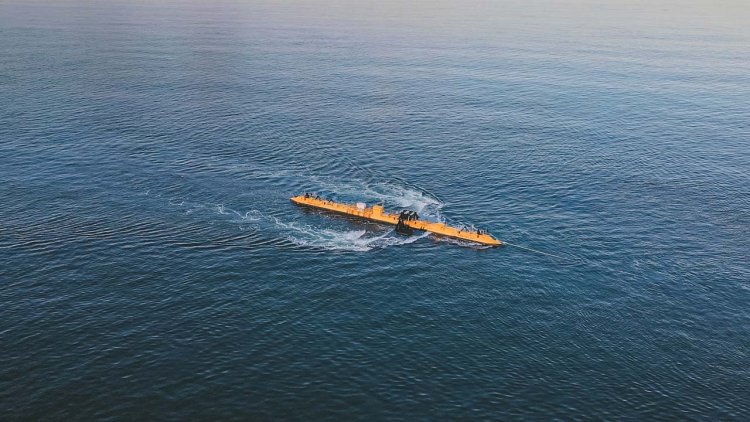
Photo: Orbital Marine

41 MW of tidal energy projects in were granted contracts at a tidal stream strike price of £178.54/MWh:

  • Orbital Marine was awarded two CfDs totalling 7.2 MW tidal energy deployments at EMEC’s Fall of Warness site;
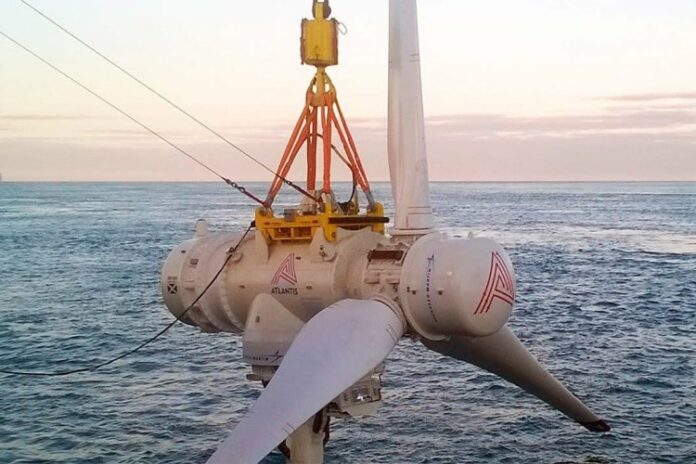
  • Simec Atlantis secured 28 MW to further develop the MeyGen site in Caithness; and
  • Magallanes were awarded 5.6 MW for a tidal energy project at Morlais in Wales.

Sue Barr, Chair of the UK Marine Energy Council added:

“Tidal stream is forecast to be cheaper than new nuclear at the point of 1 GW of deployment, supports the UK creating sustainable jobs and supply chains in coastal communities and beyond, whilst boosting energy security through an entirely predictable baseload-style renewable energy resource.”

Claire Mack, Chief Executive of Scottish Renewables, told how the prices achieved today showed how competitive renewable energy can be with the right government support but warned of the reality of building projects such low prices:

“Make no mistake, today’s auction results are a turning point for tidal power, showing as they do that it has a place in the UK’s energy mix. But while the prices achieved in this most recent auction are an incredible milestone, it must be remembered that tidal energy is still in a developmental phase and most developers will be unable to bid so low in future.

“We would therefore urge the UK Government to confirm that its plans for future auction rounds include a dedicated, ring-fenced budget for tidal stream projects and also to commit to reforming the Contracts for Difference mechanism to allow UK supply chain companies to be more competitive.”

KVH introduces KVH ONE hybrid network and TracNet terminals

0

The TracNet H30, H60, and H90 terminals feature satellite, cellular, and Wi-Fi technology under one dome, with intelligent, automatic switching based on availability, cost, and quality of data connection to continually deliver the best performance.

The KVH ONE network includes 276 million sq. km (106+ million sq. miles) of satellite coverage using KVH’s global, layered HTS network, powered by Intelsat. The network offers VSAT speeds as fast as 20/3 Mbps (down/up). Subscribers also enjoy integrated support for 5G/LTE cellular service in 150+ countries as well as the flexibility to add user-supplied SIM cards for local service. Plus, TracNet terminals can connect to shore-based Wi-Fi networks using the integrated Wi-Fi bridge for additional speed and cost-saving benefits.

Brent Bruun, KVH’s President and CEO, says:

“Together, KVH ONE and the groundbreaking TracNet H-series terminals are the first to offer a fully integrated hybrid maritime solution of this type. We believe that they will deliver the best possible connectivity performance for nearly all types of vessels, even in rough seas or at high speeds.”

The TracNet product line features three terminals: the ultra-compact 37 cm TracNet H30, the compact 60 cm TracNet H60, and the 1-meter TracNet H90. All TracNet terminals feature tuned reflectors, multi-axis stabilization, stabilized skew, digital IMUs, and a commercial-grade rotary joint with continuous azimuth for outstanding reception, improved signal efficiency, and high-performance tracking for fast boats and rough seas. The single-cable design and AC and DC power options make installation easy.

All TracNet terminals will initially ship with the 1U high, rack-mountable, AC-powered KVH TracNet Hub+. The Hub+ features a versatile touchscreen GUI, AC power, a built-in Wi-Fi router and ethernet ports, two VoIP lines, user-supplied SIM access, and storage for KVH Link content. The compact, wall-mountable, DC-powered TracNet Hub is expected to be commercially available for the TracNet H30 and H60 terminals later in 2022.

KVH ONE and the TracNet terminals support an array of value-added services, including KVH Elite™, an unlimited streaming service for yachts, and KVH Link, KVH’s exclusive commercial maritime crew wellbeing and operational content service (expected to be available to commercial vessels and fleets later in 2022).

Mark Woodhead, KVH’s Executive Vice President of Mobile Connectivity, says:

“KVH has simplified installation and reduced costs for customers by consolidating three communication devices into one dome while designing terminals as much as 51% lighter than leading competing terminals. Users will benefit from the convenience of a single invoice and can take advantage of the hybrid design to maximize speeds and minimize costs at the dock, underway, and offshore.”

RWE starts soil investigations for Denmark’s largest offshore wind farm

0

RWE has started soil investigations off the Danish west coast. Up to three research vessels will acquire geotechnical data from the seabed approximately 22 kilometres from the port of Thorsminde. 

The collected data is important for the fabrication and installation of the main components of RWE’s Thor offshore wind farm.

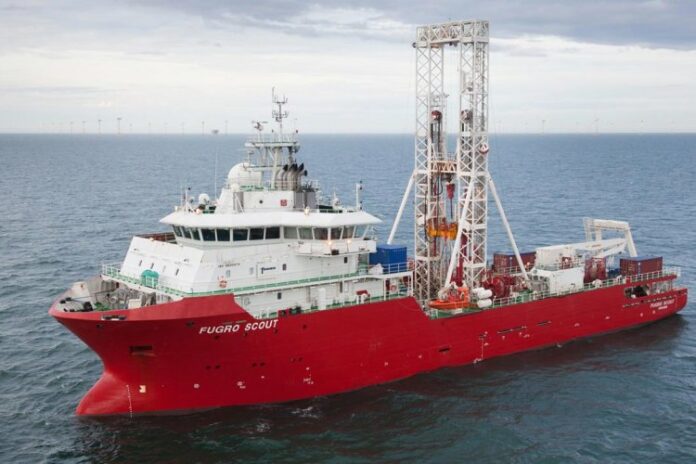
The geological research vessel Fugro Scout has already started geotechnical drilling and testing at the wind turbine locations. The various information obtained will verify existing data and provide additional geotechnical parameters to assist with the detailed design and optimisation of the foundations for the offshore substation and wind turbines. 

Two additional specialised vessels from Fugro will support the survey from mid-July onwards: The Normand Mermaid will be equipped to obtain key parameters to better understand the soil behaviour under turbines loading area. The vessel Energy Scout will acquire key data to enable the design, installation and protection of the inter array cables and the main export cable that connects the offshore substation with the onshore grid. Thermal conductivity tests will be carried out to determine the thermal properties of the soil in and around this area of development. 

With a planned capacity of 1,000 megawatts (MW) Thor will be Denmark’s largest offshore wind farm to date. Once fully operational, which is plannedto be no later than 2027, Thor would be capable of producing enough green electricity to supply the equivalent of more than one million Danish households.

RWE is a leading global player in renewables and number 2 worldwide in offshore wind. The Thor project will help to support the company’s goal to grow its global offshore wind capacity from currently 3 to 8 gigawatts by 2030. RWE is already involved in the Danish Rødsand 2 offshore wind farm, which is located south of the Danish island Lolland, approximately 10 kilometres southeast of Rødbyhavn. The wind farm has an installed capacity of 207 MW (RWE share: 20%) and has been in operation since 2010.