0.9 C
New York
Home Blog Page 424

MOL Drybulk and Drax launch green shipping initiative

0

Leading renewable energy company Drax Group and Japanese shipping company MOL Drybulk Ltd. are working together to reduce the emissions and fuel costs associated with shipping biomass by deploying wind power technology on its vessels.

The companies plan to facilitate the development of wind-powered vessels to transport bulk cargoes of Drax’s wood pellets to its customers in Japan, where the biomass is used to generate reliable, renewable energy, which displaces fossil fuels.

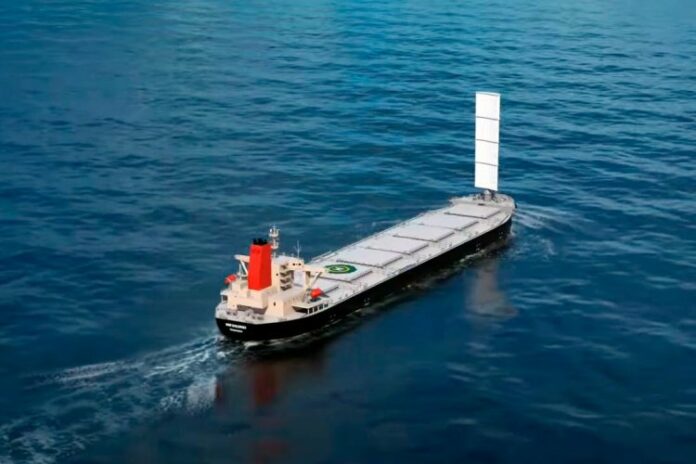
The newly built vessels will be fitted with MOL’s Wind Challenger hard sail technology, with the first ship expected to be on the water as soon as 2025.

The initiative is part of Drax’s plans to further reduce supply chain emissions in line with its world-leading ambition to be a carbon negative company by 2030, by using bioenergy with carbon capture and storage (BECCS).

Drax Group Chief Executive Will Gardiner said: 

“MOL Drybulk’s hard sail technology has the potential to transform the maritime industry, cutting emissions and fuel costs and supporting global efforts to address the climate crisis.”

“This partnership to advance this crucial new technology will support Drax’s commitment to reduce its own supply chain emissions and could also deliver far-reaching benefits across a number of different sectors that rely on ships to carry goods to customers around the world.”

Under the Memorandum of Understanding (MoU), the two companies will study the feasibility of deploying a first and second generation Environmentally Friendly Bulk Carrier (EFBC) to carry Drax’s biomass.

The first EFBC will use MOL’s automated telescopic hard sail technology – Wind Challenger, and will evaluate the application of other technologies including rotor sails.

The second EFBC aims to at least halve emissions with new vessel designs that use multiple Wind Challenger sails, other low-carbon technologies in development and the use of alternative fuels such as ammonia, liquefied natural gas and synthetic fuels.

Kazuhiko Kikuchi, President and Representative Director of MOL Drybulk said:

“MOL has been working with our partners to develop the Wind Challenger technology for over a decade, and it’s great to see this become a reality.”

“We are extremely excited to work together with an innovative company such as Drax. This partnership will help us have a positive impact on how wood pellets and other cargoes are transported across the world.”

MOL Drybulk’s work will include developing the technologies that will be used and liaising with the shipyard where the vessel will be built and fitted with the hard sail technology. Drax will work with the ports and terminals in the supply chain on the operational feasibility studies. 

Fugro and NMSA improve Papua New Guinea’s navigation safety

0

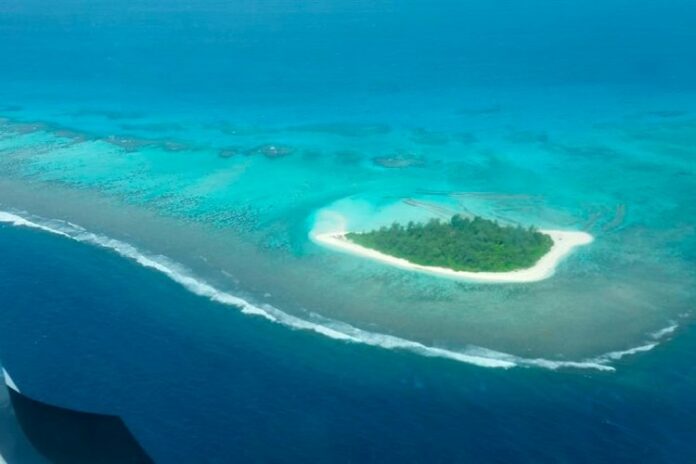
To accomplish the work, the Fugro LADS HD+ Airborne Lidar Bathymetry (ALB) system was deployed with a team of surveyors from both the NMSA and Fugro working in collaboration. 

Fugro’s ALB system meets International Hydrographic Organization (IHO) standards with the data now set to be used to update nautical charts.  The data was collected safely and with minimal environmental impact on the sensitive reef environment or local marine activity.

Through this Maritime and Waterways Safety Project, Fugro has successfully worked with the NMSA and ADB to help deliver both hydrographic data and training of NMSA staff. The project aims at improving the safety and efficiency of international and national shipping in coastal areas and waterways of Papua New Guinea by improving maritime safety information infrastructure and practices and capacity.  Safer maritime activities that improve trade and tourism, as well as information to help manage the environment, will bring direct benefit to PNG’s coastal communities.

Paul M. Unas, the CEO of NMSA was pleased with the successful outcome of the Star Reefs Passage Survey under the Asian Development Bank-funded Maritime and Waterways Safety Project and reaffirmed NMSA’s Commitment to ensuring the PNG navigable waterways are adequately surveyed to IHO specifications and nautical charts are updated for the safety of navigation. Mr Unas thanked Fugro for LADS HD & ALB systems performance and capability to meet NMSA expectations in time-demanding environments.

Ammonia-fueled tugboat obtains AiP from ClassNK

0

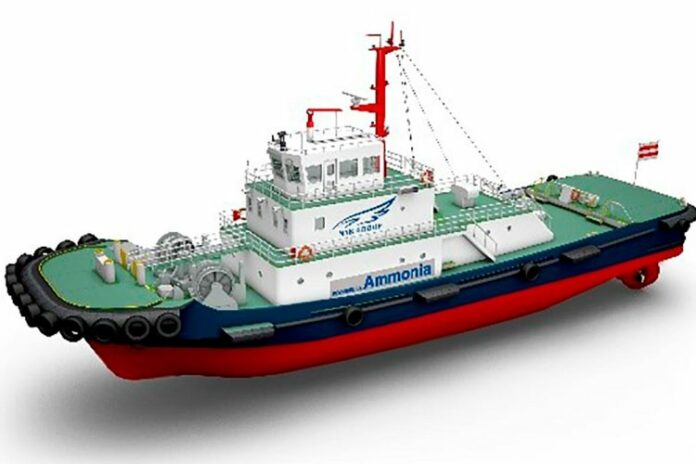
On July 11, NYK Line and IHI Power Systems obtained AiP (Approval in Principle) from Japanese classification society Nippon Kaiji Kyokai (ClassNK) for an ammonia-fueled tugboat currently being jointly researched and developed. This is the world’s first tugboat using ammonia as fuel has obtained AiP from ClassNK.

This R&D is part of the Green Innovation Fund project within Japan’s New Energy and Industrial Technology Development Organization (NEDO) for the development of vessels equipped with a domestically produced ammonia-fueled engine, adopted in October 2021 for NYK Line and IPS.

Since carbon dioxide (CO2) is not emitted when ammonia is combusted, ammonia is viewed to have promise as a next-generation fuel that could mitigate shipping’s impact on global warming. In addition, it is said that zero emissions can be realized considering even the fuel life cycle by utilizing CO2-free hydrogen as a raw material for ammonia.

By using ammonia as a fuel for ships, it will be possible to significantly reduce greenhouse gas (GHG) emissions during voyages. Therefore, the companies are proceeding with research and development aiming for early social implementation.

The main design issues when using ammonia as a fuel during development are as follows.

  1. It is necessary to combust ammonia stably and operate the engine while increasing the usage ratio of ammonia, which is flame-retardant and has low energy density.
  2. Since the combustion of ammonia generates nitrous oxide (N2O: about 300 times the warming potential of CO2) instead of CO2, it is necessary to control the combustion to prevent the generation of nitrous oxide and not to discharge it overboard.
  3. A design to prevent leakage of toxic ammonia and adequate safety measures in the event of leakage. Safety measures based on risk assessment are necessary to ensure the same level of safety as conventional vessels.

For this AiP, NYK Line and IPS attempted a design to safely and practically install ammonia fuel-related equipment in a limited space on board by developing an ammonia fuel engine, selecting equipment, and devising the equipment layout in the design. As a result, the companies have achieved the design of A-Tug, which overcomes the above challenges without changing the size of a conventional tugboat.

The parties obtained the AiP after a prescribed examination by ClassNK. In the future, the companies will work toward the realization of a demonstration operation at the port of Yokohama in fiscal 2024 through further studies for construction.

Breakthrough as ‘flying yacht’ produces green hydrogen in world-first

0

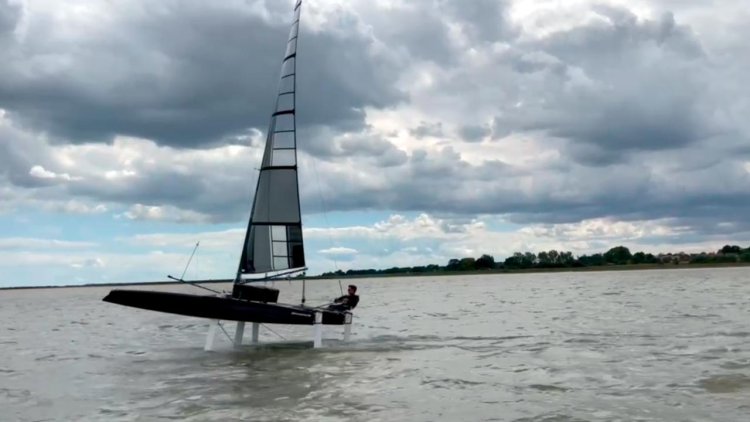
DRIFT Energy has successfully produced green hydrogen gas using its first purpose-built hydrofoil sailboat in sea trials. Green hydrogen – ultimately destined for commercial use in the net zero transition – has not been produced in this way before anywhere in the world.  

The sea trials of these ground-breaking energy yachts took place off the coast of Brightlingsea, Essex earlier this month.

The trials managed to produce approximately six liters of green hydrogen over a two-hour test run. The trial was so successful that the energy yacht outperformed expectations and could have produced over ten times more of the green renewable gas.

DRIFT, having proven the concept are progressing plans for vessels capable of 250,000 liters per hour or more.

DRIFT Energy’s business is pioneering this type of energy yacht design, but the secret ingredient is in using the power of data to find optimal weather conditions in which to route the vessels when at sea.  This routing algorithm is critical to DRIFT’s operations and unlocks a unique advantage over other renewable classes, by making green energy mobile. 

Artificial intelligence firm Faculty found that a flotilla of DRIFT’s energy yachts, operating from Penzance, could achieve a load factor of 72.5 per cent.

By comparison verified load factors for wind turbines in the UK are 26.5 per cent for onshore wind farms and 39.9 per cent for offshore wind farms.   

Faculty’s research into wind speeds across the North Atlantic indicates a load factor of 77 per cent could be achieved off the coast of New York and, at some locations in the mid-Atlantic, load factors of 82 per cent could be attained.   

Faculty was asked by DRIFT to develop a routing algorithm that can continually optimize the course of the vessels to maintain the highest possible utilization of the ship. 

DRIFT’s boats will sail the ocean, which has wind speeds, wind orientations and wave heights that vary by the hour. Given a forecast of the environmental conditions, the task was to determine how far the rate of energy generation can be optimized over a specific time window.

In optimizing the route, rather than just look at the next best move the boat could make, Faculty’s algorithm looks several time-steps ahead so that it can take a more strategic approach to where the best winds will be – just like a chess player viewing a board.

The next phase of the work may look at issues such as the positioning of offshore docks, energy potentials in other oceans such as the Pacific and the impact of climate change to routing behaviour.

To benefit from the load factors uncovered, DRIFT intends to conduct further sea trials, and increase the number of boats available to generate energy. 

DRIFT’s energy yacht was built by the White Formula of Brightlingsea, a third generation boatbuilder with Olympic gold medal winning heritage.

The energy yacht started out as a pre-loved second hand vessel originally made by White Formula, called a ‘Whisper’. Reuse is important to the sustainability values of DRIFT, and the high-performance and stability of the Whisper made a great platform for development.
Ben Medland, Founder and CEO, says: 

“This is a real breakthrough in the creation of a net new renewable energy class – which is both mobile, scalable and anti-fragile. 

“We knew from computer modelling our concept had huge potential as it is essentially a mosaic of proven technologies such as commercial electrolysis units, turbines and hydrogen storage tanks. These first sea trials prove our energy yachts work in the real world.

“Our vessels allow us to generate energy in the so-called Goldilocks wind zones – where the wind is just right – on the world’s oceans and then deliver it to wherever it is needed.  It is very exciting.”

Andy Perry, Director of Energy Transition and Environment at Faculty, said:

“The UK needs radical new ways to generate clean green energy if it is to reach net zero by 2050.

“Using AI to find the best sailing route to generate the most power in the shortest time means this new renewable energy class can make a meaningful contribution to the energy transition to a low carbon future.

“AI is a force for good, and we will continue to help society and our customers meet their challenges through the transformational power of this technology.”

Rupert White, the professional sailor who helmed the first DRIFT Energy demonstrator vessel during the sea trials, and ex-Team GB squad member (Rio 2016 and Tokyo 2020 summer Olympics) said: 

“I had the privilege of sailing the DRIFT demonstrator and making the world’s first foiling hydrogen.”

“Since my departure from the Olympic team this has been the coolest job I’ve had.”

Rupert is one of four brothers in the family business White Formula.  The White family has been boat building and collecting sailing medals on the world stage for three generations.  

Brother, Thom White, Managing Partner, White Formula, said of building DRIFT’s first vessels:

“When I was approached by Ben at DRIFT to look at a hydrogen generation at sea utilizing a sailboat, I was intrigued to say the least.”

“My family has been sailing and boat building for three generations, with Olympic golds and speed sailing records.  So we like to think we have seen it all… But DRIFT is that unique.”

“To be chosen once again to be at the forefront of sailing technology development is humbling, but this time we have the opportunity to help our planet. Something we care deeply about.”

Unifeeder chooses ZeroNorth for full suite of optimisation services

0

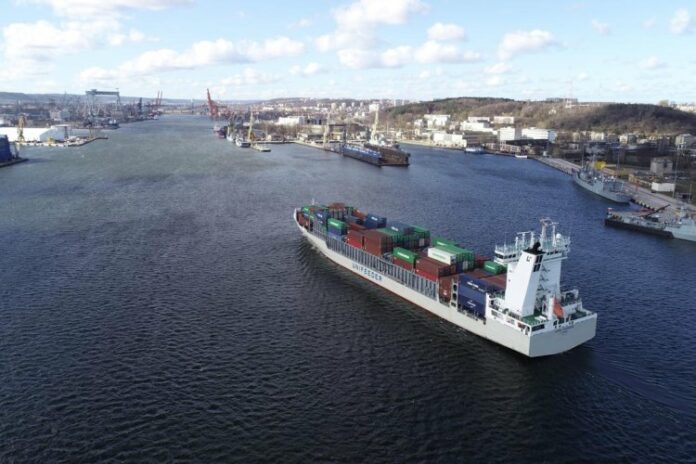
Technology company ZeroNorth has signed a three-year deal with Unifeeder A/S, the leading logistics company with the largest feeder and shortsea network in Europe.

The deal will see Unifeeder implement the full suite of services included in ZeroNorth’s platform, as well as ClearLynx’s bunker solution, as part of the company’s ambitious decarbonisation efforts and green agenda strategy. 

The partnership with ZeroNorth will give Unifeeder’s fleet full transparency over voyage planning, access to industry-leading voyage optimisation with integrated weather routing, as well as bunker, vessel, and emissions optimisation recommendations to unlock fuel efficiencies, reduce carbon emissions, and improve earnings.

90 of Unifeeder’s vessels will adopt ZeroNorth’s technology, powering up decision-making and generating an immediate positive impact on their operations. 

Speaking on the announcement, Jesper Bo Hansen, Chief Revenue Office at ZeroNorth, said:

“It is fantastic news that a forward-thinking industry leader such as Unifeeder has opted to use our full suite of optimisation solutions across their considerable fleet of container and shortsea vessels. 

“In Unifeeder, we are gaining a partner that understands the urgency of the climate emergency and our mission to make global trade green, as well as the role that digital solutions can play to reduce the environmental impact of maritime operations whilst improving earnings.”

Martin Gaard Christiansen, Chief Commercial Officer at Unifeeder A/S, added:

“We recognise that it is a key strategic priority to be able to connect vessel, voyage, and bunker processes to maximise our fuel efficiency and reduce our carbon emissions. 

“Adopting digital technologies that will help us to advance our green agenda is a crucial step in our commitment to contribute to the reduction of emissions on a local and global scale. Our green agenda includes setting efficiency targets and limiting bunker consumption to reduce our overall emission levels by 50% per container by 2040; an ambitious goal that we will be able to achieve by optimising efficiency across our operations with the support of industry-leading advanced digital technologies.”

Neptune Energy awards technical services contract to TechnipFMC shareing icon

0

The Technical Service Agreement (TSA) builds on an existing contract which has been optimised to fit Neptune’s future requirements.

TechnipFMC will continue to provide a wide range of engineering, studies and technical services to Neptune Energy. This includes installation work and operational support for Neptune’s development projects and producing fields.

Neptune Energy’s Director of Projects & Engineering in Norway, Erik Oppedal, said:

“The extended contract will build on the experiences from recent years’ close collaboration between Neptune and TechnipFMC, above all their contribution to the successful development of the Neptune operated Fenja, Duva and Gjøa P1 fields.”

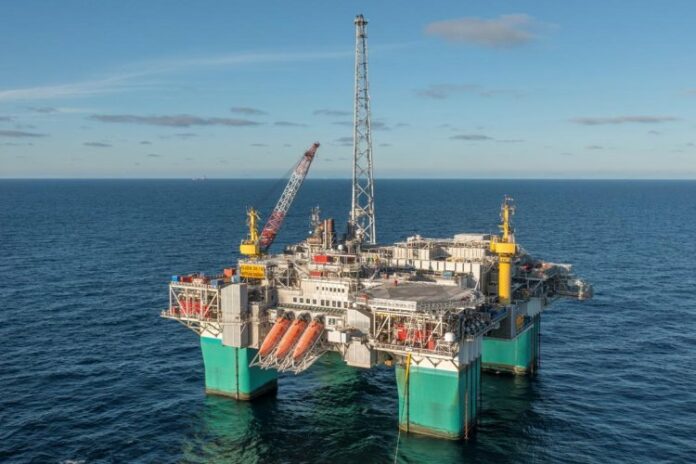
Neptune Energy is the operator of the Gjøa platform in the North Sea, which currently acts as a hub for three subsea fields –  Gjøa, Vega and Duva. A fourth field, WintershallDea’s operated Nova, is due to be tied back for production later this summer.  Neptune Energy also operates the Fenja development project in the Norwegian Sea.

Jonathan Landes, President, Subsea at TechnipFMC, added:

“We are delighted to have this opportunity to build on the success of our integrated approach, and further strengthen our long-term partnership with Neptune Energy.”

The new contract took effect from 1 July 2022 with a potential length of 5+ years.

DNV awards NAPA’s passenger ship stability management solution type approval

0

DNV has awarded type approval to NAPA’s new onboard stability software for the passenger sector – NAPA Stability, a new onboard stability solution that will replace NAPA Loading Computer, the market-leading stability management solution for passenger ships.

This type approval establishes that the software meets DNV’s requirements for the assessment of ship stability in both intact and damaged conditions, and the relevant IACS requirements to enable Safe Return to Port (IACS UR L5 Type 4 requirements), as well as requirements for DNV’s class notation Loading Computer System (Damage Control), LCS(DC). The approval also means that deliveries of NAPA Stability will now only require ship-specific approval, creating a lighter and cheaper approval process for users who adopt the solution.

Commenting on the approval, Esa Henttinen, Executive Vice President, Safety Solutions at NAPA, said:

“Cloud-based safety solutions are a gigantic leap forward for stability management, enabling a more proactive approach to safety, and shared situational awareness. The maritime industry is rapidly adopting digital solutions, and vessels are more connected than ever, producing massive amounts of new data and insights that we never had before.”

“Building on the legacy of NAPA Loading Computer, NAPA Stability helps ship owners and operators maximize the value of this data and take a proactive approach to stability, where operations are optimized for every nautical mile and safety risks are monitored and assessed constantly, not just in the case of an emergency. The DNV approval will now make it easier and cheaper for users to upgrade to NAPA Stability or adopt it as a new solution.”

Inge Seglem, Head of Section, Stability, Load Line & Tonnage at DNV – Maritime, says:

“Utilizing innovative digital tools and increasing the ability of owners and operators to tap into and easily share vessel data, is a vital part of boosting safety and sustainability in the maritime industry. Having DNV class type approval builds market confidence and enables our customers to demonstrate that their systems have been assessed to the industry’s leading technical standards. We would like to congratulate NAPA on this type approval and look forward to continuing the excellent cooperation going forward.”

Based on NAPA’s accurate 3D modelling that takes into account every ship’s unique design mathematics, NAPA Stability covers a wide range of calculations related to hydrostatics, intact stability, damage stability, and longitudinal strength – allowing users to meet current rules and stay one step ahead of future regulations. As a cloud-based solution, it gives shoreside teams and crew a much clearer picture of their current loading condition in order to assess risks on an ongoing basis, and allows much faster collaboration and communication of vital information with third-party emergency response services when necessary.

It also has a modern, informative and intuitive graphical user interface developed with high levels of user input. NAPA Stability is built from the ground up to be cyber secure, meeting current and future standards on cyber security and designed to mitigate the specific cyber risks present in the maritime environment.

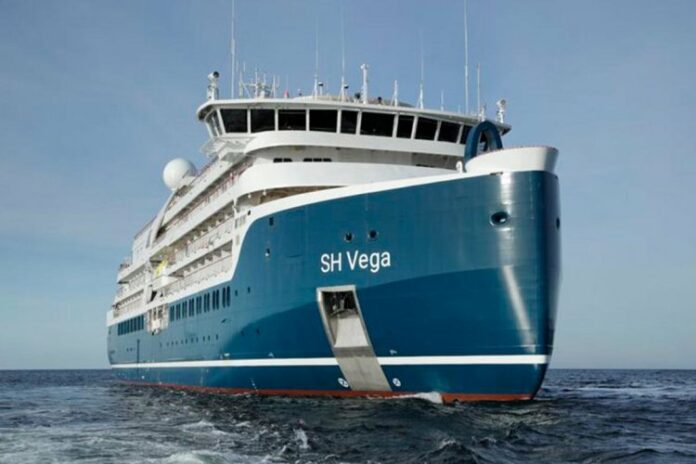
Second 5-star ship for Cultural Expedition Cruises named at Helsinki Shipyard

0

The naming ceremony was held on Monday July 11 with Mrs. Patrizia Passalacqua as the godmother of the vessel. 

The event was attended by 100 invitees consisting of international cruise business and media representatives, along with Swan Hellenic CEO Andrea Zito and Helsinki Shipyard’s top management.

The series of three stunning expedition cruise vessels have high ice class and they are made for high-end cruise experience in worldwide cruising area with strong bias for high latitude areas.

The vessels fulfill the latest requirements of environmental regulations. The today named SH Vega is completely self-sufficient for up to 40 days or 8,000 nautical miles. The vessels are equipped with exhaust gas cleaning, advanced treatment system for wastewater and storage facilities for waste that are required for operating in sensitive polar areas. The vessel is ready to implement battery technology, which would make it possible to operate also silently.

After the naming ceremony SH Vega is heading to the maiden voyage to Tromsø and Svalbard. After the Naming Ceremony, Helsinki Shipyard Project Manager Jonas Packalén commented:

“This is a proud day for us all. SH Vega is every bit as beautiful and elegant as her twin sister! We wish her and her crew fair winds and following seas, with special thanks to everyone involved in the project for their unstinting dedication!”

Swan Hellenic CEO Andrea Zito added:

“I would like to congratulate everyone at Helsinki for their superb work in creating this wonderful new ship. We are delighted with the quality of their work, creating another unique presence on the waves, and very much look forward to taking her first guests to see what others don’t, exploring the Arctic in exceptional comfort and style.”

First subsea cable installation begins on Shetland HVDC Link

0

The project will connect Shetland to the main GB energy system for the first time, supporting Shetland’s future security of supply as well as enabling the connection of renewable energy generation.

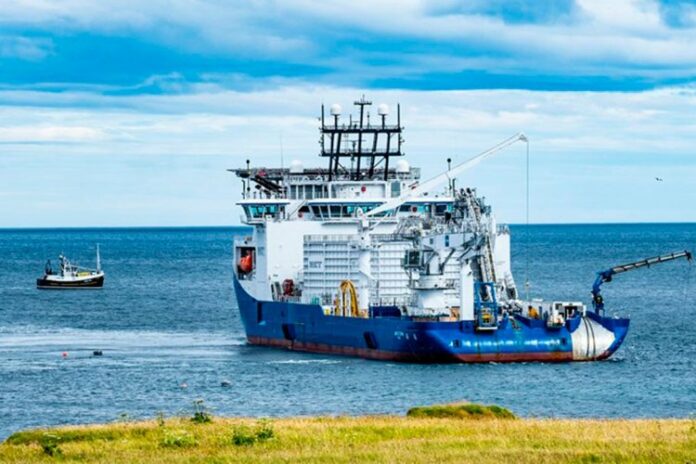
The beginning of the cable was successfully pulled-in to where it makes landfall at Noss Head near Wick from aboard the specialist cable-laying vessel NKT Victoria.  The vessel is currently working her way out to sea along the designated cable route and carefully installing the first 100km of subsea cable and fibre optic cable on the seabed.

The vessel set sail earlier this week and is expected to complete the first 100km of cable laying by mid-July.  This significant milestone follows on from the recent successful clearance of boulders along the proposed route of the Shetland HVDC link and the ongoing work to create a clear corridor in preparation for the cable installation. Once the cable is in place on the seabed, it will be trenched into position using the Grand Canyon III, a multi-role construction support vessel with a specialist subsea jet trencher, which will ensure the cables are buried to the correct depth.  Rock placement will also take place at some sections to ensure the cables are protected where trenching is not possible.

The purpose-built cable laying vessel NKT Victoria will lay the cables in three campaigns – the first from Noss Head in Caithness along 100km of length to a point to the east of the Orkney isles which is currently underway.  The second campaign is expected to begin in March 2023 and will involve another 57km of cable from Weisdale Voe on Shetland heading south.  The third campaign will take place later in 2023, which will complete the link between the first and second campaigns in the North Sea to join all three campaigns together to complete the full 260km subsea HVDC link.

The Shetland HVDC link is the first transmission connection between Shetland and the Scottish mainland, connecting Shetland to the GB transmission grid for the first time.  This allows for Shetland to export renewable electricity generation to the grid, as well as ensure security of electricity supply for Shetland.

SSEN Transmission Lead Project Manager Chris Finnigan said:

“We are delighted that specialist cable laying vessel NKT Victoria has begun this major milestone in kicking off the first subsea cable installation campaign on the Shetland HVDC link. 

“The installation of the subsea cable is one of the major components of the Shetland HVDC link project, and it marks an exciting step in the project for SSEN Transmission and our contractors, and we look forward to the completion of this first subsea cable campaign over the coming weeks.”

MAN technology for offshore gas production in Brazil

0

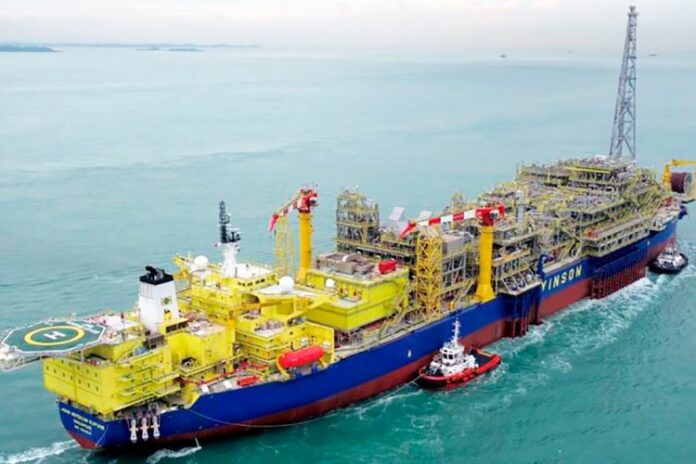
Yinson has commissioned MAN Energy Solutions to provide five centrifugal compressor trains for gas production and export. For the same FPSO asset (floating production storage and offloading), MAN is also supplying two screw compressor trains, which will be used as gas recovery systems.

All compressor trains will be deployed on the FPSO Maria Quitéria (previously called FPSO Integrado Parque das Baleias “IPB”), which is situated around 80 kilometers off the coast of Anchieta (Espírito Santo, Brazil) at the Jubarte Field in the northern Campos Basin. The field is operated by Petrobas and lies at a water depth of approximately 1300 meters. Once ready for operation at the end of 2024, the FPSO will have a production capacity of 100,000 barrels of oil and five million Sm3 of gas per day.  

Basil Zweifel, Senior Vice President, Sales & Project Management at MAN Energy Solutions, states as follows:

“We are proud that Yinson has once again placed its trust in our technology and expertise. As with FPSO Anna Nery, our first joint large-scale offshore project in Brazil, MAN will supply the complete compressor technology solution for the new FPSO Maria Quitéria. We have been able to prove the capabilities of our energy-efficient, reliable and flexible technology solutions in recent years through numerous FPSO projects in Asia, Central and South America as well as Western Africa. We are now looking forward to the opportunity to work again with Yinson on this major project for Brazil’s energy market.”

MAN Energy Solutions’ scope of supply comprises three radial compressor trains type RB 45 as low-pressure systems and two type RB 28 as high-pressure systems, each driven by an electric motor. The machines will be utilized for both gas exporting and gas lifting applications in order to maximize the flow rate and efficiency of the gas production. 

The two SKUEL321/CP200 screw compressor trains will be driven by electric motors and used as vapor recovery units. The resulting flash gas is pressurized by the screw compressors and fed back into the process rather than being flared. This process not only increases the efficiency of the gas production, but also significantly reduces its CO2 emissions.