0.5 C
New York
Home Blog Page 421

50Hertz submarine cable successfully pulled into Arcadis Ost substation platform

0

The 220 kV submarine cable system required for this was pulled into place on the platform over the past few days. Final assembly work will now follow. Afterwards, extensive tests of the systems are imminent.

The approximately 100-metre-long submarine cable end was recovered from the seabed and pulled onto the platform in a technically demanding procedure. The submarine cable had already been positioned and wet-stored on the Baltic Sea seabed in front of the platform, in 42 metres of water depth, in September 2021. 

Simon Deplace, Technical Project Director for Ostwind 2 at 50Hertz, says:

“We are very proud that this operation was carried out quickly and safely and that we remain on time and on budget for the wider project.” 

The electricity generated by the wind farm north of the island of Rügen will in future be fed into the grid at the Lubmin substation.

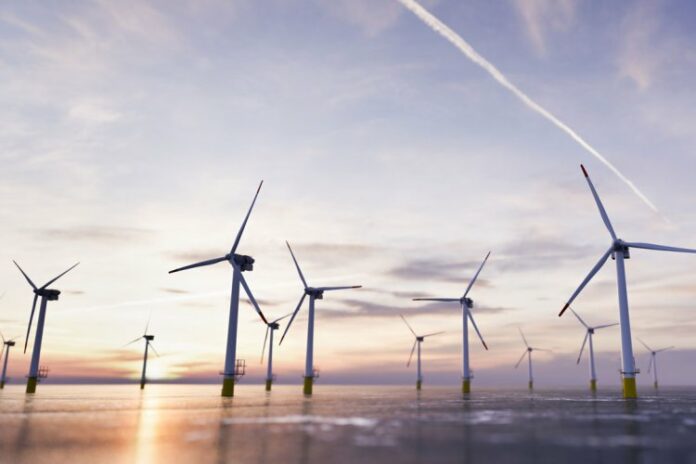
Ostwind 2 is the project to connect the Baltic Sea wind farms Arcadis Ost 1 and Baltic Eagle to the German high voltage grid. To transfer the power from the two wind farms, 50Hertz is building three submarine cable systems that will transmit a total of 750 megawatts (MW). Arcadis Ost 1, the wind farm of the Belgian company Parkwind, is located in the West Arkona Sea cluster. 

Baltic Eagle, the project of the Spanish energy company Iberdrola, is located in the Arkona Sea cluster. It is about 20 kilometres (Arcadis Ost 1) or 30 kilometres (Baltic Eagle) to the nearest coast of Rügen, and about 90 kilometres to Lubmin to the transformer station on the Greifswalder Bodden.

Renewable liquid hydrogen supply chain between Portugal and Netherlands on the horizon

0

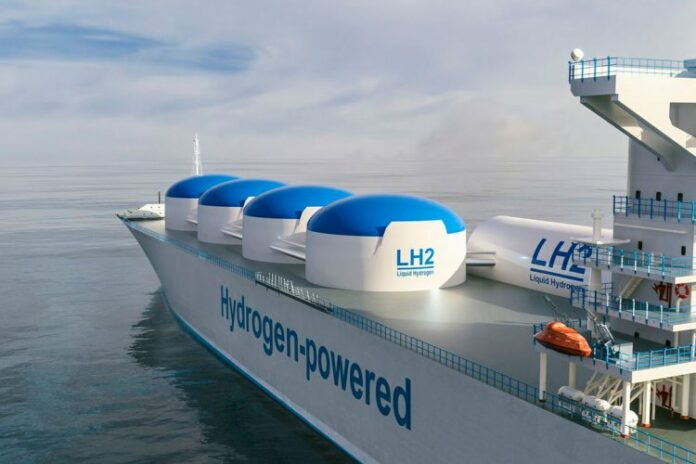
Shell New Energies NL BV, ENGIE, Vopak and Anthony Veder have signed an agreement to study the feasibility of producing, liquifying and transporting green hydrogen from Portugal to the Netherlands, where it would then be stored and distributed for sale.

The consortium envisions hydrogen being produced by electrolysis from renewable power in the industrial zone of the Sines port. Then the hydrogen is liquified and shipped via a liquid hydrogen carrier to the port of Rotterdam for distribution and sale. The aim is to deliver a first shipment of liquid hydrogen from Sines to Rotterdam by 2027.

Key sector players in Heavy duty, Marine and Aviation support this development as it fits well with their intention to decarbonize operations. “We consider liquid hydrogen as a key solution to import renewable energy into markets such as the Netherlands or Germany. We are developing the next generation of trucks which can use liquid hydrogen directly” said Dr. Andreas Gorbach, Head of Truck Technology and Member of the Board of Management Daimler Truck AG.

Building more certainty for customers of liquid hydrogen is needed. Policy instruments that cover cost increases for end-users can be an effective means to achieve this. Such instruments are vital to increase the scale and reduce the cost of liquid hydrogen production and have the power to drive the infrastructure development along the full supply chain.

Within the consortium, Shell and ENGIE will collaborate across the full value chain and Anthony Veder and Vopak involvement will focus on shipping, storage, and distribution. They will initially assess the potential of producing, transporting, and storing around 100 tonnes per day, with potential to scale this up over time.

The governments of Portugal and the Netherlands have strengthened their joint ambition for the production and transport of hydrogen. This feasibility study follows the signing of an MoU in 2020. Furthermore, Portugal and the Netherlands confirmed their joint goals at the Rotterdam World Hydrogen Summit in May 2022.

UK approves 8GW of offshore wind following derogation

0

Six fixed offshore wind projects, with the potential to generate renewable electricity for more than 7 million homes, have been given the green light by the Secretary of State for Business, Energy and Industrial Strategy (BEIS) to enter into an Agreement for Lease with The Crown Estate.

In April, following the completion of a Habitats Regulations Assessment – an assessment of the potential impacts on the most valuable environmental habitats in the UK – The Crown Estate gave notice to the UK and Welsh Governments of its intent to proceed with the Offshore Wind Leasing Round 4 plan on the basis of a ‘derogation’.

The Secretary of State for Business, Energy and Industrial Strategy has now provided agreement that The Crown Estate can proceed with the plan, and the Welsh Government has not raised any objections to the notice.

The move marks a significant moment in the UK’s response to climate change. From the first leasing round in 2001, The Crown Estate has supported the development of a world-class offshore wind market, which has grown to become the largest source of renewable electricity in the UK. On 5 July, The Crown Estate also announced plans to develop floating, as opposed to fixed, offshore wind farms in the Celtic Sea, which could bring up to 4GW of additional capacity.

As the climate emergency intensifies and demand for offshore wind accelerates, today’s agreement has the potential to make a critical contribution to delivering sustainable, renewable energy for the UK’s net zero future.

Dan Labbad, CEO of The Crown Estate said:

“It is the result of a tremendous collective effort from industry, environmental and conservation stakeholders, governments, and technical experts who have helped shape a rigorous and evidence-led outcome. In convening this broad range of stakeholders, we have been able to take a more informed and strategic approach to environmental compensation than ever before, ensuring we balance our rich biodiversity with the urgent need to progress vital renewable infrastructure.

“As we continue to harness the benefits of UK offshore wind, we remain firmly committed to collaborating with these organisations to build knowledge and evidence to help us understand how the increasingly busy marine environment can continue to thrive and support the wide variety of ecosystems and industries which rely on it.”

Business and Energy Secretary the Rt Hon Kwasi Kwarteng MP said:

“This month saw the price of offshore wind fall to record lows and today’s announcement will take us another step closer to increasing current levels of capacity almost five-fold by 2030.

“We are already a world leader in offshore wind and these new sites will help secure more clean, affordable, homegrown power for millions of households across the country, while reducing their reliance on costly fossil fuels.”

Welsh Government Minister for Climate Change, Julie James MS, said:

“As the first country in the world to declare a climate emergency, we welcome our partnership with The Crown Estate to deliver renewable energy projects here in Wales.

“We want to harness the power of our natural resources to benefit our communities, through projects that invest in local supply chains and green, skilled jobs.”

Equinor restarts Peregrino field production

0

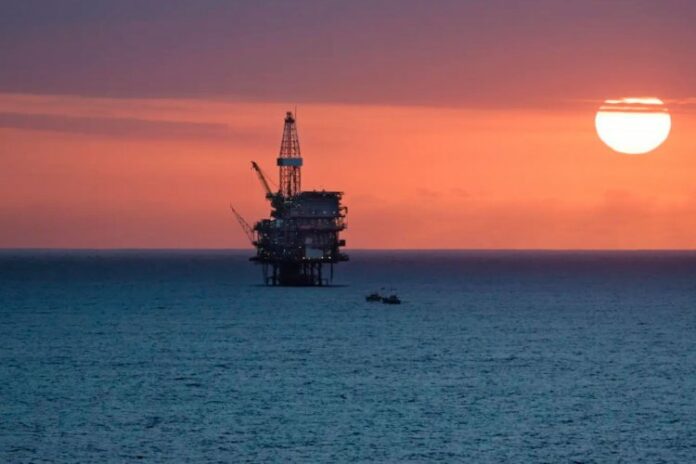
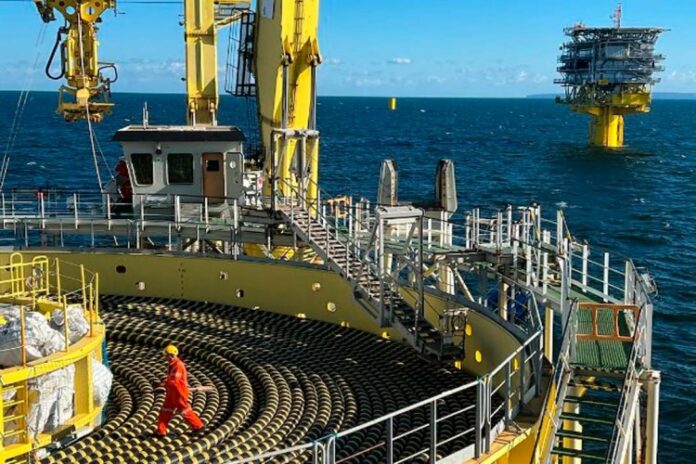
Peregrino production was suspended in April 2020. Since then, Equinor has executed a major programme of maintenance, upgrades and repairs on the Floating Production Storage and Offloading (FPSO) vessel and has installed a new platform, Peregrino C.

Together, these investments have allowed production to safely restart, to increase the overall capacity of the field and to improve the carbon emissions intensity.

Veronica Coelho, Equinor’s country manager in Brazil, says:

“Our top priority is the safety of our people and our operations. The investments in technology, new equipment and maintenance have allowed us to safely resume production at Peregrino and to prepare for the start-up of the new Peregrino Phase 2 project.” 

Peregrino is the largest field operated by Equinor outside of Norway and the first of a series of major field developments in Brazil. Remaining reserves from Peregrino Phase I are estimated at 180 million barrels.

In parallel with the maintenance and upgrades on the FPSO, a third wellhead platform, Peregrino C, was installed and is progressing towards the start of production, with the first oil expected in the third quarter 2022.

The new platform is part of the Peregrino Phase II project which will extend the lifetime and value of the field and add 250-300 million barrels.

Veronica Coelho adds:

“I am proud of how hard our teams have worked, throughout the Covid pandemic, in order to bring the Peregrino field back on stream and upgrade the facilities.More than 1,200 people have been working together offshore over the last months.” 

In line with Equinor’s low carbon strategy, major investments have been made to reduce CO2 emissions from the Peregrino field. When in operation, Phase II will lower absolute emissions in Peregrino field by 100,000 tonnes of CO2 per year.

This will be achieved by deploying digital solutions to optimize energy consumption, in addition to gas-powered power turbines to drastically reduce and replace diesel consumption.

Located in Campos basin, Peregrino field started production in 2011. Equinor is the operator (60%), with Sinochem (40%) as partner in the field. Peregrino Phase I consists of a FPSO unit, supported by two well head platforms – Peregrino A and Peregrino B. Peregrino II consists of a well head platform – Peregrino C – and related facilities.

Advanced Polymer Coatings lands new build deal with James Fisher and Sons plc

0

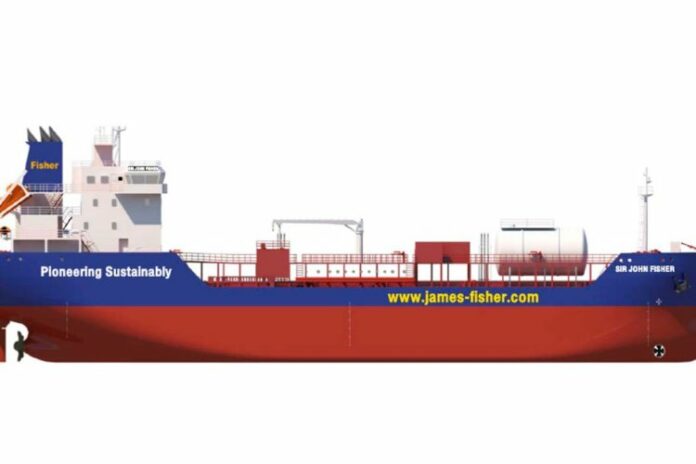
The deal will see Ohio-headquartered APC supply its MarineLINE® tank coating to the SIR JAMES FISHER, a new LNG-powered dual-fuel 6,000-dwt chemical tanker the company is building at China Merchants Jinling Shipyard in Yangzhou. The ship is the first of two James Fisher is building at the yard, the second ship being named the LADY MARIA FISHER.

APC said it will begin the project in June and complete it by the autumn. The coating application will be led by APC’s Shanghai-based China office, with an experienced inspection and heat cure team and APC’s head office in Avon near Cleveland.

He Liangxing APC’s China manager said:

“APC is delighted to win this work with James Fisher and Sons plc. We have a good working relationship with the shipyard, having applied MarineLINE® there before. We will apply MarineLINE® to the ship’s cargo tanks and provide comprehensive application inspection and heat curing services.”

James Fisher said it expects to take delivery of the vessel in late 2022. The vessel is the first of two LNG-powered chemical tankers the company is building at the China Merchants Jinling Shipyard.

APC Global Marine Manager, Captain Onur Yildirim, said China is a key market for APC. He said:

“Over the last two decades, we have coated and repaired a vast range of different chemical tankers in shipyards across China. We are very pleased to continue to work with a company of the pedigree of James Fisher and Sons plc and believe the quality of MarineLINE® and its broad range of benefits helped us win the work.”

The James Fisher deal marks a busy period in China for APC. As the project begins, APC is also starting to apply MarineLINE® on a fleet of 50,000 DWT medium-range tankers at the New Times Shipbuilding Co Ltd in Jingjiang City. The vessels are owned by China’s Shandong Shipping and chartered by Shell as part of its Shell Project Solar program. This deal follows the successful completion of an earlier contract with Shandong for APC to apply MarineLINE® to eight new 50,000 DWT MR product/chemical tankers for Shell’s Project Solar program.

Technip Energies and X1 Wind selected for floating wind project NextFloat

0

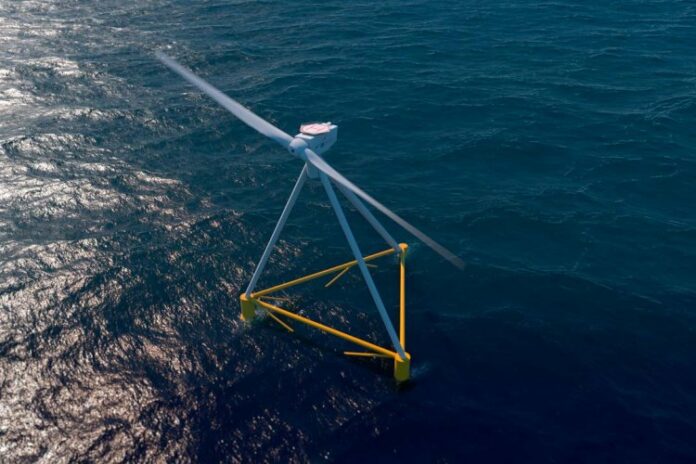
Technip Energies, X1 Wind and a consortium of 10 leading international entities have been selected by the European Commission to deliver the NextFloat project, an ambitious program accelerating industrial-scale floating wind.

NextFloat project main objectives are to demonstrate a competitive, sustainable and integrated floating offshore wind solution optimized for deep waters and to accelerate the industrial-scale deployment of floating offshore wind.

The integrated solution relies on X1 Wind innovative and disruptive floating offshore wind technology, allowing for a lighter floater design and a reduced steel requirement, as well as a more efficient and compact mooring system, ultimately minimizing the impact on seabed.

The project includes the deployment of a full scale 6MW prototype at Mistral test site in the French Mediterranean Sea in order to demonstrate the concept in operational condition. It is enabled by the participation of the Open-C foundation which structures and operates all the test sites for marine renewable energies and offshore wind power in France.

The integrated system design, its manufacturing, assembly and installation procedures will thus be tested at a scale that is relevant for the upcoming commercial offshore wind farms, that will require industrialized solutions for applications in excess of 15MW and beyond.

Laure Mandrou, SVP Carbon-Free Energy solutions of Technip Energies, commented:

“We are glad to have been selected for the NextFloat project, as part of the Horizon Europe program. By leveraging our existing collaboration with X1 Wind, we are preparing the future of the floating offshore wind market and accelerating the development of disruptive floating offshore wind solutions at industrial scale.”

Alex Raventos, CEO and co-founder of X1 Wind, said:

“We are really pleased to have the opportunity to deliver our unique solution through the NextFloat. This ambitious project aims to bring substantial improvements in the competitiveness of floating wind and prepare the long-term mass deployment of this industry, so that we can actively contribute to accelerate the energy transition, which together with energy security is becoming more and more critical in Europe and worldwide”.

Additionally to Technip Energies and X1 Wind, the consortium also counts with the participation of Naturgy, 2B-Energy, Hellenic Cables, Ocean Ecostructures, Schwartz Hautmont, Tersan Shipyard, Ecole Centrale de Nantes, Ocas, Hydro and the Technical University of Denmark. The grant agreement is currently under negotiations with the European Commission and the project is expected to start in the 4th quarter of 2022.

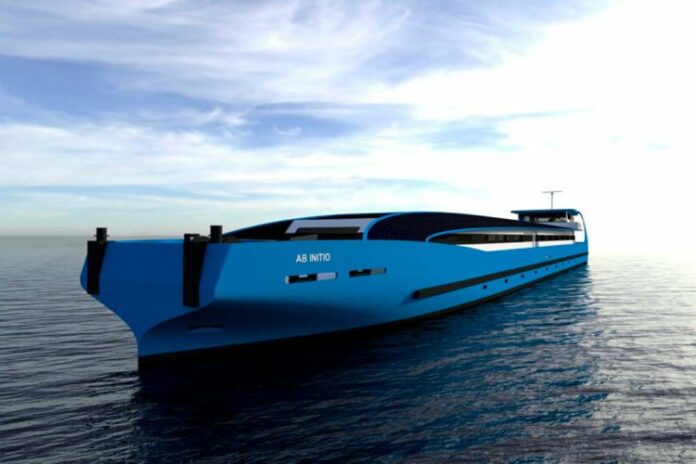
New Dutch training vessel Ab Initio is ready for the future

0

The inland vessel will be equipped with a lithium-ion battery pack, a 50 kW fuel cell module running on hydrogen gas and eighty solar panels.

With full batteries (400 kWh) and hydrogen tanks (33 kg), the Ab Initio can sail without emissions for at least eight hours. Then the batteries and tanks have to be refilled or one of the GTL (gas-to-liquid) powered Stage V certified generators has to be started.

The decision to purchase a fuel cell module built by Zepp.solutions in Delft was only made during construction. The system was not in the original design and there was no money for it at the time.

STC project supervisor Nicole van Spronsen, who was succeeded by Marjolein Mahu at the end of March, says:

‘But we saw it as an important system for future inland navigation. Through subsidy applications and sponsorships, we managed to more than double the original construction budget of 3 million euros. Various maritime suppliers wanted to sponsor us and we were thus given an advantage in the choice of components.’ 

The sponsorship campaign also yielded interesting choices from an educational point of view. 

Van Spronsen says:

‘For example, two companies offered an environmentally friendly ultrasonic antifouling system. One system now protects the bunker coolers and the other protects the surface. For suppliers, the installation of their products is interesting because future skippers get to know them during their training.’ 

There are also two generators from two different suppliers on board. In the stern, there is a 280-kW generator from Volvo-Penta and in the bow a 600 kW KEES Generator from Koedood. Alphatron supplies the navigation equipment, carpenter Hoogendoorn the lectern and EST-Floattech the batteries. Veth Propulsion supplied a 200-kW bow thruster with 360-degree rotating steering grid.

Machinefabriek De Waal from Werkendam signed for the oil-lubricated propeller shaft installation and installed two low-resistance Easy Flow rudders.

Owner Marco de Waal of Machinefabriek de Waal says:

‘Thrusters have been considered, but 95 per cent of inland navigation vessels have normal propellers with rudders. So it is better to use that on a training vessel as well.’

De Waal provides the bolt behind the propeller with a flow cap. 

De Waal says:

‘This improves the flow and prevents the bolt from corroding. We are supplying the steering gear with an extra control panel. The student will soon be sitting in the middle of the lectern. To the right of that, carpenter Hoogendoorn is building an extra island for the instructor on which all the control levers for propulsion, steering and bow thruster are located as well. The instructor can therefore intervene instantly when necessary.’

A 600 kW directly reversing permanent magnet electric motor from Oswald drives the propeller of the electric boat.

Source: This article – by maritime journalist Hans Heynen – was published in SWZ|Maritime’s April 2022 inland navigation special. STC Group is a Dutch educational and knowledge institution for shipping, transport and port industry.

Another double delivery of SMST gangway and crane for Acta CSOVs

0

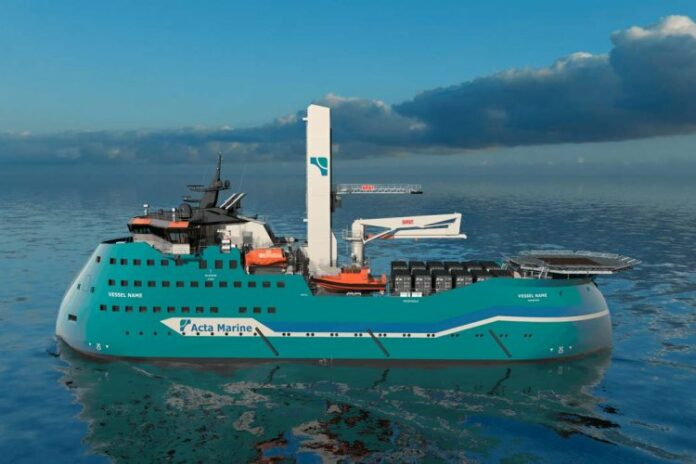
The close cooperation between the two parties is reaffirmed by the  contract signed with Tersan Shipyard for a modular W2W system package. The equipment will be at the operational heart of both vessels, securing optimal logistics and safe and efficient transfer of personnel and cargo.

Menno de Jong, Sales Manager at SMST, says:

“We are very pleased to be part of the two next generation Methanol MDO/HVO powered CSOVs for Acta that will be built at Tersan Shipyard. For us the contract is a testimony of proven quality and solid performance of our W2W and cargo handling equipment on board Acta Auriga and Acta Centaurus.” 

The two ordered sets for Ulstein’s SX-216 TWIN-X Stern design vessels consist of a 6t 3D motion compensated crane and a motion compensated gangway, the so-called Telescopic Access Bridge L-Series (TAB-L), combined with an Access & Cargo Tower. The setup of the system package which endorses low energy consumption, is suitable for worldwide deployment in all current and future offshore wind parks.

Rob Boer, Managing Director at Acta Marine, comments:

“We have successfully operated two Construction SOVs equipped with SMST mission equipment in the offshore wind market over the past 4 years, so we are confident that SMST will deliver two state of the art gangway and crane systems for our newbuild CSOVs, that will allow us to continue delivering high performance and reliable service to our clients.”

Sakir Erdogan BD Director at Tersan Shipyard states:

“We were looking for an established company to partner with on this first CSOV project for Tersan. Given their broad track record in supplying gangways and cranes for the offshore wind, we believe we can benefit from SMST’s experience. We are very much looking forward to this new cooperation.”

Delivery of both sets of mission equipment are planned for Q3-2023. The contract with Tersan also covers the supply of the SMST mission equipment for two optional vessels at a later stage.


Partners complete work on zero-emission vessel for CMDC

0

Funded by the UK Department for Transport and delivered in partnership with Innovate UK, the competition supported companies recognised for advancing maritime decarbonisation. It encouraged research and development by providing funding for feasibility studies and clean maritime technology trials. For their contribution to this CMDC project, Houlder completed a feasibility study for a newbuild zero-emission service operation vessel (SOV) which has yielded some interesting results.

A general arrangement for a vessel fuelled with Liquid Organic Hydrogen Carrier (LOHC) and powered by Proton-Exchange Membrane Fuel Cells (PEMFCs) was successfully demonstrated. The concept vessel produces zero-emissions in operation (tank-to-wake) and a preliminary high-level estimate showed a lifecycle (well-to-wake) CO2e emissions reduction of 83%. When calculating these figures, it was assumed that the vessel will use green hydrogen produced via electrolysis using renewable electricity.

While the team acknowledge that this is not a full life cycle analysis as would be conducted if the vessel design were to be advanced, this well-to-wake analysis covers the replacement fuel source, and this accounts for the majority of the emissions. A full life cycle analysis would also include emissions associated with construction, build materials, operational support and end of life disposal, and should analyse the impact of the fuel cells and compressed H2 tanks to account for the vessel’s emissions over the longer run.

The vessel is fitted with a redundant Energy Storage System (ESS) in the form of Lithium-ion batteries. In addition to the power provided by the fuel cells, these batteries were sized to meet the vessel’s power demand at maximum speed. The batteries also compensate for the slower transient response of the fuel cell system. Compressed hydrogen buffer tanks were also included to manage the slow transient response time of the LOHC release units.

The team also provided recommendations to improve efficiency in the future. It suggested adopting a different fuel cell technology, Solid Oxide fuel cells which are currently in development for maritime applications, to further reduce emissions. It recommended a collaboration between the fuel cell developers and the LOHC release equipment manufacturers to further develop and integrate these systems together.

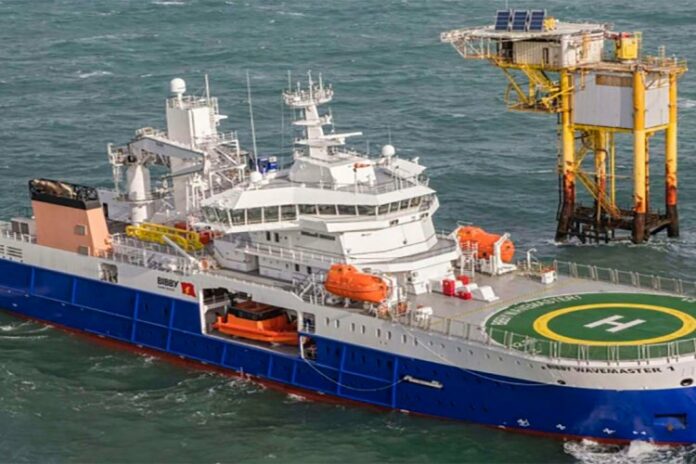
When analysing propulsion, Houlder used research from a previous collaboration with Bibby Marine – the MarRI-UK funded WaveMaster Zero C project – as a basis. For this, Damen Shipyards had scrutinised the technical, environmental, economic and legislative feasibility of various marine fuels and propulsion methods including biofuels, ammonia, methanol, battery power and hydrogen in liquified (LH2), compressed gaseous (GH2) and LOHC states; ultimately settling on LOHC fuel. Houlder then expanded on this research for the CMDC project, conducting new fuel consumption calculations for example.

Hydrogen stored as LOHC was chosen as the most technically feasible solution from a vessel design perspective. Although it has a lower energy density than LH2 and ammonia, it has far fewer safety concerns and simpler vessel design requirements.

Houlder’s stability assessment demonstrated compliance with designated standards and draught limits. Meanwhile, a safety assessment against known flag and class society requirements and an initial hazard identification (HAZID) risk assessment were also successfully completed with Bibby Marine and bringing in Damen Shipyards. Initial results were positive although the team did recommend that further risk assessments would need to be undertaken if the vessel were to be built.

Simon Potter, Director of Sustainability Advisory, Houlder commented:

“To see this vessel become a reality, LOHC release units must become commercially available, green hydrogen production must scale up, the cost of an LOHC-fuelled vessel must be addressed, and more prescriptive regulations for hydrogen fuelled vessels must be developed. Therefore a vessel like this would be several years away from commercial development.

“However it’s not all doom and gloom. Innovative vessels such as this highlight barriers to technology adoption and can help the industry overcome them. Further developing this vessel would make decarbonisation through LOHC more of a known quantity – tackling technical challenges, supporting investment, and informing regulations.”

Prysmian develops new submarine power interconnections between islands

0

Prysmian Group has been awarded two contracts worth approximately €250 million by Red Eléctrica (Red Eléctrica de España, S.A.U.), the Transmission System Operator of the Spanish power grid, for the development of two projects: a submarine power interconnection between the islands of Tenerife and La Gomera, and another submarine power interconnection between the Spanish mainland and Ceuta (a Spanish city on the north coast of Africa).

Prysmian will provide its comprehensive turnkey approach for the design, supply, installation, and commissioning of the technological challenge of a 66 kV HVAC(High Voltage Alternating Current) double circuit, three-core submarine power cable with EPR insulation and synthetic-wire armouring, to connect Tenerife and La Gomera at the world record depth of nearly 1150m for a 66 kV three-core cable and additionally a 132 kV HVAC doble circuit, three-core submarine power cable with XLPE insulation and synthetic-wire armouring, to connect the Spanish mainland and Ceuta through the Strait of Gibraltar with maximum depths of 900 m. Both systems comprise 90 km of submarine route and approximately 11 km of land route for the double link between Spanish mainland and Ceuta.

The submarine cables will be manufactured in Norderham Plant (Germany) and Pikkala Plant (Finland), two of the Group’s centres of technological and manufacturing excellence for submarine cables. The land cables will be produced in the Group’s local plant of Vilanova (Spain). Marine operations will be performed with one of Prysmian’s own cable-laying vessels (Giulio Verne). The commissioning of both cable systems is scheduled for 2025.

Hakan Ozmen, EVP Projects BU, Prysmian Group, stated:

“This award confirms the mutual trust and long-standing relationship between Red Eléctrica and Prysmian Group, because it is the latest of several projects developed together in Spain to enhance the national power grid’s reliability. We are proud to support Spain in meeting its Energy Transition goals by 2030, providing our state-of-the-art submarine and land cable systems.”

Prysmian Group has a long-standing track record in the development of submarine interconnections in Spain: Spain-Morocco, Iberian Peninsula-Mallorca, Ibiza-Mallorca and Lanzarote-Fuerteventura.