2.6 C
New York
Home Blog Page 416

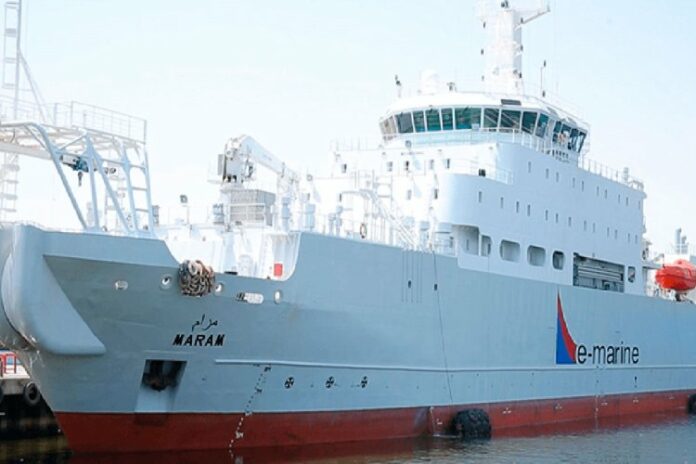
E-marine PJSC Commissions MakaiLay across Their Fleet

0

In the last year, Makai Ocean Engineering, Inc, has started commissioning the submarine cable industry’s #1 cable installation software, MakaiLay, on E-marine PJSC’s cable installation and repair vessels.

Dr. Venkata Jasti, Director of Engineering Software at Makai.MakaiLay E marine PR 2022.07.26 cs maram 800×370, said:

“It is a great honor and achievement to get a vote of confidence from an experienced operator like E-marine. With their team coming onboard, MakaiLay is now being used by over 90% of the global fiber-optic cable laying fleet.”

In addition to adding MakaiLay, E-marine PJSC will also be using MakaiPlan Pro for pre-installation planning in their offices. The E-marine team has completed trainings on both software products and plan to conduct more trainings as Makai’s software becomes fully adopted and integrated into their workflow.

Mr. Omar Jassim Bin Kalban, CEO of E-marine PJSC, a leader in submarine cable deployment, maintenance, and repair, said:

“We’re looking forward to leveraging the advanced modelling and real-time control functionality of MakaiLay to tackle deep-water cable lays and repairs.”

E-marine PJSC plans to use these software products on all future cable installation and repair projects. MakaiLay will allow for more precise control throughout the cable installation, with specific improvements in the deep-water areas.

MakaiLay is a subsea cable installation software that enables users to lay submarine cables with the highest level of accuracy, speed, safety, and reliability possible today, dramatically reducing the risk of cable failures. 

MakaiPlan Pro enables 3D dynamic simulations of submarine cable installations. Cable operators can quickly simulate an entire cable lay in advance and in the office at up to 50 times faster than real-time. An entire trans-oceanic lay simulation can be completed in one day. MakaiPlan Pro is an extension of the cable route planning software, MakaiPlan and also includes all the planning features of MakaiPlan.

First firm offshore wind power order for Siemens Gamesa in Japan

0

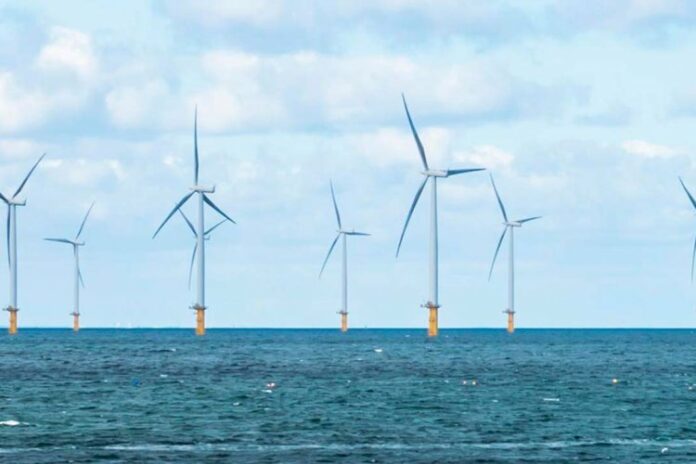
Siemens Gamesa Renewable Energy has been awarded the firm order for the 112-MW Ishikari offshore wind power project from Green Power Investment. 

This instrumental project is the first firm offshore order in Japan for the world’s leading manufacturer of offshore wind turbines.  

The order includes 14 SG 8.0-167 DD offshore wind turbines, each with a capacity of 8 megawatts and featuring a 167-meter rotor. Additionally, the order includes a 15-year full-scope service agreement. The installation of the Ishikari offshore wind power project is planned to begin in July 2023.  

Marc Becker, CEO of the Siemens Gamesa Offshore Business Unit, says:

“Green Power Investment’s confidence in Siemens Gamesa is invigorating, and we’re eager to deliver the Ishikari project. We’ll build on our established onshore business in Japan, with close to 1 GW already installed or under service. These offshore wind turbines and service agreement are an excellent opportunity to bring more clean, renewable energy into the country’s energy mix. Furthermore, it is a testament to our proven technology that our SG 8.0-167 DD machine is the first dedicated offshore wind turbine to receive ClassNK certification.”

The SG 8.0-167 DD is built specifically for offshore use. It is tailored to meet local codes and standards regarding typhoons, seismic activities, 50 Hertz operation, as well as operation in high and low ambient temperatures. The 167-meter diameter rotor has a swept area of 21,900 m2, and utilizes B81 blades, each measuring 81.4 meters. 

ClassNK certification of the wind turbine confirms that the SG 8.0-167 DD meets the stringent, technical standards required for the Ishikari project. Furthermore, the Ishikari project itself is the second commercial scale project to receive ClassNK certification. This is mandatory for the Japanese government to approve construction. The project will be located approximately five kilometers from shore of the Ishikari Bay in Hokkaido, Japan.  

Russell Cato, Managing Director of Siemens Gamesa in Japan, says:

“With more than 20 years of local experience, Siemens Gamesa is committed to the Japanese wind power market, and confident we can contribute to the local offshore wind industry. Together with Green Power Investment, we see abundant opportunities for supply chain and local employment, and we look forward to working with them on the Ishikari offshore wind power project.” 

Siemens Gamesa has been operating in Japan since 1999. The company’s onshore wind track record includes close to 600 MW of installed capacity and 340 MW under maintenance and operation. Japan now becomes the second country with firm offshore orders for Siemens Gamesa in the Asia-Pacific region. The company has received more than 3 GW of firm orders in Taiwan, including the installation of Taiwan’s first offshore wind power plant in 2019.  

Yinson enters agreement with bp to reserve FPSO Nganhurra

0

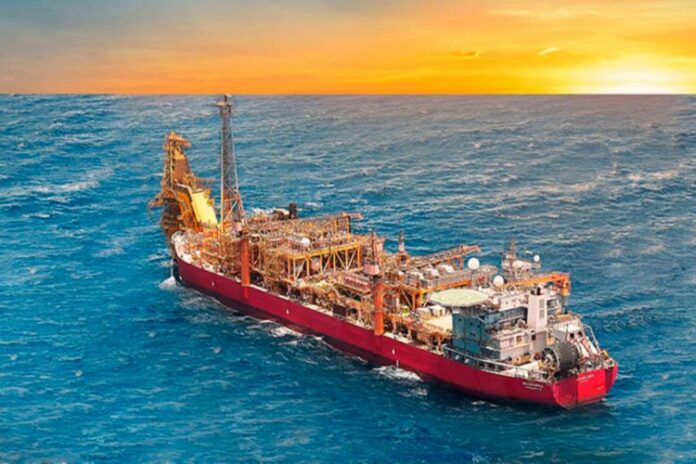
Yinson, through its subsidiary Yinson Acacia Ltd, through its subsidiary Yinson Acacia Ltd, has entered into an exclusivity agreement with bp Exploration (Angola) Limited (“bp”), as the operator of the Block 31 Contractor Group (the “Agreement”) for the reservation of FPSO Nganhurra, a floating, production storage and offloading (“FPSO”) vessel for use in bp’s proposed 10 well subsea Palas, Astrea and Juno Oil Fields (“PAJ Project”) based in Block 31, Angola.

Under the Agreement, Yinson will exclusively allocate FPSO Nganhurra to bp for the PAJ Project until 31 December 2022 with an option for bp to extend until 30 June 2023 whilst the parties negotiate a contract to convert, operate, maintain and lease the FPSO for the PAJ project (the “Lease and Operate Contract”). The Lease and Operate Contract, which is anticipated to include a 10-year fixed term, is expected to be executed by the end of 2024 subsequent to bp reaching final investment decision.

Yinson holds an exclusive purchase option for FPSO Nganhurra until 30 June 2023 with its owners, Woodside Energy and Mitsui E&P Australia Pty Ltd, with an option for Yinson to extend such exclusive purchase option until 31 December 2023.

Yinson Production Chief Executive Officer Flemming Grønnegaard commented:

“This Agreement emphasises Yinson’s position as the preferred contractor in executing FPSO redeployment projects, which have significant capex and schedule advantages, for established oil & gas players such as bp. We have recently completed two successful redeployment projects, which are FPSO Abigail-Joseph and FPSO Helang, and the Group is currently engaged in a redeployment delivery for FPSO Atlanta. We are confident that our track record, technical knowledge and experience in this industry will support and fulfil bp’s business needs.”

FPSO Nganhurra has a production capacity of 100,000 barrels of oil per day and was built by Samsung in 2006. The FPSO, which operated at the Enfield field in Australia until autumn 2018, is currently laid up outside Labuan, Malaysia.

Port of Genoa receives two bids for reissued breakwater tender

0

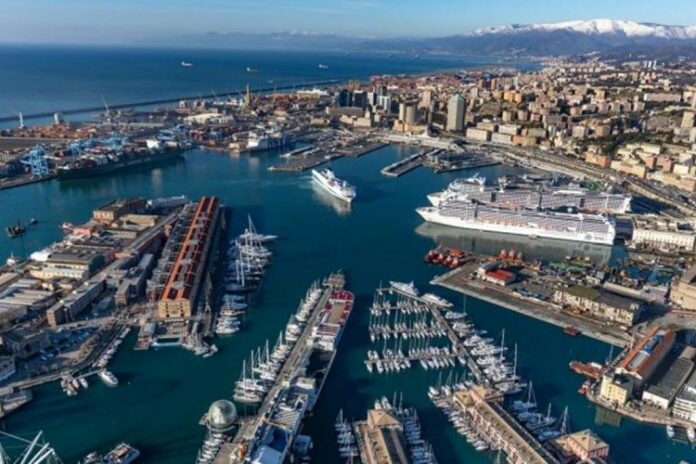
As had already emerged from recent discussions, the two groups who had been invited by the Western Ligurian Sea Port Authority to tender for the elaboration of the detailed and executive design and the construction of the new Breakwater of the Port of Genoa, presented their offers by the bid submission deadline of midnight 26 July.

Webuild (with Fincantieri, Fincosit and Sidra) and Consorzio Eteria( Gavio, Caltagirone, Acciona and Rcm) sent their official technical-financial proposals for the construction of the first phase of Italy’s major port infrastructure, scheduled to be shortly examined by an independent board of experts.

The new breakwater has been planned to provide direct and easy access to cargo and passenger terminal facilities in the Old Port and Sampierdarena area and a wide turning basin for ultra-large ships to manoeuvre in full safety. The objective is to equip the Port of Genoa with all the infrastructure required to cater for future carrier upsizing and to boost its leadership in the highly competitive global shipping industry. 

The breakwater ranks as the project central to the Emergency Investment Programme for the Recovery of the Port of Genoa, enacted in response to the repercussions of the tragic collapse of the Morandi Bridge and, in addition, features amongst a group of ten government core projects considered vital to rebuilding and upgrading the nation’s infrastructure, which can benefit from a range of streamlined procedures.

Genoa’s new breakwater has been designed to cater for the future generation of ultra-large vessels and ensure that all classes of ships can manoeuvre in full safety, to provide added protection to port basins and facilities from violent sea storms and climate change, and to guarantee the optimal distribution of vessels according to destination – cargo and passenger terminals/shipyards/marinas.

GTT receives DNV approvals for maritime liquid hydrogen designs

0

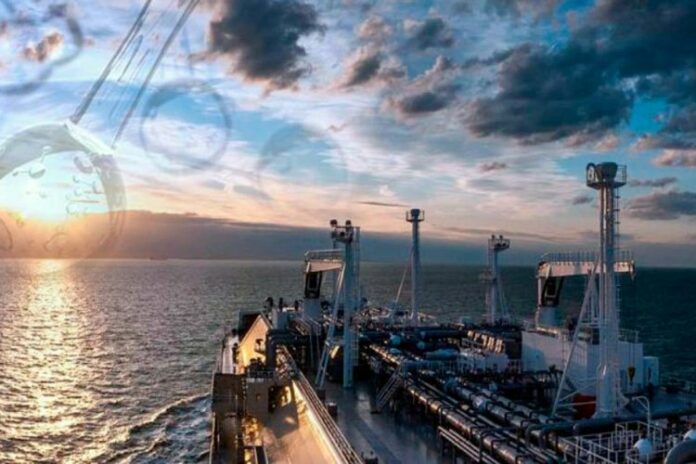
GTT has been granted two Approvals in Principle (AIP[1]) from the leading classification society DNV for the design of a membrane type containment system for liquefied hydrogen (LH2) and for the preliminary concept design of a LH2 carrier. These approvals are part of the agreement with Shell, announced in February 2022, and pave the way for the next stages of the project.

As part of the energy transition to a carbon-free future, the ability to transport very large volumes of hydrogen in liquefied form at -253°C is one of the technological challenges to establishing a reliable, efficient and competitive hydrogen supply chain.

The approvals in principle issued by DNV validate GTT’s technological advances in LH2 containment and the preliminary design of a LH2 carrier.

The GTT Group has designed a LH2 containment system that meets current regulatory requirements and anticipates future developments, as requirements for the transport and cargo of hydrogen are being developed by the International Maritime Organisation.

Philippe Berterottière, Chairman and CEO of GTT, said:

“We are very proud to have received these approvals from DNV, with whom GTT has had a close partnership for many years. Our LH2 carrier development project with Shell is very promising and this first step confirms the reliability and relevance of our solutions as well as our determination to make this technology viable and quickly available to maritime transport and energy players.”

Johan Petter Tutturen, Vice President Business Development Manager CO2 and H2 Carriers of DNV Maritime, said:

“We are very pleased to have been asked by GTT to work on these AiP. Hydrogen, as an energy carrier and a fuel, is potentially one of the foundations of the energy transition. As such it is essential that industry is able to pursue the enabling technologies safely and with confidence. An AiP can help build this confidence by demonstrating that new solutions have been assessed based on long-standing, trusted and independent standards.”

Carl Henrickson, General Manager Shipping & Maritime Technology, Innovation & Digitalisation of Shell International Trading and Shipping Company said:

“Shell is excited to be collaborating with GTT to deliver this ground breaking work. As we see it development of LH2 cargo containment systems is a key enabler to accelerating the energy transition for hard to abate sectors. We have been working with GTT since the early days of the first LNG carrier development, and it is great to see how their expertise can be applied to enabling liquid hydrogen transport. The efforts made by all to get this new membrane containment system through this key development hurdle has been considerable and a testament to the great working relationship between all involved. This technology will support the safe and efficient scaling of bulk liquid hydrogen transport by sea, which in turn will help unlock hydrogen as a fuel source for the future.”

$8bn green hydrogen aspirations on the Suez Canal

0

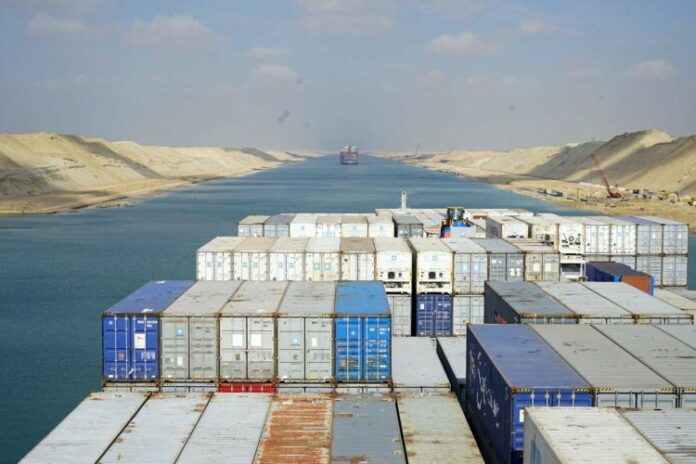
The General Authority for Suez Canal Economic Zone (SCZONE) and the Indian-based ReNew Power have unveiled $8bn plans to produce 220,000 tonnes of green hydrogen annually.

The $8bn green hydrogen production project has been outlined in a signed memorandum of understanding (MoU) between the SCZONE, and the Indian renewables company, ReNew Power.

Under the MoU, revealed on Wednesday (July 28), SCZONE and ReNew plan to establish an industrial complex aimed at producing 220,000 tonnes of green hydrogen and one million tonnes of green ammonia, in the Sokhna integrated Zone of the Suez Canal, Egypt.

The companies have said, in the project’s first phase, between 2023 and 2025, an investment of $710m could see production of 100,000 tonnes of green ammonia and 20,000 tonnes of green hydrogen.

In its second phase, during 2025-2029, the project anticipates a further $7.147bn of investment, seeing production capacity hit 220,000 tonnes of green hydrogen per year.

Yehia Zaki, Chairman of the Suez Canal Economic Zone, said:

“The growing interest of major companies and global consortium in partnership with SCZONE reflects our insightful vision in adopting green fuel as a target sector within our strategy for 2020-2025 for export purposes or bunkering services.

“SCZONE is qualified to localise this industry and is developing its ports to supply ships with green fuel as soon as possible.”

A joint report by Siemens Energy and Roland Berger highlighted the Middle East and Africa (MEA) region’s potential as a green hydrogen exporter. The report read:

“Exporting green hydrogen to the European demand centre presents a major economic prospect and the opportunity to gain geo-political significance in the global decarbonisation effort.

“Speed is key to establish and reinforce long-term supply chains. Hence, speeding up the development of renewable energy will be a priority for all countries wishing to enter the green hydrogen game.”

Partners successfully complete biofuel-powered trial voyage

0

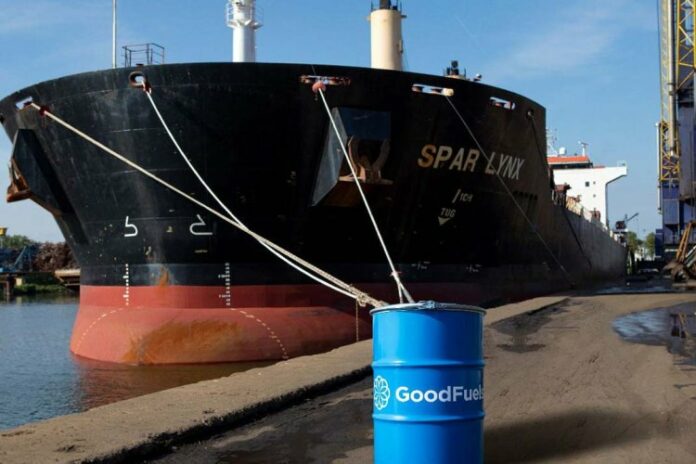
Long-term dry bulk tonnage provider Spar Shipping AS, ship management leader Fleet Management Limited and global biofuels supplier GoodFuels have today announced that they have successfully completed a 10-day trial of 100% sustainable marine biofuel on board Spar Shipping AS’ bulk carrier Spar Lynx. 

Spar Lynx was refuelled with GoodFuels’ biofuel during its port stay in Dordrecht, in the Netherlands, before sailing to the port of Icdas, in Turkey. The next-generation sustainable biofuel was derived from a variety of feedstocks certified as 100% waste or residue, including processed used cooking oil, tallow, and animal waste fats.

The trial was the first bio-bunkering undertaken by Spar Shipping AS and its ship management partner, Fleet Management Limited. The sustainable marine biofuel supplied by GoodFuels delivers a reduction of at least 75% in well-to-exhaust carbon dioxide (CO2) emissions. Over the voyage, Spar Lynx saw an 85% cut in sulphur oxides (SOx) emissions when compared to traditional fossil-based marine fuels. Analysis and continuous monitoring by Fleet Management Ltd using a NOx (nitrogen dioxide and nitric oxide) meter supplied by GoodFuels showed the NOx emissions did not increase at a higher speed when using biofuel, contrary to some industry assumptions.

The trial also further confirmed the safety and technical viability of biofuels for the future fuel mix. Ahead of the trial, Fleet Management Limited undertook a full inspection of the Spar Lynx’s engine to compare the vessel before and after sailing. Following the voyage, no particulates or differences in engine performance were recorded, which demonstrates biofuel’s ability to seamlessly “drop in” to existing vessels, requiring no changes to existing tanks or engines. 

Jarle Ellefsen, Managing Director at Spar Shipping AS said:

“There is particular industry attention on the suitability and applicability of biofuels to legacy tonnage. With regards to Supramax and Ultramax tonnage, which Spar Shipping AS represents, we consider biofuels may well be the only viable sustainable solution for modern tonnage as well. As a tonnage provider, we are looking to facilitate and make feasible sustainable solutions that are technically as well as economically viable. It is all about providing added flexibility to the charterers or operators of existing tonnage.”

Mr Ellefsen added:

“Sustainability is also about affordability, and part of the picture is to enable the biofuels industry to scale up and secure both availability as well as low-cost sustainable biofuel alternatives for the maritime industry. The sustainable biofuels industry needs takers to be able to scale up, and the maritime industry is looking for availability and low cost. To this end, we all have a role to play. By doing our homework, we de-risk, and we are ready and in position to offer new sustainable alternative solutions once the regulatory framework allows for it. We have no time to lose if we are to fulfil the expectations placed upon us by the many stakeholders within our industry.”

Dirk Kronemeijer, CEO of GoodFuels, said:

“As a market leader and pioneer, we are proud to supply our sustainable biofuel to Spar Shipping AS as a credible sustainable solution which can match their operational needs. The results from this latest trial further demonstrate the important role of biofuels as a drop-in solution which is available today and makes a tremendous and immediate difference on greenhouse gas emissions. The time for action on shipping’s decarbonisation is now, and we are proud to partner with Spar Shipping AS and Fleet Management Limited as they join the ranks of our marine biofuel pioneers committed to sustainability.”

Commenting on the trial, Kishore Rajvanshy, Managing Director at Fleet Management Limited said:

“Environmental stewardship is a key area of our Caravel Group and Fleet Management sustainability strategy. We are very pleased that this trial demonstrated a significant reduction in both carbon dioxide and sulphur oxides compared with conventional fuels. As the world’s second largest ship management company – with more than 600 vessels under our care – we look forward to further contributing to the exploration of the use of biofuels within the global shipping industry.” 

Neptune Energy begins drilling Ofelia exploration well

0

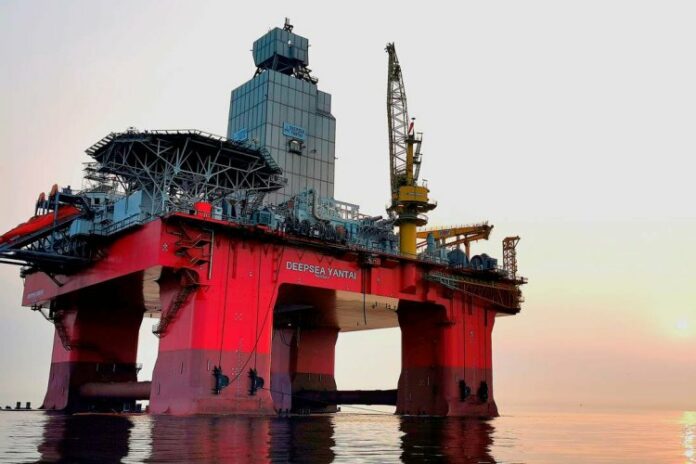
The well, 35/6-3 S, is being drilled by the Deepsea Yantai, a semi-submersible rig, owned by CIMC and operated by Odfjell Drilling. The Ofelia prospect is located 13 kilometres north of the Gjøa field within the Neptune-operated PL929 Licence.

In the event of a commercial discovery, the Ofelia prospect could be tied back to the Neptune-operated Gjøa platform and produce at less than half the average carbon intensity of Norwegian Continental Shelf fields 1.

Neptune Energy’s Director of Subsurface in Norway, Steinar Meland, said:

“Ofelia is an interesting prospect and fits our exploration strategy of focusing on opportunities within core areas near existing infrastructure.

“In case of a discovery, Ofelia could potentially be developed in parallel with Hamlet 2, resulting in a low cost and carbon efficient development.” 

Ofelia is positioned in one of Neptune’s core areas and close to existing infrastructure. The reservoir target is the Lower Cretaceous Agat Formation and is expected to be reached at a depth of approximately 2,570 metres.

The drilling program comprises a main-bore (35/6-3 S) with an optional side-track (35/6-3 A) based on the outcome of the exploration well.

Multipurpose “sweeper” vessel joins Port of Newcastle fleet

0

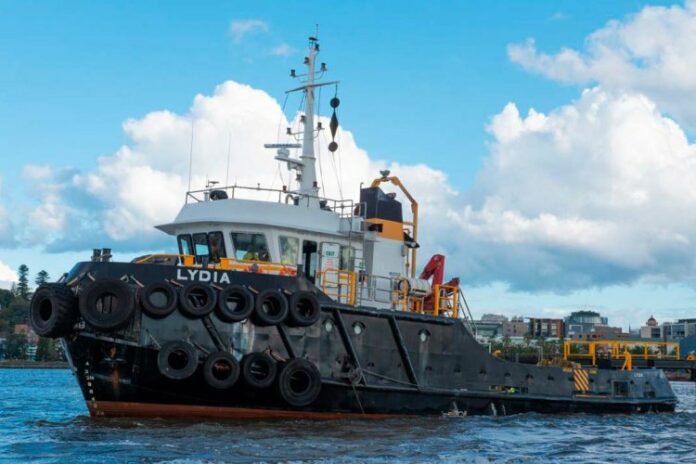
The bed levelling vessel will work in tandem with the Port’s hydrographic survey team and David Allan dredger to provide safe, deep-water access to the port.

Port of Newcastle CEO Craig Carmody said the Lydia will enhance the overall efficiency of current dredging operations, while improving post-flood recovery efforts.

Mr Carmody said:

“As the busiest port on Australia’s east coast with more than 4,600 ship movements annually and a gateway for trade worth around $36 billion to the national economy, maintaining safe access is crucial to the Port’s operation and so the addition of a multipurpose “sweeper” to compliment the work that is already being done by our survey and dredging team is an important investment for the Port.”

Craig Carmody, Port of Newcastle CEO, said:

“The Lydia will not only improve day-to-day efficiency of our maintenance dredging, but it will play an important role in flood events like the one experienced recently by limiting the amount of sediment that can accumulate on the channel floor.”

“This capability, along with a rapid and pre-emptive response, will reduce the recovery time and impact on shipping movements within the port.”

The Lydia is fitted with a 9-meter, 20 tonne sweeping bar, which is attached by hydraulically operated cables and is designed to level out the channel by pushing material from shallow to deeper areas in sections where dredging has occurred.

The bar can be raised or lowered to the required depth and during flood events can be used to ‘churn-up’ sediment to target areas most prone to silt built-up.

Executive Manager Marine Operations Glen Hayward said the vessel arrived in Newcastle late last year and has been retrofitted to improve safety, reliability, and operational capabilities.

Mr Hayward said:

“Safety is our top priority, so we’ve undertaken an extensive program of works to ensure the vessel meets strict standards, while installing CCTV and additional monitoring systems in the engine room to improve crew safety and the overall operation of the sweeper when out on the water. It’s been a huge team effort, so I want to congratulate everyone involved in reaching this important milestone.”   

The Lydia will be based at Dyke Point and operate 5 days per week during an initial 6-month trial phase.

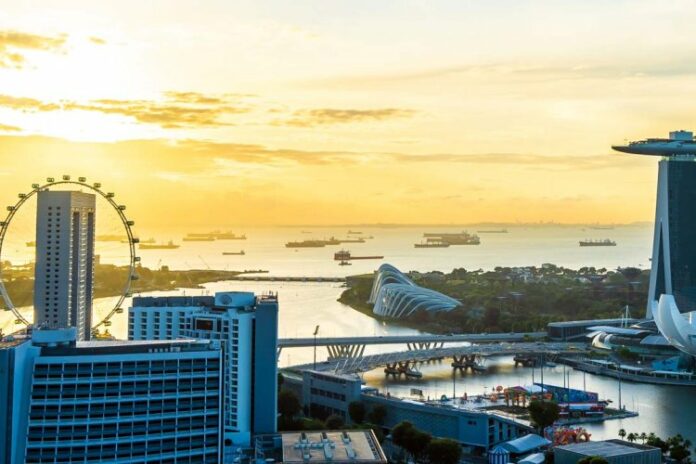
PSA Singapore launches digital transformation initiatives

0

With these APIs, the hauliers’ existing in-house systems can now be digitally connected with PSA’s Portnet®, streamlining and automating their work processes including port documentation. 

Portnet® is a nation-wide business to business (B2B) port community solution that provides real-time and detailed information on all port, shipping, and logistics processes.

The need for manual documentation or job order filling will become a thing of the past, as digitalised processes enables greater efficiency, reliability, timeliness and transparency in goods movement across supply chains. PSA’s efforts to integrate systems via APIs will encourage its logistics and haulage partners to innovate their business processes and at the same time, provides the sharing of real-time information for enhanced planning and decision-making.

PSA has been working closely with key stakeholders, including the Trade Associations and Chambers to build digital capabilities to strengthen the overall business ecosystem. These digital initiatives aim to help companies, especially small and medium-sized enterprises (SMEs), move in tandem with the emerging needs of the digital economy and a postpandemic future. More than 100,000 containers were handled via APIs launched since 2021, with favourable feedback from hauliers who have come onboard.

Ms Seow Hwee, PSA’s Head of Cargo Solutions Business, Southeast Asia, said:

“Agility is a prerequisite in meeting today’s complex and dynamic nature of logistics management, and PSA recognises the industry’s need for data and information sharing to improve resilience in supply chain systems. We are pleased to stand alongside our haulage partners in unlocking the value of digitalisation to build a resilient, agile and sustainable green supply chain ecosystem.”

Mr Oh Bee Lock, CEO of Singapore Logistics Association, said:

“The seaport is the nexus between ships and land-based logistics activities spanning across a wide eco-system of stakeholders. This latest initiative by PSA to enable quick and reliable data connectivity amongst stakeholders will help the logistics industry continue our transformation journey to leverage technology effectively, and build new capabilities to better serve our customers.

We look forward to continuing our collaboration with PSA to innovate and evolve new value differentiators, as well as deepen our capabilities in supply chain resilience.”

Mr Eugene Heng, Managing Director of Masindo Logistics Pte Ltd, said:

“Digitalisation has enabled better supply chain visibility which is critical to the industry and we are glad to support and be part of this digital transformation initiatives led by PSA. With systems integration via APIs, it has streamlined our work processes with increased productivity, and this will help Masindo and other logistics SMEs to make informed data-driven business decisions to support their growth strategies and business continuity.”