-3.6 C
New York
Home Blog Page 396

Neptune Energy awards major decommissioning contract for Dutch, UK North Sea

0

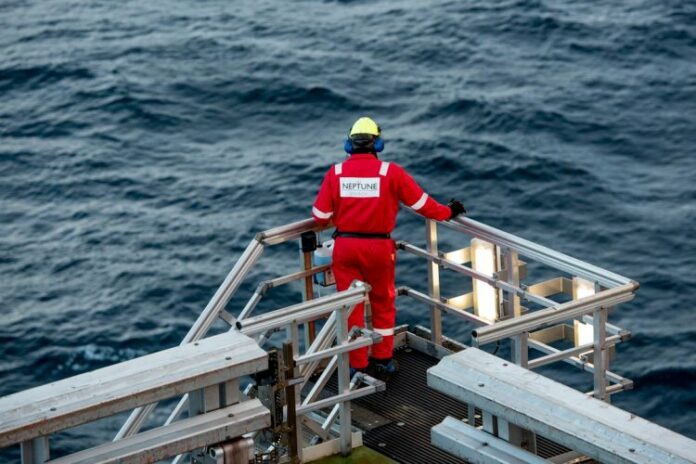
Neptune Energy today announced the award of a $30 million decommissioning contract to Well-Safe Solutions, for a campaign covering more than 20 wells located across eight Dutch and UK North Sea fields.

It is the first multi-region, multi-well decommissioning campaign award by Neptune to a single rig contractor and will significantly reduce time and costs associated with the work.

Well-Safe Solutions’ Well-Safe Protector jack-up rig will carry out the plug and abandonment of at least four subsea and 17 platform wells located in Dutch and UK waters.

Neptune Energy’s Managing Director in the Netherlands, Lex de Groot, said:

“Safely decommissioning assets at the end of their economic producing lives is an important part of our work. We plug and abandon the wells, taking everything with us and leaving the seabed in a clean state. That is our responsibility and we don’t take it lightly. 

“Working with a single rig contractor for this extensive, cross-border decommissioning campaign is an innovative way reduce time and costs.”

Duncan Morison, Rig Manager of the Well-Safe Protector, said:

“The Well-Safe Protector boasts a large volume of deck space for tubing, casing and conductor recovery, allowing effective batch operations and will help Neptune Energy realise considerable operational savings.”

The Well-Safe Protector is scheduled to mobilise in Q1 2023 to the Dutch and UK sectors for P&A operations in fields including D18a-A, G14-B, K12-S2, L10-S2 and K9c-A in the Netherlands and the Neptune-operated Minke and Orca fields.

Neptune has the option to extend the one-year contract by a further two years, via eight three-month extension.

Austal chooses MAN 175D propulsion for new high-speed catamaran ferry

0

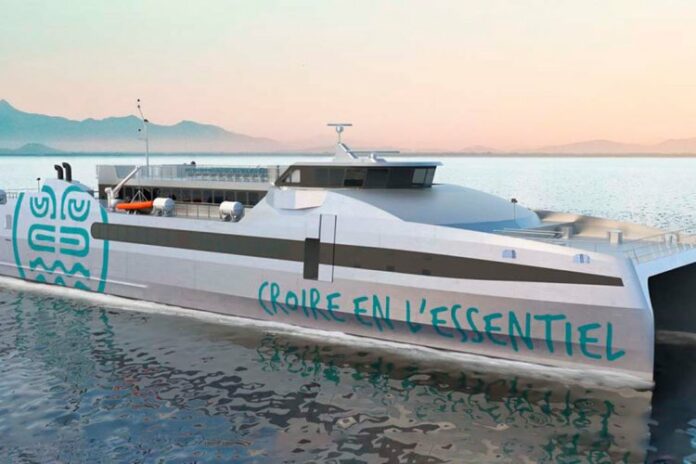
The Austal shipyard in Vietnam has ordered 4 × 16V175D-MM engines, delivering 2,720 kW at 1,800 rpm for water-jet propulsion, in connection with the building of a high-speed catamaran ferry for customer, the Degage Group. 

The 66-metre, 574-passenger ferry is scheduled for delivery in the first half of 2023 and will operate as the ‘Apetahi Express’ between Pape’ete (Tahiti) and Vaitape (Bora Bora) in French Polynesia. The new ferry will have a contracted top speed of 35.8 knots and a range of 360 nautical miles.

Tuanua Degage, President, Degage Group, said:

“These will be the first MAN engines in our fleet. We are very much looking forward to working with MAN Energy Solutions, and in particular the MAN PrimeServ New Zealand team, to ensure the highest levels of engine relaiblity and economy on this very demanding route.”     

Ben Andres, Head of High-Speed Sales, MAN Energy Solutions, said:

“This is an important milestone for the MAN 175D as it wins the favour of yet another, high-speed ferry application, this time with the Degage Group, an acknowledged leader in commercial maritime transportation and tourism. The 175D has a number of advantages that make it eminently suitable for such a technically demanding application, including its long times-between-overhaul, and its best-in-class fuel consumption.”

NOAA, NFWF award $2.6 million for largest U.S. marine national monument

0

The National Fish and Wildlife Foundation (NFWF), Marc and Lynne Benioff and the NOAA have announced nearly $2.6 million in grants to support management and conservation of Papahānaumokuākea Marine National Monument, part of the Hawaiian Islands chain. 

The five grants will leverage $1.3 million in matching contributions to generate a total conservation impact of $3.9 million. NOAA support includes funding from the Bipartisan Infrastructure Law, and additional support is provided by the U.S. Fish and Wildlife Service. 

The Papahānaumokuākea Marine National Monument, a UNESCO World Heritage site, encompasses a remote group of islands, reefs and atolls in the northwestern sector of the Hawaiian Islands. The site is home to thousands of species of fish and wildlife, some that are found nowhere else, including threatened and endangered species such as the Hawaiian monk seal, green sea turtle and Laysan albatross. 

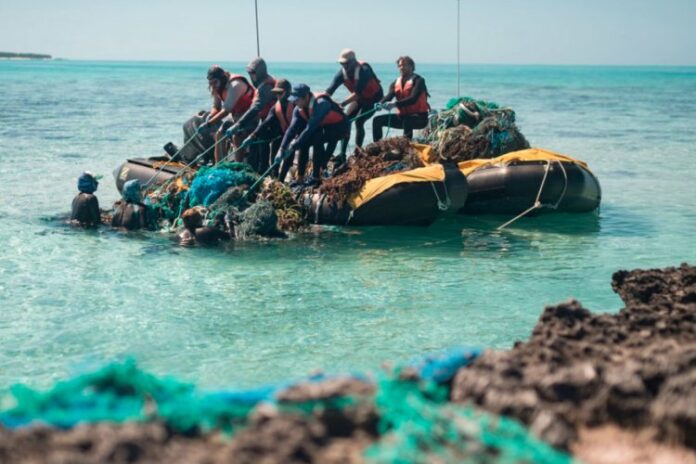
Marine debris removal is of critical importance to both the natural and cultural components of the monument. Papahānaumokuākea is a sacred Native Hawaiian landscape and is home to numerous important archaeological sites. The funds awarded will significantly increase efforts to reduce the amount of marine debris that threatens the monument. The project will also develop and test new tools and techniques that can help increase the efficiency of these removal efforts, such as using uncrewed aircraft systems and satellites to help locate debris.

Jeff Trandahl, executive director and CEO of NFWF, said:

“The low-lying atolls of Papahānaumokuākea Marine National Monument are extremely susceptible to sea-level rise, reducing available nesting and haul out areas for endangered seabirds, sea turtles and monk seals. But what people might find more surprising is the threats that come from around the Pacific Ocean in the form of lost fishing nets and other marine debris that entangle these animals and damage these fragile habitats.” 
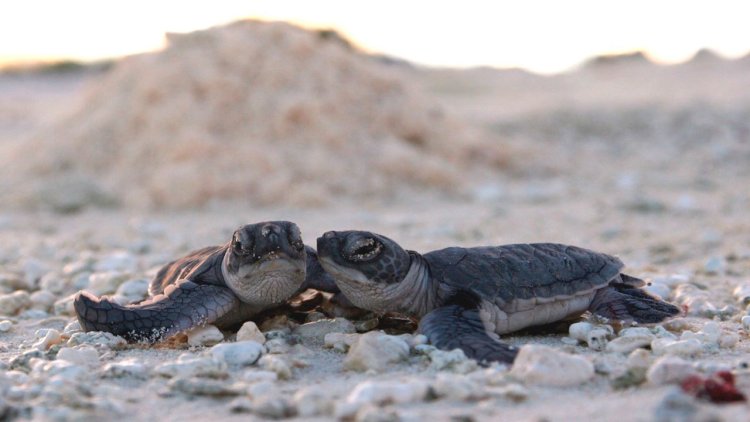
One of the projects supported this year will continue an effort to remove marine debris from the monument that has taken place since 1996, but this new investment will scale up removal work, build capacity for a sustainable multi-year program and incorporate lessons and efficiencies learned from more than 20 years of experience and data. The grant will enable the removal of over 500 metric tons of debris in coming years.  

NOAA Administrator Rick Spinrad, Ph.D., said:

“Marine debris is a global issue that poses immense challenges to nature, human health and the economy. Working with NFWF and Marc and Lynne Benioff to leverage the Bipartisan Infrastructure Law funds for marine debris removal is an important step in helping these habitats recover and stay healthy.”

Other projects supported on this slate will seek to protect the monument from a biological threat: an outbreak of an invasive and smothering form of algae that is severely affecting marine habitats at the northern end of the monument. This algae forms in thick mats that can cover large areas of coral reefs. Funds will continue research into how the algae spreads and what drives the outbreaks while working with managers and those in the monument on practical guidelines to prevent its spread to other areas.

All five grants were awarded through the Papahānaumokuākea Research and Conservation Fundoffsite link (PRCF), a partnership between NFWF and NOAA’s Office of National Marine Sanctuaries. In its first five years, the PRCF has invested more than $5.4 million across 13 projects, leveraging more than $4.5 million in support of the monument’s natural resources for a total conservation impact of nearly $10 million. A complete list of the 2022 grants made through the PRCF is available hereoffsite link.

Sanmar and IGUS team on Shore Electric Bunkering System

0

By joining forces and expertise, the two companies have designed and built a simple to operate compact quayside Shore Power Dispenser System, which can be operated by just one crew member.

The modular design allows an extension of the dispenser system to provide higher charging power capacities easily. Each cable dispenser module can handle 500A current capacity (up to 1000V AC).

For Sanmar, as a Turkish shipyard and tugboat operator, the cooperation with Igus enables it to offer a charging infrastructure for the ports and is part of its mission to lead the tug and workboat industry’s efforts towards an environmentally friendly, sustainable, low- and zero-emission future.

Sanmar is already working in collaboration with Canadian naval architects Robert Allan Ltd and battery energy storage provider Corvus Energy to build and develop the ground-breaking ElectRA range of electric tugboats – five vessels ranging from 19m to 28m in length and up to 70 tonnes of bollard pull.

Tamer Geckin, R&D and Electrical Systems Director of Sanmar Shipyards, said:

“We are delighted to have been able to share our expertise, skills and knowledge with Igus. Our vision of a future sustainable carbon-neutral tug and towing sector will depend on simple, easy-to-use and efficient infrastructure at ports and harbours around the world. We are proud to be at the heart of this transformation through innovation and technological advance.”

Martin Tilling, Shore Power Systems Industry Manager of Igus GmbH, said:

“As “Igus” we are aware that more and more ports are confronted with an increased public awareness of environmental issues. Stricter guidelines are forcing ports to implement more environmentally friendly technologies. Our customised energy supply systems for providing vessels and tugboats at berth with shore power are the solution to reduce air pollution, noise and vibration. As a part of our global company vision such as “Improve all types of motion with motion plastics, with CO2 neutral footprint and zero plastic wate”, we are delighted to collaborate with Sanmar for their new design green tugboats.”

From the start of their collaboration, both Igus and Sanmar understood that it was important to keep their system simple and modular so that the system can be adapted to the charging capabilities of each individual port.

The cable management system, combines standard components and is operated with a radio remote control so there is no need for additional personnel shore side to operate it. Connection and disconnection require only a few minutes.

The two project partners are also sharing their experiences for the automated connection system which will be required if there is only a short period available for charging.

RWE and Latvenergo team up on offshore wind in the Latvian Baltic Sea

0

A corresponding Memorandum of Understanding (MoU) was signed between the two companies. The equal partnership represents a strong combination of experience and expertise in offshore wind development, efficient project delivery, safe operation and extensive knowledge of the Latvian energy market and power supply in the Baltic States.

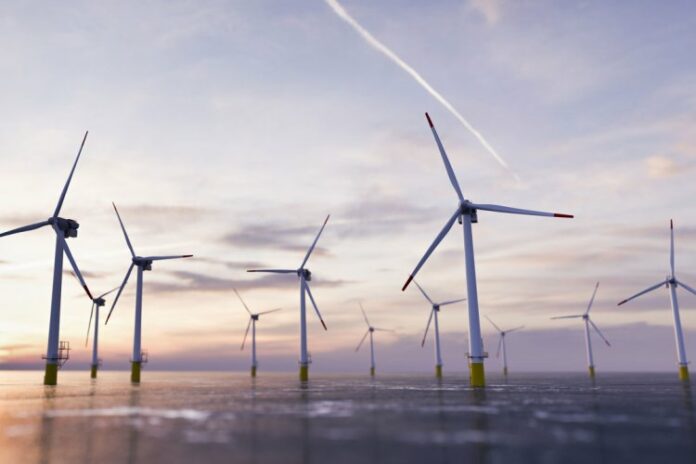
The powerful partnership has been forged to support the build-out of offshore wind in order to strengthen Latvia’s energy independence. According to the National Energy and Climate Plan, Latvia aims to increase its wind capacity from currently approximately 70 megawatts (MW) to 800 MW by 2030. In addition, the country plans to open the “ELWIND” tender, a 1-gigawatt (GW) cross-border offshore project in collaboration with Estonia.

Latvian Minister of Economics, Ilze Indriksone, states:

“The sea has a special meaning for us, previously we have generally seen it as an environmental resource, a recreational resource and an opportunity to enjoy nature. Today, the meaning has changed, but it is not gone. That is why the involvement of state-owned companies is more than welcome in research, development and in cooperation with international partners. Concluding agreements in research accelerates our goal of reaching energy security and energy independence.”

MārtiņšČakste, Chairman of the Management Board and CEO of Latvenergo, says:

“The Baltic Sea wind off Latvia’s shores is a national treasure with untapped potential. Going forward, this will undoubtedly increase the energy independence of Latvia and neighbouring countries, and will enable the export of electricity to the growing European electricity market. Latvenergo has 80 years of expertise in renewable energy, as demonstrated by our generation portfolio of hydropower plants and onshore wind and solar farm projects. By effectively harnessing the power of both the Daugava River and the sun, as well as Latvia’s onshore and offshore wind, the country will have its own independent electricity in all types of weather conditions and at lower prices.”

Sven Utermöhlen, CEO Offshore Wind of RWE Renewables, says:

“Offshore wind is key to meeting the increasing demand for renewable power in Europe, supporting local industries and creating new, future-proof jobs. Together with our partner Latvenergo we are committed to contributing towards delivering Latvia’s offshore wind ambitions – hand in hand with the local communities and supply chain. We bring more than 20 years of experience and technical expertise in the offshore industry to this partnership.”

PPA reiterates ban on single-use plastics in all controlled ports

0

PPA Officer in Charge-General Manager Francisquiel O. Mancile stressed that all port managers across its 25 Port Management Offices must strictly impose the directive embedded under PPA Memorandum Circular No. 11-2021.

He added that this will also go hand in hand with the theme of the 2022 National Maritime Week Celebration:

“New Technologies for Greener Shipping”.

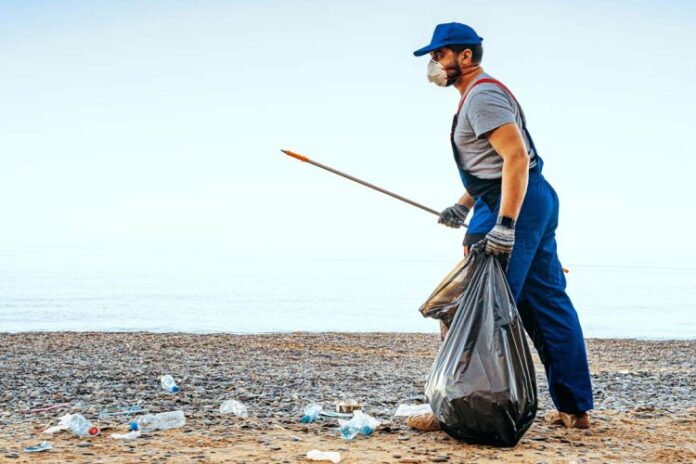
“PPA already has an existing ban on single-use plastics. Since last year, we are not only banning the use and entry of such plastics in the ports but also in all facilities and offices under the agency.

“While we do not impose any fine or penalty to erring passengers, stakeholders, and employees, we are confiscating these kinds of materials for proper disposal.”

PPA Memorandum Circular No. 11-2021, meanwhile, follows the National Solid Waste Management Commission Resolution No. 1363 dated 12 February 2020 directing a ban on unnecessary use of single-use plastic products in government agencies and is seen as a major leap to reduce the use of single-plastic items from polluting waterways, kill marine life and further increase the country’s solid waste.

The ban includes plastic cups thinner than 0.2 millimeters, plastic drinking straws, plastic spoons, plastic forks, plastic knives, plastic coffee stirrers, and plastic labo and thinned-filmed sando bags thinner/lighter than 15 microns.

Aside from this, PPA has also earlier partnered with the World Wide Fund for Nature (WWF)-Philippines on the same initiatives involving three PPA ports—the North Port, Port of Batangas, and Port of Cagayan de Oro—in a bid to reduce plastic leakage at the said ports by 50% by 2023.

The Maritime Industry Authority (MARINA) and the Philippine Coast Guard (PCG), which are also part of the three-pronged maritime sector of the Department of Transportation, also expressed readiness to impose similar initiatives in their areas of jurisdiction.

The PCG said they will levy heavy fines and penalties to their erring personnel who will be found violating the ban. At the same time, the MARINA will look into further strengthening the regulation imposed on local ships.

EPS and Crowley partner on four dual fuel LNG containerships

0

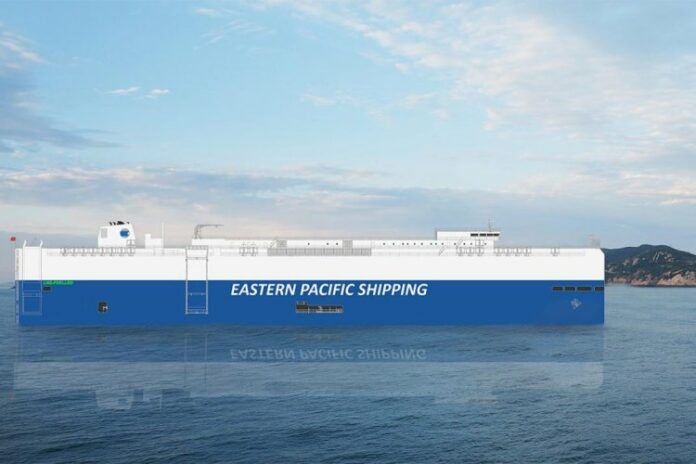
U.S. shipping and logistics company Crowley has awarded Singapore-based Eastern Pacific Shipping (EPS) a contract for the charter of four newbuild containerships powered by liquified natural gas (LNG) for Crowley’s U.S.-Central America trade.

Using LNG significantly lowers vessel greenhouse gas emissions, such as sulfur oxide, carbon dioxide and nitrogen oxide while eliminating particulate matter compared with conventional diesel fuel. In addition, these vessels will be fitted with high-pressure ME-GI engines from MAN Energy Solutions, reducing methane slippage to negligible levels and making these vessels the most environmentally efficient in their category.

Each vessel, which will have capacity for 1,400 TEUs (20-foot container equivalent units), will feature 300 refrigerated unit plugs to reliably transport perishable cargo. Operating under a long-term time charter to Crowley, the ships will expand Crowley’s fleet and supply chain capabilities connecting U.S. markets to Nicaragua, Honduras, Guatemala and El Salvador.

EPS CEO Cyril Ducau said:

“We are excited to develop our U.S. market footprint through these long-term time charters with such a reputable partner. Like EPS, Crowley enjoys a rich history and diverse business portfolio, but more importantly, their organization is driven by a vision to lead the industry’s decarbonization efforts. Once delivered, these vessels will be IMO 2030 compliant five years ahead of schedule and will play an important role as the world and industry transition to cleaner energy sources.”

Tom Crowley, company chairman and CEO, said:

“These four ships will play a significant part in driving Crowley’s strategic growth in our supply chain services for the U.S., Central America and Caribbean. In addition, the vessels use of LNG and emissions technology will advance the company’s commitment to innovation and decarbonization in the shipping industry as part of our sustainability strategy. As more companies diversify their supply chains using nearshoring and the resources of Central America, Crowley will enhance our end-to-end logistics services to be partners in their growth.”

The vessels will be built by Korea’s Hyundai Mipo Dockyard and are slated for delivery in 2025.

HMM partners with PANASIA to study onboard carbon capture system

0

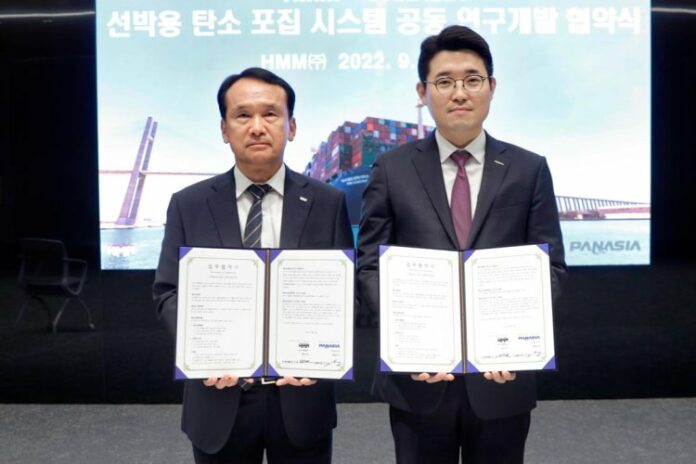
HMM announced that the company has signed a Memorandum of Understanding (MoU) with PANASIA to collaborate on onboard carbon capture system for vessel application.

Onboard carbon capture system is an advanced technology to capture CO2 from greenhouse gas emissions generated during vessel operation, ensuring it is not emitted into the atmosphere. This solution has the potential to play a significant role in reducing CO2 emissions.

Under the terms of MoU, HMM and PANASIA will perform a feasibility study, economic analysis and risk assessment. In addition, the handling process of captured CO2 is one of the vital areas of study. Based on research findings, HMM is expected to install the carbon capture system and perform an operational test on its vessels.

Kim Gyou-bong, HMM Chief Maritime Officer, said:

“Carbon capture technologies are one of the alternatives in support of the net-zero ambitions of the global community. We will continue to participate in collaborative partnerships to develop onboard carbon capture solutions on our pathway to carbon neutrality”.

As an environmental initiative, HMM unveiled its target of reaching net-zero carbon emissions across its entire fleet by 2050. HMM explores various sustainable energy sources to achieve the target, including biofuels, LNG, hydrogen, and green ammonia. 

DMC to equip five PCTC’s with advanced semi spade rudders

0

Semi spade rudders with innovative asymmetric leading edge will be installed on five new Pure Car and Truck Carrier (PCTC) vessels for Eastern Pacific Shipping from Singapore. The vessels are to be built by CSC Jinling Shipyard in China. 

The customised rudder will contribute in saving fuel during passages thanks to innovative design.

The five 72,000 gross ton vessels feature 12  cargo decks on which they can carry 7000 vehicles. The carriers of nearly 200 meter long, 38 meter beam and 8.6 meter design draft are laid out for a design speed of 19.5 knots. These car carriers will be propelled by dual fuel diesel-LNG engines by a single propeller. Running on LNG, these vessels will be able to sail with considerable reduction of emissions as compared to conventionally powered ships. For each of the five identical carriers, Damen Marine Components (DMC) will deliver one rudder, that will allow for even more fuel savings thanks to optimised design. The customised rudder will provide 1450 kilonewton meter of torque, the weight is 46 tonnes, excluding the horn.

Asymmetric Rudder Technology (ART) is based on advanced hydrodynamics. The asymmetric leading edge diverts the rotational effects of the propeller wake to enhance the flow along the rudder. This reduces drag and thus saves fuel. ART is often applied to the leading edge of the rudder blade, yet for the five PCTC’s also the horn of the rudder is asymmetric. This further optimisation of rudder design, enhancing fuel economy, is specially engineered for these vessels by the DMC design team.

Bogdan Mocanu, Area Sales Manager at Damen Marine Components says:

“We are very glad to have the opportunity of using our expert knowledge in designing the rudders for top performance, fully complying with the ship’s operational profile.”

The five PCTC’s will be built at the China Merchant Jinling Shipyard under DNV class notation. DMC will deliver the rudders for the five consecutive carriers in the course of 2023 and 2024, in time for scheduled ship delivery from the yard.

REV Ocean, Nekton and OCEEF team up to document twilight zone reefs

0

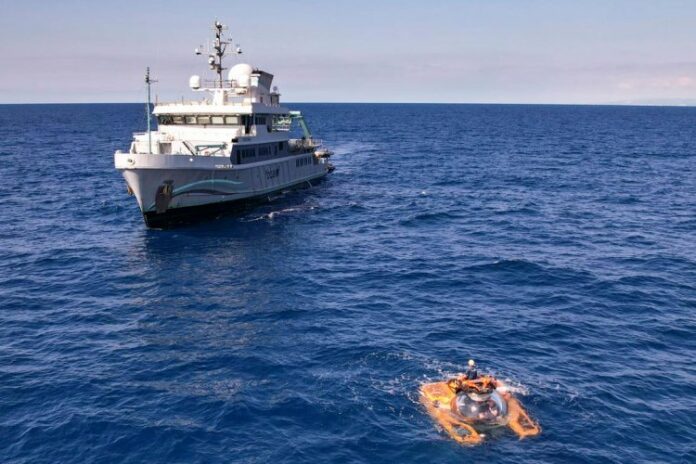
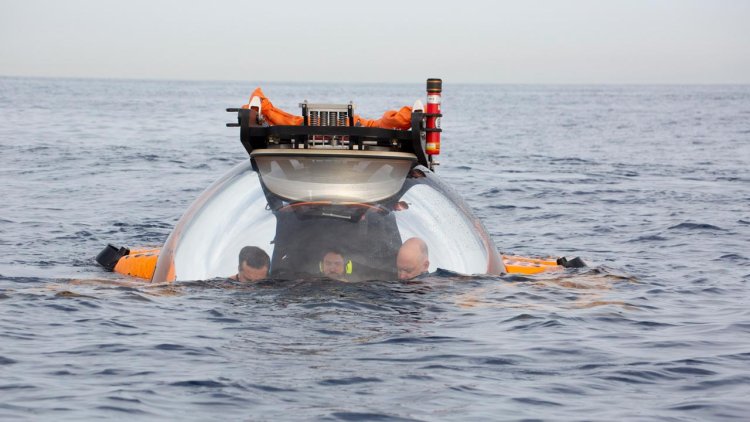
Aurelia’s first mission is to the Indian Ocean to support work by Nekton and the Government of the Maldives to contribute to establishing a baseline of marine life and the state of the ocean in the Maldives from the surface to 1000 metres deep.

The Maldivian and international team’s research will include documenting twilight zone reefs around the archipelago. Even though these reefs lie below the depths to which SCUBA divers swim they host reef-forming corals and a host of other life, including many undocumented species of corals, fish and seaweeds. The work will assist the Maldivian Government to manage its marine environment and enable Maldivian scientists to obtain training in deep-water ecology and conservation management. 

Nina Jensen, CEO of REV Ocean, says:

“Due to the delay of the REV Ocean vessel, we have been searching for interim partners to deploy the sub. I am thrilled to team up with OCEEF and Nekton and to be able to put our submarine to good use. Documenting vulnerable ecosystems in the deep sea and potentially discovering new important species in the deep, will hopefully contribute to better protection of these essential deep-sea ecosystems. The Odyssey is well suited for specialized missions that will contribute to our shared goals of ocean education, exploration, marine science, and conservation.”

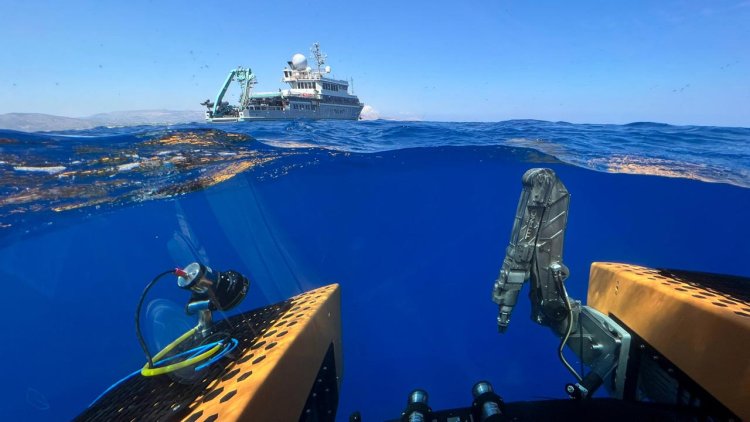
The sub is fitted with a suite of scientific sensors, cameras, and sampling equipment which provide the global science community with unique opportunities to explore and document deep ocean ecosystems. The partnership is also reaching out to several charitable, scientific and educational organisations that share interests in ocean conservation and solutions. 

The Odyssey has previously contributed to marine exploration through missions to film the giant squid live in the wild for the first time, the first deep-sea tagging of a marine animal (a bluntnose sixgill shark), and filming of a BAFTA-Award-winning episode of Blue Planet II. 

OCEEF founder and CEO Alex Moukas says:

“We are honored and excited to join forces with REV Ocean and operate Aurelia out of Odyssey. OCEEF aims to help shape a world where people appreciate the importance of the ocean, take action to protect it and ensure its sustainability by educating a new generation of ocean stewards. 

“Aurelia is the most capable submersible out there, and we are looking forward to working closely with REV Ocean and deploying the sub in fascinating missions in order to change hearts, transform minds, and advance awareness about ocean conservation and research.” 

Aurelia will collect large quantities of data on marine life, which will be deposited in the Ocean Data Platform, hosted by HUB Ocean as well as being distributed to relevant existing global databases such as the Ocean Biodiversity Information System (OBIS) for recording observations of marine life.