-1.1 C
New York
Home Blog Page 389

Corvus Energy openes a brand-new test area for hydrogen fuel cells

0

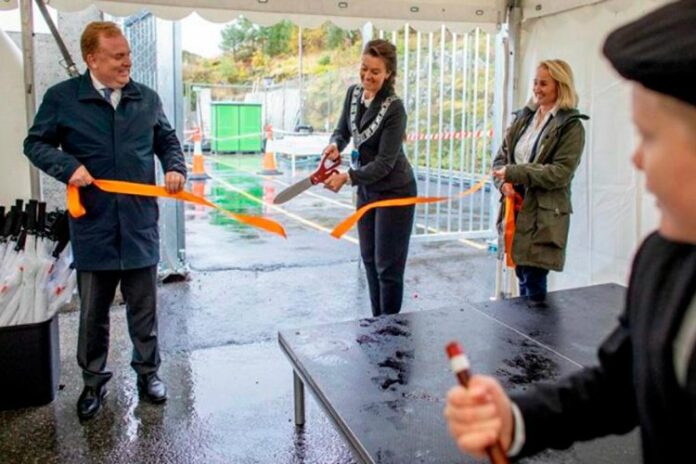
On October 6th Corvus Energy, the world’s leading producer of battery systems for the ocean space, opened a brand-new test area for hydrogen fuel cells at their production site in Bergen, Norway. 

As part of the H2NOR project, Corvus is going full blast with the development and production of sustainable, large-scale maritime-certified hydrogen fuel cell systems, with Toyota onboard as key partner and supplier of mass-produced fuel cell technology. 

In March the project received Approval in Principle (AiP) by DNV and the test area is an important part of the prototype testing and validation. The test area was officially opened by Vice County Mayor of Vestland County Municipality, Natalia Golis (The Greens).

Thor Humerfelt, Senior Vice President Product Architect of Corvus Energy explains:

“Batteries and fuel cells are complementary products, and they need to work together in order to achieve optimal efficiency and extended lifetime. We will test multiple combinations of batteries and fuel cells for various operational profiles, and this is why the test site is so unique and important. In the end, we will have a system that will give recommendations for the vessel’s crew on the most optimal operation.” He continues: “Corvus Energy has extensive knowledge in battery systems and marine safety. Through cooperation with Toyota, the world leader in fuel cell technology, we are now able to combine the best from both companies’ expertise.”

Geir Bjørkeli, CEO of Corvus Energy, said:

“The interest in hydrogen as a marine fuel is increasing significantly. A dedicated marine and optimized hydrogen fuel cell solution is a vital step toward the decarbonization of shipping. Being able to test both battery and fuel cell systems together and make them work in perfect harmony will potentially revolutionize the global maritime industry.”

Another central project partner, Maritime CleanTech, emphasized the test area and the projects importance related to reducing cost of fuel cells, as well as increasing access to technology.

Håvard Tvedte, interim CEO of Maritime CleanTech, said:

“Reducing the cost of fuel cells and increasing access to the technology is crucial to accelerate the green transition in the maritime industry. Innovation is hard work – and the validation processes are no quick fixes. Systematic testing and validation ensure the responsible and safe use of hydrogen and fuel cell technologies. This test site is a great example of how this should be done.” 

Testing of the Hydrogen Fuel Cell system is in full progress.

Corvus Energy aims to have the first marine hydrogen fuel cell system type approved in 2023 and start scalable production and commercial delivery in 2024.
Renewal of Europa Terminal at Port of Antwerp-Bruges officially underway

0

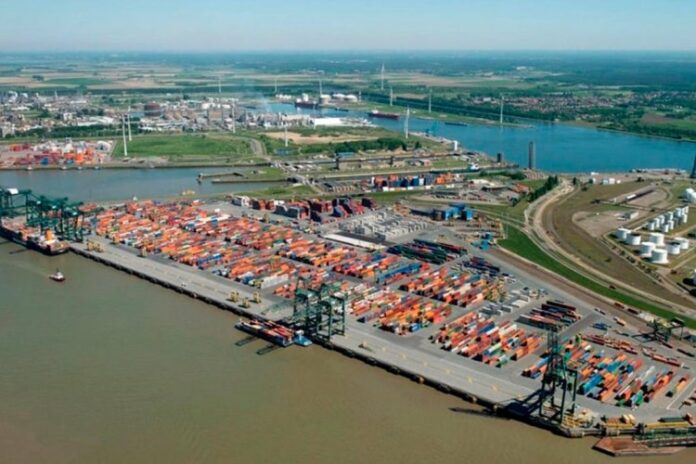
The works, which will take about nine years and be carried out in three phases, will ensure that the latest generation of container ships can continue to call at Antwerp. These renovations will also result in an efficient and sustainable terminal that contributes to the transition towards a climate-neutral port.

In order to remain a top-class world port, the port must be able to offer its customers a well-functioning infrastructure and additional container capacity. Port of Antwerp-Bruges and PSA Antwerp are therefore investing in the renewal of the Europa Terminal. It was officially inaugurated in 1990 as the first tidal container terminal in Antwerp. With the renewal, which will cost 335 million euros, Port of Antwerp-Bruges aims to strengthen its competitive position while taking steps towards becoming a sustainable port.

The depth of vessels that can moor at the 1,200-metre quayside will be increased from 13.5 metres to 16 metres. Because ships must be able to continue to moor during the extensive works and in order to minimise operational impact, we are tackling the quayside in three major phases. In addition, we will create additional temporary moorings for inland navigation, so we can guarantee that our customers will receive a smooth service. The works will be spread over about 9 years and have been carefully plotted based on expected traffic in the coming years.

The renovation of the terminal will also contribute to the transition towards a climate-neutral port. Electrification and other optimisations will reduce CO2 emissions per container by 50% and wind turbines will increase the share of renewable energy.

The new quayside will be given a new orientation to ensure sufficient distance between passing ships and the terminal, and to protect the nearby Galgenschoor nature reserve. The works include in the final phase the construction of an underwater dam to provide additional protection for the nature reserve and ensure it does not subside.

During the entire process, all parties involved will take the necessary measures to minimise disruption, in close consultation with the surrounding area.

Following a tender process, the contract for the works was concluded today with a Temporary Company of four contractors, namely Artes-Roegiers, Artes-Depret, Herbosch-Kiere and Boskalis, all contractors with extensive experience in large-scale hydraulic engineering projects.

Annick De Ridder, Port Alderwoman of the City of Antwerp and Chairwoman of the Board of Directors of Port of Antwerp-Bruges, said:

“Our port is the economic engine of Flanders. Interventions are needed to make it function optimally. With the deepening of the Europa Terminal from 13.5 to 16 metres, together with PSA Antwerp, we are ensuring that we can continue to receive the largest container ships.”

Cameron Thorpe, CEO PSA Belgium, said:

“At PSA Belgium, we are delighted that construction works on the quayside are underway. This will allow us to start the transformation process of Europa Terminal with a highly sustainable investment while increasing capacity by more than 700K TEU annually.”

Jurgen De Wachter, General Manager at PSA Antwerp Container Business, said:

“The development of the Europa Terminal will future-proof our operations and service levels, by reducing our carbon footprint by more than half, improving the safety of our people and meeting our customers’ increasing demand for mega-ship capacity.”

Port Houston orders 26 eco-efficient hybrid Konecranes RTGs

0

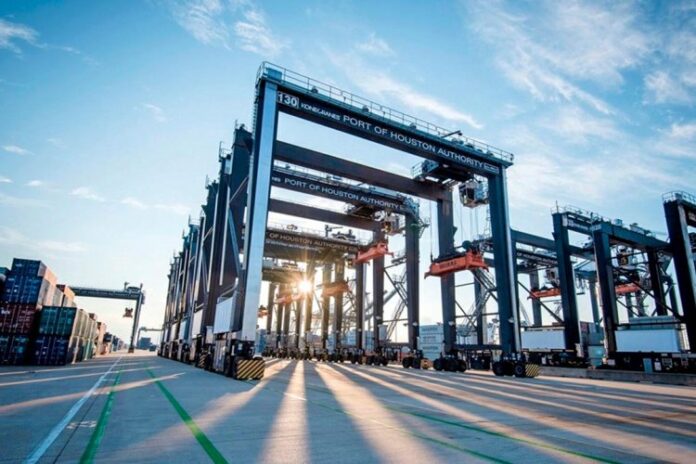
Port Houston in Texas, USA, has ordered 14 hybrid Konecranes RTGs for its Barbours Cut Container Terminal and 12 hybrid Konecranes RTGs for its Bayport Container Terminal.

The order supports the port’s expansion as it gets ready to receive larger container ships and higher volumes of container traffic. The order was booked in Q3 2022. 

Port Houston is expanding significantly with a channel improvement program and land infrastructure investment.  Container volumes grew a record 15% in 2021, year over year and as part of its investment program, the port has ordered 26 hybrid Konecranes RTGs to reinforce its current fleet of Konecranes RTGs at its Barbours Cut and Bayport container terminals. Across the two terminals, the current fleet comprises 90 diesel Konecranes RTGs and 26 hybrid Konecranes RTGs.

The hybrid Konecranes RTGs on order feature advanced Li-ion battery technology and a battery management system that monitors the charge level and general health of the batteries. Konecranes can monitor the status of this system via TRUCONNECT® remote connection. The hybrid power system is completely modular and retrofittable. It includes an eco-efficient Tier 4f diesel engine that will charge the batteries when necessary.

The RTGs will have a lifting capacity of 50 tons while stacking containers 1-over-5 high and 6 plus truck lane wide. They will be equipped with the Active Load Control system, which eliminates container sway. They also include the following smart features: Auto-steering, Stack Collision Prevention and Truck Lift Prevention.

DSME receives AiP for an 86K NH3 carrier with NH3 propulsion

0

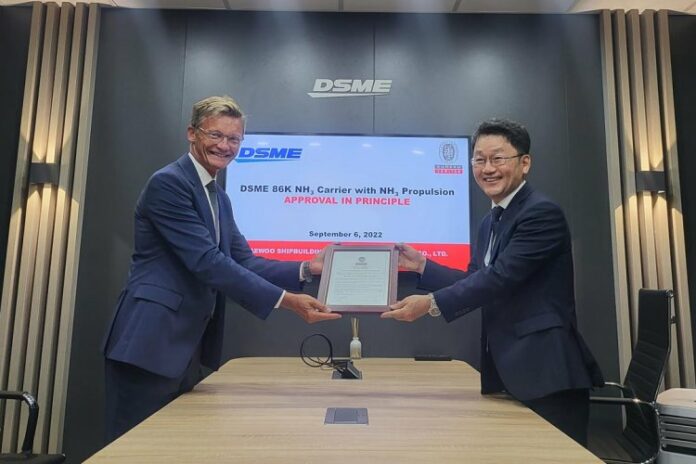
Bureau Veritas (BV), a world leader in testing, inspection, and certification, has delivered an Approval in Principle (AiP) to Daewoo Shipbuilding & Marine Engineering Co., Ltd. (DSME) for its innovative design and development of an 86K Ammonia (NH3) carrier with NH3 propulsion.

The certificate was delivered to Jae Hyuk Woo, Senior Executive Vice President and Shipyard General Manager of DSME, by Matthieu de Tugny, President Marine & Offshore at Bureau Veritas, at a ceremony on the 6th September at the Gastech exhibition in Milan.

The main characteristics and dimensions of the vessel are approximately 230m in overall length, 36.6m in breadth, and a depth of 22.5m. It will be equipped with four (4) prismatic-type cargo tanks with a total capacity of approximately 86,000 cubic meters.

Ammonia (NH3) is one of the main zero-carbon fuel options currently envisioned by shipping as the industry seeks to decarbonise. This is because it burns without emitting CO2 and is zero-carbon “well-to-wake” when produced from renewable energy. It is one feasible solution among potential alternative fuels in line with the targets set up by the International Maritime Organization (IMO) to reduce greenhouse gas (GHG) emissions in the maritime sector.

Jae Hyuk Woo, Senior Executive Vice President and Shipyard General Manager of DSME, said:

“We are pleased to cooperate with BV. Reducing greenhouse gas emissions has now become a global concern and a key topic regardless of industry. This project is significant in that two companies jointly completed the conceptual design of the very large ammonia carrier with an ammonia fuelled propulsion system and secured technological competitiveness for the eco-friendly vessel by reviewing the safety and compliance of the design. We will maintain our leading position in the market by developing various technologies for decarbonization”.

Matthieu de Tugny, President of Marine & Offshore at Bureau Veritas, commented:

“Bureau Veritas is proud to cooperate with Daewoo Shipbuilding & Marine Engineering Co., Ltd. on the development of the design of an NH3 carrier with NH3 fuel propulsion that will support maritime industries towards zero-carbon shipping. As the maritime industry gears up for its decarbonised future, our role as a class society is to support pioneers with our experience and technical expertise, assess risk and ensure the safety of innovative solutions. We are excited to cooperate with DSME for the development of zero-carbon shipping technologies with various viable solutions for the future.”

Shearwater to deliver next-gen dual ROV seismic vessel

0

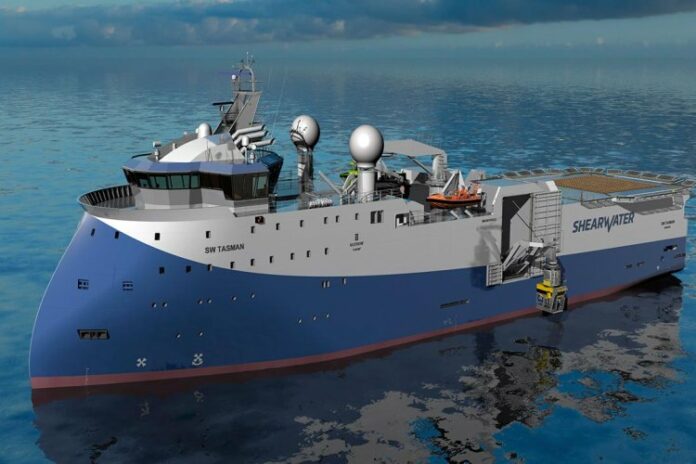
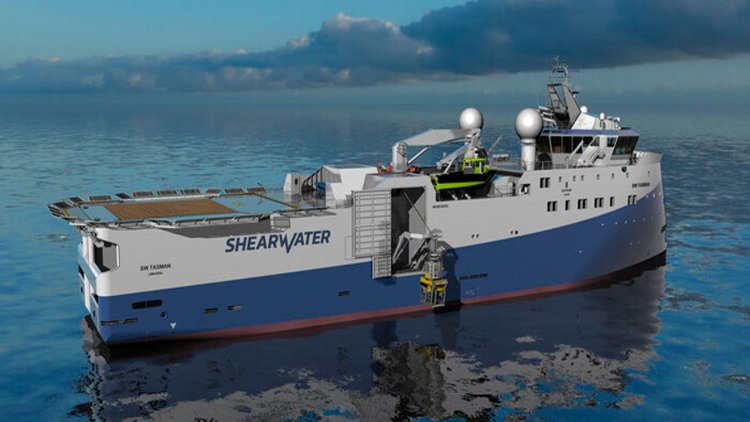
Shearwater GeoServices has announced its cooperation with Ulstein Design & Solutions AS in providing the conversion engineering of the SW Tasman, an ULSTEIN SX124 design, to a dual ROV seismic vessel, equipped with a broad scope of operational capabilities.

According to a press release from Shearwater, the dual ROV vessel is expected to be available to clients early in the second quarter of 2023 following a conversion of the SW Tasman multipurpose vessel. Designed to deploy ocean bottom nodes in both deep and shallow water the vessel will also be able to provide high-quality source for surveys and conduct towed streamer surveys.

Ulstein Design & Solutions AS, the original vessel designers, will provide conversion engineering, with Evotec providing launch and recovery solutions and ROVOP providing dual work ROVs with associated ROV personnel.

The conversion is an example of how Shearwater can leverage its flexible fleet to provide additional high-end capacity tailored to clients’ needs in response to a significant increase in demand for ocean bottom seismic.

Irene Waage Basili, CEO of Shearwater, said:

“In short, this is the world’s first commercial multi-technology geophysical ROV vessel with source and towed streamer capability, and able to perform ocean bottom ROV surveys as a single unit. Having our own dual ROV vessel will support improved risk management and operational performance, and in a market with capacity constraints, it enables us to offer robust solutions to our clients using our own assets.”

SW Tasman was delivered in 2010 from Drydocks World as a 12-streamer 3D offshore seismic research vessel to Western Geco, and Shearwater took ownership of the vessel in 2018.

Port of Long Beach joins hydrogen fueling partnership

0

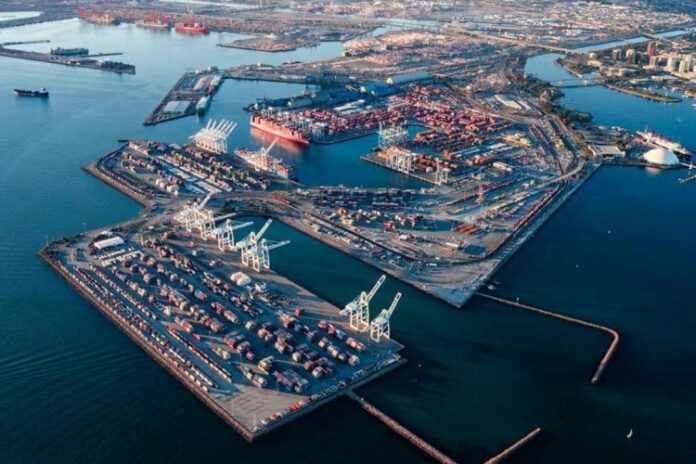
To advance its zero-emissions goals, the Port of Long Beach has joined the Alliance for Renewable Clean Hydrogen Energy Systems (ARCHES), a public-private partnership formed to help capture newly available federal funding to assist in developing a robust renewable hydrogen market in California.

The partnership was celebrated Thursday during a launch event at the Port Administration Building attended by officials from the Port, City of Long Beach, the Governor’s Office of Business and Economic Development, the University of California Office of the President, labor organizations, Renewables 100, and state and local officials.

ARCHES will serve as the lead applicant for California’s bid to win funding for a hydrogen hub under the U.S. Department of Energy’s Regional Clean Hydrogen Hubs (H2Hubs) program. Funded by the Bipartisan Infrastructure Law, the H2Hubs program will be one of the largest investments in the history of the Department of Energy.

Long Beach Mayor Robert Garcia said:

“Hydrogen power represents a tremendous opportunity — both for our state and for cities like Long Beach. We’re looking forward to California leading the way through investment in sustainable technology.”

Long Beach Councilwoman Cindy Allen said:

“ARCHES represents an incredible opportunity for the City and Port of Long Beach to advance local and regional clean hydrogen hub development goals and ensure we are making investments in clean hydrogen technologies in the future. Green hydrogen is a powerful tool, and it can potentially be used to decarbonize the heaviest industries and energy uses, like shipping, aviation, and heavy duty trucks. It will also address the concerns and needs of communities who have sustained the disproportionate burden of environmental impacts. As Chair of the Long Beach City Council Climate Action and Environmental Committee, I will always advocate for policies and initiatives that further our green energy goals, and ARCHES is an example of one of these programs.”

Long Beach Harbor Commission President Sharon L. Weissman said:

“Partnerships like this have been a key to our success. Green hydrogen is an important fuel for the future of the shipping industry, and as we strive forward on the Port’s goals of zero-emissions cargo-handling by 2030 and trucks by 2035.”

Port of Long Beach Executive Director Mario Cordero said:

“Establishment of a hydrogen hub in California would support achieving our zero emission goals. With $8 billion in federal funding available, we want to ensure we have as much leverage as possible to see that our fair share comes to California, and specifically to the ports. This is a step toward this and accelerating the nation’s clean energy transition.”

The Port of Long Beach is known internationally as an industry leader in advancing cleaner cargo movement. As a signal of that progress, last month, the Port announced that a trucking company partner will convert to fully-zero emissions by 2025 – 10 years before the 2035 goal.

In order to tackle greenhouse gases and criteria pollutants, the Port of Long Beach has set a goal of all zero-emissions cargo-handling equipment by 2030 and a zero-emissions drayage truck fleet by 2035. Today, about 17% of the cargo-handling equipment at the Port is electric powered, the largest such fleet in the United States. The Port has also committed $150 million to support zero and near-zero emissions demonstration projects inside the port and on Southern California roads. 

OTG and Trainor partner to improve the safety of seafarers

0

Most onboard fires originate in the engine room. However, areas where flammable liquids, gases or materials and the potential for their ignition, pose a significant risk to the lives of seafarers and the safety of the ship.

It is therefore critical that crew are sufficiently trained to identify and reduce the risks in hazardous or explosive areas (EX-areas), where flammable or combustible gases and air mixtures are near potential ignition sources. Awareness of hazardous areas is particularly critical when planning and carrying out maintenance, where sparks generated by tools can easily trigger a fire or an explosion.

Trainor, a developer of professional training for electrical and explosion safety with over 30 years of experience in developing traditional in-person teaching, as well as pioneering e-learning courses, has partnered with Ocean Technologies Group (OTG) to offer four new courses on EX areas via the award-winning Ocean Learning Platform (OLP).

The e-learning titles are recognised by DNV and cover a wide range of safety-critical topics for those working in or near EX-areas, providing crew using OLP with highly engaging training in the safety-critical areas of explosive protection; educating them on how to choose the right equipment, what markings mean, and other essential information that will help them to work safely in hazardous areas. The material includes the Safe Behaviour in Hazardous Areas course, which was also recently recognised with an award at the International E-learning Awards.

Kåre Vegar Sund, Team leader eLearning at Trainor, said:

“These titles were created to keep workers safe. Through this partnership with Ocean Technologies Group, we will provide industry-wide access to this critical information, reducing the risk to seafarers and improving safety onboard. We strive to make training something people want to do, not just something they have to do. We see that OTG shares this vision and is an ideal partner for Trainor.”

Knut Mikalsen, Director of Learning Solutions at Ocean Technologies Group, said:

“Trainor is renowned for the high-quality, engaging, and immersive courses they create. This partnership enables us to offer their cutting-edge and potentially life-saving material to our customers, providing another premium resource that will reduce risks and keep their crews safe.”

Johan Gustafsson, Chief Revenue Officer for Ocean Technologies Group, said:

“The safety of the crews is of paramount concern to all OTG customers. Through this partnership with Trainor, we continue strengthening the resources available to our customers, helping their seafarers identify and reduce risks when working in hazardous areas and enabling them to be safer in their everyday work.”

“This is another example of our vision of OLP as an inclusive platform and conduit through which our customers and partners can connect,”

LR signs contract with Birdon for new Royal Australian Navy Sail Training Ship

0

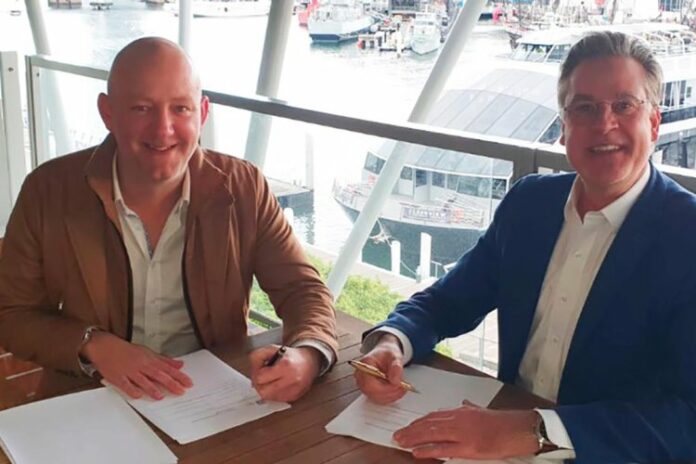
Lloyd’s Register (LR) has signed a new construction agreement with Australian shipbuilder Birdon to provide classification services and statutory approval for the Royal Australian Navy’s Young Endeavour replacement.

The ship, designed by Dykstra and built by Birdon, will be constructed at Birdon’s Port Macquarie shipyard in New South Wales, providing significant economic benefit for the region.

As a Sail Training Ship (STS), the new vessel will continue to deliver youth development within the Young Endeavour Youth Scheme’s sail training program. Young Endeavour has been operating since 1988, when the vessel was gifted by the British Government to celebrate Australia’s Bicentenary.

The Young Endeavour replacement will comply with the REGLYC Part A yacht code and Australian Maritime Safety Authority (AMSA).

Remko Hottentot, Business Development Manager Australasia, Lloyd’s Register said:

“We are extremely excited and proud to be part of this project and very pleased to be working together with Birdon and Dykstra. The result will not only be a great square rig training ship, but a true head-turner that provides fantastic opportunities as part of the Young Endeavour Youth Scheme.”

Joe Smith, General Manager Defence, Birdon said:

“We are very proud to have been entrusted to lead this once in a lifetime project. It is a unique and prestigious vessel and we look forward to working with Lloyd’s Register to deliver and assure this important capability.”

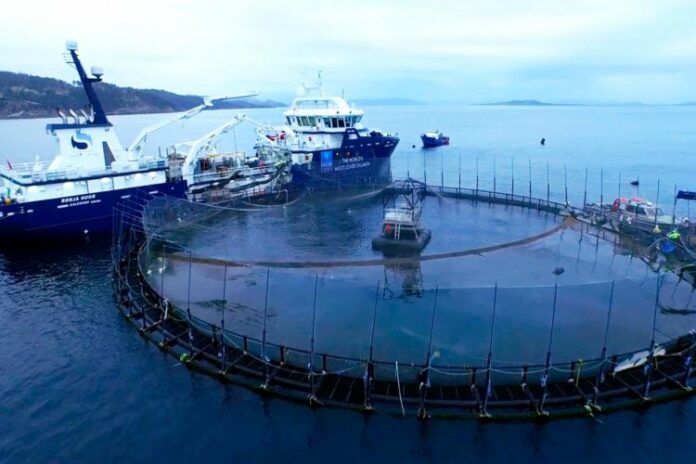
Australia’s super-sized salmon farmer gets a fifth Falcon

0

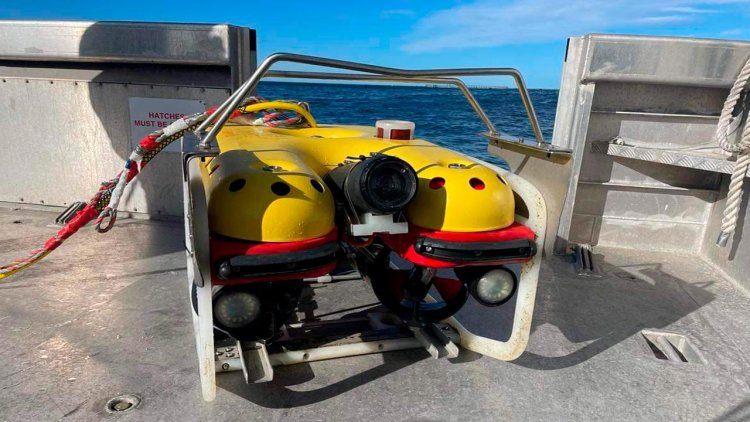
This brings Huon’s Falcon fleet to five. Huon sees the Seaeye Falcon as a farming tool for surveying and monitoring their marine leases in South East Tasmania, Australia.

Huon purchased their first Falcon in 2015 and have, since then, been operating Falcons 24 hours a day, seven days a week.

Dr Shea Cameron, Huon’s Subsea and Remote Systems Manager, says the Saab Seaeye model is invaluable to the company’s farming operations:

“Our dive and mooring teams use Falcons to inspect and maintain our critical subsea farm infrastructure.”

He says their Falcons spend more time in the water than any of the others in Huon’s large fleet of remotely operated vehicles that range from large specialist net cleaning vehicles to smaller eyeball class systems.

VIKING obtains fleetwide HydroPen™ order from the CMA CGM Group

0

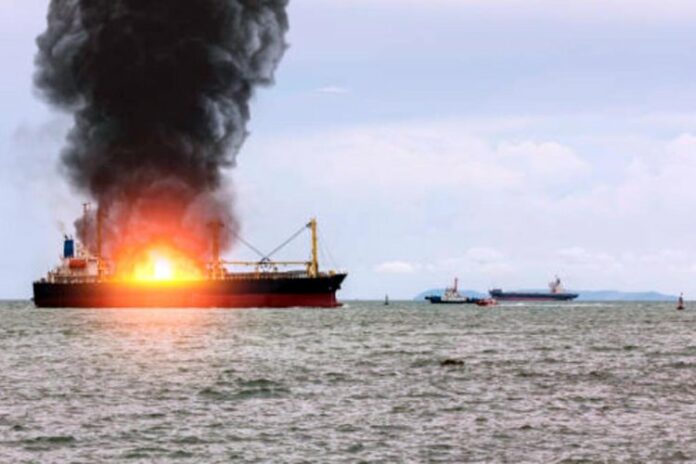
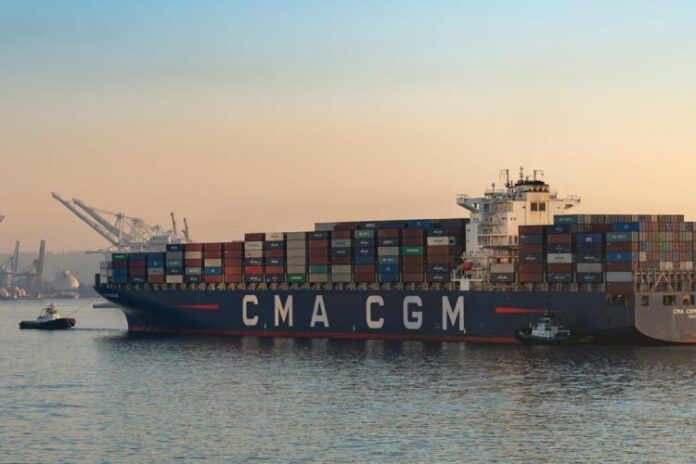
VIKING Life-Saving Equipment has secured a major order for its container fire-fighting tool HydroPen™, following a decision by the CMA CGM Group, a global player in sea, land, air and logistics solutions to adopt the solution across its entire fleet.

In 2020, CMA CGM ordered HydroPen™ sets to equip its larger containerships. The latest order means that CMA CGM will use the system on over 270 ships.

Increasingly, the benefits of HydroPen™ as a firefighting solution have been recognized by owners operating smaller, as well as larger, container vessels. The solution was also recently ordered for the first time by a marine salvage customer, for deployment as a ‘response kit’ to container fires on ships.

Where conventional solutions use ‘boundary cooling’ to dowse fires from outside the container, HydroPen™ is attached to the deck hose as a combined drill and spray unit which penetrates the door of the box before extinguishing the fire at source. Working on or below deck, HydroPen™ is put into position by a crew member using a telescopic device to fight fires from a distance at any level, with the drilling action driven by pressure in the hose. Users need minimal training, while HydroPen™ is equally compatible for use with water, foam, or CO2.

In addition to unprompted endorsements from marine insurers, HydroPen™ recently won TT Club’s “Innovation in Safety” Award. Judges expressed themselves “particularly impressed” by VIKING’s associated online training which is also part of the HydroPen™ solution acquired by the CMA CGM Group.

Powered by VIKING Safety Academy, the digital package lets the crew train with the system onboard and eliminates the need for land-based training. Dorte Moeskjaer Hansen, VIKING Vice President Sales Regions, said that by adding the training package, “CMA CGM wanted to make sure that its crew got the best possible prerequisites for successfully deploying the HydroPen™ system in a critical situation”. “Even the most careful and safety conscious of owners and operators are at more at risk of container fires today than ever before, but fires discovered at an early stage can be extinguished quickly and easily if the right tools are available in the hands of well-trained crew,” she added.

Since its launch in 2019, HydroPen™ has become the preferred extinguishing device for containers among a growing constituency of well-known container lines. The system has already seen action multiple times, successfully extinguishing container fires.