-15.1 C
New York
Home Blog Page 367

ClassNK issues AiP for dual fuel generator engine using hydrogen gas as fuel

0

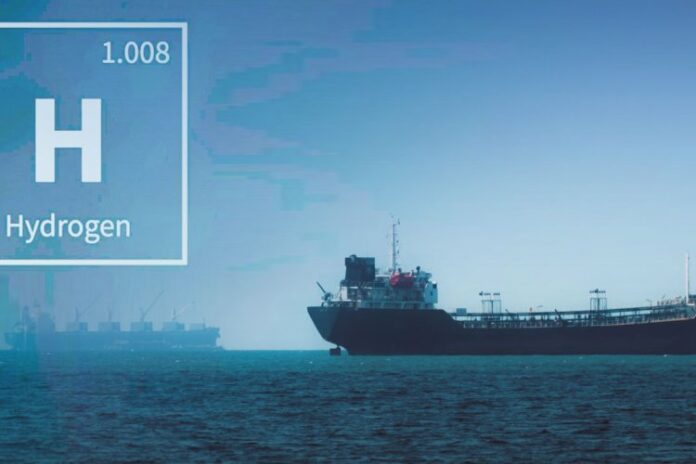
ClassNK has issued an Approval in Principle (AiP) for a dual fuel generator engine using hydrogen gas as fuel and related machinery systems and arrangements for a 160,000m3 liquefied hydrogen carrier developed by Kawasaki Heavy Industries, Ltd. (KHI).

This marks ClassNK’s first AiP for a dual fuel generator engine using hydrogen gas as fuel.

As hydrogen is expected to be used as a clean energy source to realize a decarbonized society, ClassNK has worked on the establishment of necessary standards and certification to contribute to its maritime transportation and marine fuel use. For the 160,000m3 liquefied hydrogen carrier developed by KHI, ClassNK has so far issued AiPs for its integrated design as well as its Cargo Containment System (CCS), Cargo Handling Systems (CHS), and dual fuel main boilers that use hydrogen boil-off gas as fuel.

In the latest examination, ClassNK carried out the design review of the dual fuel generator engines using hydrogen gas as fuel and related machinery systems and arrangements based on its Part N of Rules for the Survey and Construction of Steel Ships incorporating the IGC Code, and its Guidelines for Liquefied Hydrogen Carriers incorporating the IMO’s interim recommendations for Carriage of Liquefied Hydrogen in Bulk. In addition, a comprehensive safety assessment was conducted based on the HAZID risk assessment results, which has led to the issuance of the AiP.

According to KHI, the dual fuel generator engine is capable of switching between hydrogen and low-sulfur fuel oil flexibly, and when hydrogen fuel is selected, boil-off gas naturally evaporated from the ship’s liquefied hydrogen cargo tanks is used as the main fuel at a calorie – based mixed ratio of 95% or higher to generate and supply electricity in board, which is expected to reduce greenhouse gas emissions from the ship significantly.

Bureau Veritas certifies Nexans’s derisking approach for Subsea Power Cable

0

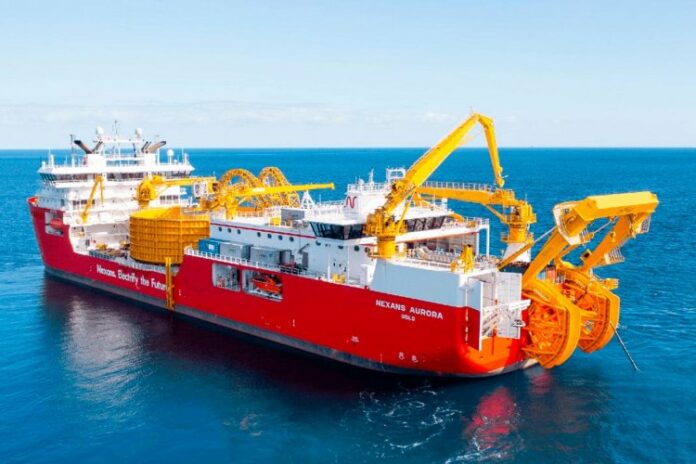
Bureau Veritas has delivered certification to Nexans for its risk management system for subsea power cables.

Today Nexans and BV are announcing the first outcome of their partnership to reduce risk and promote best practices for turnkey project delivery of high voltage power cables used for connecting offshore wind farms (OWF) to onshore grids. Bureau Veritas has developed a protocol, leading to certification, to help derisk Subsea Power Cables.

The subsea power cable market is going through unprecedented expansion, encouraged by major investments in offshore wind. At the same time, insurers’ studies confirm that high voltage power cables are among the most critical elements of offshore wind farms. Reliability of high voltage power cables end-to-end solutions, including installation, becomes an essential enabler for the current and the next generation of cables required to capture energy in deeper water. Hence, derisking new products, technologies and implementation methodologies towards real projects is essential for the sector.

Due to the lack of any international or statutory certification scheme, Nexans engaged in a voluntary approach to ensure their risk management tools and processes are assessed and tested by an independent third-party body. The goal was to validate the methodology in place that allows identifying the potential hazards, associated risks and evaluate the level of protection that may be afforded to the cable.

As a result, BV established solid protocol and certification guidelines to review Nexans’s risk management system in line with international standards ISO 21502:2020 (Guidance on project management) and ISO 31000 (Risk management). The BV certification approach covers any phases of a development project from conceptual phase, design, procurement, manufacturing, transportation, installation and commissioning/start-up.

Anne Fossen-Helle, QHSSE & Risk Director at Generation & Transmission Business Group at Nexans, commented:

“Managing risk is an important and integrated part of the Nexans management system for delivering Subsea Power Cable Projects. By having our risk management system and projects validated against recognized standards by an independent certification company, we believe this is a trusted route to deliver stakeholder confidence showing that risk have been understood and minimized. Together with Bureau Veritas, we have certified the Nexans “Way” of managing EPCI projects and risks, developed new standards for the offshore wind farm and interconnection industry and hence reduced the risk profile of such projects and develop improved standards.”

BV is currently developing guidelines for subsea cables. These guidelines will provide updated standards to help reduce and manage risk. Building on our long experience in offshore combined with the understanding of the latest market technology, our guidelines will enable customers to benefit from our extensive view of the subsea industry.

BC Ferries moves to Paperless Navigation with ChartWorld

0

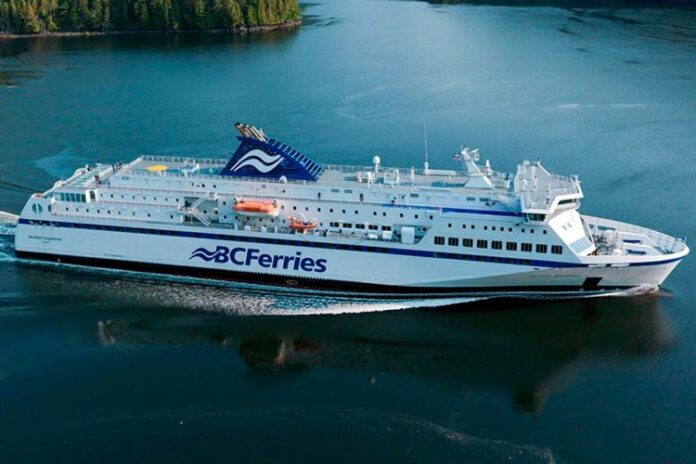
Safety, environmental, and performance regulations and standards are increasingly intertwined as digitization spreads through the shipping and transportation industry. Operators now require integrated systems that promote vessel safety, are easy to operate, and produce reliable and quantifiable results. 

The addition of ChartWorld’s technology will help BC Ferries deliver world-leading navigation safety and efficiency support for both the crew onboard and the onshore operations team. 

BC Ferries’ Captain Robin Grypma said:

“The support we have received during this project from ChartWorld’s Vancouver Team, working in close collaboration with BCF IT, has been exemplary.” 

ChartWorld set up its Canadian operations in early 2020 and is honored that BC Ferries, one of Canada’s most prestigious maritime companies, now has ChartWorld ‘paperless’ systems installed on all ships in its fleet. 

Oliver Schwarz, ChartWorld’s Business Development Director said:

“We are delighted to be working with BC Ferries on their transition to digital navigation. Digital charts and navigation systems make sailing safer. They provide vessel operators with automatic updates, situational warnings, and support on a wide range of environmental compliance matters. These systems allow crews to focus on their core roles.” 

Fugro launches state-of-the art geotechnical vessel

0

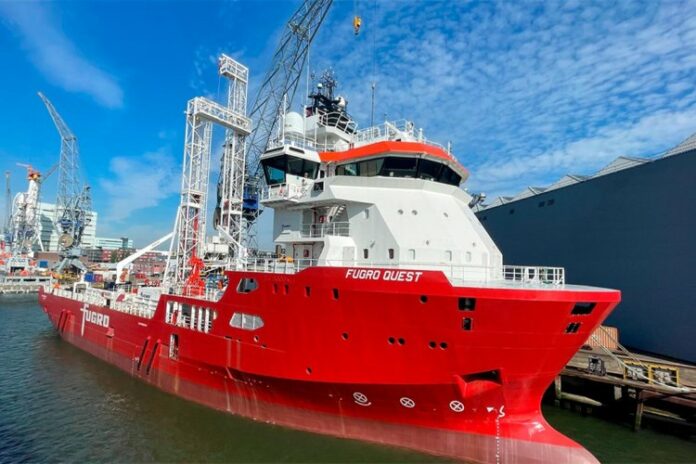
Fugro uses this type of vessel to determine the exact composition of the soil; the resulting data are essential to establish the optimal location and design of offshore developments, such as wind farms.

The vessel provides increased personnel and operational safety, whilst its energy efficient design results, on average, in significantly lower fuel consumption than for other geotechnical vessels. Moreover, its ability to take hydrotreated vegetable oil (HVO) biofuel and remote operations and data processing capabilities support sustainable operations.

Today, Barbara Geelen, Fugro’s Chief Financial Officer, will perform the naming ceremony ahead of the vessel’s maiden voyage. The vessel will commence operations in December for Vattenfall’s offshore wind farm near Norfolk in the United Kingdom.

Fugro Quest ’s capabilities include the acquisition of high-quality geotechnical data from 2,000 metres below sea level. The vessel is equipped with cutting-edge systems and advanced deep-water technology such as WISON® Mk V Ecodrive, SEACALF® Mk V Deep Drive® as well as dedicated coring systems and onboard soil-testing laboratory facilities. Its remote positioning and fast data-processing capabilities enable clients to access acquired project data in near real time from the cloud.

Dennis Koenen, Fugro’s Service Line Director for Geotechnics in Europe and Africa said:

“Today’s launch is fully aligned with our path to net zero operations by 2035. Fugro Quest consumes less fuel than other large geotechnical vessels. It is hybrid ready, comes with automatic handling of tubulars and geotechnical tools and has the latest IT capabilities onboard to safely carry out operations across the globe. Bookings until July 2023 are already in place, and we’re excited to show how our new vessel can enhance the execution of our projects.”

Corvus containerized ESS will supply shore power for Crowley eWolf all-electric tug

0

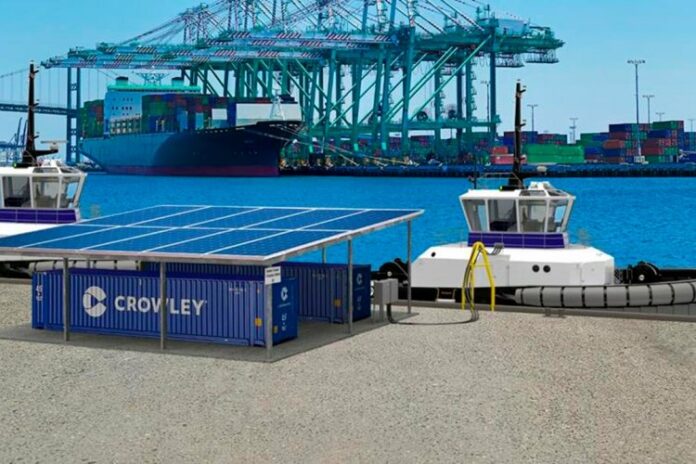
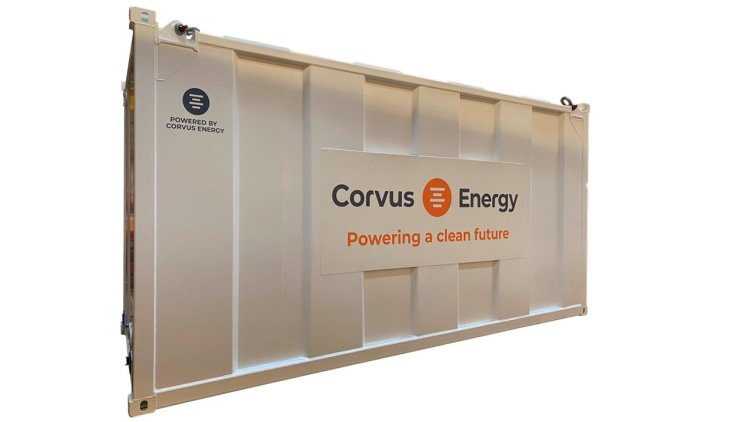
Corvus Energy has announced that its participation in the innovative Crowley eWolf zero-emission tugboat project has expanded with an order to supply shoreside battery energy storage systems (ESS) using two Corvus Orca BOBs—the containerized version of its market-leading Corvus Orca ESS—with a total energy storage capacity of 2,990 kWh.

The Crowley eWolf, the first all-electric tug in the U.S., and its shoreside charging infrastructure will go into service in San Diego’s harbor in 2023. Corvus Energy also supplying the 6.2 MWh Corvus Orca ESS on board eWolf. The vessel is under construction at Master Boat Builders, with electrical integration provided by ABB.

Ole Jacob Irgens, Corvus Energy – President Americas, remarks:

“The use of the Corvus Orca ESS shoreside will allow eWolf to charge quickly, potentially avoiding the need to upgrade the electricity grid infrastructure at the port. Since the Orca ESS has a high C-rate, it is capable of discharging quickly and safely so that eWolf will be quickly recharged and returned into service.”

The eWolf and the shoreside infrastructure are designed to allow the vessel to operate fully electric with full performance capabilities, as well as draw energy at off-peak hours from the energy grid. The eWolf is a result of a partnership among Crowley, the San Diego County Air Pollution Control District, the California Air Resources Board, the Port of San Diego, the U.S. Environmental Protection Agency and the U.S. Maritime Administration, which all provided financial support and other resources. More information can be found at crowley.com/eTugs.

Paul Manzi, vice president, Crowley Shipping, said:

“Corvus Energy’s storage system will enable Crowley and our federal, state and local partners to reach our shared commitment of reducing emissions and providing cleaner air for the San Diego community. The innovative technology also will help ensure high performance and reliability as the tugboats serves customers – providing a model for sustainability at ports around the nation.”

The eWolf and its shoreside energy technology are examples of innovative maritime sustainability opportunities to help decarbonize the maritime industry. Crowley and Shell Trading (US) Company (“Shell”) have signed a memorandum of understanding (MOU) focused on supporting alternative energy solutions for shoreside and terminal operations. The Corvus Orca BOB shoreside battery energy storage system reflects this commitment.

Maarten Poort, general manager of Shell Shipping & Maritime Americas, said:

“We recognize that the world is in the midst of an energy transition, and we’re working hard to play our part. As both an investor and customer of Corvus Energy and its innovative ESS products, Shell is proud to support battery energy bunkering as a zero-emission alternative energy solution for shore power.”

The Corvus Orca BOB containers will each contain almost 1.5 MWh of energy storage capacity and be capable of “fast-charging” the Crowley eWolf tug. The Corvus Orca BOB is a class-approved, modular battery room solution in standard 20-foot ISO high-cube container size. The complete ESS comes with Orca battery modules, battery monitoring system (BMS), HVAC , TR exhaust, and firefighting and detection system. The “Plug and Play battery room” simplifies integration into any system integrator’s power management system on board a ship.

WinGD cybersecurity type approval from DNV prepares owners for incoming regulations

0

Classification society DNV has granted WinGD Control Electronics (WiCE) an SP1 type approval, aligning with International Association of Classification Societies (IACS) Unified Requirement (UR) E27 technical system requirements – a cybersecurity standard that will apply to all newbuilds.

DNV’s SP1 ‘Cyber Secure Essential’ notation certifies that vessels are built with cybersecurity standards equivalent to UR E26, governing system integration, and UR E27, applying to installed technologies. The engine control system is one of several ship systems that need to be validated to E27 standard. Type approval assures that WiCE is technically ready to meet this standard.

WinGD Head of Digital Transformation & Technology Peter Krähenbühl said:

“This approval places WinGD as a frontrunner in the cybersecurity of essential ship systems, offering peace of mind to yards and shipowners that vessels powered by a WinGD engine will be compliant with upcoming regulations. It is great to see our digital roadmap on track to deliver the confidence and security our customers rely on us for.”

DNV Head of Digital Ship Systems Jarle Coll Blomhoff said:

“Cybersecurity is an increasingly critical element for the safe operation of more vessels as system complexity interconnectedness on-board and on-shore deepens. This is also a trend we see reflected not only in the emerging regulations, but commercial requirements.

“We are very pleased to be able to award WinGD SP1 type approval for their WiCE engine control system. Taking a proactive approach to cyber-security compliance not only assures customers that their systems have been developed with cyber threats in mind, but also helps build confidence and streamline the implementation of advanced digital technologies throughout the maritime industry.”

The approval ensures that WiCE meets a list of requirements that safeguard cybersecurity according to the IEC62443 standard. This includes identification and authentication, software authenticity verification, backup and rollback functionality, cybersecurity event logging, and traffic monitoring and control.

The approval of WiCE is the first step in assuring cybersecurity across WinGD’s control and monitoring systems for vessels. The next steps involve working towards type approval for sub-control systems governing auxiliary components, including emissions abatement.

Inmarsat to roll-out fleet connectivity for Saudi Aramco chartered vessels

0

Inmarsat has reached an agreement with offshore services provider Zamil Offshore to roll out an Internet-of-Things (IoT) solution to more than 60 vessels in the Gulf area.

The solution – powered by Fleet Connect and Fleet Data delivered through Inmarsat’s award-winning Fleet Xpress – will allow Zamil to identify, trial and select the best solutions to meet vessel performance expectations set by its charterer, Saudi Aramco. The announcement follows a successful trial on the fleet’s anchor tug, Zamil 57. 

As the world’s leading energy and chemicals producer, Saudi Aramco is contributing to Saudi Vision 2030, a strategic framework that aims to reduce Saudi Arabia’s dependence on oil and diversify its economy. This means Aramco needs deeper insight and control over the performance of its chartered ships, including those piloted by Zamil.

Fleet Connect will provide the dedicated bandwidth to support vessel CCTV capabilities and other value-added services, while Fleet Data will power enhanced data analytics for efficiency and sustainability. 

Scott Middleton, Regional Sales Director, Inmarsat Maritime, said:

“In addition to providing fast and reliable connectivity to improve crew welfare, Fleet Xpress enables the digital and IoT capabilities that Zamil Offshore needs to meet their needs. We are grateful to our local partner, Petroleum and Energy Trading Services Company, for its support in rolling out our end-to-end solution across Zamil’s extensive and varied fleet.” 

Fredrik Lang, Technical Manager, Zamil Offshore, said:

“Inmarsat has been deeply involved in this project from the outset, offering us guidance and support in securing value-added services that will allow us to meet Saudi Aramco’s requirements in surveillance and performance monitoring.

“Thanks to the scalability of the IoT solution, we can add more applications and have the the opportunity to evaluate different options to establish what best meets our needs within our contract. New applications for vessel digitalisation are surfacing constantly and we are delighted with how Fleet Xpress allows us to find the best providers without being locked in.”  

Aamir Khan, Regional Manager, Petroleum and Energy Trading Services Co. (PETSE), said:

“Saudi Aramco is the leading energy company in the Middle East, while Zamil operates the region’s largest offshore fleet. Operations of such scale require high-performing satellite connectivity. Inmarsat’s offering in this arena is unparalleled.”

The programme will also see an initial pilot of  Videosoft Global’s live-video compression and transmission services to meet Aramco’s CCTV requirements, supported over Inmarsat’s Fleet Connect dedicated bandwidth channel. Vessel performance management capabilities will be provided by VPS, using Fleet Data’s analytics capabilities to support its solution for data-driven decarbonisation, Maress. These separated channels ensure there is no interference with mission-critical bandwidth onboard.

Iain Janes, Satellite Business Development Manager, Videosoft, said:

“Our ultra-low bandwidth streaming service is dramatically more data-efficient than other solutions. As a result, we are opening new markets in areas where live video streaming from a vessel was believed to be too data hungry, unaffordable, or not possible. There is also the added advantage that Videosoft technology provides automatic variable bitrate control, so customers should never lose a live stream whilst there is a connection, even as low as 4 kbps. 

“When delivered via a secure, dedicated connection through Fleet Connect – and backed by the high speeds and reliability of Fleet Xpress – Videosoft offers an onboard CCTV solution that fulfils Saudi Aramco’s high expectations for round-the-clock monitoring.”

Sindre Bornstein, VP Commercial Decarbonisation, VPS, said:

“Inmarsat’s Fleet Data supports the data collection, transfer, and analysis processes that we will use to offer actionable insights. We are excited to support Zamil Offshore and Saudi Aramco in improving the efficiency of offshore operations. Maress will allow these companies to collaborate to minimise fuel consumption and emissions in line with Saudi Vision 2030.” 

In partnership with Zamil and Saudi Arabia’s CST – Communications, Space and Technology Commission – Inmarsat will continue to highlight the potential of IoT technology delivered via geostationary orbit satellites as a means of connecting offshore vessels to shore to enable applications such as fuel & emissions savings, condition based monitoring and remote surveys. 

VARD wins contract for LCT design work for the Bangladesh Navy

0

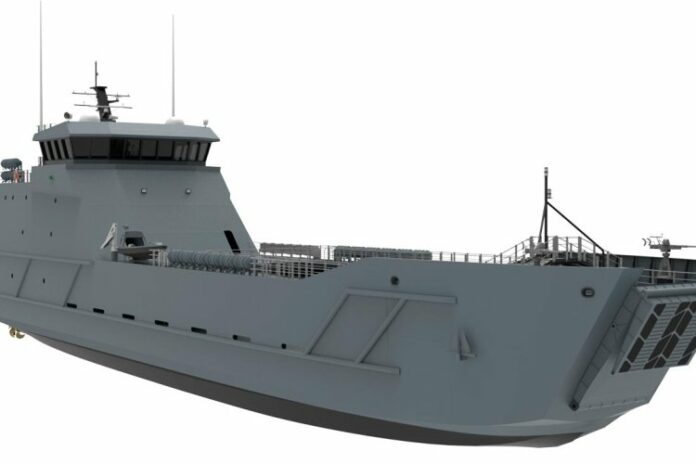
Vard Marine Inc. has been awarded the contract to design a 70m Landing Craft Tank by Khulna Shipyard Ltd. The design contract was signed in October 2022 and work is now underway on the program. The ship building contract awarded to Khulna Shipyard Ltd of Bangladesh by the Bangladesh Navy will be a multi-stage program. 

Based on the Vard 7 507 Landing Craft Series, these vessels are intended to operate in the Bay of Bengal to meet both wartime and peacetime requirements along the coast from Chattogram to St Martins and Mongla. The vessels are designed primarily for carrying out amphibious operations in the coastal areas of Bangladesh and for transporting landing forces, tanks, equipment and supplies. The vessels’ secondary missions during peacetime will be to transport relief goods and personnel for Humanitarian and Disaster Relief (HADR) within Bangladesh and adjacent areas along the coast of the Bay of Bengal. 

Wade Carson, President of Vard Marine Inc., said:

“This program is the beginning of what we hope to be fruitful relationship with Khulna Shipyard Ltd and of strategic importance to us in the landing craft sector. The unique requirements of this design presented Vard Marine Inc. an opportunity to demonstrate our versatility and exercise the full range of expertise within our design team to create a technically superior and cost-effective solution. We very much look forward to working with our new partners at Khulna Shipyards to bring this vital capability to the Bangladesh Navy.”

Vard Marine is a consulting naval architecture and marine engineering company with Canadian operations located in Vancouver and Ottawa, American operations located in Houston, Texas and a European Team based in Gdansk, Poland. The company offers professional ship design, engineering, and shipbuilding technology services. More information on Vard Marine can be found at www.vardmarine.com

Managing Director, Khulna Shipyard Ltd said:

“It is really a milestone event in the shipbuilding history of the country. These landing craft tanks (LCT) will be constructed with the design and technical assistance from the VARD Marine Inc, Canada, one of the renowned ship design house in the world. It will be a wonderful experience working with VARD.

I believe that both reputed companies can work together and deliver 3 in number State of Art LCTs to valued customer Bangladesh Navy. LCT will be deployed for carrying out amphibious operations in the coastal areas of Bangladesh and for transporting Landing Force/ Contingent. During peacetime, LCTs will be used to transport relief goods and personnel for Humanitarian Assistance and Disaster Relief (HADR) within Bangladesh and adjacent coastal areas of the Bay of Bengal. Inception of these vessels is surely going to augment the overall operational capability of Bangladesh Navy.”

DriX maritime surface drone receives Lloyd’s Register UMS certification

0

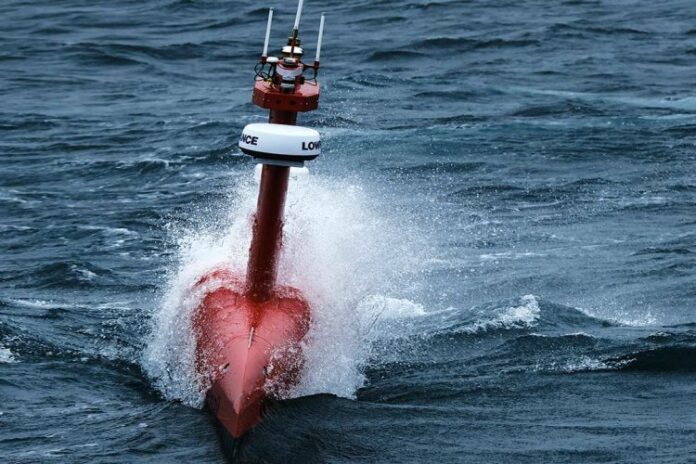
Lloyd’s Register has awarded its first certification for an Uncrewed Surface Vessel (USV) to the DriX maritime drone. 

This new certification attests that the surface drone meets critical safety requirements to be operated at sea. The DriX system design was thoroughly reviewed against the Lloyd’s Register Code for Unmanned Marine Systems. It included a detailed system level analysis, construction survey, as well as sea trials. The review covered essential design area such as structural integrity, stability, as well as command and control in the context of remotely supervised autonomy.

This new certification by Lloyd’s Register is another milestone for the DriX USV and its operators and marks a major step forward in the transition of the maritime industry towards the adoption of new autonomous technologies.

Paul James, Naval Centre of Expertise Manager at Lloyd’s Register, states:

“We are pleased to have been able to work with Exail to provide independent assurance for the DriX system. It’s great to be able to work with a company that is innovative, engaging and committed to responsible deployment of autonomous technologies. The open and collaborative approach our teams adopted made it much easier for us to explore the specific risks associated with the autonomous system and ensure that appropriate and proportionate controls were in place. Consequently, we are able to provide a clear and robust safety argument to regulators, backed by the independent endorsement from Lloyd’s Register.”

Stéphane Vannuffelen, Marine Autonomy Technical Director at Exail, explains:

“At Exail, we are closely involved in developing maritime drones’ regulations, trying to raise the standards and acceptance of USVs. By working together with class societies such as Lloyd’s Register, that attest of maritime drones’ highest levels of safety and environmental compliance, we aim to demonstrate that autonomous technologies are safe to deploy and operate. Through such collaborations, we hope to be able to help strengthen the global acceptance of maritime drones within our industries, as they support operational efficiency, as well as a safe, sustainable maritime energy transition.”

Windcat and Damen develop future-proof hydrogen CSOV’s

0

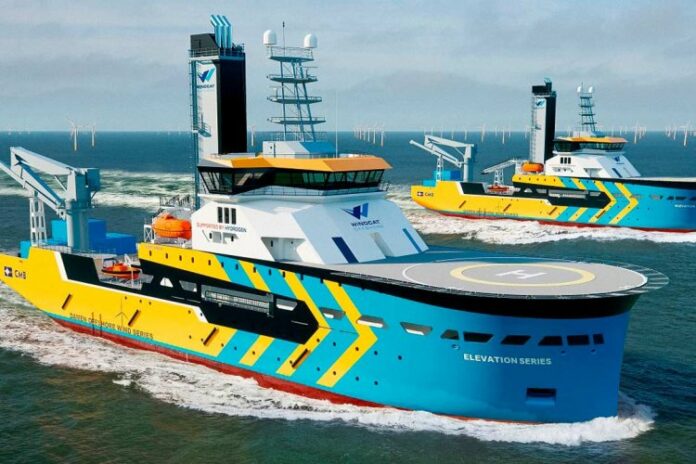
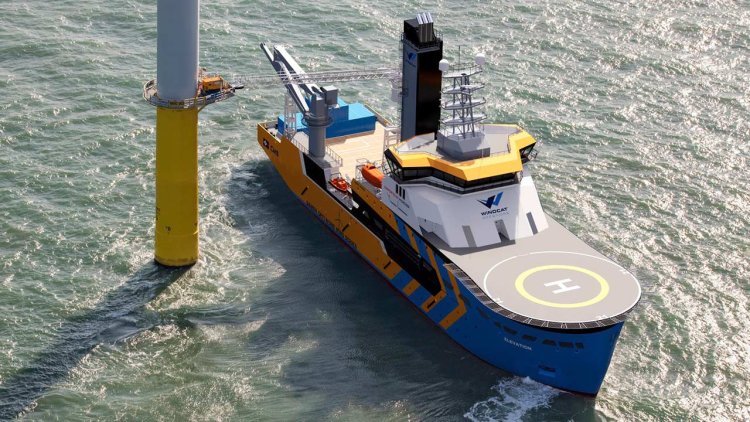
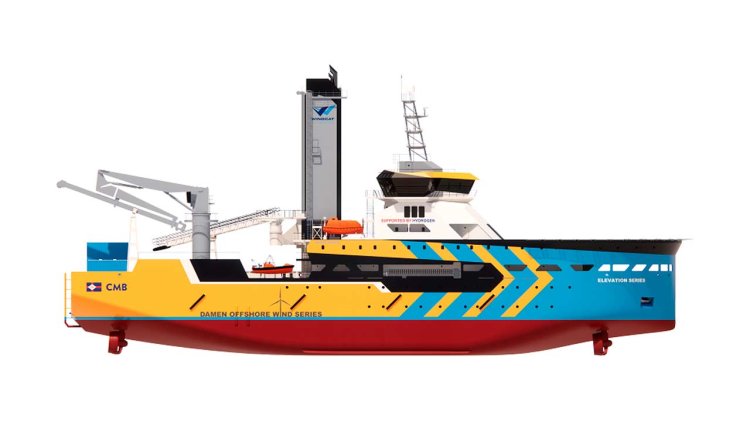
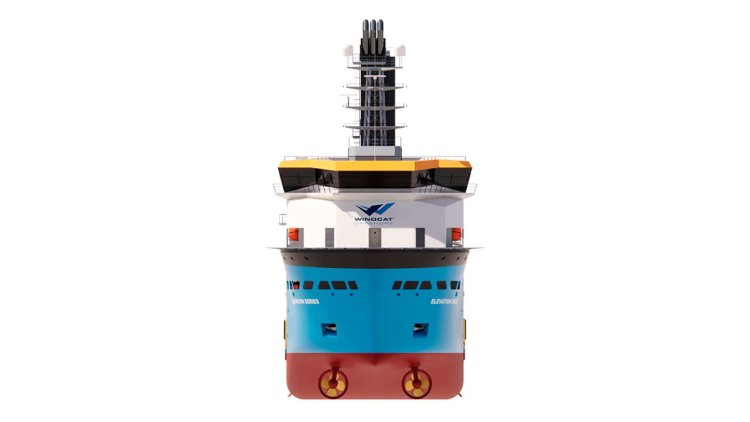
The “Elevation Series” CSOVs have been designed by Damen Shipyards in cooperation with Windcat and CMB.TECH. The result is a revolutionary new design with increased capabilities and flexibility compared to existing vessels. The vessels are 87 m long, 20 m wide, can accommodate 120 people on board and will be powered by hydrogen. The series will be delivered from 2025. 

The CSOVs will be built at Ha Long Shipyard, Vietnam, and will be delivered to Windcat Offshore, a new business unit within Windcat, which will focus on offshore energy commissioning and services. Initially, two vessels have been ordered with options for further vessels. A CSOV is a vessel that remains in an offshore wind farm for an extended period of up to 30 days, providing maintenance materials and housing technicians in hotel-style accommodation. This logical next step in Windcat’s journey builds on Windcat’s 20 years of experience in the offshore renewable energy sector and follows four years of market and vessel design evaluation.

To significantly reduce the vessels’ CO2 footprint, Windcat and CMB.TECH, will provide the same dual fuel hydrogen technology for the Elevation Series as on board of the Hydrocat, the world’s first hydrogen powered CTV (Crew Transfer Vessel). This approach will also make a critical contribution to the development of rules and regulations related to the use of hydrogen as a fuel in medium-sized vessels. 

Robbert van Rijk, Managing Director and Co Founder of Windcat, said:

“After 20 years of developing the CTV business in all aspects of vessel design, construction and operations, we started 4 years ago to lay the foundations for the creation of a ground-breaking CSOV design. I am pleased that we have been able to expand our CSOV sector specific knowledge with the initial appointment of Stephen Bolton as Managing Director Windcat Offshore. With this order we are now positioned to offer best-in-class services to both the CTV and CSOV sector on a side by side basis.“

The Elevation Series will be equipped with the latest gangway, crane, thrusters, hybrid battery technology and offshore charging capability, among other industry-leading features to be announced in the next weeks. Windcat believes these vessels are the next logical step in the fast-growing offshore wind energy sector.

Stephen Bolton, Managing Director Windcat Offshore, said:

“I truly believe the Elevation Series is an industry-leading design, a real game changer. A design that will lead the sector in exploring hydrogen as a fuel while delivering best-in-class performance and flexibility. Only with the combined team of Windcat, CMB.TECH and Damen has this been possible. Together we have addressed the current and future CSOV sector needs while starting to answer the greater maritime industry’s challenge:  how to significantly reduce our industry’s greenhouse gas emissions.”