-13.9 C
New York
Home Blog Page 363

Terminal operators upgrade pivotal rail-shortsea connection at Rotterdam

0

Procedures have been overhauled in a critical link between Europe’s rail freight and shortsea networks in Rotterdam, in an upgrade responding to customer feedback which also enhances multimodal transport competitiveness.

Rail Service Center Rotterdam (RSC) loads and discharges 14-15 freight trains daily on average, at a state-of-the-art terminal fed by nine train service providers weekly from all over Europe. While many of the estimated 270,000 cargo units passing through each year are redistributed overland, significant numbers transfer to shortsea ships. Around 70,000 units move via the nearby Rotterdam Shortsea Terminals (RST).

In a project initiated by the boards of the two terminal companies and supported by Samskip, work began in May 2022 to eliminate inefficiencies in the connecting ‘shunt’. All three parties recognise optimising the modal switch of unitised cargoes at Europe’s largest container port as a material factor in shipper transport choices.

Peter Willemse, Head of Ports and Terminals, Samskip, said:

“Reliability and predictability are cornerstone advantages for multimodal freight compared to road transport. Road freight not only causes more pollution; it faces increasing congestion, driver shortages and more bureaucracy than other options. It’s therefore critical we resolve challenges in the multimodal chain. RST needs high performance rail links and RSC needs shortsea traffic. Together, we have focused on the shunt to make sure units reach the ship or train they are booked for.”

Based on an RST initiative to engage a Six Sigma Black Belt specialist, the partners formed a 10-strong team to perform in-depth analysis across 14 work items on operations, with partners reviewing progress bi-weekly. In addition to greater collaboration on workflow and prioritisation, the outcome introduces lean process management to the entire operation.
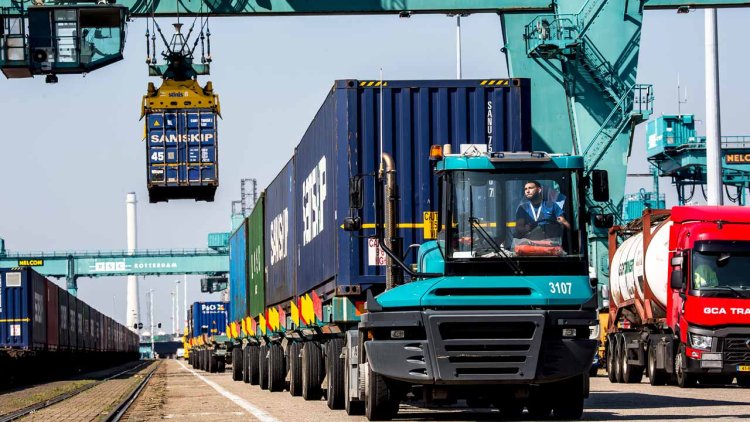
Key performance improvements have already been achieved, especially by eliminating misinterpreted through-transport instructions passing between the parties, and by firming up and aligning procedures. Other gains have flowed from a better definition of closing times/peak traffic hours at each terminal, and by escalating awareness when shunting assets are under-utilized. Over 98% of containers are now meeting allocated ship or train slots, while new procedures are also prioritising corrective action where slots are missed.

Arno Storm, CEO of RST, said:

“Of course, 100% is the ideal, but the focus is practical: procedures and communication need to improve so that the overall performance gains are permanent. The facilities, hardware and equipment used by both RSC and RST are state-of-the-art, and we have now implemented significant improvements in data flows and processes to ensure that shunt operations support the highest performance standards.”  

Pierre van Dalen, Operations Manager, RSC, said:

“This has been an invaluable project, where we have worked together to troubleshoot issues and set up procedures and solutions. Our common goal is to optimise efficiency and renew RSC’s ability to take advantage of growth in multimodal transport.

“We have established a permanent framework so that the shunt operation between our two terminals contributes to – rather than frustrates – the efficiency of transport providers, rail networks and all of our shortsea clients. Future work will focus on squeezing any remaining inefficiencies out of the process to shorten transit times.”
Edvard Grieg and Ivar Aasen runs on power from shore

0

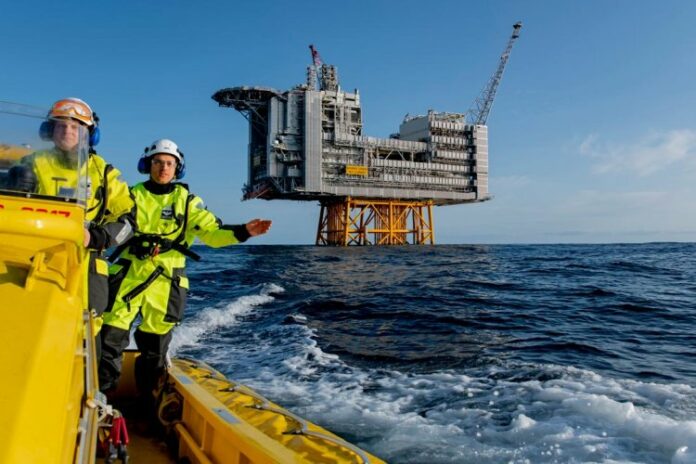
Two gas fired turbines have been shut down, and thus we achieve a significant reduction in emissions of greenhouse gases.

Kari Nielsen, Asset Manager Edvard Grieg & Ivar Aasen, in Aker BP, said:

“We achieve several positive effects by getting electricity from land, both operationally and in terms of reduced emission of greenhouse gases”.

“By shutting down the gas turbines, we reduce emissions of CO2 from the production phase by around 200,000 tons annually, or around 3.6 million tons over the life of the field. In addition, we reduce operating costs since we will no longer operate our own power plant on the platform”.

The gas-powered turbines on the Edvard Grieg platform have supplied both fields with the necessary power and heat since start-up in 2015 and 2016 respectively.

Edvard Grieg were prepared to receive electricity from shore right from the construction phase back in 2012 to fulfill requirements from the authorities. In 2014, the Parliament (Stortinget) decided that a solution for power supply from shore should be developed for Johan Sverdrup, and the other installations in the Utsira High area should be connected in conjunction with phase two of the Johan Sverdrup development.

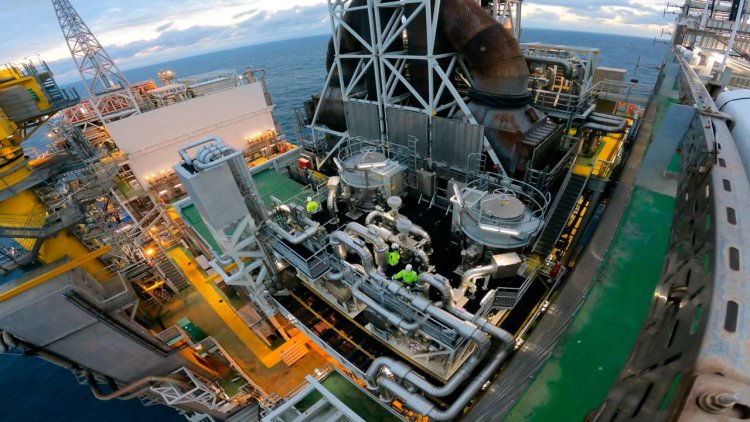
The project has been carried out as two sub-projects. A project for the installation of the seabed cable between Johan Sverdrup and Edvard Grieg, and a project for the development and installation of a solution with electric boilers that ensures the necessary heat required in the process plant. This has required adaptation and technology qualification of equipment that was initially developed for use on land.

The project is delivered on time and cost, without injuries to personnel. NKT HV Cable has delivered the power cable. The boiler package has been developed and built by Parat Halvorsen, while Aker Solutions has prepared and installed the boiler package on board Edvard Grieg.

Successful demonstration of new cargo hold monitoring system

0

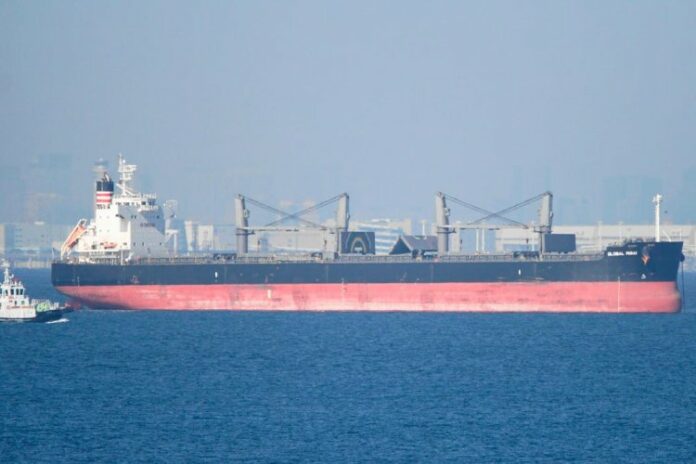
On December 5, Nippon Yusen Kabushiki Kaisha (NYK), NYK Bulk & Projects Carriers Ltd. (NBP), and MTI Co., Ltd. (MTI) completed a 35-day experiment using IoT sensors to measure the holds of dry bulk vessels, effectively confirming the effectiveness of the system in actual voyages.

The quality of the hold environment during the voyage is an important factor in maintaining the quality of marine transport on dry bulk vessels. At present, it is common for crew members to periodically enter the hold to visually check the condition of the cargo, but there are issues such as the risk of crew members overlooking abnormalities and the inability to enter the hold to conduct inspections during rough sea conditions. 

To solve these problems, technologies for monitoring the hold environment using equipment that requires wired communications and a power supply have been developed, but their use has been limited because they require construction work to be done on the ship and large investments.

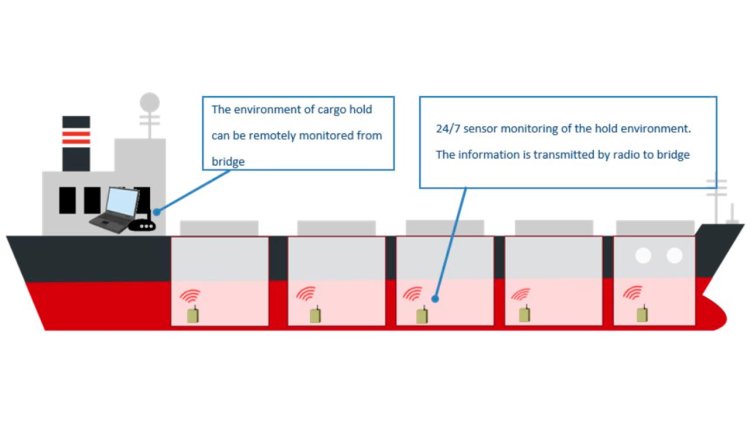
The three companies have therefore developed a new system that does not require any construction work on the vessel. The new system is a comprehensive management system for reducing the risk of damage to cargo. It features 24-hour remote monitoring and data collection of the holds of dry bulk vessels, analyses of past data, and visualization of cargo-damage risks based on predictions of future conditions. 

In dry bulk vessels, it is difficult to supply power to wireless communication and sensor parts from the hold. IoT sensors using LPWA wireless communication technology can be used to monitor the transport environment, such as temperature and humidity in the hold, and the sensors can be remotely monitored in real time from the ship’s bridge during the voyage. In addition, the system has a function to notify the crew with alarms or other means if it observes data that could cause damage to the cargo. 

Furthermore, sensors monitoring temperature and humidity can be replaced to monitor acceleration, water leakage, illumination, CO (carbon monoxide), etc. By accumulating this data, it will be possible to predict conditions based on past data analysis, which is expected to further improve the quality of transport.

The experiment conducted this time was an operational experiment of 24-hour remote monitoring and data collection in the hold. With the cooperation of Nippon Steel Corporation, temperature and humidity sensors were installed in the holds of Global Mirai, a steel carrier bound for Mexico, and data was collected. The data was then transmitted to the ship’s bridge, and the status of the holds was monitored from a dedicated PC.

WinGD wins engine diagnostics orders as ship owners look to reduce OPEX

0

Knutsen OAS Shipping has ordered WiDE for seven vessels, which include a recently delivered LNG carrier and six under construction. CoolCo, formed in 2021 with Eastern Pacific Shipping and Golar LNG as shareholders, will use the service on two existing vessels. The orders will deliver diagnostics to a total of 17 WinGD X-DF dual-fuel engines.

Rudolf Holtbecker, Director Operations, WinGD said:

“WiDE empowers the vessel’s operation team with the tools needed to increase insight into engine performance, manage their maintenance plan and troubleshoot any challenges in order to reduce operating costs.”

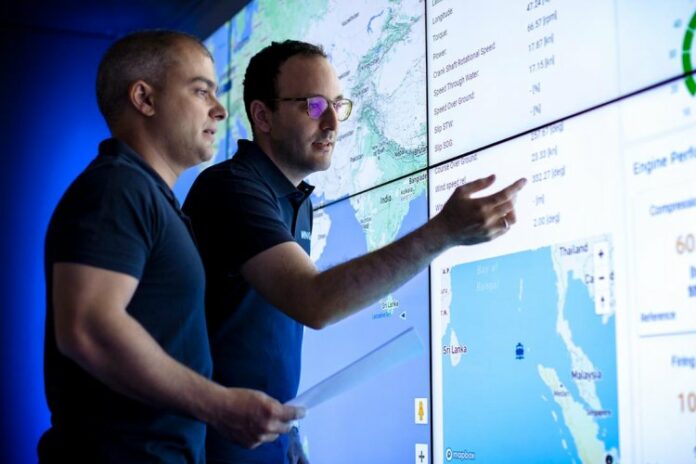
WiDE uses advanced data sensors, analysis and modelling to compare engines’ in-service operation with their ideal reference performance for real-time conditions, identifying anomalies before they raise alarms and alerting crew to potential issues. This enables crews to avoid or dramatically reduce the time taken for troubleshooting, while fleet managers can optimise maintenance programmes based on detailed and up-to-date insight into component condition.

WiDE enables support from dedicated WinGD Operations Experts and provides regular updates on engine performance and condition. Robust connectivity through a leading telecommunications provider powers the WinGD 24×7 emergency response service, offering vessel operators around-the-clock remote support when needed.

Holtbecker said:

“WiDE is a powerful tool for operators who want to take operating expenses into their own hands. Backed by our on-call experts, they can have total confidence that they will be able to maximise engine availability and optimise performance. As new engine technologies start to enter the market this level of support will become an increasingly important safeguard for early adopters and pioneers.”

More than 200 vessels are now monitored through WiDE. All new WinGD engines are fitted with the WiDE hardware as standard to enable the service.

BOEM and NOAA announce joint strategy for fisheries surveys

0

The Bureau of Ocean Energy Management (BOEM) and the National Oceanic and Atmospheric Administration (NOAA) Fisheries are announcing a joint strategy to address potential impacts of offshore wind energy development on NOAA Fisheries’ scientific surveys. 

The Federal Survey Mitigation Strategy underscores the agencies’ shared commitment to the Biden-Harris Administration’s clean energy goals of responsibly advancing offshore wind energy production while protecting biodiversity and promoting ocean co-use.

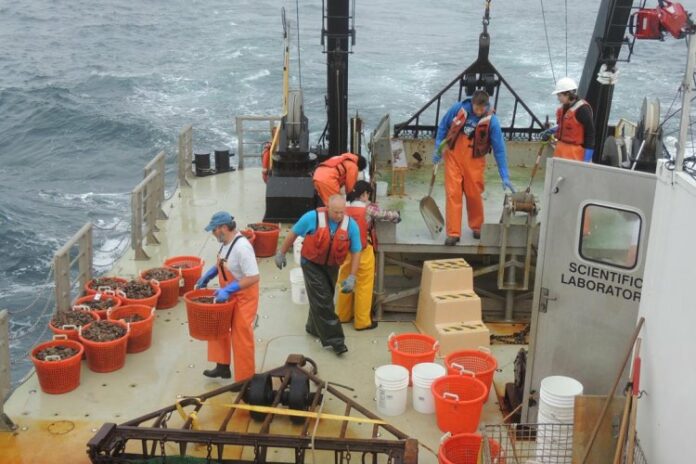
NOAA Fisheries’ surveys are essential for sustainably managing our nation’s fisheries. For 150 years, the agency’s scientists have collected survey data that form the basis of the science-based management of America’s federal fisheries, support the protection and recovery of marine mammals and endangered and threatened species, and increase understanding and conservation of coastal and marine habitats and ecosystems for future generations.

Janet Coit, assistant administrator for NOAA Fisheries, acting assistant secretary of commerce for oceans and atmosphere, and deputy NOAA administrator, said:

“This joint strategy will help ensure the quality of NOAA’s fisheries surveys and data are maintained while the nation develops offshore wind energy. Our fisheries surveys allow NOAA to monitor important trends for individual species over time, with the broader goals of understanding marine ecosystems, particularly in the face of climate change, and supporting sustainable fisheries.”

Amanda Lefton, BOEM director, said:

“We are committed to incorporating the best available science into our decision making processes as we continue to advance the Biden-Harris administration’s goal of deploying 30 gigawatts of offshore wind energy by 2030. By taking an all-of-government approach, we can leverage the expertise and resources of our federal partners to ensure responsible development of offshore wind energy.”

During the environmental review of the first offshore wind energy project on the U.S. Outer Continental Shelf, BOEM and NOAA Fisheries identified major adverse impacts on surveys conducted in the Northeast region. In response, a draft survey mitigation strategy was developed and made available for public comment earlier this year. Now finalized, the strategy identifies the essential components of mitigating the impacts of offshore wind energy development on the surveys.

Damen CSD650 for fleet expansion in Argentina

0

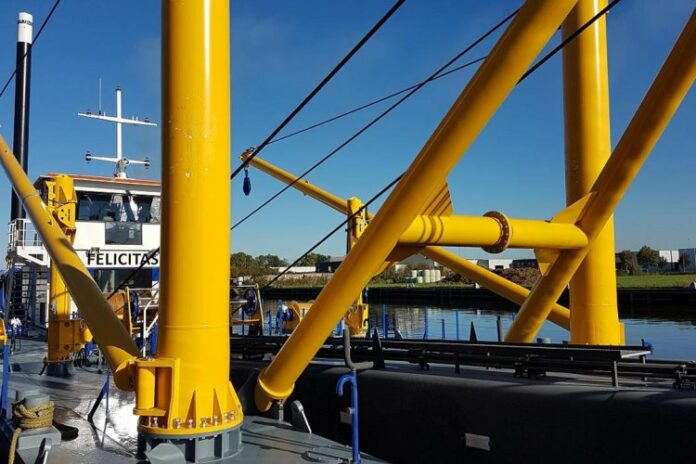
Major Argentinian contractor Merco Vial S.A. has ordered a Damen CSD650. This cutter suction dredger will expand their current fleet shortly. The delivery of the CSD650 includes the supply of a matching booster station, enhancing the flexibility of the set-up immensely. 

The cutter suction dredger CSD650 is a customised stock vessel, tailored to Merco Vial’s requirements. The fit-for-purpose dredger will be delivered at a short lead time thanks to this approach. The CSD650 is a dismountable dredger with a cutter power of 700 kW and a maximum dredging depth of -18m.

The overall length exceeds 61 m, resulting in an impressive swing width of 63 m and ensuring an efficient operation due to the minimised time required to reposition the dredger. The stationary dredger is equipped with a pump room, separate from the engine room. The in-board dredge pump has a mixture capacity of 7,000 m3/h. For Merco Vial S.A. a number of options were added such as anchor booms, a deck crane, a navigation mast and a production measurement system.

Damen Sales Manager Ezequiel Najmias states:

“We are honored to have been chosen by the leading contractor of Argentina, to be their new supplier of dredging equipment and related services, and proud to deliver on time so shortly after order. In South America, there are major developments in the infrastructure of all large ports and harbours.

With the development of new ports and terminals and the deepening of existing ones, this CSD650 with its matching booster, will be an important contribution. Decisive factors for opting for the CSD650 are its robustness, its dismountable design enabling practical relocation and the efficiency of the dredger with its eminent pump and cutter capacity.” 

The CSD650, which has been named Felicitas, is ready for transport at the Damen Dredging Equipment yard in the Netherlands. It will be shipped to Argentina soon, together with a large set of spares. Mr Najmias adds: “Delivering the largest dredger of our standard CSD series to Argentina proves the strong preference of major operators of the region for Damen. We look forward to the CSD650 arriving on site and starting operation.” 

Minesto signs agreements for Project Development in Nusa Tengara Barat region

0

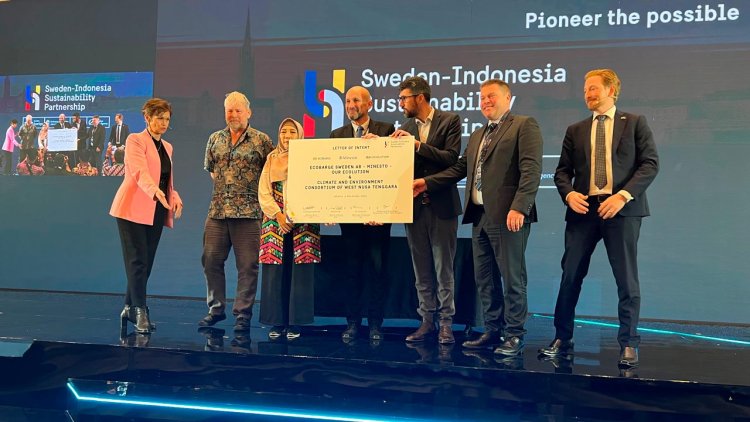
A Memorandum of Understanding (MoU) has been signed between Minesto and the regional Eco Regions Indonesia, as well as a Letter of Intent (LoI) between Minesto and the Nusa Tengara Barat (NTB) region.

The initiative in Indonesia is part of Minesto’s broader market establishment in Southeast Asia. The Nusa Tengara Barat region has ambitious sustainability goals and is a forerunner in Indonesia’s energy transition. The regional commitment and availability of ocean currents make Nusa Tengara Barat a favourable entry market for Minesto in Indonesia.

The collaboration agreements include feasibility studies on the natural resource, infrastructure, and finance, and are based on collaborative work to integrate Minesto’s technology as a part of the 100% renewable energy mix in the region, starting with the Special Economic Zone (SEZ).

Dr Martin Edlund, CEO of Minesto, says:

“Minesto has been received with serious and strong interest and excitement by a range of stakeholders in Indonesia. Our participation in the Sweden-Indonesia Sustainability Partnership (SISP) Energy Alliance on government level further supports the implementation roadmap to build sustainable and affordable electricity generation based on our technology in Indonesia.”

Minesto is a new member of the bilateral program Sweden-Indonesia Sustainability Partnership (SISP) Energy Alliance, and the collaboration agreements signed today is a first step towards build out of several key interest areas in Indonesia. 

As the fourth largest country by population and one of the largest ocean territories in the world, Indonesia faces a true challenge in the transition from fossils to affordable and suitable renewables. Indonesia consists of more than 17 000 islands, all relying on fossil energy such as coal and diesel, but also possesses one of the world’s largest tidal and ocean current natural resources.

Martin Edlund concludes:

“It is central for Minesto’s commercial roll-out to establish initiatives in the largest markets with respect to the availability of ocean and tidal currents. In these countries, we can make a significant impact on the roadmap towards a true renewable energy mix.” 

Saipem strengthens its offshore drilling fleet

0

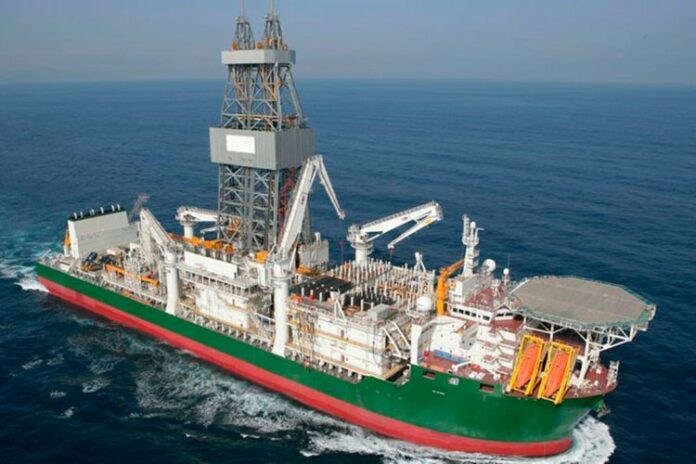
Saipem has exercised its purchase option concerning the seventh-generation Santorini drillship, which is already operating within the Saipem fleet by way of a long-term charter agreement signed with Samsung Heavy Industries in 2021.

The Santorini, whose construction was completed in 2021, is a technologically advanced vessel, equipped with two seven-cavity Blow Out Preventers (BOP), the highest standard for ultra-deepwater drillships, state-of-the-art operations automation systems, and the latest solutions to optimise environmental impact.

The vessel is currently in operation in the United States (Gulf of Mexico) for the execution of a contract with Eni expiring in the third quarter of 2023.

The investment decision is based on an expected return on investment (IRR) of over 15%, with a payback period of five years, estimated on the basis of the existing contract (covering most of the next financial year) and the Santorini’s commercial prospects.

The backlog of Saipem’s offshore drilling activity to date amounts to more than 1.5 billion Euro, the highest value in the last six years. Existing contracts (including optional periods) result in a fleet commitment about 80% for 2023 and about 60% for 2024.

The guidance of approximately 300 million Euro net debt (post-IFRS 16) at the end of 2022 is confirmed.


First footage of Seawing kite system as wind propulsion takes off for commercial shipping

0

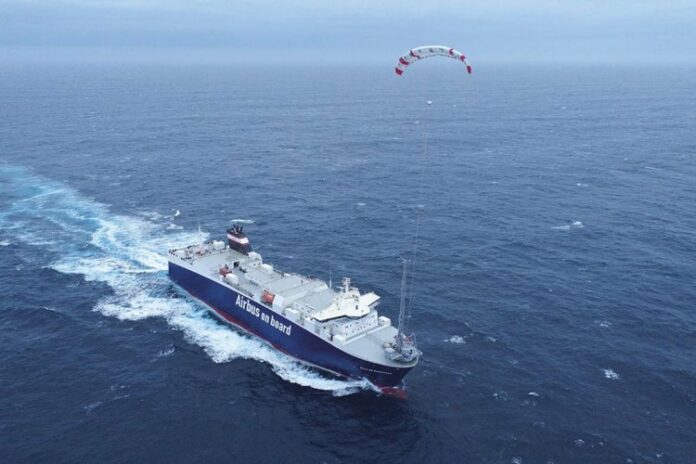
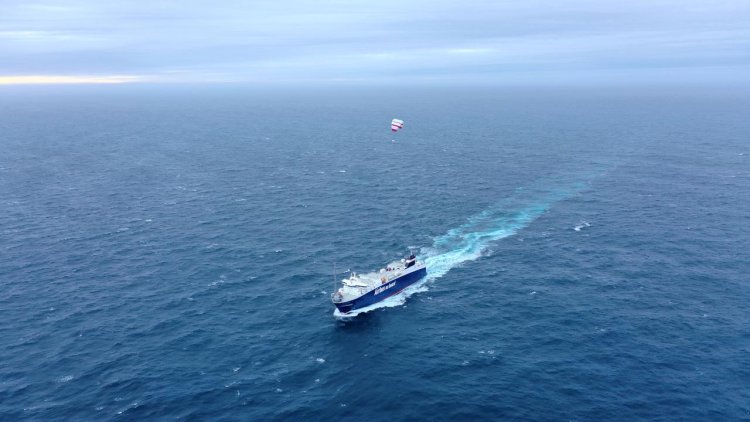
France-based wind propulsion leader Airseas has issued the first pictures and video footage of its automated kite system Seawing in flight during ongoing transatlantic sea trials. This comes as the company announces the successful completion of the crucial initial stages of these trials, which are taking place on the vessel Ville de Bordeaux, as it transports aircraft components between Europe and the United States.

The footage shows the Seawing system in action, flying 200 meters above sea level, harnessing the power of the wind to propel the vessel and reduce the main engine load. Seawing aims to slash fuel consumption and emissions by an average of 20%. Combining expertise from the aerospace and maritime sectors, Seawing will use digital twins and advanced automation systems to ensure that the system can be safely deployed, operated and stored at the push of a button with minimal input or training needed from crew. The solution can be installed on virtually any type of commercial vessel.

The system is undergoing sea trials on the 154m ro-ro (roll-on roll-off) vessel Ville de Bordeaux, which is operated by Louis Dreyfus Armateurs (LDA) and chartered by Airbus, Airseas’ minority shareholder and launch customer. A team of Airseas engineers is on board to test the system and gather data, with the operational support of LDA’s crew and Airbus’ Transport & Logistics department.

The first stages of the sea trials have successfully validated key steps such as the folding and unfolding of the wing, take-off and landing, and flights in altitude. The next phase will test the Seawing in a broader range of weather conditions and fine-tune the automation system.

In addition to the first system on the Ville de Bordeaux for Airbus, Airseas has also received firm orders from K Line, a Japanese shipowner who owns the fifth largest fleet worldwide, for five Seawing systems, with additional options to equip up to 51 vessels in total.

Vincent Bernatets, CEO of Airseas, said:

“Seeing the Seawing in action on a commercial vessel is such a proud moment for us, and the culmination of years of meticulous research and development. Testing a brand new technology in real-life conditions and while respecting the operational constraints of a commercial ship is an ambitious endeavour, and the solid progress of our sea trials is a testimony to the dedication of our team of engineers on board and on shore.

“With these strong initial results, we’re more determined than ever to keep testing the system and collecting data, and accelerate our mission to scale up and rapidly deploy wind propulsion technology on vessels around the world. Immediate action is needed to tackle climate change and shipping’s impact on GHG emissions; we are proud to have a solution that can help ships reduce their emissions right now, and accelerate the decarbonisation of the maritime sector over the coming years.”

Antoine Person, Corporate Secretary of Louis Dreyfus Armateurs, commented:

“We are committed to playing an active role in reducing shipping’s carbon emissions, starting now. We are proud to be associated with this project as a supplier and partner of Airbus, working for the success of this innovative wind propulsion solution alongside Airseas.”

The deployment of Seawing on commercial voyages marks an important milestone for wind propulsion technology in the maritime sector. The shipping industry, responsible for nearly 3% of global GHG emissions, has very few solutions immediately available to start its decarbonisation journey and reduce its climate impact. A new generation of wind propulsion systems has been developed rapidly in response, and the Seawing constitutes one of the leading examples.

Verdande: Securing higher production on the Norne vessel

0

The subsea development secures important oil volumes to the Norne production vessel. Verdande will be put on stream in the fourth quarter of 2025.

Geir Tungesvik, Equinor’s executive vice president for Projects, Drilling & Procurement, says:

“Verdande will provide important local and regional ripple effects. It will also help meet the energy demanded by European customers.”

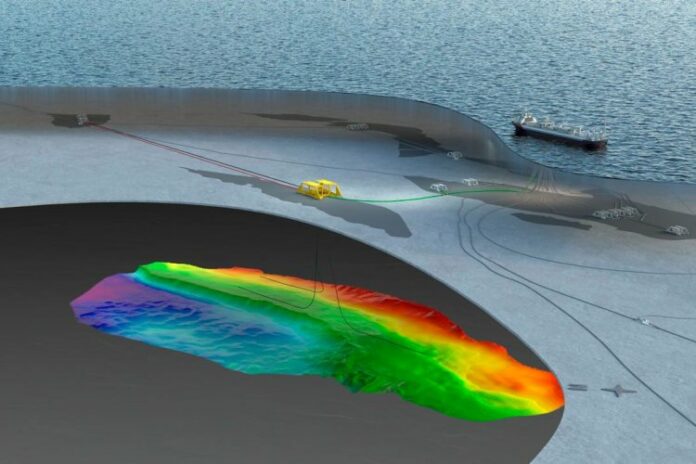
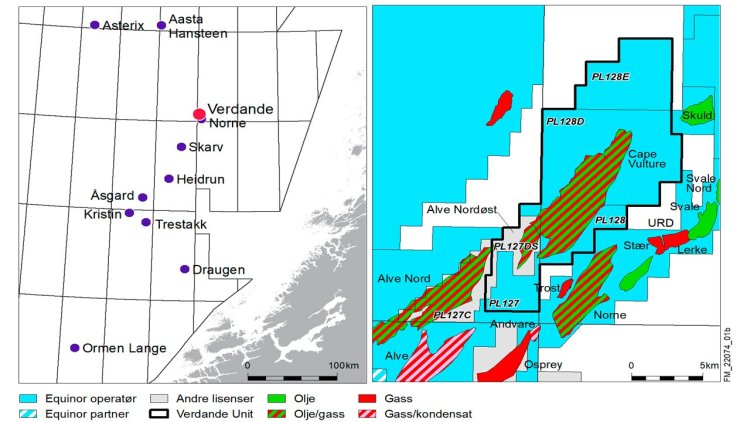
Comprising the Cape Vulture and Alve North-East discoveries, Verdande is located in the Norwegian Sea at water depths of 350-380 metres, around 300 kilometres south-west of the city of Bodø in North Norway.

The discoveries were proven in 2017 and 2020 respectively and contain a total of 36.3 million barrels of recoverable oil equivalent.

Grete Birgitte Haaland, senior vice president for exploration and production north in Equinor, says:

“Verdande will provide good utilization of excess capacity on the Norne vessel, and its resources contributes to an economic extended lifespan beyond 2026.”

The Verdande investments total NOK 4.7 billion (2022-value).

Haaland says:

“According to a ripple effect study carried out by Bodø Science Park the national employment effects of the Verdande development are calculated at close to 1300 full-time equivalents, distributed on three years in the development period from 2023 to 2025.”

Verdande will be operated and maintained as an integrated part of Norne. This includes activities at the supply base in Sandnessjøen, the helicopter base in Brønnøysund and use of local companies in engineering services and fabrication in North Norway.

The Verdande development is based on well-known technology from similar satellite developments at the Norne field. The development solution consists of a subsea template tied back to the Norne vessel via a new tubing. The oil will be lifted by a tanker and the gas will be piped via Åsgard Transport to Kårstø.

Tungesvik says:

“Based on the ripple effect study and our own calculations Verdande will be a socio-economically profitable and economically viable project. Not least, it will contribute to increased energy efficiency for Norne.”

Verdande licence owners: Equinor Energy AS – operator – (59.3 %), Petoro AS (22.4 %), Vår Energi ASA (10.5 %), Aker BP ASA (7.0 %), PGNIG Upstream Norway AS (0.8 %).