-13.9 C
New York
Home Blog Page 362

Port of Lowestoft invests in infrastructure to support Peterson and ODE AM partnership

0

Peterson have recently announced a new contract to provide integrated logistics services to ODE Asset Management (ODE AM). 

These services will include quayside services, fuel bunkering, road transport and other logistics support for offshore assets in the Southern North Sea managed by ODE AM.

Over the past 12 months, ABP has made a number of investments to upgrade Town Quay within the Inner Harbour, Peterson’s main base in Lowestoft. These include the enhancement of security features, resurfacing, reconfiguration of buildings, installation of new fencing, sub-surface fuelling facilities and power upgrades, which together create a well-equipped area for customers.

Speaking about the new deal with ODE AM, Jason Hendry, Managing Director for England and Renewables Strategy at Peterson, said:

“We are delighted ODE AM have chosen Peterson as their logistics partner in the Southern North Sea, and we look forward to supporting their operations from our Lowestoft base.

“We have made a long-term commitment to the Port of Lowestoft, and we feel confident that ABP’s recent infrastructure improvements, together with our own plans to establish a new Control Tower at the Port, will help us to deliver service excellence to all of our customers in the years ahead.”

ABP has also invested in its marine services by acquiring state-of-the-art pilot boats across the group including the Kingfisher in Lowestoft and recruiting and training new marine pilots. These enhancements will contribute to attracting more business from Sothern North Sea energy companies to Lowestoft.

Tom Duit, ABP Lowestoft Operations Manager, said:

“At the Port of Lowestoft we put customers first, which is why we have made recent investments to ensure that we can provide enhanced infrastructure to help our customers grow.

“We would like to congratulate both Peterson and ODE AM on their business partnership and look forward to working together to continue to bring jobs and investment to the area.”

The Port of Lowestoft is also home to the Lowestoft Eastern Energy Facility (LEEF), which will provide a facility that is suitable for Operations & Maintenance (O&M) activities and construction support for the offshore energy industry, helping to transform the town of Lowestoft into East of England’s premier offshore energy hub. This will potentially provide a range of growth opportunities for customers in the SNS sector, including Peterson.
MSC Cruises launches newest flagship MSC Seascape

0

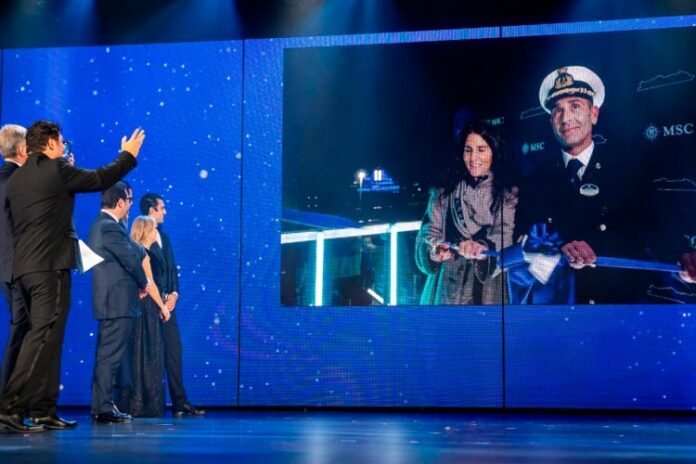
The line’s newest flagship was officially named at the Manhattan Cruise Terminal in New York City in recognition of the addition of New York as a new homeport in April 2023 bringing even more choice of North American embarkation ports and itineraries for MSC Cruises guests from both North America and the rest of the world.

The event was attended by more than 3,000 guests including VIPs, key travel partners and global media as well as top management from the entire Cruise Division of the company and its parent MSC Group.

Godmother of the MSC Cruises fleet and international movie icon Sophia Loren blessed the ship virtually whilst Alexa Aponte-Vago, daughter of MSC Group’s founder and executive chairman Gianluigi Aponte, performed the traditional cutting of the ribbon to officially name the ship. 

MSC Seascape becomes the 21 ship in the MSC Cruises fleet and the second ship to be launched in less than one month after MSC World Europa launched in November. She will be closely followed by the line’s second LNG-powered vessel MSC Euribia, due to come into service in June 2023.

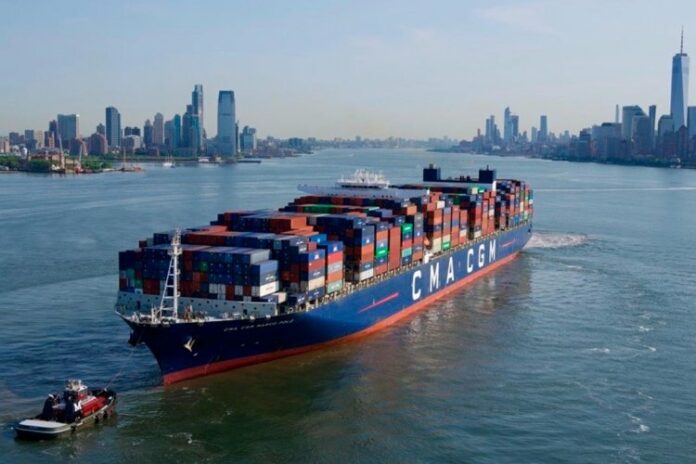
CMA CGM to acquire flagship terminals in the Port of New York and New Jersey

0

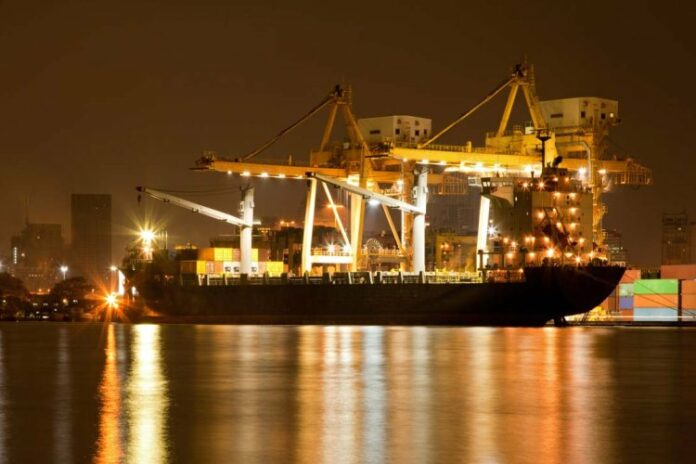
The Port of New York and New Jersey is a key entry point serving the Northeastern U.S. supply chain areas and represents CMA CGM’s largest gateway on the U.S. East and Gulf Coasts. The Bayonne and New York terminals, with an existing combined capacity of 2 million TEUs per year, have a potential for further expansion, up to almost double capacity.

While Bayonne terminal has the highest level of automation, the fastest truck turn time in the harbor, the closest ocean access, and an ability to service vessels of up to 18,000 TEUs, New York Terminal benefits from a highly productive labor force in the Port of New York and New Jersey and connects the dense New York hinterland with direct trucking and intermodal access.

After closing, the CMA CGM Group will operate the two strategic facilities as multi-user terminals under the leadership of the current management team and will continue focusing on improving its service quality to satisfy U.S. customers’ expectations. Investment in the infrastructure will be undertaken to meet both CMA CGM and local communities’ environment protection targets.

CMA CGM intends to further develop its shipping line calls in the New York area for which the terminals will provide future capacity. The Group will significantly accelerate investments in the development of the Bayonne and New York terminals, with an objective to increase the combined capacity by up to 80 % in the coming years. This major acquisition will make it possible for CMA CGM Group to support U.S. East Coast supply chain growth and improve efficiency to and from the world.  

Rodolphe Saadé, Chairman and CEO of the CMA CGM Group, said:

“The acquisition of GCT Bayonne and GCT New York terminals is a strategic investment for the CMA CGM Group. It reinforces the services we provide to U.S. customers and their supply chain efficiency. It further consolidates our positions in the United States, a major market among the fastest-growing worldwide, and will help us continue our development.”

MacGregor receives two large orders for heavy-duty cranes

0

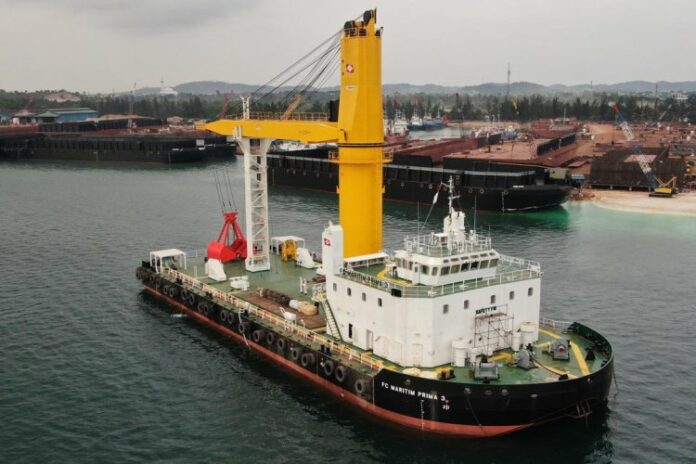
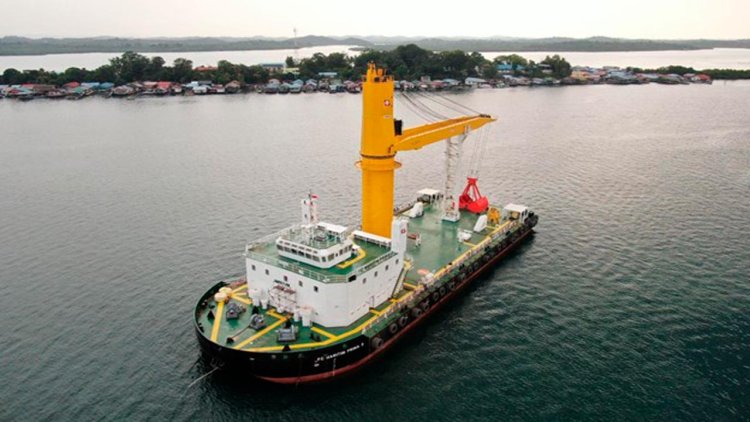
MacGregor has been selected to supply heavy-duty cranes for a total of ten floating crane barges to be built by PT Karya Teknik Utama at their shipyard in Indonesia. 

The orders were booked into Cargotec’s 2022 Q3 and Q4 order intake. The barges are scheduled to be delivered from the second quarter of 2023, until the third quarter of 2024.

The orders consist of ten heavy-duty cranes, some of them including a foundation and a pedestal. The cranes are designed for 1,800,000 load cycles and are equipped with a mechanical grab to ensure optimal performance and turnover. Two of the ordered cranes will be the first electric transloading cranes of the TCE type to be produced and delivered to the customer.

PT Karya Teknik Utama has chosen MacGregor to supply the cranes thanks to the good and long relationship established during the years of cooperation and to the capacity and endurance of the cranes.

Winarto Asnim CEO of PT Karya Teknik Utama comments;

“MacGregor was chosen to supply the cranes based on our experience with their quality and productivity. In addition, we have a history of successful business together and would like to continue building this relationship that weighs a lot on trust. We are excited to be the first buyer of the inaugural electric transloading crane TCE which will be the forerunner in the transshipping industry and enables us to contribute to a more sustainable future. We look forward to developing our business with MacGregor even deeper in the future.”

Magnus Sjöberg, Senior Vice President, Merchant Solutions, MacGregor, says:

“In the last five years, we have supplied more than ten heavy-duty cranes to PT Karya Teknik Utama to demanding loading work on their barges. We are very proud that they have trusted us with these orders and we are committed to supporting KTU´s business by delivering what is promised. We intend to continue building our cooperation together”.

GoodFuels successfully delivers 100% biofuel to AIDAprima

0

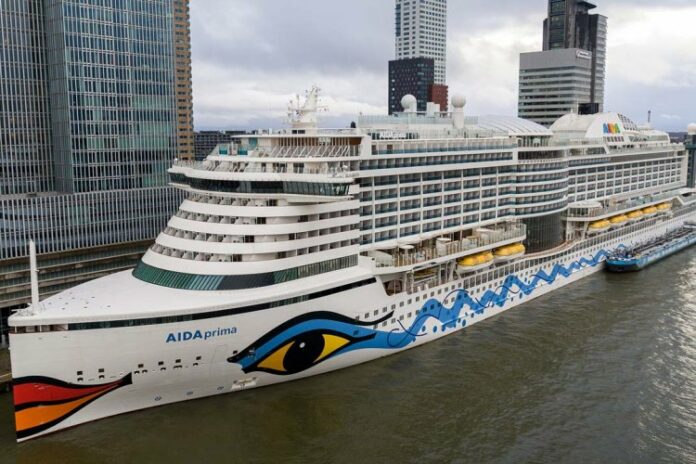
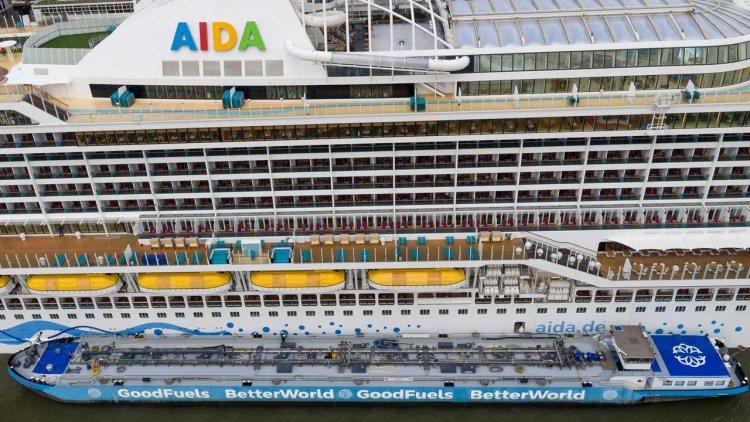
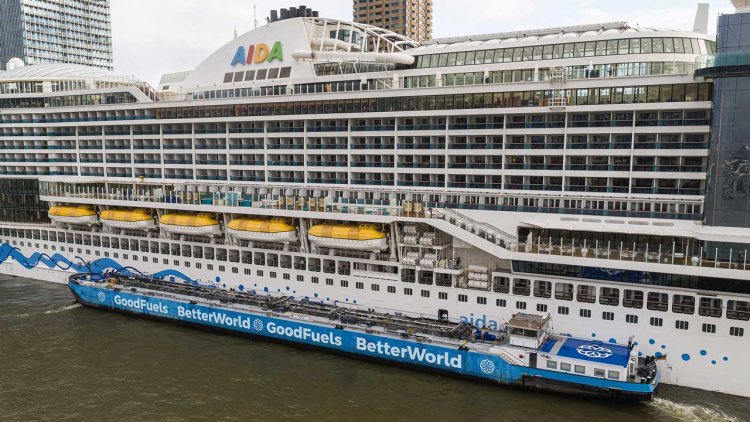
The Hyperion-class cruise ship was refuelled with GoodFuels’ sustainable biofuels during its 8th December port call to Rotterdam, in the Netherlands. This first bunkering of 100% biofuels for AIDAprima marks another important step forward to achieving sustainability and decarbonisation in the cruise industry.

GoodFuels’ next-generation sustainable biofuel is derived from feedstocks that are certified as 100% waste or residue, including processed used cooking oil, tallow, and animal waste fats. It enables a well-to-exhaust CO2 reduction of 80% to 90% when compared to fossil fuels. Thanks to its “drop in” properties, AIDAprima was bunkered with biofuel without requiring any modifications to the engine or tanks.

The vessel was refuelled with a 100% biofuel product, without blending with conventional marine fuels, proving the viability and technical applicability of sustainable marine biofuel for all types of vessels.

The successful delivery of GoodFuels’ 100% biofuel builds on the partnership kicked off between the two companies in July 2022, when AIDAprima was bunkered with a blend of biofuel and conventional marine fuels. This new step demonstrates AIDA Cruises’ continued commitment to investing in low carbon emissions technologies as part of the company’s decarbonisation strategy.

Commenting on the partnership, Dirk Kronemeijer, CEO of GoodFuels, said:

“This bio-bunkering with AIDA Cruises comes as yet another big step forward on the cruise sector’s decarbonisation pathway. It builds on the collaboration and partnership we are enjoying with AIDA Cruises and the wider Carnival group, and once again proves that our sustainable biofuels are an immediately available sustainability solution for a range of segments in the global fleet.

“The team at GoodFuels is focused on delivering immediate impact, and we are pleased to be able to continue to work with the pioneers at AIDA Cruises to see 100% biofuel used in operations to help deliver more sustainable voyages.”

VSTEP launches its latest maritime simulator NAUTIS Home

0

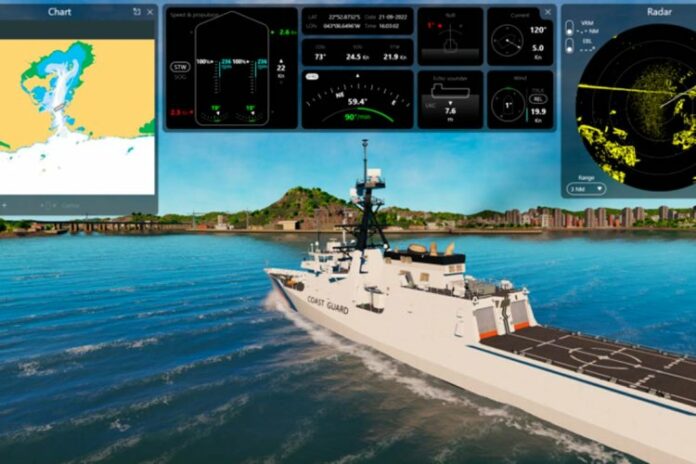
VSTEP launched their latest maritime simulator NAUTIS Home for maritime professionals, students, or enthusiasts.  

Simulation-based learning has been applied to a great extent in a variety of fields such as aviation and healthcare. In the maritime industry, simulation training has not yet obtained that equal role compared to other industries, whilst learning by simulation holds great value when it comes to the development and training of skills for maritime professionals.

Fabian van den Berg, Chief Executive Officer of VSTEP, says:

“Simulation-based training is essential when it comes to improving the safety, efficiency and sustainability of the maritime industry.  Technological advances are pushing maritime professionals and future seafarers to learn and train new skills and competences. Simulation–based learning can assist to prepare the maritime professionals, especially in the current market with a shortage of qualified personnel.”  

On-premises maritime simulators already play a crucial role in providing the right training value in maritime education. However, until now, ship simulation was mostly accessible at larger simulator set–ups at schools, organizations or training centers for maritime students or professionals. 

Van den Berg states:

“We want to enable learning by simulation in the maritime industry.  Which is why we aim to expand the accessibility of professional ship simulation towards a scalable, non-location bound product.”

VSTEP just launched their new maritime simulation solution NAUTIS Home in Early Access, aiming for a feature complete product by the end of 2023. NAUTIS Home offers an immersive simulation experience with realistic hydrodynamics to mimic true to nature vessel behavior. The software is based on their professional maritime software NAUTIS, which is used for large simulator set-ups for schools and training centers. NAUTIS Home contains standardized content for individual sailing, training, and assessment.

Therefore, together with NAUTIS Home, VSTEP launched their new Learning Experience Platform (LXP). LXP is a new web-based platform which acts as a learning passport for the user. A user can create a learning profile to access the courseware complementary to the training scenarios in NAUTIS Home.

The first product update is already planned before the end of this year, followed by many larger updates in 2023. A variety of courseware will be added, such as Anchoring and Mooring. The inland domain will be represented with more courseware, vessels, and environments.

Amogy purchase Ballard fuel cell engines for ammonia-powered maritime applications

0

Amogy has announced the signing of a contract to purchase fuel cell engines from Ballard Power Systems for ammonia-to-power maritime applications. 

Ballard’s FCwaveTM engine is a scalable fuel cell system certified for operation in marine environments. Amogy’s proprietary ammonia-to-power platform relies on unique ammonia cracking technology, facilitating the extraction of hydrogen onboard for fuel in a hydrogen engine. Amogy’s platform was successfully demonstrated in several industrial applications. The Amogy team is currently scaling the technology for use in maritime vessels, with plans for a tank barge and tugboat operations.

Under this contract, Amogy agrees to purchase an initial order of three, 200kW FCwaveTM engines and Ballard will support integration of the fuel cell engines with Amogy’s proprietary ammonia reforming system. Ballard will deliver the initial FCwave engines to Amogy in 2023 for maritime deployment. A follow-on order for an additional seven FCwaveTM engines is expected upon successful completion of the initial projects.

Seonghoon Woo, Chief Executive Officer at Amogy, said:

“This contract and collaboration opportunity with Ballard is a significant and valuable step as Amogy expands its efforts in the maritime sector. With access to their leading fuel cell technology and team of experts, together we can expedite commercialization of scalable, ammonia-to-power solutions for the maritime industry and support global sustainability goals.”

The International Maritime Organization has adopted ambitious emissions-reduction targets, including a goal to reduce the greenhouse gas emissions of global fleets 40% by 2030 and pursue efforts towards 70% by 2050, compared to 2008 levels. To achieve these goals, commercially viable zero-emissions vessels must begin entering global fleets. With many promising maritime applications for hydrogen fuel involving ammonia as a carrier of hydrogen, partnerships like the one between Amogy and Ballard have tremendous potential to demonstrate ammonia power platforms in real-world maritime use-cases.

Søren Østergaard Hansen, General Manager, Marine and Stationary, Ballard Power Systems Europe A/S, said:

“We are excited for the opportunity to work with Amogy and bring our clean and innovative technologies together. We believe Amogy’s onboard capabilities to convert ammonia to gaseous hydrogen combined with our fuel cell engines will be a major milestone to achieve decarbonization in the marine sector.”

Safe Zephyrus contract signed with Petrobras

0

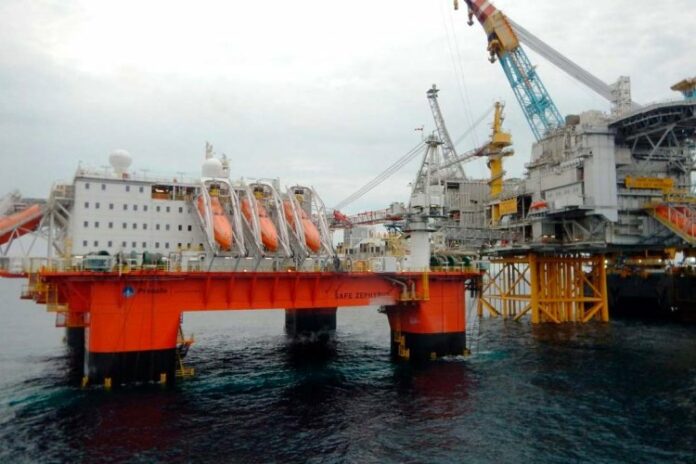
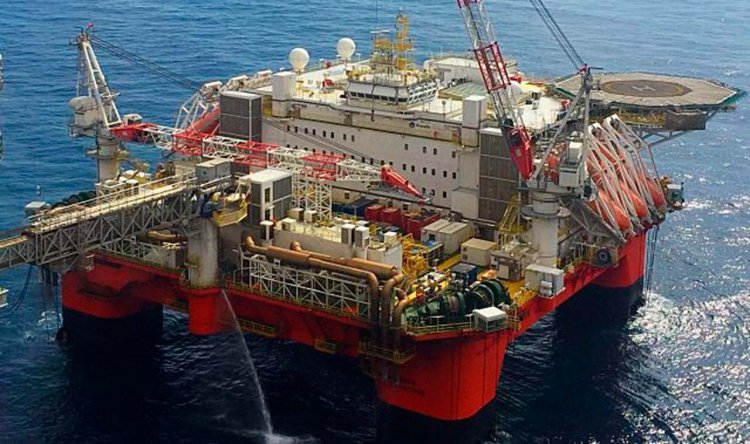
The contract has a firm period commitment of 650 days and an early commencement date of 1 May 2023 has been agreed. The contract value is approximately USD 73 million (equivalent to USD 112,500 per day).

The Safe Zephyrus is one of the world’s most advanced and versatile accommodation vessels, complying with stringent rules in both UK and Norway and with a strong focus on reducing emissions by optimising the engine load. The Safe Zephyrus will commence mobilisation to Brazil soon after conclusion of her current contract in the North Sea mid-December 2022. Certain contract and regulatory compliance scopes will be performed en-route to ensure an efficient contract commencement.

Jesper Kragh Andresen, CEO of Prosafe says:

“With both the Safe Notos and Safe Eurus operating on long term contracts with Petrobras, there are clear synergies when introducing the Safe Zephyrus into Brazil. Prosafe very much looks forward to continuing our long standing relationship with Petrobras, in a region where both rates and demand are increasing.”

SSA and ClassNK to cooperate on cyber security

0

Singapore Shipping Association (SSA) and ClassNK have signed an MOU (Memorandum of Understanding) to establish a framework for cooperation in cyber security research activities.

Cyber security has been acknowledged by the maritime industry as a key element to keep ships safe during operations, and to ensure its solid and steady digital transformation in coming years. Singapore, being a global maritime hub that connects regional and global markets, is ideally positioned for such research activities that eventually contributes to reinforce cyber resilience of the global supply chain to be launched.

With the signing of the MOU, the two parties will conduct joint basic research concerning establishing vessels’ cyber security operation centers that provide crew members with support from onshore in monitoring and responding to cyber events onboard. Based on expertise and experience gained from this research, SSA and ClassNK will work on drafting a joint white paper on the finding of the research and developing education and training plans of personnel to work for vessels’ cyber security operation centers jointly.

Mr. Michael Phoon, Executive Director of Singapore Shipping Association said:

“Cyber-risk for ships are growing, as our industry gets more digitally sophisticated, integrated, and automated. Today, many shipping companies are focused on providing better welfare onboard for their seafarers, such as internet connectivity for them to stay in touch with their family and friends. That means, the ability of onshore personnel to gain access to decisive and strategic cyber threat intelligence and insights is critical. This SSA-ClassNK partnership is timely as it forms the basis of efficient operations of cyber security operation centers aimed at supporting onboard cyber needs”.

Capt. Naoki Saito, General Manager of Maritime Education and Training Certification Department, ClassNK said:

“Recognizing that cyber security is the challenge that should be tackled with the collaborative approach of the industry, ClassNK firmly believes international frameworks can commit to helping the industry in raising awareness and studying the real-world risks. In this light, ClassNK is very glad to expand its partnerships with the driving leader in the sector in Singapore, a global maritime hub. We are committing to take this opportunity to identify the possible measures to establish the best practice on the issue. We hope to bridge the outcome from the MOU to contribute to ensure the regional and global growth of maritime transportation in a secured manner.”

Equinor wins commercial-scale lease in California

0

Five leases were offered by the Bureau of Ocean Energy Management (BOEM) in thefirst-ever offshore wind lease sale on the US west coast and the first-ever US sale to support commercial-scale floating offshore wind energy development opportunities. 

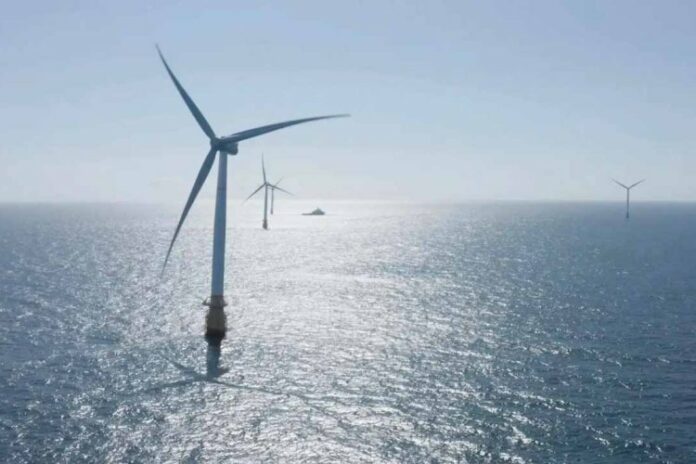
With a bid of USD 130 million for 80.062 acres in the Pacific Ocean, Equinor secured a ~2-gigawatt (GW) lease in the Morro Bay area that has the potential to generate enough energy to power ~750 000 US homes.

About two-thirds of America’s offshore wind energy potential is in deep waters. The narrow outer continental shelf running along the Pacific seaboard, drops down swiftly to 1,000 meters (3,280 feet) or more, opening up for new power opportunities for the west coast – floating offshore wind. As the world’s leading floating offshore wind operator and developer, Equinor looks forward to applying its experience to create a sustainable offshore wind industry in California.

Following regulatory approvals, the new lease will be added to Equinor’s existing US portfolio – which includes the Empire Wind and Beacon Wind projects on the US Northeast coast – and has the potential to generate a total capacity of at least 2 GW of renewable power for the West Coast.

Molly Morris, president of Equinor Wind US, says:

“We are delighted to get the opportunity to explore the potential for producing even more renewable energy for the US, this time in the Pacific Ocean. The US West Coast is one of the most attractive growth regions for floating offshore wind in the world due to its favorable wind conditions and proximity to markets that need reliable, clean energy. Offshore wind on the west coast could help achieve the state’s clean energy goals, bolster renewable energy sources, and create new jobs and investments in California. The US is a key market for Equinor’s offshore wind activities and one where we aspire to be a leader in growing this new energy industry.”

Pål Eitrheim, executive vice president of Renewables in Equinor, says:

“Today’s announcement confirms Equinor’s floating leadership and strong commitment to deliver renewable energy to the US. It adds at least another potential 2 GW to our existing 3.3 GW US offshore wind portfolio. We were among the first movers into US offshore wind and are now one of the first movers into California, a market we believe will become a strategic floating market globally. We now have the scale needed to optimize value across our US and Asia-Pacific portfolio”.

The Biden administration has set an offshore wind target of 30 GW by 2030 and 15 GW by 2035 in floating offshore wind capacity, that is well above 100 times more than what’s currently installed in floating around the world. The administration’s offshore wind target is complemented by state offshore wind policies and actions throughout the North Pacific. California has set an offshore wind target of up to 5 GW by 2030 and 25 GW floating offshore wind by 2045.