-11.1 C
New York
Home Blog Page 356

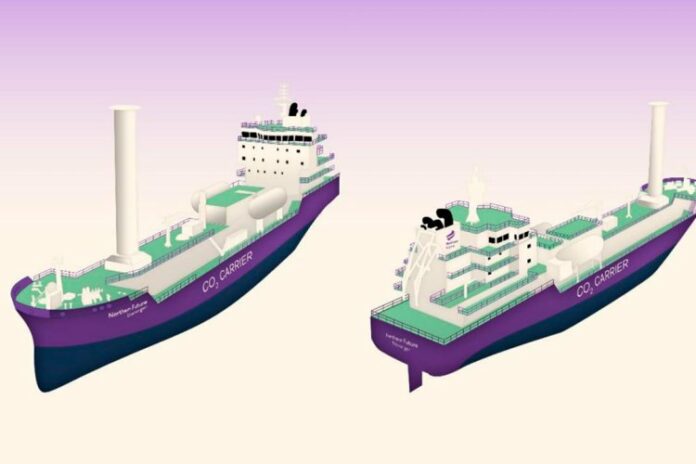
K LINE enters into contracts with Northern Lights for two liquefied CO2 vessels

0

Kawasaki Kisen Kaisha, Ltd. (“K” LINE) and Northern Lights JV DA have signed Bare Boat Charter and Time Charter contracts for two 7,500 m3 liquefied CO2 ships. 

The ships will be delivered in 2024 and will contribute to the world’s first full-scale carbon capture and storage (CCS) value chain.

The London-based subsidiary “K” LINE LNG Shipping (UK) Ltd. will undertake the management of two ships transporting liquefied CO2 from industrial emitters, including the Norcem Brevik and Hafslund Oslo Celsio carbon capture facilities, to the Northern Lights CO2 receiving terminal in Øygarden, Norway.

Børre Jacobsen, Managing Director of Northern Lights, said:

““K” LINE has deep experience in liquefied gas transport and a strong safety and environmental track record. We are pleased to partner with “K” LINE in operationalising this innovative value chain.”

CO2 transport is a key component to connect industrial emitters in Europe to suitable and safe CO2 storage sites such as the one operated by Northern Lights in the North Sea. Northern Lights offers a ship-based solution that provides flexibility to reach emitters across Europe. 

Shipping is a scalable CO2 transport solution that is well-suited for sailing distances in Europe.

Developing a flexible shipping solution as part of the world’s first cross-border CO2 transport and storage network, Northern Lights contributes to the development of a market for CO2 storage.

Yukikazu Myochin, President and CEO of “K” LINE, said:

“We are honoured to participate in the Northern Lights project and contribute to the decarbonisation of industry. We have been able to develop a new field by making use of our decades of know-how in liquefied gas transport.”

Northern Lights and “K” LINE will jointly establish operational procedures for safe transportation of liquefied CO2. 

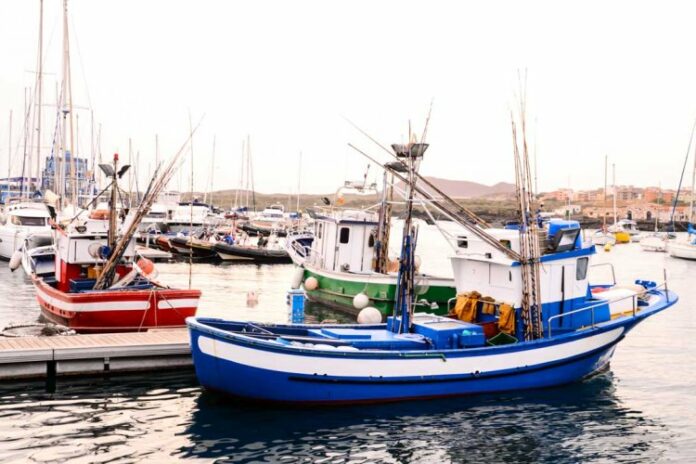
Over £3.5m awarded to sustainable fishing projects as new funding round opens

0

Five pioneering research projects have been awarded over £3.5 million to gather vital evidence.

Successful projects include the University of Plymouth Enterprise Ltd who will collaborate with organisations including the Angling Trust and Professional Boatman’s Association to collect crucial data to help protect species vulnerable to overfishing such as sharks, skates, rays and black bream. Participating boats will tag and track 200 black bream and 100 rays and sharks to shed light on their complex life histories and help ensure the sustainability and survival of these important species.

Meanwhile Bangor University, in partnership with the British Geological Survey, Orkney Fisheries Association and Welsh Fisherman’s Association, have been granted nearly £400,000 to investigate the impacts of climate change on the common whelk. The research will look at how temperature changes and location can impact on the growth, distribution and survivability of this commercially valuable species.

Fisheries Minister Mark Spencer said:

“A proper understanding of important marine species is vital if we are to manage our fisheries sustainably and safeguard the fishing and seafood sector for future generations.”

“By drawing on the expertise of the fishing community and combining this with our world class researchers, we can discover new ways to manage our stocks and protect vulnerable fisheries.”

Dr Emma Sheehan, Associate Professor of Marine Ecology at the University of Plymouth, said:

“The UK’s coastal waters are rich and diverse environments home to a huge range of important species. However, many of them are vulnerable to overfishing and exploitation which poses real challenges from both a conservation and an economic perspective. These projects will build on our previous work alongside fishing communities and authorities, and gather much needed data about critically important species such as pollack, black bream, sharks, skates and rays. By studying where they live, and why, we can develop more effective ways of managing their habitats sustainably now and in the future.”

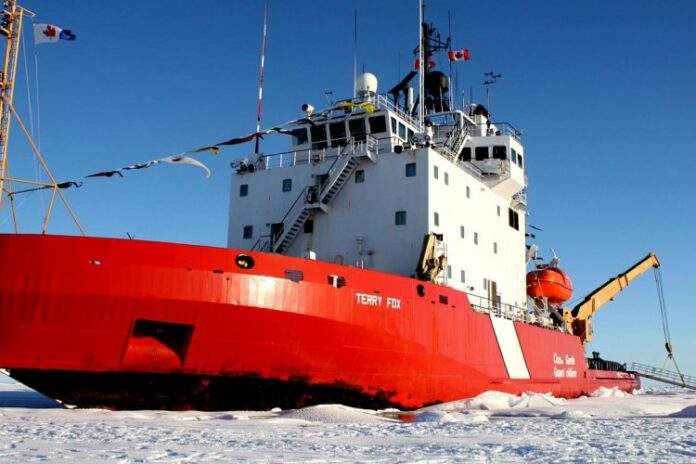
Canadian Coast Guard completes 2022 Arctic operational season

0

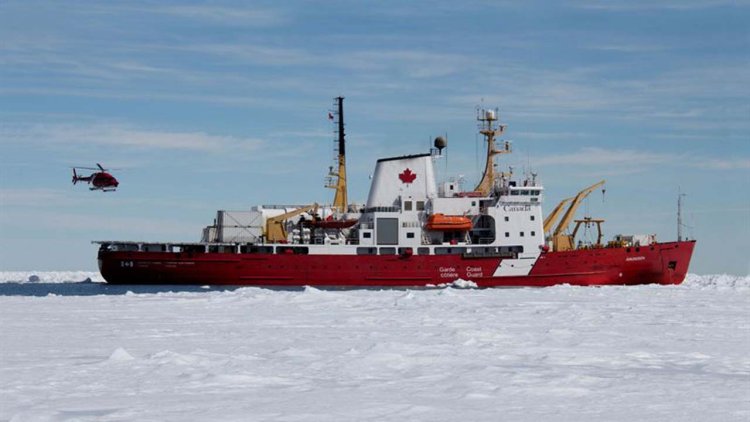
The Canadian Coast Guard has successfully completed its 2022 Arctic operational season, with all seven icebreakers deployed this year having returned from the Arctic. The Canadian Coast Guard’s presence in the Arctic enables the summer re-supply of communities in Canada’s North, and provides key services, including search and rescue, icebreaking, support for scientific research, marine communications and traffic services, aids to navigation, and marine environmental response.

The Canadian Coast Guard’s Inshore Rescue Boat station in Rankin Inlet, Nunavut operated from June 29th to October 25th, providing search and rescue services during the open-water boating season. The station originally opened in 2018, and on August 12th, 2022, funding was announced to upgrade the station to an Arctic Marine Response Station. Upgrades include hiring and training additional crew from local communities, extending the station’s operational season by one month annually beginning in 2023, an additional search and rescue vessel purpose-built for Arctic operations, and infrastructure improvements. The transition will begin over the winter and will further improve marine safety in the Arctic.

Crew aboard CCGS Sir Wilfrid Laurier carried out a series of search and rescue and environmental response training exercises near Cambridge Bay, Nunavut on August 28th, 2022. The exercise included local members of the Canadian Coast Guard Auxiliary and Ground Search and Rescue teams coordinated by the Government of Nunavut. Regular training with partners is key to maintaining operational readiness across the Arctic and allows crews to share knowledge and build working relationships with each other.

On September 15th, 2022, the Canadian Coast Guard’s newly-formed Iqaluit environmental response team carried out Operation Tasiujarjuaq, a training exercise to demonstrate response capacity in the North. The Canadian Coast Guard is strategically located throughout the Arctic, with teams in Yellowknife and Hay River, Northwest Territories, and now with its new team of five specialists in Iqaluit, Nunavut. As marine traffic in the North continues to increase, so does the demand for coast guard services. The Canadian Coast Guard continues to build its Arctic region to ensure it meets this growing demand and delivers on the Government of Canada’s commitment to maritime safety.

The Canadian Coast Guard’s Arctic operations will resume in May 2023, however, it maintains a permanent, full-time presence in the Arctic year-round, with offices and bases in Yellowknife, Hay River, and Iqaluit.

Cory places order for two Damen Shoalbuster 2208 multi-purpose workboats

0

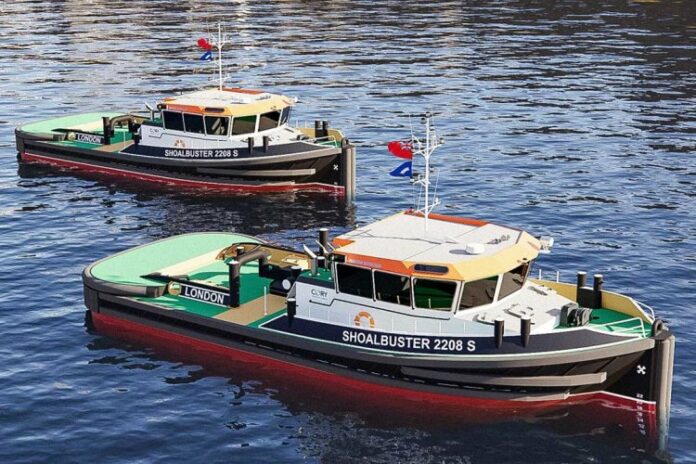
Cory, one of the UK’s leading waste management and recycling companies, has placed an order for two additional Damen Shoalbuster 2208S multi-purpose workboats to join its existing fleet

The new vessels will join four Shoalbusters 2208S that Cory Group bought ten years ago to undertake the same role. They will look similar to their counterparts but will feature a wide range of updates and upgrades. These include being IMO Tier III compliant with compact Selective Catalytic Reduction systems fitted to fuel-efficient MAN engines to minimize NOx emissions. The fender arrangement is also being upgraded to provide all-round protection to the topsides as they manage their barges. The River Thames is the UK’s busiest waterway and is known for its strong currents and restricted space for maneuvering.

Other improvements include upgrading the wheelhouses to improve sightlines, reduce reflectivity of the windows and maximize the overall space available. A dedicated aft control station will give improved sightlines back to the stern, and further customizations include removing the passage between the engine room and the wheelhouse to free up space for the aft control station and reduce sound levels in the wheelhouse.

The upgrades on deck will be mostly safety-driven and focus on improving the use of space, such as lowering the layout of the bulwark and pushbow to give improved views forward. The bow thrusters will be electrical, powered by three generators with a triple load parallel running system. This will deliver redundancy, be more compact and be easier to maintain.

The order is part of Cory’s growth plans, with construction on a new Energy from Waste (EfW) facility due to begin next year. ‘Riverside 2’ will be Cory’s second facility, located adjacent to the current facility in South London, and will help address the critical need within London and the South-East for additional waste processing infrastructure. Once operational, it will be one of the largest and most efficient EfW facilities in the UK, processing 650,000 tonnes of non-recyclable waste and generating enough electricity to power 140,000 homes each year.

The new Shoalbusters will play an important role in ensuring that Riverside 2 is kept supplied with waste. They will be used intensively, and Cory Group’s decision to return to Damen for more of this proven design is testament to their reliability and efficiency. Both will be built at Damen Shipyards Hardinxveld and are scheduled for delivery prior to the EfW facility becoming operational.

Fran Comerford Cole, Director of Logistics at Cory, said:

“As we continue to grow as a business, ensuring that our river-based fleet is of the right scale and capability is essential. We are pleased to be building on our existing partnership with Damen and drawing on their experience and expertise to make vital upgrades to the new tugs. As a business we are proud of our heritage on the Thames and our ability to take refuse trucks off the road through our use of the river, and these new vessels will allow us to continue to do so for many years to come.”

Frederik van der Linde, Damen Sales Manager UK & Ireland, added:

“We’re very pleased that Cory Group has awarded Damen with this contract to support their new, state-of-the-art, EfW facility. We are delighted to be contributing to such a significant project. Both vessels will be joining an impressive Damen fleet on the Thames in London and during operations they will be supported via the UK’s Damen service hub located in Portsmouth.”

Trelleborg launches SafePilot P3 Navigation System for Panama Canal transits

0

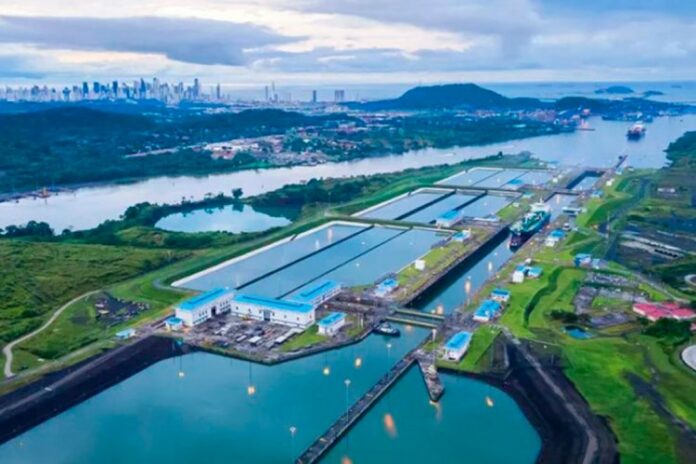
Trelleborg Marine and Infrastructure launches its latest fixed-installed piloting unit, SafePilot P3, developed in response to the recent advisory issued by the Panama Canal Authority (ACP) requiring a new positioning system for Neopanamax vessels beginning in October 2023.

SafePilot P3 from Trelleborg is a high-accuracy navigation solution that provides real-time certified data to and from the pilot’s display, enabling more efficient operations in constrained waterways. The unit features an advanced motion sensor and an exceptionally precise global navigation satellite system (GNSS) that measures the vessel’s movement in three dimensions. It computes the vessel’s position and heading based on dual GNSS antennas and has a built-in backup battery allowing it to function even during power outages.

Richard Hepworth, President of Trelleborg Marine and Infrastructure, said:

“Using a novel approach, we developed a solution that makes pilotage much easier in confined waterways. We’re always striving to innovate, and SafePilot P3 reflects that commitment. It integrates seamlessly with Trelleborg’s SafeCaptain App and is the first of its type evaluated and approved by the ACP. An added benefit of this solution is that it is suitable for use globally in all waterways and ports in conjunction with the SafePilot App.”

The new unit enables the SafePilot application to operate on vessels, providing pilots with access to the most reliable data related to vessel positioning & movement. As a result, it minimizes the time and complexity associated with lengthy pilotage procedures. Aside from improving situational awareness while transiting the canal and approaching the port, the SafePilot P3 enhances communication between the captain, pilot, tug operators, and canal personnel.

The new unit is the latest addition to Trelleborg’s portfolio of SafePilot solutions, which includes advanced portable navigation systems. These systems provide ports with relevant, real-time navigation information, giving pilots greater control, safety, and accuracy during port approach and maneuvers.

Distinguished by their intuitive and easy-to-use nature, all SafePilot solutions utilize touchscreen technology. The instant zoom function and intelligent chart structure of the SafePilot software improve response and decision-making times. It is an exceptionally user-friendly maritime piloting software designed by a dedicated group of software developers and maritime pilots.

Ruby Princess departs on inaugural voyage from Galveston

0

Today’s departure is the first of 16 sailings from Galveston on Ruby Princess’ winter schedule which includes five- to 11-day voyages along with two 16-day, ocean-to-ocean Panama Canal transits between Galveston and San Francisco.

It is estimated that Ruby Princess will carry upwards of 50,000 passengers from Galveston during its winter/spring 2022-23 schedule, with many guests opting for a pre- or post-cruise land stay to explore the historic seaside city.

To mark the Princess’ return to Galveston, Princess President John Padgett hosted a traditional maritime plaque exchange with Galveston Port Director Rodger Rees prior to departure.

Padgett said:

“Galveston is an important port for Princess Cruises, and provides an exciting and easy-to-reach option for millions of people living in the southwestern U.S. to enjoy the ultimate in classic cruise vacations marked by our Princess MedallionClass service. We appreciate the support of the Port of Galveston and the greater Galveston community for helping make this day possible.”

Rees added:

“Cruising from Galveston has never been better. Adding the first-class Ruby Princess to our sailing schedule, with its enticing itineraries, offers our cruise customers yet another spectacular sailing experience. These itineraries are a nice addition to our current ports of call. As the fourth most popular homeport in the U.S., we’re excited to welcome this beautiful ship to Galveston.”

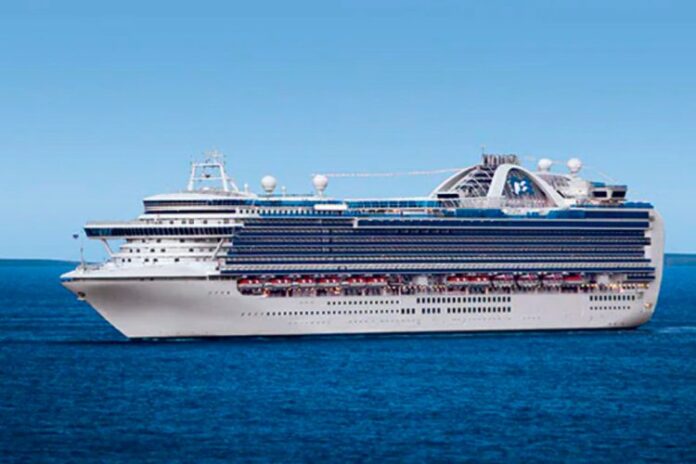
The 113,561-ton Ruby Princess offers guests a wide range of onboard amenities including nearly 900 balcony cabins, as well as a luxurious spa, a delicious array of dining options, dazzling entertainment, four pools and acres of teak-planked decks for sunning and relaxing.

The 3,080-passenger ship has 19 passenger decks and guests are served by 1,100 crew members.

Danes give go-ahead for offshore wind site studies

0

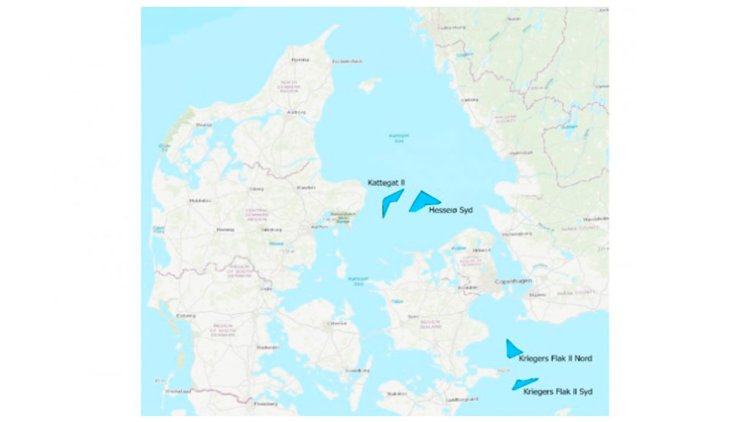
On 16 December 2022, the Danish Energy Agency has issued permits to the Danish TSO, Energinet, regarding initiation of preliminary site investigations in the Kattegat II and Kriegers Flak II areas as well as the new location chosen for the Hesselø offshore wind farm.

The site investigations will be initiated by Energinet in early Q1 2023 and will cover geophysical and geotechnical studies of the areas potentially designated for offshore wind farms and their possible cable corridors, as well as marine biological studies to be carried out in the surrounding areas.

The issued permits do not grant rights to develop the areas in scope but gives Energinet the right to gather relevant data concerning the identified sites. This data will, among other things, contribute to mitigating risks for potential developers as well as provide needed data for the project’s later strategic environmental assessment (SEA).

A potential developer will also be able to use the results of the preliminary site investigations for the environmental impact assessment (EIA) which concrete plans for establishing an OWF will have to undergo at a later stage.

Njord field cutting 130 000 tonnes of CO2 emissions per year from 2027

0

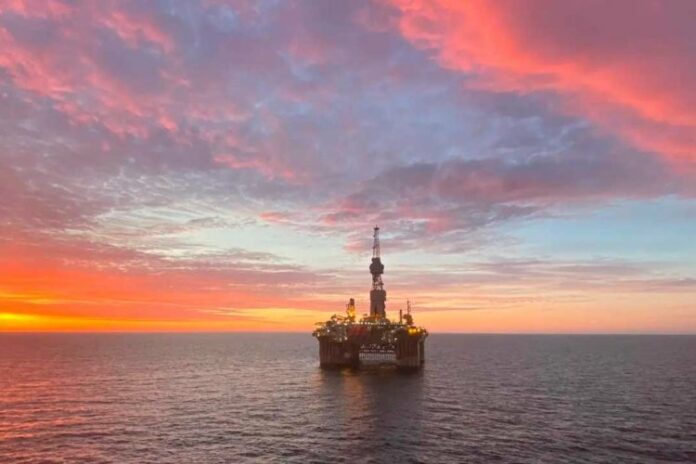
Equinor has, on behalf of the Njord licence partners, submitted a revised plan for development and operation (PDO) to the Ministry of Petroleum and Industry.

Trond Bokn, Equinor’s senior vice president for project development, says:

“Njord A and the Njord Bravo floating storage and offloading (FSO) vessel returned to the field this autumn after extensive upgrading and will soon be ready for 20 more years of production and value creation. We are now continuing the modernization of Njord by converting to electric operation. This will cut emissions from production and reduce Norwegian CO2 emissions by more than 130 000 tonnes per year from 2027.”

Electrification of Njord will also benefit the Hyme, Bauge and Fenja tie-back fields. These fields help finance the project.

As operator of Draugen, OKEA will be responsible for developing the power infrastructure from shore to Draugen. Equinor will be responsible for the cable from Draugen to Njord as well as modifications and upgrading on Njord A, where the two existing gas turbines for main power production will be replaced by electric power from shore via Draugen. Based on this, around 60 per cent of the power needed by Njord A will be covered by electricity, and the Njord Bravo FSO will be fully electrified.

In total, the electrification of Draugen and Njord will cut 330 000 tonnes of CO2 emissions per year.

The fields will have a total power demand of up to 80 MW per year and will be connected to the power grid at a transformer station at Straum in Åfjord municipality. Operated by Tension, the transformer station has a capacity of 200 MW, and the project does not require a grid upgrading.

The investment estimate for the whole project is around NOK 7.3 billion, of which a good NOK 3 billion covers the share of the Njord licence. The revised plans for development and operation (PDO) and for installation and operation (PIO) must be approved by the Ministry of Petroleum and Energy.

Start-up is expected in the first quarter of 2027.

Babcock welcomes back HMS Montrose

0

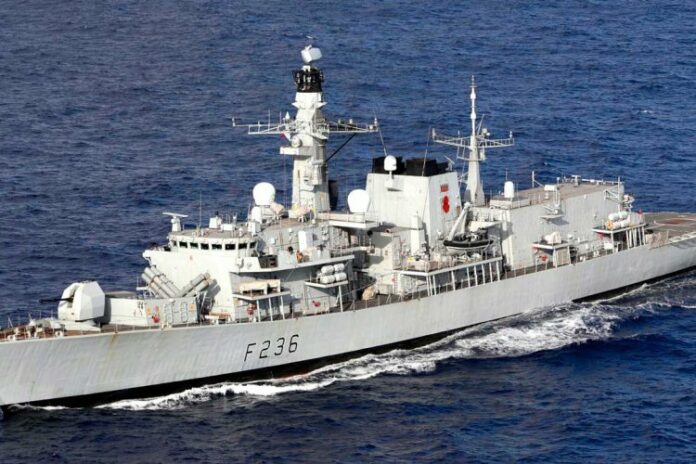
With the Royal Navy’s presence in the Middle East handed over to HMS Lancaster in the Omani port of Duqm, Babcock has played a significant role in keeping HMS Montrose operational on her international mission during her deployment including the 3 ½ years she spent in The Gulf.

As part of Babcock’s T23 LIFEX Programme to update the Royal Navy’s Type 23 Class Frigates to operate well beyond their original design life expectancy, Babcock works in partnership with the Ministry of Defence and commercial partners through the Surface Ship Support Alliance (SSSA), to ensure that the Class remains relevant and operationally available against today’s threats and de-risks future transitions back into service.  

In January 2021 Babcock’s joint venture with Oman Drydock Company completed a first-of-its-kind double diesel engine replacement for HMS Montrose, from Duqm Naval Dockyard (DND) in the Middle East, to support operations within the region.

The work was carried out as part of an extensive fleet time, at reach, support programme which historically would have happened in the UK, demonstrating the Global Support capability that Babcock delivers internationally whenever customers require it.

The DND team also stripped back HMS Montrose’s flight deck and other areas of the upper deck and completely repainted them; they also undertook funnel cowling repairs, as well as built and tested a new, main shaft seal cofferdam to enable maintenance and repair of an underwater seal. All activity was completed within a timely eleven-week repair period.

Welcoming the ship back to Devonport, Gary Simpson, Managing Director, Support – Marine, Babcock said:

“It’s always poignant to welcome a ship back to port following time away at sea protecting the interests of the nation and international allies, especially for the families and friends of HMS Montrose here today.

“Babcock is proud to play its part in keeping the ship operational and her crew safe and secure throughout their international deployment. Globally deployed capabilities play a larger role than ever in how we help to keep customers assets mission-ready and we are tuned to deliver this.

“It’s great to see HMS Montrose back in Devonport following her illustrious tour making a real impact to global security.”

MSC supports Intra-Asia trade with dedicated Seagull and Pertiwi services

0

The United Nations’ COMTRADE database reveals that in 2021, Thailand’s exports to destinations in Asia accounted for 62% of the country’s total export value, or more than US$163 billion. China is the country’s largest trading partner, with the value of exports totaling US$36.6 billion—and is expected to continue rising in the coming years.

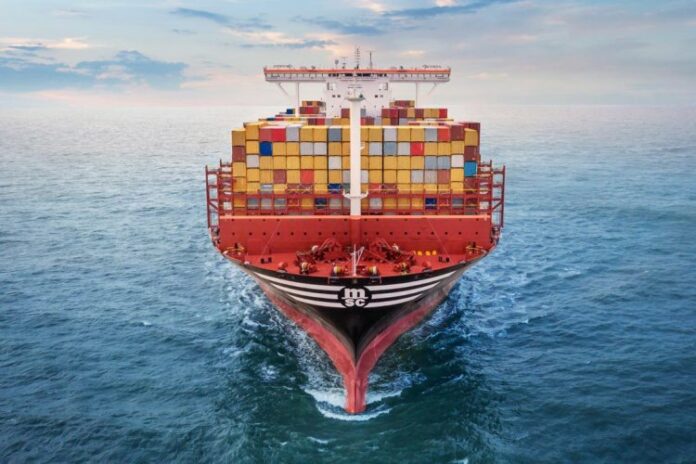
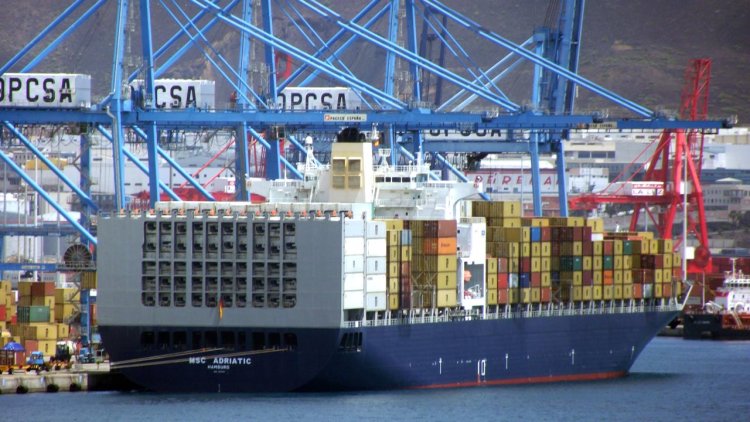
Responding to these growth trends, the world’s leading ocean carrier, MSC Mediterranean Shipping Company (MSC), launched two new dedicated Intra-Asia services: SEAGULL and PERTIWI. The former service offers a direct connection from Thailand to China’s main ports, as well as to Singapore and Malaysia, with competitive transit times. The latter supports Thailand-to-Indonesia exporters with added efficiency and flexibility.

Thailand is one of the world’s foremost manufacturers of highly sought-after goods, such as automotive parts, electronics, plastics, crops, and livestock, exporting to key trading partners such as China, Vietnam, Malaysia, and Indonesia. Consequently, Intra-Asia exports play a significant part in the Thai economy.

Mr. Gaspard Vandamme, Managing Director, said:

“Committed to supporting the Thai market, MSC recognises the importance of having a comprehensive and effective Intra-Asia service network. For this reason, we decided to invest more in this region, starting with the SEAGULL and PERTIWI services as our first few significant steps.”
Ms. Rungruedee Kurutuch, Deputy Managing Director, said:

“So far, MSC in Thailand has been known predominantly for our long-haul services across the globe. However, due to the growing demand for Intra-Asia shipping services, MSC would like to step into the scene to support exporters with service offerings that can truly meet all their transport needs.”

Previously, with no direct calls, China-bound containers from Thailand had to rely solely on the process of transhipment: cargoes headed south to Singapore on a feeder before heading north to China on a mother vessel. While transhipment is a useful process that allows customers to access MSC’s worldwide service network, it comes at a cost—including longer transit times and proneness to delays and port congestion.

Mr. Viroj Rekacharoenphan, Export Commercial Manager, Mediterranean Shipping (Thailand) Co., said:

“To meet our customers’ growing demand for cargo shipments to China, we recently launched the SEAGULL service, which provides a direct link from Laem Chabang to China’s main gateway ports, including Shanghai, Ningbo, and Xiamen, with transit times of 10, 12 and 14 days respectively. The first sailing to follow this route departed from Laem Chabang on December 3.”

In addition, the SEAGULL also provides direct connection from Laem Chabang to Singapore, Tanjung Pelepas, Penang and Pasir Gudang with competitive transit times of 3, 4, 6 and 9 respectively.

“Not only does the SEAGULL service benefit shippers of China-bound cargoes, but it can also serve as a feeder service for long-haul shippers, whose cargoes can connect to MSC’s global network via transhipment hubs like Singapore, Tanjung Pelepas, Ningbo and Shanghai.”

SEAGULL calls at Laem Chabang weekly, operating as a butterfly service on the following rotation:

Shanghai – Ningbo – Xiamen – DaChan Bay – Vung Tau – Laem Chabang – Singapore – Tanjung Pelepas – Penang – Pasir Gudang – Singapore – Tanjung Pelepas – Laem Chabang – Vung Tau – Shanghai
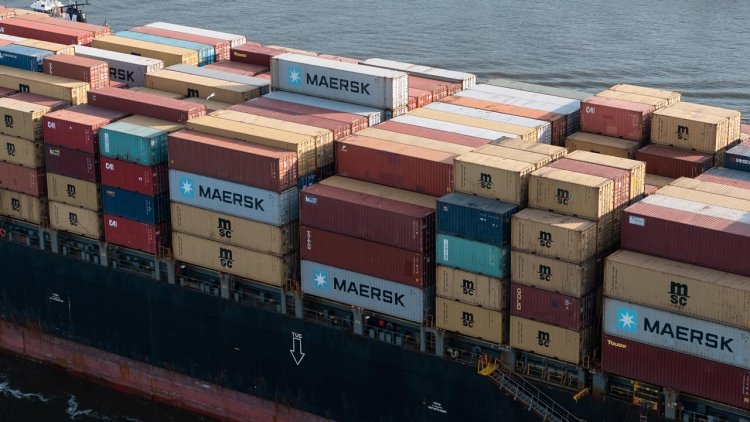
With the fourth largest population in the world, comprising more than 276 million people, Indonesia is one of the largest and most dynamic economies in the Asia Pacific.

Ms. Rungruedee reveals:

“As a destination, Indonesia is attracting more and more attention from our Thai exporters. Before the launch of PERTIWI, however, cargoes from Thailand had to undergo the transshipment process at the Port of Singapore before heading to Indonesia.”

“To improve flexibility and agility of our service offerings, we decided to introduce the PERTIWI service, MSC’s first ever service to offer a direct connection from Laem Chabang to Indonesian ports, whose first sailing took place early last July.”

PERTIWI is a weekly service that links North China and Korea to South-East Asia. Its service rotation is:

Busan – Qingdao – Incheon – Dalian – Tianjin Xingang – Vung Tau – Laem Chabang – Singapore – Tanjung Pelepas – Panjang – Jakarta – Singapore – Tanjung Pelepas – Busan