-11.1 C
New York
Home Blog Page 355

Breakthrough development allows data to be collected from unseen parts of the ocean

0

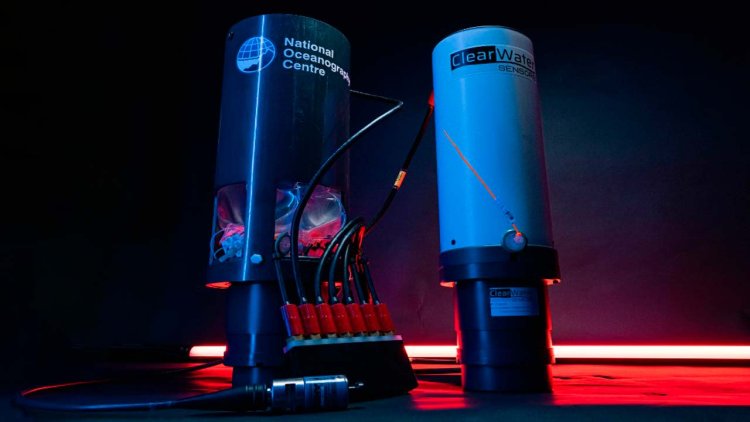
The BORA Blue Ocean Research Alliance®, an alliance between the National Oceanography Centre (NOC) and Subsea7, has launched the first in a series of remotely operated vehicles (ROVs) that contain the new BORAbox®. 

The sensors are currently collecting data on Subsea7 vessels in the South Atlantic, Brazil, and further launches are planned in Norway and further afield including Australia.

BORAbox®, an integrated suite of sensors developed by NOC scientists, will measure an important aspect relating to the health of the ocean by establishing the total alkalinity – a measure of the water’s ability to resist a reduction in its pH level. The information gathered by the BORAbox® will feed into a global understanding of climate change and its impact on the oceans. As a result, the research will also be used to better predict how the oceans and weather systems will react over the coming decades.

Dr Carla Sands, BORA project manager from the National Oceanography Centre commented:

“This launch is an exciting moment for ocean research. So much of our ocean remains unexplored. This new technology allows us to dramatically increase our monitoring capabilities in areas of the ocean. By studying pH and alkalinity, we can dramatically inform future studies and help authorities around the world mitigate much more effectively the effects of climate change in the ocean.”

BORAbox® will begin by monitoring temperature, salinity, depth, and the carbonate system. These are vital measurements in helping to monitor the wellbeing of the oceans. The data will be analysed by scientists where it will then be used to support further ocean observation studies and help to shape major global ocean health assessments. As the project expands with more launches from other locations, the new data represents a significant upgrade on what is presently available. Current observations may only span short distances and can often be out of date by the time it is accessible.

Dr Sands added:

“The need to have up-to-date information is critical given the dramatic increase in CO₂ currently being added to the atmosphere. Around 25% of man-made CO₂ such as fossil fuel burning gets absorbed by the ocean which helps to regulate CO₂ in the atmosphere. However, too much CO₂ in the ocean can cause it to acidify and damage plant and animal habitats.”

The BORA project highlights NOC’s commitment to working with key industry bodies to provide data to inform evidence-based policy, ensuring leaders are presented with the most accurate information about the state of the oceans.

Liz James, Subsea7’s Group Environmental Director, commented:

“Subsea7 is excited and committed to this dynamic and innovative relationship, bringing science and industry together, having now installed a BORAbox® on our vessel, Seven Pacific, working in Brazil. We will be fitting further BORAboxes to our global fleet, enabling greater ocean access to scientific research and advancing global knowledge for the benefit of understanding the ocean, biodiversity and the impact from our operations on the environment.”

High gas exports and emissions cuts from Hammerfest LNG

0

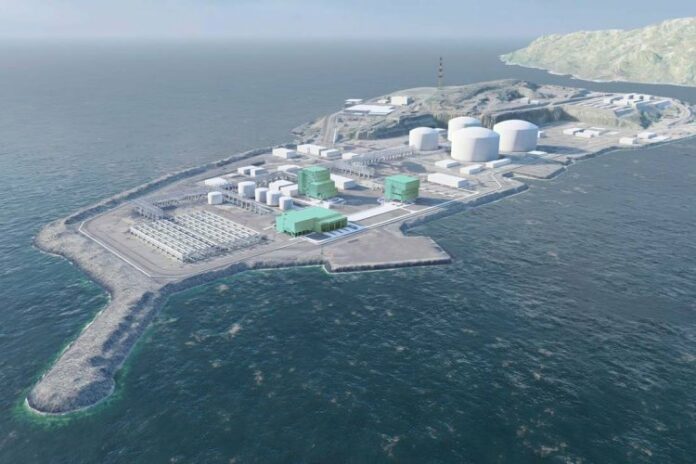
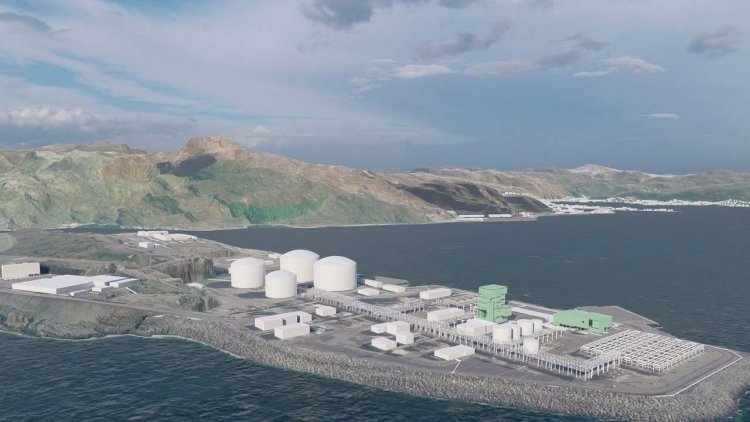
The project involves gas onshore compression and electrification and will secure the future of HLNG.

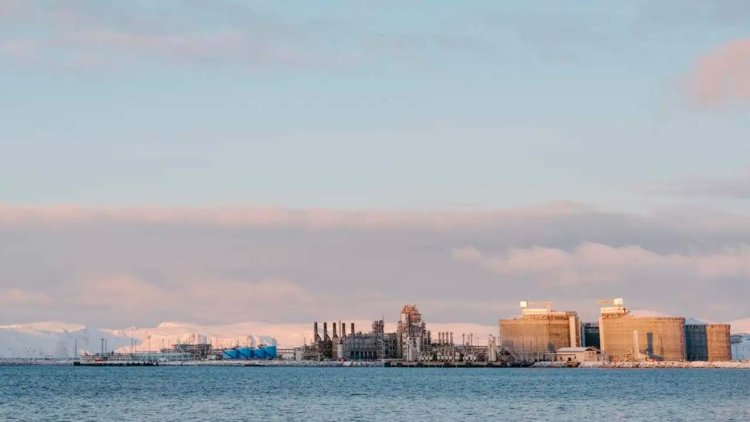
At a ceremony in Hammerfest, Equinor has submitted a plan for development and operation (PDO) of Snøhvit Future to the Minister of Petroleum and Energy on behalf of the Snøhvit partnership.

Onshore gas compression will provide enough flow from the reservoir to extend plateau production and maintain high gas exports from HLNG beyond 2030. Electrification will reduce CO2 emissions from HLNG by around 850,000 tonnes per year.

“Snøhvit Future will strengthen Norway’s position as a reliable and long-term supplier of LNG to Europe. Electrification will allow us to deliver this gas with close to zero greenhouse gas emissions from production. The project will secure long-term operations and gas exports from Melkøya towards 2050,” says Geir Tungesvik, Equinor’s executive vice president for Projects, Drilling & Procurement.

During normal production conditions, HLNG delivers 18.4 million standard cubic metres of gas per day, or 6.5 billion cubic metres per year. This is equivalent to the energy demand of around 6.5 million European homes, or 5% of all Norwegian gas export.

“Snøhvit Future is a comprehensive and complex project in which expertise, collaboration, and experience in the Norwegian petroleum cluster and within the partnership have brought us to an important final investment decision. The project has good socioeconomic benefits and will create strong ripple effects in the north,” continues Tungesvik.

Three large modules will be installed at the plant, which will also be subject to extensive modifications. In addition, there will be a high activity level in the Hammerfest region, such as the construction of a tunnel and a transformer station to bring electric power to Melkøya.

Higher demand for power to HLNG will trigger Statnett’s construction of a 420 kV power line from Skaidi to Hyggevatn and the Snøhvit partners will provide a considerable investment contribution. The new line will strengthen the power infrastructure by providing higher grid capacity to Hammerfest, paving the way for new industrial developments in the area.

“We are converting to electric operation at Melkøya, thereby reducing annual emissions of CO2 by around 850,000 tonnes. This is one of the largest individual emission reduction measures for decarbonization of oil and gas production in Norway. The project is a key contributor to the energy transition,” says Grete B. Haaland, senior vice president for Exploration and production north.

Electrification entails replacing the current gas turbine generators with power from shore. This will cut emissions equivalent to 13 per cent of the oil and gas industry’s overall 55 per cent emissions reduction by 2030. The project’s emissions reductions correspond to two per cent of Norway’s annual emissions.

The development will generate considerable ripple effects in terms of employment as well as local and regional service deliveries. Around 70 per cent of the value creation in the development phase is expected to come from Norwegian companies. More than a third of this will go to Northern Norway.

“The Snøhvit Future project underlines our commitment to the North. It is crucial to secure operation and maintain existing jobs on Melkøya. In the development phase we estimate additional regional employment of around 1680 full-time equivalents. We are focusing on meeting the ambitions of North Norwegian content in the contracts to be awarded in the project phase towards operation start in 2028,” continues Haaland.

HLNG has generated significant socioeconomic benefits in the city of Hammerfest, the county of Finnmark, and the trade and industry in North Norway since its initial development in the 2000s. The plant is a cornerstone in the region, with around 350 employees as well as around 150 contractors and apprentices. There are indirect socioeconomic benefits in addition to this.

As a result of the development, the operations phase is expected to be extended by 10 years while maintaining current levels of employment.

Aquadrill announces charter hire agreement for the Vela

0

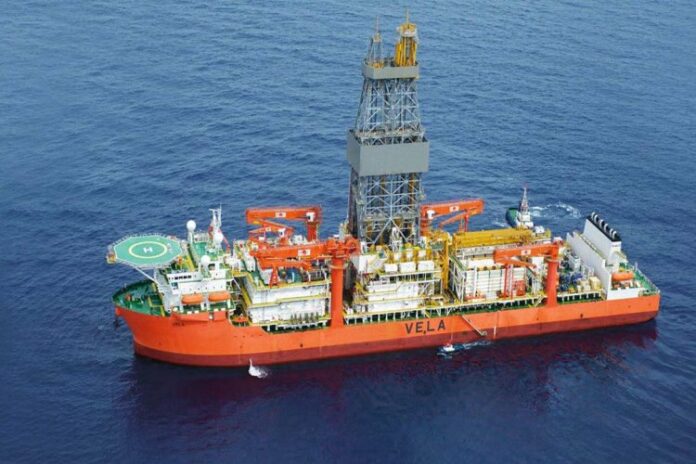
Aquadrill LLC has extended a charter hire agreement with a subsidiary of Diamond Offshore Drilling, Inc. to provide the Company’s Vela rig, an MPD outfitted 7th generation drillship, for operations in the US Gulf of Mexico for a 150 day drilling contract with a total expected contract value of approximately $60 million.

The terms of the charter hire agreement are consistent with the current management services agreements in place between the Company and the Manager. Further, the resulting financial benefits for the Company are as if the Company had entered into the drilling contract directly.

Concurrent with extending the charter hire for this new work scope, an agreement to suspend the underlying drilling contract related to the charter hire for the rig running from January to August 2023 has been entered into.

This contract will be suspended after the first well and the new 150 day work scope will commence in direct continuation. The rig is expected to return to the initial underlying drilling contract in August 2023 and continue with the remaining firm work plus options if exercised.

New aquarium under development for Antarctic krill research

0

Australia has been a leader in krill science since the 1980s and the Australian Antarctic Division (AAD) is recognised as the leader in live krill research, operating one of the world’s only Antarctic krill aquarium research facilities in Hobart.

Plans are now underway to establish a new laboratory that will provide a platform to understand the future impacts of climate change on the species to meet a key Australian Government commitment from the Australian Antarctic Strategy and 20 Year Action Plan.

The AAD, in cooperation with the University of Tasmania is working to establish a Southern Ocean research aquarium at the existing Institute of Marine and Antarctic Studies (IMAS) site in Taroona.

Plans for the facility’s external structure or ‘cold shell’ were recently approved by the Commonwealth Public Works Committee.

More approvals are still required for the internal fit-out of the facility to provide the research capabilities.

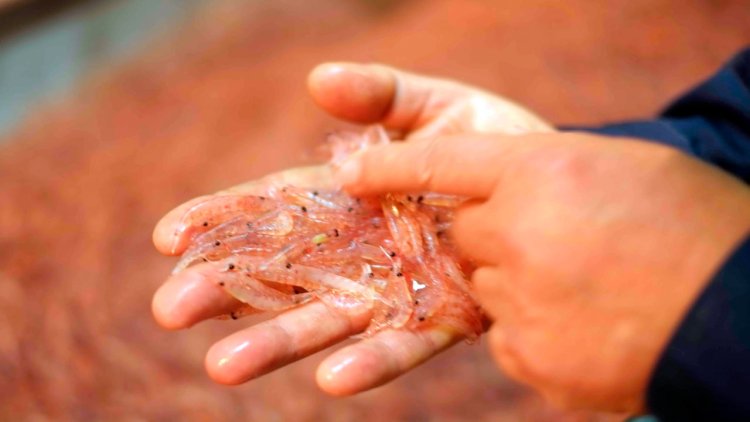
AAD marine scientist Rob King said Antarctic krill are critical to the Southern Ocean food chain and marine life.

“Antarctic Krill biomass is the greatest of any wild animal species on earth and accounts for one fortieth of the collective biomass of all animal life on earth,” Mr King said.

“Antarctic krill play a huge role as the primary diet for whales, penguins and seals.

“Our work is to understand krill biology in a rapidly changing environment due to climate change.

“This aquarium will extend our knowledge on the impacts of climate change and ocean acidification on krill reproduction.”

Scientists are now able to collect more krill thanks to advanced technology on Australia’s icebreaker RSV Nuyina.

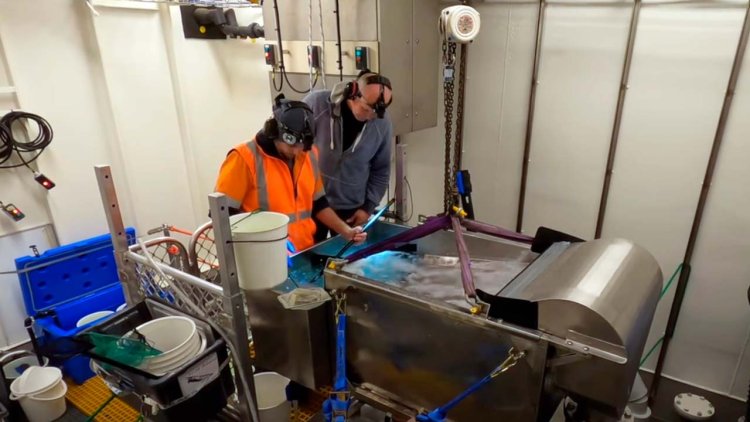
The system involves a series of inlets below Nuyina’s waterline, which safely bring krill inside the vessel where they are gently separated from the water flow before being transferred to special containerised aquaria.

This has improved krill survival rates back to Australia from 10 per cent with traditional trawling in the past to 95 per cent.

A larger facility is needed on land to accommodate the increased scientific ability and to replace the end of life existing facility.

The proposed aquarium will have five times the research space of the existing one and will allow the containerised aquaria to be ‘plugged in’ after delivery from Nuyina.

The site’s location next to the Derwent Estuary will also take advantage of existing sea water supply already on site.

This will enable multi-year research on all aspects of krill biology and on other species in the ecosystem.

“Collaborating with the University of Tasmania and other scientists will improve our knowledge about the impacts of climate on krill reproduction and development,” Mr King said.

“This will greatly inform how Australia can continue to influence management and protection of the Southern Ocean.”

Construction is expected to begin in 2023, subject to further approvals.

World-first satellite to measure Earth’s water levels blasts into space

0

The international Surface Water and Ocean Topography (SWOT) satellite took off from Vandenberg in California on 16 December.

SWOT will use a revolutionary radar instrument, named KaRIn, to survey at least 90% of the Earth’s surface, measuring and monitoring changes in the ocean, lakes, reservoirs, rivers and wetlands, to produce data that will help improve our understanding of climate change, as well as predict and mitigate flood risks around the world.

SWOT is a satellite jointly developed by NASA and the French space agency, CNES, in partnership with the Canadian Space Agency (CSA) and UK Space Agency.

The UK Space Agency has provided UK technology company Honeywell with £12.2 million to develop KaRIn’s Ka Band duplexer, which routes vital radar signals around the satellite at a frequency never reached before.

UK scientists are also supporting the international effort to assess and exploit SWOT data over areas with very high tidal ranges and fast currents. The UK Space Agency partnered with the Natural Environment Research Council (NERC), between them investing £375,000 in the SWOT-UK science research project that will focus on SWOT data covering the Bristol Channel and Severn Estuary area.

Professor Christine Gommenginger, Principal Scientist in Satellite Oceanography at NOC, has more than 20 years’ experience in measuring sea level with altimetry and co-leads SWOT-UK.

NOC’s Prof. Christine Gommenginger said:

“For the first time, SWOT will produce detailed images of water levels that will help understand the complex processes that connect water levels over the ocean and inland waters.

“One objective of SWOT-UK is to demonstrate how satellite Earth observation data can be used with in situ instruments and numerical models to answer important questions for science and society.”

Science Minister George Freeman said:  

“Water is fast becoming a major geopolitical resource: with climate change causing droughts and floods and global interest in water temperature and flows.

“The UK government has just committed £314 million to participate in European Earth observation missions, giving us access to crucial data about our natural world and how we can tackle climate change.

“It’s fantastic to see industry and universities from across the UK collaborate on a global mission that will mark a step-change in our ability to map, monitor and respond to ocean and surface water.

“Our space sector thrives on building relationships with our international counterparts and this mission has the UK at its heart with our friends in the US, France, Canada and NASA.”

UK Space Agency CEO Dr Paul Bate said:

“SWOT will revolutionise our understanding of our planet’s surface water and how its patterns are changing, giving us vital information to improve how we manage one of humanity’s most precious resources.

“This is an important mission for the UK to be involved in, both in terms of building the radar instrument and in directly receiving and analysing Earth observation data for the UK.”

The SWOT-UK project is led by the National Oceanography Centre (NOC) with the University of Bristol and Bangor University to evaluate the SWOT data over British waters. The Bristol Channel and Severn Estuary will be observed once a day during a three-month period in April to June 2023 to provide unprecedented information from space on water level changes in this dynamic coastal environment.

Paul Bates CBE FRS, Professor of Hydrology at the University of Bristol, was part of the team that originally pitched the SWOT concept to NASA 20 years ago, and his team contributed flood hydraulic models during the mission design phase.

Prof. Paul Bates said:

“SWOT will transform our ability to track freshwater on planet Earth and currents in the ocean. For the first time, we will be able to track flood waves moving down river systems and see the rise and fall of water levels in millions of lakes and wetlands worldwide.

“We will not only be able to use these data to make new scientific discoveries, but also to help populations worldwide better manage water hazards and resources.” 

Bangor University led the deployment of sensors, called acoustic Doppler current profilers (ADCP), to measure tidal flows in the Bristol Channel, and the RiverRay instrument, which will take similar measurements in the River Severn by travelling across the channel on a small boat.

Simon Neill, Professor in Physical Oceanography at Bangor University, said:

“The ADCP is a device that uses sound waves to measure the speed and direction of currents throughout the water column, providing an understanding of how water in rivers and oceans moves.

“The data collected from these devices will enable us to develop a full understanding of the Bristol Channel and to directly compare with the data collected by SWOT.” 

Built in the UK, Honeywell’s Ka Band duplexer is a vital part of the KaRIn altimeter on the SWOT satellite, routing radar signals around the satellite and transmitting at a power of 1,500W – a level never seen in this kind of device – allowing KaRIn to measure water levels to better than 2 cm height accuracy at a spatial resolution of 1 km from an orbit height of 891 km above the Earth. 

Craig Molford, Senior Director for Space Payloads at Honeywell, said:

“The SWOT duplexer was undoubtedly one of the most challenging and complex RF duplexers ever produced by Honeywell – and we’ve produced a lot of them.

“It used an unprecedented number of ferrite switches, couplers, and electronics boards to enable the level of performance, accuracy, and ruggedness this amazing platform requires.

“Talented Honeywell engineering and manufacturing teams in the UK drew on decades of experience in RF technologies for spacecraft to develop the SWOT duplexer.”

The Plymouth Marine Laboratory will also work with the Ocean University of China to analyse the data returned and identify and track eddies, looking specifically at how the Mid Atlantic Ridge impacts their progression across the South Atlantic and how this affects the north-south transport of heat by the ocean.

Dr Graham Quartly, NCEO Remote Sensing Oceanographer at Plymouth Marine Laboratory, said:

“The mission will give us valuable insight into the flow of warm salty water within the Atlantic and improve our understanding of factors affecting sea level rise. This will help us improve models of predicted future changes, so that society can be better prepared.”

The UK recently committed £315 million to future Earth observation and climate missions and programmes, including TRUTHS and Aeolus-2, through the European Space Agency, and a further £65 million to national programmes that will strengthen skills and capabilities in this important area.

Wärtsilä to supply its hybrid propulsion system for four new heavy lift vessels

0

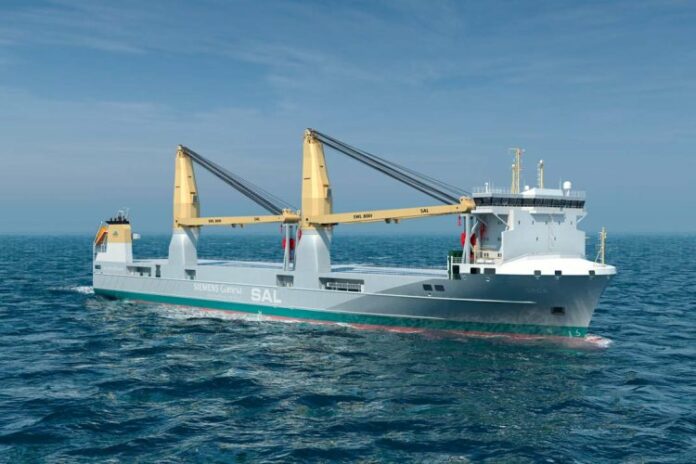
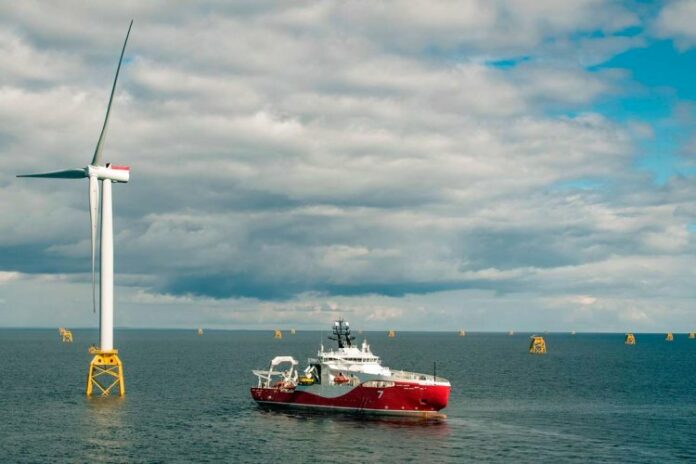
Wärtsilä hybrid propulsion system with methanol engine to power four future-proof heavy lift vessels being built at the Wuhu Shipyard in China. 

The vessels have been contracted by SAL Heavy Lift GmbH, a German heavy lift and project cargo specialist and part of the Harren Group, in cooperation with its joint-venture partner, Netherlands-based Jumbo Shipping. There is an option for an additional two vessels. The order was included in Wärtsilä’s order book in December 2022.

Wärtsilä’s innovative hybrid system will minimise the ships’ CO2 emissions, thus supporting the marine sector’s decarbonisation ambitions. The system will feature a variable-speed Wärtsilä 32 main engine capable of operating with methanol fuel. This will therefore make these ships among the first to be prepared to operate on methanol, a clean burning sulphur-free alternative to conventional fossil-based marine fuels. They will also be the first methanol capable ships to employ a variable speed main engine.

The hybrid system also includes Energy Storage, a PTO/PTI generator and motor, a multidrive converter, and the Wärtsilä Energy Management System for controlling and optimising the hybrid operations. The Energy Storage system will be based on Lithium-Titanium-Oxide (LTO) batteries, which can handle higher amounts of deep cycles than normal Lithium-Ion based systems. The ESS will significantly reduce the fuel consumption and/or the necessary size of the port’s electric shore connection during crane operations while also providing fuel savings at sea by reducing Engine Load fluctuations in rough seas.

For each vessel, Wärtsilä will also supply the gearbox, the controllable pitch propeller (CPP), the bow and stern thrusters, air shaft seals, as well as the sterntube and bearings.

Dr Martin Harren, Owner and CEO of SAL Heavy Lift, says:

“These ships represent the next generation in heavy lift shipping. In addition to their technical capabilities, they will feature outstanding environmental performance and help guide shipping towards a greener future. We are committed to decarbonising shipping activities, and we wish to thank Wärtsilä for their support and cooperation throughout this project.”

Matthias Becker, Managing Director of Wärtsilä Germany, says:

“We are proud to be able to support SAL with Wärtsilä’s market-leading integrated hybrid-mechanical propulsion system. This is a well-proven, future-proofing solution that enables owners and operators to lower operating costs while complying with current and anticipated environmental regulations.”

The ships are scheduled for delivery in 2025 and will be used mainly to support wind farm installations.

Unsafe port claims and the Russian invasion of Ukraine

0

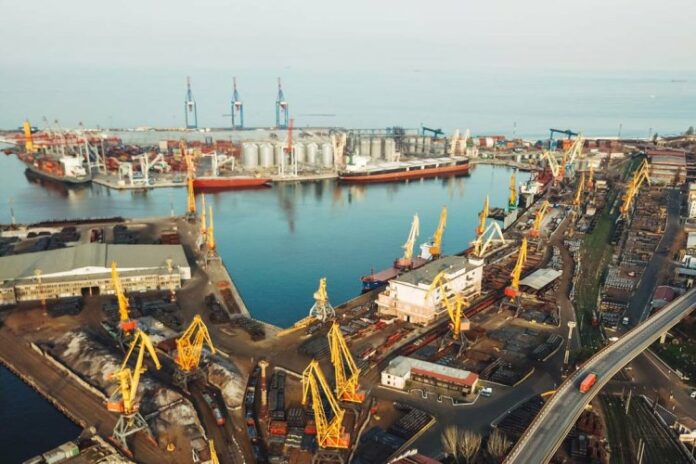
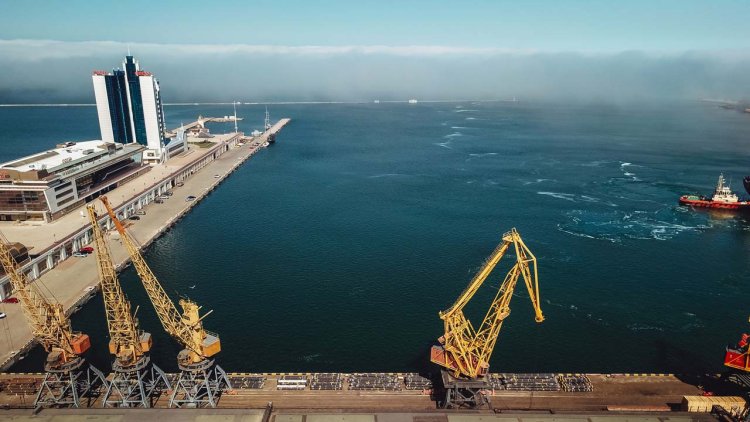
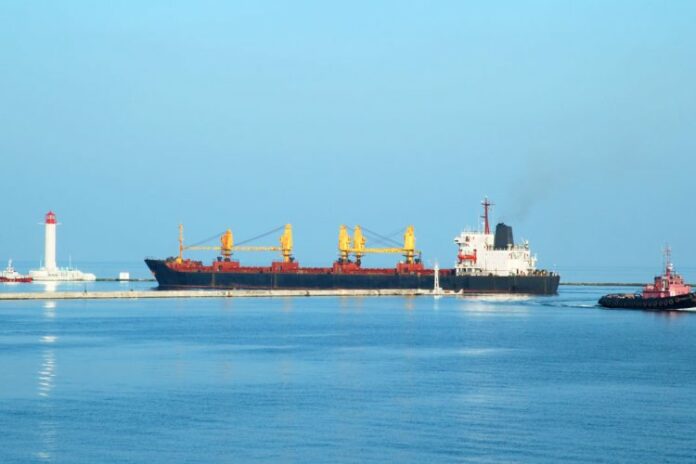
Owners and charterers need to consider a range of issues carefully and take appropriate measures whenever a voyage is contemplated to one of the Black Sea Grain Initiative ports.

On 22 July, Ukraine restarted shipments of grain from Odesa, Chornomorsk and Yuzhny under the Black Sea Grain Initiative, which guarantees safe passage through a maritime corridor to Turkey. Other ports and non-grain ships are excluded. On 17 November, the agreement was extended for a further 120 days.

A pressing question now for those seeking to trade into Ukraine is whether the three ports are prospectively safe for vessels nominated to call there. As with all potential unsafe port cases, the terms of the time or voyage charter and the facts of the case are critical.

Following The Eastern City [1958] 2 Lloyd’s Rep. 127, the following key elements generally apply to an unsafe port claim:
• Charterers’ primary obligation arises when they order a ship to a port;
• The port must be prospectively safe at the time of nomination;
• The unsafety of the port must relate to the particular ship in question;
• The danger must be a characteristic of the port, rather than an abnormal occurrence;
• Dangers which are avoidable by ordinary good navigation and seamanship do not render a port unsafe;
• If the port becomes unsafe while the vessel is en route or after arrival, Charterers secondary obligation is to issue new orders.

One issue which has been highlighted in recent months is an ongoing threat from drifting mines detected in the western Black Sea.

Going back to The Eastern City principles, a nominated port must be prospectively safe for a particular ship to reach it, use it and return from it without, in the absence of some abnormal occurrence, being exposed to danger which cannot be avoided by good navigation and seamanship.

If a vessel were to hit a mine in the safe corridor some miles off the coast, while trying to reach or return from Odesa for example, would that mine be a characteristic of the port or its approaches or an abnormal occurrence? Was the port prospectively safe at the time of nomination?

In The Saga Cob [1992] 2 Lloyd’s Rep 545, a tanker was attacked by Eritrean rebels in the port of Massawa and substantially damaged. 

Three months earlier another vessel had been attacked 65 miles away. The Court of Appeal found that while it was foreseeable that there could be such an attack at Massawa, “…to say that such an attack or even the risk of such an attack was a normal characteristic of the port was impossible”. On the facts, the CA held that Massawa was a safe port.

In deciding whether Odesa was a prospectively safe port, for example in the event of a vessel striking a mine, much would depend on the particular facts. How far from the port did the incident occur? At the time of nomination was there a heightened warning of floating mines in that area? Could the master and crew have avoided the danger by following any particular navigation warnings or keeping a more vigilant lookout?

Owners and charterers need to consider these issues carefully and take appropriate measures whenever a voyage is contemplated to one of the Black Sea Grain Initiative ports.

One Sea welcomes South Korea’s Avikus as its latest member

0

Founded in January 2021 by Hyundai Heavy Industries Group, the world’s largest shipbuilder, Avikus specialises in developing autonomous navigation solutions for a range of vessel types. 

Earlier this year, the company’s HINAS 2.0 (Hyundai intelligent Navigation System) solution supported the world’s first transatlantic voyage of a large vessel using autonomous navigation technologies, when the SK Shipping ultra-large liquefied natural gas carrier Prism Courage completed a month-long voyage. 

In addition to HiNAS for large merchant ships, Avikus offers NeuBoat for smaller vessels. Each of these solutions is available in separate versions to support either navigation or berthing/docking. NeuBoat Navigation and Docking are also available with a higher degree of automation, to offer the potential to take over aspects of vessel operation, control and decision-making. 

One Sea Secretary General, Sinikka Hartonen, said:

“Welcoming Avikus on board is an exciting development which brings in participation from one of our industry’s most important hubs for innovation. It further highlights One Sea’s continuing expansion in representing the key stakeholders in autonomous ship technology – from Northern Europe, Japan, the United States and now South Korea. Our increasingly broad-based membership further supports the advocacy work we are doing on behalf of the industry to support the development of robust regulations for MASS.”  

Carl Johansson, Vice President – Business Development, Avikus, said:

“Autonomous vessels have the potential to improve the safety and efficiency while reducing the workload on seafarers, but we can only reap the rewards with the right regulatory framework in place. We are excited to join the alliance and look forward to working with our fellow members towards the common objective of establishing an autonomous maritime ecosystem.” 

Since its formation in 2016, One Sea has developed an advisory and advocacy expert role in autonomous shipping and the safety, efficiency and environmental gains it promises. Members include maritime technology leaders such as ABB, Cargotec, Haltian, Kongsberg, Monohakobi Technology Institute (MTI), Sea Machines Robotics, Tietoevry and Wärtsilä. 

Western Gas signs agreements with Pluto LNG and North West Shelf for Equus gas processing

0

Woodside Burrup Pty Ltd and the North West Shelf Project participants have entered into separate nonbinding agreements with Western Gas outlining the key terms and process for undertaking joint technical studies and negotiating and finalising fully termed agreements for the processing of 2-3 Mtpa of Equus gas from 2027 utilising Woodside-operated infrastructure.

Woodside Energy CEO Meg O’Neill said that by leveraging existing infrastructure, Woodside would enable Western Gas to access a competitive option to supply Asian LNG markets while providing additional domestic gas security for Western Australia.

“This is an important step in maximising utilisation of our existing infrastructure to deliver domestic gas and LNG to local and global customers and value for our shareholders and community. The proposed gas processing opportunity with Western Gas for the Equus offshore resource demonstrates the flexibility provided by the Pluto-KGP Interconnector, which commenced operations in March 2022, to optimise available capacity at our world-class facilities.”

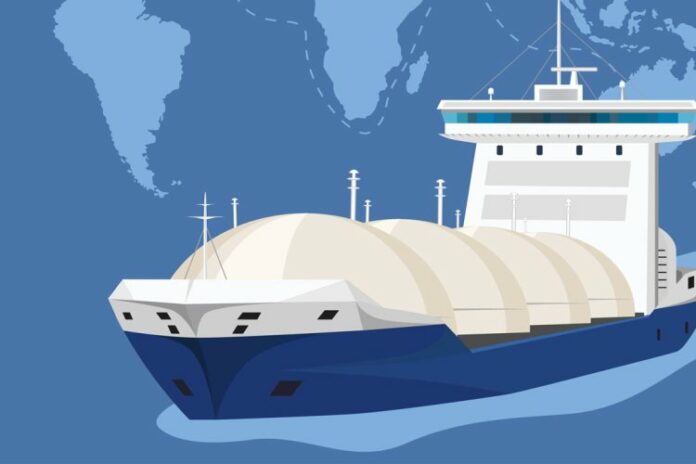
It is proposed that Equus gas would be produced on a floating production storage and offloading facility and transported through an approximately 200km pipeline to the Pluto LNG facility. It is proposed that prior to capacity being available in Pluto Train 1 the Equus gas be transported via the Pluto-KGP Interconnector for processing and export at the Karratha Gas Plant (KGP) with processing and export via Pluto Train 1 to commence once processing capacity becomes available. First LNG for the gas processing opportunity is targeted in 2027, with a target aggregate production of 2-3Mtpa of LNG and 50-75 TJ/d of domestic gas.

The North West Shelf Project participants are Woodside (Operator; 33.33%); BP Developments Australia Pty Ltd (16.67%); Chevron Australia Pty Ltd (16.67%); Japan Australia LNG (MIMI) Pty Ltd (16.67%) and Shell Australia Pty Ltd (16.67%).

Woodside Burrup Pty Ltd is the manager and operator of Pluto LNG.  The Pluto LNG Project Participants are Woodside Burrup Pty Ltd (90%); Kansai Electric Power Australia Pty Ltd (5%) and Tokyo Gas Pluto Pty Ltd (5%).

Banking sector increases transparency in ship finance

0

This year’s report includes a more granular disclosure of emissions data which will allow financial institutions to better understand their carbon footprint and jointly promote the maritime industry’s transition to zero emissions.

Out of the 28 financial institutions reporting their emissions data this year (up from 23 the year before), seven banks are aligned with the International Maritime Organization (IMO)’s ambition of reducing greenhouse gas emissions from international shipping by at least 50% by 2050.

“This year’s reporting is the most granular and extensive yet, and more banks have joined the initiative, which is very encouraging. I am pleased that Signatories have been willing to be even more transparent about the make up of the carbon footprint in their portfolios. Being transparent is the only way we can make change happen and better support clients in the crucial years for shipping decarbonization ahead of us,” says Michael Parker Chairman, Global Shipping, Logistics and Offshore, Citi, and Chair of the Poseidon Principles.

The Poseidon Principles are a global framework for assessing and disclosing the climate alignment of financial institutions’ shipping portfolios pioneered in 2019 by Citi, Societe Generale, and DNB with the support of the Global Maritime Forum.

Parker is not discouraged that only a minority of reporting banks are aligned with the 2050 target.

“We are on a multi-year journey, but with this data we can see our performance, and support our decision-making with insight. Reducing GHG emissions has become a priority in the maritime industry, including for ship finance. However, ships have a 20+ year lifecycle. It will take time for this trend to be reflected in our portfolios, even with the banks favouring low-carbon projects,” he says.

The report collates ship emissions data collected by lenders from their clients for their activities in 2021. This data is then compared to a decarbonisation trajectory for the same year to show whether, at that point in time, a ship finance portfolio was compatible with a 50% reduction of emissions by 2050.

The Poseidon Principles were launched in 2019 with 11 founding Signatories and have since grown to 30 financial institutions covering more than 70% of the global ship finance portfolio. Three Signatories joined the Principles after December 2021 and are not required to report this year. One bank chose to do so, nevertheless.

“I would like to welcome the five new Signatories who are reporting their climate alignment scores for the first time this year. We continue to receive strong support for data sharing and transparency among our clients, a sign that the Poseidon Principles have become an established and recognised initiative,” added Paul Taylor, Global Head of Maritime Industries, Société Générale, and Vice Chair of the Poseidon Principles.

This year’s report also introduces more granularity in the data reported. In addition to their overall portfolio climate score, 14 Signatories disclosed individual scores for passenger vessel portfolios, cargo vessel portfolios, or both. This data generally shows that COVID-19 continued to have a negative impact on the climate scores because of congestion and the slow recovery in the cruise business with much shorter cruises as the sector started to resume activity.

In September 2022, Poseidon Principles Signatories committed to aligning the framework with the ambition of the Paris Agreement to limit global temperature rise to 1.5 degrees above pre-industrial levels by 2100. The banks will measure their climate alignment against this ambition once a Paris-aligned trajectory or trajectories are identified and officially adopted by the Signatories. Such a trajectory or trajectories have not been approved yet and are therefore not included in this year’s report.

Once a new trajectory comes into effect, both the current IMO-aligned trajectory and a Paris-aligned trajectory will be used as benchmarks. However, Signatories have also committed to evaluating the current trajectory following the expected adoption of the Revised IMO GHG Strategy at MEPC 80 in July 2023, including raising its levels of ambition. It is hoped that the Annual Disclosure Report 2023 will include reporting against both a Paris-aligned and a revised IMO-aligned trajectory.

The Annual Disclosure Report 2022 was produced by the Global Maritime Forum, which performs secretariat services for the Poseidon Principles, with expert support provided by UMAS.