-3 C
New York
Home Blog Page 349

The Port of Valencia will carry out the first hydrogen test for its refuelling station

0

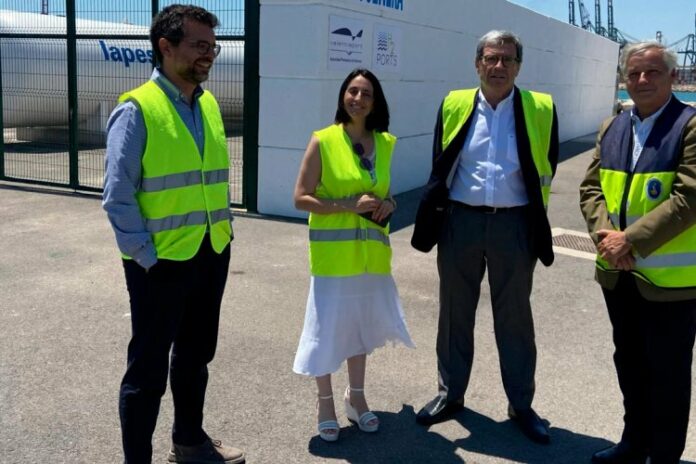
During this first month of the year, hydrogen loading tests will begin to be carried out at the Port of Valencia’s Hydrogen Generator; the supply station for this “fuel of the future” located on the Xità quay.

With the arrival of the new year, the Port of Valencia is once again taking a step forward in its commitment to the fight against climate change and decarbonisation. The technicians from Valeciaport, the National Hydrogen Centre and the company Carburos Metálicos who are taking part in this initiative will supervise this operation which is being carried out for the first time in a Spanish port.

Specifically, throughout the month, different tests will be carried out with materials such as nitrogen, helium and hydrogen to test the elements and mechanisms that make up the hydrogen generator of the Port of Valencia. This loading test will be the starting point for supplying hydrogen to the prototypes of the container stacker and 4×4 tractor unit that will begin operations at the Valencian enclosure this year. With this action, Valencia is positioned as the pioneering and emblematic port in Europe in the development of hydrogen technologies.

The hydrogen supply station (HRS) has been designed and built by the National Hydrogen Centre, and will include a fixed part which will be dedicated to the reception, storage and compression of hydrogen up to delivery pressure (both installed in the Bracet de la Xità or Gità), and a mobile part which will store the compressed hydrogen and include a dispenser of this fuel for refuelling the port machinery. The operating process of a hydrogen station is similar to refuelling conventional vehicles, except that, in this case, the hydrogen is supplied at high pressure.

This refuelling station will supply fuel to the machinery that forms part of the project being developed by Valenciaport. One of this equipment is the prototype of the Reach Stacker vehicle or container stacker that will be powered by this energy and which will be tested at MSC Terminal Valencia. The other piece of equipment will be an adaptation of a conventional 4×4 tractor unit, which will have a fuel cell adapted for testing in loading and unloading operations at Valencia Terminal Europa of the Grimaldi Group. The machinery will arrive during the first quarter of the year and will allow testing the use of hydrogen in the terminals for two years.

This initiative is part of H2Ports -Implementing Fuel Cells and Hydrogen Technologies in Ports-. It is an initiative coordinated by the Valenciaport Foundation in close collaboration with the Port Authority, and is financed by the Clean Hydrogen JU programme of the European Union. Its main objective is to test and validate hydrogen technologies on port machinery that will provide applicable and real solutions without affecting the performance and safety of port operations and producing zero local emissions.

The H2Ports project will involve a total investment of more than 4 million euros and involves, in addition to the Valenciaport Foundation and the Port Authority of Valencia, the research centres Centro Nacional del Hidrógeno and Atena Distretto Alta Tecnologia Energia Ambiente and the private companies MSC Terminal Valencia, Grimaldi Group, Hyster-Yale, Ballard Power Systems Europe, Carburos Metálicos and Enagás.

Maersk to build first green and smart flagship logistics centre in Shanghai

0

This marks the official landing of Maersk’s first green and smart flagship logistics centre in China. With a total investment of 174 million US dollars, the project is expected to start operation in Q3,2024.

Covering an area of approximately 113,000 sqm, the Lin-gang flagship logistics centre is designed to have a warehousing storage of 150,000 sqm, comprising four ramped 3-storey high standard warehouses and one 24-metre-high warehouse with automated storage and retrieval system (AS/RS). It will provide customers with a wide range of integrated logistics services, including international export consolidation, regional and global order fulfillment and distribution, cross border e-commerce and other value-added logistics services.

Caroline Wu, Managing Director of Maersk Greater China, said:

“Maersk is continuously enhancing its logistics capabilities to offer integrated end-to-end solutions to customers worldwide. Shanghai plays a critical role for Maersk global network. With Lin-gang’s proximity to Yangshan port and its favorable free trade policies, our flagship logistics centre will provide agile and sustainable solutions, connecting and simplifying our customers’ supply chains. We will continue to invest in China, contributing to Shanghai’s position as a global leading shipping and logistics centre, and the resilience of global supply chains.”

The flagship facility will apply for the highest platinum level certification of LEED (Leadership in Energy and Environmental Design). It will use advanced environmental-friendly materials in construction and be equipped with a rainwater management system and solar panels to optimize efficiency on water and energy consumption. Upon completion, to further improve the environmental footprint, the new facility will be equipped with LED lighting, nature ventilation, non-fossil energy heating systems and electric vehicle and equipment charging piles.

Baker Hughes to provide equipment for Petronas carbon capture project

0

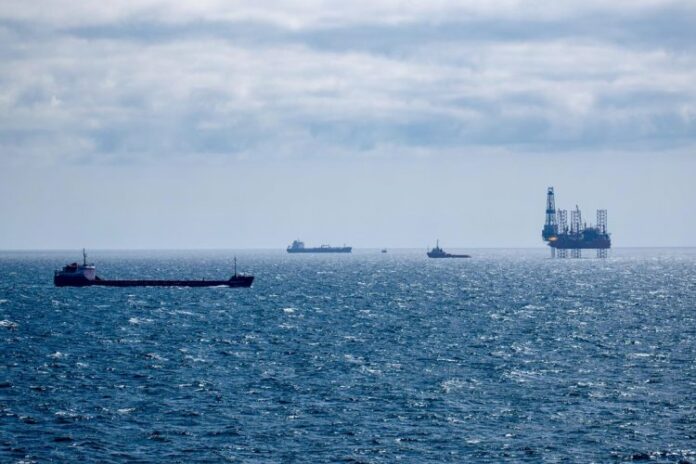
Baker Hughes has been awarded a contract to be booked in the fourth quarter of 2022 by Malaysia Marine and Heavy Engineering (MMHE) to supply carbon dioxide (CO2) compression equipment to PETRONAS Carigali Sdn. 

Bhd.’s Kasawari offshore carbon capture and sequestration (CCS) project in Sarawak, Malaysia. The project is expected to be the world’s largest offshore CCS facility, with capacity to reduce CO2 emissions by 3.3 million tons per annum (MTPA).

Baker Hughes will deliver a state-of-the-art compression solution with minimized footprint and weight, as well as a power density allowing for larger flows per unit and best-in-class efficiency. The compressors will be used to enable the transportation and reinjection of the CO2 separated from natural gas into a depleted offshore field via a subsea pipeline.

The CCS project is expected to significantly reduce CO2 volume currently emitted via flaring of the overall Kasawari gas development, supporting PETRONAS’ ambitions to unlock Malaysia’s potential to be a global carbon capture, utilization and storage (CCUS) hub and enable the company to progress towards achieving its own net zero carbon emission targets by 2050.

“This award demonstrates the viability of significant, commercial-scale carbon-capture projects, which are critical for the energy transition,” said Rod Christie, executive vice president of Industrial & Energy Technology at Baker Hughes. “This project proves that CCS technology can be deployed even in challenging environments, including offshore gas facilities, and provides an important step forward for reducing emissions from natural gas production.”

Baker Hughes will deliver two trains of low-pressure booster compressors to enable CO2 removal through membrane separation technology, as well as two trains for reinjecting the separated CO2 into a dedicated storage site. The trains, which will be fitted with PGT25+ and PGT25 gas turbines with Dry Low Emission technology, offer greater fuel efficiency and reduced nitrogen oxides emissions even with high CO2 content fuel gas. The compressors’ casing also enables a reduced footprint compared to other standard solutions, a key differentiator in an offshore environment.   

First LNG cargo arrives at Germany’s LNG terminal in Wilhelmshaven

0

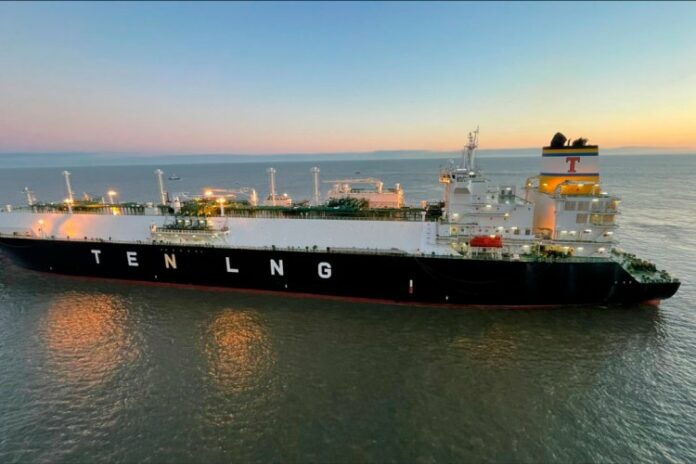
The LNG ship Maria Energy, owned by Tsakos Energy Navigation, a major energy mover, was loaded in Calcasieu Pass, USA, at the liquefaction facility of the LNG supplier Venture Global Calcasieu Pass, LLC, on December 19, 2022.

The Maria Energy is fully loaded with approx. 170,000 cubic meters LNG (97,147,000 cubic meters of natural gas) – enough to supply around 50,000 German households with energy for one year.

Niek den Hollander, Uniper CCO says:

“The successful delivery of the first full LNG cargo to the Uniper terminal in Wilhelmshaven is a testament to the strong partnership between Uniper, Venture Global, and Tsakos Energy Navigation. The use of LNG as a reliable energy source is crucial for the Security of Supply for Germany and Europe. We are committed to contribute our part by bringing more LNG to the European market and especially Germany via the Wilhelmshaven and Brunsbüttel Regas Terminals.”

Venture Global CEO Mike Sabel says:

“Venture Global is very proud to supply the first full cargo of LNG ever delivered to Germany, and we congratulate Uniper and the German government for their swift action to build the infrastructure needed to make this historic day possible. As strategic partners, we look forward to providing long-term security of energy supply to our allies through the continued delivery of clean and reliable US LNG.”

The LNG cargo delivered on board of the Maria Energy forms part of the commissioning process at the Wilhelmshaven terminal. Commercial operations of the Wilhelmshaven terminal are expected to start in mid-January 2023.

The Uniper LNG terminal in Wilhelmshaven was opened on December 17, 2022. Via the Floating Storage and Regasification Unit (FSRU) Höegh Esperanza, about five billion cubic meters of natural gas can be landed in Germany per year.

ONE unveils new Arica Feeder Service

0

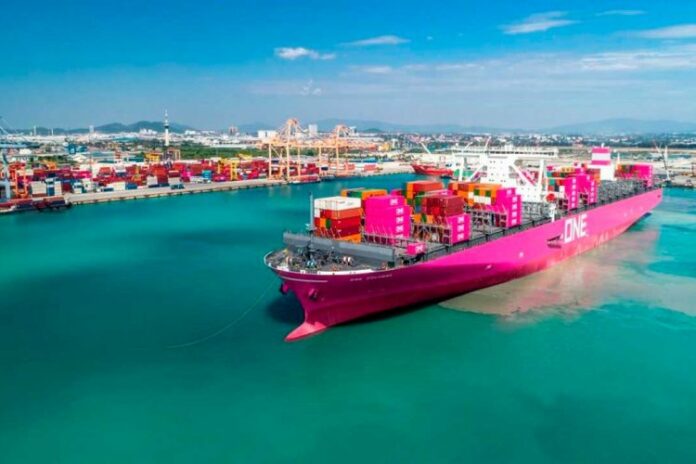
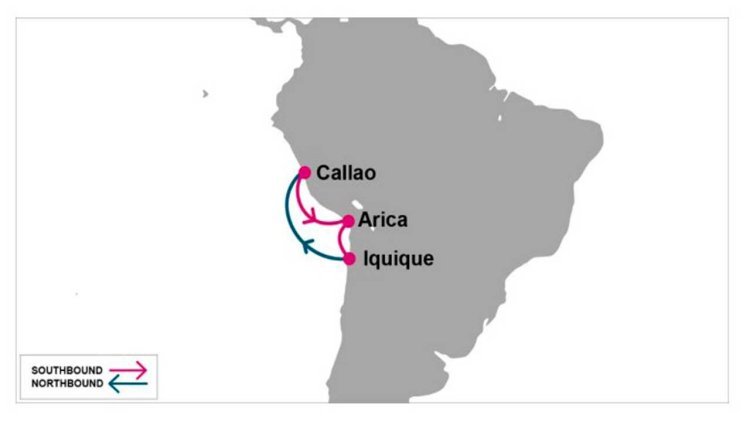
The ATS service provides unique coverage to Arica via Callao, complementing ONE’s existing Asia to West Coast Latin America services. 

The service also further provides more connections for IntraLATAM shippers.

The ATS service rotation is as follows:

Callao – Arica – Iquique – Callao.

The new ATS service is scheduled to launch from February 2023.

ONE is continuously enhancing our Latin America products, providing valued customers with efficient and comprehensive services.

Can floating solar islands meet the world’s future energy needs?

0

Trygve Kristiansen does research on floating solar power, which are photovoltaics supported on the water. He believes that floating solar panels could play an important global role in the transition to greener technologies. He is a professor of marine technology at NTNU.

“By covering between five and ten per cent of the world’s hydropower reservoirs with floating solar, we could produce as much electricity as all hydropower does now,” he says.

Doing this would also limit evaporation from these reservoirs.

“Less evaporation would be a good thing in areas where water is a scarce resource,” says the professor, who is also a supervisor in SFI Blues, a centre for research-driven innovation focused on developing and improving floating structures for the next generation of ocean industries.

Floating photovoltaics are now regarded as a major opportunity to provide clean electric power to major cities, especially in Asia. Solar roofs are not sufficient to fill the need.

“Many of the largest cities are located by the sea, and floating solar will be able to thrive there. In addition to large surfaces, the sea offers an important cooling effect,” says Kristiansen.

Trygve Kristiansen thinks we don’t need to stop there. Floating solar could be used to a far greater extent than solely on hydropower reservoirs.

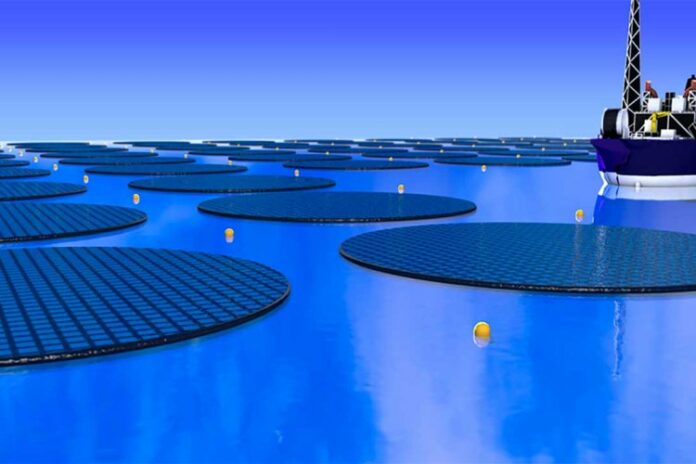
“If you look at the world’s anticipated overall energy needs in 2050, we could be even more ambitious. We calculated that if you put solar islands on 0.17 per cent of the world’s oceans, the power needs for the entire world would be covered,” says Kristiansen.

That 0.17 per cent of ocean space corresponds to approximately twice the land area of Norway.

“I can also envision these solar islands being charging stations for ships. They could also be used to generate electricity for floating factories that produce renewable fuels like hydrogen or methanol,” he says.

Kristiansen has co-authored an article on the topic in the journal PNAS (Proceedings of the National Academy of Sciences).

Floating solar works best where weather conditions are calmer
“The ocean is big!” says Kristiansen.

However, not all the ocean expanses are suitable for the development of floating solar.

“Placing floating solar cells in areas with the calmest weather, wind and wave conditions possible is clearly an advantage. The Doldrums, a belt around the Earth near the equator, have little wind and the sun shines directly down, so these places are well situated for floating solar. So are places that have swells rather than rough seas,” says Kristiansen.

Floating solar is competitive with offshore wind power.

“If you covered one square kilometre with solar panels in southern Spain, where the annual average solar radiation is 200 watts per square metre, floating solar would be able to produce about 44 megawatts. Today’s wind turbines produce on average about 6 megawatts for the same area,” he says.

How do solar photovoltaics float?

We haven’t figured out the best technology for this approach yet. Floating solar has to be cost effective. At the same time, solar islands need to be able to tolerate some rough seas and strong winds. The floating structures have to follow the waves for it to work.

So how are the solar panels supposed to stay afloat? And what is the best solution to link them?

Kristiansen highlights two main concepts for floating solar.

One option consists of floating membranes that are attached to floating collars. The Norwegian company OceanSun has already built several full-scale membrane-supported systems.

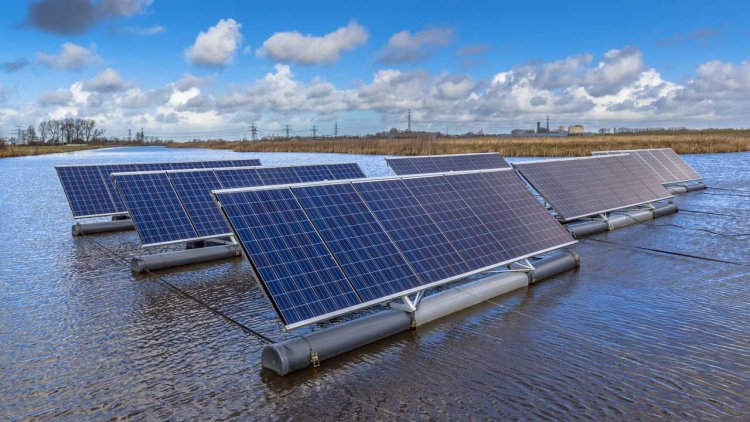
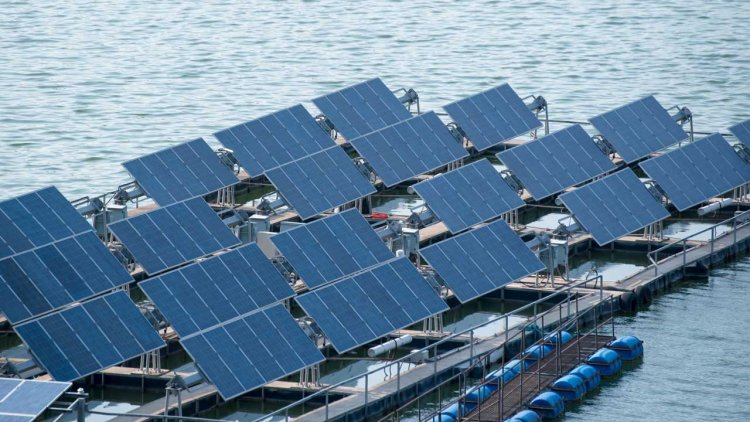
The second concept consists of smaller, rigid modules that are interconnected in large matrices. Several companies offer different variants of this system, including Equinor and Moss Maritime, who are testing a floating prototype off the island of Frøya.

“Other concepts are also possible, like air cushion-supported constructions and flexible tubing connected in different configurations,” Kristiansen said.

Floating solar power a fairly new concept

A number of floating solar pilot plants have already been built around the world. They are often found on bodies of water on islands, in cities and in communities that do not have other sources of power. Floating solar panels have been installed on several hydropower reservoirs in Japan and China.

“We need this power in Norway as well, such as for onsite power at aquaculture facilities or to provide power for Norway’s new power-intensive industries, such as battery factories,” he said.

The idea of expanding solar panels in floating structures on dams and other land-based water sources and in the ocean is relatively new.

“Floating solar is a field of research in its very early stages. Only in the last two years has it has started to attract attention. The EU has announced calls for research projects in the past year,” Kristiansen said.

Record lows on the Mississippi: How climate change is altering large rivers

0

Rivers are critical corridors that connect cities and ecosystems alike. When drought develops, water levels fall, making river navigation harder and more expensive.

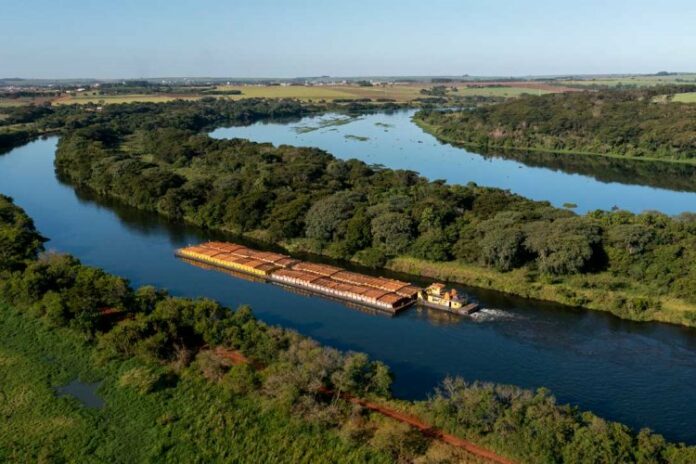
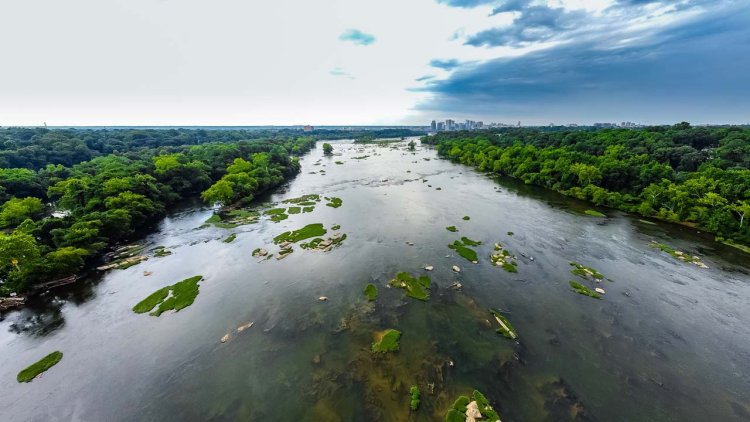
In 2022, water levels in some of the world’s largest rivers, including the Rhine in Europe and the Yangtze in China, fell to historically low levels. The Mississippi River fell so low in Memphis, Tennessee, in mid-October that barges were unable to float, requiring dredging and special water releases from upstream reservoirs to keep channels navigable.

Conditions on the lower Mississippi may be easing somewhat, thanks to early winter rains. But the scientists at the University of Memphis see this year’s dramatic plunge in water levels as a preview of a climate-altered future.

River barges are an efficient way to transport bulk commodities, such as grain shipments, and heavy equipment over long distances. But that’s true only for normal water conditions. Increased swings between extreme lows and highs on the Mississippi River, driven by climate change, mean that typical water conditions are no longer the norm, and that river transport is likely to face more backups in the future.
A huge decrease in volume

Droughts tend to begin when precipitation drops below normal levels. Many other factors, including temperature, wind, cloudiness and soil type in the region, influence how severe droughts become. Soil can hold water from previous months of precipitation, providing flow to rivers that delays the onset of declines downstream.

In Memphis, hot, dry weather developed in late June 2022 and continued into the early fall. Hotter temperatures increased evaporation rates and decreased soil moisture, creating a flash drought—one that developed within weeks.

The Mississippi River’s watershed drains an area that covers 1.2 million square miles (3.2 million square kilometers)—more than 40% of the continental U.S. This produces a huge flow, especially on the lower Mississippi as more tributaries empty into it.

When water levels are normal, more than 500,000 cubic feet (14,000 cubic meters) flow past Memphis every second. That’s enough to fill the Rose Bowl stadium in Pasadena, California, in less than a minute.

Stream flow in the lower Mississippi can be slow to respond to changes in precipitation, since water must travel long distances to reach the region. During the recent flash drought, however, water levels in the river declined sharply from August into October, reaching a historic low on Oct. 20, 2022, at Memphis. The river fell by 20 feet over 11 weeks.
Changing flash drought patterns

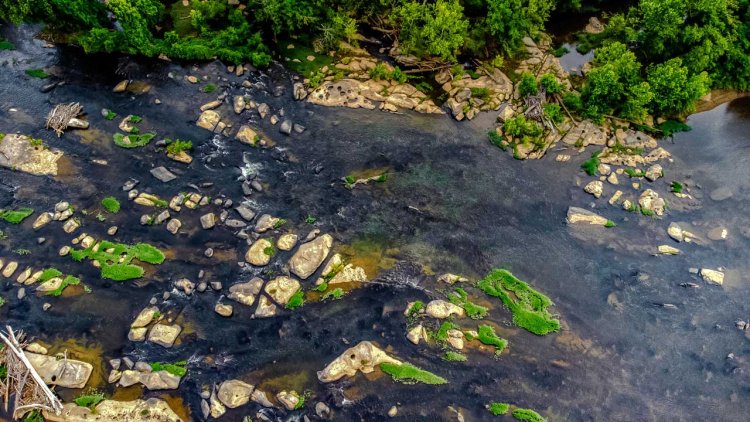
The 2022 flash drought occurred within a long-term trend in which annual minimum water levels on the lower Mississippi River have declined over the past century. In other words, yearly lows are getting lower.

There are two primary causes for these extreme lows. First, construction of locks, dams and levees for flood management starting in the 1930s has impounded a growing share of the river’s flow upstream and decreased variations in the river’s flow. This has unintentionally made low-water events more severe.

Second, the 2022 flash drought affected different areas than previous extreme low-water events. In past years, hot and dry flash drought weather was centered over tributaries of the Missouri and Ohio rivers, which flow into the Mississippi. This caused less water to reach the lower Mississippi River. In 2022 soil moisture levels were normal in the tributaries, but a flash drought developed in the central U.S. over the Mississippi River itself, increasing evaporation and reducing lower Mississippi River water levels.

The idea that the main stem of a large river like the Mississippi can experience low water even when its major tributaries are flowing at normal levels goes against conventional thinking about hydrologic drought. This year’s historic event in the Mississippi River watershed is evidence that climate change is altering large rivers as high temperatures increase evaporation and make soil more “thirsty.”
Barge backups

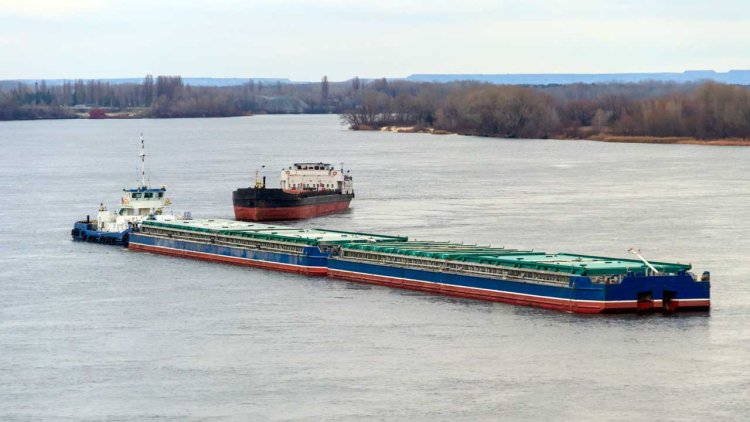
The Mississippi River is a key waterway for moving grain by barge from farm states to domestic and export markets. Barges are the least expensive and most sustainable option for commercial shipping.

A single hopper barge can carry as much dry cargo as 16 rail cars or 70 trucks. About 92% of U.S. agricultural exports, including soybeans, corn and wheat, move through the Mississippi River Basin.

Low water levels reduce the navigable portions of the river that are deep enough for barges. On Oct. 7, 2022, over 2,000 barges were backed up at various points along the Mississippi because of river closures. Low water levels disrupted shipments both north and south.

Shipping costs rise during harvest season, when demand for barge transportation is higher. Barge rates can fluctuate significantly depending on market supply and demand, the size of the barge fleet and other factors.

Navigation restrictions on the Mississippi due to low water levels have steeply increased the weekly cost of transporting grain by barge. The average rate of shipping by barge skyrocketed from around US$11-$12 per ton in the summer of 2022 to over $71 per ton in October 2022. In November it declined to an average of $27.25 per ton—still more than double the typical rate.
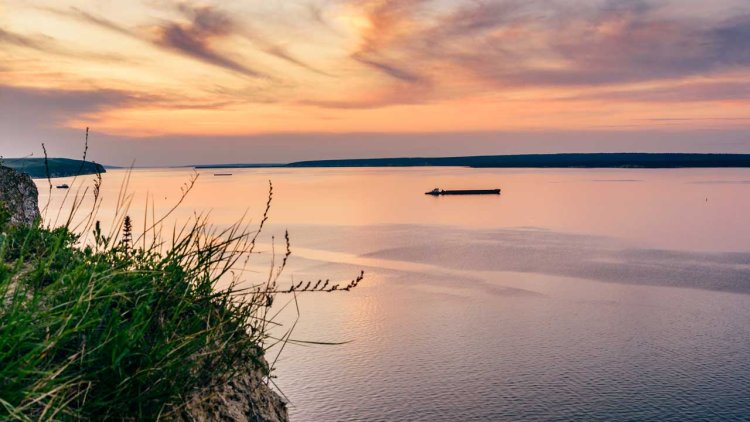
Preparing for more water lows

Warmer atmospheric temperatures have the potential to evaporate more water, causing drought, and to hold more water, causing extreme rainfall. Prehistoric river records in North America indicate that warmer temperatures 1,000 years ago made precipitation patterns more variable, with significant droughts punctuated by extreme floods—conditions similar to those we are seeing now on the lower Mississippi.

Over the past 100 years, year-to-year changes from very dry to very wet in the Mississippi River Valley have become more frequent. We expect this trend to continue as global temperatures continue to rise because of climate change.

Companies that ship grain will search for shipping alternatives, and repeated dredging may be necessary to keep the river navigable. This will make shipping more expensive, with higher costs passed on to consumers.

Low water levels on the river also allow salt water to creep north from the Gulf of Mexico, which could contaminate drinking water supplies in southern Louisiana. To prevent this, the Army Corps of Engineers is building an underwater levee to block salt water, which is denser and sinks below fresh water, from moving upstream.

Through the 20th century, river engineering on the Mississippi was driven by the need to reduce flooding. Flood mitigation will still be important in the future, but the risk of low-water events will also increase.

Source: The Conversation

Aker invests $16 million in land-based post-smolt salmon project

0

Norwegian industrial conglomerate Aker announced it is investing NOK 155 million (€14 million/$16 million) in fledgling land-based post-smolt salmon producer Gaia Salmon, making it the second largest owner of the company with a 25.3 percent stake.

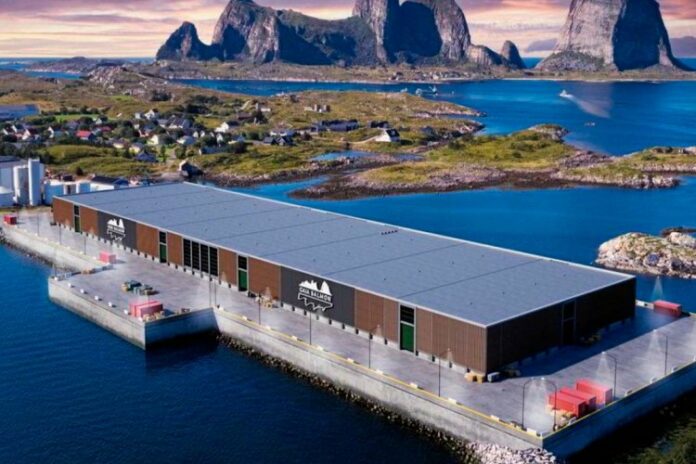
Gaia Salmon is building a post-smolt production facility at Traena, Norway, with annual capacity of up to 7,200 metric tons of post-smolt.

Aker is already invested in offshore aquaculture through SalMar Aker Ocean, a group jointly established by Aker, controlled by Norwegian magnate Kjell Inge Rokke, and SalMar, one of Norway’s largest and most profitable salmon farmers.

Through Aker’s direct investment in Gaia Salmon, SalMar Aker Ocean has signed a non-binding agreement with Gaia Salmon for delivery of post-smolt for offshore salmon farming.

Aker said the strategic cooperation will improve SalMar Aker Ocean’s access to post-smolt, which is an enabler for scaling offshore farming operations.

It added that it has the right to increase its ownership in Gaia Salmon related to potential next steps of development in the company.

The investment forms part of a larger NOK 392 million (€37 million/$39 million) fundraising by Gaia Salmon to fund the construction of its post-smolt facility.

The capital raising was also supported by a number of well-known aquaculture investors, including Halle Sivertsen, Ivar Strand, Hermod Fledsberg, Geir Skarstad and Hermann Dolmen.

Through the company Rodo Landbasert, Dolmen controls around 45 percent of Gaia Salmon.

According to Dolmen, the company is now ready to start construction work in January 2023.

“We were somewhat delayed due to market turmoil,” Dolmen said in a press release issued on Dec. 29.

“But we experienced strong interest in our land-based venture on Traena during the autumn.”

The facility, which will have a total area exceeding 15,000 square meters, will be used to produce post-smolt. The facility is expected to produce an annual output of 7,200 metric tons, with the ambition of placing fish in the facility during the first half of 2024.

Source: IntraFish

Electrical systems infrastructure contract for Baltyk offshore wind projects awarded

0

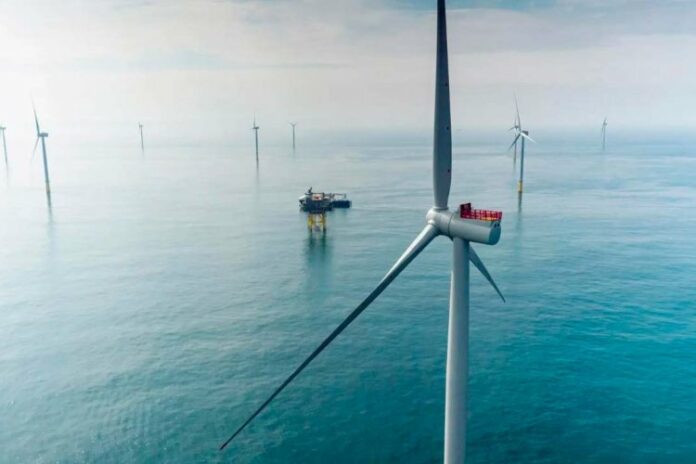
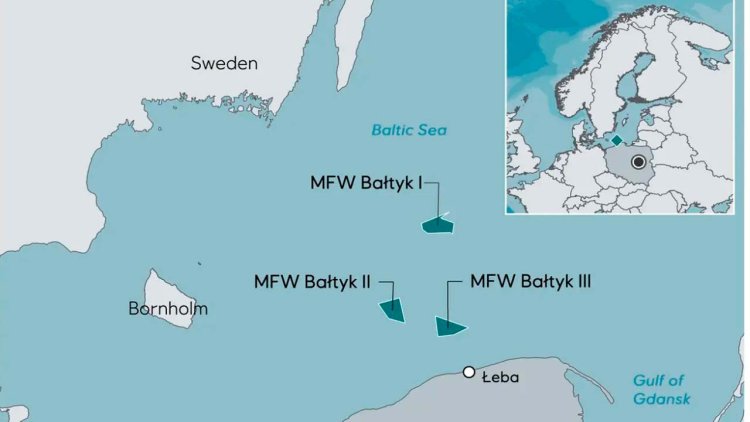
MFW Bałtyk II and MFW Bałtyk III, located in the Baltic Sea approximately 27 km and 40 km from the port of Łeba, are two of the largest and most advanced offshore wind farms being developed in Poland.

Once operational, the wind farms will have a total installed capacity of 1440 MW, enough to power more than 2 million Polish homes.

Under the awarded contract, Hitachi Energy will be responsible for the Electrical System Design for the whole wind farm, from the wind turbines to the point of connection into the grid at Słupsk-Wierzbięcino substation, Poland. The projects are pending final investment decision, planned for 2024.

The contract covers system study analysis and the integration of all relevant equipment of interfacing contractors, so that the overall wind farms are designed with a safe, cost optimal and stable transmission system that is compliant with the Polish Grid Code requirements.

In addition, Hitachi Energy is also responsible for delivery of the overall power control system, overall telecom network, all high voltage equipment at the offshore substation and the onshore substation, as well as turnkey delivery of the whole onshore substation. The contract also covers interface work at the grid connection in Slupsk.

“This is another key milestone for these offshore wind projects, which will supply domestically produced renewable energy to the Polish power grid. We look forward to working with Hitachi Energy in Poland and their local subcontractors on bringing this competitive source of renewable energy to Poland,” says Michał Kołodziejczyk, country manager of Equinor in Poland.

“Earlier this year Equinor signed a strategic collaboration agreement with Hitachi Energy to work more closely together on future projects. This contract is the first since then, and we are very pleased to move into execution of our collaboration. We look forward to developing a local supply chain for electrical infrastructure to offshore wind farms along with Hitachi Energy in Poland,” says Mette H. Ottøy, chief procurement officer in Equinor.

Hitachi Energy has been present in Poland for 97 years, and have approximately 2.500 employees in Poland, with offices, technology, research and engineering centers in Warsaw, Krakow, Wrocław, Lublin, Katowice, Poznań and Gdańsk, as well as factories in Łódź and Przasnysz. The contract targets between 25% and 35% of the contract value to be invested locally. This is based on the total contract value, including equipment procurement from 3rd parties.

“We are ordering the ‘heart’ of the system for transmission and transformation of energy from offshore wind farms. This is one of the most important contracts of our Bałtyk projects. We are entering into a partnership with one of the world’s leading energy companies, whose HVAC technology is crucial to the efficient transmission of energy from sea to land. We are building a strong global team around the MFW Bałtyk II and MFW Bałtyk III that will enhance their competitiveness and support a sustainable energy future for all of us. We look forward to joint initiatives to support the achievement of our ambitious local content goals”, states Michał Michalski, Ph.D., president of the Management Board of Polenergia.

The combined capacity of both projects (1440 MW) represents a substantial part of the first phase of Polish offshore wind industry development scheme with a total capacity of 5900 MW. MFW Bałtyk II and III were awarded Contracts for Difference (CfDs) in May 2021 by Poland’s Energy Regulatory Office (ERO). The final investment decision for both projects is subject to obtaining the necessary permits and is planned for 2024 with the first power delivered to the grid in 2027.

Finnlines’ second new Superstar passenger-freight vessel launched

0

Around 90 per cent of the Finnish and Swedish exports and imports are carried by ships. Finnlines’ new Superstar class cargo-passenger vessels will ensure a more sustainable option for travel and transport of freight.

Finnlines’ ro-pax newbuilding programme proceeds well. The second Superstar vessel, Finncanopus, was launched at the China Merchants Jinling Shipyard in Weihai on 30 December. The first, Finnsirius, was launched in August 2022.

The new Superstar class cargo-passenger vessels, i.e. ro-pax vessels, which will enter traffic in 2023, will serve the Naantali–Långnäs–Kapellskär route between Finland, Åland Islands and Sweden.

“Regular and reliable freight traffic in the Baltic Sea is the backbone of the region’s economies and national security of supply. The maritime bridge between Finland and Sweden is one of the three connections in Finland important to trade and industry. Around 90 per cent of the Finnish and Swedish exports and imports are carried seaways. Our service has been very important for our customers. Increasing cargo and passenger capacity and improving passenger comfort on the route will strengthen the service,” says Tom Pippingsköld, President and CEO of Finnlines.

The vessels are as emission-free as possible and the Superstar vessels will be equipped with innovative technology. The air lubrication system creates air bubbles, which reduce friction and hydrodynamic resistance. The onshore power supply will provide an alternative source of energy and it will not be necessary to run auxiliary engines, which reduces emissions and noise. A high-powered battery bank will be charged in port and generate power at sea. Two-speed reduction gears will improve propulsion efficiency and save fuel.

Environmentally friendly oils will be used in bow thrusters, fin stabilizers and in the cargo access equipment.

Green values are also prioritised in the design of the shipboard facilities and services. As an example, lighting and ventilation can be adjusted automatically in the accommodation, which reduces energy consumption. Recycled material is used in furniture. Printed materials, such as menus, travel programmes and price lists, are replaced by digital screens and mobile apps. Furthermore, local suppliers will be favoured, which means shorter transport distances.

“Innovative technologies will ensure that people and goods are transported reliably and sustainably and Finnlines is prepared to comply with new regulations and meet new challenges,” says Tom Pippingsköld.

The new vessels will enter traffic between Finland, Åland Islands and Sweden on the Naantali–Långnäs–Kapellskär route. The vessels will ensure a more sustainable option for travel and transport of freight.

Both vessels have capacity for 1,100 passengers, which is the double compared with the current vessels on the route. Freight capacity will also increase from around 4,000 lane metres to 5,200. The new ro-pax vessels are part of Finnlines’ EUR 500-million investment programme.

Superstar ro-pax vessels/ Finncanopus and Finnsirius

  • Estimated entry into traffic in autumn 2023 on the Naantali–Långnäs–Kapellskär route
  • Freight capacity 5,200, equivalent to 250 trucks and 200 cars
  • Passengers: 1,100
  • Passenger cabins: 323
  • Crew cabins: 64