0.4 C
New York
Home Blog Page 341

Pink dye experiment to reveal mysteries of coastal ocean dynamics

0

An experiment at a San Diego beach will soon turn the seawater pink, temporarily, in the name of science. 

This January and February, researchers at UC San Diego’s Scripps Institution of Oceanography and the University of Washington are leading a pink-hued dye experiment, titled Plumes in Nearshore Conditions, or PiNC, to study how small freshwater outflows interact with the surfzone. 

Funded by the National Science Foundation (NSF), the project will focus on the estuary and surrounding coastline at Los Peñasquitos Lagoon, located within Torrey Pines State Beach and Natural Reserve in San Diego, Calif. The first of three dye releases will begin on January 20, with the remaining releases planned for late January and early February 2023. 

Rivers and estuaries play an important role in delivering freshwater and materials such as sediments and contaminants to the coastal ocean, but little is known about how these plumes of more buoyant, fresher water interact with the denser, saltier and often colder nearshore ocean environment, particularly as the plumes encounter breaking waves. 

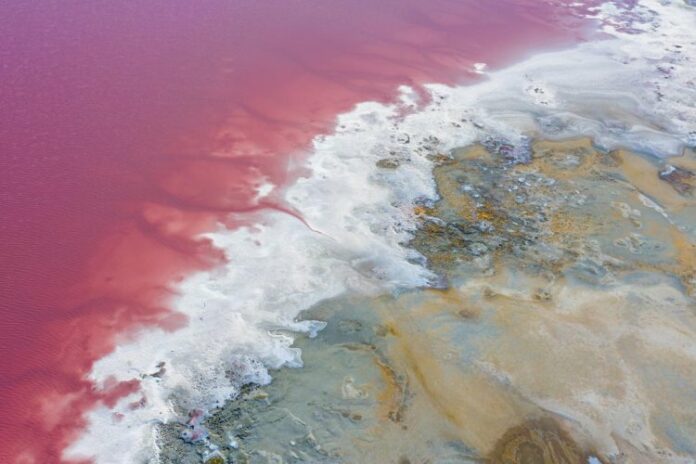
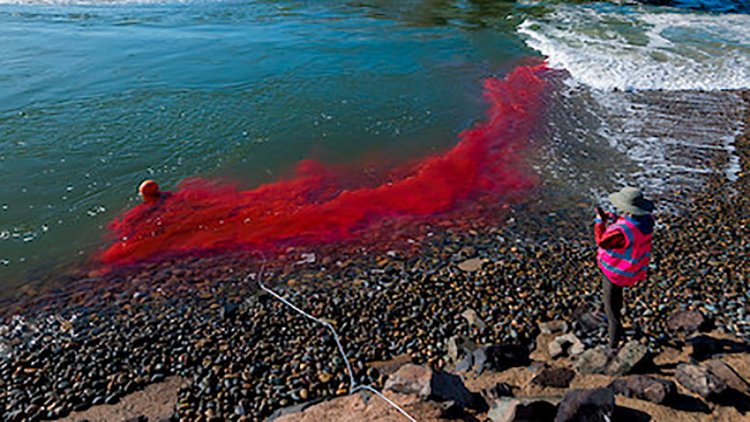
By releasing an environmentally safe pink dye in the mouth of the estuary, the PiNC research team will be able to track the processes that take place when small-scale plumes of freshwater meet the surfzone. 

“I’m excited because this research hasn’t been done before and it’s a really unique experiment,” said Scripps coastal oceanographer Sarah Giddings, who is leading the PiNC study. “We’re bringing together a lot of different people with different expertise, such that I think it’s going to have some really great results and impacts. We will combine results from this experiment with an older field study and computer models that will allow us to make progress on understanding how these plumes spread.”

Researchers will track the fluorescent pink dye from land, sea, and sky using a variety of instruments including drones, sensors affixed to poles in the sand in the river mouth and surfzone, and a jet ski outfitted with a fluorometer—a device that measures the fluorescence or light emitted from the dye. Beyond the breaking waves, several moorings and sensors deployed along the seafloor will measure ocean currents and other conditions including wave heights, tides, salinity, and temperature.
The researchers said the PiNC experiment will provide a first-ever view of the buoyant plume/wave mixing dynamics at play in this particular location, and will lead to an improved understanding of how other small-to-moderate outflows of freshwater interact with the waves at locations around the globe. The results of this study will provide crucial data for quantifying the spread of sediment, pollutants, larvae, and other important material in the nearshore environment.

Giddings noted that many previous oceanographic studies have focused on large-scale freshwater plumes with high outflow, but there’s very little research that has been done on smaller-scale plumes that directly interact with the surfzone. The Los Peñasquitos Lagoon was chosen as the study site because it is a “prime example” of a small river plume discharging into the surfzone along a relatively uniform stretch of coastline. The lagoon is a small intermittently closed estuary nestled between the cities of San Diego and Del Mar. 

“Los Peñasquitos Lagoon is a very dynamic system, with different elements changing each day, often even over the course of one day,” said Scripps postdoctoral scholar Alex Simpson, a member of the PiNC research team. “I am looking forward to seeing how the balance of physical forces—ocean waves competing against river outflow—determine the fate of the estuary water as it enters the coastal ocean on the days that we conduct our field experiment. I’m also very excited to fly a new type of drone system with a camera that has nearly 100 times the capability to distinguish the visible light spectrum than our phone camera.”

All the dye releases are timed to occur during an ebb tide—the tidal phase when the water level is falling—to ensure that the dye is carried out of the estuary into the coastal ocean. Once released, the pink dye will be visible to the naked eye for several hours after the deployment, with small traces detectable by instruments for approximately 24 hours. The dye is non-toxic, so it poses no threat to humans, wildlife, or the environment. However, beachgoers are advised to recreate further south or north of the estuary on the release dates due to the active research underway.

Scripps Oceanography scientists have successfully used pink dye to conduct other nearshore experiments, including an international study tracking beach pollution dynamics near the U.S-Mexico border in 2015, and earlier work based at Imperial Beach and Huntington State Beach.

The PiNC experiment is sponsored by NSF award #1924005. Complementary data at the same site examining estuarine dynamics and estuary mouth sedimentation is funded by the California Department of Parks and Recreation Natural Resources Division, Oceanography Program. The researchers have secured permits and approval from all necessary agencies to conduct this study. 

In addition to Scripps Oceanography and the University of Washington, collaborators on this project include Universidad Técnica Federico Santa María in Chile, UC Irvine, UC San Diego Mechanical Engineering, and the Naval Postgraduate School. 
Nucor introduces first sustainable steel for offshore wind

0

Nucor has introduced Elcyon™, the Company’s new sustainable heavy gauge steel plate product made specifically to meet the growing demands of America’s offshore wind energy producers building the green economy and its necessary infrastructure.

Nucor will manufacture Elcyon at the company’s new, $1.7 billion state-of-the-art Nucor Brandenburg steel mill in Kentucky, which produced its first steel plate at the end of December 2022. 

“By launching Elcyon at Brandenburg we have effectively created the first domestic supply chain of sustainable steel for our nation’s offshore wind energy industry,” said Leon Topalian, Chair, President and Chief Executive Officer of Nucor Corporation. “As demand for alternative energy sources like offshore wind continues to grow and manufacturers push for larger turbines, Elcyon’s larger and thicker plate sizes will help the United States become a leader in offshore wind production.”

Elcyon is a clean, advanced steel product made using Nucor’s recycled scrap-based electric arc furnace manufacturing process. Nucor’s circular steelmaking route has a greenhouse gas emissions intensity that is one fifth the global blast furnace extractive steelmaking average, based on Scope 1 and 2 emissions. Utilizing Thermo-Mechanical Controlled Processing (TMCP) at the new mill, Elcyon, the only steel of its kind in the United States was created specifically to meet the rigorous quality standards of offshore wind energy designers, manufacturers and fabricators. Along with meeting Euronorm specs, Elcyon is characterized by larger plate dimensions, improved weldability and excellent fracture toughness, as compared to competing products.

Elcyon will be an essential component of the supply chain to continue developing our nation’s offshore wind power infrastructure. The recent passage of the Inflation Reduction Act, which included $300 billion for clean energy development and climate programs, supports the Biden Administration’s goal to build 30 gigawatts of offshore wind power by 2030. This could result in approximately 7.5 million tons of additional steel demand and create enough clean energy to power 10 million homes.

Nucor Steel Brandenburg is the first steel plant in the world to pursue certification under LEED v4 from the U.S. Green Building Council, the highest standard for sustainable building design, construction, and operation. The new mill is located in the middle of the largest steel plate-consuming region in the country and will be able to produce 97% of plate products consumed domestically, with a potential output of 1.2 million tons of steel annually.

Elcyon and the Brandenburg mill both draw upon Nucor’s 50 years of industry leadership in sustainable steel production. From last year’s launch of Econiq™, the world’s first net-zero steel available at scale, to recently becoming the first major industrial company to join the United Nations 24/7 Carbon-Free Energy Global Compact, Nucor has consistently worked to meet the needs of its customers and other stakeholders while protecting the well-being of our planet.

“We continue to invest and build the recycled steel facilities that will help make our clean energy future a reality,” said Johnny Jacobs, Vice President and General Manager of Nucor Steel Brandenburg. “Our Elcyon steel plate is another example of Nucor’s commitment to sustainability and our focus on providing a differentiated value proposition by making products that no one else is making.”

Nucor expects to offer Elcyon in a wide range of plate grades and sizes, working closely with end users to meet their unique needs and specifications.

New discoveries from New Zealand’s deepest waters

0

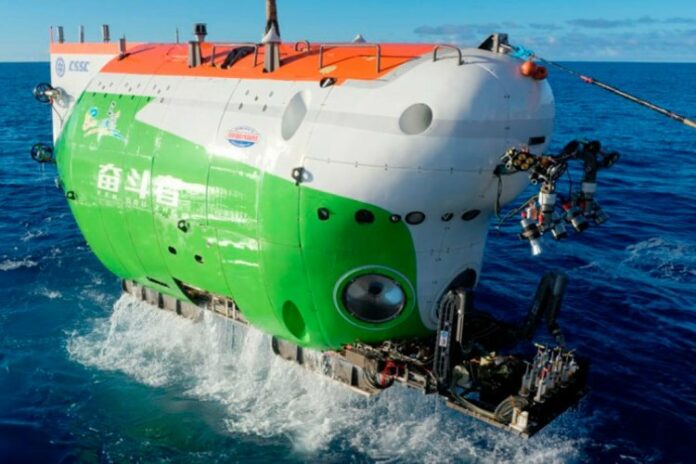
NIWA and Auckland Museum scientists and their Chinese colleagues conducted 15 dives on board the Institute of Deep-Sea Science and Engineering (IDSSE) deep ocean submersible, Fendouzhe which was deployed from the IDSSE’s research vessel Tansuoyihao.

The ship returned late last month [23rd December] from the second leg of a two-month scientific voyage exploring the geology and ecosystem of the Kermadec Trench, including the Scholl Deep, which at 10 kilometres below sea level, is one of the deepest places in the world.

NIWA marine ecologist Dr Dave Bowden says they have made extraordinary new observations about the diversity and abundance of life at what’s known as hadal depths – the ocean trenches 6-11 kilometres below the sea. 

“The imagery we were able to gather, and the sampling we were able to do are going to give us new understandings about how the food web works in the trench with organic material from the upper ocean sustaining animal communities and exporting carbon to the depths.”

“We saw some striking examples of food-fall, including dozens of deep-sea fishes and thousands of crustaceans gorging on the corpse of a large sunfish, and the intact vertebrae of a 4-metre-long shark, long since stripped of all flesh.”

NIWA is a research partner on the MBIE Endeavour-funded Te Mana o Ranghitāhua programme which is co-led by mana whenua and mana moana Ngāti Kuri, and Auckland Museum. Co-Director of the programme Sheridan Waitai from Ngāti Kuri says:

“Te Mana o Ranghitāhua brings knowledge from indigenous and scientific research to meet future environmental challenges and ensure the ongoing thrivability of the ecosystem. The new information gained on geological, chemical, physical and biological processes during this expedition will complement the knowledge that we are assembling for the programme to understand the main ecosystem drivers in the region.”

IDSSE voyage leader Dr Peng Xiaotong says the voyage has given not just new insights into the ecological processes of the marine environment, but also the geological processes of the Kermadec subduction zone. 

“This is where the Australasian continental plate overrides the Pacific plate, and it generates enormous forces that are released through volcanic and seismic events. Improved understanding these processes is fundamental to managing the risk to New Zealand from such events.”

IDSSE and NIWA are continuing their collaboration following the voyage to analyse the large number of samples obtained to give a better understanding of New Zealand’s deepest environment, and the impacts that humans may have on it.

bp reveals plans to evaluate expansion of Germany’s green energy port

0

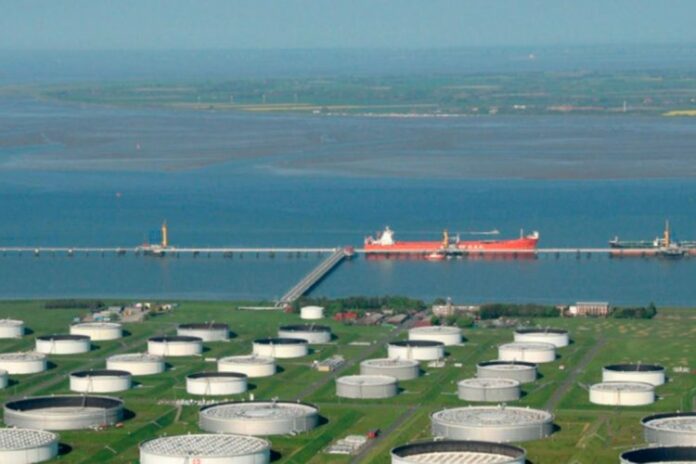
The project, which would be located in Wilhelmshaven, is expected to include an industry leading ammonia cracker which could provide up to 130,000 tons of low-carbon hydrogen from green ammonia, per year, from 2028.

Green ammonia – produced by combining nitrogen with hydrogen derived from the electrolysis of water using renewable energy sources – is expected to be shipped from bp green hydrogen projects around the world to Wilhelmshaven. The cracker converts the green ammonia into green hydrogen by splitting the larger molecule into its smaller nitrogen and hydrogen components which can then be used directly. It’s anticipated that up to 130,000 tons of hydrogen per year could be produced from the site, with scope for further expansion as the market for future fuels develops.

Patrick Wendeler, chief executive of bp Europa SE, said:

“At bp we have the expertise and capacity to cover the entire value chain of green hydrogen production, including conversion into derivates like ammonia, transport, and then reconversion to supply green hydrogen to the customers and places who need it. This development would help create greater energy independence for our German customers across a range of low carbon energy products.  Wilhelmshaven has a proud energy history, and we hope this hydrogen hub can help carve out its next chapter and help Germany meet its energy transition goals.”

bp’s plans include utilising the existing infrastructure of the Nord-West Oelleitung (NWO) terminal at Wilhelmshaven, where it is a participating shareholder. With its deep-water harbour and pipeline system, Wilhelmshaven is one of the country’s most important energy terminals and is well positioned to support energy transition activities. 

Additionally, bp’s plans propose to utilise the current oil & gas pipelines for use in hydrogen transport. The low-carbon hydrogen could then be delivered to customers in the Ruhr region and other centres of demand. 

Felipe Arbelaez, senior vice president hydrogen and CCS at bp, said:

“The development of this import facility complements bp’s global hydrogen project portfolio, as we develop a presence in a number of potential hydrogen and ammonia export locations in the Middle East, Africa and Australia, which could supply part of the European demand in the coming years. This is another critical step in developing and delivering low carbon hydrogen in communities throughout the world.”

Christian Meyer, Minister for the Environment, Lower Saxony, added:

“In order to remain competitive and resilient as an industrial location in the long term, we must ensure an affordable, climate-neutral and secure energy supply. To do this, it is important that we diversify our supply sources and create fewer dependencies. bp’s proposed new hydrogen centre in Wilhelmshaven can play an important role in this. At the same time, it further advances the energy transition in Germany and strengthens Wilhelmshaven as an important hub for the import of renewable, green energy. We urgently need the new ‘Lower Saxony speed’ on the path to climate neutrality because we have no more time to lose in protecting the climate”. 

The proposed project is the latest in a string of hydrogen proposals in the country from bp. It follows the H2 Nukleus and Lingen Green Hydrogen concepts. Together, they are anticipated to help Germany reduce CO2 emissions in energy-intensive areas such as chemicals and steel production.

SMST gangway and crane on board first ever Asian CSOV

0

Recently, Marco Polo Marine, the Singapore-based marine logistics company, has awarded SMST the contract for the delivery of their mission equipment to the first ever Asian Commissioning Service Operations Vessel (CSOV). 

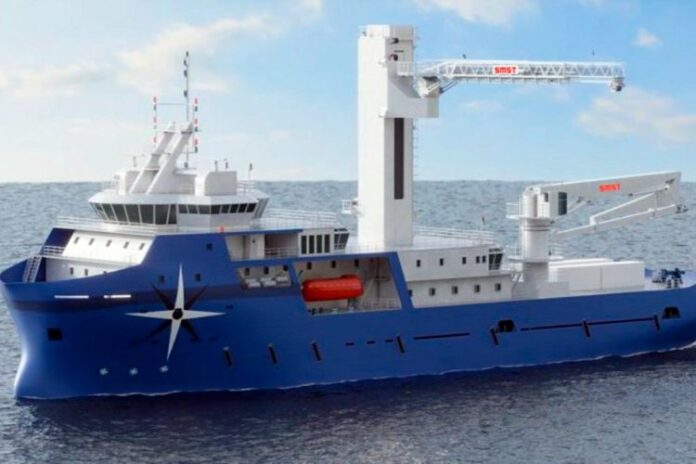
This vessel will be used in commissioning works during construction of offshore wind farms, as well as maintenance operations. SMST’s mission equipment consisting of an Access & Cargo Tower with motion compensated gangway, the so-called Telescopic Access Bridge L-Series, and a 5t 3D Motion Compensated Crane will assure transferring personnel and cargo safely from the vessel to the wind turbines.  

The CSOV, with a length of 83m, is based on the latest design which has been co-developed by Marco Polo Marine and Seatech Solutions International. 

Sean Lee, CEO of Marco Polo Marine that builds, owns and operates the CSOV, states:

“We have integrated the SMST mission equipment into the design of the vessel. Their proven track record, expertise in technology, innovative solutions, and customer-oriented organization gives us full confidence in a successful cooperation.” 

Charlotte Hietkamp-Luo, Sales Manager at SMST, says:

“SMST is very pleased to support Marco Polo Marine with this solid step towards further development in the rising Asian offshore wind industry. Our industry high-standard equipment is operating worldwide and we are very proud to once again gain a foothold in the Asia Pacific region.”

The CSOV with SMST mission equipment is planned to enter the market by the end of the first quarter of 2024 and Marco Polo Marine, via its Taiwan-based subsidiary PKR Offshore, has since signed a MOU with Vestas Taiwan for her deployment across offshore wind farms in Taiwan, Japan and South Korea, over a 3-year period. 

“We are looking forward to working closely together and realizing successful projects in this part of the world”, state both Marco Polo Marine and SMST.

GEODIS becomes shipping agent for France for the shipping company Zéphyr & Borée

0

This technological innovation will contribute to the reduction of emissions in the maritime transport of goods.

Zéphyr & Borée has chosen Sealogis, a subsidiary of Geodis, as shipping agent for France. As an agent, Sealogis will be responsible for presenting, promoting and marketing the services of Zéphyr & Borée to its clientele of shippers and forwarders. To provide a fully coherent service, Sealogis will ensure that low-carbon land-based solutions are proposed whenever possible for all pre-carriage and post-carriage transportation associated with the Zéphyr & Borée maritime service.

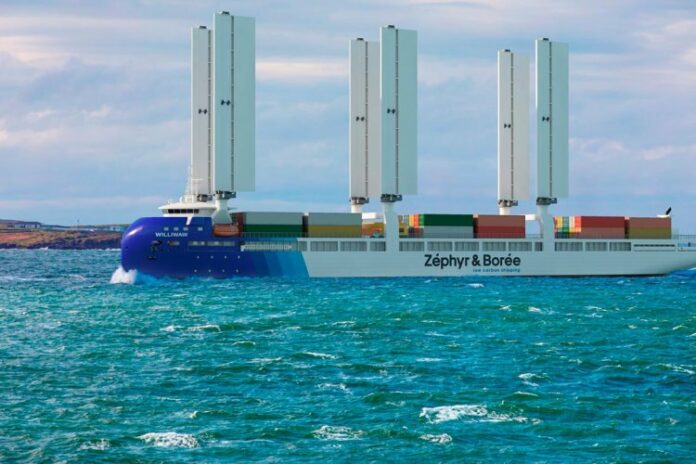
Under an agreement with the AUTF (the French freight transport users association), Zéphyr & Borée will launch a container shipping service operating transatlantic routes, starting in 2025. The wind-powered vessels will operate a weekly service between Le Havre, Antwerp and the East Coast of the United States, along with an equivalent service sailing from Mediterranean ports. 

This technological innovation will make it possible to halve CO2 emissions while guaranteeing a transit time competitive with that of traditional cargo ships.

Eric Martin Neuville, Executive Vice President, Global Freight Forwarding at Geodis, said:

“This commitment to Zéphyr & Borée clearly demonstrates Geodis’s desire to support the decarbonization of maritime transport for the sake of the climate. Transporting freight via wind-powered cargo ships is an innovative project that Geodis will propose to its customers to support them in their sustainable performance.” 

Amaury Bolvin, Managing Director of Zéphyr & Borée, commented:

“Achieving the necessary energy transition in maritime transport will require the use of wind propulsion, as in the past. The launch of this transatlantic sailing line will demonstrate this and we believe that it will be the start of a major transition. We are pleased to be working on this project with Sealogis and Geodis, who have been partners of Zephyr & Borée from the outset.”
 

Green energy for a more sustainable aquaculture industry

0

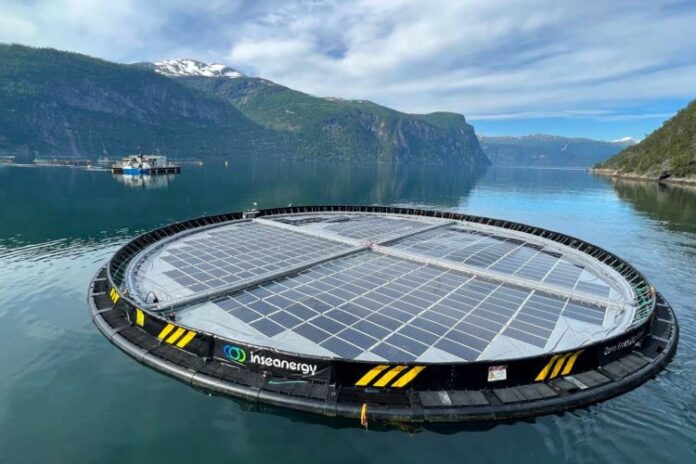
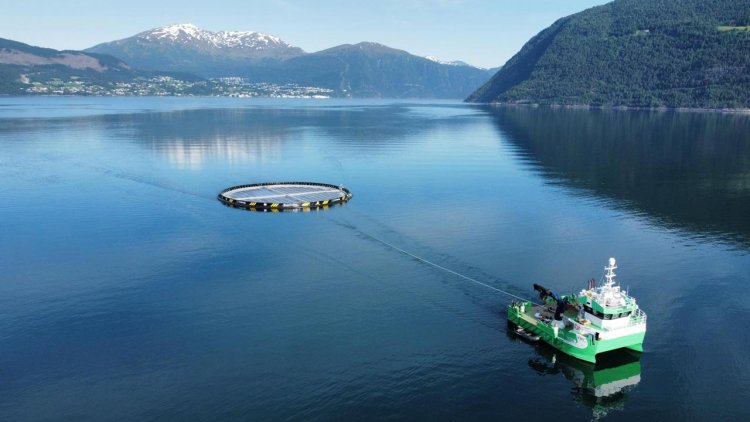
“We work with our customers to better understand their challenges and opportunities. The goal is to achieve better cost-effective and sustainable operations, and here we have a product that AKVA Group will integrate into its total package. This is a system of floating solar energy production that generates 100 % emission-free green energy. In combination with a battery pack and water feeding, we can reduce the running time of the diesel generator by up to 90 % on a typical fish farm,” says Tore Obrestad, Global Solution Manager in AKVA group.

By partnering with Inseanergy, AKVA group will be able to offer customers total energy systems that include self-produced green energy that will collectively reduce diesel consumption, operating costs and environmental footprint.

“This reflects our ambition for sustainability to be at the centre of everything we do. Sustainability is part of AKVA group’s culture and DNA. It is part of the solutions and products we sell and buy, as well as a driving force behind innovation,” says Obrestad.

Inseanergy is a company that supplies energy systems that are based on renewable energy sources such as solar, wind and hydrogen. The company was started in May 2020.

“For Inseanergy, this represents a collaboration with an established global player who sees great value in using sustainable technology. We have complementary products, and together we reduce the environmental footprint and operating costs of our customers,” says Egil Hjelmeland, Sales Director at Inseanergy.

Hjelmeland looks forward to a good collaboration in the future.

“Our company is in a growth phase, and in this context, it will be very interesting to work together with AKVA group in a global market,” says Hjelmeland.

Floating LNG terminal arrives at Brunsbüttel

0

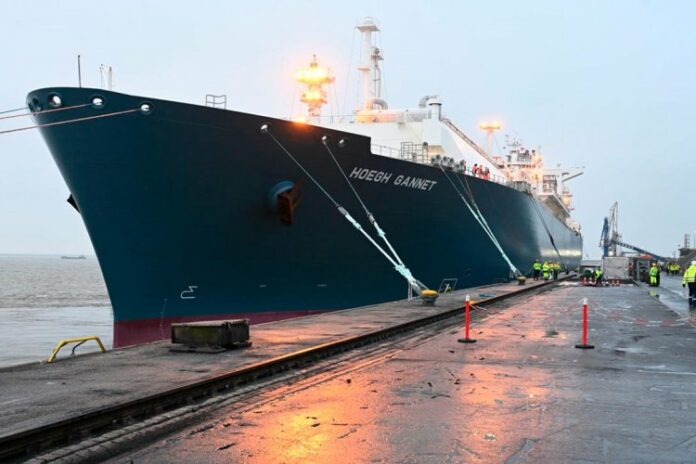
This morning, the floating liquefied natural gas terminal “Hoegh Gannet” arrived at Brunsbüttel’s Elbehafen port near Hamburg. 

The entire project was implemented in record time. Since May 2022, RWE has forged ahead on behalf of the German government to implement the project together with its partners Höegh LNG, Marine Service, Reganosa and Brunsbüttel Ports GmbH. By mid-October, the planning and approval phases were already at a stage at which construction works could be started. In addition to the participating companies, the approval authorities, who worked very rapidly and effectively, also played a key part in this success.

RWE CEO Markus Krebber:

“Floating LNG terminals enable the import of gas and thus strengthen Germany’s security of supply. The strong energy dependence of our country on Russian pipeline gas will end with the deployment of the special vessels. The high speed at which the project in Brunsbüttel was jointly driven forward by all involved parties sets standards for the further modernisation of our energy supply. This will also be necessary to ensure that Germany as an industrial location becomes climate-neutral as soon as possible.”

Höegh LNG President & CEO Erik Nyheim:

“Höegh LNG is honored to be a partner to the Brunsbüttel LNG import terminal project, a project which aligns with our belief that floating LNG infrastructure is the key to solving the current energy crisis.”

Brunsbüttel Ports GmbH Managing Director Frank Schnabel:

“Ten years of preparatory work now culminate in the implementation of this project. As the owner and operator of Brunsbüttel’s Elbehafen, we are delighted to welcome the FSRU in our port today. With its three ports in Brunsbüttel, the port and industrial site of Brunsbüttel is not only a universal freight hub, but also an important energy hub for the entire Federal Republic. With the establishment of a versatile and independent energy import infrastructure for LNG and green energy sources this, Brunsbüttel now has a key role to play in Germany’s future security of supply.”

Following the arrival of the FSRU, a several-week phase of commissioning and trial operations will now begin, during which the vessel will leave its pier again temporarily. The trial operations will include connection to the newly built gas pipeline so that first gas volumes can be fed into the German gas network from the beginning of February. The gas volume will increase continuously as further technical components from the new technical infrastructure and warm water supply installed in the past few months are added.

The special vessel will initially operate at an existing berth in the Elbehafen of Brunsbüttel Ports GmbH. From about the end of 2023, the FSRU will be moved to a new jetty to the west of the Elbehafen. This new jetty will be built and operated by Brunsbüttel Ports.

International specialist company Reganosa will take over the operation and maintenance of the new land-based infrastructure. Owner Höegh LNG will operate the vessel. Marine Service GmbH supports the project with technical know-how as a development partner for the terminal design. The heat required for the regasification process on the FSRU will be provided by Covestro Industriepark Brunsbüttel in the form of warm process water. For this purpose Covestro very quickly laid a new warm water pipeline to the Brunsbüttel Elbehafen port.

Together with Uniper and EnBW, RWE is responsible for filling the FSRU with liquefied natural gas. According to current plans, the first LNG cargo will arrive at Brunsbüttel at the end of January 2023 and be unloaded into the FRSU. The cargo from ADNOC (Abu Dhabi National Oil Company) will be shipped from the island of Das, which belongs to the Emirate of Abu Dhabi.

As a centre of technology and industry, Brunsbüttel is an important location, also for future imports of green molecules. In the immediate vicinity, RWE wants to build an import terminal for green ammonia, which – as a liquefied hydrogen derivative – can make an important contribution towards supplying Germany with green hydrogen.

From 2026, around 300,000 tonnes of green ammonia is to be imported and distributed to customers annually via the terminal. German LNG Terminal GmbH plans to build and operate a multi-functional LNG terminal very close by. 

As a shareholder, RWE supports a subsequent conversion of the terminal to the import of green molecules.

Hexicon granted permits to connect 7,100 MW of floating wind to the national grid in Italy

0

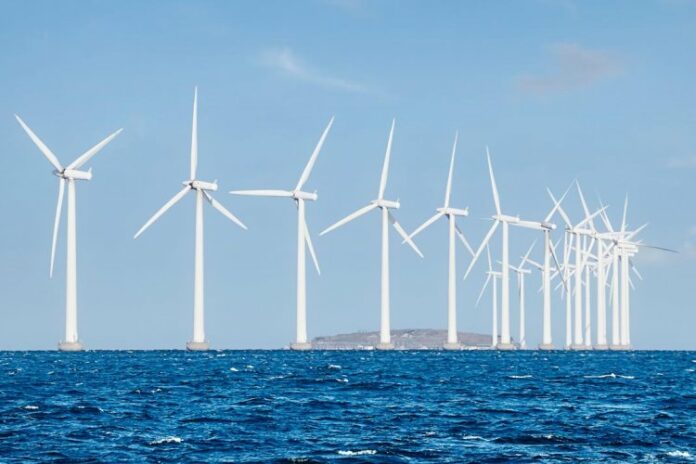
Italian TSO, Terna SpA, has granted six of Hexicon’s seven wind power sites connection to the national grid. The six sites encompass a total combined capacity of 7,100 MW. Permit for the remaining site is still in process.

Hexicon, operating in Italy through its joint venture AvenHexicon, now has a portfolio of seven development sites for floating wind along the coasts of Sardinia, Sicily and Puglia. Grid connections were applied for in 2022 and Terna has now issued the technical solution to connect six of the seven locations to the national grid – a total combined capacity of 7,100 MW. 

The interconnection permit, also called STMG, is a preliminary agreement from Terna to provide interconnection capacity. It provides a commitment from the TSO to make the necessary capacity available to be connected to the grid and is a mandatory step to receive the main authorization (the so called “Autorizzazione Unica” or “AU”) to build and operate an offshore wind farm. The grid connection solutions are issued for six offshore wind farms under development off the coasts of Sardinia, Sicily and the mainland, in Puglia. The grid connection application for the remaining wind site is currently being processed and is expected to come through shortly. 

“The progress is moving at record speed, which speaks for Italy’s ambition to develop renewables in the country. Having the grid connection ready is yet another milestone passed, and one which significantly increases the value of each project,”, says Alberto Dalla Rosa, CEO at AvenHexicon. 

The Italian government signaled early on an ambition to take measures to speed up the processes for renewable energy projects, to faster cut dependence on Russian gas. With a vast coastline and excellent wind resources, especially in the deep waters of the Mediterranean Sea, Italy has a strong potential for floating wind. GWEC has highlighted the country as one of the top five emerging markets for offshore wind. The country is aiming to generate 55% of its total electricity generation from renewables by 2030. 

Naming ceremony for commissioning service operation vessel Edda Boreas

0

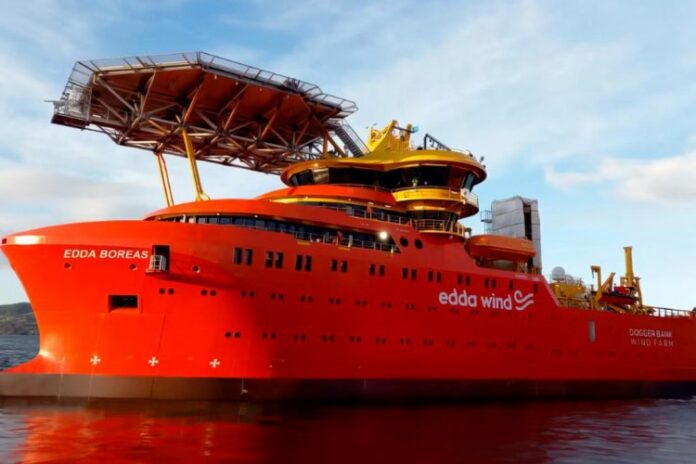
The traditional ceremony where a bottle of champagne was sacrificed for good luck took place at Gondan Shipbuilders in Spain.

Edda Wind continues its tradition using the Edda name, and “Boreas” comes from the god of northerly wind in Greek mythology.

The Godmother of the vessel is Mrs. Maria Vevang. Maria is married to Håkon Vevang, Chief Commercial Officer in Edda Wind. 

“I am very excited and honored being the Godmother of this beautiful vessel. I am looking forward to following her duties and I will make sure that she gets full commercial attention”, says Maria.

Edda Boreas is a purpose-built Commissioning Service Operation Vessel (CSOV) designed with unparalleled flexibility and operability, prepared for emission-free operations with a hydrogen-based propulsion system. The vessel will serve as mother vessel for wind turbine technicians as they perform commissioning and maintenance work on offshore wind turbines. The CSOVs is 88,3 m in length and can accommodate up to 120 persons in total.

Edda Winds CSOVs are designed to set a new standard in the offshore wind market. Every effort has been made in the design to maximize the efficiency of operations in the wind farm. In addition, these vessels will be ready for running emission-free on a hydrogen-based propulsion system. Within just a few years they will be the first CSOVs operating without carbon emissions, truly enabling a green future.

In Q2 Edda Boreas will commence a two-year firm plus one-year option contract at Dogger Bank Wind Farm which is located about 130km off the Northeast coast of England. As the world’s largest windfarm with a 3.6 GW capacity, Dogger Bank Wind Farm will be capable of powering 6 million British homes.

“Edda Boreas is number two of six sister vessels to be delivered by Gondan and I am very happy to present the vessel and the quality today. I want to thank everyone contributing in making this day so special. Thank you to Gondan Shipbuilders for their effort in building this vessel, and same to all others who have worked on this project. Also a big thank you to Maria Vevang for doing us the honor of being the Godmother”. The Edda Wind fleet is growing rapidly according to the company’s fleet expansion plan, and we will have a fleet of ten vessels in 2025”, says Kenneth Walland, CEO Edda Wind.