-1.2 C
New York
Home Blog Page 330

Siemens Gamesa intends to establish an offshore wind turbine nacelle facility

0

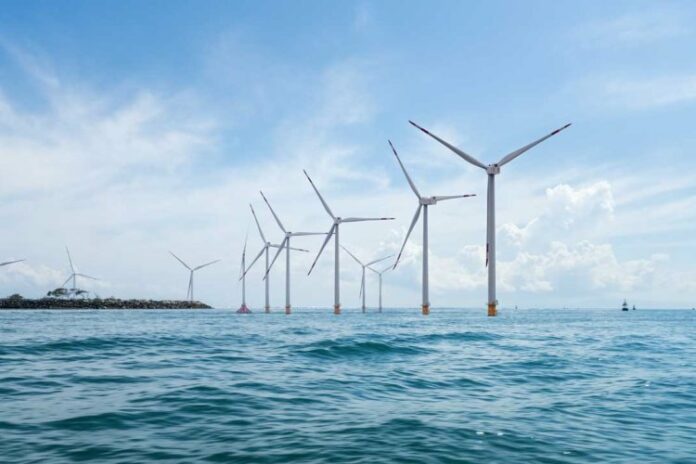
Siemens Gamesa has announced its intention to build a major offshore nacelle manufacturing facility in New York state, subject to the company’s wind turbines being selected by the New York authorities in their third offshore wind solicitation.

It would create up to approximately 420 direct jobs, support a significant rise in indirect jobs, and represent an investment of around $500 million in the region.

Siemens Gamesa is also committing to localizing several new component supplier facilities, including steel component fabrication, bearings, and composite components, demonstrating the further development of a sustainable local supply chain ecosystem. This could help double the number of jobs created by the facility.

New York expects to procure a minimum of 2 GW of offshore wind energy, and up to 4.7 GW in this third round of procurement to achieve a total of 9 GW of offshore wind energy. This is a significant part of the United States’ target to realize 30 GW of offshore wind power by 2030.

The announcement builds on Siemens Gamesa’s successful track record of establishing major manufacturing facilities in markets with attractive and stable frameworks to meet the growing demand for offshore wind. Siemens Gamesa has secured a site in the state’s capital region; advanced engineering plans and 3D visualizations have already been developed. The facility has been designed with the capacity for potential expansion to guarantee its long-term development. 

“The announcement of this proposed facility in New York is a major step forward in our desire to lead the massive U.S. offshore wind market. We’re excited by the opportunity presented by the State of New York to further develop our manufacturing footprint. We have a solid history in delivering on our commitments across the globe, including the establishment of offshore wind-focused plants in Denmark, France, Germany, Taiwan and the United Kingdom. The numerous economic, employment, and environmental benefits that offshore wind presents are enhanced by solid policies and frameworks, which are critical for financial success,” said Marc Becker, CEO of Siemens Gamesa’s offshore business.

The proposed facility and supplier network in New York would supply components for all Siemens Gamesa offshore wind power projects along the U.S. East Coast. 

The planned New York offshore wind turbine nacelle facility further solidifies Siemens Gamesa’s commitment and strategic plans for manufacturing and job creation in the United States. It is part of the company’s integrated plan to localize its offshore wind power supply chain on the U.S. East Coast and also builds upon Siemens Gamesa’s planned offshore wind turbine blade finishing facility in Portsmouth, Virginia as announced in October 2021.
First LNG cargo from ADNOC arrived at Brunsbüttel Elbehafen port

0

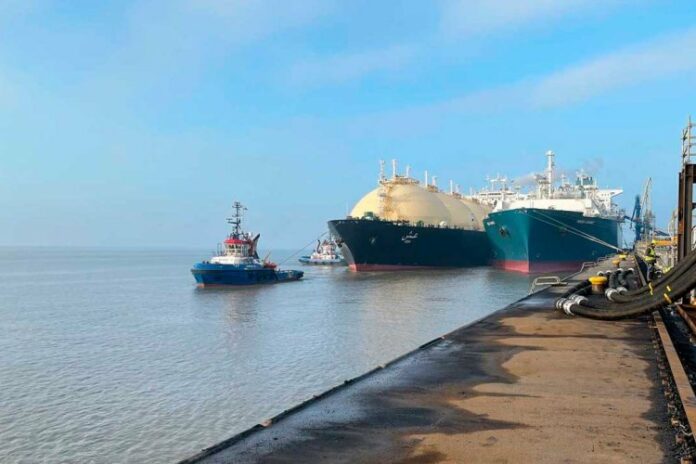
The partnership between RWE and the Abu Dhabi National Oil Company (ADNOC) for the supply of Liquefied Natural Gas (LNG) is becoming visible with the arrival of the “Ish” as the first LNG cargo at the Brunsbuettel Elbehafen port. 

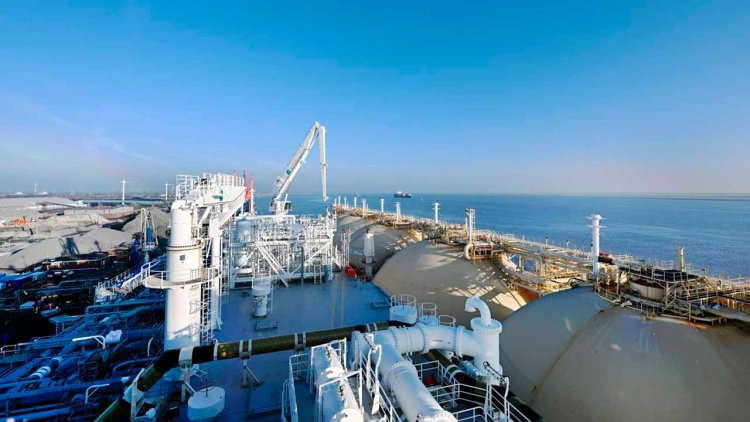
Here, the LNG will be regasified and fed into the German gas grid via the Floating Storage and Regasification Unit (FSRU) “Hoegh Gannet”, which was chartered by RWE on behalf of the German government. 137,000 cubic metres of LNG were shipped by ADNOC from Das Island, Abu Dhabi, to Brunsbuettel. This corresponds to more than 82 million cubic metres of regasified natural gas and to approximately 900 million kilowatt hours of energy. The LNG is to be fed into the grid from the end of February as part of the commissioning phase of the FSRU, which is currently underway.

In addition, RWE and ADNOC already signed a memorandum of understanding (MoU) last year on several years of LNG supplies to be delivered to Germany from 2023. LNG supplies from ADNOC can be delivered to Germany through either floating or land-based regasification terminals as these become operational.

Andree Stracke, CEO of RWE Supply & Trading says:

“After the arrival of the floating terminal in mid-January, the first LNG delivery from Abu Dhabi is the next important step. The development of the LNG supply infrastructure in Germany continues to make rapid progress. RWE provides support wherever we are needed. I am pleased that we have ADNOC as a strong partner at our side and that we are working together to make Germany’s energy supply as secure as possible.”

Ahmed Alebri, Acting CEO of ADNOC Gas says:

“The successful delivery of the Middle East’s first LNG cargo to Germany demonstrates how the UAE is continuing to work closely with our strategic partners in responsibly providing secure, sustainable, and affordable energy supplies. The global demand for energy is increasing and as we build on the strong economic, energy security and climate action ties between our two nations, ADNOC Gas stands ready to provide further shipments of this key transition fuel to our partner, RWE and German industry.”

As a centre of technology and industry, Brunsbuettel will also be an important location for future imports of green molecules. In the immediate vicinity, RWE plans to build an import terminal for green ammonia, which – as a liquefied hydrogen derivative – can make an important contribution towards supplying Germany with green hydrogen. Around 300,000 tonnes of green ammonia are to be imported and distributed to customers annually via this terminal from 2026. German LNG Terminal GmbH plans to build and operate a multi-functional LNG terminal close by. As a shareholder, RWE supports the subsequent conversion of the terminal for importing green molecules.

Finnlines expands its Ireland–Belgium freight service by adding a second vessel

0

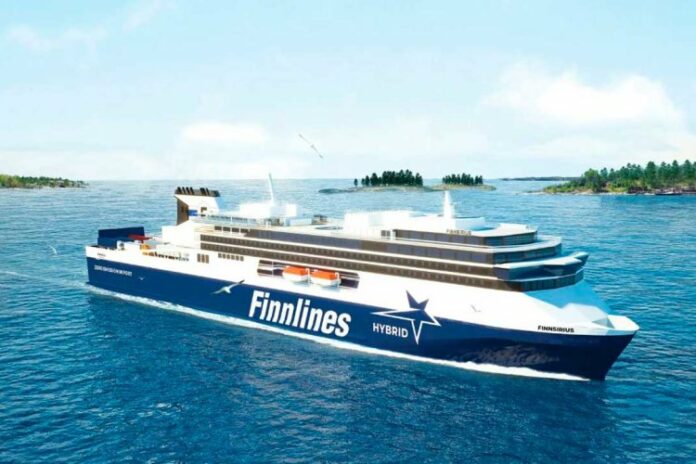
To meet the increased capacity and frequency demand from customers, Finnlines is strengthening its Ireland–Belgium freight service. With the addition of a second ro-ro vessel to service, Finnlines will provide a significant increase of capacity on the direct connection between Ireland and Europe mainland.

MS Finnpulp will join MS Finnwave on the route in week 8, departing from Zeebrugge on 23 February.

Finnlines launched the new service between Rosslare and Zeebrugge in July 2022. The service has been well received by Irish transport operators and provides an important link for Irish industry. Via transhipment in Zeebrugge, the Irish connection is also available to the Finnish, German, Estonian and Spanish industries as well as the whole Grimaldi Group network.

“We are adding an additional departure from both ports on our Ireland–Belgium service. We have seen increased demand and are pleased to be able to offer additional capacity. By adding a second vessel and expanding our service, we strengthen our product to better serve our Irish and European markets. We provide an excellent transport link for Irish trade to the Continent by offering tailor-made capacity for our customers whose business depends on reliable sea transportation services,” says Antonio Raimo, Line Manager at Finnlines.

MS Finnpulp has a capacity for 3,259 lane metres of cargo, equivalent to around 225 trailers. MS Finnwave has a capacity for 4,192 lane metres, equivalent to around 300 trailers. Both vessels can also accommodate 12 drivers.

MacGregor has secured a significant order for RoRo equipment for two vessels

0

The order is booked into Cargotec’s first quarter 2023 orders received. The first vessel is scheduled to be delivered to the owner by the end of the fourth quarter of 2024, and the second vessel in the second quarter of 2025.

Coberlfret CLdN’s new RoRo vessels are designed for shortsea connections and will operate in Northern and Western Europe routes. The order consists of design and complete hardware including stern ramps, ramp covers and hoistable car decks, access ramps, and rampway doors. In addition, MacGregor engineers will provide support and supervision during the installation.

Gary Walker, COO Shipping at CLdN, comments:

“We are pleased to continue our collaboration with MacGregor for our latest new building projects at HMD. We chose MacGregor as the supplier for the RoRo equipment due to the quality of their products, their extensive experience, and their track record of successfully delivering projects. Together we have been able to design an efficient and flexible cargo layout that will assist CLdN in fulfilling our ambitions as one of the leading short sea RoRo operators in Northern and Western Europe.”

Magnus Sjöberg, Senior Vice President, Merchant Solutions, MacGregor says: 

“I am very proud of the relationship that we have established with both CLdN and HMD and of our team succeeding in delivering previous and ongoing projects. Due to those successes, we were able to secure yet another order. We are determined to be a reliable partner with our delivery process and build our relationship even further. We are very glad to support CLdN’s sustainable and reliable short-sea operations with our RoRo equipment.”

Raízen and KCC embark on sustainability-driven contract of affreightment

0

KCC Chartering AS, a subsidiary of Klaveness Combination Carriers ASA (“KCC”), and Raizen have signed a three-year contract of affreightment (“COA”) for the shipment of liquid and dry products from the Raízen portfolio to multiple strategic markets.

The COA forms the basis for a long-term partnership and is aimed at improving voyage efficiency to reduce both the carbon footprint of KCC’s fleet and Raizen’s operations. The combination of shipments, with minimum ballast and wait time in between, is expected to reduce CO2 emissions per ton of cargo transported by up to 40%, depending on the route and when compared to standard tankers and dry bulk vessels performing the same trades.

To achieve this reduction, KCC’s combination vessels transport both dry and liquid cargo by loading the ship with one product to a specific location and returning with another, thereby ensuring the vessels are constantly loaded. The parties aim to achieve further emission reductions by setting forth ambitions for a long-term co-operation on energy and operational efficiency initiatives, as well as the potential testing of new fuel types. 

Paulo Côrte-Real Neves, Raizen VP of Trading commented:

“As part of our efforts to navigate and lead the global energy transition, specifically maritime decarbonization, we are excited to partner with KCC to reduce CO2 emissions in the shipping and maritime industry. Our shared commitment to sustainability and innovation makes this partnership a natural fit, and we are confident that it will have a positive impact on the environment and the industry.” 

Engebret Dahm, CEO of KCC adds:

“We are delighted to join forces with Raizen, a leader in sustainability in both the energy and shipping markets. Together, we will address inefficiencies in shipping and deliver on our joint commitments towards decarbonization. The COA marks a major milestone in the development of KCC’s CLEANBU business for important trades in the region.”

New German offshore wind farm renamed Nordlicht I

0

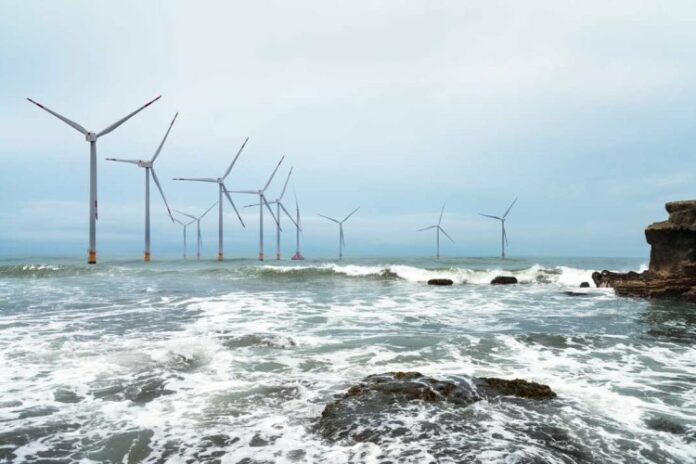
The German 980 MW wind project “N-7.2” located in the North Sea has been renamed Nordlicht I. 

In the coming years, Vattenfall intends to build Nordlicht I, a state-of-the-art offshore wind farm with an installed capacity of 980 megawatts without government subsidies. Subject to the company’s final investment decision, Nordlicht I can go online by the end of 2027. In continuous operation, the wind farm can then produce an amount of electricity per year that corresponds to the annual consumption of more than one million average German households.

The construction area for Nordlicht I is around 85 kilometres north of the island of Borkum. As part of the bidding process for this area, Vattenfall asserted its so-called right of entry in autumn 2022.

The responsible project manager at Vattenfall, Matthias Buko, says about the naming of Nordlicht I:

“The name N-7.2 was a standardized identifier for the project area. Traditionally, offshore wind projects have been given individual names. Accordingly, the project team decided early on that the wind farm to be built on this area needed a new and more personal name. The new name refers to the location of the wind farm in the North Sea. Also the fossil-free electricity produced there is symbolically in harmony with the generation of light.”

Hydrogen-fueled research vessel to be built to ABS Class

0

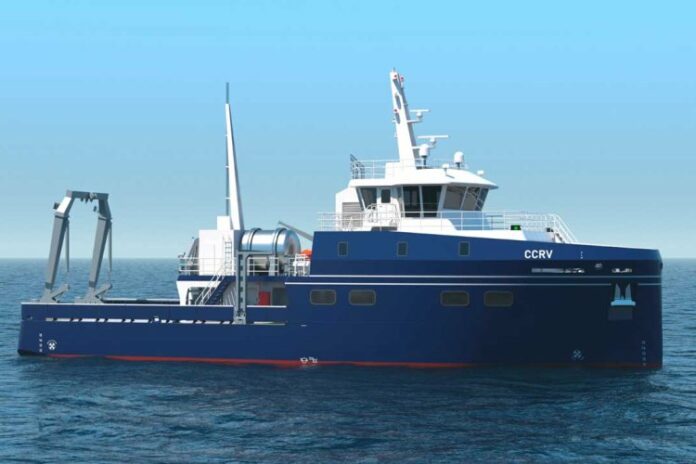
Designed by Glosten, the vessel will feature a new hydrogen-hybrid propulsion system that integrates hydrogen fuel cells alongside a conventional diesel-electric power plant, enabling zero-emission operations. 

The design is scaled so the ship will be able to operate 75 percent of its missions entirely using hydrogen. For longer missions, extra power will be provided by diesel generators.

The 150-foot vessel will be equipped with advanced instruments and sensing systems, along with state-of-the-art laboratories, enabling multidisciplinary research, advancing understanding of the physical and biological processes active in California’s coastal oceans.

“ABS is proud to pioneer the development of hydrogen as marine fuel technology with these partners in a project that has the potential to make a significant contribution to the understanding of our oceans. This project will be closely watched by the industry as it breaks new ground and demonstrates the capabilities of this promising alternative fuel at sea,” said Christopher J. Wiernicki, ABS Chairman, President and CEO.

KOTUG and GIT work together to help reduce underwater radiated noise in oceans

0

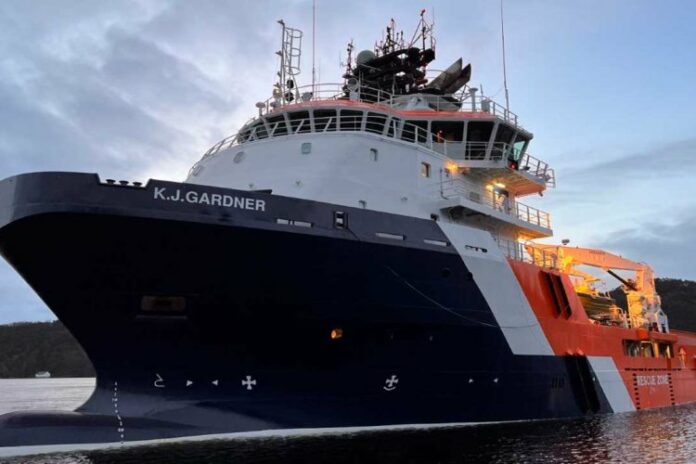
KOTUG Canada has worked extensively with Graphite Innovation and Technologies (GIT), an industry leader focused on manufacturing graphene-based sustainable marine coatings to meet these goals.

KOTUG Canada used GIT’s XGIT-URN coating to help reduce underwater radiated noise emitted from the ship’s hull and the vibrations that disturb marine life. Aquatic life, such as mammals and the endangered Southern Resident Killer Whale reside within the area of employment for KOTUG Canada’s vessels. These mammals rely on underwater noise to communicate, navigate, and find food.

The K.J. Gardner is the first of three vessels using the GIT applications in support of KOTUG Canada’s mission to reduce the impact on the environment, specifically related to the reduction of noise that potentially disturbs aquatic life in the Salish Sea and adjacent waters. Steve Widmeyer (Director with KOTUG Canada) reports:

“This is a major step forward to strengthen our focus to be a sustainable company. We have set a high standard to meet these goals by using GIT’s XGIT-URN coating which significantly impacts meeting those targets.”

Further applied to the K.J. Gardner were GIT’s XGIT-FUEL and XGIT-PROP coatings. These coatings will enhance the reduced impact with the additional benefits of considerably improving fuel efficiency and decarbonization. It is expected that this vessel will significantly reduce CO2 emissions over the next five years.

Mo AlGermozi (Chief Executive Officer at GIT) stated:

“Our team is excited to work with KOTUG Canada in meeting their sustainability goals. Our XGIT-URN, along with our other two marine coatings, will support their desire to maintain healthy and vibrant oceans while still supporting the needs of their clients. Our shared goal of reducing the environmental impact on the world’s oceans is of paramount importance. GIT is on a mission to contribute to the movement of green shipping activities in the world’s oceans.”

METS Technology chooses EST-Floattech Battery System for the refit of Swedish vessel

0

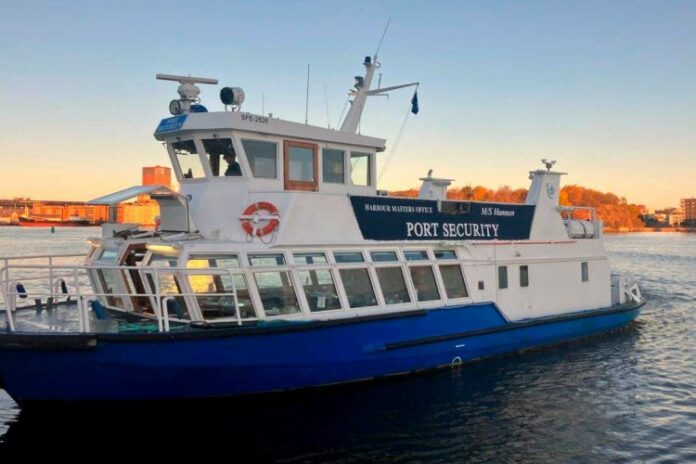
Swedish system integrator METS Technology has, together with main contractor Ö-VARVET AB, decided on EST-Floattech’s new Octopus Series battery system for the retrofitting of the MS ‘Hamnen’. 

Shipyard Ö-VARVET will conduct a major rebuild, as the diesel engine will be replaced by a parallel hybrid system with Power Take Off/Power Take Inn functionality. 

“We are proud to deliver our new Octopus Series product to METS Technology and contribute again to the transition to zero-emission shipping and Gothenburg’s goals of emission-free sailing,” says Walter van der Pennen, CCO.

EST-Floattech will deliver the Octopus High Energy Battery System, tailored to the space available on the MS Hamnen and the energy requirements. Shipyard Ö-VARVET has designed a battery compartment in collaboration with METS and is enthusiastic about the installation of the EST-Floattech modules. The battery system provides flexibility, and there is space reserved for an additional battery pack if the shipowner is looking to expand the battery capacity in the future. The batteries will provide enough power for the vessel to sail for at least 4 hours at 6 knots, and will also provide energy for the vessel’s hotel load and the bow thruster.

“Fitting a battery system is often about weight and dimensions. Especially when it comes to a refit, the available space is limited. However, the Octopus system offers great flexibility to make optimal use of the available space,” says Jelle Meindertsma, Sales Manager.

New project to adapt certification process of installation aids for offshore wind farms

0

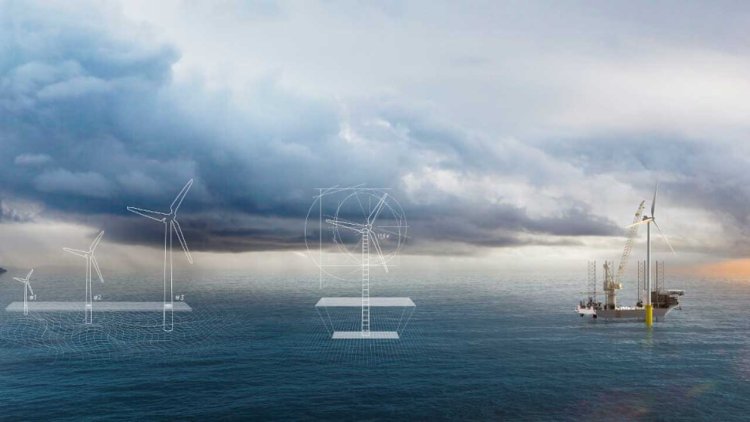
DNV is launching a JIP to develop a decision tool and reference that can be used by all stakeholders during the specification; design; manufacture; procurement and approval of any equipment intended for the installation and decommissioning of bottom-fixed wind turbines. 

DNV forecasts that wind energy capacity will expand 15-fold, rising from 5% of global electricity production currently to 33% in 2050. With higher and more-reliable wind speeds, and less constraints on hub heights and site locations, offshore wind will continue to show a 14% average annual growth, and bottom-fixed offshore wind power will constitute 11% of the global grid-connected electricity supply by 2050.

However, as Kim Sandgaard-Mørk, Executive Vice President for Renewables Certification explains:

“Increasing and complex demands on the fixed offshore wind turbine installation aids are pushing existing processes and standards to the limit. Different practices and a lack of standardization are creating inconsistency, unnecessary costs, and risks throughout the industry. The outcome of the JIP will be a reliable benchmark for the industry to save time and money for all involved stakeholders.”

Dr. Marius Popa, Naval Architect and Project Manager at DNV, adds:

“We are not reinventing the wheel – relevant parts from existing codes will be reused for building a clear and pragmatic certification scheme. We shall identify potential gaps  and incorporate proper solutions for closing them in the outcome of the JIP. The development of a unified, technology-agnostic approach will ensure consistency across the supply chain without excluding customization, such that any user can refer to internal standards during their decision-making process, without deviating from the industry standard.” 

For this initiative, DNV is partnering with players from all parts of the offshore industry, such as equipment manufacturers (wind turbine components and installation aids), offshore constructors and field developers, operators of wind turbines fields, and insurers.

DNV is now in advanced discussions over the initial JIP scoping proposal with Caley Ocean Systems (A Pryme Group Company), Huisman Equipment B.V., IMECA (a brand of Reel), Jan de Nul Group, Osbit, Remazel Engineering S.p.A, Saipem, SSE Renewables and TWD. A call for additional partners remains open and more interested partners are likely to join. The pace of the initiation process is also likely to accelerate in the coming months, so that the JIP will be kicked off by May this year.