-0.5 C
New York
Home Blog Page 326

Green Ray project to develop solutions minimising methane slip from LNG-fuelled engines

0

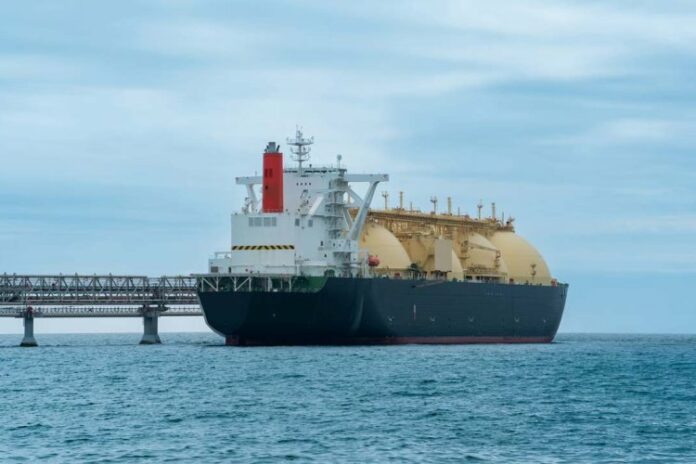
Coordinated by VTT Technical Research Centre of Finland, the Green Ray project brings together several companies from across the shipping value chain: shipyard Chantiers de l’Atlantique, ship owner CMA CGA, classification society DNV GL, the Finnish Meteorological Institute, ship manager MSC Cruises Management, non-profit organisation Revolve Water and energy major Shell.

The project will develop on-engine technologies for low-pressure dual-fuel engines – both 2- and 4-stroke – as well as a novel aftertreatment concept. These solutions will be advanced to a high state of technology readiness, including demonstrators installed on two newbuilds and one retrofitted to an existing vessel. All the technologies developed in Green Ray will also be fully capable to utilize bio- or synthetic methane instead of fossil LNG.

Wärtsilä will develop technology specifically for low pressure 4-stroke dual fuel engines that enables methane slip reduction, increases efficiency and lower operational costs at all engine loads. This technology targets the largest four-stroke engines on the market as widely used by cruise ships, ferries and gas carriers.

Wärtsilä will also develop an on-engine technology for 2-stroke engines around a patented LNG injection system to reduce methane slip from tankers, container ships, etc. Both technologies will be demonstrated at sea in real application during the project in collaboration with the Green Ray partners.

The use of LNG as a marine fuel is accelerating, driven by a well-developed supply infrastructure, a clear transition to cleaner fuels and significant air pollution and climate benefits. The issue of methane slip – unutilized and thus unburned fuel escaping into the atmosphere from engines and across the production and supply chain – is seen as one of the main challenges to wider uptake.

“Methane slip has become an important factor in ship owners’ decisions about whether to use LNG fuel,” said Kati Lehtoranta, Principal Scientist, VTT. “ With these promising technologies we aim to reduce the slip contributing directly to reduction of the total greenhouse gas emissions, opening this pathway to even wider segment of the maritime market.”

Shell has developed a proprietary methane abatement catalyst system that has been lab tested and scaled up to a field demonstration, where it was proven to be effective not only in significantly reducing methane slip (over 90%), but also in handling typical compounds that can degrade the catalyst, via the inclusion of a guard bed.

“Shell’s climate ambition to become a net-zero emissions energy business by 2050 will require us to explore a range of avenues that have the potential to help us, our partners, and customers to decarbonise the existing LNG value chain. We are continuously working to improve the value proposition of LNG through dedicated technology research, and we are keen to develop potential solutions to minimise methane slip at such a relevant project as Green Ray,” explains Alexander Boekhorst, VP Gas Processing and Conversion Technology at Shell.

“This research will allow us to build on the continuous improvements made in reducing methane slip from engines over the past twenty years,” said Sebastiaan Bleuanus, General Manager, Research Coordination & Funding, Wärtsilä Marine Power. “Taking these solutions for newbuilds and retrofits to near commercial readiness will be an important step for the long-term viability of LNG as a marine fuel.”

The project has received funding of around €7 million from Horizon Europe. It will run until 2027.
Sval, Storegga and Neptune apply for CO2 storage license in the North Sea

0

The application comes after the Norwegian Ministry of Petroleum and Energy on 11 January 2023 announced a new area in the North Sea for applications related to injection and storage of CO2.

Truls Olsen-Skåre, Senior Vice President Sustainability & HSEQ in Sval Energi, said:

“Carbon capture and storage (CCS) is a solution that can significantly reduce CO2 emissions. The Trudvang partners have worked jointly since December 2021 to identify, nominate, and apply for this license. We have undertaken a substantial amount of work already, including subsurface evaluation of the storage complex, and technical and economic assessment of the CCS value chain. This work has shown that Trudvang can be matured into a commercially viable project with safe and efficient carbon storage.”

The Trudvang license has a significant storage potential. It will be possible to inject about nine million tonnes of CO2 per annum for 25 to 30 years – a total storage capacity of at least 225 million tonnes of CO2. Dynamic modelling indicates that the total storage capacity could, over time, be substantially higher than this.

Olsen-Skåre said:

“In Europe, approximately 300 million tonnes of hard to abate CO2 is emitted each year. The Trudvang project has the potential to reduce these emissions on a large scale.”

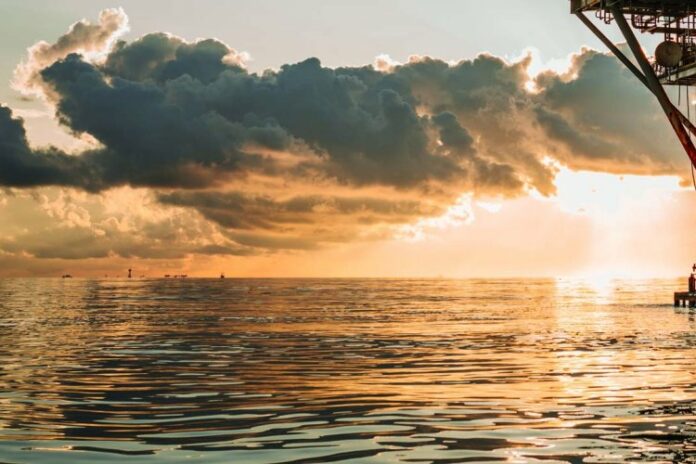
The Trudvang storage license is located in the Norwegian North Sea, to the east of the Sleipner field and about 165 kilometers from the coast. The storage reservoir is in the Utsira formation.

Olsen-Skåre said:

“We will focus on accelerating all phases of the work program to be able to start injecting CO2 in 2029, and we will continue our work with existing and new parties to mature the full value chain.”

The Trudvang project envisages the capture of CO2 by multiple industrial emitters in Northern Europe and the UK, the shipping of liquid CO2 from export terminals to an onshore receiving terminal in the south-west of Norway and then transport via a purpose-built pipeline to the Trudvang location for injection and permanent storage.

Sval is the proposed operator of Trudvang with a 40% ownership. Storegga and Neptune each has a 30% ownership.  

Nick Cooper, CEO of Storegga said:

“CCS is essential, as one of the few technological solutions that can prevent CO2 from industrial operations from entering the atmosphere and worsening climate change. Our Trudvang announcement today, and this round of CO2 storage license applications, builds on Norway’s pioneering progress with the world’s first industrial-scale, multi-user CCS project. We look forward to continuing our work with Sval and Neptune to ensure the Trudvang Project will have a significant impact on carbon emissions and a positive impact on the economy.”

Neptune Energy’s Global Head of Subsurface, New Energy, Pål Haremo, said:

“The North Sea has great potential as a hub for carbon storage given the availability and proximity of existing infrastructure, depleted reservoirs, and saline aquifers. In addition to our CCS projects in Norway, Neptune is working on potential projects in the Netherlands and UK, as we aim to build a portfolio for carbon storage linked to our core areas in the North Sea.”

SINTEF, Folla Alger and Cermaq are testing new combined sea site for salmon and kelp

0

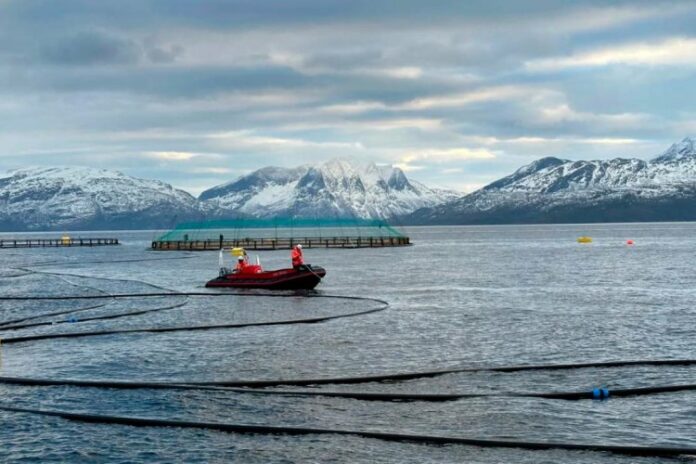
The sea site is designed as a traditional salmon farming facility with 24 cages, but with special solutions for growing kelp in the middle cages and salmon in the outermost cages on each side. Folla Alger collaborates with Cermaq on the salmon farming at the sea site, while SINTEF Ocean produces the first kelp delivery for the stocking at sea.

Silje Forbord, Research Manager in SINTEF Ocean, says:

“Combined operation can provide good area utilization by producing several species within the same area. This area is already set aside for salmon, and by growing kelp on the same site in addition, we hope to be able to contribute to increasing value creation. This set-up allows us to use the nutrients released by the salmon in a sensible way by producing kelp, which can in turn be used as a raw material in new feed.”

“We know that we can get up to 50% better kelp growth by cultivating it together with farmed fish. Now we will also look at whether there are more advantages to combined operation.”

Chairman of Folla Alger Tarald Sivertsen says:

“Fish farming and kelp farming are both industries for the future, and will be important contributors to the green shift.” 

Cermaq’s Production Director in Nordland Truls Hansen says:

“This is a very exciting project for us, where we can both utilize nutrients from the net pens as a resource, and we can obtain more alternative feed raw materials. It is good circular economy. In addition, the project contributes to increased local value creation and business development, which is very positive for everyone who lives and works here.”

By cultivating the kelp together with fish, the kelp gets better access to nutrition, also in seasons when there are naturally less nutrient salts in the sea in general.

Some of the nutrients released from salmon net pens are water-soluble. These nutrients will fertilize the kelp and lead to increased carbon sequestration as the kelp grows. With the help of photosynthesis, the kelp utilizes the sunlight, grows and binds carbon from the sea. This is the same process that trees and plants do on land. The project will look at how salmon and kelp farming can mutually benefit each other.

The project will also look at how kelp production affects the aquatic environment in the net pens, and what effect the combined production has on the health of the fish in the cages.

Folla Alger has been granted Research and Development licenses from the Directorate of Fisheries to carry out the project. SINTEF Ocean is responsible for the research, which will be carried out in close collaboration with Norwegian University of Science and Technology (NTNU) and Nord University.

Valenciaport renews the highest environmental certification of the port system

0

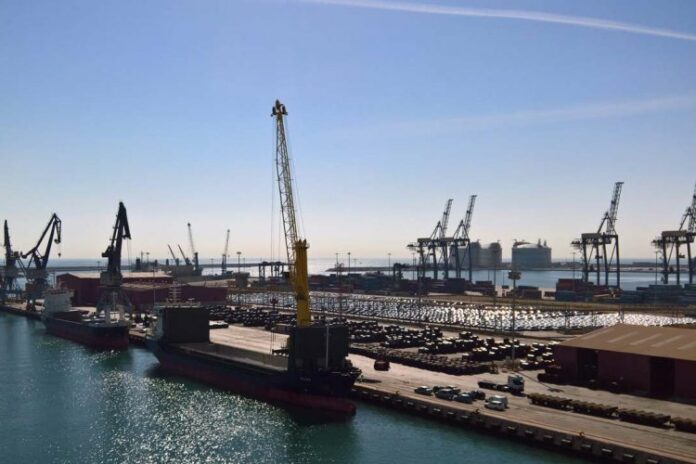
PERS is a specific environmental standard for the port sector that Valenciaport has obtained for the seventh time. 

Isabelle Ryckbost, Secretary General of ESPO, congratulated the Valencian site and the Spanish ports who “demonstrate their commitment to environmental performance, the monitoring of objectives and transparency”. Valter Selén, ESPO’s Senior Policy Advisor and EcoPorts coordinator, has pronounced along the same lines, “the PERS certification of the Port of Valencia demonstrates that the Spanish ports have a common commitment to environmental sustainability and continuous improvement through the EcoPorts Network. We are delighted to continue working with Valenciaport in the joint effort of decarbonisation in the European port system”.

For the president of the PAV, Aurelio Martínez:

“the fight against climate change and the reduction of CO2 emissions, and other polluting particles, is an inalienable priority. In this context, we are working to make the reduction of the impact of port activities on the environment compatible with commercial growth. And this commitment is materialised with specific projects to achieve the Valenciaport 2030 objective of zero emissions, two decades ahead of the objectives projected by international organisations for 2050”.

Having the PERS certificate accredits the transparency of the ports in environmental matters, and implies constant monitoring of all these components as a policy of continuous improvement in this area. EcoPorts is an environmental initiative of the European port sector created in 1997 for cooperation and exchange of knowledge on sustainability between port sites. At present, 104 ports in 25 countries are part of this network, of which 31 have the PERS label.

EcoPorts’ compliance with the PERS standard is independently assessed by Lloyd’s Register, a global professional services company specialising in engineering and technology for the maritime industry. The certificate is valid for two years and is reviewed after this period to ensure that the port continues to meet the requirements.

The actions and investments planned by the PAV have been developed for many years now under the guideline shared by the port community of Valencia of making growth and sustainability compatible. In fact, Valenciaport has set up its own programme, also called Ecoport, to which the port companies adhere, where environmental objectives are set. These actions range from the implementation of efficient environmental and energy management systems in port facilities and the reporting of their results to society, to the calculation of success indicators of these implementations, such as the calculation of the carbon footprint.

UK Government backs £5.4m autonomous liquid hydrogen vessel project

0

The ‘Hydrogen Innovation – Future Infrastructure & Vessel Evaluation and Demonstration (HI-FIVED)’ consortium will receive over £3.8m of UK government funding to build and showcase its innovative autonomous vessel and bunkering infrastructure technologies for liquid hydrogen.

The £5.4m project is expected to be delivered in autumn of 2024 and aims to establish a domestic green shipping corridor between Aberdeen and the Orkney and Shetland Islands, with hydrogen-powered autonomous ships being used to transport cargo.

The HI-FIVED consortium involves several key players in the maritime industry including the Port of Aberdeen, the University of Southampton, Zero Emissions Maritime Technology, Composite Manufacturing and Design, Trident Marine Electrical, and NASH Maritime.

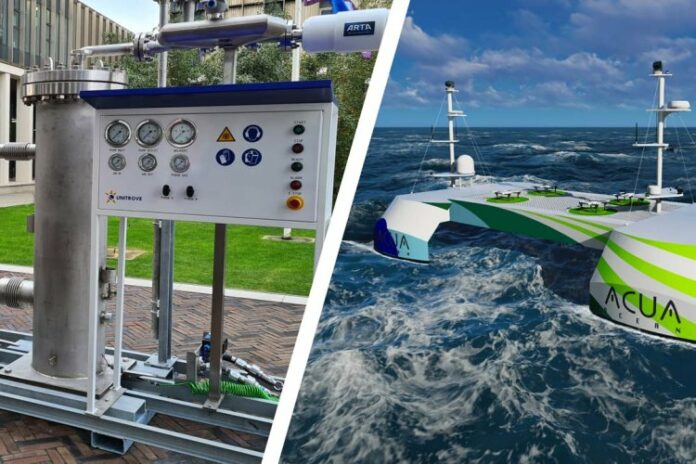
Unitrove, creator of the world’s first liquid hydrogen bunkering facility, will look to deploy its mobile fuelling technology at the Port of Aberdeen in support of ACUA Ocean’s bid to build and operate the world’s first maritime autonomous surface ship powered by liquid hydrogen.

The project is part of the Clean Maritime Demonstration Competition Round 3 (CMDC3), which was announced in September 2022, funded by the Department for Transport and delivered in partnership with Innovate UK. As part of the CMDC3, the Department allocated £60m to 19 flagship projects supported by 92 UK organisations to deliver real world demonstration R&D projects in clean maritime solutions. Projects will take place in multiple locations around the UK from as far north as the Shetland Isles and as far south as Cornwall.

The CMDC3 is part of the UK Shipping Office for Reducing Emission’s (UK SHORE) flagship multi-year CMDC programme. In March 2022, the Department announced the biggest government investment ever in our UK commercial maritime sector, allocating £206m to UK SHORE, a new division within the Department for Transport focused on decarbonising the maritime sector. UK SHORE is delivering a suite of interventions throughout 2022–2025 aimed at accelerating the design, manufacture and operation of UK-made clean maritime technologies and unlocking an industry-led transition to Net Zero.

Michael Tinmouth, COO of ACUA Ocean, said:

“Delivering successful technology demonstrations is critical to de-risking future investment in maritime decarbonisation. This CMDC3 project brings together a consortium of innovative partners, subcontractors, and suppliers from across the maritime sector, who are all laser-focused on the need to reduce emissions and accelerate the adoption and commercialisation of new technologies.”

Steven Lua, CEO of Unitrove, said:

“We are absolutely thrilled to receive UK government support to enable real-world demonstration of the world’s first liquid hydrogen autonomous vessel and infrastructure. Having built such a strong consortium of eight fantastic partners across the supply-chain, we can have great confidence that we will deliver something truly remarkable.”

Marlene Mitchell, Commercial Manager of Port of Aberdeen, said:

“We at Port of Aberdeen are delighted to be part of this transformational project, which is wholly in alignment with our green ambitions and that of the wider project team. Zero-emission fuels and vessels are an essential element in achieving decarbonisation within the maritime sector and green shipping corridors will play a key element in meeting the sector’s goals.”

ZIM and HATS team up to form Vietnamese liner joint venture

0

Lotus Link brings together the global, regional and domestic expertise and coverage of ZIM and Hai An. 

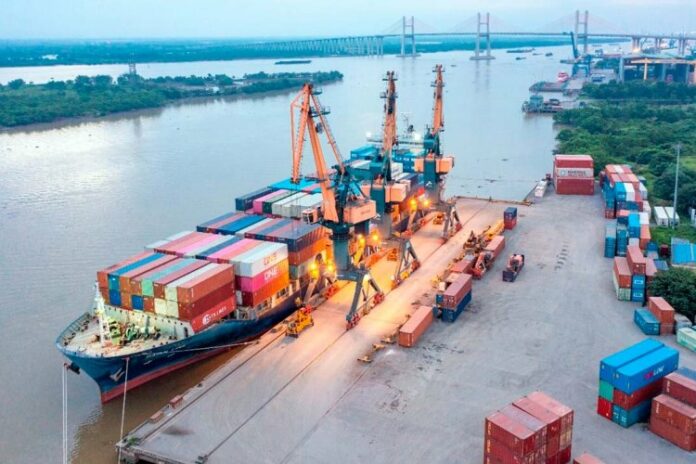
The joint venture will serve the major ports in Vietnam (Ho Chi Minh, Danang and Haiphong) as well as satellite provinces and its hinterlands – where currently direct access to international and domestic shipping services is limited – thereby benefiting Vietnamese manufacturers, importers and exporters. As an extension of the shipping services provided to its customers, the joint venture shall also provide landside logistics services such as trucking and customs brokerage services. 

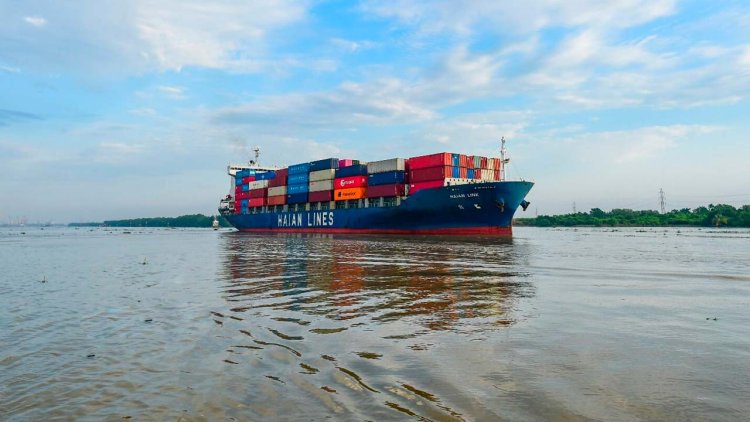
HATS, headquartered in Haiphong with offices across Vietnam, is listed on the Ho Chi Minh Stock Exchange. HATS has been actively involved in domestic shipping in Vietnam for over 10 years and is today one of the largest liners in Vietnam. In addition, HATS is engaged in a wide range of marine and logistics related activities including terminal operations, offshore services, shipping agency container depot operations and warehousing. 

Mr. Mark Vu, HATS General Director, said:

“This is a significant development for both companies. It is especially meaningful for Hai An as it celebrates its 10th anniversary in domestic shipping this year and plans to expand its regional operation. Our JV with ZIM will offer more choices for Vietnam importers and exporters and help save in logistics cost.”

Mr. Abraham Elias, ZIM Vietnam Country Manager, said:

“We are extremely pleased to partner Hai An, a key player in the domestic trade on this milestone venture. With the rapid expansion of manufacturing activities to satellite provinces, this JV provides ZIM with the operational flexibility to extend its reach and expand the scope of services offered to its customers. We hope to support the development of industries by providing valuable access to international markets through ZIM’s global coverage.”

Lotus Link plans to launch its first service in March, deploying Vietnamese flagged vessels to serve both local and international trades. The joint venture plans to expand its presence in Ho Chi Minh City and Danang later this year. Lotus Link is headquartered in Haiphong and headed by Mr. Huy Dang Quy.

Saipem and Seaway7 announce offshore wind commercial collaboration agreement

0

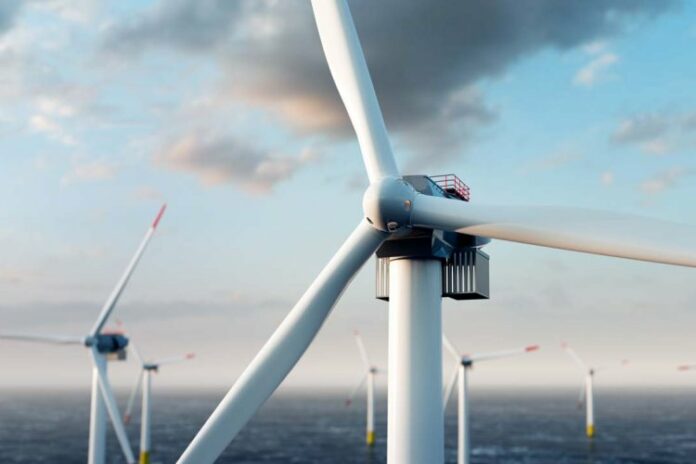
Saipem and Seaway7 today announced that they have entered into a commercial collaboration agreement to jointly identify, bid and execute fixed offshore wind projects.

Saipem and Seaway7 will pursue selected projects where the combined utilisation of the companies’ complementary world-class assets, technologies, products and competencies will generate significant synergies and improve project economics.

Saipem and Seaway7 will deploy key enabling assets and capabilities to cover activities such as front-end engineering design (FEED), procurement, construction, transportation and installation of foundations and inner-array cables, as well as the  installation of substations and wind generator turbines. The target projects are large integrated turnkey developments in Europe, the UK and the US, with the possibility of expanding to other geographic areas.

The collaboration will enhance operational flexibility and enable early engagement with both clients and the supply chain to optimise design and execution strategies, and to secure critical enabling assets, including vessels and yards.

Gianalberto Secchi, Chief Operating Officer of the Offshore Wind Business Line at Saipem commented:

“The agreement with Seaway7 represents an important milestone to offer a more competitive value proposition to our clients on certain integrated fixed wind projects. Together, we will be able to provide a full set of services for wind farms in line with Saipem strategy to best serve the growth in renewable power production projects”.

Stuart Fitzgerald, Chief Executive Officer at Seaway7 commented:

“We are very pleased to partner with Saipem for this cooperation which builds upon the successful collaboration on the Seagreen project. Working together, we will be well-positioned to efficiently utilise complementary assets and capabilities to create differentiated technical solutions and further optimise project execution. Importantly, the strengthened offering will also expand the potential market for EPCI opportunities through our combined fleet and expertises”.


KPI, PIL and Bunker One complete first digital marine fuels deal outside Singapore

0

Singapore-flagged container vessel Kota Rakan, owned by PIL, was bunkered with Very Low Sulphur Fuel Oil (VLSFO) by Bunker One at the port of Lome in Togo, Africa on February 7, 2023. The bunker delivery note (BDN), bunkering sale invoice and fuel delivery were submitted and exchanged on the same day via SGTraDex.

As part of its strategy to enhance transparency in the marine fuels industry, KPI OceanConnect has adopted SGTraDex to streamline invoicing and reduce manual processing time. In addition, the platform also serves as a secured channel for the transfer of various trade documents, including but not limited to bills of lading, certificates of quality, and letters of credit.

Launched in June 2022 as a public-private partnership, SGTraDex is a common data infrastructure that facilitates the sharing of data between supply chain ecosystem partners, streamlining information flows through a common data highway where data can be shared in a trusted, secure, and inclusive manner.

The successful completion of this live electronic transaction demonstrates KPI OceanConnect and PIL’s commitment to implementing innovation and digitalisation in their businesses, while also reinforcing the value of the common data infrastructure.

CEO Anders Grønborg at KPI OceanConnect, said:

“We are very pleased to complete this collaborative, digital marine fuel transaction together with PIL, Bunker One and SGTraDex. This platform enables us to share trusted and secure data along the supply chain. Our commitment to innovation and digital solutions – such as AuctionConnect, which has been running for 21 years – in our marine energy services will continue, further enhancing transparency in the industry and creating a safer trading environment for the entire value chain.”

Goh Chung Hun, Head of Fleet at PIL, said:

“We are happy to contribute to this key achievement towards digitalisation in shipping. This is all the more significant for PIL as we are one of the founders of SGTraDex. Our participation in SGTraDex stems from our belief in the importance of leveraging digitalisation to build an efficient, reliable and secure supply chain. We also strongly endorse the drive for transparency in marine fuels transactions, to enable shipping lines like PIL to have safe and sustainable vessel operations.”

Antoine Cadoux, CEO at SGTraDex Services, said:

“We are excited to have played a pivotal role in facilitating this overseas bunker delivery between KPI OceanConnect, Pacific International Lines and Bunker One. By leveraging on our common data infrastructure, parties involved in the transaction were able to streamline their document exchange processes with increased transparency and enhanced efficiency. This achievement underpins the critical role that SGTraDex can play in driving digitalisation across the maritime industry, within and outside of Singapore.”

Peter Zachariassen, CEO at Bunker One, said:

“We are incredibly proud to be a part of this first-ever supply via the SGTradex platform outside Singapore. This opportunity fits perfectly well into our digitalisation strategy and efforts to create more transparency in the supply chain. We are constantly optimizing our processes, staying agile and pursuing our goal of being the preferred business partner for our customers.”

Wärtsilä renews maintenance agreement with Höegh LNG

0

The technology group Wärtsilä has signed a five-year renewal of its existing Maintenance Agreement with Norway’s Höegh LNG Fleet Management (HLNG). 

The order was included in Wärtsilä’s order book in December 2022.

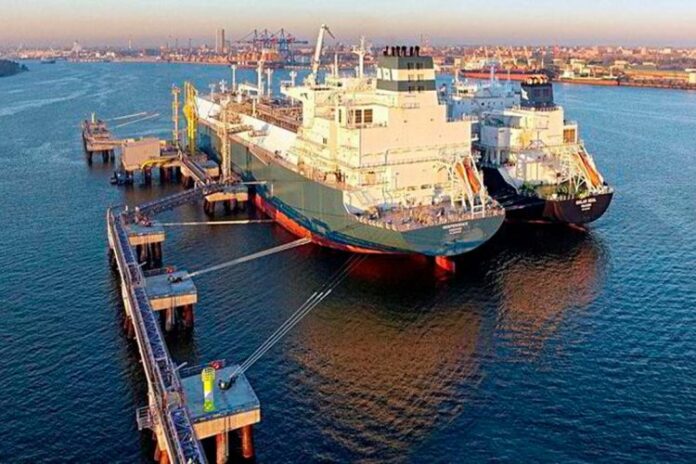
The agreement covers maintenance on the Wärtsilä 50DF dual-fuel engines installed on ten vessels, nine of which are operating as Floating Storage and Regasification Units (FSRUs). One of these FSRUs, the ‘Höegh Esperanza’, is currently being used to supply gas to the new LNG terminal in Wilhelmshaven, Germany.

The scope of the agreement includes digital solutions such as Wärtsilä’s unique Expert Insight predictive maintenance service­, Remote Operational Support, Data-driven Dynamic Maintenance Planning, and fluids management service. Also included is the use of a new collaboration app. The app makes communication between HLNG’s technical crew and Wärtsilä experts easy and manages all necessary reporting. HLNG has direct access to the Wärtsilä Expertise Centres providing support and guidance round-the-clock.

“We recognise Wärtsilä as a technology leader in developing efficiency-based solutions that support decarbonisation efforts, which is an important target for our company. We see this renewed agreement as providing a solid foundation for continued cooperation, and a partnership for joint projects towards decarbonised operations,” says Nils Jakob Hasle, SVP, Head of Fleet Management at Höegh LNG.

“Renewal of the earlier agreement is an endorsement of its value to our customer. It also positions Wärtsilä to continue to support Höegh LNG on their decarbonisation and digital development journey. Expert Insight and the remote support services offered enables issues to be resolved proactively without having to have the physical presence of a service engineer. These services also lessen the environmental footprint and address concerns regarding cyber security,” says Henrik Wilhelms, Director Agreement Sales at Wärtsilä.

HLNG is a long-time customer of Wärtsilä, and the two companies have collaborated on various projects aimed at improving efficiencies and reducing emissions.

ACUA Ocean and AltaSea to collaborate to accelerate the blue economy

0

USV developer ACUA Ocean and AltaSea at the Port of Los Angeles have announced the signing of a Memorandum of Understanding ahead of ACUA’s US launch later this year.

The MOU focuses on strategic partnership and collaboration opportunities to promote the rapidly growing blue economy sector. 

ACUA Ocean’s long-endurance USV is seeking to deliver increased surveying, protection, and data collection capabilities to critical national offshore infrastructure providers such as offshore wind farms, subsea data cables, and pipelines alongside fisheries protection and marine biodiversity monitoring.

Designed as a SWATH vessel for increased stability and reliability, the ACUA USV will deliver 40-60 day missions with increased power for commercial and environmental payloads, real-time AI edge-based processing of mission data as well as satellite comms for-over-the horizon command and control, and data transfer. 

ACUA selected Los Angeles for its long-endurance USV technology due to its lead in hydrogen technology, access to offshore projects, and rapidly growing oceantech ecosystem. 

Neil Tinmouth, CEO of ACUA Ocean commented:

“The US represents not only the world’s largest markets for uncrewed surface vessels but access to world-class technology partners and talent. As part of the AltaSea ecosystem we intend to accelerate maritime decarbonization, and unlock further investment in the offshore energy sector.”

ACUA Ocean and AltaSea are also signatories to a campaign for the introduction of a California Legislature Sustainable Blue Economy Caucus, specifically to focus on “the sustainable use of ocean resources for economic growth, improved livelihoods and jobs while preserving the health of ocean ecosystems.”

Commenting on the partnership Terry Tamminen, President and CEO of AltaSea said:

“Our collective goal is to create a zero emission maritime economy to enable the sustainable economic development and environmental protection of our oceans, waterways and land and air, while creating new jobs, advancing equity and tackling some of the most pressing environmental challenges.”