-1.6 C
New York
Home Blog Page 316

Purus Wind signs order with Damen for low-emission vessels for wind farm operations

0

Damen Shipyards and offshore wind services provider Purus Wind have signed a contract for the build and delivery of eight new vessels. Four Damen Fast Crew Supplier (FCS) 2710 Hybrid and three Damen FCS 3210 Hybrid Crew Transfer Vessels (CTVs) and one, 90-metre Construction Service Operation Vessel (CSOV).

The FCS 3210s and the CSOV will not only be equipped for ultra-low emission operations, but they have also been designed to be upgraded to methanol-fuelled engines when the time comes. 

The new Hybrid FCS 2710s will join the three other Hybrids that Purus Wind’s High-Speed Transfers ordered from Damen in the second half of 2022.

In line with Damen’s commitment to continuous design improvement, they will be updated with the latest design adjustments such as an improved wheelhouse window arrangement and bridge console lay-out. The twin axe hull form ensures excellent stability and fuel economy as well as providing extensive deck space and accommodation.

The larger FCS 3210s are a new design that use the same twin axe hull form and share many of the same attributes as the FCS 2710s. As with the new FCS 2710s, a hybrid battery package for zero-emissions sailing is integrated into the design. The greater length allows for additional space for crew and passengers, making it more comfortable during operations. Space is also reserved for possible conversion to methanol fuel.

An exhaust gas aftertreatment system is included to ensure that the vessels are IMO Tier III compliant. The FCS 3210s are designed for longer distances serving wind parks further from shore and offer the possibility of staying longer at sea. High Speed Transfers has contributed its operational experience to the design and engineering of the FCS 3210 from the outset to ensure that it sets a new level of capability for its class.

The latest vessel in the 90-metre Damen CSOV Series will be highly versatile and capable of carrying up to 120 persons in comfort for up to thirty days at a time. In addition to the diesel / electric propulsion system and battery array, innovative features include a hull design that is almost symmetrical fore and aft below the waterline, on which will be mounted Damen’s DPX-Drive. This has four identical thruster units – two forward and two aft – for highly precise manoeuvring and station keeping.

Other features include excellent stability due to its design, which is further enhanced by a large anti-roll tank. A motion-compensated gangway and crane will also ensure smooth transfers of personnel and equipment. Like the CTVs, it has space reserved for additional battery capacity as and when it is required and will also be pre-prepared for both conversion to methanol engines and offshore charging.
Wärtsilä launches world-first radical derating solution for two-stroke engines

0

Technology group Wärtsilä has introduced a new radical derating retrofit solution – Wärtsilä Fit4Power – to extend the emissions-compliant lifetime of merchant vessels by providing the existing two-stroke fleet with leaner, healthier and more optimised engines.

This new advanced retrofit solution enables ship owners to reduce the bore size of two-stroke engines by 25% while significantly improving combustion efficiency, which in turn reduces both fuel consumption and greenhouse gas emissions. For owners, this will improve the efficiency of their existing fleet, ensuring compliance with Carbon Intensity Indicator (CII) regulations, and futureproofing assets against future environmental measures.

Wärtsilä 2-Stroke Services successfully completed the pilot installation of Wärtsilä Fit4Power onboard a container ship with large-bore two-stroke main engine last year. The results proved that a vessel with this kind of main engine, that is now oversized for today’s operating patterns, can save 2,000 tonnes of fuel and reduce at least 6,000 tonnes of CO2 emissions annually thanks to this retrofit solution. Fit4Power received certificate of product design assessment from American Bureau of Shipping (ABS) in 2022.

Ole Pyndt Hansen, Managing Director at Wärtsilä 2-Stroke Services, said:

“With the IMO’s CII now in force, operators of merchant vessels need cost-effective solutions that can assure the long-term fitness of their existing fleet. Radical derating gives mid-life engines a new lease of life, with a power output and emissions profile that can take them through the early years of CII and prepare them for the most efficient use of new fuels needed to reach later emissions targets.”

While conventional derating merely tunes engines for operation at lower loads, Wärtsilä Fit4Power involves reducing the bore diameter of engine cylinders and introducing a new combustion chamber design, enabling the engine to run at optimal loads and with state-of-the-art fuel efficiency. The higher compression ratios and firing pressure achieved mean that the modified engine offers far greater efficiency than either conventionally derated engines or unmodified engines run at much lower loads.

Analysis from Wärtsilä shows that without modification, more than 80% of the global merchant fleet could fall into the lowest CII rating by 2030, requiring mandatory corrective action and risking losing business to more efficient vessels. Improving engine efficiency and optimisation with solutions such as Fit4Power is one of the simplest and most cost-effective means of reducing emissions.

The solution is also a step towards the economical use of alternative fuels to meet future emissions reduction targets. It is designed to be compatible with Wärtsilä Fit4Fuels (Wärtsilä’s Two-Stroke Future Fuels Conversion Platform), a cost-effective retrofit solution enabling vessels to use LNG, methanol and ammonia fuels. By improving efficiency in line with CII requirements ahead of this next step, radical derating extends the CII compliant lifetime of the vessel by three to five years, giving shipowners valuable breathing space ahead of making a commitment to a future fuel – potentially more if owners opt for low or zero-carbon drop-in biofuels.

By substantially renovating mid-life engines, radical derating also benefits operators by both reducing ongoing maintenance costs, lubricating costs and extending the lifecycle of the main engine. Radical derating is currently available only for RT-flex96C engines.

ABB drives emission-free river commute in Lisbon with first all-electric ferry

0

The first of ten new, all-electric ferries opens a new age of emission-free commuter services along Lisbon’s Tagus River, in the latest example of green transformation from Portugal’s capital city. 

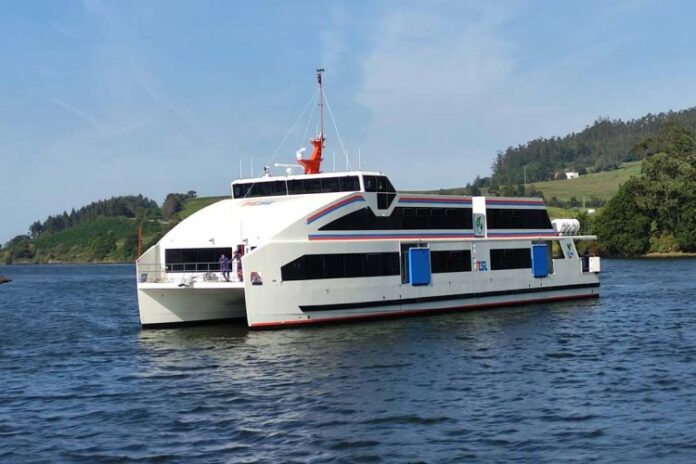
The vessel, whose operations rely on an integrated power, automation, energy storage and propulsion solution from ABB, has now been delivered to the ferry operator Transtejo by the Astilleros Gondán shipyard. Replacing a fleet of older, fossil fuel-burning ferries, the 40-meter, 540-passenger vessels will also improve passenger comfort and reduce operational and maintenance costs.

“Delivering the first of these 10 ferries is an important milestone for us, and it is a joy to see her on the water in Lisbon. We very much look forward to delivering the other nine,” said Antonio Pacheco, Director of GRP Division, Astilleros Gondán

Ferry electrification is a key part of Portugal’s strategy to reach carbon neutrality by 2050. Consolidating Lisbon’s reputation as one of the most environmentally-friendly cities in the world, the electric ferry program continues a transformative period for a municipality which won the 2020 European Green Capital award.

With power distribution managed by ABB Onboard DC Grid™ ensuring that output of each ship’s 1,860-kWh battery pack is safe, reliable and optimized, ABB estimates the new ferries will cut about 6,500 tons in CO2 emissions along the Tagus river every year – equivalent to the emissions of 1,400 passenger cars.

With latest figures from the Maritime Battery Forum showing 586 battery powered vessels in operation worldwide, and 195 more on order, ferry owners remain at the forefront of switching to hybrid and electric vessel propulsion. 

Siemens Gamesa to supply offshore wind turbines for East Anglia 3

0

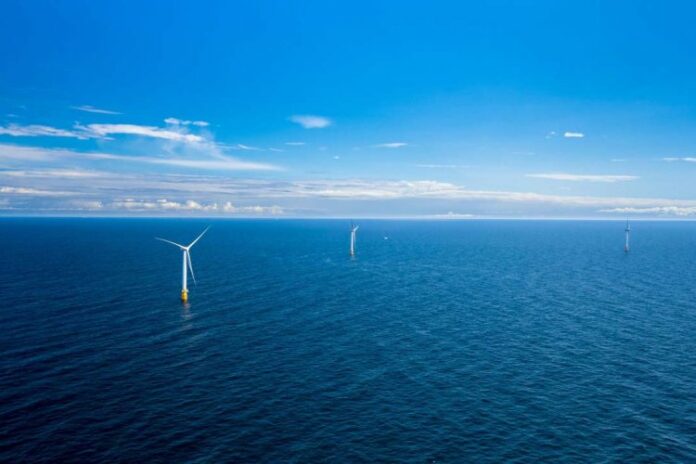
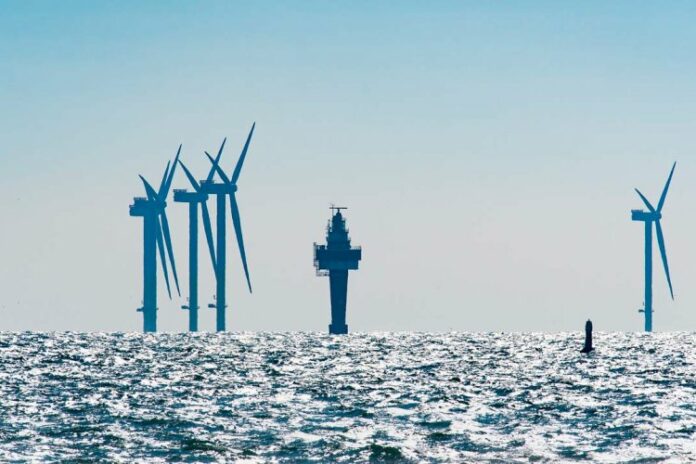
Siemens Gamesa today announces the signing of a firm order with ScottishPower Renewables to supply 95 units of its flagship SG 14-236 DD wind turbine to the East Anglia 3 wind power project in the North Sea, off England’s east coast, with a total capacity of 1.4 GW. Also included is a service contract, initially for an eight-year period. The development marks an important step on the UK’s path to decarbonization of the energy system, and the first installation of the SG 14-236 DD in the country. 

East Anglia 3 is the second of four projects planned in the ScottishPower Renewables 2.9 GW East Anglia Hub development in the North Sea. The project will cover an area of approximately 305 km², at its closest point 69 km from the Norfolk coast, in the northern part of the East Anglia zone. Once completed, it will provide clean electricity to 1.3 million UK homes. Installation is anticipated to begin in spring 2026 and to be completed by the end of that year.  

Siemens Gamesa has been severely impacted by the economic challenges facing renewables supply chains, and this firm order has only been possible due to the parties’ unwavering commitment to support the project. Siemens Gamesa leads the industry in calling upon the UK government to support the renewables industry to deliver more such developments, which are the only way the country can meet its targets for clean, secure and affordable electricity by 2030. 

Siemens Gamesa Offshore CEO Marc Becker says:

“East Anglia 3 is critical to the successful achievement of the UK’s decarbonization of energy, and its path to energy independence. It also marks the first deployment of the groundbreaking SG 14-236 DD offshore wind turbine in UK waters. In these challenging times, it is encouraging to sign this firm order with ScottishPower Renewables as we jointly move to a more financially sustainable wind industry, but we need the UK government to fully recognize that renewable energy, especially wind generation, is now on the same level of importance as oil and gas and requires similar levels of support to ensure it delivers what the UK needs to reach crucial Net Zero targets.” 

ScottishPower Renewables CEO, Charlie Jordan, says:

“Continued ambition and innovation in turbine technology by partners such as Siemens Gamesa has allowed ScottishPower to purchase market leading turbines at a scale that will generate enough green energy to supply 1.3million UK homes.” 

A grid connection solution from Siemens Energy will ensure that the electricity from wind power can be brought to shore. According to the contract signed last year, Siemens Energy will build a converter on the high seas that will collect the alternating current generated by the Siemens Gamesa wind turbines and convert it into direct current for low-loss transmission to the coast. A second converter on land will transform the power back into alternating current so that it can be fed into the local grid and eventually be supplied to consumers. 

The anticipated lifetime of the project will be 25 years, which from 2026 will take the power generation of the East Anglia 3 development beyond the UK’s 2050 net-zero target. The prototype of the flagship SG 14-236 DD model recently generated its first power at the Østerild Test Center in Denmark. Since its launch a year ago, this model has already made Siemens Gamesa a preferred supplier for projects totalling another 2.8 GW in Denmark and Poland. 

Glovis Sunrise becomes the first Korean flagged PCTC vessel to sail on biofuels

0

GoodFuels has announced the successful completion of a first biofuel bunkering in collaboration with Hyundai GLOVIS, a global total logistics and distribution company.

The bio-bunkering is the first for a Korean flagged PCTC (Pure Car and Truck Carrier) vessel and marks a new milestone for Hyundai GLOVIS as biofuels take a central role in the company’s sustainability strategy.

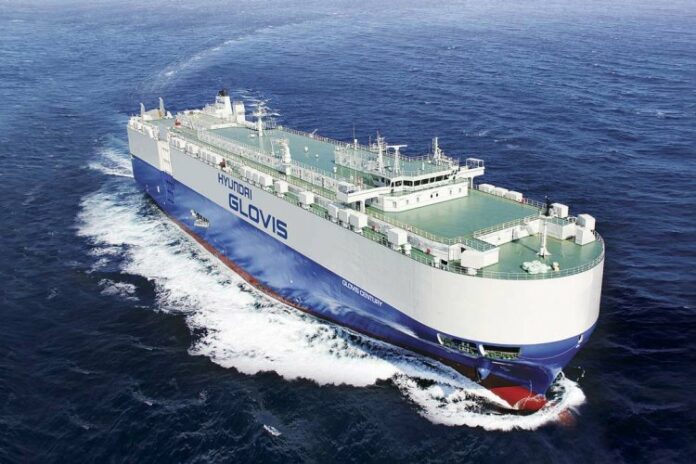
The vehicle carrier GLOVIS SUNRISE was refuelled with 500 MT of GoodFuels’ sustainable biofuel blend MDF1-30 during a port visit to Vlissingen (Flushing), in the Netherlands, on 28 December 2022. The trial took place during the vessel’s voyage between Europe and the Persian Gulf, ending in late January.

GoodFuels’ next-generation sustainable biofuel is produced from feedstocks that are certified as 100% waste or residue, including processed used cooking oil and animal waste fats. It delivers a well-to-exhaust CO2 reduction of 80 to 90 percent when compared to its fossil fuel equivalent. Thanks to its ‘drop in’ properties, the biofuel was delivered to and consumed by the GLOVIS SUNRISE without requiring any modifications to the engine or tanks.

Hyundai GLOVIS is committed to reducing greenhouse gas emissions from its fleet of 153 vessels, improving its capabilities for green logistics and expanding the utilisation of sustainable and renewable energy sources.

Dirk Kronemeijer, CEO of GoodFuels, said:

“This first bio-bunkering in collaboration with Hyundai GLOVIS marks an exciting milestone towards decarbonised maritime transport and more sustainable supply chains. It also shows the central role that biofuels can play to reduce shipping’s carbon footprint today, as a safe, convenient and technically viable option to slash emissions from commercial vessels by up to 90%.

“We are delighted to see biofuels being adopted as a decarbonisation solution in more regions of the world, as this first bio-bunkering for a Korean vessel demonstrates. The climate emergency demands action now, and we are glad to be working with pioneers like Hyundai GLOVIS who are walking the talk of sustainable transport with concrete action.”

Eight new LNG carriers will feature Wärtsilä reliquefaction systems

0

Following an earlier newbuild programme in June 2022 for four new vessels, the company has now been awarded the contract to supply reliquefaction systems for a further eight ships. The orders by Hudong Zhonghua Shipyard were booked into Wärtsilä’s order intake in Q1 2023.

The selection of Wärtsilä solutions reflects the industry’s focus on efficiency and reduced environmental impact as a means for decarbonising marine operations. For each ship Wärtsilä will supply Wärtsilä Compact Reliq Single Booster (CRSB) reliquefaction system.

“Reliquefaction systems are today becoming standard on all sizes of LNG carriers and our Compact Reliq system meets this need perfectly. The booster function implemented on the Compact Reliq systems enables us to supply a reliquefaction system with superior efficiency and lowest-in-class power consumption, which in turn reduces the vessel’s gas consumption,” says Pål Steinnes, Head of Sales, Midstream, Wärtsilä Gas Solutions.

The Wärtsilä equipment is scheduled to be delivered commencing in 2024, and the first ship is expected to be delivered in 2025.

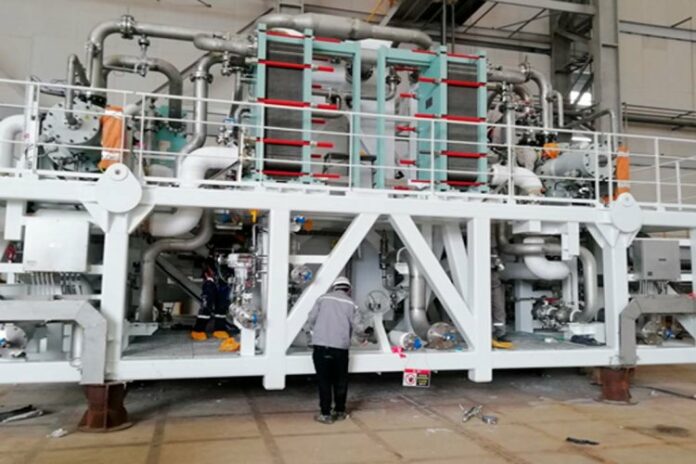
The Wärtsilä Compact Reliq system has been designed for both high efficiency and easy installation. The cooling media used is nitrogen, which in addition to being safe, also serves to simplify the system’s operation

Norsepower secures €28 million from investors to bring sails back to shipping

0

Norsepower Oy Ltd. has secured 28 million euros in its latest Series C fundraising round. French asset manager Mirova, an affiliate of Natixis Investment Management dedicated to sustainable investment, led the fundraising through its impact private equity Mirova Environment Acceleration Capital fund. 

Additional participants in the round included The Finnish Climate Fund (Ilmastorahasto), OGCI Climate Investments, Nefco – The Nordic Green Bank, Tesi, and Power Fund III. With a focus on impact, these organisations have joined forces to enable Norsepower to scale up production and expand the reach of its fuel-saving and emissions-reducing technology.

On a mission to decarbonise the shipping industry, Norsepower is committed to harnessing the power of the wind for large ships. According to Norsepower, there are currently 30,000 vessels on the water today that can benefit from award-winning Norsepower Rotor Sails™, which highlights the opportunity to reduce CO2 emissions across the global fleet by 80 megatons on an annual basis.

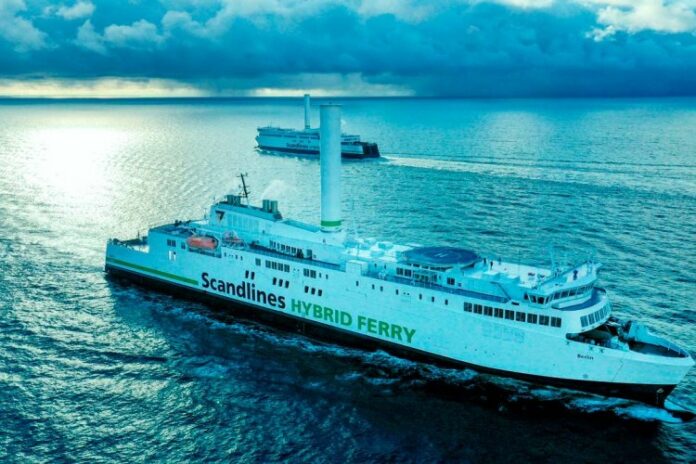
The Norsepower Rotor Sail™ is a modernised version of the Flettner rotor. The Norsepower Rotor Sail™ uses a minimal amount of the ship’s electric power to rotate cylinder-shaped rotors on the ship’s deck. Rotation together with wind generates powerful thrust – saving fuel and reducing emissions. The product has already been used by customers for over eight years and has 250,000 operating hours of verified performance data acquired from some of the world’s best-known shipping companies and charterers. This performance data includes installations in collaboration with customers including Bore, Sea-Cargo, Scandlines, Vale, CLdN, Nippon Marine, and Socatra who have selected Norsepower Rotor Sails™ for improving fuel efficiency and reducing the emissions of their shipping operations. 

The data – which shows fuel consumption savings of 5-25%, or even more – has been measured and analysed independently by Lloyd’s Register, one shipping’s leading providers of classification, compliance and consultancy services to the marine and offshore industries, as well as ABB, NAPA, Chalmers University of Technology and VTT.

Commenting on the funding, Tuomas Riski, CEO, Norsepower, said:

“Our goal is simple – to cut the emissions of large ships by saving fuel with our proven Norsepower Rotor Sails™. We are going to bring a modern spin to wind propulsion technology. We empower the industry to use our product alongside other technologies to achieve zero-carbon, cost effective sailing. With over 30,000 vessels globally that can benefit from our product, our scale-up ambitions are bold but realistic. It’s a win-win for everyone, including the planet.

“The additional funding from one of the world’s leading sustainability investors is a massive leap in the right direction and a clear vote of confidence in our brilliant team, innovative technology, and the overall trajectory of our business.”

Youssef Belatar, Investment Director at Mirova, said:

“With this first investment outside of France, the Mirova Environment Acceleration Capital Fund goes one step further to accelerate the scaling of innovative environmental solutions with positive impact. We are thrilled to support Norsepower in their journey to empower the shipping industry towards reaching the goal of zero carbon emissions, and together play an active role in the environmental transition.” 

Paula Laine, CEO at The Finnish Climate Fund (Ilmastorahasto), said:

“The world needs to limit greenhouse gases as soon as possible to combat climate change, and decarbonising hard-to-abate sectors such as shipping will play a key role. Shipping faces international regulatory and public pressure to adopt more sustainable practices, and we recognise the importance of technology in tackling this challenge and Norsepower’s rotor sails are an immediately available solution, especially for emissions-intensive ocean tankers. A key factor in our decision-making is impact and Norsepower’s ability to cut CO2 emissions by 5-25 % or even more in good wind conditions.”

Iain Fergusson, a Board member of Norsepower and General Counsel of Climate Investments, added:

“There’s a pressing need to facilitate more deployments and funnel investment into decarbonising shipping where, as Norsepower is demonstrating that innovation is already delivering meaningful fuel and emissions savings for global operators. We are delighted to expand our backing of Norsepower and look forward to driving further adoption, expansion, and impact.”

Port of Savannah adding 55 hybrid yard cranes

0

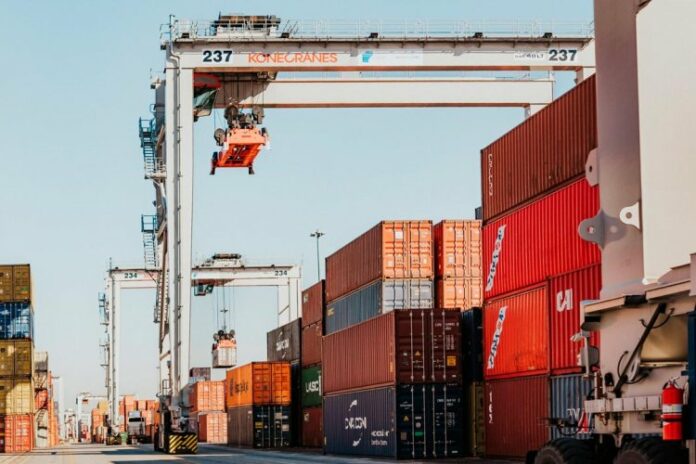
The Georgia Ports Authority has agreed to spend $170 million on 55 hybrid-engine rubber-tired gantry cranes to outfit the Port of Savannah’s Ocean Terminal, as it is redeveloped into an all-container facility.

“This significant investment in new equipment will help prepare the Port of Savannah to handle more ships and cargo while maintaining the world-class service our customers have come to expect,” said GPA Executive Director Griff Lynch. “These new machines will expand our capabilities, operate at lower cost and leave a smaller carbon footprint than conventional diesel cranes.”

The hybrid machines will exclusively operate off electric battery power, with diesel generators running only to recharge batteries. This will reduce fuel consumption by an estimated 47 percent compared to all-diesel machines. Per year, that is a reduction of 8,800 gallons of diesel per crane, or nearly 500,000 gallons annually across the Ocean Terminal fleet. This will result in a fuel purchase savings of more than $1.6 million per year at current rates.

The new cranes reduce emissions by half compared to conventional diesel cranes. At an annual average of 4,000 operating hours per RTG, the hybrid engines will avoid yearly emissions of 127 tons per crane, or nearly 7,000 tons across the 55-RTG fleet.

“With every infrastructure expansion, the Georgia Ports Authority seeks to ensure its operations progress toward improved long-term sustainability,” said GPA Board Chairman Joel Wooten. “Economic development, environmental stewardship, governance, and employee and community engagement are all important facets in that effort.”

The gantry cranes will use special “whisper” movement alarms that sound like static, rather than the typical three-tone alarms. The whisper alarms don’t penetrate long distance, but do provide safety for nearby personnel, effectively making the machines quieter and reducing noise emissions. The combination of hybrid power and quieter alarms will help control the sound of operations for neighboring communities. The new cranes can work stacks that are six containers high and seven wide – one container wider than GPA’s current largest RTGs. Wider stacks mean fewer rows and a denser, more efficient use of space. The RTGs currently serving Ocean Terminal will be repurposed in other areas of operation.

The cranes are one part of the renovation of the 200-acre Ocean Terminal. The Authority is also establishing two big ship berths at the facility, and improving the paving surface to hold container stacks. These projects will bring to six the number of neopanamax vessels the Port of Savannah can handle simultaneously. To work the larger ships, GPA will add eight new all electric ship-to-shore cranes at Ocean Terminal by 2026. The taller ship-to-shore cranes will replace three older cranes that are not suited to handling neopanamax vessels. When complete, the terminal’s annual capacity will reach 2 million twenty-foot equivalent container units.

A key partner for the Georgia Ports Authority is the Georgia Department of Transportation. GDOT will play an important role in the terminal’s completion and traffic control around Ocean Terminal.

“GDOT is currently reviewing plans to route port traffic directly from the terminal onto U.S. 17/Interstate 16, avoiding near-port streets, which could minimize community impacts,” said Susan Gardner, senior director of operations and projects. “Directing trucks in this manner will expedite cargo, while preventing unnecessary traffic in neighboring communities.”

Offshore wind proponents to study Port Taranaki’s future as a sector hub

0

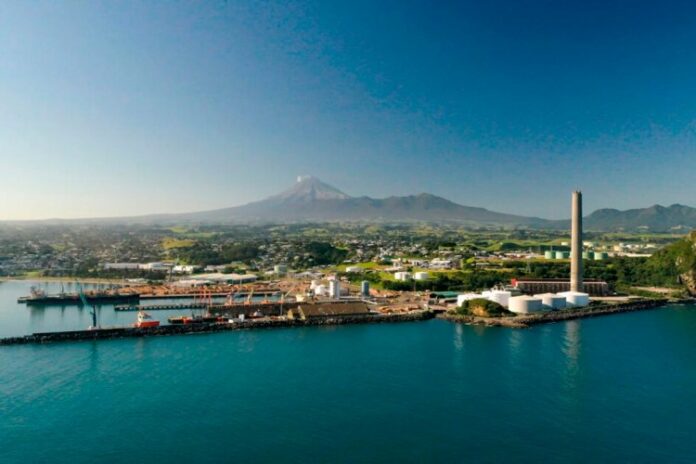
NZ Super Fund and Copenhagen Infrastructure Partners’ Taranaki Offshore Partnership (TOP) has reached an agreement with Port Taranaki and BlueFloat Energy (BFE) to work together to assess how the port can serve as a hub for offshore wind development in New Zealand, including offshore Taranaki.

The agreement signed between the parties is for a study that will help build an understanding of how the port’s assets, infrastructure and land can support the growth of an offshore wind industry in Aotearoa.

The study will also determine if particular port upgrades and investments are needed for offshore wind developers to construct, operate and maintain their projects. This includes assessment of the port’s wharves, crane lifting capacity, land and storage layout and the specific need to transport and service wind turbines.

The results of the study will be part of the broader respective feasibility activities being undertaken by TOP and by BFE in relation to their separate planned offshore wind projects in Waikato and South Taranaki with BFE’s partner, Elemental Group.

Port Taranaki Chief Executive Simon Craddock said the possibilities and potential for offshore wind production in Taranaki and other regions of New Zealand were exciting.

Mr Craddock said:

“New Zealand has one of the best offshore wind resources in the world, and it’s likely this industry will play an important role in a low-emissions future.

“With our proximity to the proposed development site, our skills and experience having worked in the energy industry, our laydown and storage areas available on-site, and our berths for the specialist support vessels, we believe Port Taranaki has a key role to play in support of this emerging industry.

“We wanted to formalise our support and involvement, and through this agreement we’ll work with the parties and investigate how best we can support the development of an offshore wind industry in New Zealand.” 

Taranaki Offshore Partnership’s Giacomo Caleffi said with multiple developers indicating interest in offshore wind development in Taranaki and beyond, it makes sense to work together on this Port Taranaki study as the outcomes will be relevant to assessing the feasibility of any of the proposed developments.

Mr Caleffi said:

“From our experience, with CIP’s portfolio of many offshore wind projects operational, under construction and in-development in North America, Europe, Asia and Australia, it’s important to take the right opportunities to collaborate with key partners and other developers to best position offshore wind, as a new industry for New Zealand, for success.”

BlueFloat Energy Country Manager for New Zealand Nathan Turner said:

“We are really excited to be part of this agreement with NZ Super Fund and Copenhagen Infrastructure Partners’ Taranaki Offshore Partnership and Port Taranaki.

Mr Turner said:

“We are strong advocates for developing the offshore wind industry collaboratively and this will help all of us to keep up the momentum.” “The announcement of the Government’s discussion paper in late 2022 to enable investment in offshore renewable energy demonstrates a strong commitment to this strategically important industry and makes us very positive about the future of offshore wind in Aotearoa.”

“Port Taranaki is ideally positioned for both of the offshore wind projects we have recently announced in South Taranaki and Waikato. As the only deep water port on the west coast, Port Taranaki will be central to building a successful offshore wind industry in New Zealand.”

Peel Ports launches UK’s first Green Automotive Hub

0

Located on Queen Elizabeth II Dock at Eastham, within Peel Port’s Mersey cluster, the project will facilitate a greener end-to-end maritime logistics service in the North West.

The hub, believed to be the first of its kind in the UK, will sit on a 9.5-acre site on the River Mersey, adjacent to the Manchester Ship Canal, also operated by the major port group. 

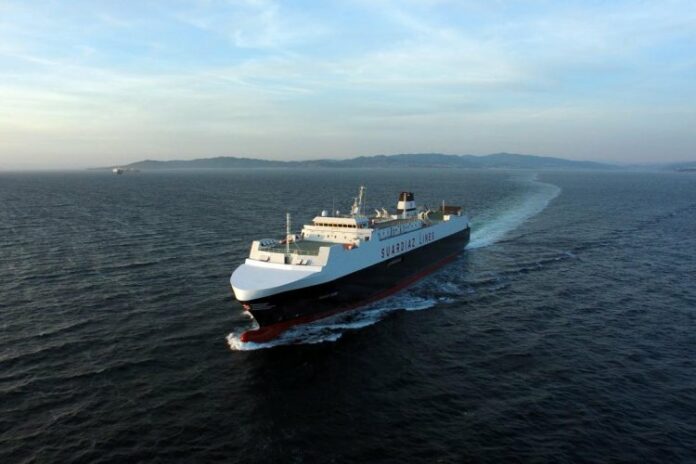
Launching in September 2023, the new maritime logistics hub will service a twice-weekly shipping route from Vigo Port in Spain to Eastham. It will take an estimated 14,700 lorry journeys off roads across the UK and continental Europe annually, saving approximately 17.5 million kilometres (c.11 million miles) in road trips.

Created in partnership with global logistics firm Suardiaz and leading automaker Stellantis, the service will supply parts for the Ellesmere Port vehicle manufacturing site, which will become the first of its plants to produce solely battery-electric models for both commercial and passenger vehicles.

This new maritime route which will service the plant is projected to reduce annual CO2 emissions by 30% and energy consumption by 37%, when compared to road travel.

Peel Ports and Suardíaz have invested a combined £10 million in recommissioning an existing berth at the dock and have begun installing the infrastructure needed to support the processing of the Roll-on Roll-off (RoRo) ships and their cargo.  

David Huck, Chief Operating Officer at Peel Ports said:

“A key part of achieving our sustainable goals involves working collaboratively with like-minded businesses, so it has been fantastic to work alongside Suardiaz and Stellantis. The project is a progressive example of the collaboration required to make the maritime and logistics sectors greener.

“We have long advocated that reducing road miles is key to tackling climate change, but this can only be achieved by offering sustainable alternatives and choosing ports closer to end destinations.”

Juan Riva, President and CEO of Suardiaz, said:

“Suardiaz provides logistics connectivity between the Iberian Peninsula, the Stellantis facilities in Vigo, Spain and the Ellesmere Port factory in the UK, seeking to deliver an efficient maritime solution which lessens the impact on the environment.

“This new service will commence as soon as the new facilities become operationally ready and, in this regard, I would like to thank Peel Ports for their proactivity and contribution to the development of this new multimodal solution for the Ellesmere Port factory.

“This game-changing move will remove trucks off the road, reducing road congestion and carbon emissions, and with our additional actions in using biofuels to power our ships and cold ironing, we are contributing to developing a sustainable supply chain which underpins the spirit in which Stellantis’ vehicles are manufactured.”

The creation of the Green Automotive Hub represents the latest sustainable move from Peel Ports, which in 2021 announced its commitment to becoming a net zero port operator by 2040, ten years ahead of the UK Government’s target.