-4.1 C
New York
Home Blog Page 317

Kaskasi: RWE offshore wind farm commences regular operation

0

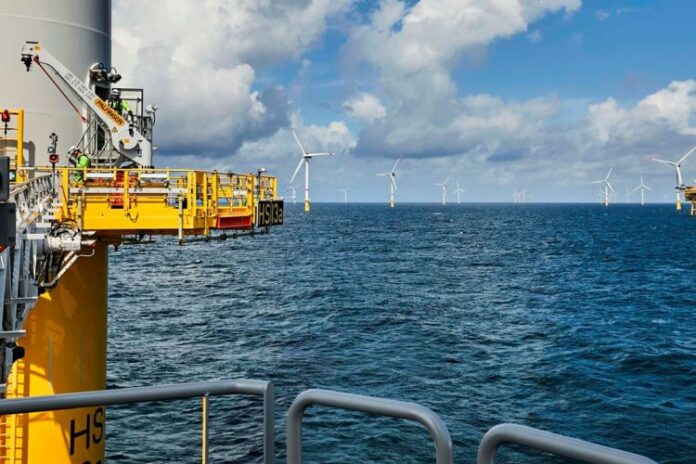
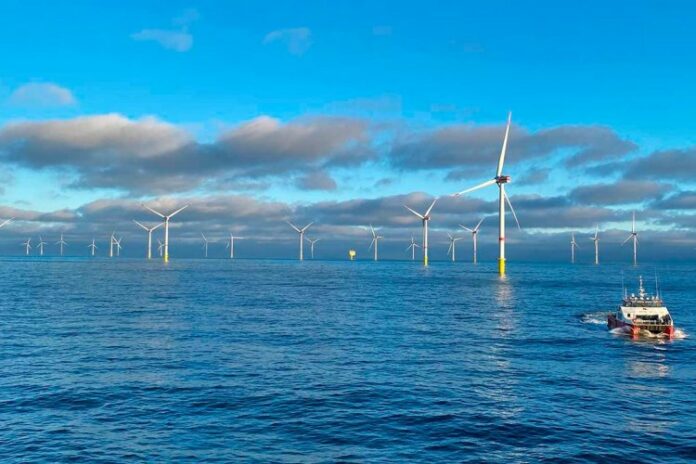
The RWE wind farm Kaskasi, located around 35 kilometres north of the island of Heligoland, officially commenced regular operation in the presence of Robert Habeck, German Federal Minister for Economic Affairs and Climate Action. With an installed capacity of 342 megawatts (MW), Kaskasi can supply the equivalent of over 400,000 households with green electricity.

The 38 wind turbines of Kaskasi were successively commissioned over four months. Since the end of 2022, all turbines have been feeding green electricity into the grid. After all required tests were successfully completed, the wind farm is now commencing regular operation. The approval procedure for the wind farm started in spring 2019 and construction was greenlighted by the German Federal Maritime and Hydrographic Agency (Bundesamt für Seeschifffahrt und Hydrographie) at the end of 2020. The total offshore construction time was nine months, the investment costs for Kaskasi amounted to around 800 million euros. More than 100 people at RWE alone worked on implementing this large project – hand in hand with the staff from over 70 suppliers.

Robert Habeck, German Federal Minister for Economic Affairs and Climate Action:

“Offshore wind is a key driver of the energy transition. Offshore wind turbines can produce more electricity during more hours per year than onshore turbines. We have thus increased the expansion targets in the German Offshore Wind Energy Act considerably, to at least 30 gigawatts by 2030. In addition, we have made significant improvements to the legal framework and took action to speed up approval procedures. With the area development plan, we have put the foundation in place for planning the expansion of offshore wind energy in Germany. Kaskasi was the only new offshore wind farm completed off the German coast last year. Its inauguration is to mark a turning point, we now want to drive the expansion of offshore wind energy forward in a targeted and coordinated manner.”

Markus Krebber, CEO of RWE AG:

“Our Kaskasi offshore wind farm was the only that was constructed and connected to the grid in Germany last year. Many more must follow over the coming years for Germany to reach its climate targets. As one of the world’s leading companies in offshore wind, RWE can contribute considerably to achieving these goals. Together with our partner we have just selected the preferred turbine supplier for the next offshore wind cluster off the German coast. The cluster will have a total capacity of up to 1.6 gigawatts. And of course, we will also take part in the large German offshore auctions in summer this year.”

Three turbines at the Kaskasi wind farm are equipped with the first rotor blades that can be recycled at the end of their life cycle. What is special about this? Thanks to a new type of resin with a special chemical structure, the materials used for producing the Siemens Gamesa RecyclableBlade can now be separated again for the first time. This process ensures that the properties of the individual materials remain intact so that they can be reused. The recyclable rotor blades are also installed at the Sofia wind farm, which is currently being constructed by RWE off the UK northeast coast.

Marc Becker, CEO Business Unit Offshore at Siemens Gamesa:

“Approximately 90 percent of a wind turbine can already be recycled. However, up to now it was not possible to recycle the rotor blades. We are now taking the crucial step to elevate the sustainability of wind turbines to the next level and be able to recycle the entire turbine by 2040 at the latest.”
WinGD to deliver methanol engines for COSCO SHIPPING Lines container vessels

0

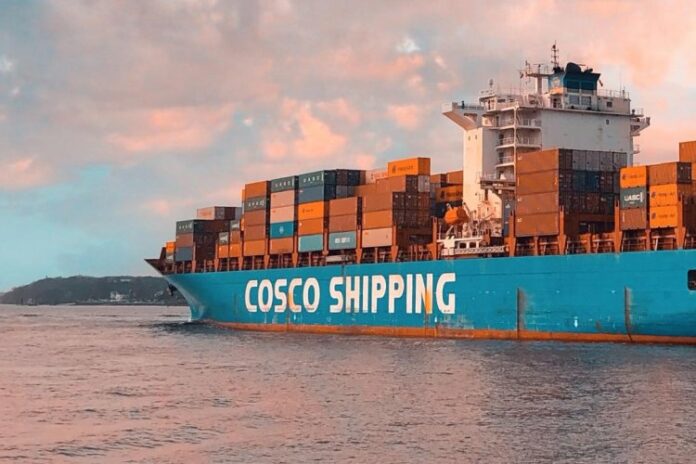
WinGD will supply 10X92DF-M methanol-fuelled engines to four 16,000 TEU container vessels to be built for COSCO SHIPPING Lines at COSCO Shipping Heavy Industry (Yangzhou) Co. Ltd.  

These vessels will be delivered from 2025 and will feature WinGD’s first X92DF-M engines in China. This ground-breaking order was celebrated at a signing ceremony attended by the collaboration partners from COSCO and CSSC onsite at CMD on 23 March.

The methanol engines will be delivered from engine builder CSSC CMD in Shanghai, which is jointly developing the engines with WinGD. The fourth vessel in the series will be the first to have methanol engines installed from the beginning. The earlier vessels will initially have methanol-ready X92-B engines installed and will be converted for methanol before entering service.

These vessels will be among the first methanol-fuelled container vessels to be built in China and represent a significant investment in China’s green transformation strategy.

The X92DF-M engines will be based on the widely used X92-B engine, which has long been deployed by leading containership owners including COSCO SHIPPING Lines, MSC and CMA CGM. The reliability and efficiency of the X92-B will translate directly to the X92DF-M, which will utilize the same high-pressure Diesel combustion cycle.

The order enables WinGD to advance its timeline for developing conversion packages for methanol-fuelled engines. WinGD will introduce a methanol package for the X92-B engine as soon as the fourth vessel in the series is delivered – opening the market for existing vessels with X92-B engines to be converted to use the carbon-neutral fuel.

“Utilizing WinGD’s engine development capabilities jointly with partners serving the world’s biggest shipbuilding market allows us to better support shipowners, as demand for methanol-fuelled container vessels rapidly grows,” said Dominik Schneiter, Vice President R&D, WinGD. “The COSCO SHIPPING Lines order is an ideal move, helping us to strengthen our expertise in both newbuilds and conversions of methanol engines based on our well established X92-B platform which has proven to be a very reliable and efficient engine.

In parallel, WinGD is developing ammonia-fuelled engines as part of its commitment to help shipowners prepare for the availability of green fuels.

Austal delivers high-speed catamaran to Molslinjen

0

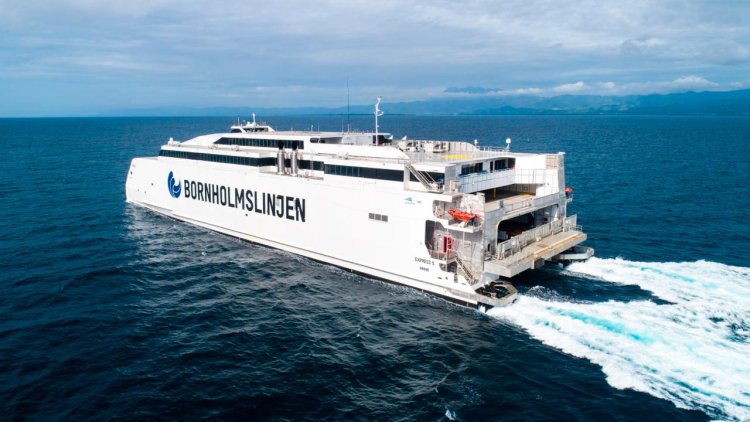
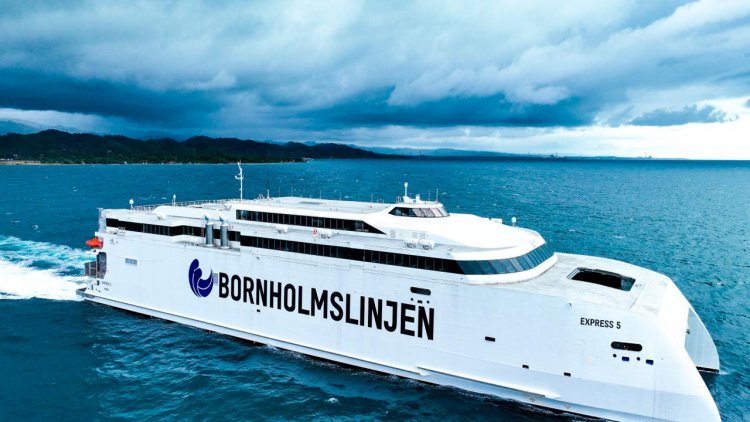
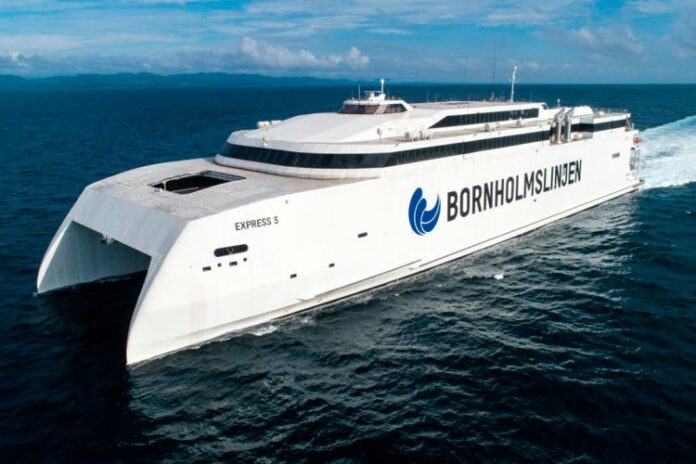
The ‘Auto Express 115’ high-speed catamaran ferry is the largest ferry (by volume) constructed by any Austal shipyard, in the company’s 35-year history. During sea trials, the vessel achieved a top speed of 40 knots, and bettered Class quality standards for noise and vibration in the passenger decks, with a quiet and smooth ride.

Austal Limited Chief Executive Officer Paddy Gregg said the delivery of Express 5 was a testament to the resilience and capabilities of the Austal Philippines team, who constructed the vessel through the COVID pandemic and following the effects of Super Typhoon Rai in 2021.

“Express 5 is the largest vessel, by volume, that Austal has ever constructed, and to deliver this new high-speed ferry despite the impact of the COVID pandemic over 2020 – 2022, and Super Typhoon Rai in 2021, is simply outstanding.

“Despite the challenges faced, the Austal Philippines team has delivered the most impressive vessel ever to join the Molslinjen fleet. The high-speed ferry performed exceptionally well during sea trials and will soon provide a class leading service to Bornholm in Denmark.

“Our warmest congratulations to Molslinjen on the delivery of this future-ready fast ferry, with the capability to incorporate hybrid-fuel engine technology achieving lower emissions and greater economy,” Mr Gregg said

At a delivery ceremony held this week, Austal Philippines President Wayne Murray thanked his team who have now delivered 21 vessels from the Balamban, Cebu shipyard in just 10 years.

“Express 5 is the 21st ship delivered to an overseas operator by Austal Philippines, highlighting the tremendous value added to the Philippines shipbuilding industry since 2012.

“It’s fitting that our latest and greatest ship is also the largest ever delivered by an Austal shipyard, anywhere in the world – the team are rightly very proud and are to be congratulated,” Mr Murray said.   

Express 5 has the capacity for 1,610 passengers, space for 450 cars (or 617 lane metres for trucks plus 257 cars) over 2 vehicle decks and an operating service speed of 37 knots. It is powered by an LNG-capable, medium-speed power plant that offers a powerful yet economic and environmentally friendly solution. On board, passengers will enjoy leather appointed reclining seats with USB ports, Wi-Fi, a full bistro and bar(s), a children’s play area and multiple audio-visual screens. 

The sleek looking 115-metre catamaran was designed by the same Austal Australia team who developed the original, signature raked-bow hull for Molslinjen’s Express 4 delivered in 2019; and includes Austal’s proprietary Motion Control and MARINELINK-Smart systems that help deliver a smoother journey for passengers and crew and a more efficient, better performing, ‘smart’ ship for operators.

Argeo signs survey contract with Stromar Offshore Wind Farm

0

Stromar has awarded Argeo a contract to conduct a geophysical survey in the project’s development area, located in the Moray Firth off the coast of Scotland.

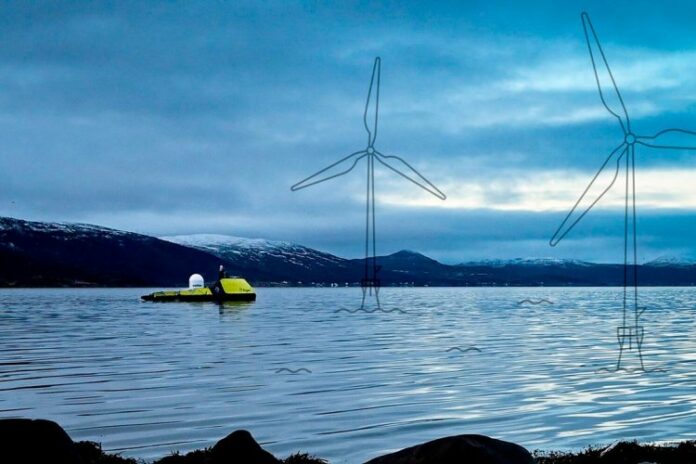
The Stromar offshore wind farm covers an area of 256 km2 and the project aims to reduce greenhouse gas emissions throughout the wind farm’s life cycle, including survey activities. To meet Stomar’s needs, Argeo will mobilize its low-emission uncrewed surface vessel (USV) “Argeo Argus” to carry out the survey. Using an uncrewed solution will reduce the survey vessel emissions by up to 95%. Stromar’s goal is to deliver world-class floating offshore wind projects in Scotland.

 “Stromar is an exciting venture in offshore wind, and I’m very pleased that the consortium chose Argeo for their first commercial survey with an uncrewed surface vessel. This shows that we are developing attractive technology and can offer cost efficient and environmentally friendly solutions to the offshore wind market going forward”, said VP of Sales in Argeo, Ruben Kornmo Janssen.

Stromar Project Director, Nicholas Ritchie, said:

“Ensuring Stromar leads the way in floating wind as part of the transition to renewable energy is of paramount importance. We’re determined that every aspect contributes to our Net Zero future, even from survey stage to demonstrate our commitment to a truly green future.”

The survey is scheduled for Q3 2023, subject to the relevant permit approvals, and includes the option for a related export cable route (ECR) survey.

Seawing automated kite system to be installed on Corona Citrus

0

Completed on September 11th, 2019, CORONA CITRUS is equipped with a ballast water treatment system for protecting marine ecosystems.

The coal carrier also comes with a SOx scrubber, which eliminates sulfur oxides in exhaust gas from its engine, so as to comply with the regulations on SOx emissions that came into effect globally in January 2020.

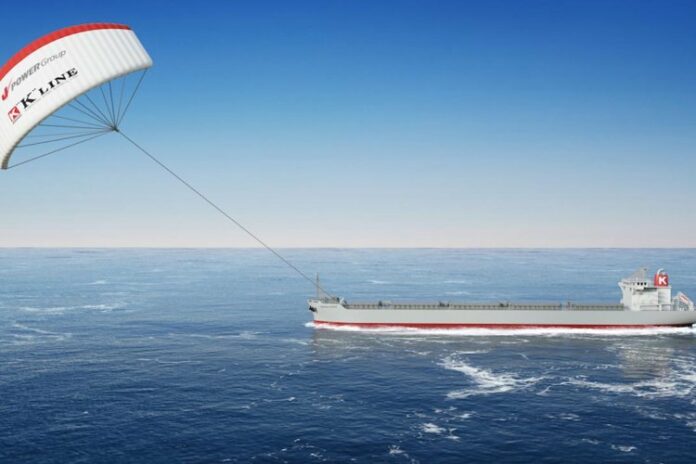
The newly installed “Seawing”* is expected to reduce CO2 emissions from the ship by at least 20%. Thus, it is one of main “K” LINE’s initiatives to achieve its GHG reduction target.

  • Dimension: LOA 229.98 meters x Beam 38.00 meters x Depth 19.90 meters x Draft 13.904 meters
  • Deadweight: 88,703 MT
  • Gross Tonnage: 49,888 T

* Seawing: This system combines expertise in aviation and maritime technologies, which enable dramatic progress of propulsion assist in shipping. The kite can be deployed and stored automatically with simple switching operations. This system collects and analyzes weather data and marine data on a real-time basis and uses the information to optimize its performance and secure maximum safety.

EnBW gives green light for German offshore wind farm He Dreiht

0

The final investment decision clears the way for the start of construction of EnBW’s largest offshore wind farm to date, with an installed capacity of 960 megawatts (MW). 

“The final investment decision for the construction of our He Dreiht offshore wind farm is an important milestone in accelerating the energy transition. Long planning horizons and extensive preparatory work in the offshore wind industry require a high degree of foresight, expertise and readiness to make decisions and invest. This is another big step towards a carbon-free energy future,” said EnBW CEO Andreas Schell.

EnBW CFO Thomas Kusterer said:

“In He Dreiht, we are building one of Germany’s largest offshore wind farms. We succeeded in the first German offshore tender in 2017 with a zero-cent bid and made an important contribution to the further development of the offshore market.” Kusterer added that yesterday’s decision is the reward for more than six years of outstanding teamwork. A combination of factors made the zero-cent bid possible. These include the installation of the latest wind turbine technology, synergies with existing sites and long-term power purchase agreements with industrial customers, which have a stabilizing effect on wind farm revenues.

This subsidy-free offshore wind farm is currently one of the largest energy transition projects in Europe. The investment cost for He Dreiht is around €2.4 billion. It is expected to be operational by the end of 2025. He Dreiht will then generate green electricity for the equivalent of 1.1 million households.

“With the sale of a 49.9% minority stake to a consortium consisting of Allianz Capital Partners on behalf of Allianz insurance companies, AIP and Norges Bank Investment Management, we have succeeded in bringing highly professional and experienced partners on board even before construction begins,” said CFO Thomas Kusterer.

EnBW has so far signed several long-term power purchase agreements (PPAs) for He Dreiht with well-known companies such as Fraport, Evonik, Salzgitter and Bosch, covering a total volume of 335 MW. Talks with other companies are underway.

In the expansion of renewables, PPAs are an important means of underpinning and financing unsubsidized projects in the market. At the same time, more and more companies are striving to become carbon neutral, creating growing demand for green, carbon-free power. By entering into PPAs, companies and municipal utilities gain access to green power to meet their own climate targets and serve their customers.

To finance this major project, EnBW has secured an additional €600 million in long-term funding from the European Investment Bank, one of the world’s largest financiers of climate and environmental projects.

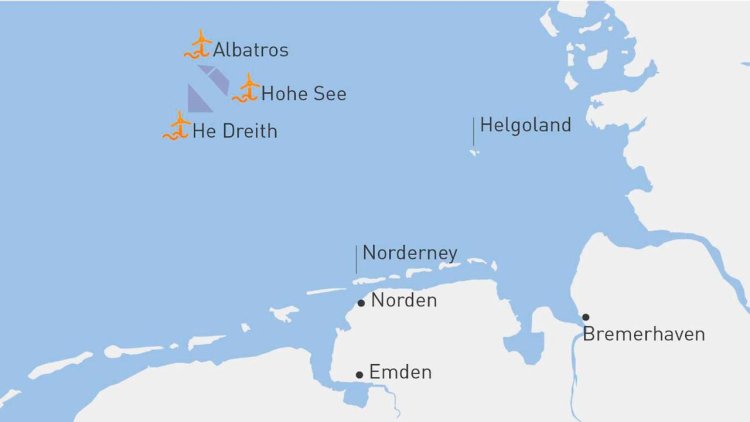
Located approximately 85 kilometers northwest of the island of Borkum and approximately 110 kilometers west of Heligoland, the He Dreiht wind farm is expected to be operational by the end of 2025. Upon completion, EnBW will be responsible for technical and commercial management as well as maintenance and repair.

EnBW’s existing offshore wind farms Hohe See and Albatros are located nearby. He Dreiht will benefit from this proximity and from the service hub already established in the coastal town of Emden.The plan is for the installation of 64 latest-generation Vestas wind turbines. Introduced to the market as the first 15 MW wind turbine, these are among the most powerful in operation today. They give He Dreiht a total installed generating capacity of 960 MW. This means that the 900 MW grid connection capacity guaranteed for He Dreiht can be fully utilized. EnBW received the plan approval decision and thus the permit for the He Dreiht offshore wind farm from the German Federal Maritime and Hydrographic Agency (BSH) in December 2022.

Port of Cork accelerates digitalisation with new AI-powered port system

0

The Port of Cork Company (PoCC) has entered an agreement with Innovez One, a provider of port management systems, to accelerate the digitalisation of its port calls and operations. 

Under the agreement, Innovez One will provide its flagship software, marineM, to fully digitise and optimise crucial marine services for vessels arriving and departing Ireland’s second-largest port.

MarineM will automate and improve the scheduling of port, tug, and pilotage services, which are crucial for efficient operations. Using algorithms powered by artificial intelligence (AI) and machine learning, marineM’s planning module will manage schedules and dispatch resources – assigning pilots and tugboats to jobs in the most efficient way, and reallocating resources seamlessly if a vessel’s ETA changes. 

This latest step in the Port of Cork’s digital journey will boost the efficiency of service fleets, thereby minimising the overall distance travelled, eliminating unnecessary journeys and reducing greenhouse gas emissions. It will also assist the port in enhancing berth management, which plays a key role in building port resilience and minimising congestion. 

Furthermore, agents will be able to register their vessels, order services such as supplies, logistics and marine services, and track the progress of each job from an online portal available on mobile phones. The system will also automate the billing process, which will boost transparency and accuracy, and help eliminate billing issues, delays and disputes. 

Conor Mowlds, Chief Commercial Officer at the Port of Cork Company, said:

“The Port of Cork plays a central role for our local communities and businesses, keeping Ireland connected as part of global supply chains. We have high ambitions to deliver smarter, greener and more efficient operations, which will benefit our environment as well as the local and national economy. Having a strong digital backbone is essential to this. By partnering with Innovez One, we are proud to take the next step of our digitalisation journey, fully harnessing the latest advances in artificial intelligence to create a more efficient and sustainable future.”

Grant Ingram, CEO of Innovez One for the UK and Europe, said:

“Digitalisation is an essential foundation that enables ports to tackle the most pressing challenges they face today, from persisting congestion to the need to reduce their emissions. Smart ports will also be the ones best placed to position themselves in the greener supply chains of tomorrow, and support decarbonization in shipping and beyond. We are proud to work with the Port of Cork on this project, which will show how our state-of-the-art technology can deliver new heights in terms of efficiency and help deliver their ambitious vision for the future.” 

Damen delivers the cutter suction dredger Krakatoa to a client in Indonesia

0

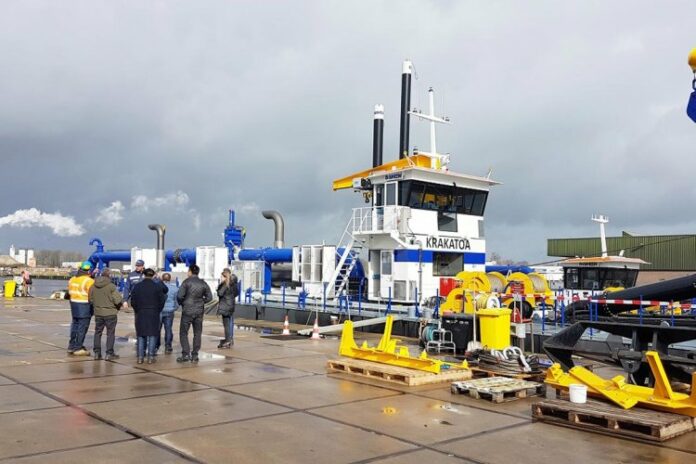
At the Damen Dredging yard in Nijkerk, the Netherlands, the Cutter Suction Dredger (CSD) 650 Krakatoa has been inspected by her owner before shipment.

The client has accepted the stationary dredger, which will now be shipped to Indonesia, where it will operate on the island of Kalimantan. Damen’s customer ordered the CSD last November. The speed of the delivery is the result of Damen building its vessels on speculation and keeping them in stock, ready for order along with options available for smart customisation.

The client, PT. Pelayaran Fortuna Nusantara Megajaya (PT. PFNM) will deploy this CSD650, which will be the largest CSD in Indonesia, at a port expansion project. The dredger can work in water depths up to -25 m. The suction ladder incorporates a submerged dredge pump, which works in series with the inboard dredge pump. In total 3,938 kW of installed power ensures an impressive discharge distance and dredge production of 7,000 m3/h on average. The smart customisation includes the supply of a deck crane, an anchor boom installation, a dredge valve and a swivel in the discharge piping, plus a complete dredging instrumentation package.

During their visit to the yard the customer’s delegation fully inspected the dredger. They supervised the various tests on the onboard systems and reviewed the customised options. Following inspection, the dredger was transported to Rotterdam. From there it will be shipped fully assembled as deck cargo to the Port of Balikpapan, Indonesia.

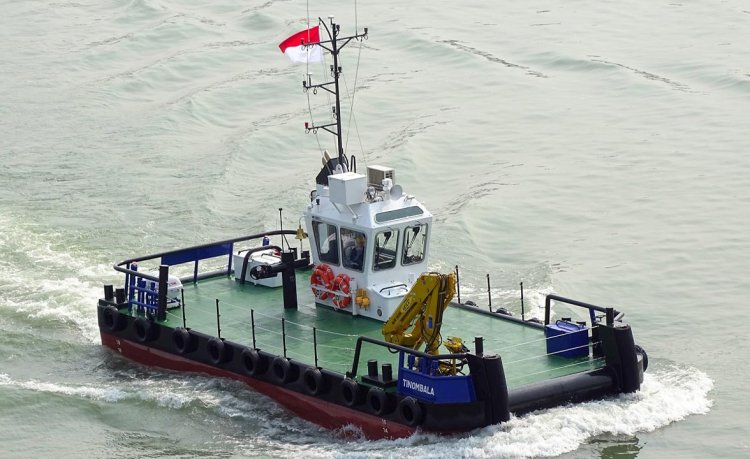
In addition to the CSD, PT. PFNM will add a Multi Cat (MuC)1506 to their fleet  to work on the same project. The technical acceptance of the MuC was successfully accomplished with help of a 3D remote tour on board the vessel. Ex-yard delivery took place at Damen Shipyards Changde, China.

Both workboats were named after natural phenomena, being Tinombala (a mountain) for the MuC1506 and Krakatoa (a volcano) for the CSD650. Upon arrival in Indonesia, the vessels are expected to move the proverbial mountains of work on their first capital dredging job at the project location in Kalimantan. Together with the workboats, Damen will supply a complete dredging package including spares and training. This will all ensure a fast deployment of the vessels.

Canada-UK digitisation project set to support fleet operators achieve emissions targets

0

The collaborative research and development initiative, jointly funded via Innovate UK’s 2022 ‘Canada-UK Zero Value Chains – Transportation’ call and the National Research Council of Canada, will pave the way towards lower carbon emissions and reduced operating costs for tug and workboat fleet operators worldwide.

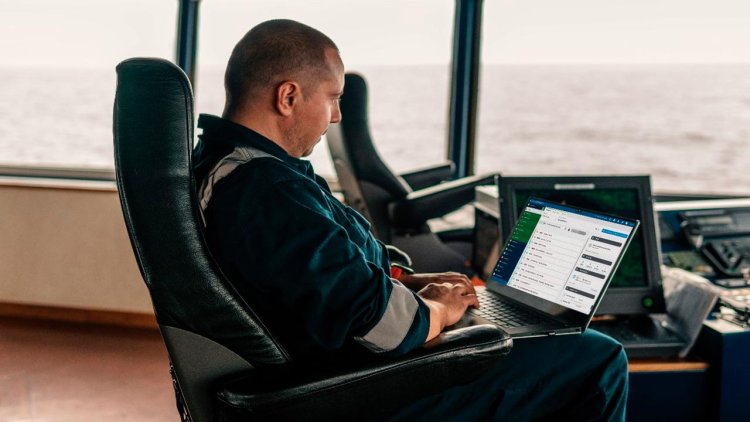
The partners aim to achieve this by further developing the integration between Reygar’s BareFLEET vessel performance monitoring technology and the Helm CONNECT fleet management modules, with an on-vessel link up between Reygar’s telematics unit and the Helm CONNECT user interface.

The project builds on existing co-operation between Reygar and Helm, who partnered in 2022 to support the roll out of BareFLEET to global marine, energy and logistics provider, Crowley. Crowley worked closely with Reygar and Helm on system integrations to generate essential maintenance, fuel and emissions data that empowers crews and fleet managers to adopt more efficient, fuel saving operational practices. Since then, other mutual customers have successfully adopted Helm CONNECT and BareFLEET integration for more streamlined and effective fleet management.

Nolan Barclay, Helm Operations CEO, added:

“Our partnership with Reygar has been incredibly positive from the start and we’re thrilled to be building on the foundation that has already proven to be successful for many of our customers. The use of IoT sensor readings and automation to enhance technical asset management is already showing value in our market and we’re excited that this new integration between BareFLEET and Helm CONNECT will address the growing need for emission reductions and ESG reporting.”

Chris Huxley-Reynard, Reygar CEO, said:

“This project takes our work to date with the team at Helm to the next level. By enhancing the integration between these two widely used systems, we can enable fleet operators and busy workboat crews to tap into greater efficiency gains with live data and feedback, generated onboard by BareFLEET and available directly from the familiar Helm CONNECT interface. This data can be used to reduce the environmental impact of offshore tasks in real time, without adding to anyone’s workload.”

The project addresses a key technological challenge for the global marine sector, which has tough targets to meet in its drive towards net zero emissions. The initial scope of work is expected to be completed by May 2024.

OGCI, Stena, GCMD get ABS’ nod to use CO2 capture onboard oil tanker

0

A consortium of global shipping organizations and the Oil and Gas Climate Initiative (OGCI) have received approval in principle from the American Bureau of Shipping (ABS), the US ship certification agency, to use a carbon capture system onboard an oil tanker.

Approval in principle allows the consortium to consider whether the project will move to the next stage, which includes engineering, procurement, and construction.

The global shipping industry is looking at a range of solutions, including low-carbon fuels and onboard carbon capture, to help achieve a target to halve its greenhouse gas emissions by 2050 from a baseline of 2008.

The consortium’s members believe the onboard carbon capture system could help accelerate commercial deployment of shipboard carbon capture technology within the next five years.

The two-year, three-phase demonstration project is investigating onboard capture and storage and offloading captured carbon dioxide to address the operational challenges and opportunities of deploying carbon capture technology on ships.

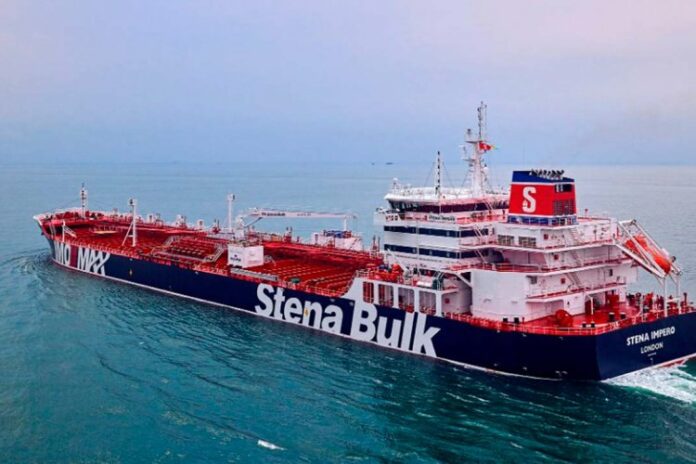
Following a full engineering study, the carbon capture system will be built and tested prior to integration onboard a Stena Bulk medium range (MR) tanker for sea trials. A rigorous stage gate review process will be conducted prior to progression between phases.

The consortium began the first phase of Project REMARCCABLE, (Realizing Maritime Carbon Capture to demonstrate the Ability to Lower Emissions) in 2022, which involved conceptual design and a front-end engineering design study of the carbon capture system.

The second phase would include engineering, procurement, and construction of a prototype shipboard carbon capture system and onshore commissioning. Phase three would focus on integrating the carbon capture system with the MR tanker and conducting sea trials.

The GCMD plans to launch a study on offloading the liquid carbon dioxide (CO2) to resolve potential challenges and inform the third phase of the project.

Michael Traver, head of OGCI’s Transport workstream said:

“The ABS’s approval in principle is a significant step forward for an important initiative to reduce emissions from shipping and demonstrates the value of collaborating across industries to develop decarbonization solutions. As we move towards deployment, OGCI will continue to provide expertise on carbon capture to help our partners show the potential of the technology to meet ambitious decarbonization goals set by the maritime industry.”

Erik Hånell, CEO of Stena Bulk, said:

“It is fantastic be able to receive this AIP from ABS and move forward towards installing a CCUS system on one of our Medium Range tankers. Advancing carbon capture is one of the central ways that shipping will be able to meet its decarbonization goals. It is a privilege to bring our technical and shipping expertise to the table as the consortium works together to scale the technology. Installing a CCUS system on one of our vessels demonstrates our long-term commitment to technological innovation and sustainability. We intend to use the system beyond the scope of this pilot project, proving to the market what is already possible through collaboration.”