0.9 C
New York
Home Blog Page 311

Equinor starts production from Bauge subsea field

0

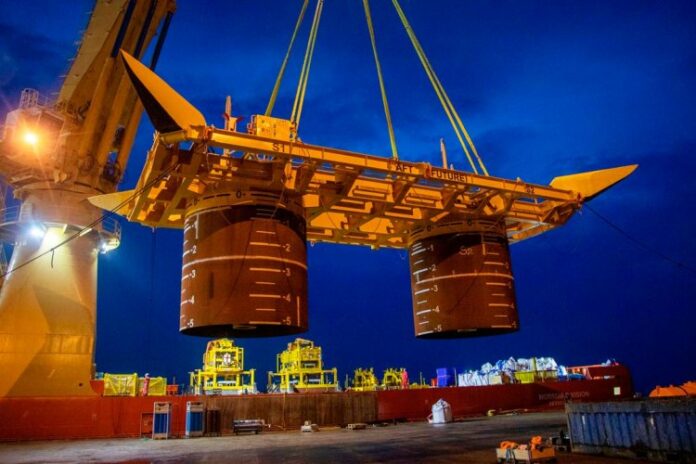
On 8 April production started from the Bauge subsea field in the Norwegian Sea. 

Bauge consists of two oil producers in a subsea template, in addition to pipelines and an umbilical connecting the wells to the Njord A platform. The Bauge licensees are Equinor (operator), Wintershall Dea, Vår Energi and Neptune Energy.

“The subsea facility was built and installed without a single HSE incident. I am very proud of this, and I would like to thank our suppliers, particularly the main suppliers Randaberg Industries, Ocean Installer and OneSubsea. This shows that the zero-harm vision is possible. Capital expenditures totalling NOK 4.6 billion (2023) the project was delivered within budget,” says Trond Bokn, Equinor’s senior vice president for project development.

The Norwegian content of the Bauge project is well over 90 percent. The wells were delivered faster than planned by Transocean and Schlumberger.

The project has been run in parallel with the extensive upgrading of Njord A (Aker Solutions) and the Njord Bravo FSO (Aibel).

“The Njord upgrading enables us to tie in new, valuable discoveries such as Bauge. By utilising existing infrastructure, we can realise profitable development of small-size discoveries in line with the company’s strategy. We are planning further exploration activity in the area,” says Grete B. Haaland, senior vice president for Exploration & Production North.

The Njord field came on stream in 1997. In 2016, the installations were brought ashore for extensive upgrading and in December 2022 the field came on stream again.

The field will now produce for another 20 years, and the ambition is to produce about the same volume from Njord and Hyme as the fields have produced so far, some 250 million barrels of oil equivalent.
Chevron and Angelicoussis Group to explore transporting ammonia via tankers

0

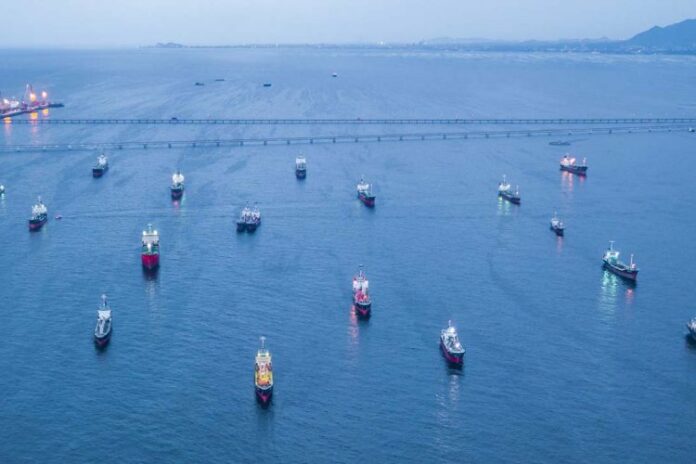
Chevron Corporation, through its subsidiary Chevron Shipping Company LLC, and the Angelicoussis Group, through its Energy Transition division, Green Ships, announced a Joint Study Agreement (JSA) to explore how tankers can be used to transport ammonia, a potential lower carbon marine fuel. 

The initial study will evaluate the ammonia transportation market, existing infrastructure, the safety aspects of ammonia, potential next generation vessel requirements and a preliminary system to transport ammonia between the U.S. Gulf Coast and Europe. Future opportunities will focus on additional global markets.

Ammonia is a carrier of hydrogen and is believed to have potential to lower the carbon intensity of the marine industry. Through the JSA, the Angelicoussis Group and Chevron aim to advance ammonia’s technical and commercial feasibility at scale, particularly as an export for petrochemicals, power, and mobility markets.

“Global value chain solutions are critical for growing the hydrogen market, and we believe shipping will play a crucial role. Chevron is leveraging its international functional marine expertise and collaborating with the Angelicoussis Group to pursue the delivery of lower carbon proof points to the market,” said Austin Knight, Vice President, Hydrogen, Chevron New Energies.

“Ammonia has potential as a hydrogen vector and is considered one of the alternative fuel options to decarbonize shipping. We believe this study will contribute towards identifying the technical, operational and commercial challenges of carrying ammonia at scale and using it as a fuel in a safe and sustainable way,” said Stelios Troulis, Green Ships and Energy Transition Director for the Angelicoussis Group.

Chevron and the Angelicoussis Group have a long-standing relationship dating back to 2000. Since then, the partnership has grown from conventional vessels to include multiple LNG carriers, as well as joint work on energy transition initiatives. The teaming of Chevron Shipping, Chevron New Energies and the Angelicoussis Group on this study supports and accelerates both organizations’ ambitions to become leading, global clean energy providers by focusing on all aspects of the hydrogen supply chain.

Scientists find Cod larvae attracted to noise from offshore wind turbines

0

When the turbines are operating, they create a constant, low-frequency underwater noise that spreads out from an offshore wind farm. 

“We already know that fish and other sea creatures are sensitive to sounds, and that some species react to low-frequency underwater noise”, says Alessandro Cresci, a marine scientist at the Institute of Marine Research (IMR). 

“What we don’t know is how fish, particularly in their early larval life stage, react to the sound of offshore wind turbines. This is a new industry, particularly here in Norway.” 

Cod is one of the species that is sensitive to low-frequency noise. 

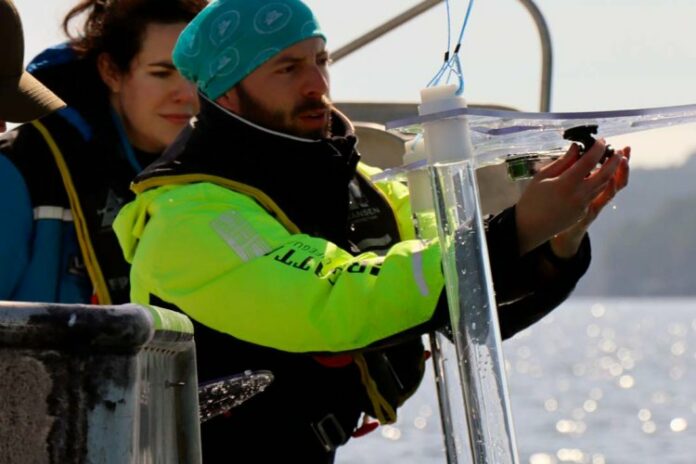
In order to learn how cod in the North Sea may react to the planned offshore wind farms, the scientists carried out a practical experiment: they recreated the situation in a fjord, albeit on a smaller scale. 

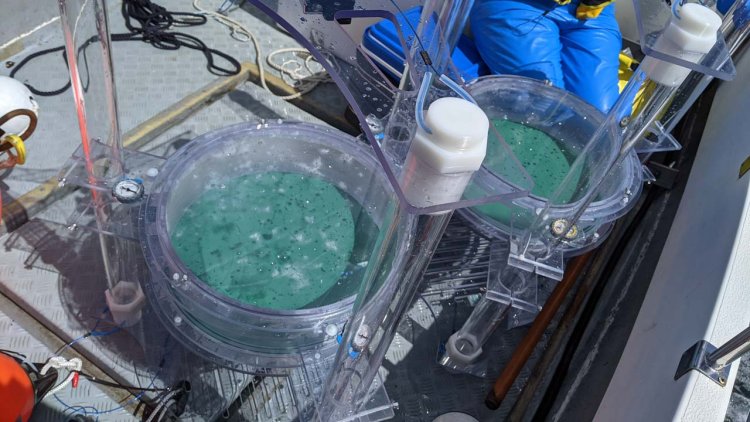
“We filmed cod larvae drifting naturally in the water inside transparent acrylic cages with mesh walls. While the cages were drifting in the water, we used a loudspeaker to emit a constant, low-frequency noise at 100 Hz. We wanted to see whether the larvae changed their behaviour”, explained Cresci. 

Around 90 cod larvae were tested in the fjord – half were exposed to sound, while the other half were allowed to swim in peace. 

When they were allowed to swim in peace, the larvae headed towards the northwest. But when exposed to the noise, the cod larvae chose to swim towards it. 

“This is one, small-scale experiment, but our results show that cod larvae drifting with the ocean currents past or near to an offshore wind farm may be attracted by the underwater noise from the turbines”, explains the researcher. 

It is real struggle for cod larvae to survive through to adulthood. Even small changes in their spawning and nursery grounds may affect the stock, and it is useful to know how different activities affect them. 

Now the researchers are planning to test other commercially and ecologically important species in the same way. 

“It is important to learn more about what impact a new industry like offshore wind power may have on fish and ecosystems.” 

Monitoring work starts at Broadshore and Bellrock Floating Offshore Wind sites

0

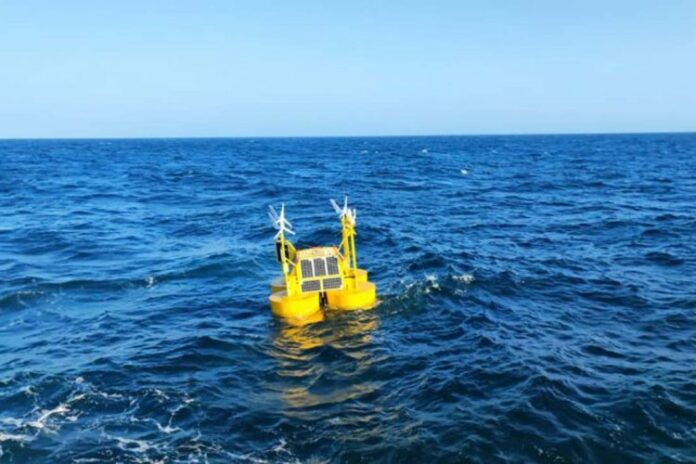
The two EOLOS FLS200 LiDAR buoys were deployed at the Partnership’s Broadshore site 50 km north of Fraserburgh and the Bellrock site 130 km east of Aberdeen.

Equipped with fully autonomous and remote sensing devices, the buoys will remain onsite for at least 12 months to capture accurate wind, metocean and atmospheric data and obtain insights on the site characteristics which will help shape and inform the design of the wind farms.

“This is another exciting step for our Broadshore and Bellrock projects and brings us closer towards delivering commercial scale floating offshore wind projects in Scotland”, said Susie Lind, Managing Director of the BlueFloat Energy | Renantis Partnership. “These works will ensure that we can maximise the potential of our ScotWind projects with a detailed understanding of the environment and conditions at sea to feed the design process.”

As well as its 3.1GW portfolio of Scottish floating offshore wind projects – 900 MW Broadshore, 1.2GW Bellrock and the 1GW Stromar project it is developing in collaboration with Ørsted – the BlueFloat Energy | Renantis Partnership has recently been offered seabed exclusivity rights to develop two 99MW projects under the innovation arm of Crown Estate Scotland’s INTOG (Innovation and Targeted Oil & Gas) auction process.

The Sinclair and Scaraben projects, located north of Fraserburgh and next to the Partnership’s Broadshore development, will trial innovative foundation technologies, fabrication works and mooring systems with a view to maximising opportunities for the Scottish supply chain, driving local investment and job creation.

bp starts oil production at Argos platform in the Gulf of Mexico

0

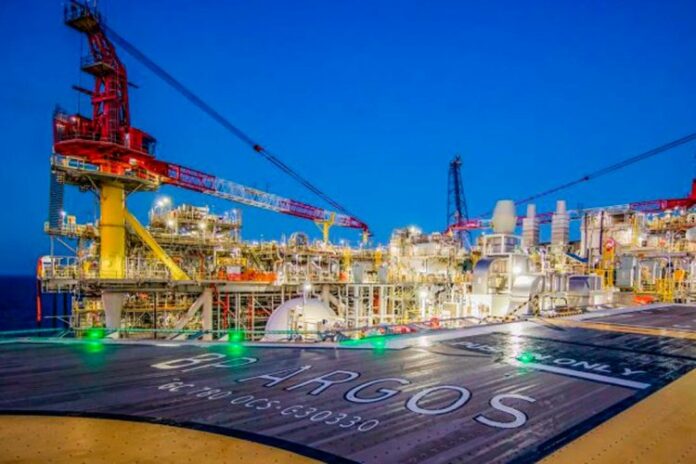
bp has successfully started oil production at its Argos offshore platform, delivering more energy at a critical time and strengthening bp’s position as a leading producer in the deepwater US Gulf of Mexico.

With a gross production capacity of up to 140,000 barrels of oil per day, Argos is bp’s fifth platform in the Gulf of Mexico and the first new bp-operated production facility in the region since 2008. The semi-submersible platform ultimately will increase bp’s gross operated production capacity in the Gulf of Mexico by an estimated 20%. bp expects to safely and systematically ramp up production from Argos through 2023.

Bernard Looney, chief executive officer, said:

“The start-up of Argos is a fantastic achievement that helps deliver our integrated energy strategy – investing in today’s energy system and, at the same time, investing in the energy transition. As bp’s most digital facility worldwide, applying our latest technologies, Argos will strengthen our key position in the Gulf of Mexico for years to come.”

Argos is the centerpiece of bp’s Mad Dog Phase 2 project, which extends the life of the super-giant oil field discovered in 1998. It is one of nine high-margin major projects that bp plans start up by the end of 2025 globally.

Starlee Sykes, bp senior vice president, Gulf of Mexico and Canada, said:

“Safely starting up the Argos platform is an incredible milestone for bp and a proud moment for our team who delivered the project with an impeccable safety record. Producing some of bp’s highest value, lowest operational emissions barrels, our Gulf of Mexico business has an important role to play in delivering the energy the world needs.”  

Operating in 4,500 feet of water about 190 miles south of New Orleans, Argos will support 250 permanent jobs. Standing 27 stories tall, the platform has a deck the length and width of an American football field and weighs more than 60,000 tons. 

Ewan Drummond, senior vice president, projects, production and operations, said:

“Projects like Argos don’t just happen. They take years of careful planning, execution excellence, and brilliant teamwork. Argos is key to our strategy of increasing our Gulf of Mexico production to around 400,000 barrels of oil equivalent per day by the middle of this decade.”

Argos is bp’s most digitally advanced platform operating in the Gulf of Mexico, featuring bp’s proprietary LoSal® Enhanced Oil Recovery (EOR) and Dynamic Digital Twin technologies. Argos has a waterflood injection capacity of more than 140,000 barrels of low-salinity water per day to help increase oil recovery from the Mad Dog field. The platform also has a Dynamic Digital Twin, a bp patent-pending software that links complex data from Argos to 3D digital models of those systems, allowing remote operators wearing Virtual Reality headsets to access data in real time to improve decision-making, efficiency and safety. 
 

MOL, TSUNEISHI and MES-S acquire AiP for ammonia-fueled vessel from ClassNK and Lloyd’s

0

MOL, TSUNEISHI, and MES-S have conducted risk assessments of their jointly developed, ammonia-fueled ocean-going liquefied gas carrier, and on April 10, received Approval in Principle (AiP) for the vessel from Nippon Kaiji Kyokai and Lloyd’s Register of Shipping.

This is the first case ever that two classes AiP, ClassNK and Lloyd’s, have been issued.

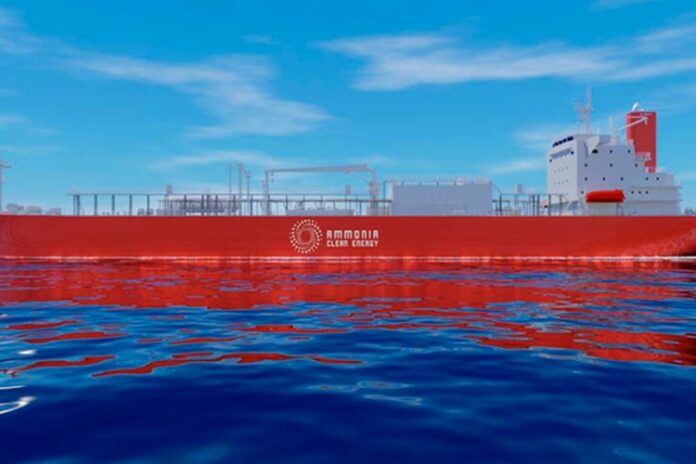
The vessel is a mid-size ammonia/LPG carrier equipped with a main engine that can run on ammonia, which emits no CO2 during combustion. The vessel uses some of the ammonia loaded as cargo as fuel, with the aim of achieving net-zero CO2 emissions while underway.

Ammonia is expected to be a next-generation clean energy source, but special measures are needed to ensure sufficient safety against its characteristics of flammability, toxicity, and corrosiveness. In addition, there are currently no international regulations on the use of ammonia as a marine fuel. Therefore, the three companies conducted hazard identification studies (HAZID) with ClassNK and Lloyd’s, respectively, which have in-depth knowledge on ship safety and guidelines for ammonia-fueled vessels. As a result of the risk assessment of using ammonia as marine fuel from multiple perspectives, both classification societies recognized the safety of the vessel’s basic design.

Leveraging the knowledge gained from these risk assessments and AiP acquisition, the three companies will move ahead with the design of the vessel, which will be a net-zero emission ocean-going vessel, with an eye toward delivery around 2026.

Anticipating an increase in the need for ammonia as a marine fuel and greater demand for transporting it, the three companies are committed to playing a role in society’s overall decarbonization efforts by providing clean ocean transport solutions with the zero emission ocean-going vessels.

Corio joins Global Offshore Wind Alliance to help countries meet renewable targets

0

Corio Generation is joining the Global Offshore Wind Alliance, an international coalition founded by the Government of Denmark, the International Renewable Energy Agency (IRENA) and the Global Wind Energy Council (GWEC) to help countries transform their economies using offshore wind power.

Corio will join as one of GOWA’s leading industry representatives and has pledged to work with the alliance’s membership to ramp up offshore wind deployment worldwide. Governments that have so far joined the alliance include Australia, Belgium, Colombia, Denmark, Germany, Ireland, Japan, the Netherlands, Norway, the UK and the USA.

Launched at COP27 in Egypt in November 2022, GOWA aims to be a driving force for the worldwide rollout of offshore wind through political mobilisation and the creation of a global community of practice. The alliance will consider ways to deliver a minimum of 380 GW in offshore wind capacity by 2030, with 35 GW on average each year across the 2020s and a minimum of 70 GW each year from 2030, culminating in a global target of 2,000 GW by 2050.

Jonathan Cole, CEO of Corio Generation, announcing that Corio is joining GOWA, commented:

“In all regions of the world, across advanced and emerging economies, governments are looking seriously at offshore wind as a reliable source of clean, green and affordable renewable energy. Rapid technological progress has opened the door to deploying offshore windfarms at scale, but barriers remain which can only be solved if public and private sectors work together.”

Ben Backwell, CEO of GWEC, said:

“We are delighted Corio Generation are joining the Global Offshore Wind Alliance. To deliver the enormous potential of offshore wind, governments, international organisations and the private sector must work together – Corio is perfectly positioned to bring the expertise required to remove barriers and help scale-up the deployment of offshore wind in emerging markets.”

The Global Offshore Wind Alliance will provide a forum for knowledge exchange and peer-to-peer learning and capacity building for governments. To support national offshore wind rollout plans, GOWA will look for solutions on designing regulatory frameworks, financial de-risking, system integration, and the sharing socio-economic benefits among other topics.

Belov Engenharia Shipyard delivers ‘E-Pushboat’ HB Poraque

0

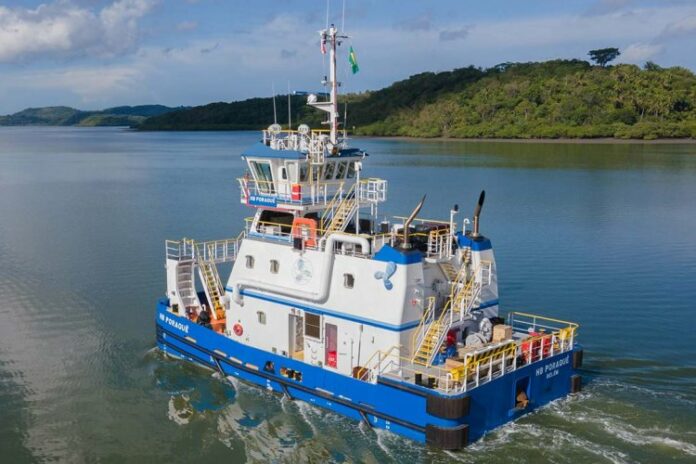
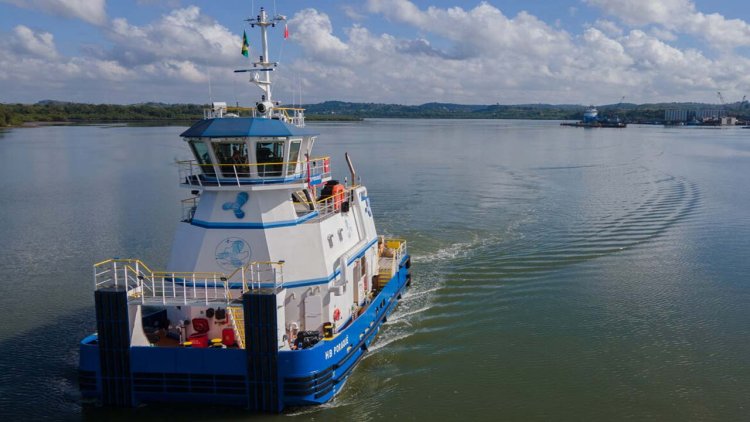
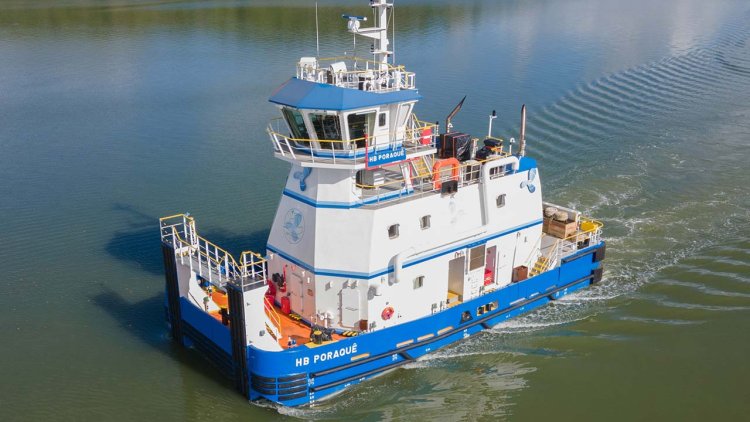
Belov Engenharia Shipyard, located in Salvador, Brazil, has delivered the first Robert Allan Ltd. designed RApide 2000-E pushboat – HB Poraque. It is the first of two innovative battery/diesel electric vessels for Hidrovias do Brasil S.A., a leading South American logistics operator. The HB Poraque is the world’s first battery electric shallow draft pushboat.

The second vessel, the HB Enguia, is expected in May 2023. The vessels will provide terminal assistance in the Amazon River system and can perform their core operations purely on battery power.

The RApide 2000-E designs are fitted with a DC grid diesel-electric propulsion system, comprising two diesel generators, two L-drives and a large battery bank. The pushboat can operate in zero emissions mode and the 600 kWh batteries have sufficient endurance to perform its primary role, with the future expansion to 2000 kWh enabling secondary roles to also be performed with zero emissions. The two L-drive units each have an input power of 375 kW. The propulsion system is diesel-electric to improve efficiency when operating in multiple power modes.

The particulars of the RApide 2000-E are as follows:

Length overall: 20.4 m
Beam, moulded: 10.0 m
Depth, moulded: 3.2 m
Minimum operating draft: 2.2 m
Normal operating draft: 2.4 m
The vessel is certified as an inland navigating vessel by DNV Class Notation:

✠ 1A, (Z), IN(0.6), Pusher, Battery Power, Amazon / EO, BIS

The vessel’s accommodations are outfitted to MLC compliant standards for a crew of up to 10 personnel.

The propulsion system of the pushboat comprises a pair of Schottel SRP210L-FP thrusters, capable of being removed from above, powered by two permanent magnet electric motors. The entire electric system was designed, manufactured, and integrated by WEG, including the battery packs. Two Caterpillar C18 diesel generators provide redundancy and the capability to perform longer missions.

ClassNK issues AiP for conversion plan of medium-sized SEP vessel

0

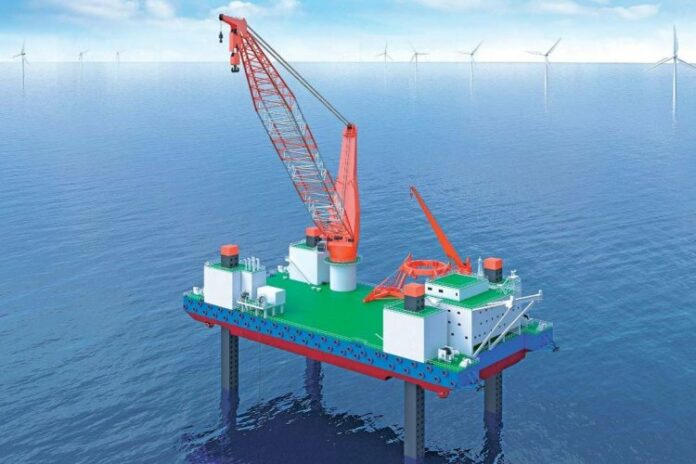
ClassNK has issued an Approval in Principle (AiP) for the conversion plan of the medium-sized self-elevating platform (SEP) vessel for the installation of large wind turbine generator (WTG) on a semi-sub floater in port jointly developed by TOA Corporation (TOA), NIHON SHIPYARD CO.,LTD. (NSY), and Japan Marine United Corporation (JMU).

This project involves a semi-sub floater developed by JMU, and a large WTG to be installed by converted SEP vessel. As a solution to the current lack of port facilities for installing a large wind turbine on a foundation at ports in Japan, TOA, NSY and JMU have been jointly researching and developing a method to convert a medium-sized SEP vessel to be used as a jacked-up tall crane in a port. 

Such three-party’s joint R&D is based on the SEP vessel (equipped with a 1,250-ton crane) under the construction at JMU shipyard and to be co-owned by two companies including TOA corporation after her delivery. The converted SEP will enable the installation of large wind turbines even at ports without adequate facilities and is expected to promote the expansion of floating offshore wind power generation by providing a wider range of base port options.

ClassNK carried out a review of the jointly developed conversion plan in line with Part O of the Rules for the Survey and Construction of Steel Ships and issued the AiP on verifying conformity to the prescribed requirements.

RWE and Northland Power choose Havfram Wind to transport turbines for Nordseecluster

0

RWE (51%) and Northland Power (49%) have selected Havfram Wind as the preferred supplier for their cluster of up to 1.6 gigawatts (GW), which consists of four offshore wind farm sites in the German North Sea.

The Norwegian company is to transport and support the installation of a minimum of 104 Vestas offshore wind turbines with a capacity of 15 megawatts (MW) each. All deliverables are subject to final investment decisions for each of the individual phases for the Nordseecluster (A and B).

Benjamin Miethling, Northland Power’s Managing Director of the Nordseecluster:

“We expect to achieve substantial economies of scale and leverage synergies during the development, construction and operation of the four wind farms. Our preferred supplier agreement with Havfram Wind, which encompasses all four projects, attests to the efficiency of concentrating activities such as procurement.”

Sven Schulemann, RWE’s Managing Director of the Nordseecluster:

“This is the next important milestone on our way to completing this 1.6-gigawatt cluster. When the Nordseecluster is fully operational at the beginning of 2029 it will generate enough green electricity to supply the equivalent of 1,600,000 German households every year.”

The Nordseecluster will be constructed in two phases. Two wind farms (N-3.8 and N-3.7) with a combined capacity of 660 MW are currently in the permit application phase. Turbine installation at sea is expected to start in 2026, with commercial operations starting in early 2027. Of the total of 104 Vestas turbines, 44 are reserved for this initial stage (Nordseecluster A). Two further wind farms (N-3.6 and N-3.5) for the second phase (Nordseecluster B) will add an additional 900 MW of capacity, with commercial operation expected to start in early 2029. For both sites, RWE and Northland Power plan to bid and exercise their step-in rights in this year’s German offshore wind auctions – as they did in 2021 for Nordseecluster A.

Havfram Wind is an offshore wind construction company that specialises in transport and installation services for both bottom fixed and floating projects in the offshore wind sector. For the Nordseecluster Havfram Wind will be utilising one of its newly built NG20000X Jack-Up vessels with a 3,250-tonne crane.

Even Larsen, CEO Havfram Wind:

“Signing the preferred supplier agreement for the transport and installation support of the entire lot of wind turbines for a gigantic project like Nordseecluster is proof of our growing position in the market. I am proud of the trust RWE and Northland Power have in the Havfram Wind team. Participating in such a project of scale is a milestone for our development as a pure play offshore wind company.”

The Nordseecluster will be located close to the existing 332 MW Nordsee One wind farm, which RWE and Northland Power co-developed and continue to operate jointly. In order to deploy the cluster, the partners will rely on experienced suppliers like Havfram Wind, as well as their own expertise in offshore wind.