0.9 C
New York
Home Blog Page 312

Wind farms drive away certain seabirds: study

0

The findings highlight the need to minimize the impact of offshore wind farms on seabirds, while balancing this effort with the demand for renewable energy.

Previous research has found that different seabird species respond to offshore windfarms differently—they may avoid the area which can lead to habitat displacement or they may be attracted to the area which can increase mortality via collisions with the turbines. However, it is difficult to estimate the long-term population impacts of offshore windfarms on seabird populations.

Stefan Garthe and colleagues investigated how red-throated loon abundance changed before and after the construction of five offshore windfarm clusters in the southeastern North Sea dubbed BARD/Austerngrund, Dan Tysk, Butendiek, Helgoland, and North of Borkum. The authors used data on loon numbers from ships, aircraft, and digital aerial surveys collected during March and April between 2010 and 2017. They modeled how the density of loon populations changed within the area up to and beyond ten kilometers away from the windfarm.
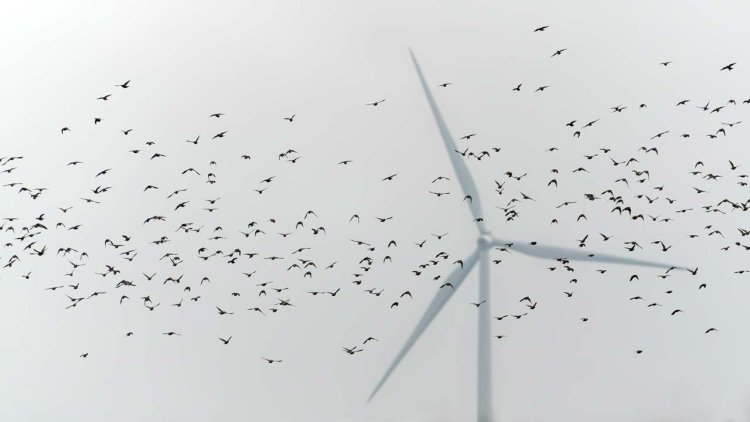
Offshore wind farms in the North Sea have reduced the population of loons—fish-eating aquatic birds also known as divers—by 94% within a one-kilometer zone, according to new research published in Scientific Reports. The findings highlight the need to minimize the impact of offshore wind farms on seabirds, while balancing this effort with the demand for renewable energy.

Previous research has found that different seabird species respond to offshore windfarms differently—they may avoid the area which can lead to habitat displacement or they may be attracted to the area which can increase mortality via collisions with the turbines. However, it is difficult to estimate the long-term population impacts of offshore windfarms on seabird populations.

Stefan Garthe and colleagues investigated how red-throated loon abundance changed before and after the construction of five offshore windfarm clusters in the southeastern North Sea dubbed BARD/Austerngrund, Dan Tysk, Butendiek, Helgoland, and North of Borkum. The authors used data on loon numbers from ships, aircraft, and digital aerial surveys collected during March and April between 2010 and 2017. They modeled how the density of loon populations changed within the area up to and beyond ten kilometers away from the windfarm.
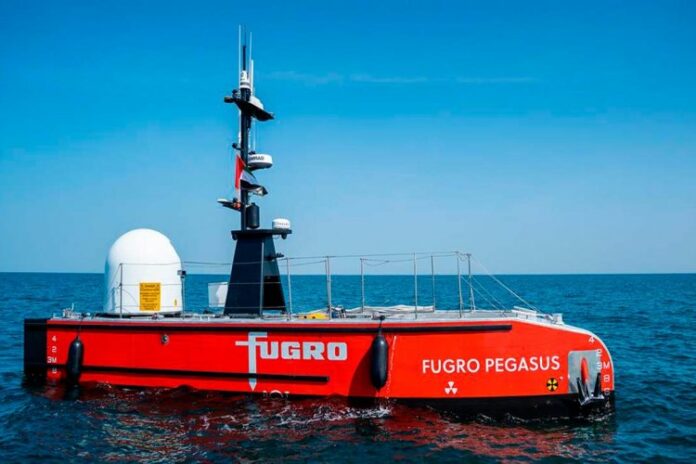
Fugro’s expands its horizon with the first UAE-flagged uncrewed surface vessel

0

This is the first registration of an over-the-horizon USV in the country, making the Fugro Blue Essence USV the first vessel in its class to meet multiple independent maritime authorities’ operational standards.

The Blue Essence® vessel, built by Fugro’s partner SEA-KIT International, which can be controlled from anywhere in the world, was designed for inspecting subsea assets. The Remote Inspection Solution incorporates the Blue Volta® e-ROV, that extends the inspection portfolio up to 400 m water depth. 

Blue Essence® allows experts to deliver projects from Fugro’s onshore remote operations centres (ROCs) safely out of harm’s way while experiencing a better work-life balance. Its advanced systems, and an array of geophysical sensors, allow subsea inspection asset and site characterisation surveys, enabling the Fugro Blue Essence® vessel to conduct operations safely and efficiently, reducing emissions by 95% versus conventional vessel operations.

“There were no existing regulations for uncrewed vessels, so we formed a working group with UAE authorities and local partners to facilitate the process,” said Hannes Swiegers, Director of Remote Operations, Middle East and India, at Fugro. “We are proud to have achieved the first-ever registration of an over-the-horizon USV in the country and are confident that the vessel will support the UAE’s efforts to maintain their subsea infrastructure, whilst contributing to environmental protection and maritime safety.” 

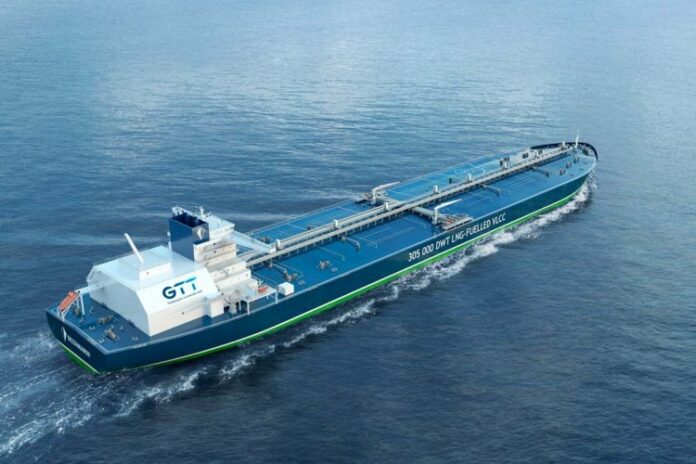
Deltamarin and GTT receive AiP from ClassNK for a LNG fueled VLCC design

0

Deltamarin, GTT and ClassNK have been collaborating on the development of an LNG-fueled energy-efficient Very Large Crude Carrier. The vessel will meet current and future environmental targets by deploying a well-studied, pre-approved and truly clean-fuel technology ship containing GTT Membrane-type LNG tanks with LNG fuel stored at atmospheric pressure.

The AiP was received from NK 1st March 2023.

In close cooperation with GTT, Deltamarin studied different arrangements and solutions for placing the tank on the vessel. The ship’s energy efficiency was studied with the latest simulation tools and a holistic approach, providing not only a vessel using LNG as fuel but also the best possible efficiency with low emissions in this ship size class.

The approval from ClassNK proves that the onboard integration of a membrane fuel tank solution is technically feasible on an LNG-fueled tanker and that it meets all safety regulations. The new design offers a solution that complies with the environmental regulations adopted by the International Maritime Organization (IMO) until 2030. Compared to a traditional oil-fueled tanker, the new LNG-fueled tanker design reduces CO2 emissions by at least 20%. It also offers greater autonomy without reducing cargo volume.

The joint development between GTT and Deltamarin has innovated a holistic approach to overall efficiency and optimized for specific sea routes while taking into account hull form, propulsion, LNG containment system and power plant configuration.

Partners receive funding of 5.9 million euros for major clean energy initiative

0

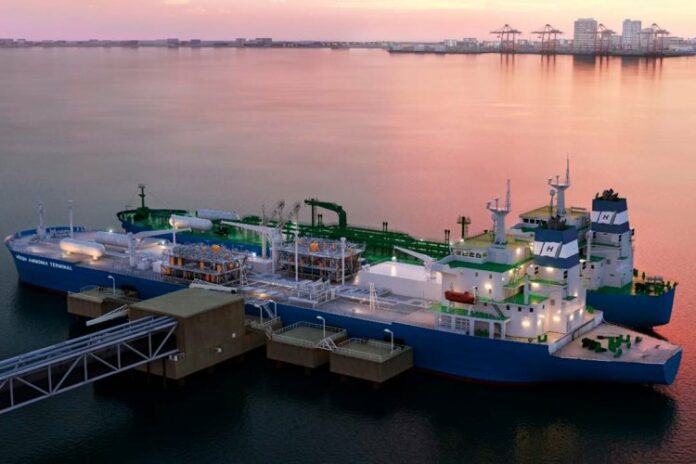
Technology group Wärtsilä, along with Norway based Höegh LNG and other partners, Institute for Energy Technology (IFE), University of South-East Norway, Sustainable Energy and BASF SE have received funding of approximately EUR 5.9 million from the Norwegian Government. 

The funding is for the development of ammonia as a hydrogen carrier for the energy market and is a part of Norway’s Green Platform programme of initiatives and amounts to approximate 50% of the total budget for the joint project.

The project is designed to enhance the availability of large-scale storage and transportation capabilities of clean energy. Hydrogen is emerging as a viable future fuel for addressing the move away from fossil fuels. However, it is difficult to store and transport due to its low volumetric energy density and with potential large vaporisation losses. Ammonia is significantly better suited than hydrogen for this purpose, since it can be stored in liquid form at moderate pressures and temperatures. The objective of the project is to enable ammonia to be converted back to hydrogen at the receiving destination.

As a carbon-neutral renewable energy carrier, ‘green’ ammonia is produced from hydrogen, via electrolysis of water, and nitrogen from the air. The significant emission reduction impact will reflect this green approach when the energy is consumed. Green ammonia acts as a liquid battery with a high energy density compared to alternative solutions for the storage and transport of renewable power. The infrastructure for the large-scale transport of ammonia at sea already exists via a fleet of gas tankers having ammonia on the cargo list.

“This important project is a natural extension of the investments and efforts made by Wärtsilä to accelerate the use of decarbonised energy. Hydrogen will play a considerable role in future renewable fuel consumption, and there is a clear need for the development of Ammonia as a storage and transportation carrier for hydrogen. We are grateful to the Norwegian government for its support and funding, and we appreciate also the cooperation of Höegh LNG and our other partners in making this project possible,” said Walter Reggente, Vice President of Wärtsilä Gas Solutions.

“As a world leading provider of fast-track floating LNG terminals, we are well-positioned to support the transition to clean, carbon-free energy. New and innovative solutions will need to be developed and we look forward to working together to ensure we remain at the forefront of the energy transition,” said Erik Nyheim, CEO and President of Höegh LNG.

The project aims to develop a system to convert ammonia back to hydrogen, which will then be installed onboard a Höegh LNG vessel. This will provide a floating receiving terminal capable of being relocated as needed, requiring minimal use of coastal land and a solution resulting in lower overall cost, improved safety and competitive hydrogen prices.

New design to bolster Maersk Supply Service’s European foothold

0

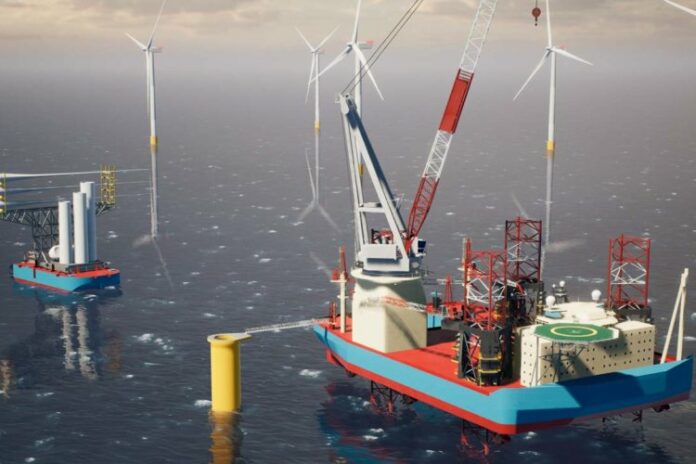
The aim is to create an upgraded version that is fit for purpose for the growing offshore wind market in Europe.

The new design will build on the same patent and characteristics of the current feeder concept, which was designed to operate in US waters. This unique patented design will allow the jack-up Wind Installation Vessel to stay on location at the wind park, while only tugs and barges sail back and forth from port to collect the wind turbine tower, nacelle, and blades. This concept is cost-competitive and expected to be more than 30% more efficient than conventional jack-up vessels.

Additionally, this solution will be less weather dependent, enabling continuous installations year-round. Combined, these elements will contribute to improving operational efficiency and lower levelised costs of energy from offshore wind.

Europe is an attractive market for offshore wind, and we believe that our concept is also suitable for this region. As the Wind Installation Vessel itself does not sail into ports, this can solve some of the bottlenecks we currently see in Europe, where only a few ports are large enough to handle the growing wind turbine sizes. We look forward to collaborating with GustoMSC on getting this new basic design ready,” says the Chief Commercial Officer at Maersk Supply Service, Jonas Munch Agerskov.

“As GustoMSC, a subsidiary of NOV, we look forward to working with the Maersk Supply Service team on a next generation wind turbine installation jack-up for the international market. Having a decades long history of working together, both companies will combine their years of offshore experience and design know-how in this collaboration. Against the backdrop of growing turbine sizes, we jointly aim to further improve installation efficiencies and development economics in the bottom-fixed offshore wind market.”, says Managing Director GustoMSC, Nils van Nood.

Maersk Supply Service and GuscoMSC will start the basic design process shortly and expect to conclude it later in 2023.

VIKAND partners with cruise operator Compagnie Française de Croisières

0

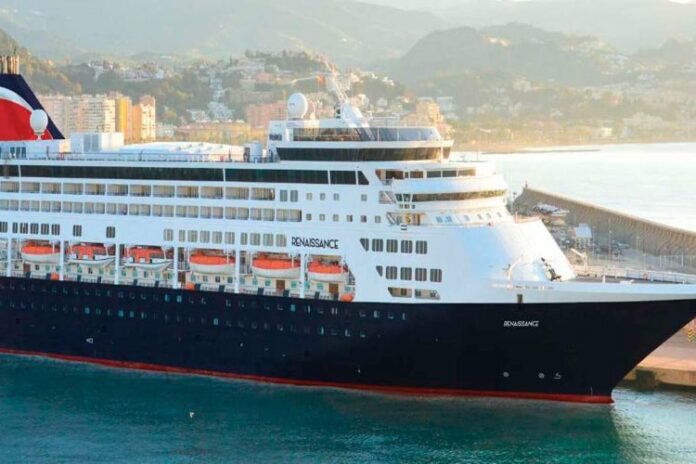
Global healthcare specialist VIKAND is partnering with Compagnie Française de Croisières (CFC) to provide its full medical service to ensure the highest level of care for both passengers and crew on CFC’s cruise vessel M/V Renaissance. 

Under the partnership agreement VIKAND will provide a team of experienced French speaking medical professionals both onboard and ashore to cater for the health and wellbeing of everyone travelling with the Renaissance. 

VIKAND’s team have been working with CFC during the Renaissance’s high quality refurbishment transformation into a cruise liner personifying the French spirit in cruising. The team have ensured that it meets all compliances by evaluating the medical facility and conducting a total health care audit and biomedical equipment review. This will give the vessel a strong healthcare foundation allowing the crew to concentrate on providing passengers with an unforgettable French inspired experience.   

Once the vessel has been launched, VIKAND will also manage the onboard medical facility and day-to-day clinical operations. Ultimately, the medical team will proactively focus on healthcare risk reduction, crew welfare and guest satisfaction.   

CFC was founded by Clément Mousset and Cédric Rivoire-Perrochat, both of whom are well known in the world of cruising. Their aim is to relaunch French style cruises for French speaking guests by creating a luxury sea voyage atmosphere, evoking French culture and heritage. 

The Renaissance has 629 cabins and can hold up to 1,100 passengers with a complement of 560 crew members. The Bermuda flagged vessel will depart and return exclusively from the ports of Le Havre and Marseille with voyages lasting over twelve days.  

“Offering best in class healthcare and public health management is at the core of what VIKAND is about. Our motto is ‘we can because we care’ and I am pleased that CFC shares those values. Our strategic partnership will grow even stronger as time goes on and we will continue to be attentive and caring to their crew and guests’ medical needs,” said Peter Hult, CEO of VIKAND. 

“I knew we needed a quality healthcare partner that we could trust and as VIKAND’s reputation is second to none, it was an easy decision to make.  Their medical professionals will stop at nothing to make sure that every passenger and crew member’s health needs are taken care of.  They have such a wide pool of talented people to choose from including French speaking doctors and nurses which is important as we’re targeting our home market and need people who can relate to our guests,” said Ralph de Klijn, COO of CFC. 

“I feel that our concept of bringing back the glamour and tradition of cruise travel where every guest feels special, will only be enhanced with VIKAND’s proactive commitment to healthcare and safety at sea. VIKAND’s professional approach will make our passengers feel safe and secure, giving our crew and hospitality teams the freedom to focus on creating that ultimate guest experience,” he added. 

First cross-border offshore wind project on Spanish-Portuguese border announced

0

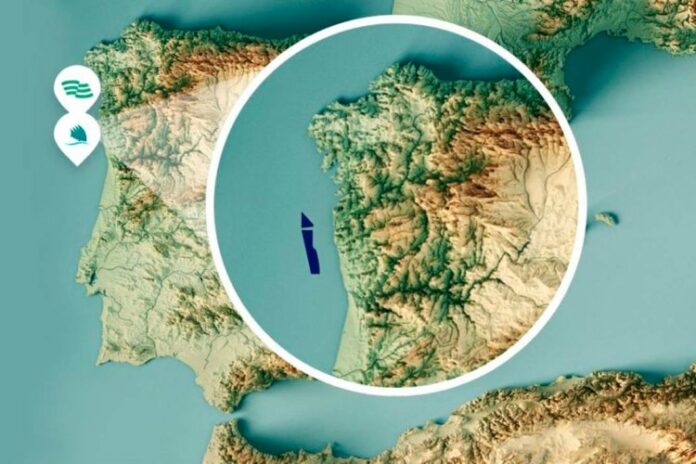
IberBlue Wind, a joint venture operating in the Iberian market, has announced  two floating offshore wind projects on the North Atlantic coast. They will be located on the border between Spain and Portugal and, have a combined capacity of up to 1.96 GW.

The projects named Juan Sebastián Elcano and Creoula will have approximately 109 turbines and will occupy an area of 530 square kilometers off the coasts of Baixo Miño in Pontevedra and Viana do Castelo. When operational, they will have the capacity to supply electricity to over one million homes. The names Juan Sebastián Elcano and Creoula were chosen for the projects as a tribute to two historic training ships that are part of the Spanish and Portuguese Navy.

The global investment required for the construction and maintenance of the two projects could exceed 4,000 million euros and generate more than 5,000 jobs. These projects represent a pioneering approach to offshore floating wind development that will bring important benefits for both countries. It is estimated that the cost of their joint development could be 32% lower than if they were to be developed separately. This will maximise synergies in resourcing and economies of scale during both the construction phase and operation phases. Consequently, reducing energy prices for both countries, which operate as one within the Iberian Electricity Market – MIBEL.

Adrián de Andrés, Vice President of IberBlue Wind said:

“It is very exciting to develop cross-border floating offshore wind projects and to collaborate with both Portuguese and Spanish governments on this positive opportunity for both countries. We have already engaged with both authorities when we presented our projects to the Spanish and Portuguese authorities, and we look forward to continued engagement.”

Juan Sebastián Elcano will consist of 29 wind turbines, of 18 MW each, which gives it a nominal capacity of 522 MW. The wind turbines, installed on floating platforms anchored to the seabed, will extend from As Mariñas to A Guarda, over an area of117 square kilometers. At between 20 and 35 kilometers from the coast, their visual impact will be much reduced.

The location is within the delimitations recently established by the Spanish Government under their Maritime Space Management Plans (POEM), among which is the North Atlantic demarcation, called NOR-1. The project will support local Galician industry which has the ability and experience to undertake this kind of project.

Creoula will have 80 turbines of 18 MW each and an installed capacity of 1,440 MW. The project will cover an area of 413 square kilometers and be between 20 and 40 km from shore.

Creoula is also located within the areas proposed by the Portuguese Government for offshore wind farm development and will contribute to the target set to install 10 GW of offshore wind by 2030.

The construction and operation of both projects will require ongoing collaboration between the developers and many different stakeholders, including civil society, coastal communities and other sea users. IberBlue Wind has already established relationships with port authorities, regional and local administrations, and representative bodies in the two areas, with the aim to positively integrate the projects into the local environments and deliver a sustainable socio-economic opportunity.

Fugro supports floating wind farm project in the Mediterranean

0

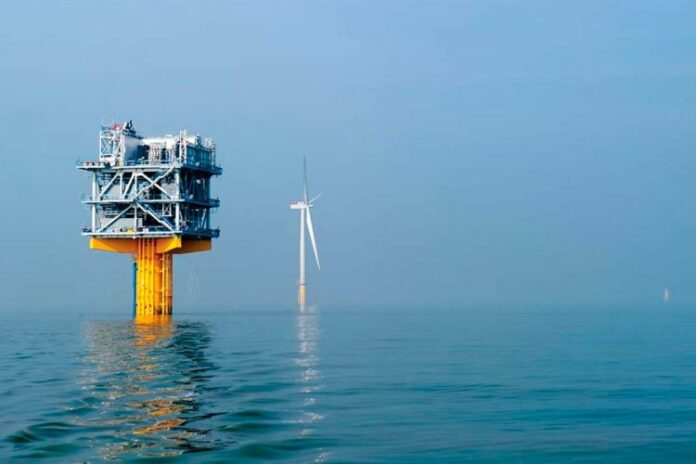
RTE (Réseau de Transport d’Electricité) has awarded Fugro a contract to perform a geotechnical investigation for future offshore substations (OSS) at two floating wind farm sites in the Gulf of Lion in the Mediterranean Sea.

OSS are a vital component of wind farms as they collect the electrical energy produced in wind turbines and convert it to a high voltage before being transferred onshore via export cables. Fugro’s Geo-data will provide insight into seabed conditions, not only enabling reliable and efficient OSS design, but also helping to derisk the project’s future developmental phases.

After a thorough evaluation of environmental impacts, Fugro mobilised its Gargano vessel today, equipped with state-of-the art drilling, sampling and cone penetration testing equipment. Fugro will perform a series of deep geotechnical boreholes to acquire data on ground conditions for OSS foundations.

The resulting Geo-data from Fugro’s investigations will be used to develop a comprehensive ground model which will include the integration of previously acquired geophysical data. This will be used by RTE and developers as input for future tenders and OSS designs.

Denys Borel, Fugro’s Commercial Manager France commented:

“We are delighted to have been awarded this key project for the development of floating wind farms in the Mediterranean Sea. Our vast technical expertise and resources ensure timely delivery of the preliminary geotechnical data, which will be instrumental in advancing the OSS design process. We are committed to supporting the French government in achieving its sustainability goals and we look forward to contributing to the success of this important renewable energy initiative.”

These offshore developments are part of the French government’s plans to accelerate the growth of offshore wind power in France, with each of the two sites having a capacity of 750MW. 

Wärtsilä to operate power modules on FPSO vessel offshore Brazil

0

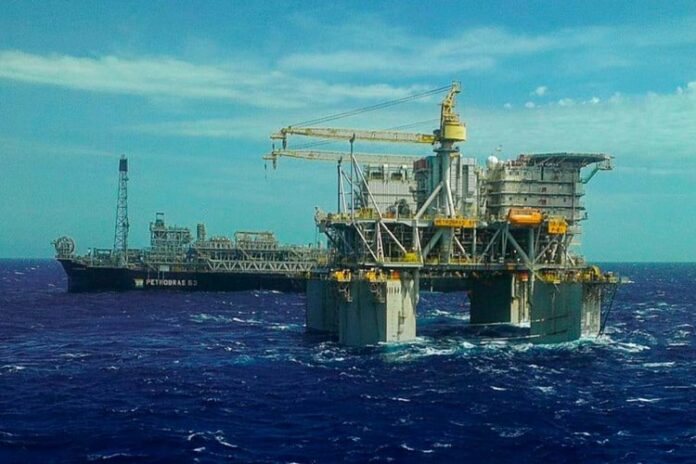
The vessel operates in the Papa Terra oilfield in Brazilian waters. Wärtsilä has also signed a five-year Optimised Maintenance Agreement with 3R Petroleum to ensure the reliability and performance of the installation. The order was included in Wärtsilä’s order book in December 2022.

3R Petroleum has purchased the oilfield from Petrobras, with whom Wärtsilä had an earlier agreement. The FPSO vessel has three power modules, each with two Wärtsilä 50DF dual-fuel engines. Under the new contract, Wärtsilä will continue to have an onboard crew operating the modules on a 24/7 basis. 

For the Optimised Maintenance Agreement, Wärtsilä will monitor the engine performance remotely enabled by the cyber secure connectivity solution. With the Dynamic Maintenance Planning the time between overhauls can be optimised which provides flexibility for scheduling maintenance.

Humberto Romanus, Facilities Manager for 3R Petroleum, says:

“We are pleased to have Wärtsilä as a skilled and experienced partner in operating and maintaining this FPSO. We feel that they are clearly the most qualified company for this project, and we look forward to working with them.”

Carlos Mikus, Lifecycle Sales Manager at Wärtsilä, explains:

“We have been involved with this vessel since the beginning when it was owned by the Petrobras group. We are very happy to continue this cooperation with the new owners.”

U.S. Navy awards Bollinger Shipyards contract to build sixth berthing barge

0

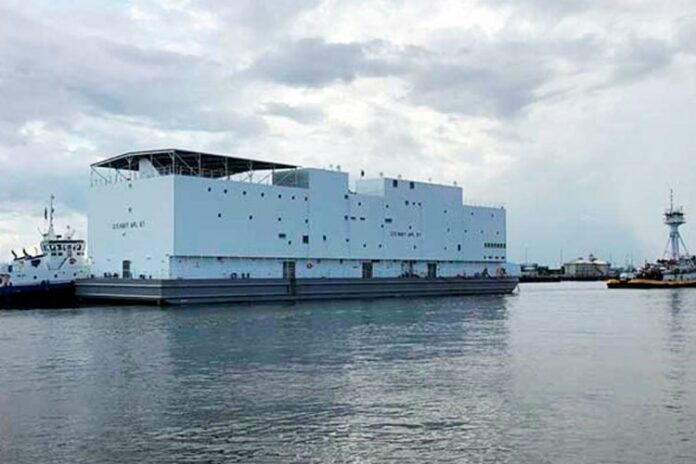
Bollinger Shipyards (“Bollinger”) has announced that the U.S. Navy has awarded the Lockport-based shipbuilder the detailed design and construction contract for the sixth Auxiliary Personnel Lighter–Small (APL(S)) 67 Class berthing and messing barge. 

“We are honored to be entrusted by the U.S. Navy to build the sixth APL berthing barge,” said Ben Bordelon, President and CEO of Bollinger Shipyards. “This contract is a testament to the hard work and dedication of our team at Bollinger, and our commitment to delivering high-quality, reliable vessels that meet the Navy’s rigorous standards. We look forward to continuing to grow our partnership with the Navy and delivering this critical asset to support our national defense.”

The previous five APLs were built by VT Halter Marine, which Bollinger acquired in late 2022. Halter received the initial contract in 2018. APLs are used by the Navy to house crewmembers when ships are in port for availabilities and Inter-Deployment Training Cycles. The barges are mobile and can be towed to new bases or shipyards to support changing fleet requirements and also offer potential use for humanitarian missions and other temporary assignments.

APLs are 269 feet long, 69 feet wide and have a draft of 7 feet. Each vessel is equipped with offices, classrooms, washrooms, laundry facilities, medical treatment areas, a barber shop and fitness center. With mess seating for 224 enlisted personnel and 28 officers, each meal is served via five 20-minute shifts to allow food service for 1,130 personnel (three meals per day).

The vessels are fitted with mixed gender berthing spaces for 74 officers and 537 enlisted personnel, for a total of 611 people.