0.8 C
New York
Home Blog Page 294

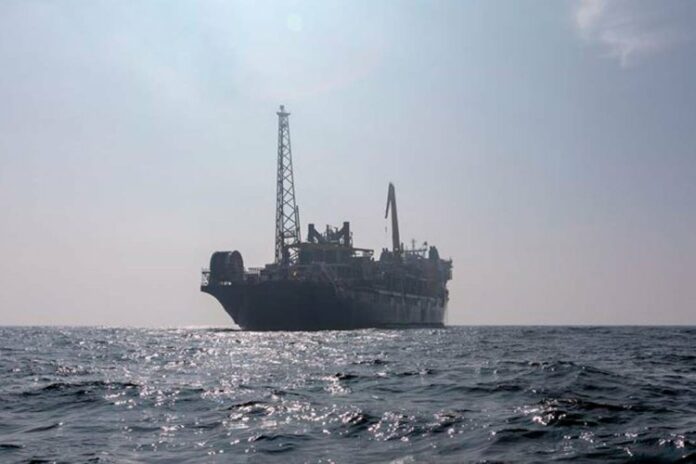
Alvheim FPSO celebrates fifteen years of production

0

When PDO was submitted to the Government in 2004, the reserves estimate was 171 million barrels of oil equivalents. Production from the Alvheim field exceeded this volume in early 2014. Today, the amount produced from the Alvheim area in total is more than three times the PDO estimate.

The Alvheim field consists of multiple oil and gas deposits. In addition to the original deposits in the Alvheim area (Kneler, Kameleon, Boa and Vilje) there are several other discoveries that are either already tied in to the Alvheim FPSO, or currently being developed. The latest addition is the Tyrving development, which today received governmental approval.

“I am very pleased to see utilisation of existing infrastructure to increase production of oil and gas. This extends the lifespan of important fields on the Norwegian continental shelf at a time when Europe needs all the energy we can supply”, said Minister of Petroleum and Energy, Terje Aasland.  “And since we, on this particular day, celebrate the 15th anniversary of Alvheim, it is appropriate for me to announce the approval of the development of Tyrving tie-in project”

Earlier this year, production from the Frosk field commenced, and KEG (Kobra East & Gekko) is under development. These new fields contribute to the lifetime extension of the Alvheim FPSO.

Ine Dolve, SVP for the Alvheim Asset in Aker BP said:

“Even after 15 years in production we are still breaking records in the performance of the production vessel. We have had a continuous improvement in production efficiency throughout the period both in terms of uptime and costs. We have a dedicated team with strong ownership that delivers world-class results, and licensees that back us up in a fantastic way”

The main concept for the geology is essentially unchanged, but with the help of 3D and 4D seismic, and production data from the wells, we have increased our knowledge of the subsurface considerably. And by constantly adopting new drilling technology, it has become possible to drill several long multi-lateral wells with great precision.

“New discoveries and fields linked to the Alvheim FPSO contribute to the fact that we are now planning operations until 2040 and have an ambition for the vessel to process a billion barrels before we shut down”, said Ine Dolve.
Port of Tauranga orders four new hybrid straddle carriers

0

The order was booked in Cargotec’s Q2 2023 order intake, with delivery scheduled for Q4 of 2023.

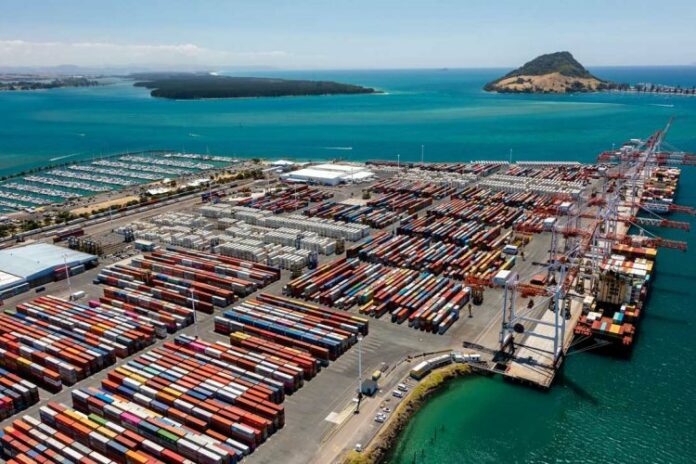
The Port of Tauranga, located on New Zealand’s North Island, is the country’s largest container terminal and its premier freight gateway, handling around 25 million tons of cargo and 1.2 million TEU a year. The port boasts significant land holdings and unrivalled sea, road and rail connections, and it has invested significant capital in recent years to enable it to process the largest container vessels visiting New Zealand today. Its equipment fleet already includes a number of Kalmar straddle carriers, including three hybrid models purchased in 2020.

Dan Kneebone, Property & Infrastructure Manager, Port of Tauranga:

“We purchased our first Kalmar straddle carriers back in 2000, and those machines are still fully functional after 22 years. We aim to be carbon-zero by 2050 and to reduce our emissions by 5% per year relative to cargo volumes. To achieve this target we need to renew our fleet with eco-efficient equipment. We’ve had great success with our three existing hybrids, which are around 25% more fuel efficient than our diesel-electric fleet.”

Allan M. Baker, Sales Director, Asia Pacific, Kalmar:

“As a loyal Kalmar customer of over 20 years, Kalmar is very pleased to continue our collaboration with the Port of Tauranga. Our hybrid straddle carriers, which can cut fuel consumption by up to 40% compared to equivalent diesel-powered machines, will have an important role in helping the port both meet its tough carbon-reduction targets and fulfil its ambitious growth plans.”

The Mission to Seafarers launches world’s first Digital Seafarers’ Centre

0

The Mission to Seafarers, an international maritime welfare charity, has unveiled its “Happy at Sea” mobile app at an exclusive launch event during Nor-Shipping 2023. 

For the first time, this app provides seafarers with centralised access to The Mission to Seafarers’ services which are available day and night, 365 days a year, in over 200 ports across 50 countries.

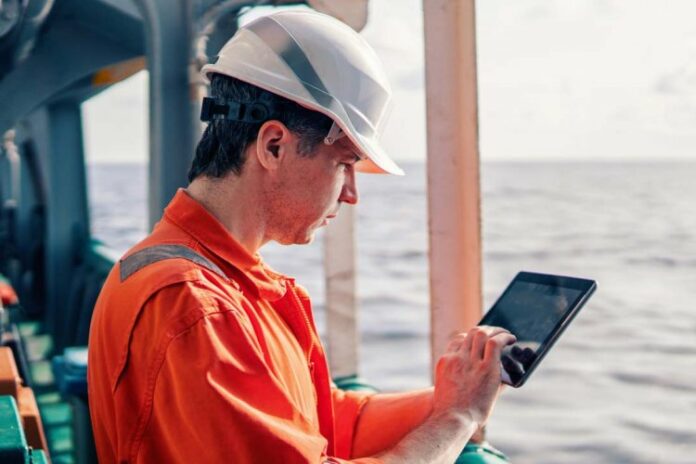
Billed as the world’s first digital seafarers’ centre, the Happy at Sea app empowers seafarers to take charge of their port welfare needs and safeguard their mental health. The free-of-charge app offers an array of features including the ability to pre-order requests ahead of port visits and access the Mission’s extensive range of wellbeing resources even when offline, addressing the issue of limited internet access onboard ships. The Seafarers Happiness Index survey can also be easily completed within the app, followed by tailored resources and support based on each seafarer’s responses. By embracing this innovative platform, seafarers gain access to vital support in an efficient and user-friendly manner.

The Happy at Sea app can be downloaded from either the Apple iOS App Store or the Google Play Store. The app’s small size ensures that it can be easily downloaded even with limited internet connectivity. Regular updates to the app will introduce new functionality to enhance the user experience. The app also features the Flying Angel, an innovative chatbot powered by AI technology, designed to provide quick responses to frequently asked questions.

In addition to accessing a global directory of the Mission’s teams, seafarers will have the ability to instantly pre-order a wide range of services. These include ship visits by port welfare officers, transportation, shopping items such as SIM cards, and even private pastoral counselling sessions with trained professionals for those requiring specialised support. The Happy at Sea app will significantly enhance the well-being of seafarers by providing them with accessible resources and support when they need it most.

Other features of the Happy at Sea app include a simple log-in process, a comprehensive port database for effortless check-ins, and the ability to stay updated with the latest news even without an internet connection. This is due to the app’s functionality to automatically download news in the background while connected to WiFi to avoid using up costly data; data being a critical lifeline keeping seafarers in contact with loved ones.

Ben Bailey, Director of Programme at The Mission to Seafarers, said:

“Our goal with the Happy at Sea app is to enhance the lives of seafarers worldwide by centralising our resources. Since the onset of the pandemic, we have witnessed a significant surge in requests for support through digital channels, be it through our CrewHelp service, local Facebook pages, and WhatsApp groups. This app will enable seafarers to easily track their requests, while also empowering our teams to work more strategically within the ports.”

Eman Abdalla, Global Operations & Supply Chain Director, Cargill Ocean Transportation, added:

“At Cargill Ocean Transportation making zero harm shipping a reality is our mission and indeed it all starts with the crew’s wellbeing. Therefore, supporting the Happy at Sea app and The Mission to Seafarers was the perfect opportunity to give seafarers access to a multitude of services that can only improve and promote their well-being.”

The Happy at Sea app is available for both Apple and Android devices, ensuring broad accessibility to seafarers across the globe. It will initially be launched in the Mission’s Oceania Region from June 2023, with plans for a gradual rollout across its extensive network of locations in the coming months.

Deltamarin & BARTech make hull collaboration announcement

0

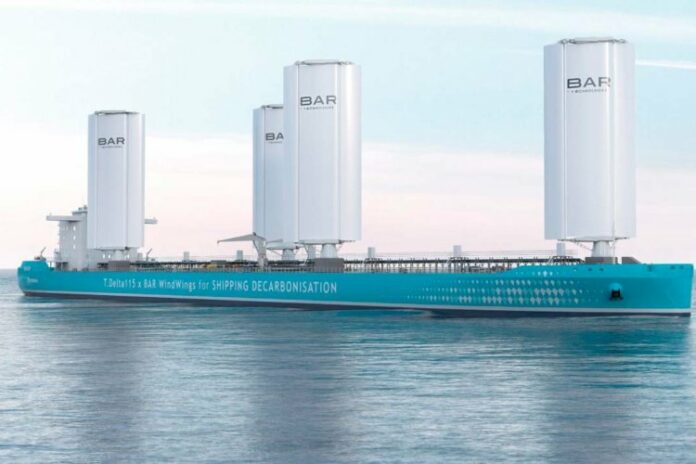
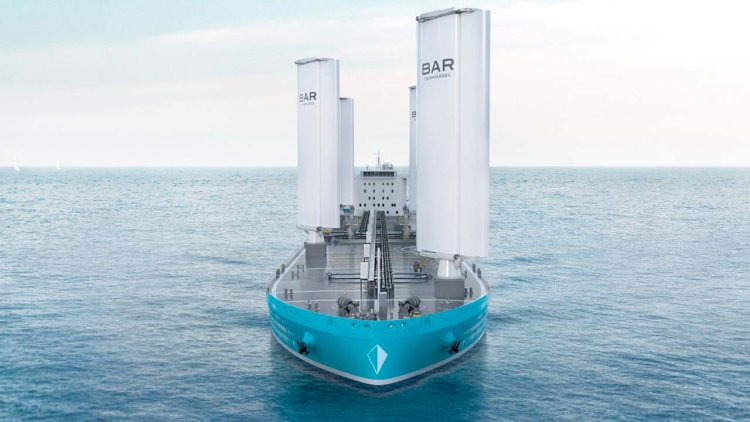
Naval architects, Deltamarin, and innovative marine engineering consultancy, BAR Technologies, have announced that they are once again partnering to lead the way in wind propulsion innovation with new build design, Aframax/LRII.

The announcement comes off the back of previous collaboration on WindWings which, with saving of approximately 1.5 tonnes of fuel per wing per day, will debut on the Pyxis Ocean soon, fresh from being nominated for the Next Generation Ship Award at Nor-Shipping.

Above deck, there have been great strides in design that harnesses the potential of wind propulsion; the next frontier, recognised in this partnership, is to complement this with hull forms modified specifically to maximise wind power. With this new hull design, BAR Technologies and Delatmarin’s early predictions suggest that as much as 10 tonnes of fuel per day can be saved with an Aframax/LRII hull and 4 WindWings using a North America/ Rotterdam roundtrip as an example.

The use of sails to reduce fuel consumption and thereby help decarbonise shipping is a very popular method employed by innovators and vessel owners. However, progress towards maximum efficiency depends upon full consideration of variable factors, such as the type of vessel and the route it is taking. To get closer to the best solution in general, there must be more research on how performance can be improved under the water’s surface.

It is in this area that Deltamarin and BAR Technologies are now pooling their concentration having seen first-hand that a large portion of both existing ships and newbuilds lack optimal hull and propulsion designs for significant wind assistance. Though the project is in its initial phase, BAR Technologies’ history of technical excellence, and Deltamarin’s quality in ship design, give confidence to the assertion that new hull forms, like the Aframax/LRII, that extract significantly more thrust will increase average fuel savings and be the first of many ship designs tailored for wind propulsion.

“Wind is the free fuel, and it is the gauntlet laid down in front of innovators like ourselves to work out how we can displace fossil fuels with wind power” said John Cooper, Chief Executive Officer, BAR Technologies. “It has been a privilege to partner with the best shipyards to retrofit WindWings, and we are especially excited to partner with the best ocean-going naval architects for big ship design in Deltamarin and that the Aframax/LRII is the first of many announcements.”

Esa Jokioinen, Director, Sales and Marketing at Deltamarin, added:

“The opportunities moving forward with wind power are vast. Being familiar with BAR Technologies’ expert innovation in wind propulsion, we are delighted to collaborate on what both companies see as the next vital stage for wind-assisted sea travel: hull optimisation. So far, we have made fine progress in harnessing wind power using sails, but we are finding increased performance all the time and, with this hull design, we are witnessing a 15% improvement against our current fleet.”

Floods tied to Russia leads to ecological disaster in Ukraine and the Black Sea

0

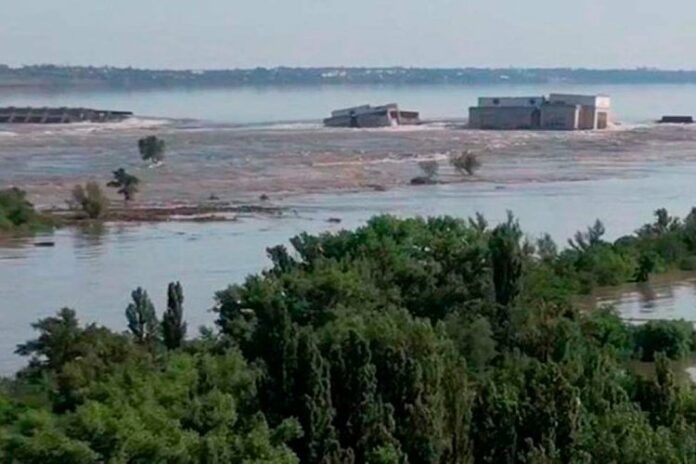
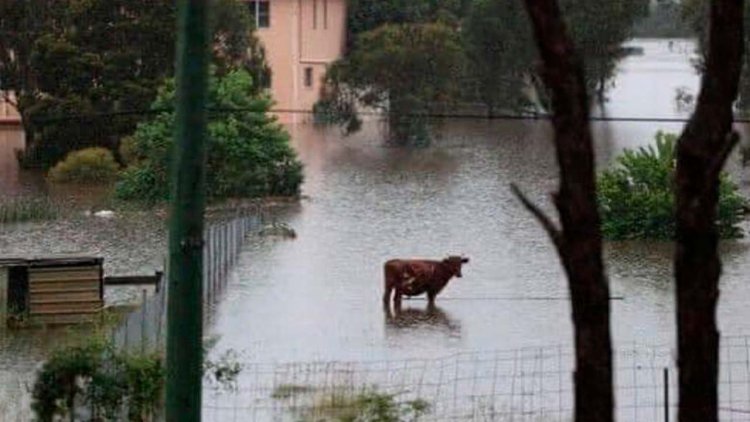
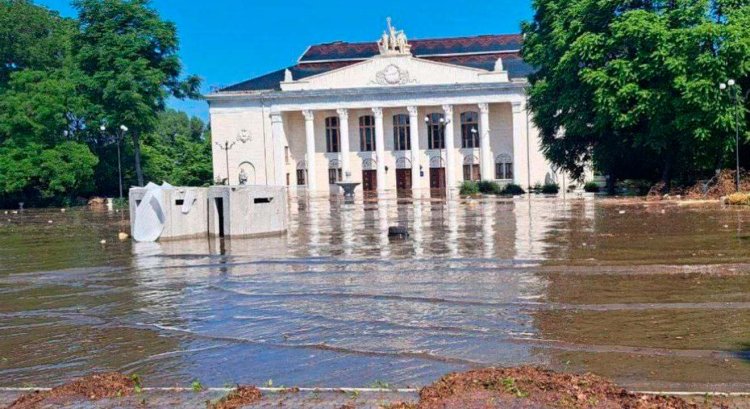
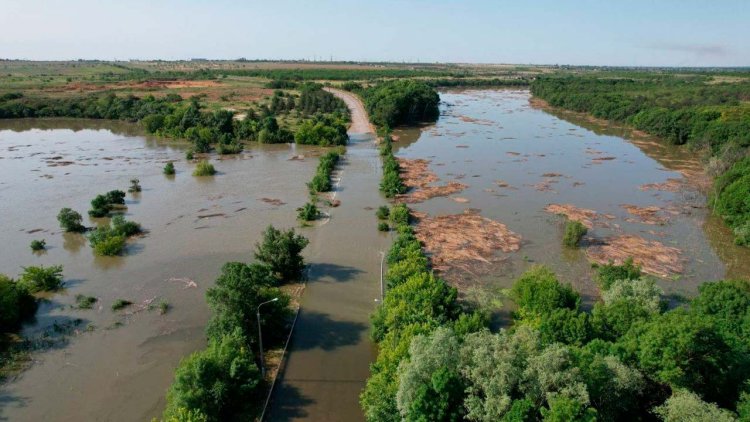
Russian occupying troops blew up a dam near Nova Kakhovka in the Kherson region, Ukraine. This was announced today by the Ukrainian authorities. The territory on which the dam is located is now under the control of the Russians.

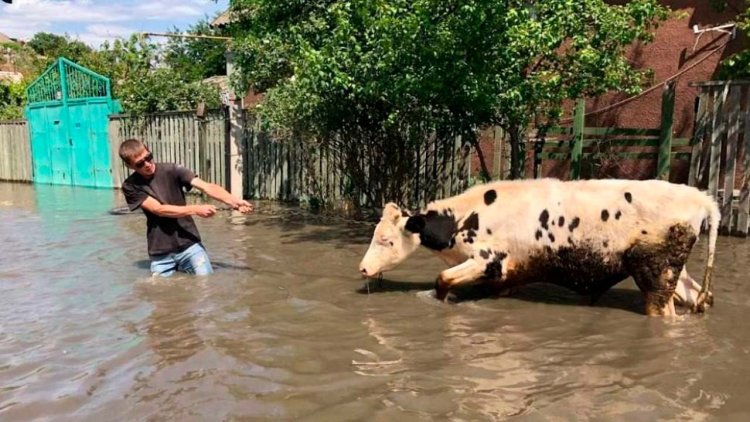
About 80 cities and villages of the Kherson region of Ukraine were in the zone of possible flooding. Around 40,000 people need to be evacuated, Deputy Prosecutor-General Viktoriya Lytvynova said on Ukrainian television – 17,000 people in Ukraine-controlled territory west of the Dnipro River and 25,000 on the Russian-controlled east.

Water arrives so rapidly that people do not have time to leave the danger zone, many need urgent help. Farm animals drown in the villages. The Kazkova Dibrova Zoo has already confirmed the death of almost all of its animals, as employees were unable to get to the cages in time to save the animals. Of the 300 animals, only swans, geese, and other waterfowl survived.

However, scientists say that these are only the first consequences of the disaster. Further, it will be even worse. In particular, due to the massive pollution of water.

Viktor Komorin, Director of the Ukrainian Scientific Center for Ecology of the Sea (UkrSCES), said:

“According to preliminary estimates, from 400 to 600 tons of engine oil got into the Dnipro River.

The second important source of pollution is bottom sediments, in which toxic substances accumulated and were washed away by water flows. An aqueous suspension of these sediments can enter the Black Sea and worsen the ecological condition near the city of Ochakiv, especially if the dam damage increases.

Finally, the third major source of pollution is related to the potential flooding of farms in the Dnipro River flood zone. This could lead to the fact that an unknown amount of oil products, raw sewage, fertilizers, pesticides, and other hazardous substances will be released into the river, and then into the Dnipro-Bug estuary and the Black Sea.

The consequences for the ecosystem can be catastrophic. Taking into account the scenario when a significant part of the pollution remains in the Dnipro-Bug Estuary and spreads along its coast, this can seriously damage the biocenoses of the coastal zone, including species listed in the Red Book. In addition, the existing pollution can have a significant impact on the territory and water area of the Nizhny Dneprovsky National Natural Park.”

Also, experts are concerned about the impact on the Zaporizhzhia nuclear power plant, which uses water from a reservoir behind the dam for cooling.

WinGD and Mitsubishi Shipbuilding sign MoU for ammonia collaboration

0

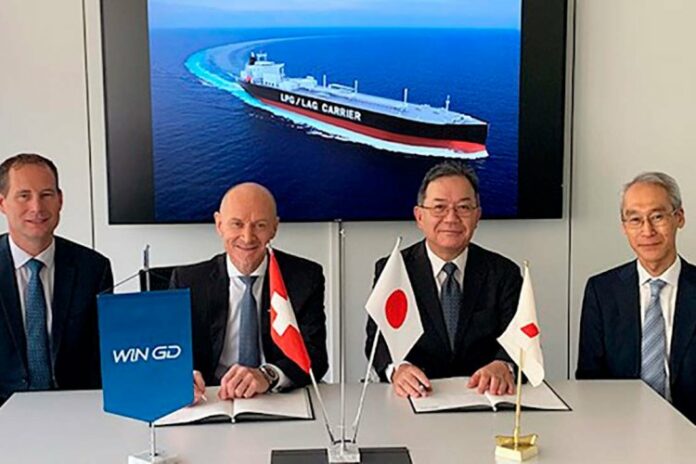
Swiss marine power company WinGD and Japanese shipbuilder and technology developer Mitsubishi Shipbuilding Co., Ltd. have signed a memorandum of understanding to enter into a partnership on ammonia-fuelled vessels.

The project will see WinGD applying its X-DF-A ammonia-fuelled engines to a range of vessel designs, with Mitsubishi both designing the vessels and completing the fuel chain with its ammonia fuel supply system (AFSS). 

Manabu Kawakado, Head of Marine Engineering Centre, Mitsubishi Shipbuilding Co., Ltd. said: “This collaboration will give both Mitsubishi and WinGD an important first-mover advantage in using ammonia in marine engines to meet IMO decarbonisation targets. It will set the path for the new generation of technology applicable to a wide range of vessels over the next decades.”

Under the partnership, WinGD will develop X-DF-A engines at appropriate sizes for the vessel designs, providing Mitsubishi with the specifications for installing the engines and the requirements for all auxiliary fuel systems. Mitsubishi will design the vessels, set performance parameters for the engines and further develop its existing AFSS for use with WinGD’s ammonia engines.

Dominik Schneiter, Vice President R&D, WinGD said:

“This project will allow WinGD and Mitsubishi to make further progress in bringing ammonia-fuelled capability to merchant vessels within our established future fuel development timeframe. It is a timely opportunity to apply X-DF-A engines across a wider range of bore sizes. Our aim is to develop the applicability of these engines and their critical fuel elements across multiple vessel types, while upholding the highest standards for environmental impact and for the safety of the crew on board.”

The project will commence in the third quarter of 2023, with a timeline considered that could place vessels in service by 2027.

BERG adds adaptable control to optimize wind assisted Neoliner in all conditions

0

An integrated control to propeller solution from Berg Propulsion has been selected to ensure that the visionary Neoliner ro-ro vessel will always achieve optimized performance, whether it is powered by wind alone or with the assistance of gensets.

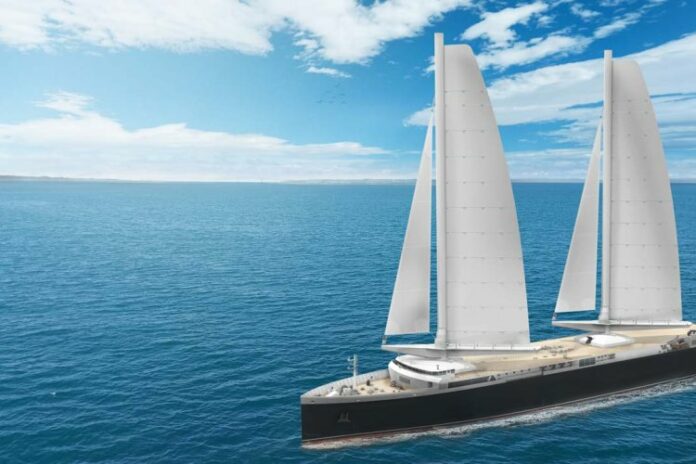
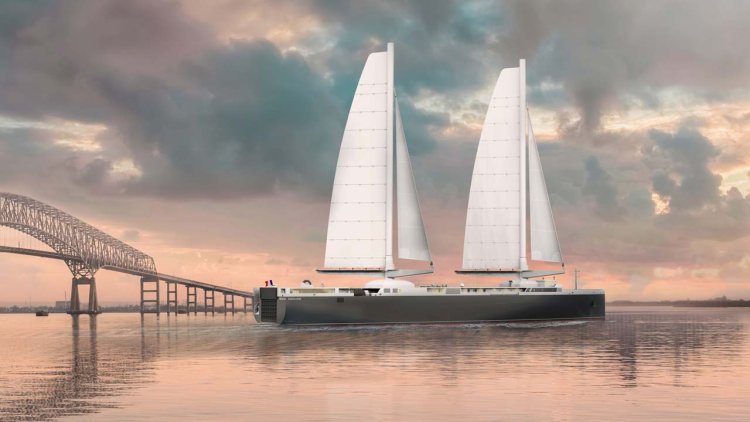
In January, French company Neoline Armateur contracted Türkiye’s RMK Marine to build the first ever ro-ro vessel to use wind power for commercial operations at its Tuzla yard. Designed by Mauric, the 136m length Neoliner will be a pioneer of energy transition in shipping, using emission-free wind power captured by a 3,000 sq m area of sail, supported by two 76m SolidSail folding carbon masts.

While wind power is expected to account for almost 80% of Neoliner’s propulsion needs, close maneuvers and service punctuality require auxiliary power to assist. RMK Marine has contracted Berg Propulsion to deliver and offer technical support for the auxiliary propulsion system, in an elegant solution which includes a ‘feathering’ main propeller. When feathered, propeller blades are set parallel to flow, in a position which will minimize drag when Neoliner is under sail.

Berg’s full scope of supply covers an MPP850F controllable pitch propeller with feathering system, the shafting system, gearbox and control system, and 3xMTT113FP tunnel thrusters.

“This is a transformative project that challenges the status quo in commercial shipping, and Berg is delighted to offer enabling technology to optimise Neoliner’s sustainable performance across its operational needs,” said Mustafa Müslüm, General Manager, Berg Propulsion Eurasia. “We would also like to extend our thanks to RMK Marine for its continuing trust in the Berg team.”  

Whether the Neoliner uses 100% sail, electric power, its 3184-kW engine or any combination, the Berg solution will ensure optimized hydrodynamic performance and sustainability, added Müslüm.  

“Berg Propulsion is an established provider of innovative propulsion technology which has been supporting RMK Marine’s delivery of highly reliable ships for almost a decade, across a range of vessel types including tankers, tugs and other service craft,” said Gürkan Türkeş (General Manager), RMK Marine. “We are delighted to be working with them once more on this exceptional project.”

Co-financed by CMA CGM, ADEME Investissement, NEOLINE Développement, Corsica Ferries, Louis Hardy S.A.S, the Banque des Territoires and the Pays de la Loire Region, the project anticipates the first Neoliner entering a pilot transatlantic service between Saint-Nazaire, Saint-Pierre-et-Miquelon, Baltimore and Halifax in 2025. Companies behind brands such as Renault, Beneteau, Manitou, Michelin, Hennessy, Clarins, Longchamp and Cointreau have already committed to use Neoliner.

“Steps continue towards the realisation of the Neoliner project as a true pioneer of energy transition in shipping,” said Jean Zanuttini, CEO, Neoline.  “Auxiliary propulsion systems will play a critical role in ensuring that wind power offers a wholly pragmatic solution to shipping’s complex energy issue.”

NAPA and Simwave partner to improve access to stability training for seafarers

0

NAPA has announced a partnership with Simwave to facilitate access to advanced stability training for seafarers and ship operators, both in person and remotely.  

This will strengthen officers’ and crews’ knowledge of stability principles and help ensure the best possible use of NAPA Stability and Loading Computer software on board, improving safety levels for passengers, crew members and vessels. 

Under the agreement, Simwave instructors will be certified to deliver NAPA Stability and NAPA Loading Computer training for cruise officers at Simwave’s state-of-the-art training center in Rotterdam. Using NAPA’s extensive ship-specific database and software licenses, Simwave will be able to offer hyper-realistic training, reproducing a real onboard experience in its 5,000 m² installations, which are equipped with 59 maritime simulators. 

Furthermore, the partnership aims to integrate NAPA eLearning course into Simwave’s Career Management platform, adding one of the world’s most advanced stability theory courses to its extensive portfolio. This will give seafarers flexible and convenient options to increase their knowledge of the fundamentals of safety and stability theory and learn how to use NAPA’s stability management software, wherever they are in the world. 

Marcel Kind, CEO & Founder at Simwave, said:

“At Simware, we strive to provide the best and most effective training services to seafarers, shipowners, and operators. We are proud to announce this partnership, which brings together Simwave’s cutting-edge training capabilities with NAPA’s world-class safety software and training tools.  

“Safety and stability training is undoubtedly an essential part of the knowledge and expertise needed by today’s crews, and we are proud to team up with NAPA to add this new specific training to our portfolio. This will help us make seafarer training for ship stability management easier to access, in a classroom or online, while also boosting the quality and efficiency of such training. By doing so, we are supporting shipping’s efforts to deliver more sustainable shipping, safely.” 

While the agreement primarily focuses on the cruise industry, the eLearning stability theory module will also be valuable for other shipping segments.  

Esa Henttinen, Executive Vice President, Safety Solutions, NAPA, said:

“Sustainable and smarter shipping demands the adoption of a wide range of new technologies on board, and this poses a tremendous upskilling challenge to ensure that our safety training capabilities keep up with the fast-evolving technical landscape on board.  

“There are approximately 250,000 seafarers on cruise ships alone. Ensuring that these professionals have access to the latest, most immersive, and effective training, especially as they are tasked with implementing new technologies and processes, is essential to the maintenance of high safety standards.”   

ESB and Ørsted enter partnership in landmark Irish offshore wind agreement

0

ESB and Ørsted have signed an agreement to jointly develop an Irish offshore wind portfolio in a landmark deal.  

With the agreement, which marks the most ambitious partnership in Ireland to date, Ørsted becomes a 50/50 partner in a pipeline of offshore wind development projects off the Irish coast. The partnership has the potential to deliver up to five gigawatts (GW) of renewable energy and complementary renewable hydrogen projects, and the first of these offshore wind projects are expected to compete in the next Irish offshore wind auction, ORESS 2.1.  

With a maritime area more than ten times the size of its landmass, Ireland is ideally positioned to grow a strong and vibrant offshore sector, which will help decarbonise the Irish electricity system and enable future renewable energy exports to Europe. The partnership also encompasses an agreement to explore opportunities from renewable hydrogen produced from the projects in the longer term. It aims to help deliver on the Irish Government’s 2030 target of installing 7 GW of offshore wind and ultimately support Ireland’s transition to net-zero. 

Minister for Enterprise, Trade & Employment, Simon Coveney TD welcomed the partnership, saying:

“The Irish Government is committed to developing a strong offshore wind sector, which will provide us with abundant clean and secure renewable energy. We’ve signed into law an ambitious Climate Action Plan, which includes a 5 GW offshore wind target by 2030 with a target to generate 80 % of our electricity from renewable sources. This will be further supported by a National Industrial Strategy for Offshore Wind from my department. Today’s announcement is a strong vote of confidence in Ireland’s sustainable future and an important milestone in building a new, indigenous energy system, which is both secure, affordable, and clean.”

Jim Dollard, ESB Executive Director, Generation & Trading, said:

“In recent years, ESB has amassed considerable expertise in offshore wind, partnering with leading energy companies in projects of scale and building a significant offshore footprint across Ireland and Great Britain.” 

“ESB is developing a large renewables pipeline, and as part of that has developed a strong portfolio of offshore wind projects around the coasts of Ireland. We are delighted to partner with Ørsted, a global leader in the offshore wind industry, in developing this portfolio in Ireland. Offshore wind in Ireland will play a key part in the delivery of the ESB Strategy, Driven to Make A Difference – Net Zero by 2040 and the announcement of this partnership with Ørsted is an important step in that journey.”

Duncan Clark, Senior Vice President and Head of UK and Ireland at Ørsted, says: 

“With a strong Irish onshore portfolio already in place, we are delighted to begin our journey in the Irish offshore market with ESB; the company that brought electricity to Ireland, and that today plays a leading role in the path to net-zero.” 

“This partnership combines complementary strengths relevant to development in this market and creates an ideal platform for Ørsted to bring its global expertise in the delivery of offshore wind to bear in Ireland. From the world’s first offshore turbine in Denmark in 1991 to the world’s largest operational offshore wind farm, Hornsea 2 in the UK, Ørsted has been a driving force behind the commercialisation of the offshore wind industry across Europe, Asia, and America as part of our vision to create a world that runs entirely on green energy.”  

Port of Argentia and Pattern Energy target green ammonia exports

0

Port of Argentia Inc. has reached a binding agreement on commercial terms with Pattern Renewable Holdings Canada 2 ULC (Pattern Energy) for a planned renewable energy to green fuels project at Argentia. Argentia Capital Inc. is a signatory to the agreement.

Genny Picco, Port Board Chairperson states,

“Today, we are announcing an agreement on Pattern’s wind energy to ammonia project which will generate significant wealth, business opportunities and employment for our region for decades. Pattern Energy is proving to be an ideal development partner and we are excited about the benefits this project will bring in the years to come.”

CEO Scott Penney states,

“Pattern Energy is taking a Lease Option on some 6,000 acres of industrial and forest lands owned by the Port. Should it exercise its Option and proceed with the Project, it will construct a 300-megawatt wind energy facility designed to power the production of Green Ammonia for export to global markets. A global leader in renewable energy developments, Pattern Energy’s plans also include additional phases which could include increasing wind energy production utilizing Crown Lands and the expansion of their ammonia production plant on site at Argentia. “

Key commercial terms include land lease rates at the Port, priority berthing charges, and a wind royalty on electricity sales. The agreement also includes commercial terms for ACI to co-invest in the renewable project as a Limited Partner as well as receive a gross revenue royalty on ammonia sales.

Wade Dawe, President and CEO of Torrent Capital states,

“ACI is executing on its strategy of working with the Port to capture revenue streams from third party equity and royalty opportunities. As a partner in ACI, Torrent will take the lead in raising the capital necessary for ACI to exercise its co-investment right in the renewables project.”

“This agreement sets the stage for Pattern Energy to continue development on this exciting project. Pattern has brought the Port, through its partnership in ACI, in as an equity partner, which will strengthen the Port in its role as the region’s key economic driver,” said Dwight Ball Chairperson of ACI.