1 C
New York
Home Blog Page 293

EnBW, VNG and JERA plan feasibility study for an ammonia cracker demonstration plant in Rostock

0

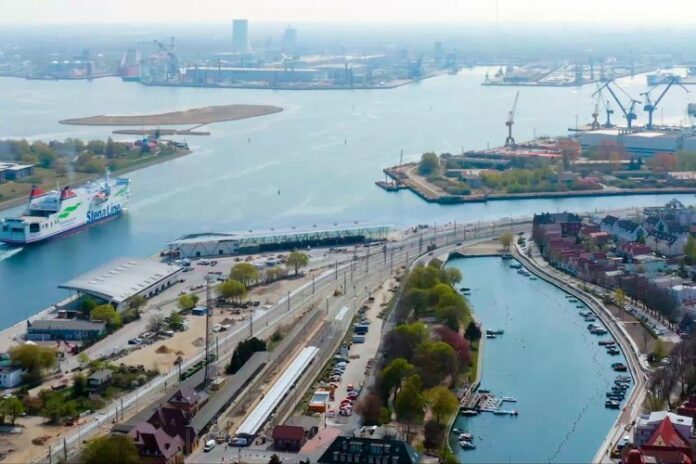
EnBW Energie Baden-Württemberg AG, VNG AG and the Japanese energy company JERA signed a memorandum of understanding with the goal of jointly conducting a feasibility study to evaluate the construction of an ammonia cracker demonstration plant.

The project partners want to examine whether the construction of a demonstration plant for the production of hydrogen from ammonia in the Rostock port area is feasible. The learnings from the operation of the demonstration plant include insights into process optimization, the organization of supply and demand, and the economic framework conditions along the entire value chain.

Ammonia is considered as a very promising H₂ carrier for long-distance transport of hydrogen. Clean ammonia (NH₃) can be produced by combining renewable hydrogen (H₂) with nitrogen (N₂) – the main constituent of air. The project would allow for the transport of large quantities of hydrogen as ammonia to Rostock from oversea regions, where it could be re-converted into hydrogen and then transported to German consumers and customers. An existing ammonia terminal in the Rostock port area could be used for importing the ammonia.

Georg Stamatelopoulos, Member of the EnBW Board of Management / Chief Operating Officer Sustainable Generation Infrastructure, explains:

“At EnBW, we are working at full steam to transform our generation capacities from fossil fuels such as coal to non-fossil fuels such as hydrogen. The joint project between EnBW, VNG and JERA fits in very well with our efforts to become climate-neutral by 2035. 

Ammonia is suitable for storing and transporting hydrogen. With an ammonia cracker, ammonia can be reconverted to hydrogen and be transported to German customers. The key is to create the right conditions now for the fastest possible decarbonization of the business and the market ramp-up for hydrogen – in particular through planning certainty for investors and international collaborations.”

In its “VNG 2030+” strategy, the gas company VNG is focusing on the ramp-up of decarbonized and green gases, in particular biogas and hydrogen. 

Hans-Joachim Polk, Chief Technology Officer of VNG AG, explains:

“The construction of a demonstration plant of an ammonia crack-er in Rostock together with JERA and EnBW is another important step towards supporting the ramp-up of hydro-gen in Germany and thus making a contribution to decarbonization in eastern Germany. Hydrogen gained from ammonia will play an important role in energy supply in the future, so it is important to test and establish value chains at an early stage and thus set the course for a secure supply of hydrogen.” 

JERA will take on the challenge of achieving net zero CO₂ emissions from its domestic and over-seas businesses by 2050.

Chairman of the Board, Global CEO in JERA, Yukio Kani, says:

“In order to achieve our decarbonization goals, we must take necessary steps to increase options for new energy supply systems over the next decade, and being able to share those options among industry leaders throughout the globe would be of significant im-portance. In the context of this project, the formulation of a robust ammonia value chain is specifically the option which must be established by a strong collaborative framework among industry players with a wide variety of backgrounds, through sharing the same views on their purpose and strategic direction.”

BMT launches Remote Navigation Audit service for commercial shipping industry

0

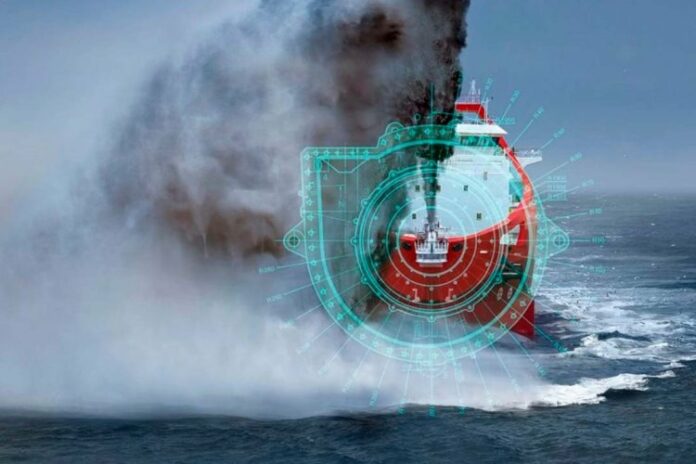
This solution harnesses the power of digital technology to revolutionise traditional auditing processes, enhancing efficiency, safety, and sustainability in maritime operations.

With today’s industry/shipping operators’ increasingly adopting the appropriate and corrective regulatory/digital practices that are aiming to further professionalise the surveyor/master mariner workforce, navigational risks are being significantly reduced while the human element in the remote aspect of working is being strengthened.

The RNA service from BMT extracts data from ships’ Voyage Data Recorders (VDRs), conducts detailed assessments of navigation procedures, adheres to industry best practices and complies with international regulations, specifically focusing on the safety of navigation and culture on board ships.

The optimisation effects of this service are primarily focused on improving the operational performance of bridge teams on ships, resulting in various benefits. These benefits include improved performance and efficiency of their bridge teams. As a result, ship owners may experience increased levels of assurance and compliance with industry regulations and standards, reflected by cost savings, reduced environmental impact, improved operating ability, and increased resilience. 

Key benefits include:

  • Leading indicator: A VDR review would give a true picture of the culture on the vessel’s bridge and thus also give leading indicators on the consequences of the current practices.
  • Enhanced Efficiency: BMT’s solution eliminates the need for physical presence on board vessels, significantly reducing travel time and associated costs.
  • Environmental Sustainability: The reduction in travel requirements contributes to a significant decrease in carbon emissions, aligning with the industry’s commitment to environmental stewardship and sustainability.
  • Enhance the safety of navigation: In spite of various advancements in technological tools, the importance of ‘Situational Awareness’ and ‘Human Elements’ in safe ship-board navigation is of paramount importance and remains the focus of various quality control checks through audits.
  • Global Reach: BMT’s solution transcends geographical limitations, enabling audits to be conducted on vessels operating anywhere in the world. 

Dennis de Bruin, Managing Director of Surveys, BMT, expressed his enthusiasm about the new offering, stating:

“We are thrilled to introduce the Remote Navigation Audit service, which marks a significant milestone in our commitment to driving innovation in the maritime industry. This solution not only enhances efficiency and safety but also aligns with our vision of promoting sustainability and reducing our carbon footprint.”

Viridis Bulk Carriers wins DNV AiP for ammonia-powered short sea bulk carrier design

0

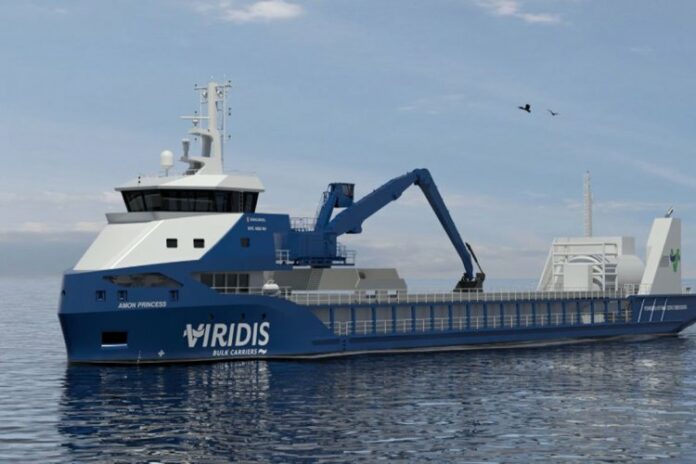
Classification society DNV has awarded Viridis Bulk Carriers, an Approval in Principle (AiP) for their ammonia fuelled short sea bulk carrier design. 

As the maritime industry is looking to bend the carbon curve towards zero, green ammonia is one of the most promising options. As production is scaled, the ease of transport and storage and good energy density, offers some advantages over other low or zero carbon options – provided the technical and safety challenges are managed. The Viridis Bulk Carriers design, developed by Kongsberg Maritime, is for 5,000 dwt short seas vessels that offer a range (3,000 nm) and safety levels equivalent to conventionally fuelled vessels.

André Risholm, Board Member of Viridis Bulk Carriers, says:

“During the AiP process we have had a good constructive process and excellent co-operation with DNV. This is a clear testament to the hard work completed and are important for moving closer to the newbuilding phase. Considering the heightened emission reduction targets set by the EU and IMO, our Viridis vessels will fully adhere to these standards. This will empower charterers to benefit from exceptional greenhouse gas reductions throughout their logistical value chain.”

Tuva Flagstad-Andersen, Regional Manager of Region North Europe at DNV, said:

“DNV introduced the Gas Fuelled Ammonia notation to enable the industry to foster innovation and drive sustainable solutions in line with the most advanced industry standards. This is essential to wider adoption, because building trust is vital as we look to develop the next generation of fuels. With these projects, we demonstrate how by working in collaboration, we can shape the future of shipping and advance towards a decarbonized and sustainable tomorrow.” 

For the AiP, DNV has reviewed the design of the vessel for compliance with the 2023 revision of the rules for the DNV Gas Fuelled Ammonia class notation as found in Pt.6 CH.2 Sec.14. The 2023 revision will be published in July 1st 2023 and enter into force January 1st 2024.  

An Approval in Principle (AiP) is an independent assessment of a concept within an agreed framework, confirming that the design is feasible, and no significant obstacles exist to prevent the concept from being realized.

Ukrainian border guards: Black Sea is turning into garbage dump and animal cemetery

0

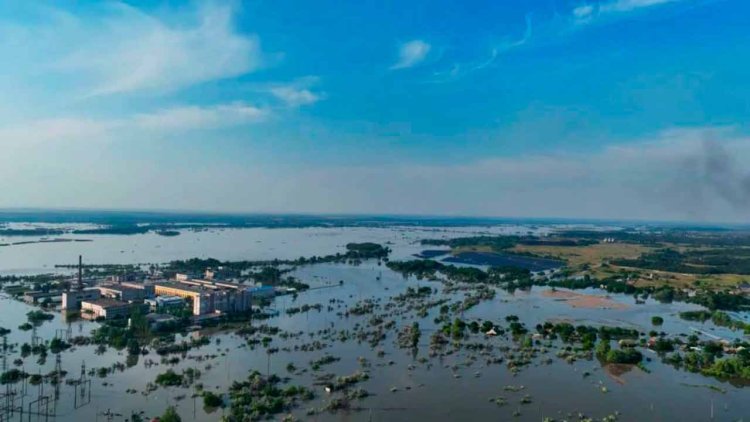
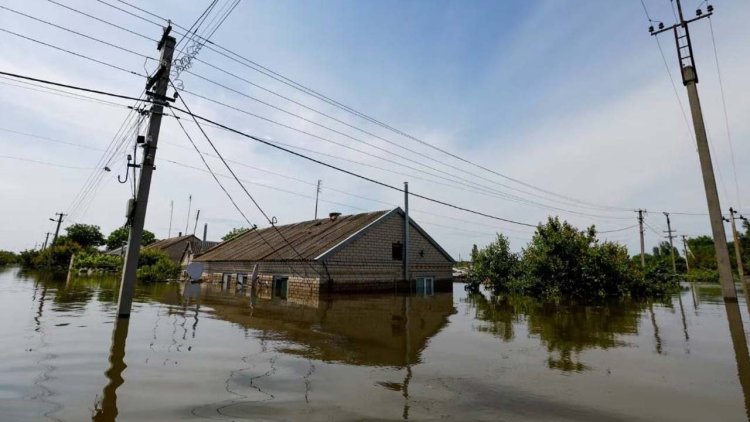
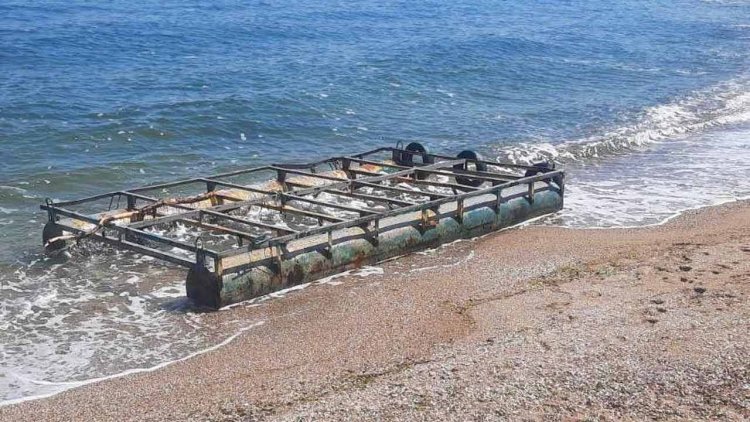
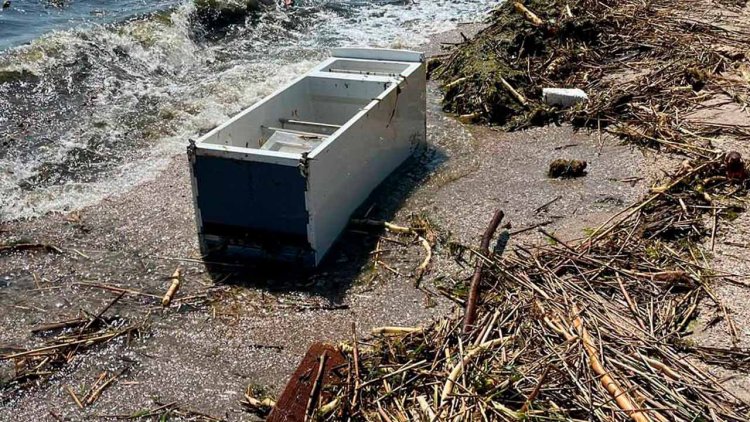
The Black Sea in the southern Odesa Oblast is turning into a “garbage dump and an animal cemetery” as house fragments, furniture, as well as mines and ammunition are floating in the water after Russia’s blow-up of the major dam, the Ukrainian Border Guard said on June 10.

It added that fish plague has also begun due to the disaster.

“The consequences of the ecocide are terrible,” the State Border Guard said in a Facebook post.

The State Border Guard urged residents to be careful and contact the authorities when they find dangerous objects.

On June 6, Russia destroyed the dam of the Kakhovka Hydroelectric Power Plant across the Dnipro River, occupied by Russian forces, sparking a large-scale humanitarian and environmental disaster across southern Ukraine.

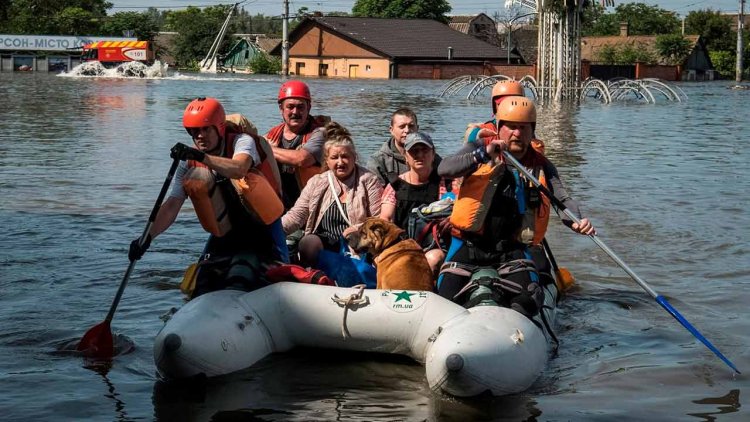
Evacuation is underway in the flooded southern areas even as Russian forces continue to shell the west bank of the Dnipro River.

At least four people in Kherson Oblast and another one in Mykolaiv Oblast were killed due to the flooding, and 13 more are considered missing, the Interior Ministry reported on June 9.

Source: Kyiv Independent

Alfa Laval to deliver the world’s first methanol-fired steam boiler solutions

0

Alfa Laval has expanded its portfolio of alternative fuel solutions with the introduction of methanol-fired Aalborg boiler systems that offer exceptional fuel flexibility, accommodating a wide range of fuel types including methanol.

With the marine industry´s increasing focus on low carbon-based solutions, Alfa Laval has secured significant orders for Aalborg boilers operating on methanol. The methanol-fired boiler solutions will be installed, for the first time, on new build container vessels and more deliveries are in the pipeline for cruise ships and tankers. Deliveries of the methanol boilers are scheduled to commence in late 2023.

The Aalborg boiler solutions are specifically designed with decarbonization and fuel transition in mind. Besides operating on today’s fuels, including low-sulphur fuels, biofuels and LNG, it is designed for compatibility with methanol and other emission-reducing fuels. Alfa Laval’s “ready boiler” concept provides a future-proof platform, allowing for easy adjustments to the existing burner and boiler pressure section as needed.

“Our boiler solutions are designed to meet the growing demand for sustainable shipping and ensure readiness for today’s and tomorrow’s emission-reducing fuels, including methanol,” says Jeppe Jacobsen, Head of Global Sales, Heat & Gas Systems, Alfa Laval. “Having been pioneers in delivering steam boilers for LNG, we are pleased to be the first to support our customers in their fuel transition with our methanol-fired boilers.”

Irrespective of the fuel choice, Aalborg boiler solutions ensure substantial fuel savings through exceptional thermal efficiency and the utilization of the innovative Turbo Clean, intelligent (TCi) technology. The TCi cleaning process not only enhances efficiency but also guarantees a prolonged boiler service life.

Boskalis and Royal IHC sign LOI to build a new 31,000 m3 TSHD

0

Following the collaboration between Boskalis and Royal IHC in the design and engineering phase of two state-of-the-art trailing suction hopper dredgers (TSHD), the two parties have now signed a Letter of Intent (LOI) for the construction of a 31,000 m3 TSHD. 

Jan-Pieter Klaver, the CEO of Royal IHC, says:

“Working together has given us a unique opportunity to achieve an optimal design for this customised trailing suction hopper dredger.”

The modern design is characterised by  the 31,000 m3 hopper volume, two trailing suction pipes, a large shore pump capacity and diesel-electric propulsion. The vessel will also be prepared for the use of methanol as a fuel to ensure a future-proof design.

Shortly before Royal IHC’s delivery of the cutter suction dredger KRIOS to Boskalis in 2020, both parties agreed on the design and engineering of the TSHD. Theo Baartmans, Member of the Executive Board of Boskalis, says:

“Now that we have this LOI, we are looking forward to this new phase. With the 31,000 m3 TSHD we are taking an important step to make our dredging fleet fit for the future.”

Jan-Pieter Klaver says:

“This is also an important step for Royal IHC. For some time now, we have seen an increasing demand in the dredging market. However, we have noticed this particularly in the flow business, which consists of orders for smaller working vessels and equipment. With the order for this large custom-built vessel, we are continuing to build a healthy future for Royal IHC. The fact that Boskalis has awarded us this project reinforces our confidence in Royal IHC’s added value for our customers, as well as the market potential of our vessels, equipment and services.”

Titan further expands fleet with vessel chartered from Fratelli Cosulich

0

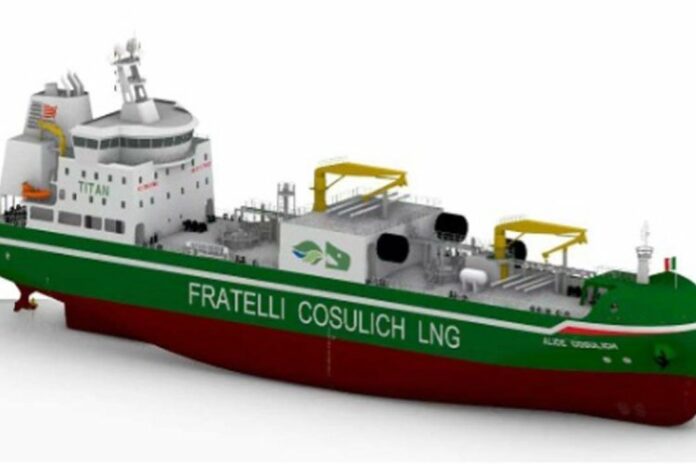
Alice Cosulich will join Titan’s fleet in the fourth quarter of this year and will operate in Europe. The state-of-the-art vessel which complies with Titan’s stringent quality standards has an LNG and liquified biomethane (LBM) bunkering capacity of 8,200 m3, as well as smaller parcels of biodiesel going forward. 

The agreement marks a significant milestone in the growth of Titan’s LNG and LBM bunkering operations, as it offers Titan even more flexibility in its clean fuel operations. The bunker vessel is, for example, very suitable for performing more complex operations like cooldowns and gas-ups for various types of vessels. 

Michael Schaap, Commercial Director Marine at Titan commented:

“This long-term agreement allows the companies to collaborate closely as the Alice Cosulich will further enhance our LNG and LBM bunkering capabilities in the fast-growing European market. We like the design consideration of the vessel as we deem it fit and compatible with a lot of our current and future customer vessels.”

“Our comprehensive LNG supply infrastructure allows the shipping industry to start delivering on decarbonisation now. Both LNG and LBM are available today and enable ship operators to reduce emissions straight away. We believe in a multi-fuel future, and – thanks to our team’s specialist expertise – we will supply other clean fuels when they become feasible.”

Timothy Cosulich, CEO of Fratelli Cosulich Group added: 

“At Fratelli Cosulich Group, we adopt a long-term outlook and invest in resources that assist the maritime sector in achieving its objectives for lowering emissions. Our collaboration with Titan exemplifies our strong belief in forming partnerships to deliver innovative solutions that will effectively reduce our carbon footprint globally in a sustainable manner. We look forward to the arrival of Alice’s twin in the first quarter of 2024.”

ABS issues Approval in Principle for Saildrone uncrewed surface vehicles

0

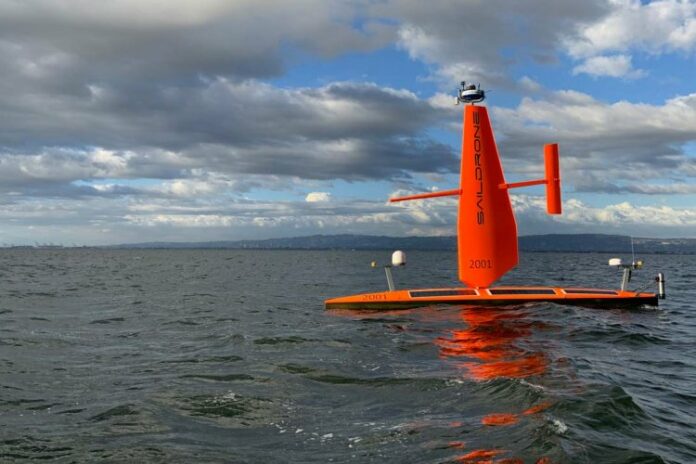
AIP, an important first step to full classification of a new maritime vehicle, was awarded to the Saildrone Voyager and Surveyor.

The American Bureau of Shipping (ABS) has issued Approval in Principle (AIP) certificates to Saildrone, including the first AIP for a 10-meter commercial uncrewed surface vehicle (USV), the Saildrone Voyager. Approvals were issued to Saildrone for both the Voyager and Surveyor ocean data collection platforms. The AIP is an important step to class for Saildrone’s vehicles.

Saildrone is the world leader in providing ocean data using uncrewed vehicles, with nearly 25,000 days at sea and nearly 1,000,000 miles sailed. Primarily powered by wind and solar energy, Saildrone’s Voyager and Surveyor USVs are an environmentally friendly, cost-efficient solution for persistent data collection above and below the sea surface.

“Saildrone is proud to be the first to receive an AIP certificate for a 10-meter uncrewed vehicle from an internationally respected maritime classification agency. Saildrone technology is one of the most mature solutions available, and yet international regulations around uncrewed maritime systems are only in their infancy. Therefore, it is essential that Saildrone be proactive in working with the American Bureau of Shipping to lead the industry, on and off the water,” said Saildrone founder and CEO Richard Jenkins.

AIP is a formal review process that evaluates the design concept of a new technology, product, or system against ABS rules and applicable regulations as an important first step to full classification. 

“ABS is leading the industry in supporting autonomous projects and assisting innovative companies like Saildrone. ABS understands that autonomous technologies are not stand-alone products but fully integrated with vehicle infrastructure and the result of numerous advancements in a wide variety of mechanisms including sensors, imaging, connectivity, machine learning, and more,” said Patrick Ryan, ABS Senior Vice President and Chief Technology Officer. 

Saildrone has already begun to scale production of its Voyager and Surveyor USVs to meet increasing demand for uncrewed ocean data collection. The company has partnered with Janicki Industries and Seemann Composites to build the Voyager wings and hulls and Austal USA to build Surveyor hulls. Surveyor wings will continue to be built at Saildrone’s headquarters in Alameda, CA.

Visit Saildrone this week in the USA Pavilion at Nor-Shipping 2023 in Oslo, Norway.

Cargill partners with Kotug to launch zero-emission electric pusher tug and barge

0

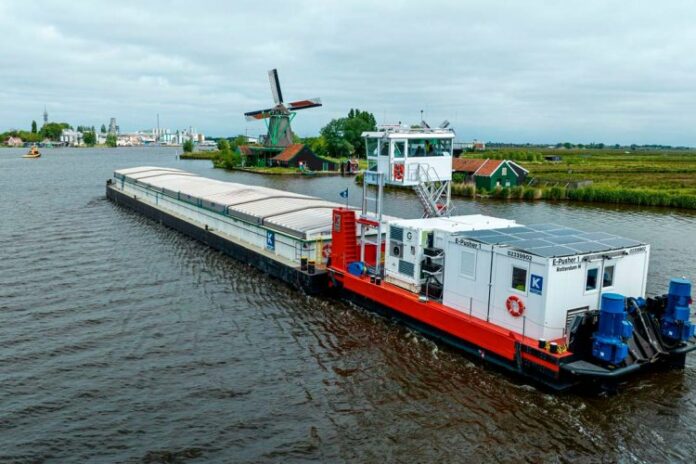
Cargill has partnered with Kotug International to deploy Kotug’s zero emission E-Pusher™ and E-Barges, the world’s first fully electric pusher boat and barges to transport cocoa beans from the Port of Amsterdam, the largest cocoa import port in the world, to Cargill’s cocoa factory in Zaandam, the Netherlands.

Pushers and barges are essential, efficient methods of delivering goods by water from Dutch ports to the Netherlands and beyond. Cargill became the first company in the world to put into operation fully electrified pusher and barges for inland shipping, eliminating both emissions and noise pollution. The E-Pusher 1 was christened according to maritime tradition by Marieke Taal, operations manager at Cargill, representing the next generation. It marked the official start of the operations with the vessel for Cargill, whereby Kotug will operate the zero-emission E-Pusher and E-barges.

The zero-emission vessel, equipped with state-of-the-art technology and cutting-edge propulsion systems, eliminates harmful emissions, including carbon dioxide (CO2), sulfur oxides (SOx), nitrogen oxides (NOx), and particulate matter (PM). The fully electric pusher boats and barges are expected to reduce CO2 emissions by 190.000 kg per year, the equivalent of 15 000 single trips of the same distance by truck. The boats will run on green energy from the wind farm that Cargill and Vattenfall operate in partnership with Windpark Hanze.

“Electrifying the transportation of our cocoa beans is just one example of how we are implementing new, innovative sustainable practices to reduce our impact on the planet and protect people. The KOTUG E-pusher Type M is the first-of-its-kind and Cargill is excited to be a partner in launching it in the Netherlands,” says Emiel van Dijk, Managing Director Cocoa & Chocolate Europe & West Africa.

Vår Energi enters strategic partnership with Halliburton

0

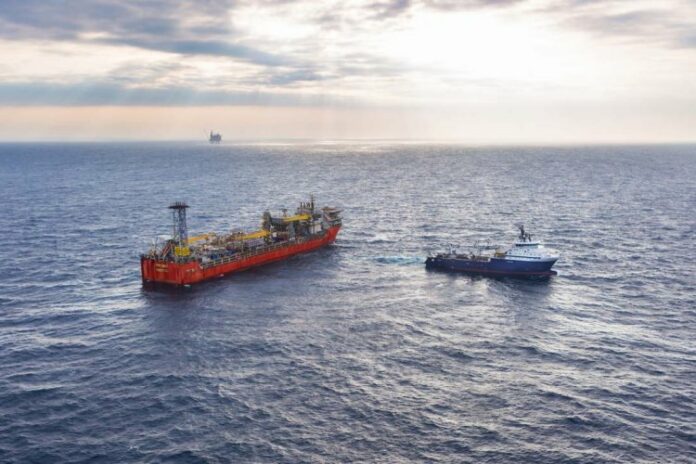
The partnership covers drilling services related to exploration and production drilling for Vår Energi across the entire Norwegian Continental Shelf.

Vår Energi CEO, Torger Rød, is very pleased to join forces with the Halliburton team:

“Halliburton represents world class technical expertise and capabilities combined with extensive experience in areas of high strategic importance to our activities. Vår Energi aims to be the partner of choice. We seek operational excellence in everything we do and are committed to building strong, long-term strategic partnerships in all key business areas. Solid partnerships and collaboration across the entire value chain will enable operational excellence, supporting our plans for growth and value creation for all parties.”

The contract has a duration of five years with options for an additional four years in total.

Ingrid Sølvberg, EVP Technology, Drilling and Subsurface, adds:

“We are on track to deliver on our end-2025 production target, an increase of more than 50% from today’s level. Combined with our proven best-in-class exploration capabilities, teaming up with Halliburton will be a key enabler in meeting our ambitious long-term growth targets. Collaboration with strong partners will be a driving force in technology development, contribute to reducing costs and emissions, while also improving efficiency and HSE performance.”

Vår Energi’s activities span the entire NCS with a diversified portfolio of 158 licenses and 39 producing fields. Drilling activities are focused around four strategic hubs in the Balder/Grane area, the North Sea, the Norwegian Sea and the Barents Sea.