1 C
New York
Home Blog Page 292

CCS and NAPA introduce new joint interface to streamline 3D ship design approval process

0

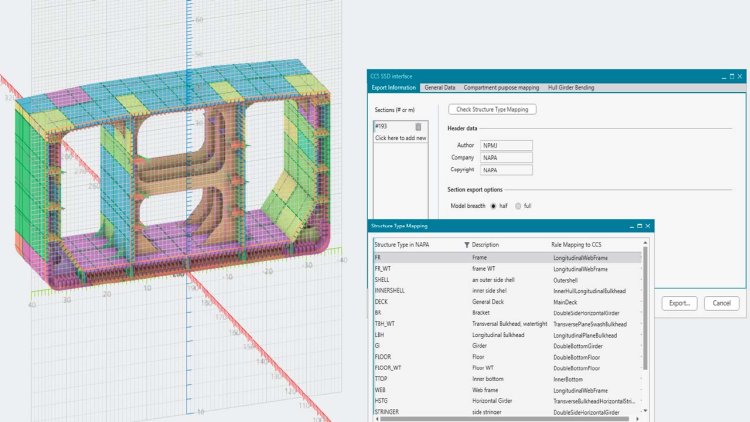
NAPA and China Classification Society (CCS) have introduced a new joint interface between NAPA Steel and CCS’s COMPASS-SDP to streamline the data exchange process between designers, engineers and class societies. 

NAPA is the first ship design CAD solution to offer an interface for COMPASS-SDP. The integration will allow 3D structural models created in NAPA Steel to be exported to a data format for 2D hull structure models – ‘SSD-2D’ – which can then be easily imported and processed on COMPASS SDP for further rule calculations.  

This integrated process will reduce the modelling time on COMPASS-SDP and improve ship design quality through closer collaboration between teams. More streamlined communication directly on 3D models allows approval engineers to cross-check sections more easily and shorten the approval time. This will enable safer and higher quality ship designs for the industry.  
Mikko Kuosa, Chief Executive Officer, NAPA, said:

“The need of the hour across maritime is for greater collaboration for safer and greener ships of the future. Re-shaping the traditional dynamics between engineers, designers and classification societies, and enhancing co-operation, NAPA is proud to be driving change across the industry through the use of 3D models.  

“As the industry’s digital capabilities grow, this project with CCS is an important step towards accelerating the adoption of 3D model-based approval and furthering our commitment to a more agile and collaborative process between all parties.” 

Zhao Yan, Vice President, CCS, said:

“At CCS, we are committed to supporting a more swift and intelligent design and approval process by making class approval as simple as possible. Today’s announcement to introduce a new interface between NAPA Steel and our COMPASS-SDP will help make this a reality by delivering a more integrated and streamlined process with minimal risk of error and time consumption.”  

As part of the project’s first phase, the interface will cover longitudinal structure members as well as geometries and scantling information such as plate thickness, material, and stiffener profiles. This is in addition to other ship data relevant to rule calculation such as frame system, principal particulars, hull girder loads, and compartment data.  
Lhyfe and Capital Energy to produce hydrogen using offshore wind

0

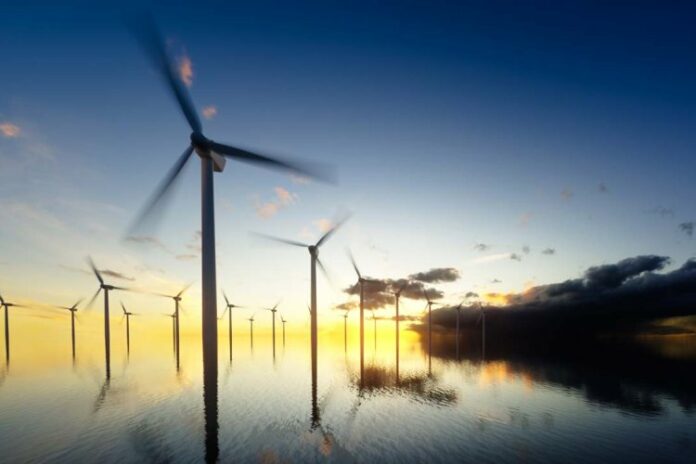
Under the agreement, the two companies will work together to create hydrogen production sites at some of the offshore wind farm sites currently being developed by Capital Energy. The Spanish energy company already has a development pipeline of more than 7.5 gigawatts (GW) in both countries.

For Lhyfe and Capital Energy, the joint installation of offshore wind farms and hydrogen production sites would have considerable benefits, mainly in two key areas: economic benefits through the economies of scale achieved, and social benefits through the growing industrial overlap of the projects, given that a greater number and variety of suppliers and specialists will be required.

Such initiatives will also benefit the energy system as a whole as the wind energy produced in these wind farms would be more controllable, avoiding curtailments. And in some cases it would be possible to send less power to the grid (e.g. in case of congestion of the grid) and more to the hydrogen production unit, to which some of the wind turbines would be directly connected.

The collaboration agreement signed between Capital Energy and Lhyfe could be extended to other markets in the future.

Lhyfe is the only company in the world to have an operational prototype for offshore green hydrogen production. This system, known as Sealhyfe, was inaugurated in France in September 2022. The company aims to have 200 MW of green hydrogen production capacity by the end of 2026 and 3 GW by the end of 2030. With projects in 11 countries, Lhyfe has over 149 staff dedicated entirely to renewable hydrogen production.

Pablo Alcón, Offshore Director at Capital Energy said:

“We have been committed with developing green hydrogen projects on the Iberian Peninsula for the past years and it was time to take the step into offshore, so we have joined forces with the best possible partner, Lhyfe, which has substantial experience in offshore hydrogen production. Through this alliance, we intend to use some of the energy generated by our offshore wind farms to produce hydrogen, which will help to drive the energy transition in a balanced way and solve potential bottlenecks in the electricity system. It will also increase the socio-economic benefits of our offshore projects, with greater investment and more skilled jobs.”

Taia Kronborg, Chief Business Officer at Lhyfe said:

“This agreement with Capital Energy is a tremendous opportunity to foster the transition to clean energy through the large-scale production of green hydrogen at sea. Producing H2 via electrolysis at sea will maximise the immense potential of offshore wind energy. Countries with a coastline, such as Spain and Portugal, can drastically reduce their dependence on fossil fuels and improve their national energy security, while producing net-zero emissions and boosting local economies.”

Damen unveils zero emissions Multi Cat 1908 Electric

0

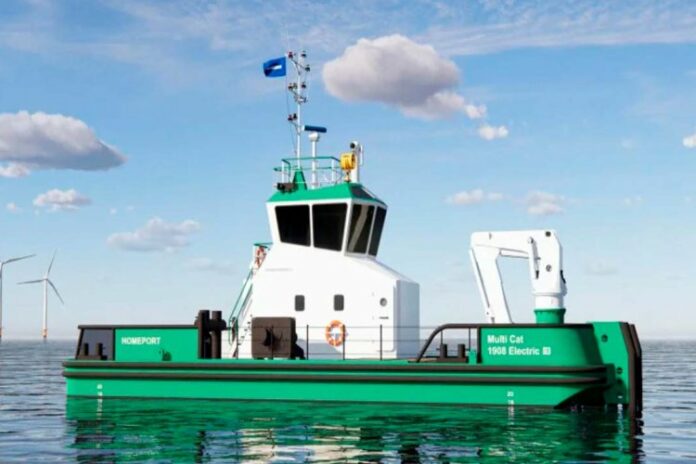
Damen Shipyards Group has announced a new vessel design that brings a significant boost to workboat sustainability. 

At the Seawork exhibition in Southampton on 13th June Damen unveiled the Multi Cat 1908 Electric. The vessel represents a powerful combination, pairing a quarter of a century of experience in Multi Cat construction with cutting-edge technology to make zero emissions workboat operations a reality.

The Multi Cat is a multi-purpose workboat designed for operations in both shallow and deeper waters. Over the years, Damen’s Multi Cats have gained a well-deserved reputation for reliability and efficiency. Now, with Damen’s ambitions firmly fixed on becoming the world’s most sustainable shipbuilder. The company has developed a fully electric version fit for the future.

Damen has designed the MuC 1908 E to operate inland, in harbour and along the coast, up to 20 nautical miles from shore, undertaking diverse tasks including pushing, towing, anchor handling, buoy recovery, surveying, bunker supply, waste/oil recovery and support duties.

Despite its innovative character, the vessel is based on a proven platform; the Damen Multi Cat 1908, a vessel that has demonstrated its capabilities during over 25 years of successful operation. Damen has also developed considerable experience in the delivery of electric and hybrid vessels, including tugs and ferries, examples of which can be found operating throughout the world. The MuC 1908 E is able to operate for up to twelve hours on a single charge, bringing a full day’s work comfortable into range. The batteries are, additionally, able to power the vessel for up to a decade following delivery.

The Multi Cat also benefits from Damen’s experience in digitalisation. The vessel features Triton, Damen’s award-winning connected vessel platform. From sensors located throughout the vessel, Triton collects data to put the operator in control. As well as providing a comprehensive overview of battery performance, Triton provides the means to optimise efficiency and conduct preventive maintenance.

The Crown Estate plans to digitally map the seabed resource needed for future use

0

The Crown Estate has commenced pioneering work to digitally map the seabed resource needed to meet future demand, enabling the delivery of multiple priorities including net zero and nature recovery, as well as the enhanced co-ordination of  future activities out to 2050.

The seabed supports an extraordinary number of livelihoods, natural habitats and industries and, with recent advances in new industries such as offshore wind, carbon capture and storage and other renewable technologies, it is becoming an increasingly crowded space.  

In collaboration with a wide range of organisations which have a role to play offshore, The Crown Estate is building an integrated, spatial analysis platform which will consider: existing and future demands on the seabed out to 2050; geographical constraints for all key offshore sectors; existing infrastructure; and environmental designations and future resource requirements for environmental habitats and nature recovery. 

Gus Jaspert, Managing Director, Marine, at The Crown Estate, said: 

“The seabed is facing a moment of transition with more demands on it than ever before, supporting natural habitats, vital industries including renewable energy, and playing an important role in energy security.  

“As these demands intensify, a new, co-ordinated approach is needed to ensure we make the most of this vital resource for our country and for nature.  We’re stepping up to help meet this challenge.” 

Work is expected to complete in 2025, and the live platform will be continuously updated to reflect any new information and evidence. As work progresses, emerging findings will be widely shared with stakeholders so that early learnings can be captured and refinements and improvements can be made.  

Yara and Cepsa to develop a hydrogen maritime corridor through Europe

0

As part of the Andalusian Green Hydrogen Valley, Cepsa will develop a green ammonia plant at its San Roque Energy Park in Cadiz that will be operational in 2027. With an investment of 1 billion euros, it will be the largest plant in Spain and one of the largest in Europe.

The project, which could include potential partners, will create 3,300 jobs – including direct, indirect and induced – and a new market in Algeciras for green ammonia, a product derived from green hydrogen that can be used both as a sustainable marine fuel and as a carrier of green hydrogen for its transportation to distant locations.

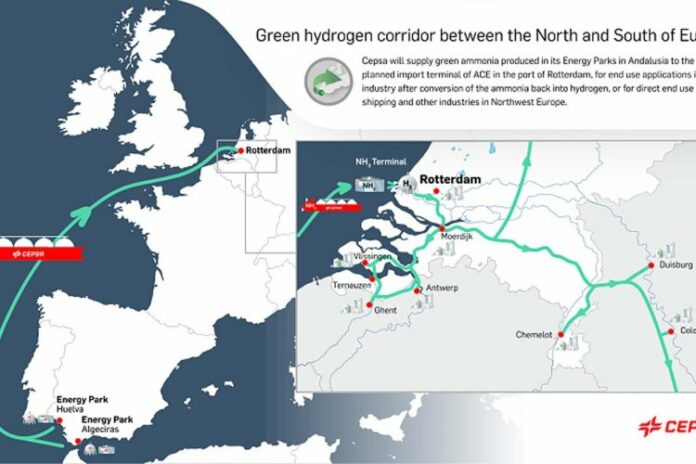
The alliance with Yara Clean Ammonia will help establish a safe, resilient, and cost-efficient supply chain for delivering green ammonia and paves the way for Cepsa to deliver the first green hydrogen molecules to its customers by using Yara Clean Ammonia’s global supply base and logistical footprint. This will in turn allow the energy company to start marketing green hydrogen and green ammonia to industrial customers and maritime customers in Rotterdam and Central Europe.

The new green ammonia plant will be powered by green hydrogen produced by Cepsa and EDP at the 1 GW plant to be developed in Campo de Gibraltar. It will have an annual production capacity of up to 750,000 tons of ammonia, which can prevent 3 million tons of CO2 emissions. Yara, a global leader in ammonia production, has extensive experience in this market, which will ensure the development of a viable green energy corridor in Europe. Cepsa will offer its extensive experience in producing fuels and its knowledge of the maritime sector to support its customers’ decarbonization strategy.

Maarten Wetselaar, Cepsa’s CEO, said:

“The agreements are a crucial step towards the long-term viability of the Andalusian Green Hydrogen Valley and the implementation of the first maritime corridor of sustainable fuels that will link the South with the North of Europe. Green hydrogen and its derivatives are the fastest, most viable and competitive solution to accelerate the energy transition in heavy transport and ensure energy independence in Europe. The agreements announced today give our project crucial access to markets, customers and distribution infrastructure: three key elements to unlock the potential of our Hydrogen valley. This is major news for the decarbonization of European shipping and industry and for the planet.”

Helmie Botter, manager of hydrogen business development at Gasunie, said:

“With this agreement, we are strengthening the hydrogen corridor between Spain and the Netherlands. Through the logistics import hubs, such as the Port of Rotterdam, and the nationwide hydrogen network of Gasunie subsidiary Hynetwork Services to bring the green hydrogen to European industrial users, the Netherlands is positioning itself to become the gateway for Northwest Europe with hydrogen.”

The partnerships represent a new step in the development of the Andalusian Green Hydrogen Valley, the largest project presented in Europe, with a capacity of 2 GW to produce 300,000 tons of green hydrogen. In addition, it enables the development of a hydrogen value chain, promoting the decarbonization of industry in Andalusia and the development of a new sustainable marine fuels industry with the capacity to export to the rest of Europe.

With this commercial cooperation agreement, Cepsa will have greater capacity to supply hydrogen and green ammonia to its customers in Northern Europe. The Spanish energy company has an agreement with ACE Terminal (a consortium of the companies Gasunie, HES International, and Vopak) to distribute green ammonia to the planned import terminal in the Port of Rotterdam, for final use in industry after converting the ammonia back into green hydrogen, or for direct use. In addition, on May 10, Cepsa announced a collaborative agreement with GETEC to supply it with green hydrogen and its derivatives, which GETEC will distribute to industrial customers in different European countries. The company provides heating, cooling and electrical services to industrial customers in various sectors (chemical, automotive, food, pharmaceutical, polymer and paper industries) in Germany, the Netherlands, Switzerland and Italy.

Aker Solutions awarded first SWIFT contract by Equinor

0

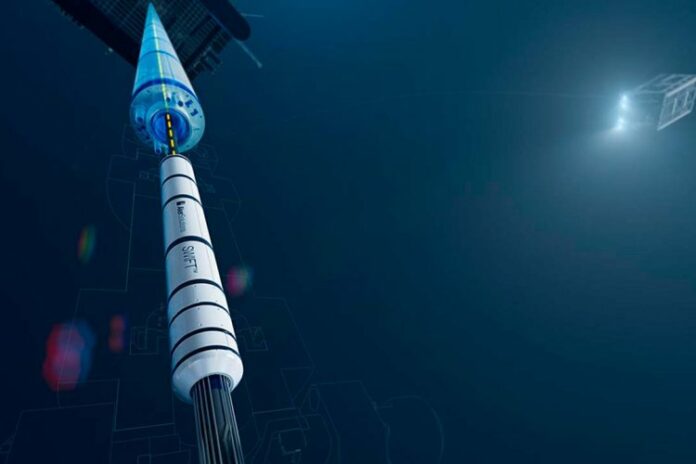
Aker Solutions has announced the first commercial campaign for the SWIFT™ remotely operated tubing hanger (TH) tool. Equinor’s first, umbilical-less TH installation is a momentous development, as the contract scope for the SWIFT™’s deployment involves 18 tubing hanger installations on the Johan Castberg field in the Barents Sea. 

SWIFT™ was developed in partnership with Envirex and will be manufactured at their facilities in Bryne, Norway. Its market advantage is a long list of OPEX and carbon-footprint savings for operators by providing umbilical-less TH installations and retrievals that streamline operations.

Conventional systems power, control and monitor TH installations and retrievals by using heavy and costly topside equipment. SWIFT™ provides the same functionality subsea from an in-riser control module integrated into the Drill Pipe Landing String (DPLS) and controlled from a laptop topside. For Equinor’s Johan Castberg installations, SWIFT™ will eliminate the need for 60 tons of topside equipment and associated maintenance and transport.

A key strength of the concept is its market leading battery and pump capacity. It’s also compact, and SWIFTTM can apply alternating pressure on individual function lines thanks to its dual-valve design. 

“With SWIFT™, we bring an integrated package of products, tooling, and offshore personnel to Johan Castberg TH installation operations,” said Maria Peralta, EVP, Aker Solutions Subsea.

“We are certain that our consolidated offerings will add value to our first umbilical-less operation and reduce operational risks.” 

In automatic mode, SWIFTTM reduces the risk of human error by eliminating handling in the hazardous area known as “the rig red zone”. 

TMS group partners with Orca AI to automate navigation and enhance fleet safety

0

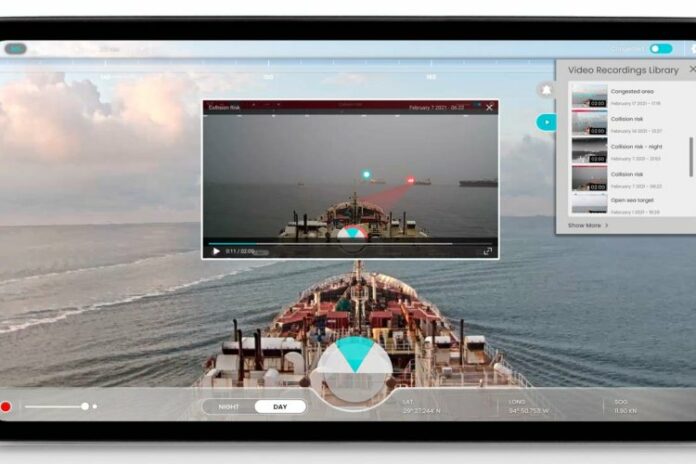
Orca AI has partnered with TMS group to enhance the safety of its fleet. The Orca AI platform has been rolled out across TMS Cardiff Gas’s fleet of 11 LNG Carriers from its 2020-2021 newbuild program, and 9 oil tankers from the TMS Tankers fleet. 

TMS group was looking for a solution to enhance its crews’ situational awareness capabilities, with a focus on navigation in congested areas and in low visibility conditions. It also wanted to improve compliance with its safety policy (SMS) and develop further understanding of the navigational challenges that the fleet is facing and how they are managed.

The partnership began in June 2021 and since installation, the TMS Cardiff Gas fleet has reduced the number of its close encounter events by 25% and increased the average minimum distance from other vessels by 19%.

These figures come as the industry faces an increasing number of safety challenges, with AGCS research showing that 75% to 96% of marine accidents involve human error.

By leveraging Orca AI’s automated watchkeeper, TMS crews will gain enhanced situational awareness as well as optimize fleet performance under high-risk navigational scenarios. 

The Orca AI platform will connect TMS’s vessels and shore-side operations, enabling fleet management teams to receive actionable insights on vessel performance, identify navigation trends that pose a risk and take preventative actions to make fleet operations more efficient and decrease down-time, whilst guaranteeing timely arrivals.

On the partnership, Mr. Kourelis George, General Manager of TMS Tankers:

“As a tanker company, we strive for the highest level of safety. To achieve this goal, we are excited to partner with Orca AI because it enables us minimize our safety risks and avoid potential environmental damage. According to a recent internal survey, more than 90% of our crew finds the Orca AI to be a very user-friendly and useful navigation aid.”

Mr. Alexandros Politis-Kalenteris, Deputy COO of TMS Cardiff Gas added:

“Orca AI helps us to take our zero incidents and damage to environment approach to the next level. Our crew members are now able to make better navigational decisions in real-time which reduces the probability of having a safety event. At the same time, our management has greater visibility and understanding of how our vessels operate in high-risk situations and we are able to turn those insights into preventative actions.” 

Mr. Yarden Gross, Chief Executive Officer, and co-founder of Orca AI concluded:  

“We’re delighted to partner with TMS Tankers and TMS Cardiff Gas to improve their safety performance, and are honored to be part of their journey to be a central player in the shipping industry’s ongoing digital revolution.”
 

Damen and BWB forge alliance to serve the growing Offshore Wind industry

0

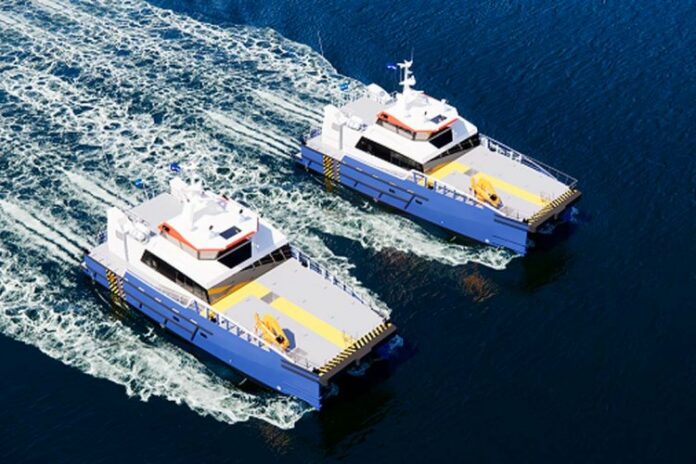
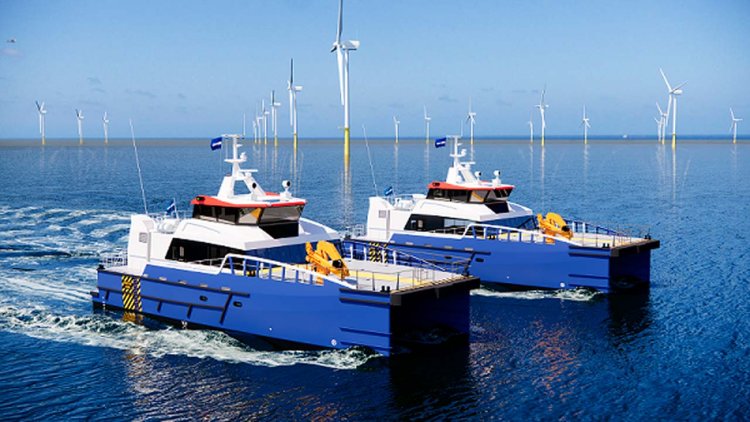
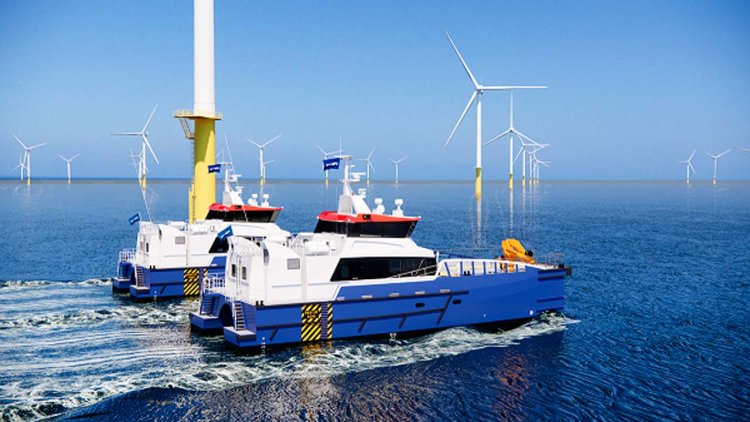
Baltic Workboats (BWB) and Damen Shipyards have signed a partnership agreement for a program of building Damen’s popular crew transfer vessel, the Fast Crew Supplier (FCS) 2710, at BWB’s facility on Saaremaa Island in Estonia. 

With the Baltic Sea joining the North Sea as an area of rapid expansion for the offshore wind industry, building these highly rated CTVs in the region increases availability to both the Baltic region and other European markets.

The FCS 2710 is a versatile vessel and those built by BWB will undertake a range of duties in the North and Baltic seas. These will include deploying and retrieving technicians and their equipment during the construction and commissioning phases of the wind turbine installations, and then transporting the maintenance crews that keep them operational throughout their lifetimes.

Damen’s Twin-Axe hull form ensures excellent seakeeping capabilities and fuel economy as well as providing extensive deck space and accommodation. Damen’s policy of continuous design improvement means that they will feature the latest design adjustments such as an improved wheelhouse window arrangement and an upgraded bridge console layout.

The production of the first batch of vessels is already underway. The aluminum for the first hulls was cut on the 9th of May and the first vessel is expected to be ready for delivery in the summer of 2024. Over the next five years, more than ten FCS 2710s will be built using serial production techniques adopted from the automotive sector and adapted for the shipbuilding sector.

RWE partners with Jan De Nul Group for Offshore Wind Installation Vessels

0

RWE has signed an agreement with Jan De Nul Group to secure the long-term usage of two next-generation installation vessels for future offshore wind foundation and turbine construction. 

The charters are supported by a Service Agreement through which Jan De Nul Group will provide both in-house and market solutions and services, to support and perform installation campaigns for RWE’s offshore wind projects. Through these contracts RWE secures vessel capacities and services in a tight market.

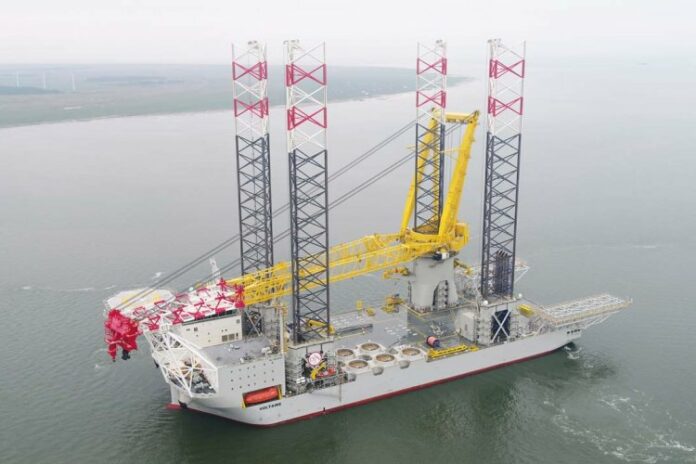
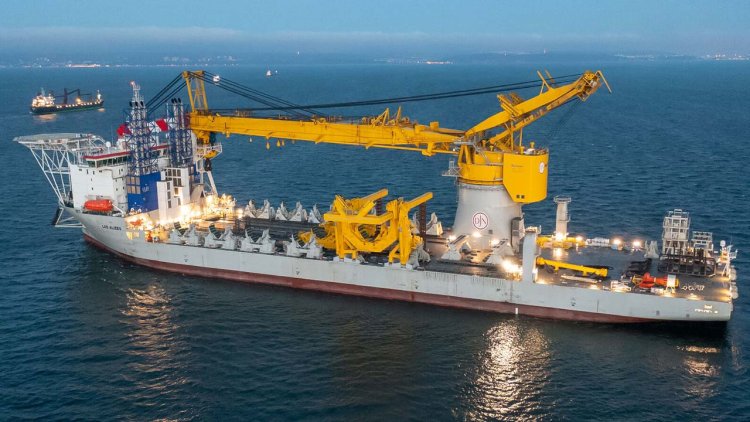
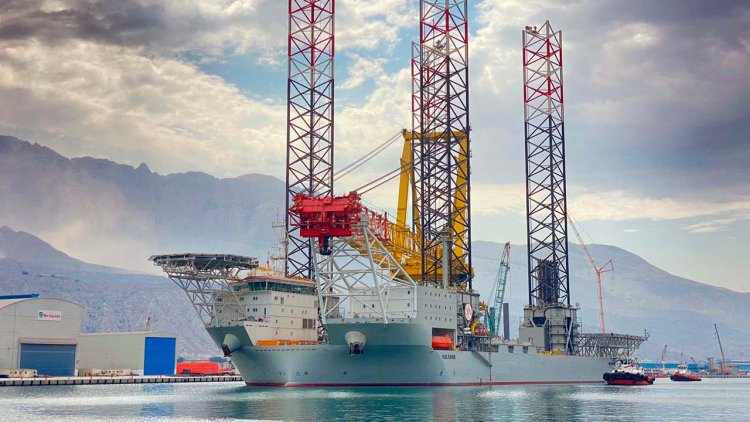
The partnership includes the exclusive and long-term charter of the two specialist next-generation offshore installation vessels “Les Alizés” and “Voltaire”. Both can be used at RWE’s current and future offshore construction projects and, if needed, to run maintenance campaigns at its existing offshore wind fleet.

“Les Alizés” has been chartered for more than five years, and is a purpose-built vessel designed for transporting, lifting and installing wind turbine foundations. With the ability to lift up to 5,000 tonnes and with a deck loading capacity of 61,000 tonnes, she is future-proofed by being capable of handling the scale and design of future foundations that will support the next generation of wind turbines. RWE plans to first deploy this vessel at its Danish offshore project Thor. Foundation installation works for this 1,000-megawatt wind farm are due to take place in 2025.

“Voltaire” is the world’s largest jack-up installation vessel with a crane capacity of 3,200 tonnes and approximately 130-metre long legs. Her innovative design makes the vessel highly suitable for the installation of next generation wind farms in deep waters. She has been chartered to RWE for more than four years, from 2027 onwards. Subject to the project’s final investment decision, RWE plans to first use this vessel to install the turbines of its Hollandse Kust West VII wind farm off the Dutch coast.

With this framework agreement, the two companies are continuing their cooperation. During 2021 and 2022, Jan De Nul Group provided installation services supporting the construction of RWE’s offshore wind farm Kaskasi off the German coast. More recently, Jan De Nul Group has been awarded with the export and inter-array cable installation scopes on RWE’s Thor offshore wind farm.

UKHO signs MoUs with Port of London Authority and Peel Ports Group

0

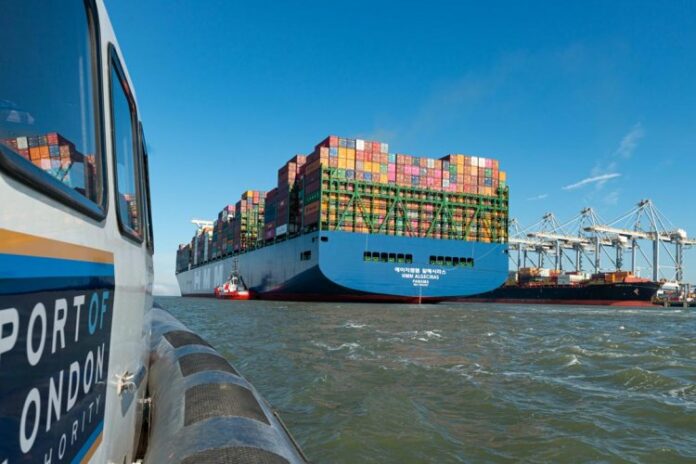
The UK Hydrographic Office (UKHO) has signed new Memorandums of Understanding (MoUs) with the Port of London Authority (PLA) and Peel Ports Group to enable greater collaboration in the port sector, the organisation has announced today.

The new strategic partnerships will help to improve the supply, management and sharing of hydrographic and marine data and support the UKHO’s ambitions to work more closely with the UK ports and harbours community.

The agreements will help to foster improved data exchange between the ports and the UKHO. Taken together, PLA and Peel Ports Group are responsible for handling more than 120 million tonnes of cargo every year. Data from the port groups’ operations will be securely shared with the UKHO for the purposes of improving safety and efficiency at these critical hubs of domestic trade.

The MoUs will also enable closer collaboration on the development and implementation of next generation navigational services. This will include the testing of new solutions based on the International Hydrographic Organization’s new S-100 data standards and joint efforts to find more opportunities to digitalise the port environment.

Speaking on the MoUs, Paul Marks, Head of Data Partnerships at UKHO, said:

“Maintaining close relationships between the UKHO and ports has always been hugely important to support both safety of life at sea and the UK’s international seaborne trade. Ports sit at a critical point in the supply chain. Their unique role comes with unique data which, in an increasingly digital industry, will be critical to the future of navigation, voyage optimisation and to decarbonisation.

“These MoUs will enable us to more closely collaborate with the Port of London Authority and Peel Ports Group and work together with them to ensure a safer, more efficient and more sustainable maritime sector.”

The PLA is responsible for 95 miles of the River Thames, including the surveying of over 400 square miles of riverbed to support safe and efficient passage. This MoU signing follows a successful collaboration between the UKHO and PLA to conduct the first real-world sea trial of gridded bathymetry data using the S-102 standard.

By using multibeam survey data collected by PLA and processed by the UKHO, the organisations worked with SEAiq Pilot to carry out a piloted passage on a commercial vessel to evidence how S-102 data can improve situational awareness and navigational safety for mariners.