-8.2 C
New York
Home Blog Page 289

Ørsted invents and patents uncrewed surface measuring vessel

0

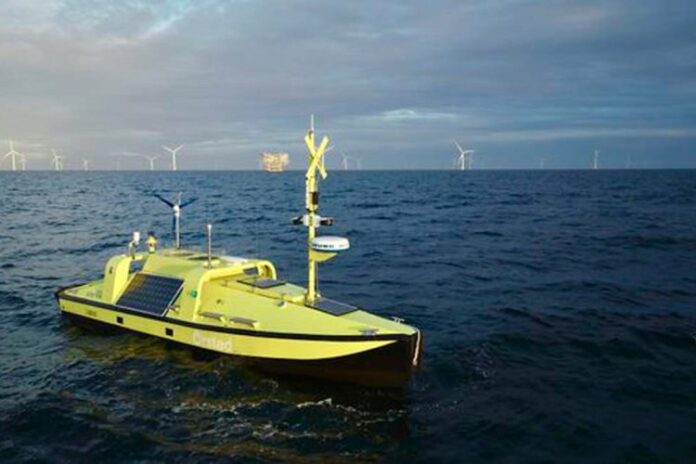
The measurement data will help lower uncertainties in the expected annual energy production for new offshore wind farms. Ørsted, who has patented the USV concept, sees enormous potential in the technology and has initiated a serial production based on their successful prototype USV.

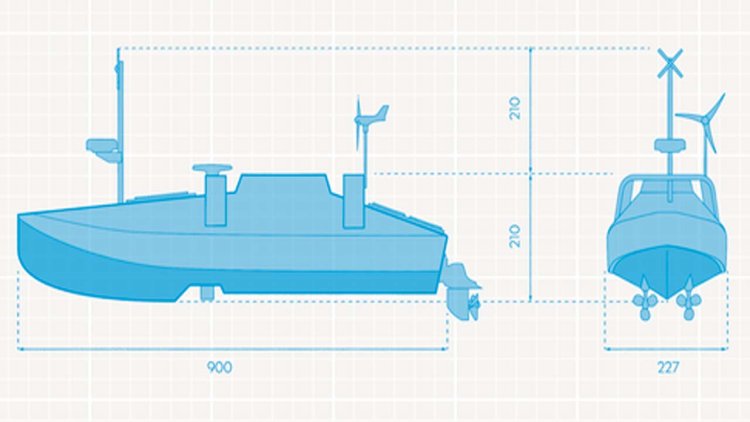
The prototype USV is named Hugin USV. It is designed for continuous operation in the harshest offshore conditions for a year at a time. The USV has a built-in navigation system, which enables it to transit from shore at various degrees of autonomy, and it can be controlled both in line-of-sight or from a beyond-line-of-sight remote control centre.

The USV is designed as a generic sensor platform and can collect large amounts of data on, among other things, the wind conditions, the state of the seabed, and biological and ecological measurements, all dependent on the sensor instrumentation chosen for a given operation. The broad range of measurements collected by the USV is essential for Ørsted’s early-phase development activities prior to the construction of new wind farms.

The USV concept was invented by Ørsted employees and has been patented. The design, development, construction, and testing of the prototype USV was conducted as part of Ørsted’s innovation programme in collaboration with selected industry partners. The prototype USV is constructed by the Danish shipbuilder Tuco Marine Group, and the USV control system is delivered by the innovative Norwegian company Maritime Robotics AS.

Working with small and innovative companies and combining their specialist expertise in vessel construction and autonomous control systems with Ørsted’s in-depth knowledge of offshore measurement operations has been part of the success in delivering a fast time-to-market USV prototype with exceptional performance.
Frederik Søndergaard Hansen, Programme Manager and co-inventor of the USV concept, says:

“What’s so special about our USV concept is that it can bring our measurement equipment to and from our offshore sites without the need for large, specialised support vessels, and, while on site, it can operate autonomously for extended periods of time, measuring large amounts of data that can be sent onshore and processed in real time. The USV concept enables Ørsted to obtain a consistently high data availability, which is essential for achieving the highest possible certainty regarding the annual energy production for new offshore wind farms.

Ørsted’s USV concept has several advantages over conventional solutions that rely on specialised support vessels to bring measurement equipment to offshore sites. The Ørsted USV improves safety by removing the risk for offshore technicians, reduces the overall carbon emissions significantly, and increases the operational window as it can operate safely in high sea state conditions.”
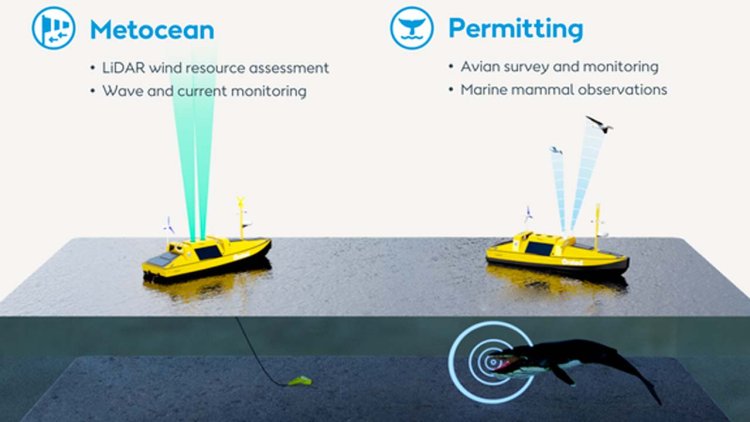
Another benefit of the USV concept is the significantly lowered costs of conducting offshore measurement campaigns, while providing increased flexibility for Ørsted through internal ownership and operation of the USVs. The prototype vessel, Hugin USV, has been tested in Danish and Norwegian waters and has been operational during hurricane conditions, where it experienced waves up to nine metres in the North Sea. Hugin USV has also achieved type validation as a floating LiDAR system by the internationally accredited Norwegian classification society ‘Det Norske Veritas’ (DNV), enabling it to be used for commercial operations related to wind farm development.

“The autonomous vessel is a very good example of Ørsted’s innovation methodology. First, we study the megatrends addressing our industry – in this case, the challenge of obtaining quality wind measurements and environmental data in the fastest time possible. Then, we apply our three-step demonstrator, stepstone, and commercial scale product-to-market recipe. Meaning, we start small and proof the concept, then through strong partnership collaboration, financial backing, and against the tide of macroeconomic trends, we persevere through our extensive inhouse project management experience and systematic problem-solving mindset,” said Jacob Edmonds, Head of Innovation at Ørsted.

The results are so good that Ørsted has started a serial production of a new class of USVs, which incorporates the learnings from the prototype and broadens the operational capabilities to include deep-water operations for future floating wind farms. The USVs in the new class are constructed in Denmark by Tuco Marine Group, and the control systems are delivered by Maritime Robotics, which is a continuation of the good collaboration from the prototype USV. The expectation is to produce five new USVs by the end of 2023.
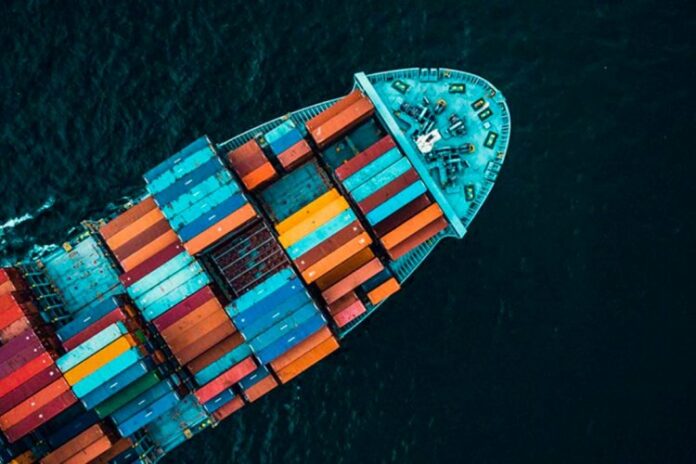
NORDEN orders dry cargo newbuildings

0

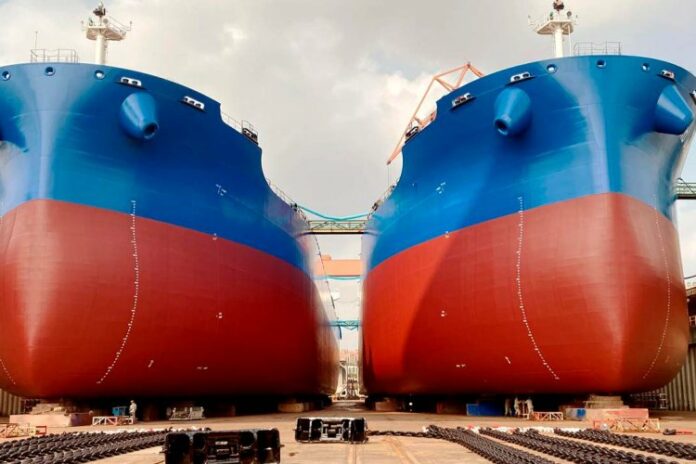
NORDEN has recently placed a newbuilding order for six dry cargo vessels from Dalian COSCO KHI Ship Engineering Co., Ltd. (DACKS), a joint venture between COSCO Shipping and Kawasaki Heavy Industries, for delivery in the next two to three years. All six orders are for Supramax vessels with a capacity of 64,000 deadweight tonnes.

Head of Asset Management, Henrik Lykkegaard Madsen, outlines how the order reflects NORDEN’s asset trading business approach:

“Placing this newbuilding order is an integrated part of our asset trading strategy, whereby we can add dry cargo capacity with future delivery, which we think will be interesting both from a freight and asset value perspective. This is also supported by the current low orderbook which will see very few deliveries between now and the delivery of these vessels”, says Henrik Lykkegaard Madsen.

The newbuildings will join the portfolio of NORDEN owned and leased dry cargo and product tankers managed by the Assets & Logistics business unit.

Having made sizeable reductions in the owned dry cargo fleet during 2022, NORDEN only owned around 6 dry cargo vessels at the end of the first quarter of this year. During 2023, NORDEN has gradually added more exposure towards the dry cargo market, effective from 2024 onwards.

Since 2020, the Assets & Logistics business unit has conducted more than 135 asset trades, as part of continuously adapting NORDEN’s overall exposure in dry cargo and product tankers and making use of short-term market opportunities for asset trading.

The vessel types are among the most fuel-efficient ship designs in the market, which can use both traditional marine oil and biofuel, notes Henrik Lykkegaard Madsen. NORDEN considers biofuel a key transition fuel on our journey to reduce emissions and offer greener shipping solutions to our customers. 

Maersk to pioneer first container vessel conversion to methanol dual-fuel engine

0

As the first in the shipping industry, A.P. Moller – Maersk (Maersk) will retrofit an existing ship to a dual-fuel methanol powered vessel and thereby able to sail on green methanol. 

Leonardo Sonzio, Head of Fleet Management and Technology at Maersk, said:

“We have set an ambitious net-zero emissions target for 2040 across the entire business and have taken a leading role in decarbonising logistics. Retrofitting of engines to run on methanol is an important lever in our strategy. With this initiative, we wish to pave the way for future scalable retrofit programs in the industry and thereby accelerate the transition from fossil fuels to green fuels. Ultimately, we want to demonstrate that methanol retrofits can be a viable alternative to new buildings.”

Maersk has signed an agreement with MAN Energy Solutions (MAN ES) who will retrofit the engine.

Leonardo Sonzio, Head of Fleet Management and Technology at Maersk, said:

“In 2021, we ordered the world’s first methanol-enabled container vessel following a commitment to the principle of only ordering newbuilt vessels that can sail on green fuels. Concurrently, we have explored the potential in retrofitting existing vessels with dual-fuel methanol engines. Having teamed up with MAN ES, we are now ready to demonstrate how retrofitting vessels with methanol dual-fuel capabilities can be done.”

Besides aiming to achieve net-zero in 2040, Maersk has also set tangible near-term targets for 2030 to ensure alignment with the Paris Agreement and Science Based Targets initiative (SBTi) methodology. This translates to a 50% reduction in emissions per transported container in the Maersk Ocean fleet compared to 2020, and furthermore 25% of its container volume will by 2030 be transported using green fuels.

Replacing engine parts and thereby making the engine able to operate on methanol is a rather complex task, but only a part of the larger retrofit operation. For instance, new fuel tanks, fuel preparation room and fuel supply system are also a part of the retrofitting the vessel for green methanol.

Ole Graa Jakobsen, Head of Fleet Technology and responsible for the retrofit project at Maersk, said:

“Detailed engineering for the first retrofit is ongoing and the actual implementation will take place in the middle of 2024. Meanwhile, discussions with potential yards are ongoing.”

Maersk is currently operating more than 700 vessels with around 300 of them being owned by Maersk.

Electramar, AtoB@C Shipping’s first hybrid vessel successfully launched

0

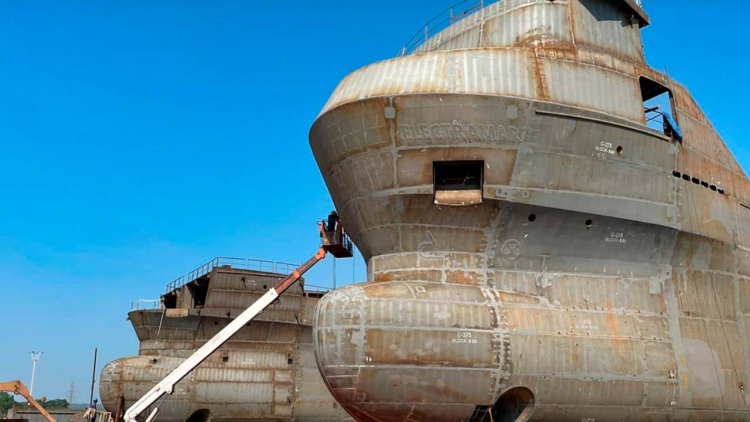
Electramar was successfully launched at Chowgule Shipyard on the 21st June. She is the first unit in the series of twelve highly energy-efficient plug-in hybrid vessels ordered by our subsidiary AtoB@C Shipping. 

“The launching of a vessel is always a special moment in shipbuilding and we are excited to see the vessel in its real element for the first time”, says Mikki Koskinen, Managing Director of ESL Shipping and Chairman of the Board of AtoB@C Shipping.

Currently, the shipyard has five vessels under construction at various stages. The steel cutting ceremony for the fifth vessel in the series, Maximar, was celebrated at the shipyard in the traditional Indian way at the end of March and the keel laying of the fourth vessel, Aquamar, in late April.

Electramar will be delivered in the autumn of this year. After that, one vessel will follow every three months. The order consists of twelve vessels with the last delivery expected to be in the second quarter of 2026.

Equinor signs long-term LNG purchase agreement with Cheniere

0

Today, 21 June 2023, Equinor and Cheniere have announced a new 15-year purchase agreement of around 1,75 million tonnes of LNG per year, with half of the volume starting from 2027.

This new Sales and Purchase Agreement (SPA) with Cheniere will double the volumes of LNG that Equinor will export out of Cheniere’s LNG terminals on the U.S. Gulf coast.

The LNG market is expected to grow significantly because of the role it will play in providing energy security as well enabling a transition to a cleaner energy mix in many markets. With more US LNG in its portfolio, Equinor will increase its role as a supplier of natural gas in global markets while maintaining its position as the major supplier of natural gas to Europe.

Helge Haugane, Equinor’s senior vice president for Gas & Power, said:

“I am very pleased that we have entered into another long-term agreement with Cheniere. Europe will need natural gas to ensure flexible energy on demand to support the build-out of more intermittent renewables and LNG will play an important role. In other markets, for example in Asia, demand for LNG is expected to grow as a solution to energy security as well as lower emissions. Equinor has an ambition to strengthen its role as a leading supplier of natural gas and with our supply agreements with Cheniere we are expanding our global position”

Under the SPA, Equinor has agreed to purchase approximately 1.75 million tonnes per annum (“mtpa”) of LNG from Cheniere Marketing on a free-on-board basis for a term of approximately 15 years from the commencement of delivery of the total amount of LNG volumes. The deliveries under the SPA will start in 2027 and is expected to reach the full 1.75 mtpa towards the end of this decade.

Finnlines and NAPA to deploy electronic logbooks on newbuild hybrid ferries

0

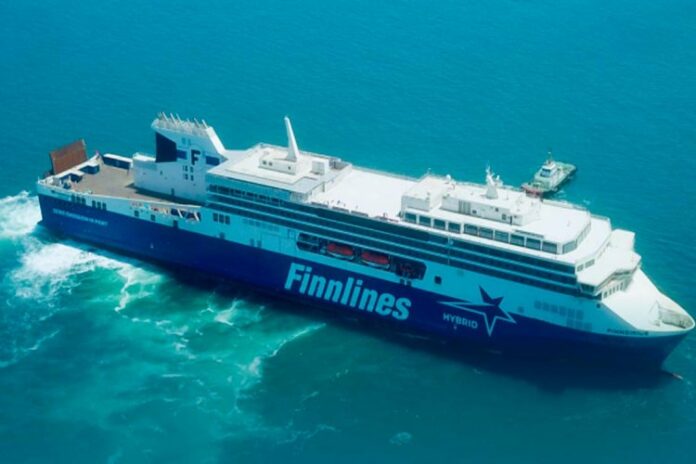
Finnlines has announced an agreement with NAPA, a global maritime software and data services expert, to install NAPA’s electronic reporting, fleet monitoring and stability management solutions on two newbuild “Superstar-class” ro-pax vessels. 

NAPA’s next-generation digital solutions will harness the detailed, traceable data in the ships’ logs on all aspects of operations, and use it to generate valuable insights on safety, efficiency, compliance, and sustainability for the sister vessels Finnsirius and Finncanopus – thanks to enhanced data capturing and sharing between onboard and shoreside teams.  

Under the agreement, the two ships will be equipped with NAPA’s electronic Logbooks, which will automate and streamline mandatory reporting and record-keeping required by the flag state and the IMO’s MARPOL and SOLAS conventions. This will help reduce the administrative burden for crews, save time and limit the risk of errors. 

The Finnsirius and Finncanopus will be the first ships under the Finnish flag to boast the new NAPA Logbook with cloud-based Fleet Intelligence modules, which enable seamless real-time data exchange between crew on board and Finnlines’ onshore organization. This operational data will be integrated and analyzed to identify opportunities for further optimization, supporting Finnlines’ commitment to sustainable and efficient operations. 

Furthermore, the two vessels will feature NAPA’s stability management solution, which is already used by the current Finnlines fleet. The software enables ship and shoreside teams to share and view all stability data, including loading conditions, stability margins, and watertight door status, in real time, thereby supporting a more proactive approach to voyage safety and planning.  

Built by the China Merchants Jinling shipyard, the two “Superstar class” vessels present greater capacity compared to other ro-pax ships in the fleet, carrying up to 1,100 passengers each and 5,200 lane metres cargo, as well as enhanced energy efficiency and environmental performance. Finnsirius is expected to be delivered in July 2023 and will enter operations in the autumn of 2023, while Finncanopus is scheduled to begin operations by the end of the year. 

Pasi Väänänen, Technical Superintendent at Finnlines, said:

“Our sea connections are a vital link between countries bordering the Baltic Sea and the North Sea, bringing people together and supporting businesses and supply chains in the region. We are dedicated to meeting this important need for maritime transport as efficiently, safely, and sustainably as possible.  

“Proper data capturing and analysis onboard our vessels is an essential foundation for progress on all these aspects. We are proud to pursue our digital journey with NAPA, which will provide our teams with the data they need not only to ensure compliance, but also to further optimize our overall business operations moving forward.” 

Esa Henttinen, Executive Vice President for Safety Solutions at NAPA, said:

“This partnership is a tangible example of the new opportunities that shipping can unlock with its onboard operational data, with efficiencies that go beyond navigation and route optimization. Beyond mandatory reporting, this data can be integrated and analyzed to deliver insights that will inform actions to deliver more efficient and sustainable operations.

“More than reporting on results, greater data collection is also an opportunity to improve those results. By streamlining various reporting on technical, environmental, vessel discharge and waste management, including MARPOL, ESG, IMO DCS, EU MRV, and CII, we can monitor and boost efficiency on a wide range of operational factors, from fuel efficiency to waste management and safety, for example. This is why electronic reporting solutions are bound to play a key role in the decarbonization transition, helping companies harness their data for better decision-making.” 

Atlantic Offshore selects Fleet LTE for its North Sea fleet

0

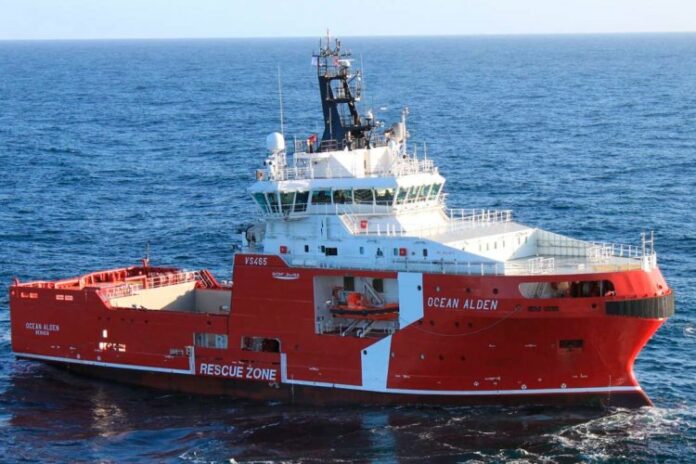
Inmarsat Maritime, a Viasat business, has reached an agreement with long-standing customer Atlantic Offshore to implement Fleet LTE across the Norwegian offshore service provider’s multifunctional fleet. 

The commitment will ensure vessels maintain continuous access to high-speed, low-latency connectivity in the North Sea during their offshore supply, seismic support and oil recovery duties.

As an all-in-one solution, Fleet LTE will allow the vessels to connect to 4G offshore fibre networks when in range and Inmarsat’s market-leading Ka-band service, Fleet Xpress, when sailing beyond LTE coverage zones. Switchover between the services is a seamless, fully automated process, ensuring no loss of connectivity when transiting from one area to another. Fleet LTE also includes access to FleetBroadband’s resilient L-band coverage for unlimited back-up with 99.9% network availability.

On top of meeting Atlantic’s internal business requirements, Fleet LTE supports a happy and motivated workforce by allowing seafarers to maintain contact with friends and family and access online entertainment in their spare time on board. It also offers a separate bandwidth pipe for charterers, whose allowance Atlantic can upgrade and downgrade in line with demand.

Ove Gjerstad, QHSE Manager/ Chartering and Operation, Atlantic Offshore Management AS, said:

“Following our positive experience with Fleet LTE on board one of our vessels, we opted to roll the solution out across our entire fleet. Seamless communications across three modes of connectivity provided by one trusted partner mean we can rest assured that our vessels are always connected, with no risk of drop out during transit, no hidden costs and no juggling multiple contracts.”

Scott Middleton, Regional Director North Europe, Inmarsat Maritime, said

“Through Fleet LTE, North Sea operators like Atlantic Offshore can meet the ever-growing demand for high-speed crew internet, which is crucial for both regulatory compliance and competitiveness in recruitment. The solution also provides an advantage with charterers, allowing operators to offer their clients a cost-effective onboard connectivity service that does not compromise on quality.”

Launched in 2020, Fleet LTE also covers the Gulf of Mexico, and is part of Inmarsat’s wider investment plans for the maritime and offshore industries. The next step in Inmarsat’s technology roadmap is ORCHESTRA: a unique ‘dynamic mesh network’ combining existing geosynchronous satellites including ELERA (L-band) and Global Xpress (Ka-band) with low-Earth orbit satellites and terrestrial 5G. The network will offer the lowest average latency and highest average speeds available in shipping.

Opening of Denmark’s first shore power facility with AIDAmar in Aarhus

0

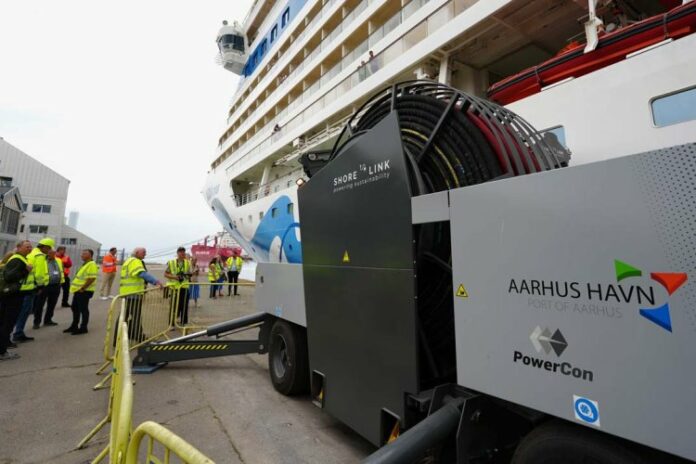
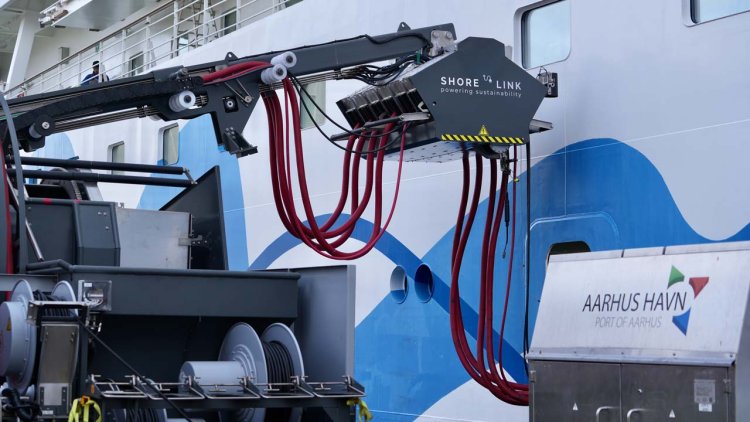
Together with the Port of Aarhus, AIDA Cruises celebrated the opening of the first shore power facility for cruise ships on June 20, 2023. 

AIDAmar was successfully supplied with energy from shore in regular operation. Prior to this, AIDA Cruises already supported its Danish partner in the preparations for the commissioning of the newly built plant. In April this year, AIDAsol was the first cruise ship to successfully complete shore-side and shipboard integration tests.

“We were the first cruise line to start using shore power in Europe! We show that we stand by our word, which we gave to our Cruise Baltic partners in 2022, and are pleased that our ships can now also use shore power in a Danish port. With our investments in this clean technology, we are actively supporting the European Union’s goals to build a shore power infrastructure in all major EU ports by 2030,” says AIDA President Felix Eichhorn.

AIDA Cruises has been considering the use of shore power in the planning and construction of its ships since 2004. On the shore side, another ten years passed before the company could start regular operations with a cruise ship at Europe’s first shore power facility in Hamburg Altona in 2017.

Since 2021, AIDA ships have also been able to use shore power from renewable energies in Kiel and Rostock-Warnemünde. Thanks to the opening of further facilities in its European cruise destinations, the company extended the use of shore power to ports in Norway and the UK in 2022.

Second LNG carrier of the ORLEN Group’s fleet is heading for Świnoujście

0

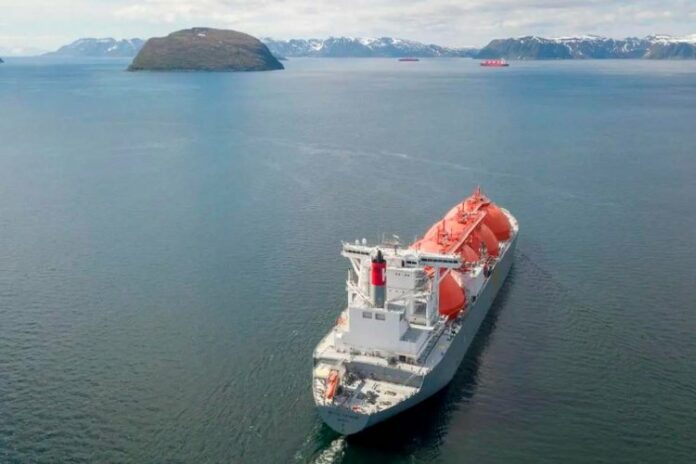
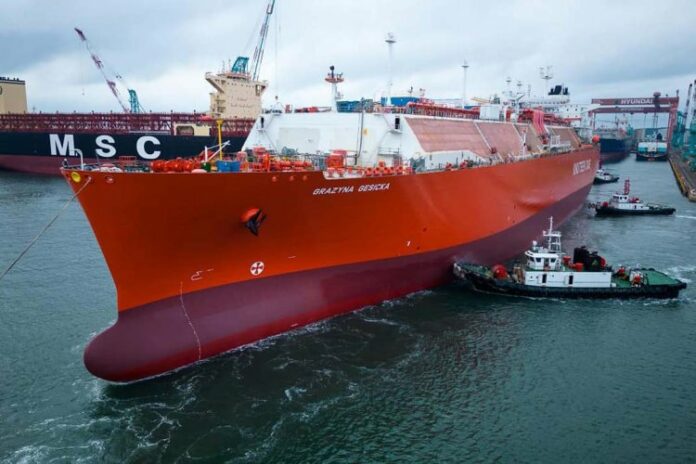
The LNG carrier was loaded at the Freeport terminal in the United States. It will deliver to Poland a cargo of approximately 65,000 tonnes of LNG.

“ORLEN ensures Poland’s energy security by diversifying the directions and sources of gas supplies. Because LNG delivered by sea plays a key role in this process, it is critical to ensure the stability of sea transport. That is why the ORLEN Group has ordered a fleet of modern LNG carriers. These vessels not only increase our ability to secure gas supplies, but also enhance our flexibility in responding quickly to changing demand from our customers. We are also consolidating the Group’s position on the global LNG market,” says Daniel Obajtek, CEO and President of the PKN ORLEN Management Board.

“Grażyna Gęsicka” is the second LNG carrier in the ORLEN Group’s fleet. The first one, “Lech Kaczyński”, has been in service since February this year. To date, it has delivered three LNG cargoes to Poland, with the last one arriving at the Świnoujście terminal on June 8th.

The ORLEN Group’s fleet will comprise eight LNG carriers. Each of them can carry a cargo of LNG that is equivalent to about 105 mcm of regasified natural gas. The size of the LNG carriers ensures that they have a sufficient carrying capacity and are able to call in almost every liquefaction and regasification terminal in the world. This ensures high flexibility and efficiency of ship management.

The ships will be used to carry both LNG purchased under the long-term contracts in the United States and LNG purchased in spot transactions. With its own fleet of LNG carriers, the Group will be able to optimally manage these transactions: depending on the market situation, LNG cargoes will be delivered to Poland or transported to other countries.

Besides being modern, the ships being built to ORLEN Group’s order also feature a number of environmentally-friendly solutions, including mainly the reliquefication system. As a fraction of LNG naturally evaporates during transport, it had to be burned at older ships. The solution deployed in ORLEN Group’s ships enables reliquefaction, which not only translates into savings, but also reduces environmental impact.

Alternatively, the evaporated gas can be used as a fuel to power the ship or generate electricity during the voyage. The use of low-carbon natural gas for these purposes significantly reduces carbon dioxide emissions compared with fuels typically used in heavy marine transport.

ABB introduces operational planner for offshore wind vessel operations

0

ABB introduces new Operational Planner module for its ABB Ability™ OCTOPUS – Marine Advisory System to help offshore fleet managers plan and optimize the maintenance of offshore wind farm operations.

Offshore support vessels typically operate close to their shore base with frequent trips to fixed assets, such as wind turbines at sea, which sets specific requirements to their ability to perform in demanding conditions. Moreover, as the vessels perform time-sensitive and demanding marine operations, planning is of utmost importance.

For support vessels moving between turbines or rigs during a single shift, OCTOPUS Operational Planner forecasts vessel workability across multiple sites, benefiting decisions on deployment, safety, efficiency and sustainability. Offshore fleet managers can rely on the system to optimize the performance of offshore support vessels, as well as the equipment and crew onboard.

The Software as a Service (SaaS) OCTOPUS Operational Planner is an industry-first functionality, allowing users onboard or ashore to plan and optimize operations for various offshore locations. Whereas an offshore support vessel typically relies on an onboard weather routing system to predict weather and wave heights, OCTOPUS incorporates the weather forecast into the system, combines it with the vessel’s hydrodynamic properties based on size and design, and calculates the expected vessel motions. Thus, instead of weather, the operational limit of the vessel is based on its maximum allowable motions for offshore operations, for example safety in deploying robotic platforms for inspection and maintenance.

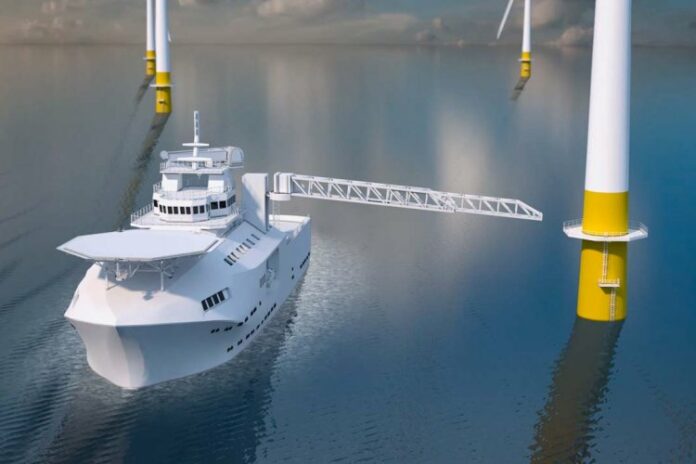
The module represents ABB’s contribution as a key technology partner for the EU-funded ATLANTIS research project. ATLANTIS is exploring remote offshore inspection and maintenance techniques using advanced robotic systems for wind farms and developed two Testbeds in the Atlantic Ocean to be used by the international community.